After You Call
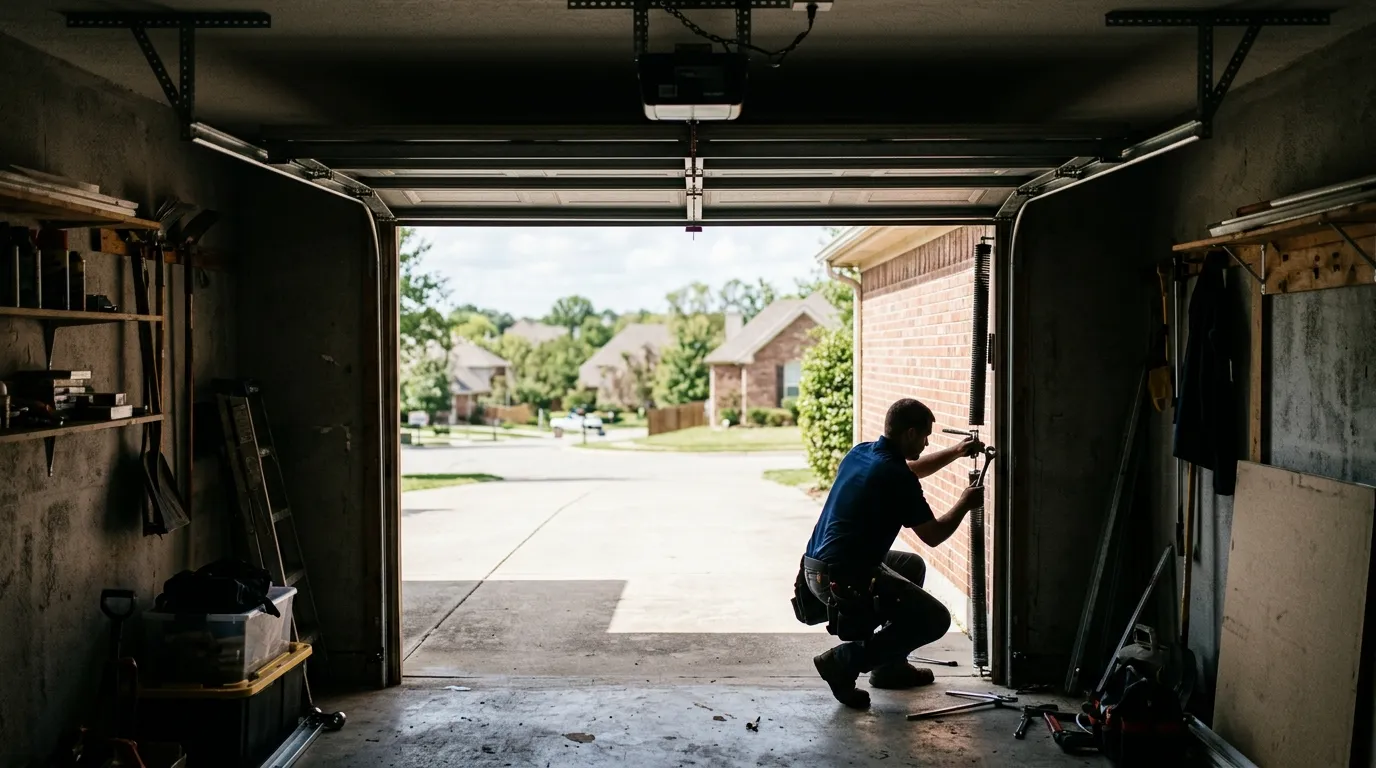
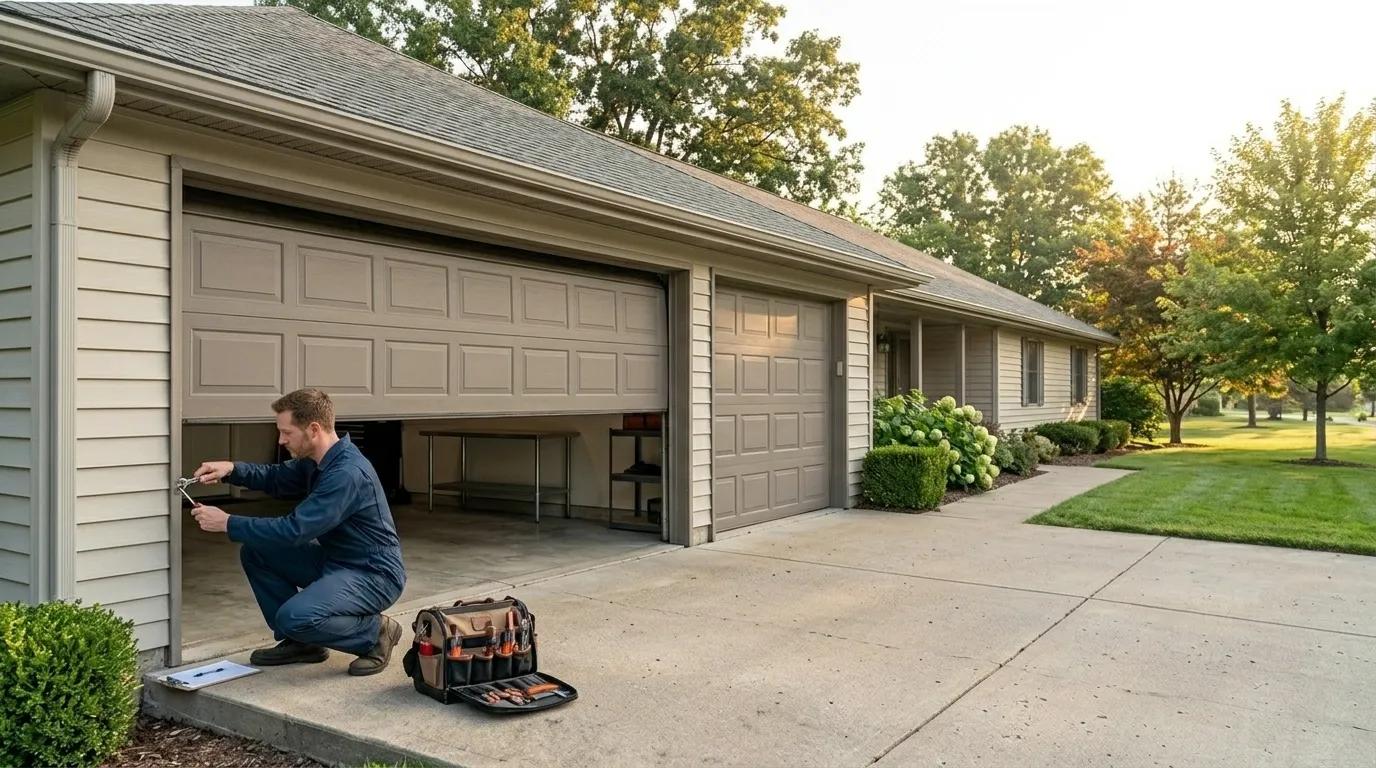
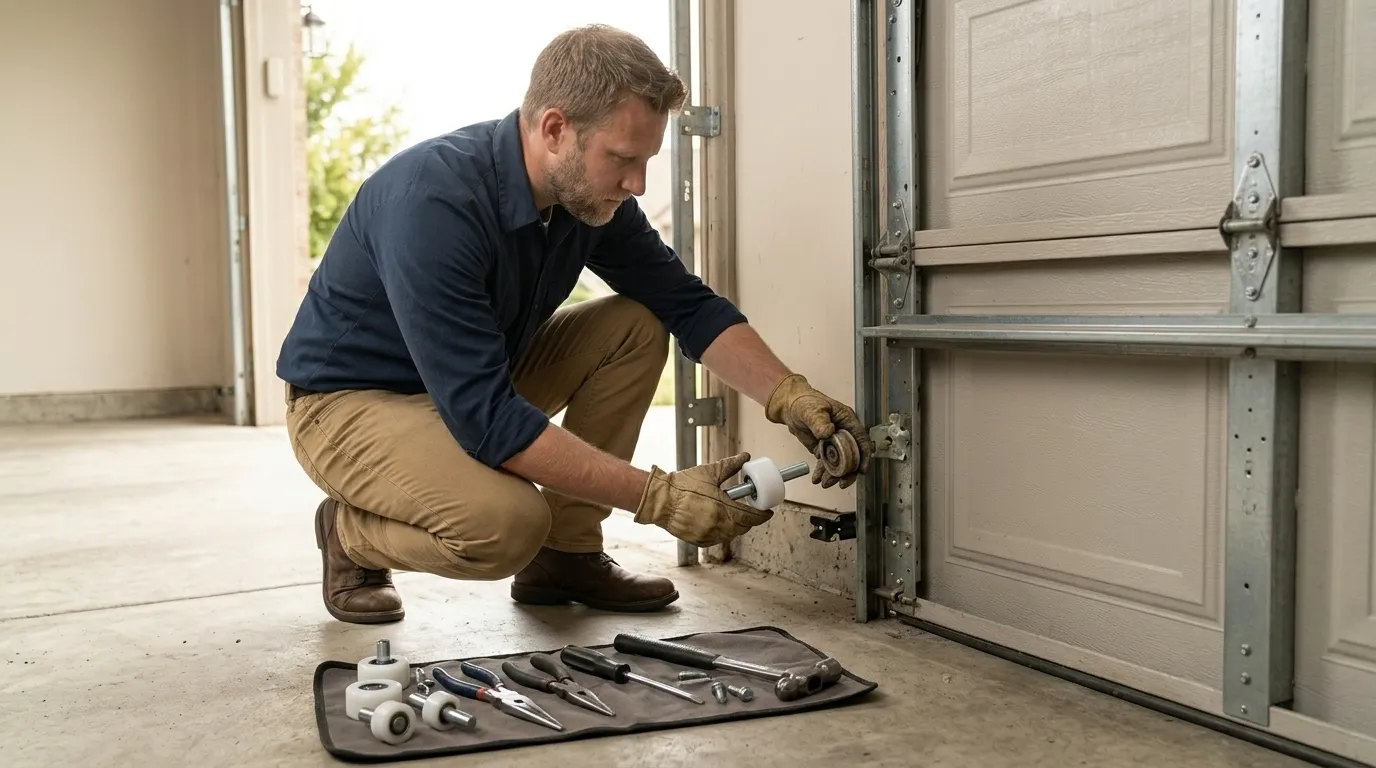
When you call, we ask what the door is doing - grinding, refusing to open, sagging on one side, or just sitting dead. That tells us whether it's a spring, a cable, an opener board, or hardware that's finally given out after decades of use. Most of the houses we work on around here went up between 1958 and 1997, with the bulk of that building happening through the 1980s and 90s, so a lot of the springs and track we see are original or close to it, sized for doors that were heavier or built differently than what's sold today.
We bring parts sized for that era because we see it so often. If your door is a newer install on an older house, or vice versa, that's fine too - we just need to know before the truck rolls so we're not guessing at drum size or cable length once we're standing in the driveway. A short conversation up front saves a second trip.
We work from Cedar St out through the surrounding areas, and the age of a house tells us almost as much as what you tell us about the noise it's making.
Work We Turn Down
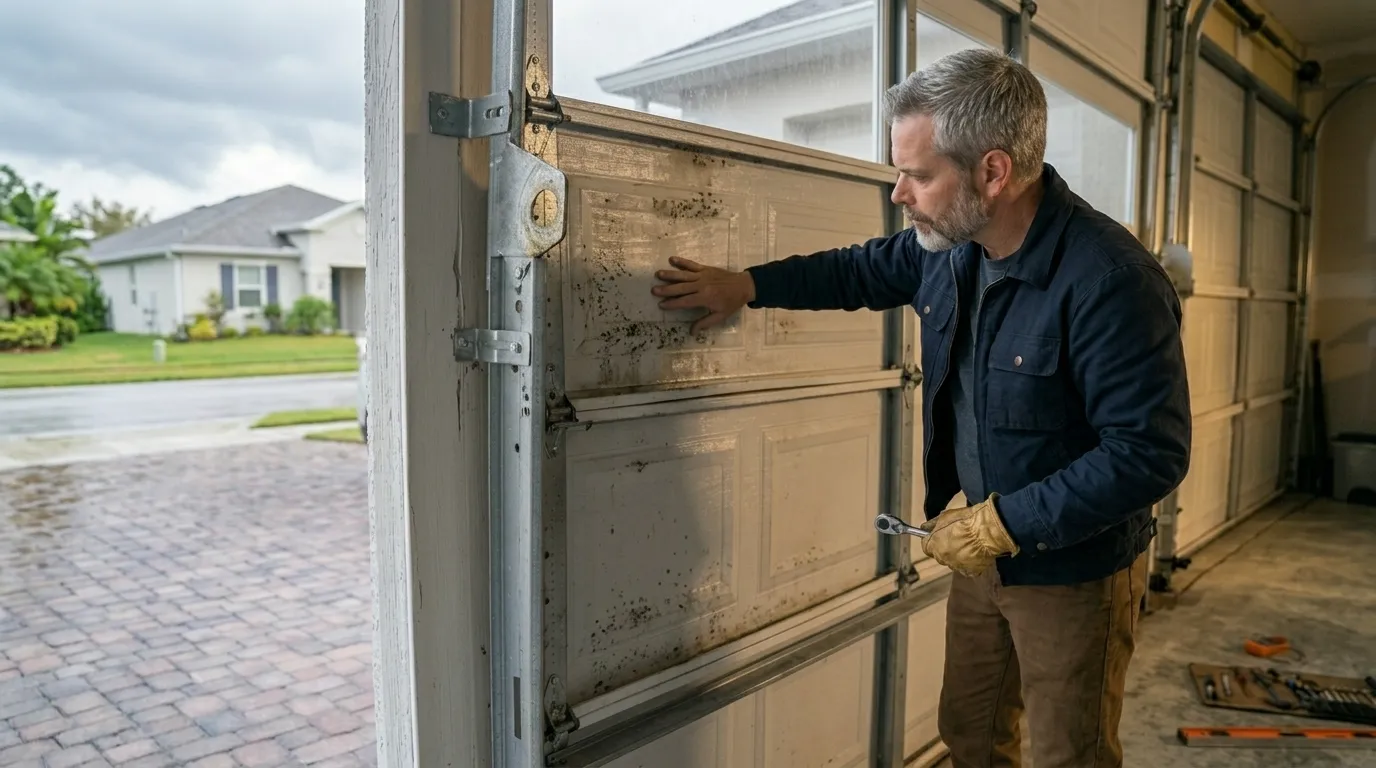
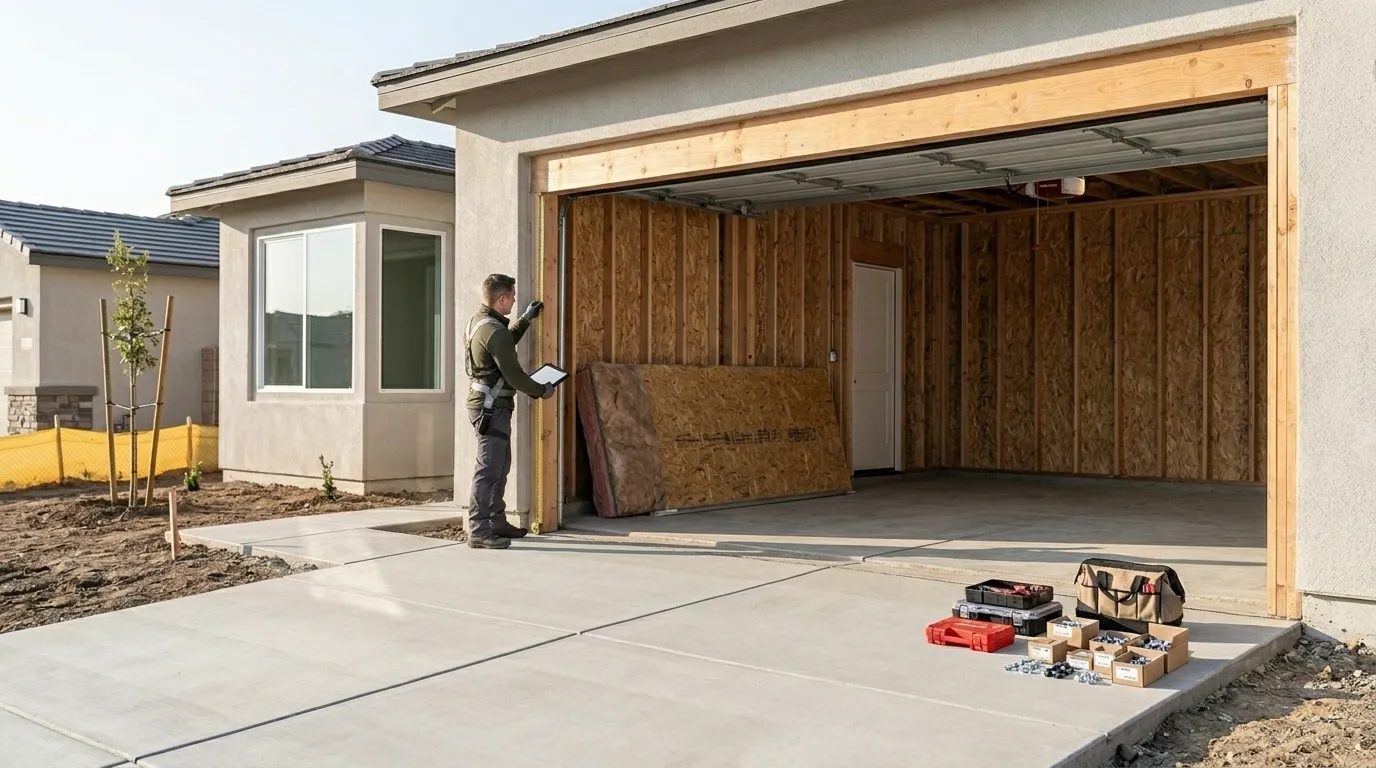
We don't do new home construction installs where the opening isn't framed yet - that's a builder's job, not ours. We also won't patch a door that's cracked through a panel seam or rusted through the bottom section just to save you money today; on a door that old, welding a patch onto rotted steel usually fails again within a season, and we'd rather tell you that up front than bill you twice.
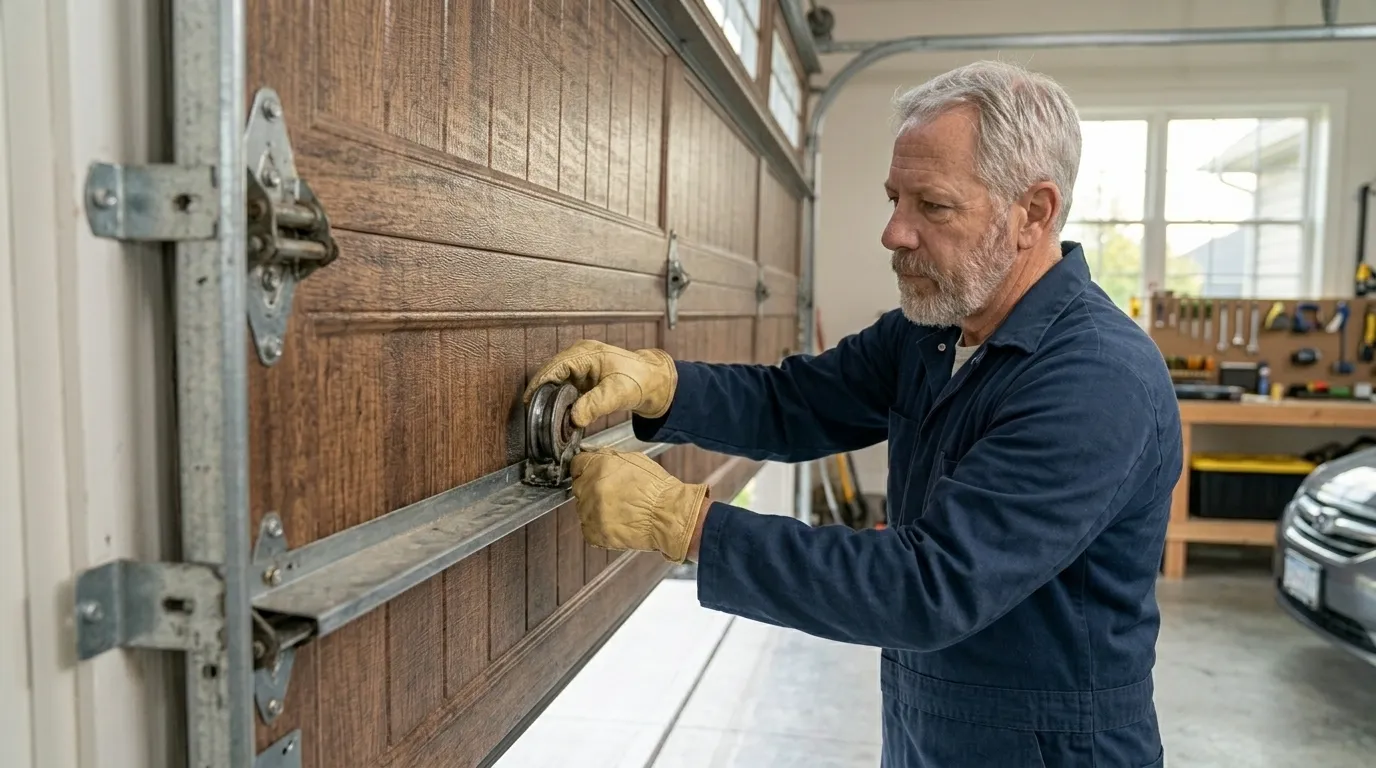
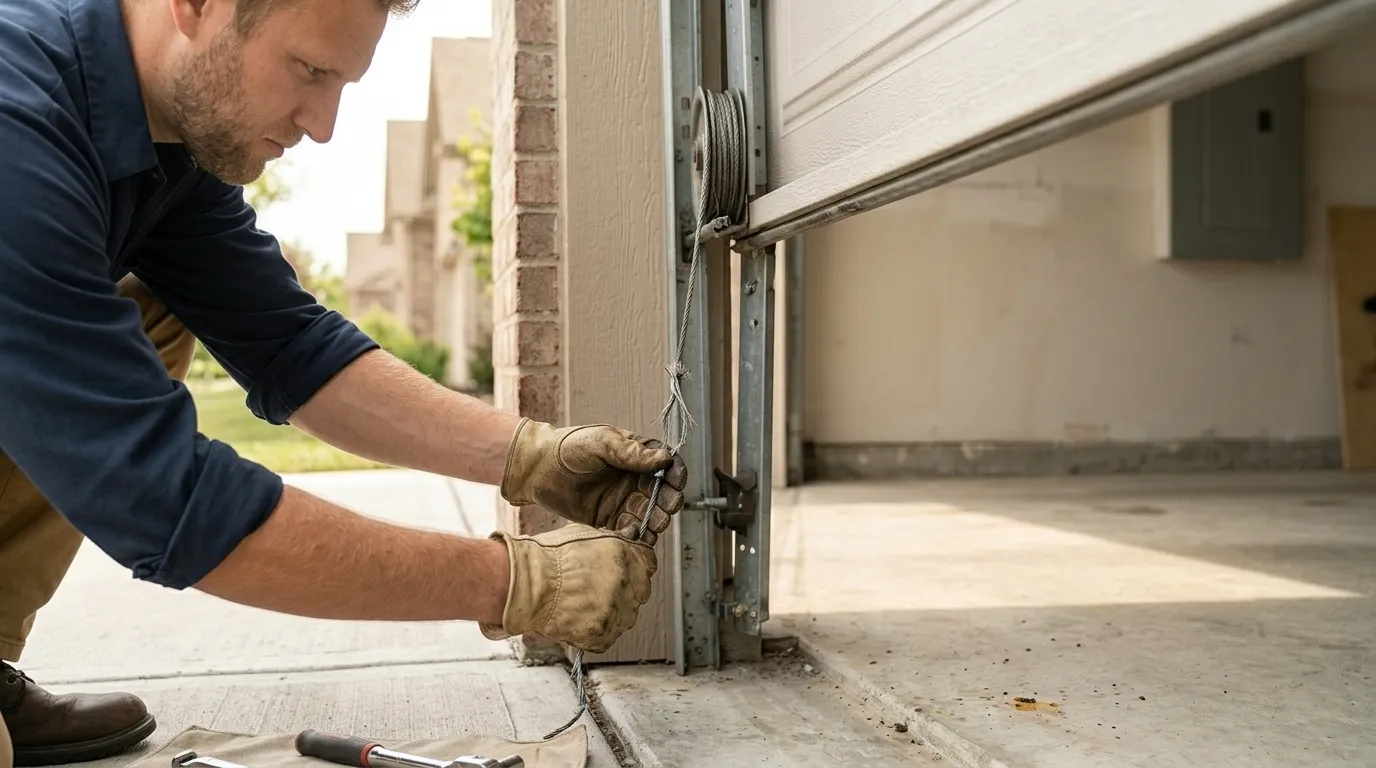
If a spring has already let go and someone's tried to force the door open by hand, we check the cables and drums before we touch the spring - a door under that kind of strain can have more wrong with it than the obvious problem. We won't just swap the spring and call it done if the cable's frayed too.
We also don't guess at pricing over the phone for anything beyond a basic spring or opener call. Track alignment, panel replacement, and full door swaps depend on what we find once the door's open, and we'd rather look than quote blind.