Time on the Job
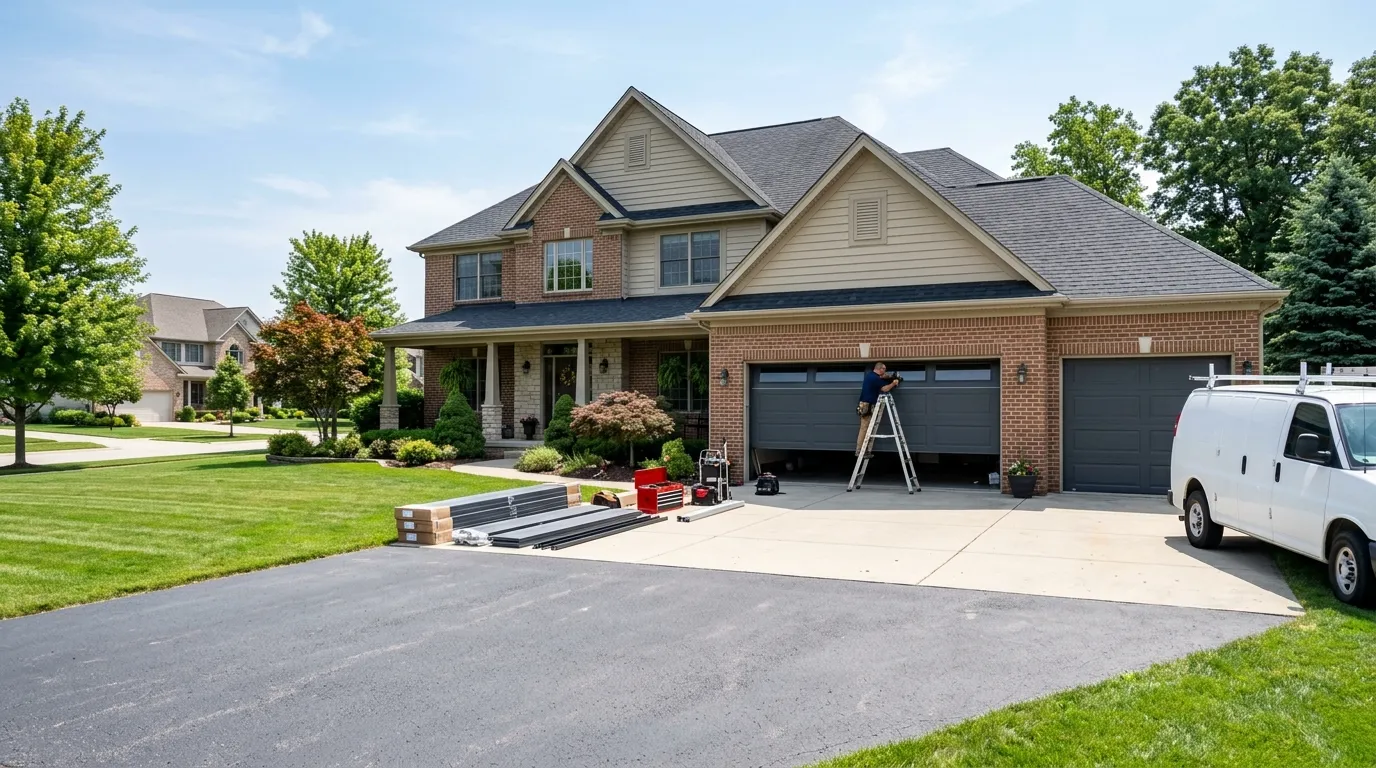
A cable job is quick compared to most garage door calls, but it's not a five-minute fix if you want it done right. We pull both cables even when only one has snapped, check the drum grooves for wear, and rebalance the door before we leave. On the tract homes built across this area between 1958 and 1997, the original hardware is often still on the door, and cables that have run for three or four decades don't come off the drum clean - they fray, and a frayed strand can jump the drum and jam the door mid-cycle. We don't rush that part. A door that looks fixed but swings out of balance the next cold morning isn't fixed. If the drums themselves are scored or the torsion spring is also shot, we say so before we start, not after we've billed for cable only.
What the Fix Involves
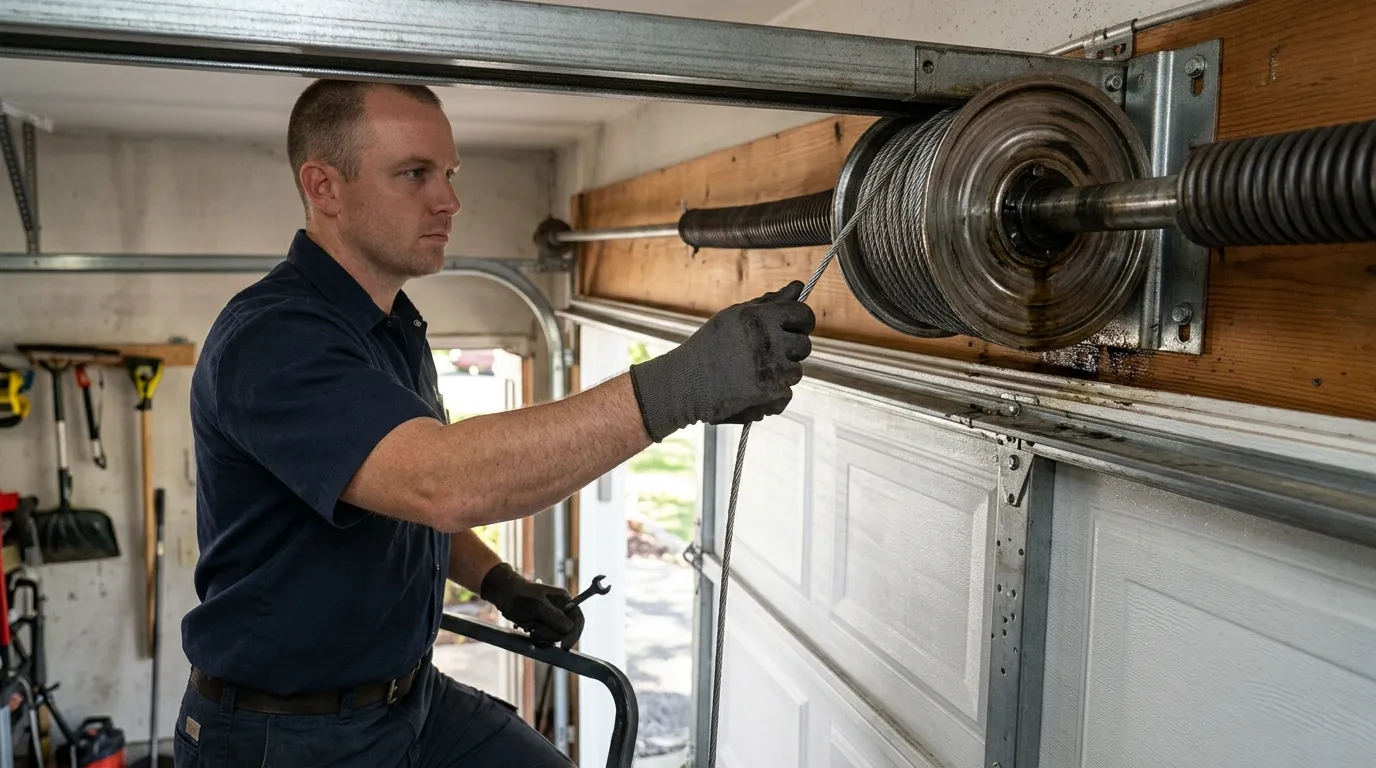
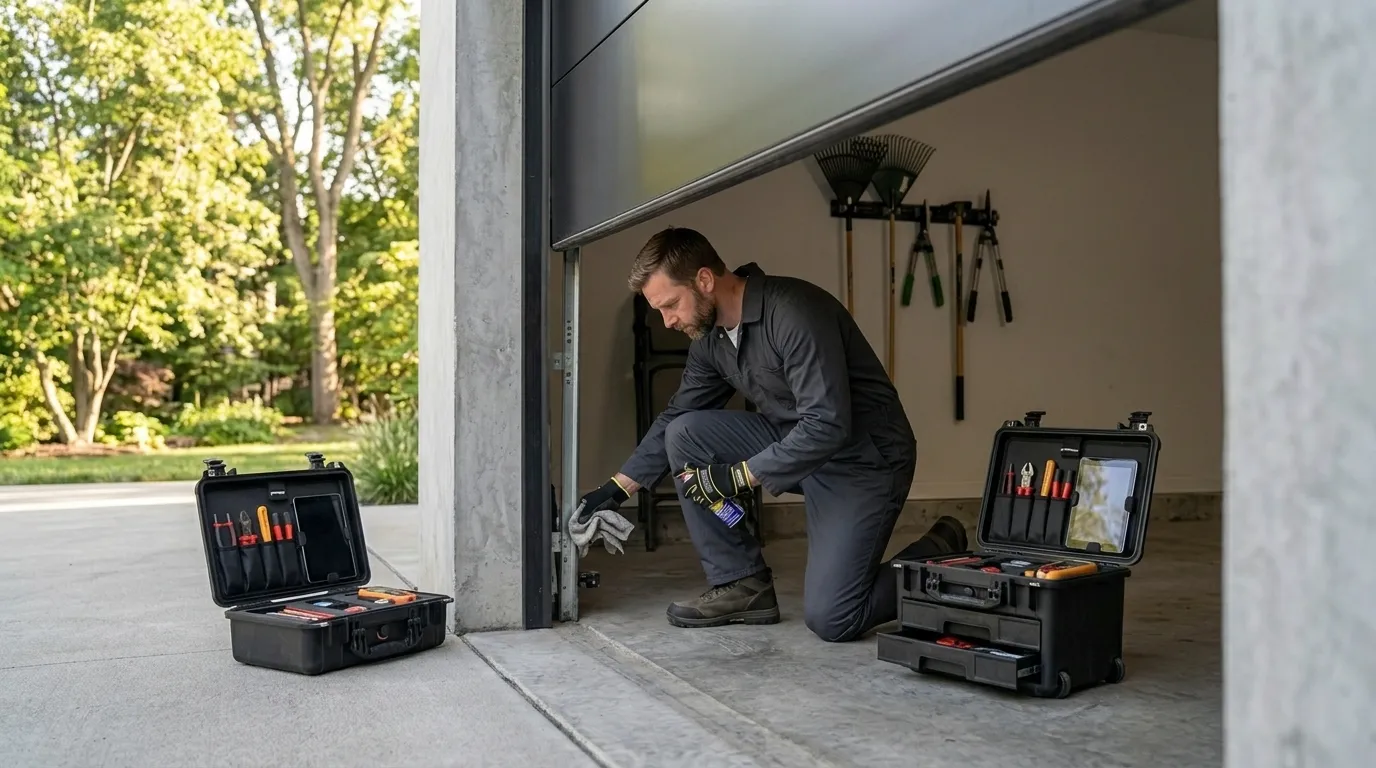
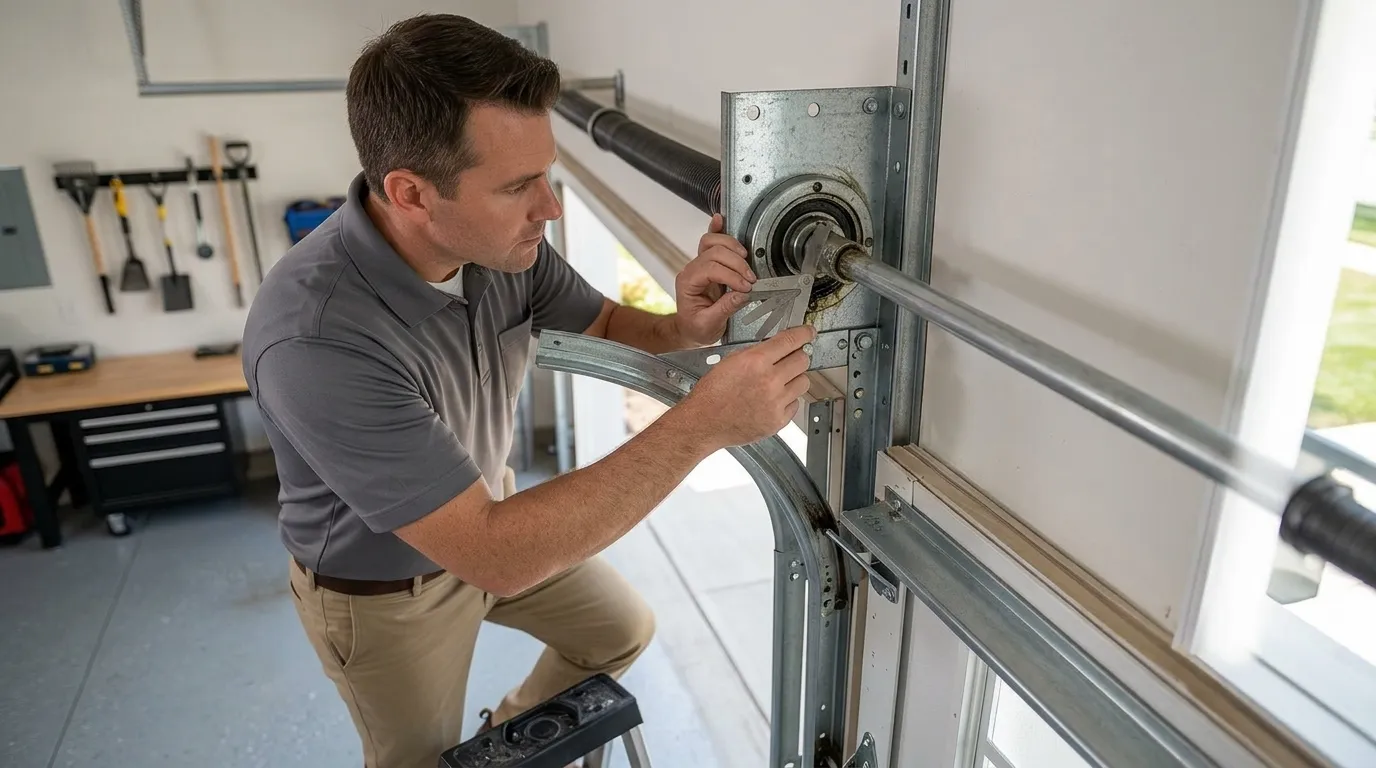
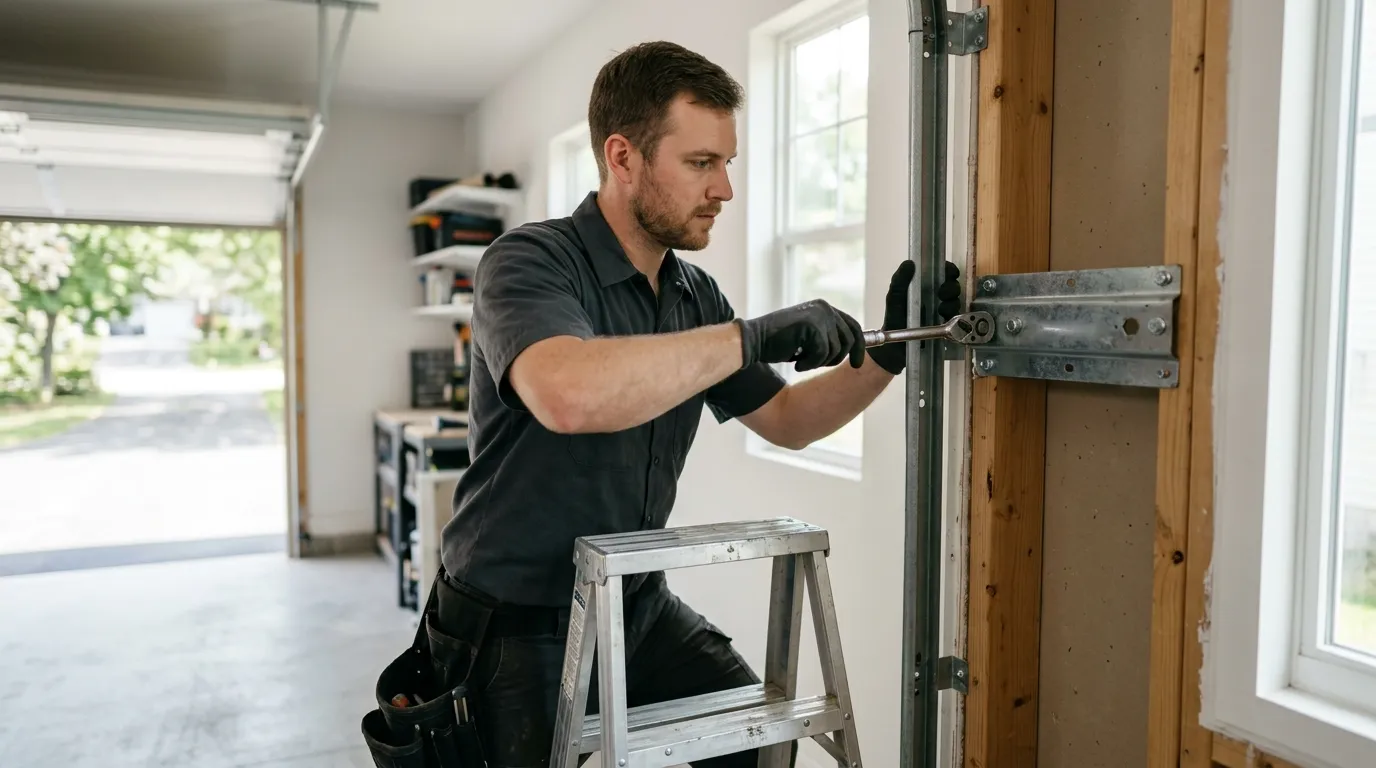
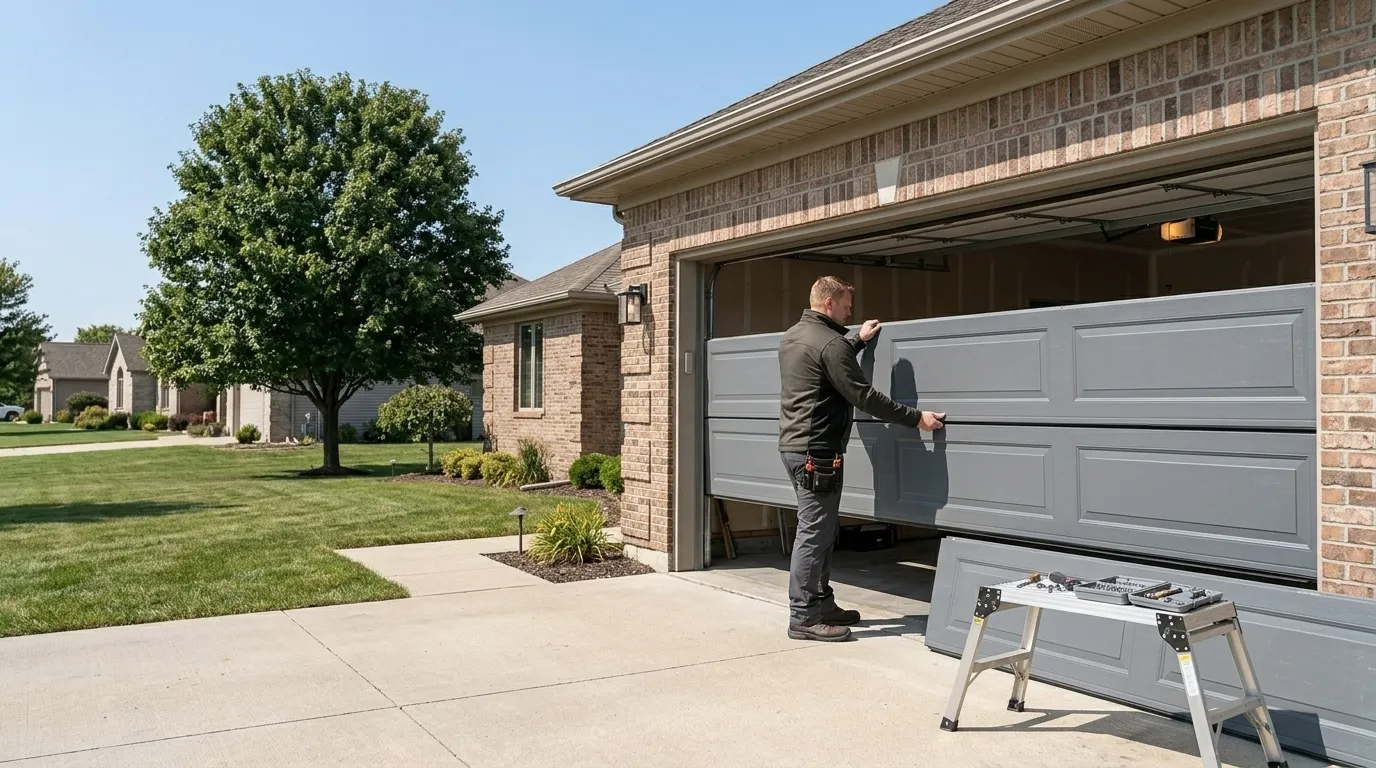
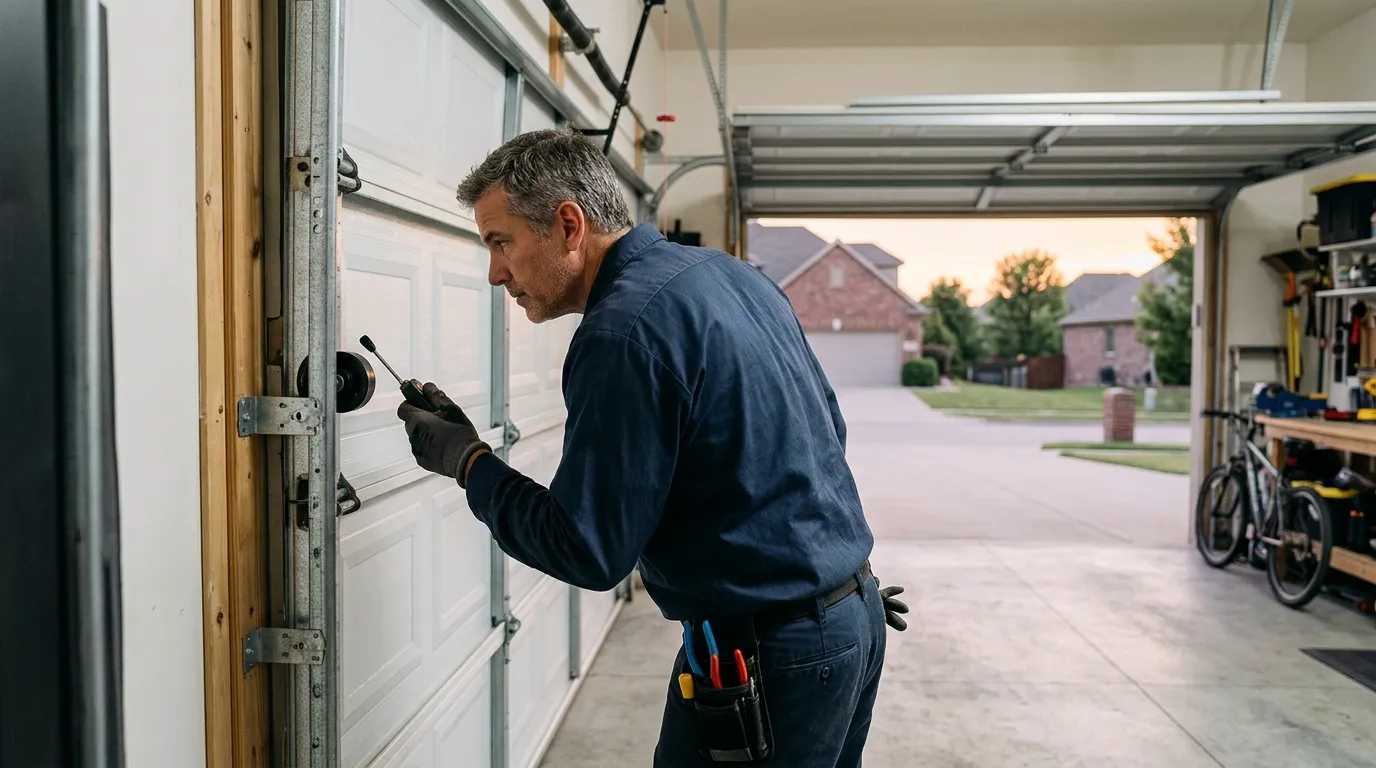
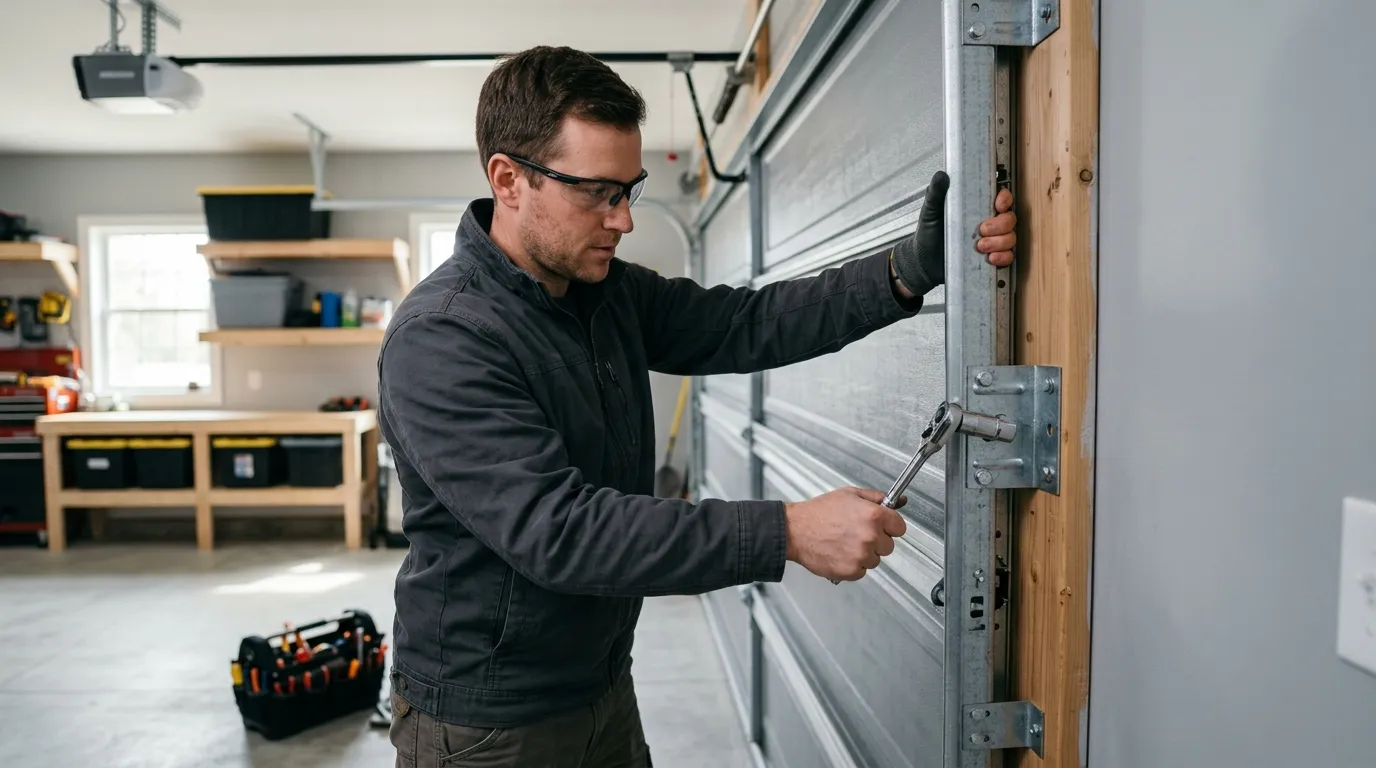
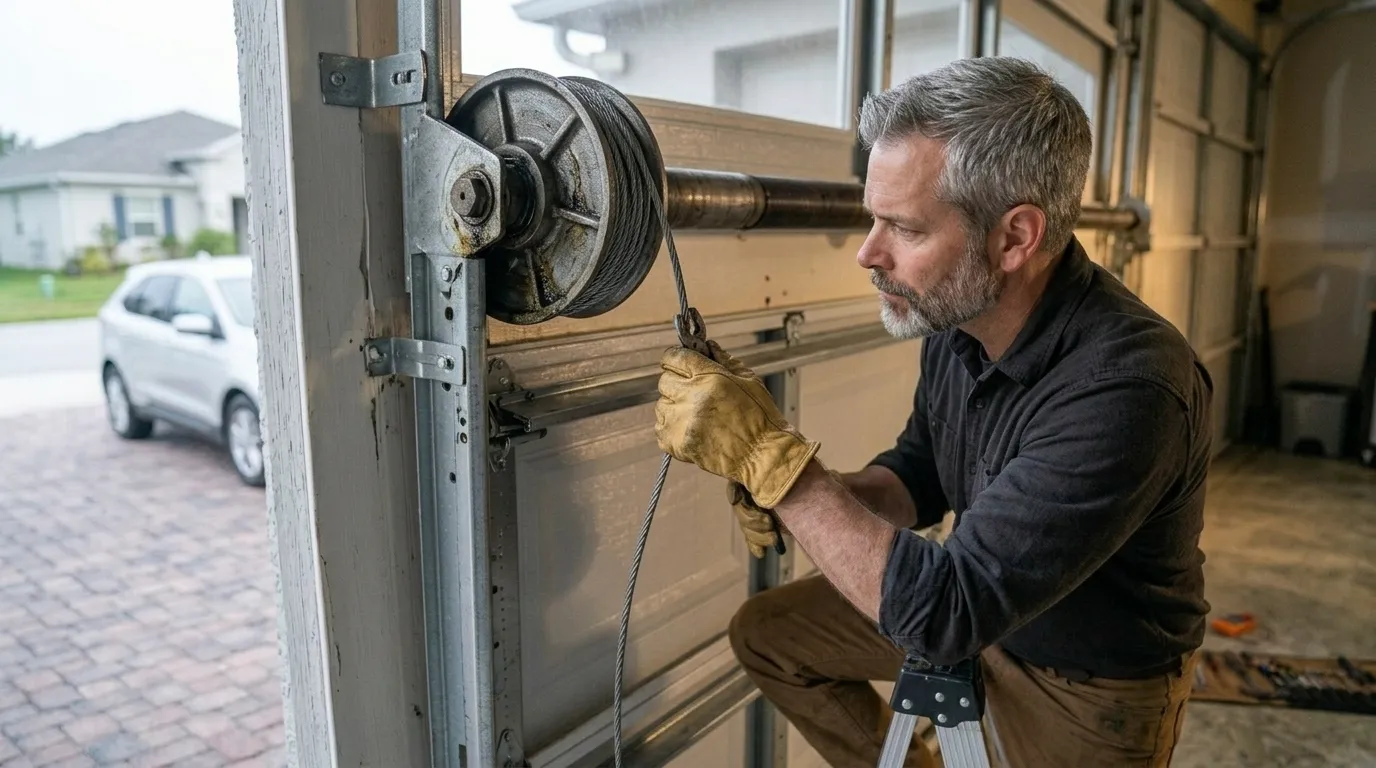
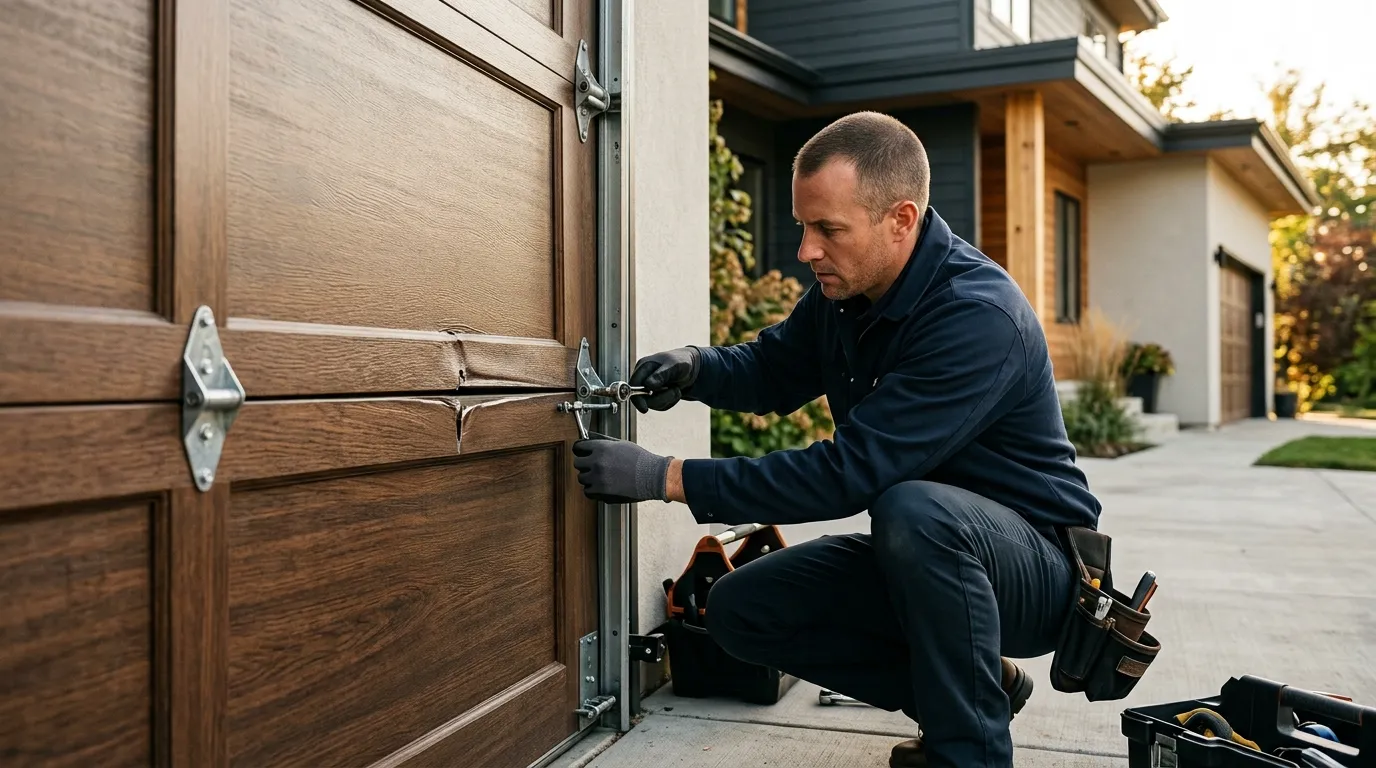
Cable repair means disconnecting the opener, releasing spring tension safely, pulling the old cable off the drum, and running new galvanized cable sized to the door's weight and track length. We check both cables and both drums even on a single-cable failure, because if one side snapped from age, the other side is the same age and running the same number of cycles. We also check the bottom brackets where the cable loops, since that's the spot that rusts or cracks first on doors that have sat through a lot of dry heat and dust. Once the new cable is on, we re-tension the springs and run the door through a full cycle by hand before touching the opener, checking that it tracks straight and doesn't lean toward one side. That last step matters more than people think - a door that's cable-repaired but never rebalanced puts uneven strain right back on the new cable and shortens its life. We don't just swap the part and go.
What Causes It Around Here
Cable wear is a mileage problem, and the housing stock here has a lot of mileage on it. Median build year across the area lands around 1986, with most homes going up between 1958 and 1997, so a large share of the doors still running original or first-replacement cable are past the thirty-year mark. Heat plays into it too - this area sits in a moderate-heat climate band, and the expansion and contraction of a garage through repeated hot afternoons dries out lubrication on the drums and cable ends faster than it would in a milder climate, which speeds up fraying at the crimp point. Homes across the thirteen communities we cover, from Oak Hills in close to Wrightwood out at the far edge, mostly share this same building era, which is why cable calls cluster the way they do rather than showing up at random.