Time on the Job
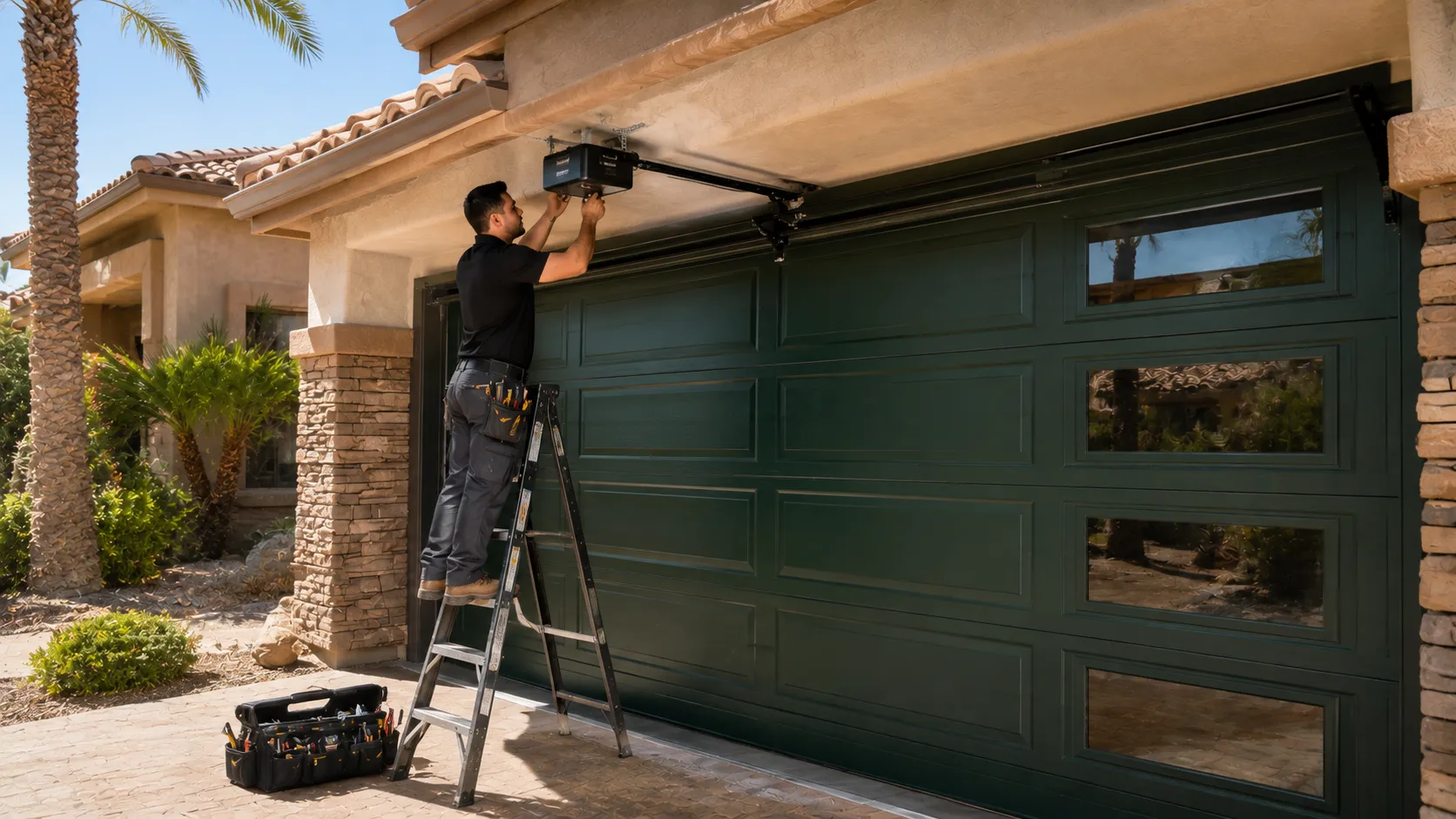
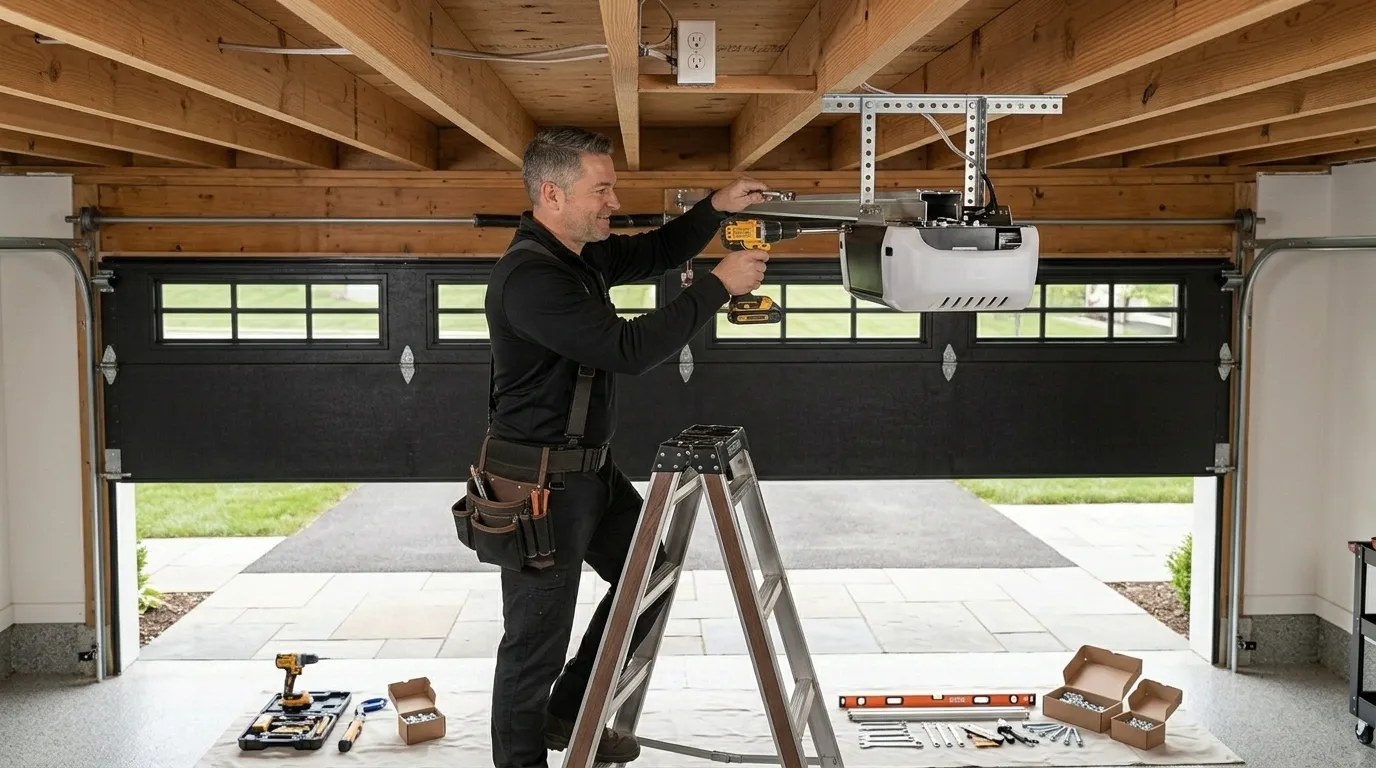
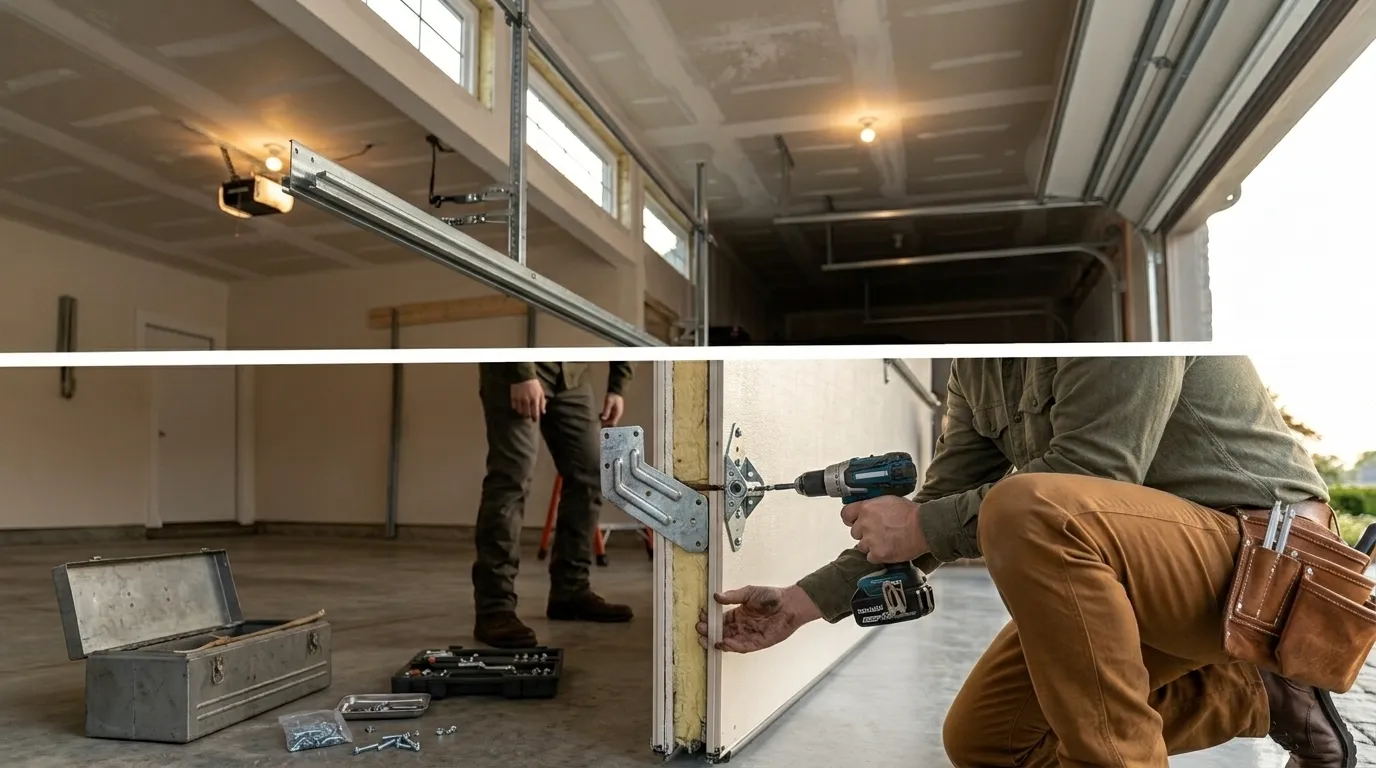
Most opener installs in this service area follow the same shape: pull the old unit, check the rail and header bracket for wear, mount the new motor head, run the rail, wire the wall control and safety sensors, then set travel limits and force so the door reverses correctly on an obstruction. Houses built in the 1958-1997 range that make up most of this area often have header framing sized for the original opener, so a chunk of the job is confirming the new bracket lands on solid wood, not just swapping a box. Doors on homes from the 1980s and 90s stock across the thirteen named communities we work in usually have standard 7-foot headroom, which keeps the bracket work simple. Where a house has been re-roofed or the garage re-framed, that check takes longer. We don't quote a single number for every job because a single-car door with a clean header is not the same job as a double door with a sagging track. What we can tell you is that the wiring, sensor alignment, and force-setting steps are non-negotiable - skipping them is how openers get returned twice in the first year.
What the Fix Involves
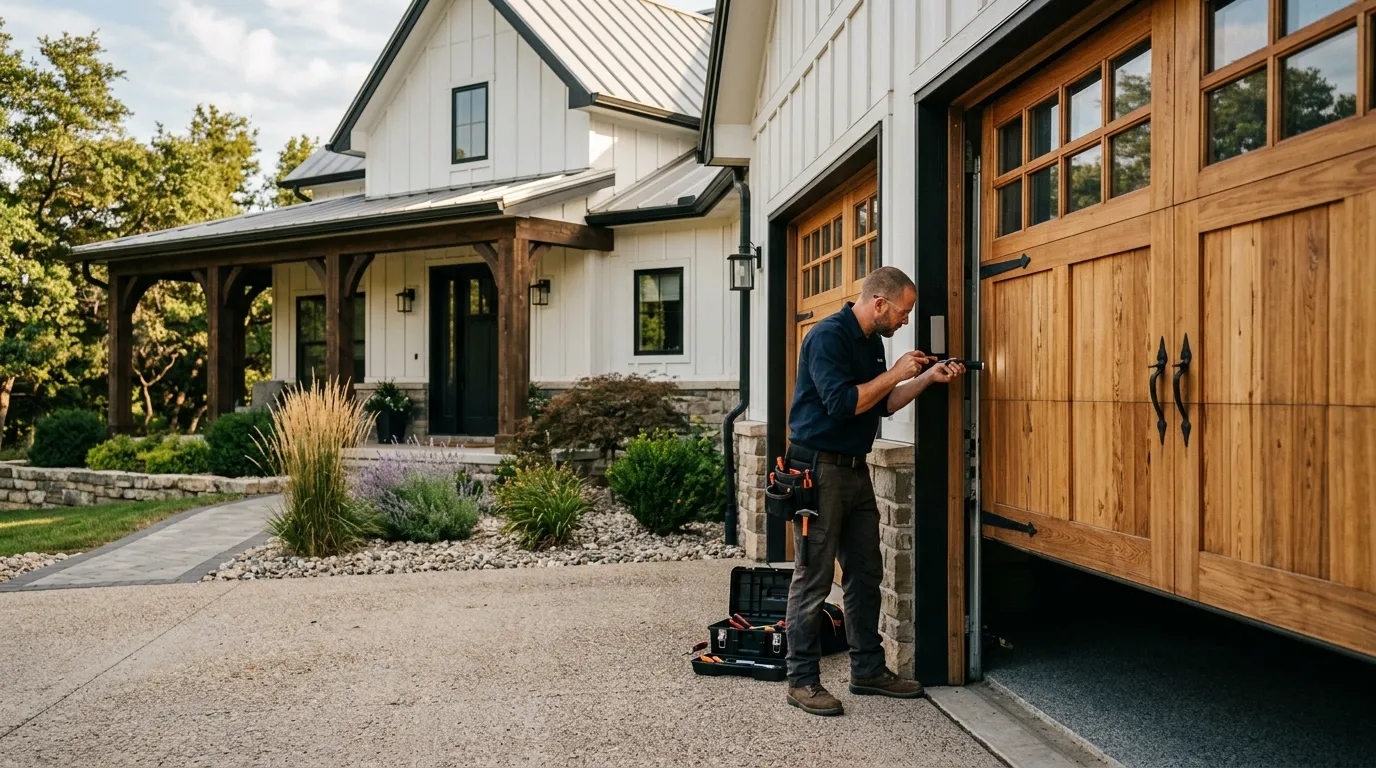
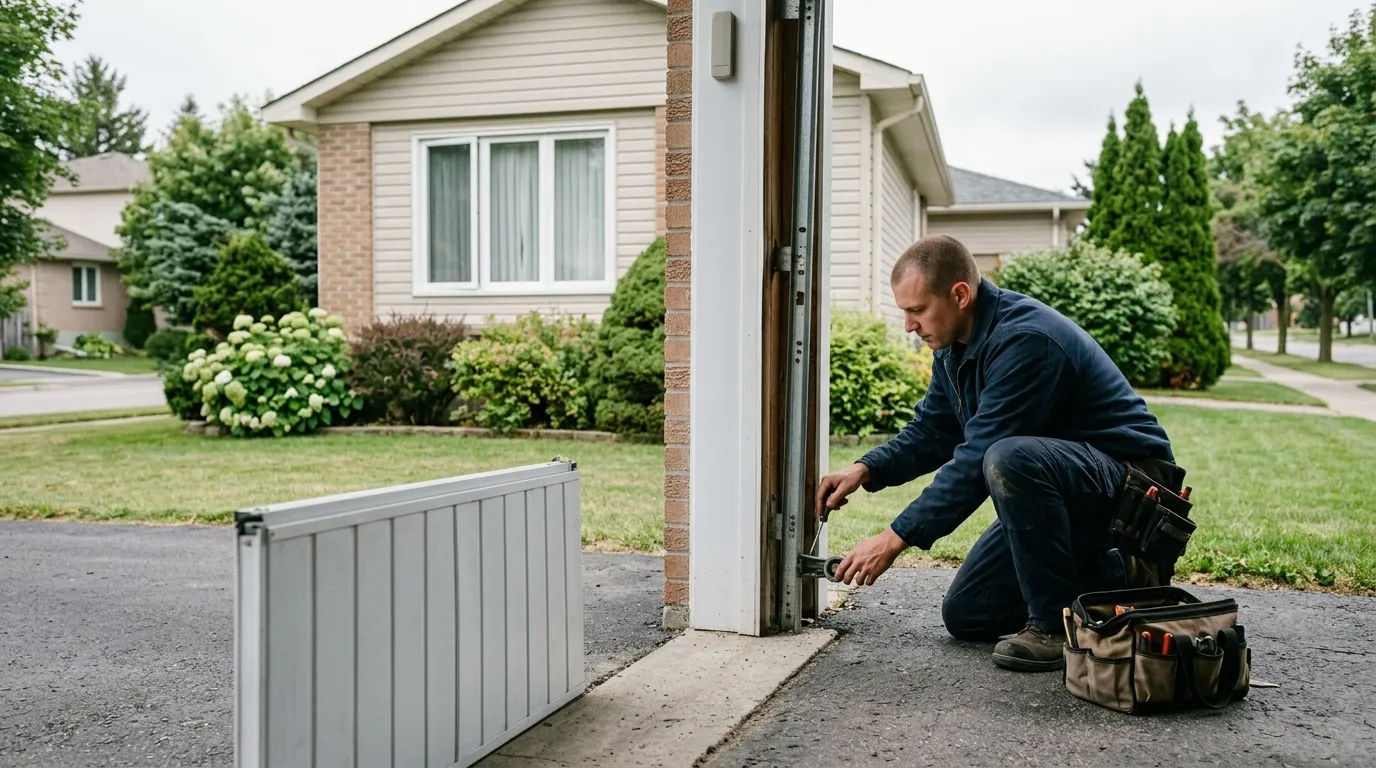
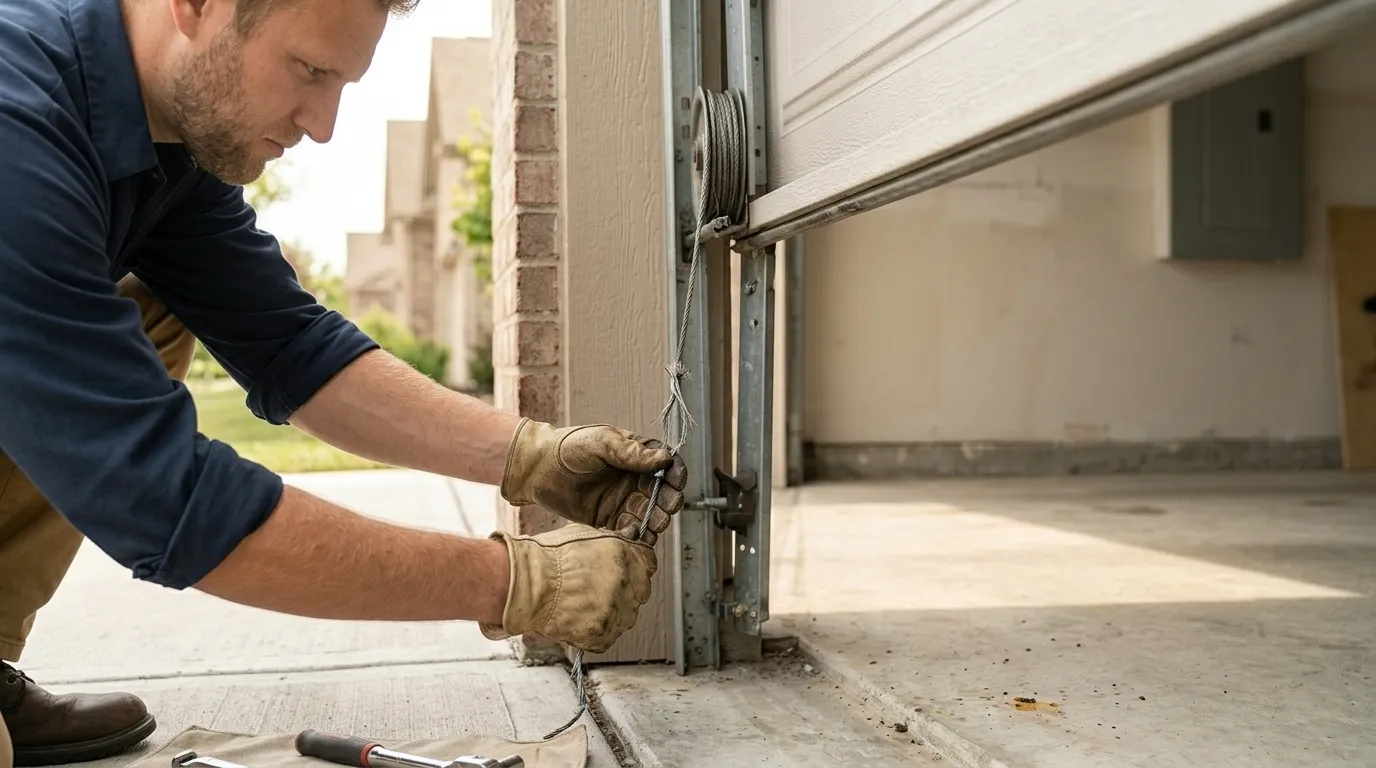
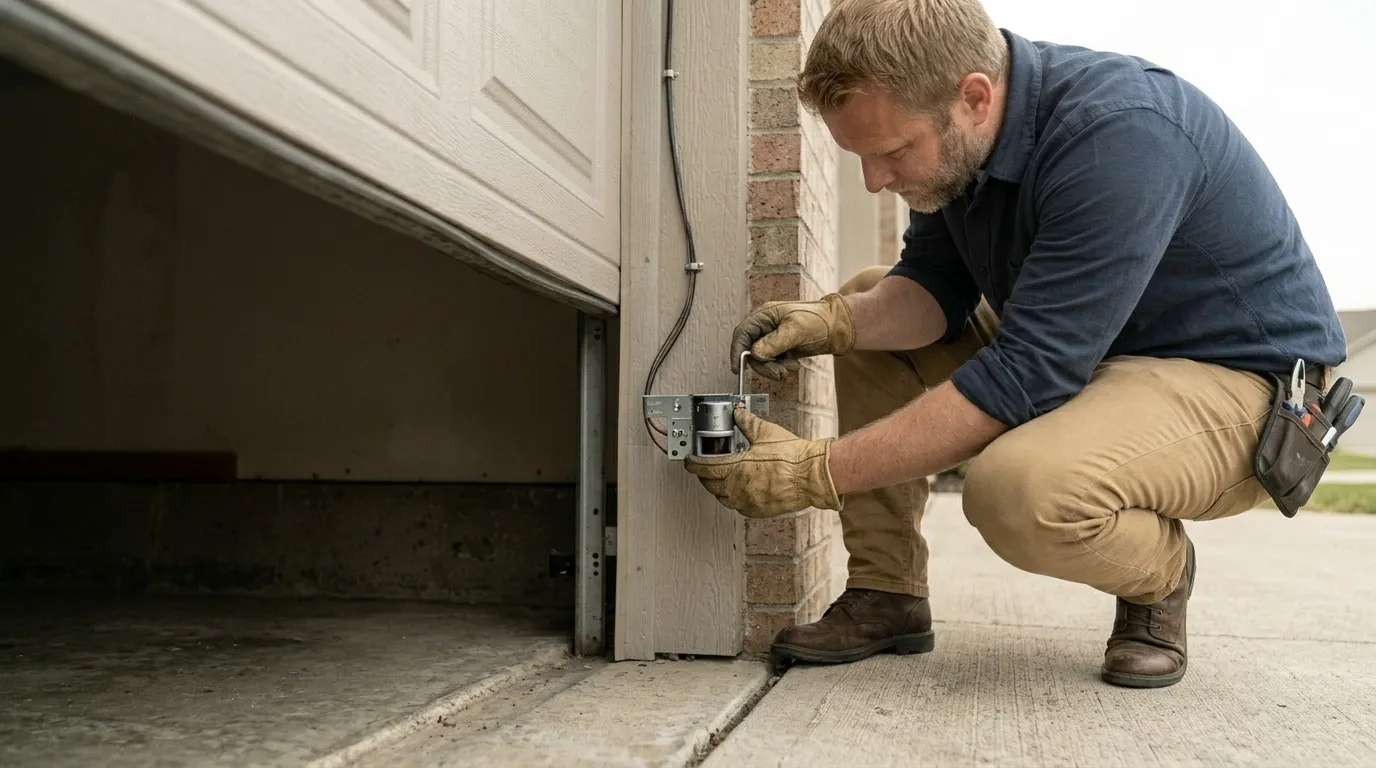
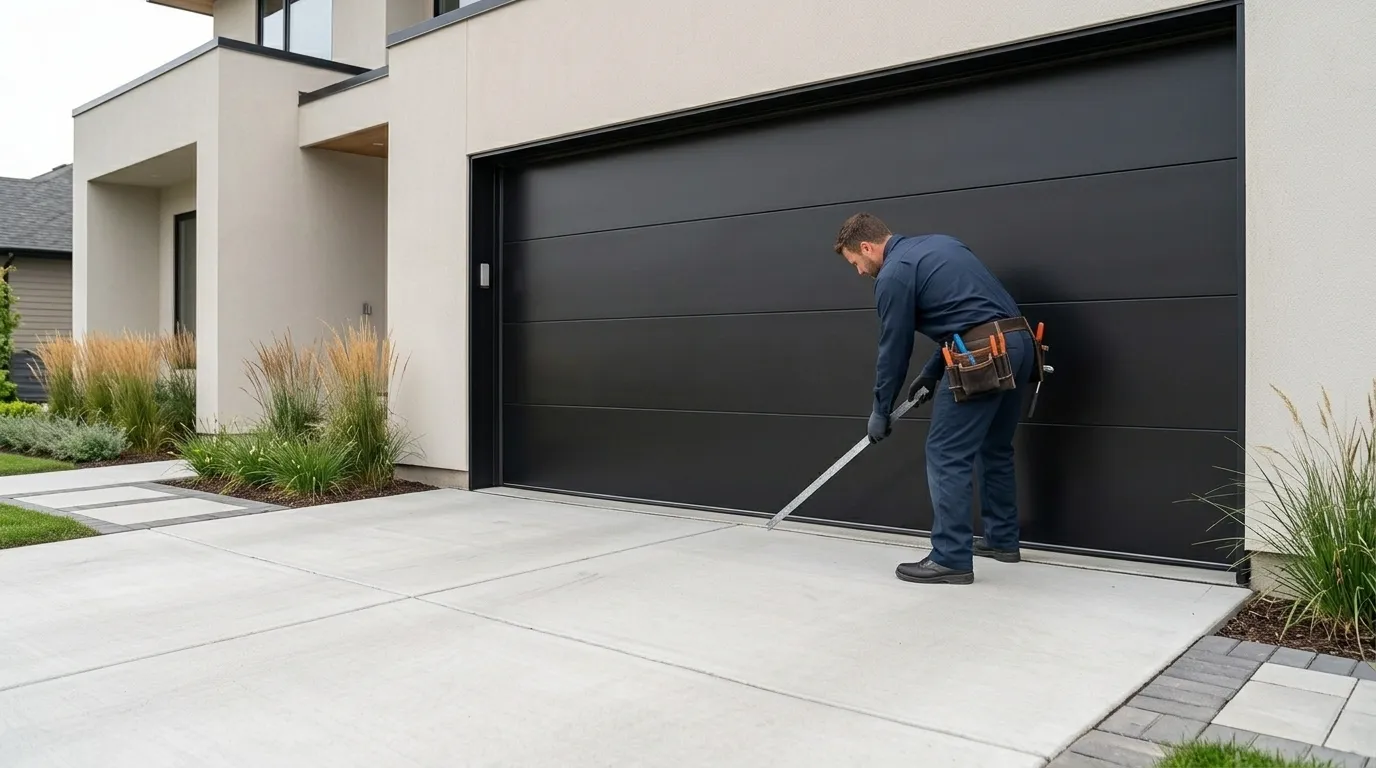
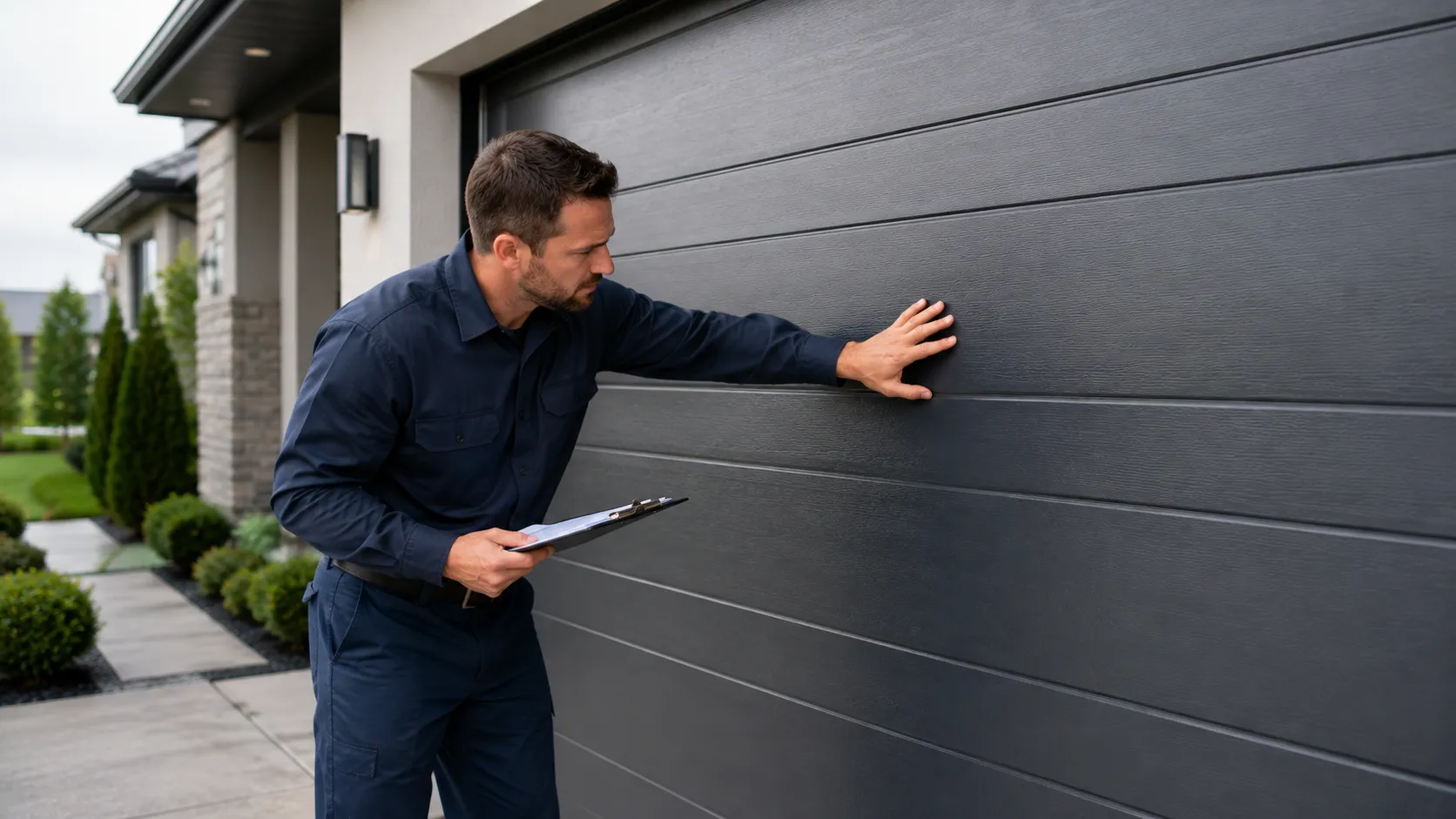
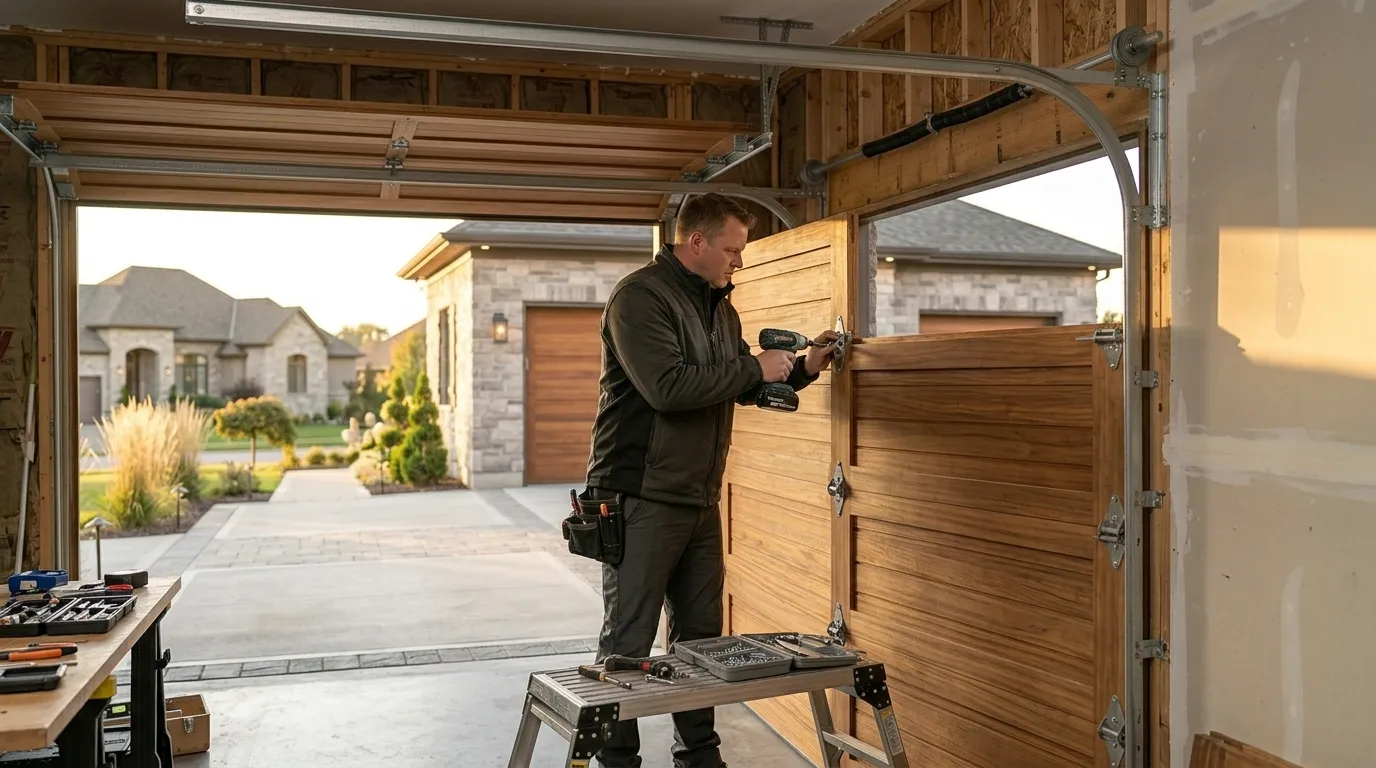
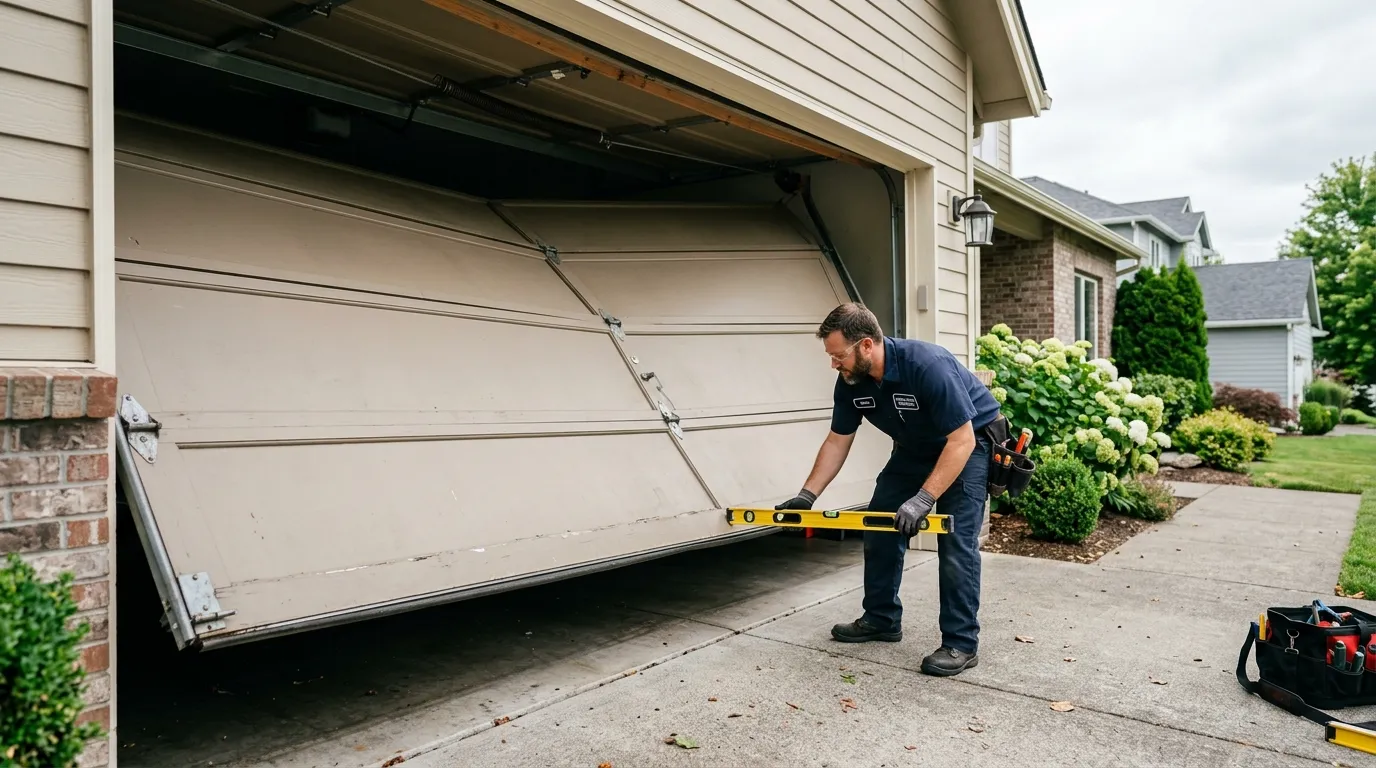
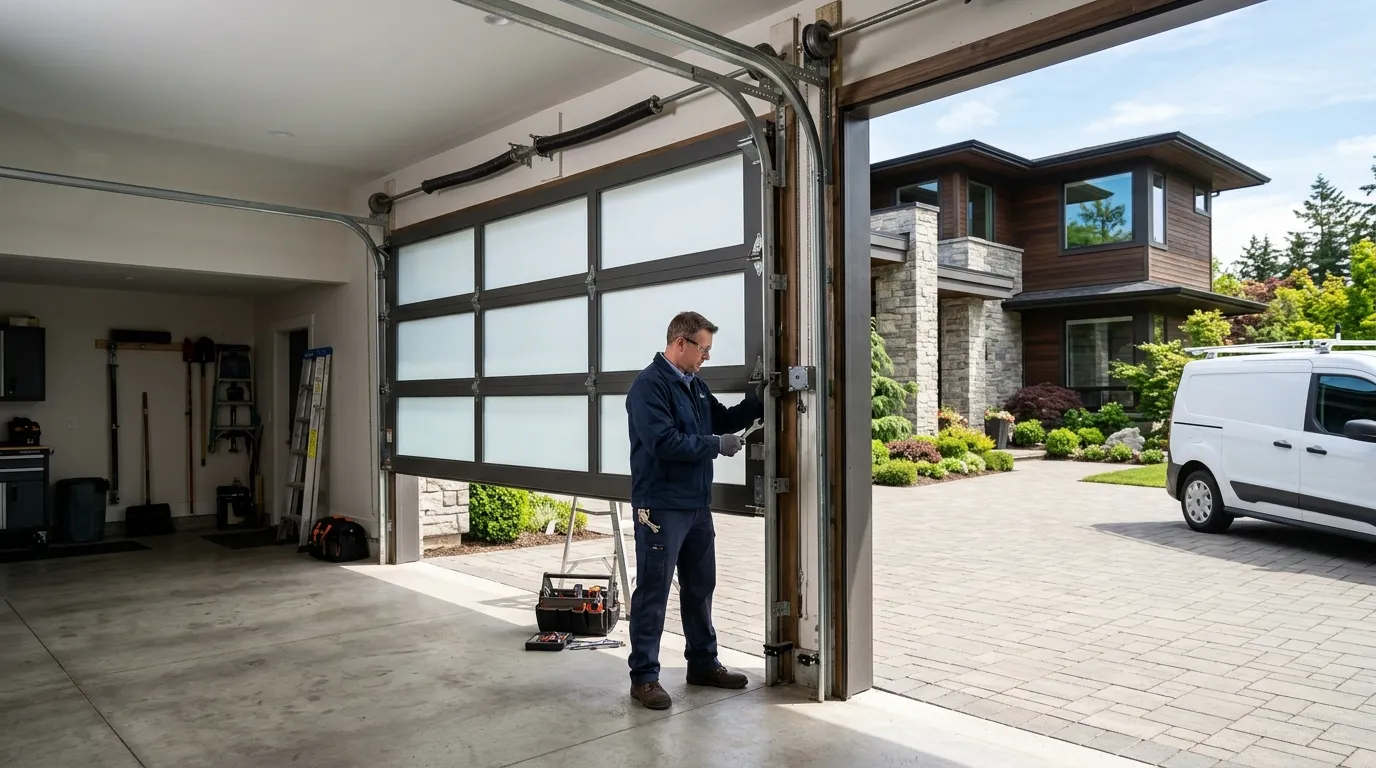
A proper install starts with the door itself, not the motor. If the springs are undersized or the rollers are shot, a new opener just exposes that faster - it doesn't fix it. So we check spring balance, track alignment, and panel condition before we mount anything. Then we bracket the rail to the header, wire the unit to a dedicated outlet where the garage has one, install the wall console and keypad if wanted, and run both external safety sensors low enough to catch a pet or a bike. Final step is setting the up-travel and down-travel limits and the force sensitivity, then testing reversal with a piece of wood on the floor. On older houses in this area - anything from the 1958-1997 build range - we also look at whether the existing wall switch wiring is even compatible with a modern opener's low-voltage control, since some of that wiring predates current openers by decades. One honest limit: if the door itself is warped, off-track, or the springs are badly mismatched to the door weight, we'll say so before we install anything, because a new motor bolted to a bad door just fails again in a year.
What Causes It Around Here
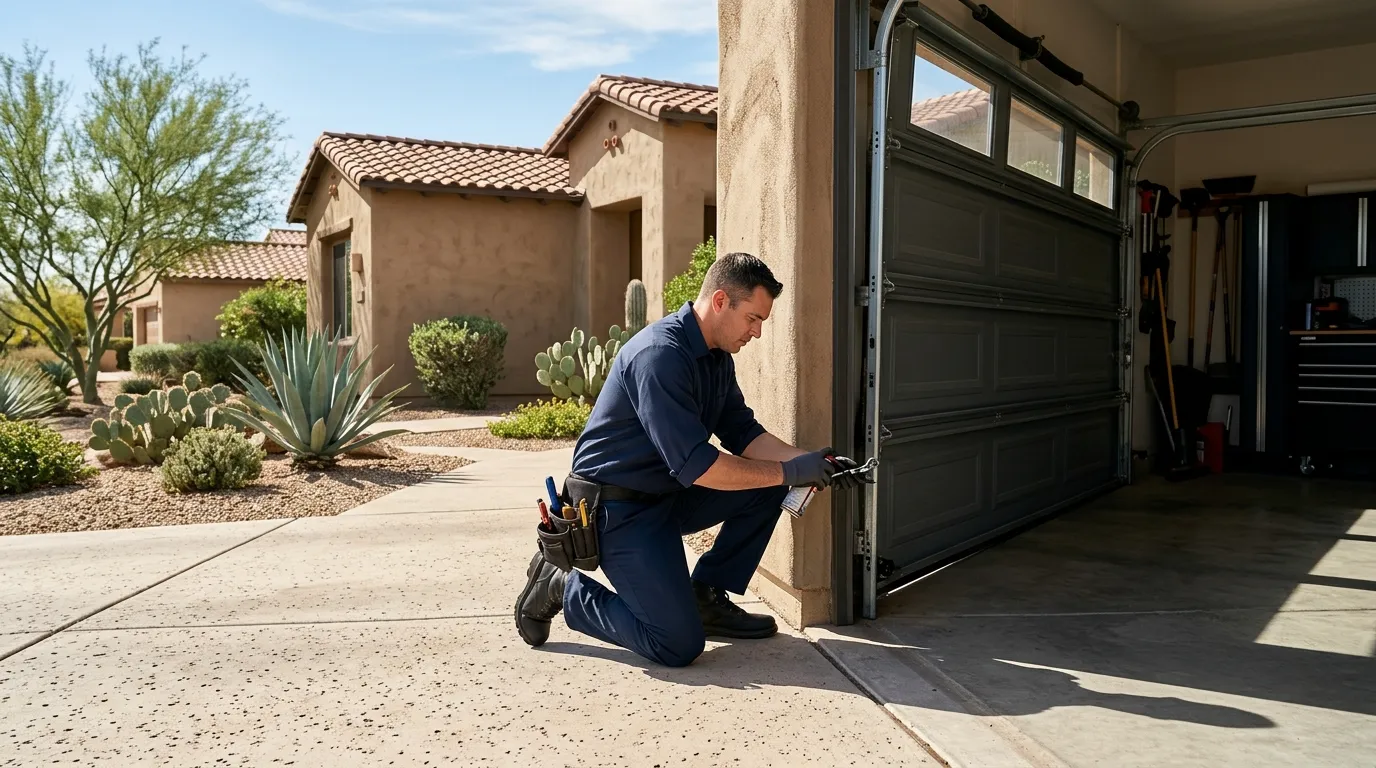
Two things drive opener failures in this area more than anywhere else: age of the housing stock and heat. With most homes here built between 1958 and 1997 - median around 1986 - a lot of original or first-replacement openers are well past their expected working life, and the nylon gears inside them get brittle with age regardless of use. Add a moderate heat climate band, and garage interiors regularly run well above outdoor temperature in summer, which is hard on the circuit boards and capacitors inside older opener units - especially ones mounted without any insulation on the garage ceiling. Across the roughly 90,664 households and 60,965 owner-occupied houses in this service area, that combination shows up as a steady, predictable failure pattern rather than random breakdowns. It's also why we don't push the cheapest opener on the shelf as a universal answer - a unit with better thermal tolerance costs more up front but holds up longer in a garage that runs hot most of the year.