Time on the Job
A broken torsion spring on a standard double door is usually a same-visit fix once we're on site with the right spring wound to your door's weight and drum size. What slows a job down isn't the wrench work, it's matching the spring to the door. A lot of the doors we open across this service area were installed when the house was built somewhere between 1958 and 1997, and older extension-spring setups or oddball torsion bars from that era aren't something every supplier carries on the truck. If your door is one of those, we may need to order the exact spring rather than force a close-enough substitute onto the drum, and that's the honest limitation here: a wrong-rate spring will lift the door wrong, strain the opener, and shorten the life of everything else on the track. When the hardware is common, we're usually done within one stop. When it's not, we tell you that up front instead of guessing.
What the Fix Involves
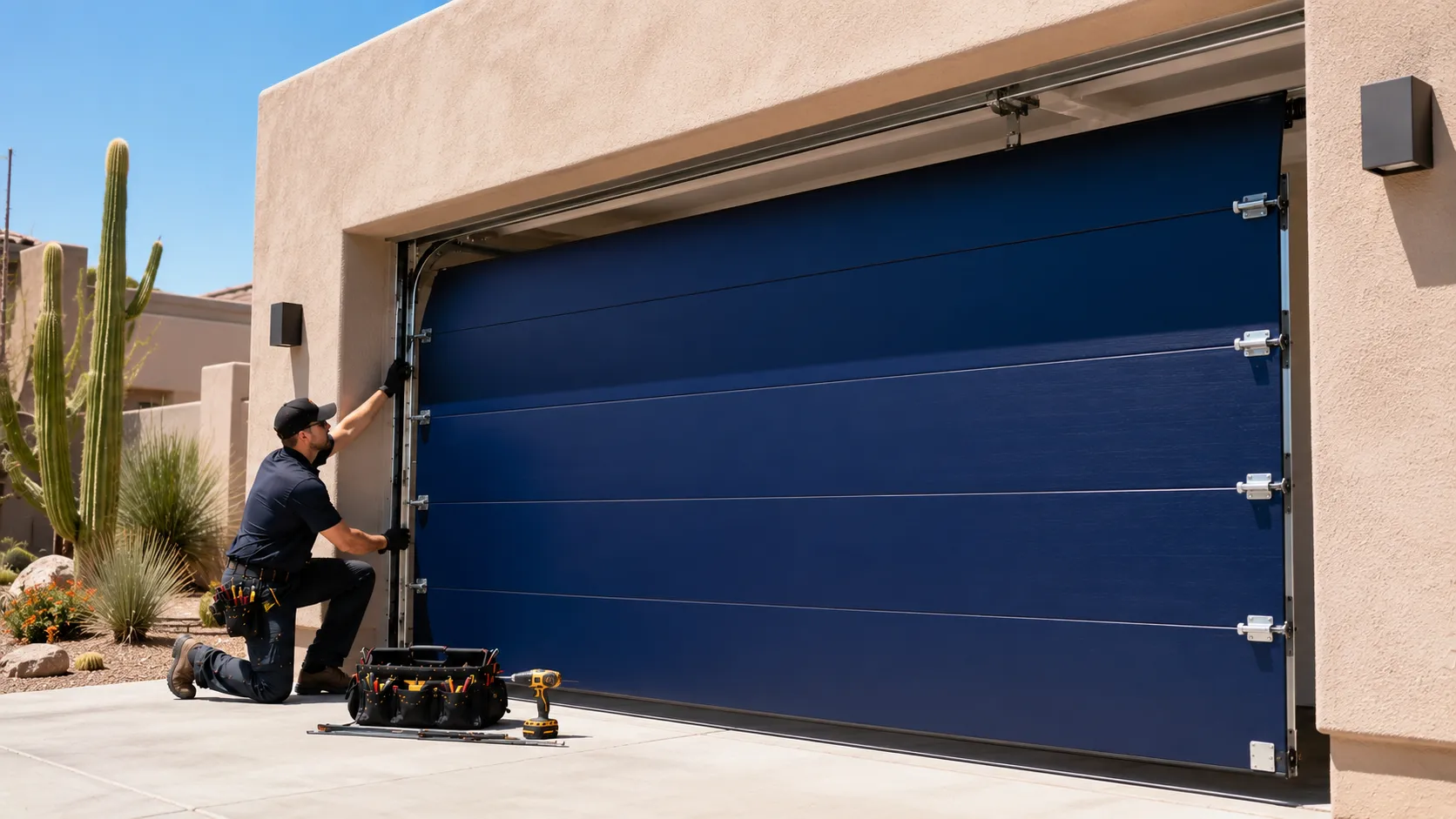
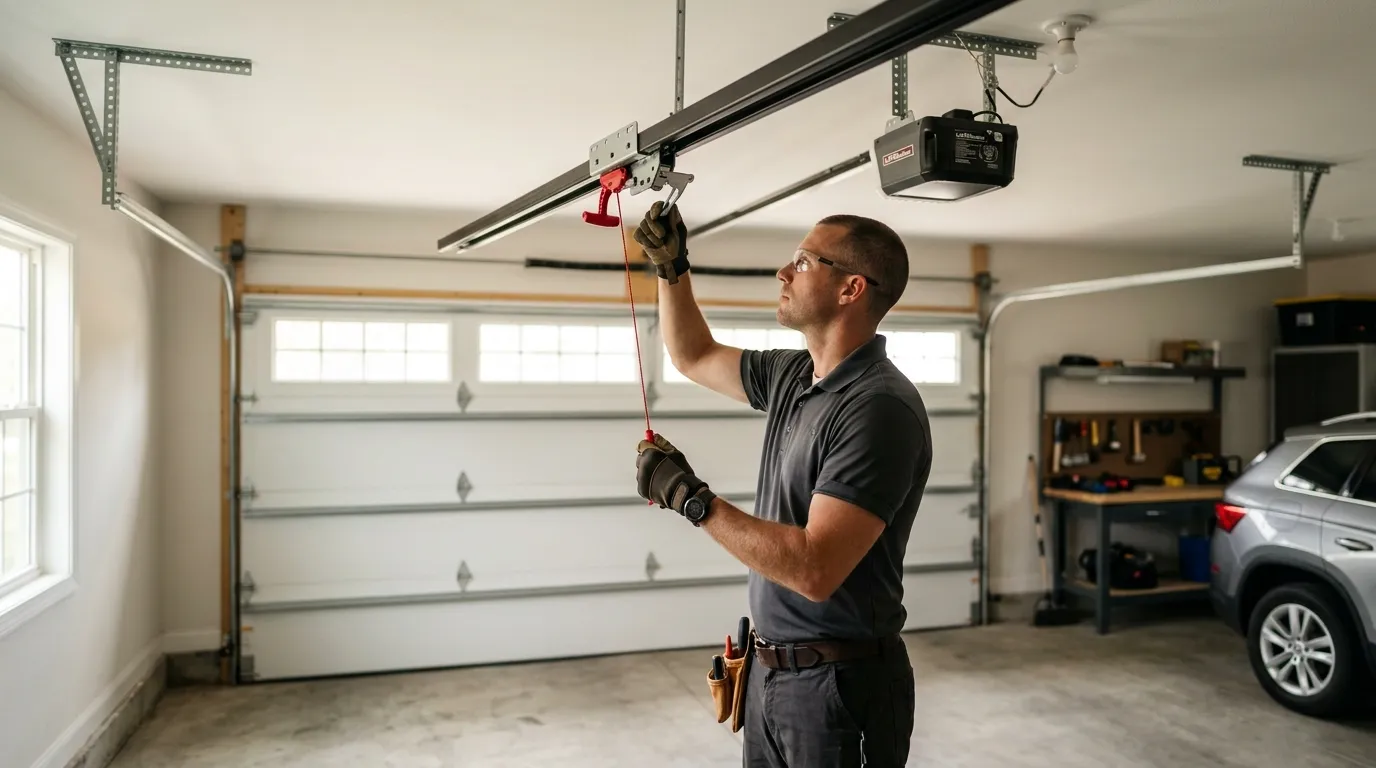
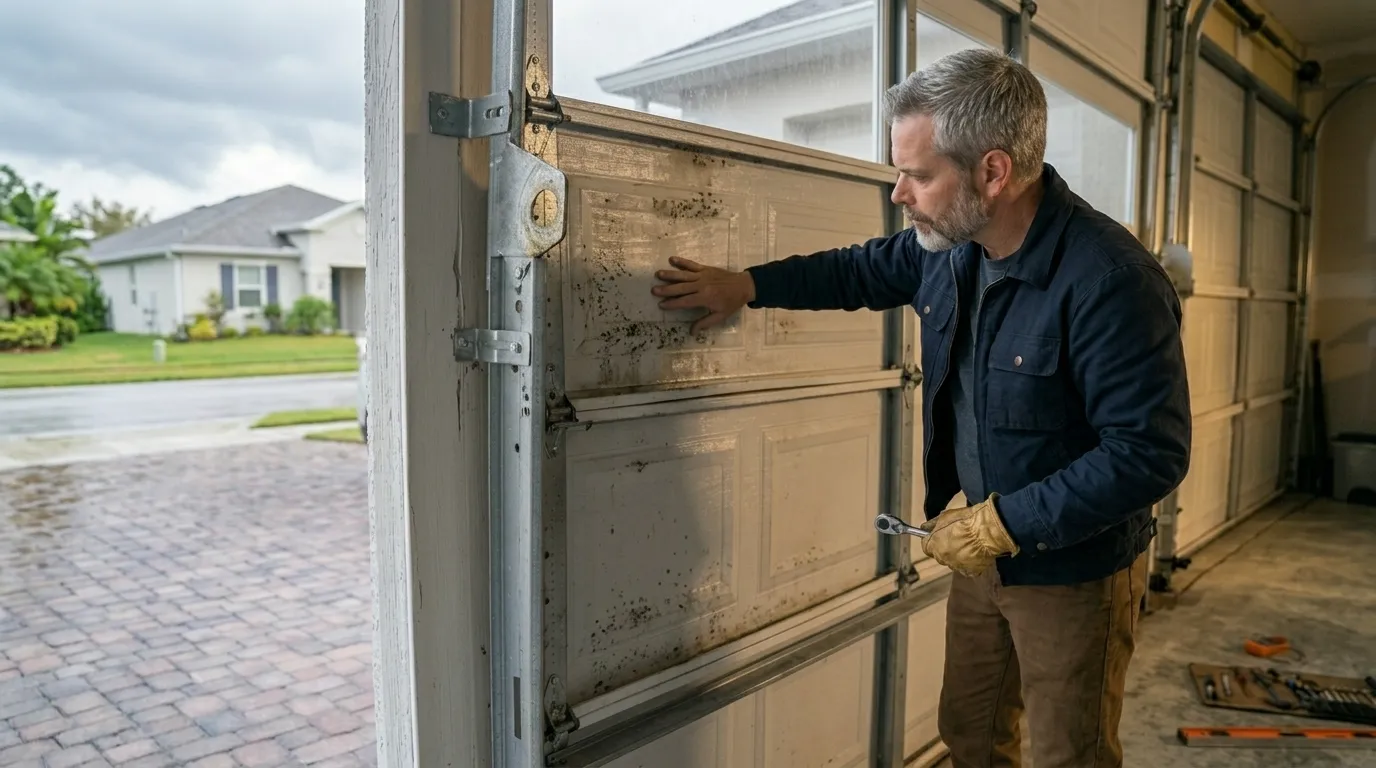
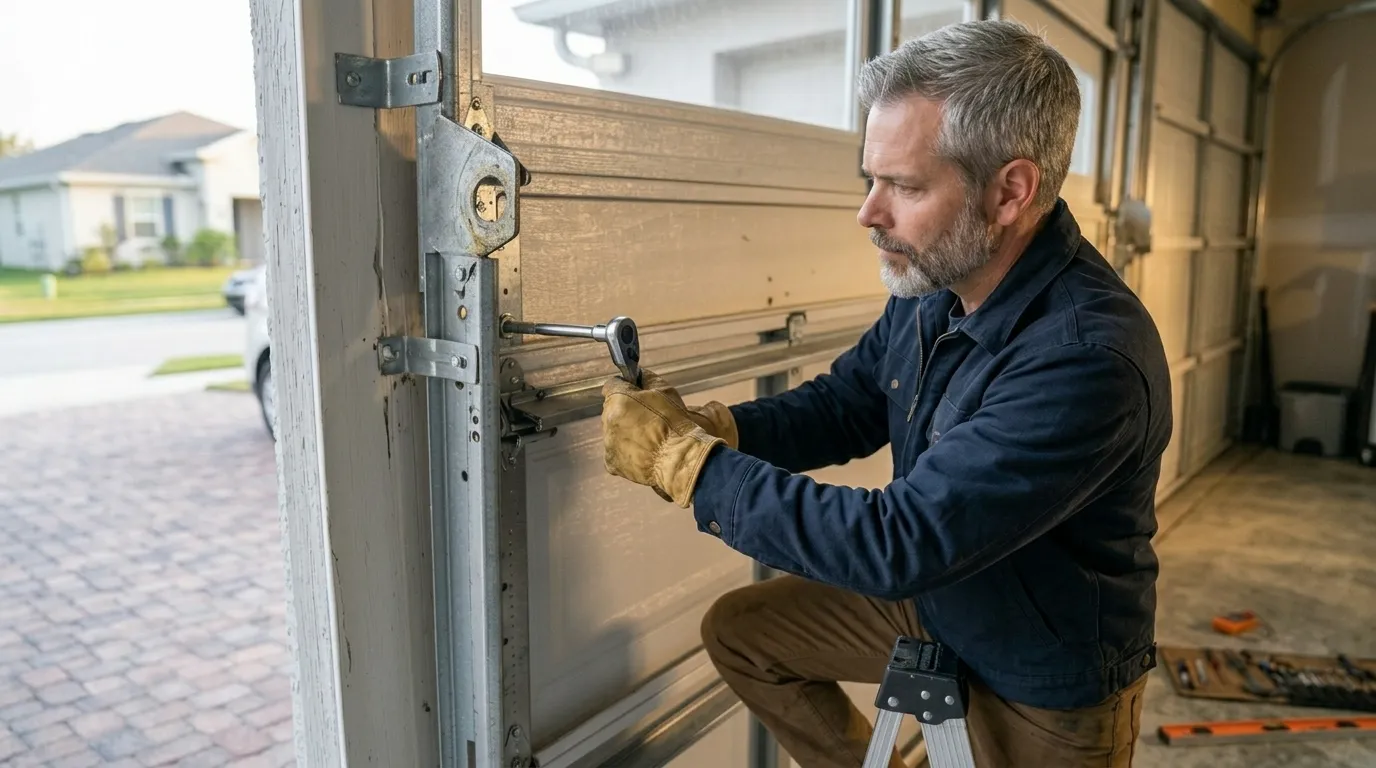
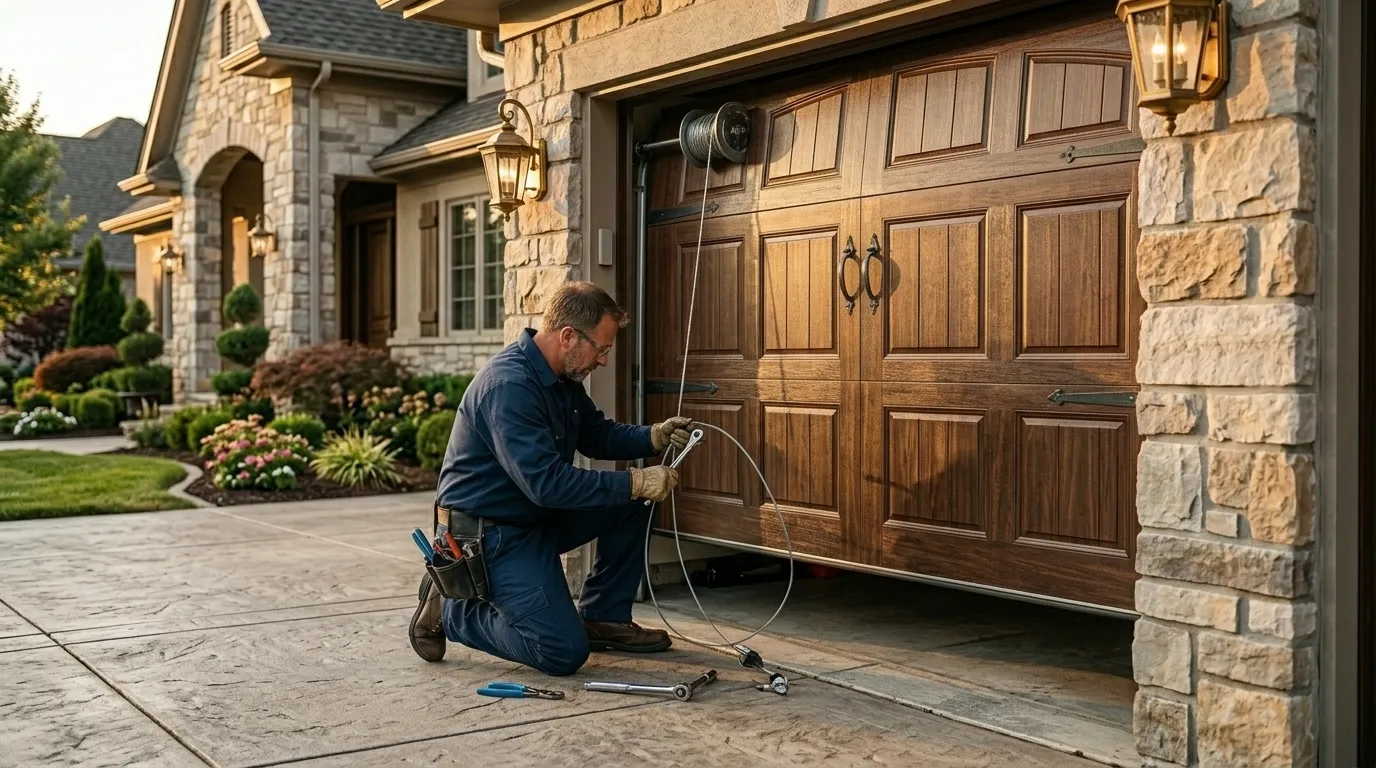
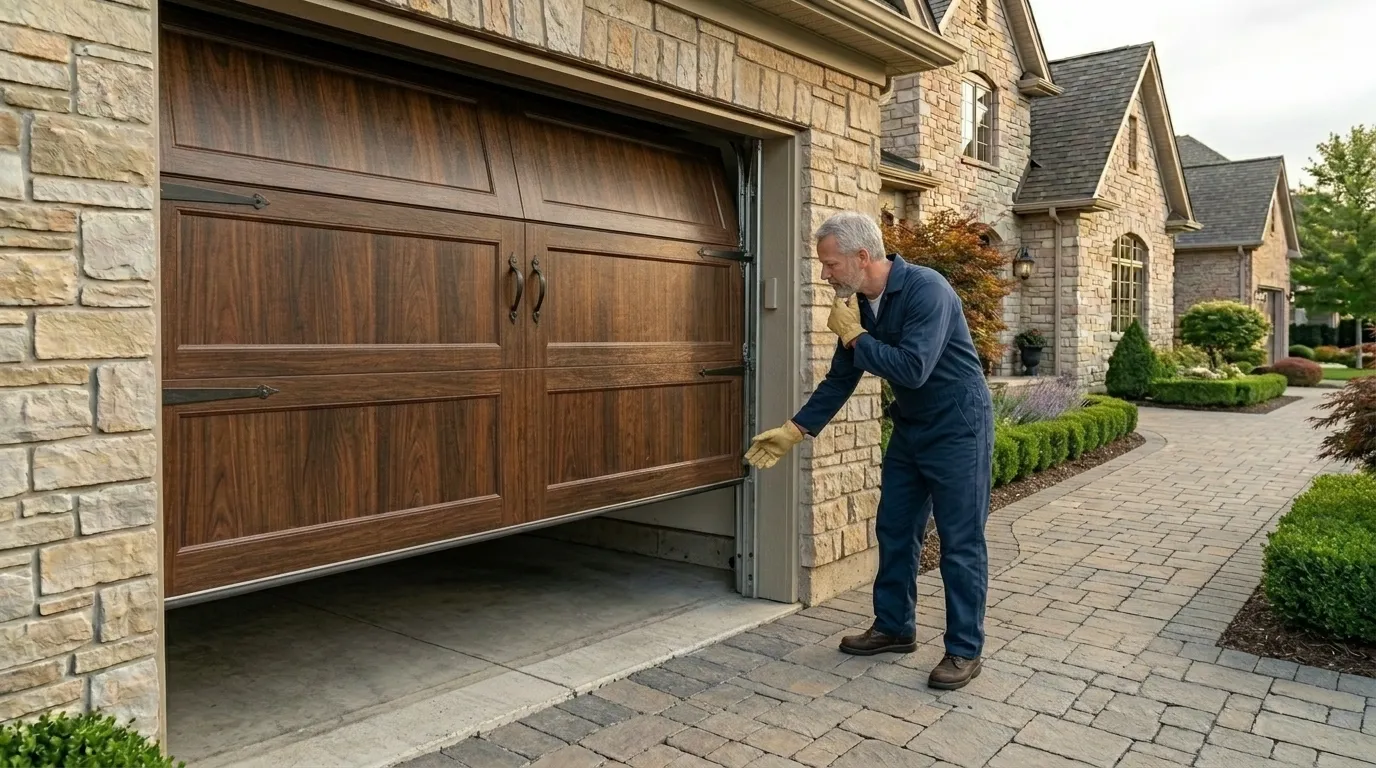
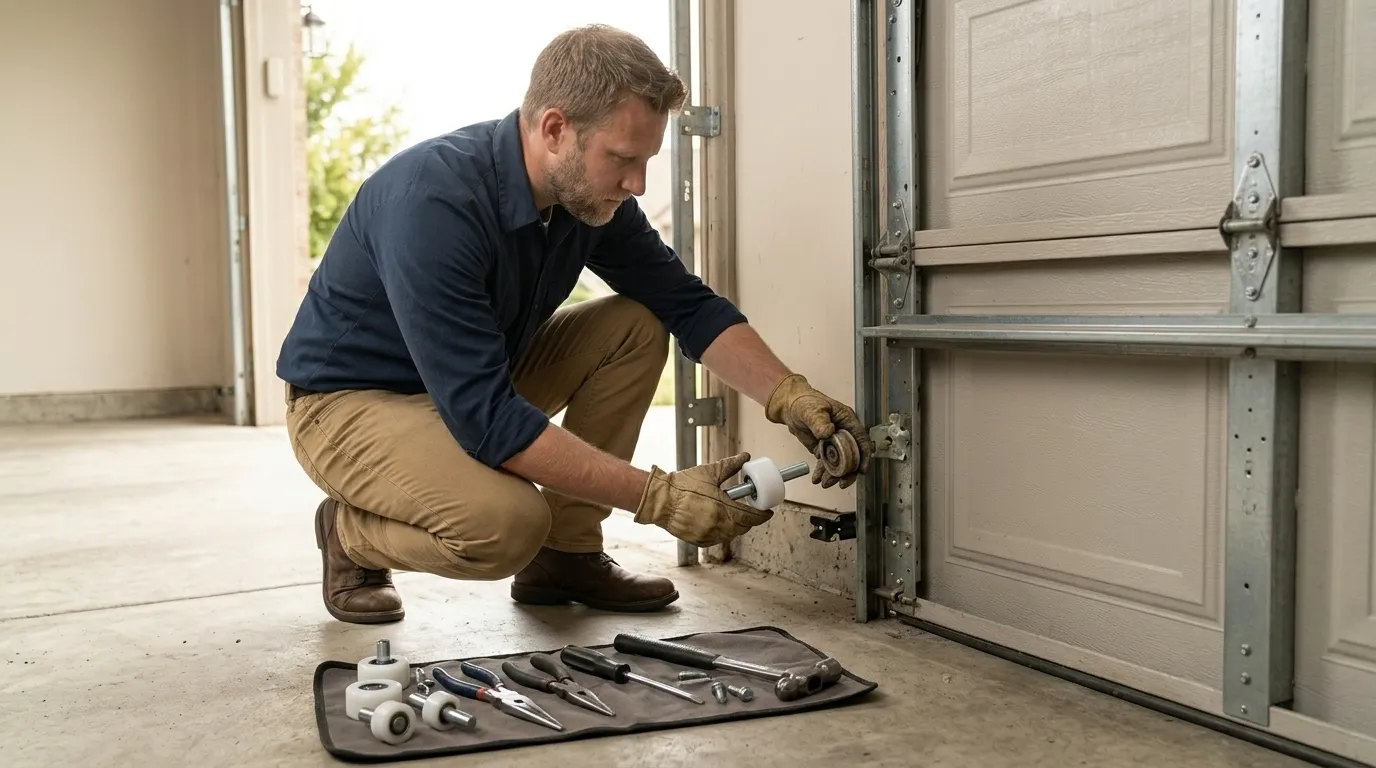
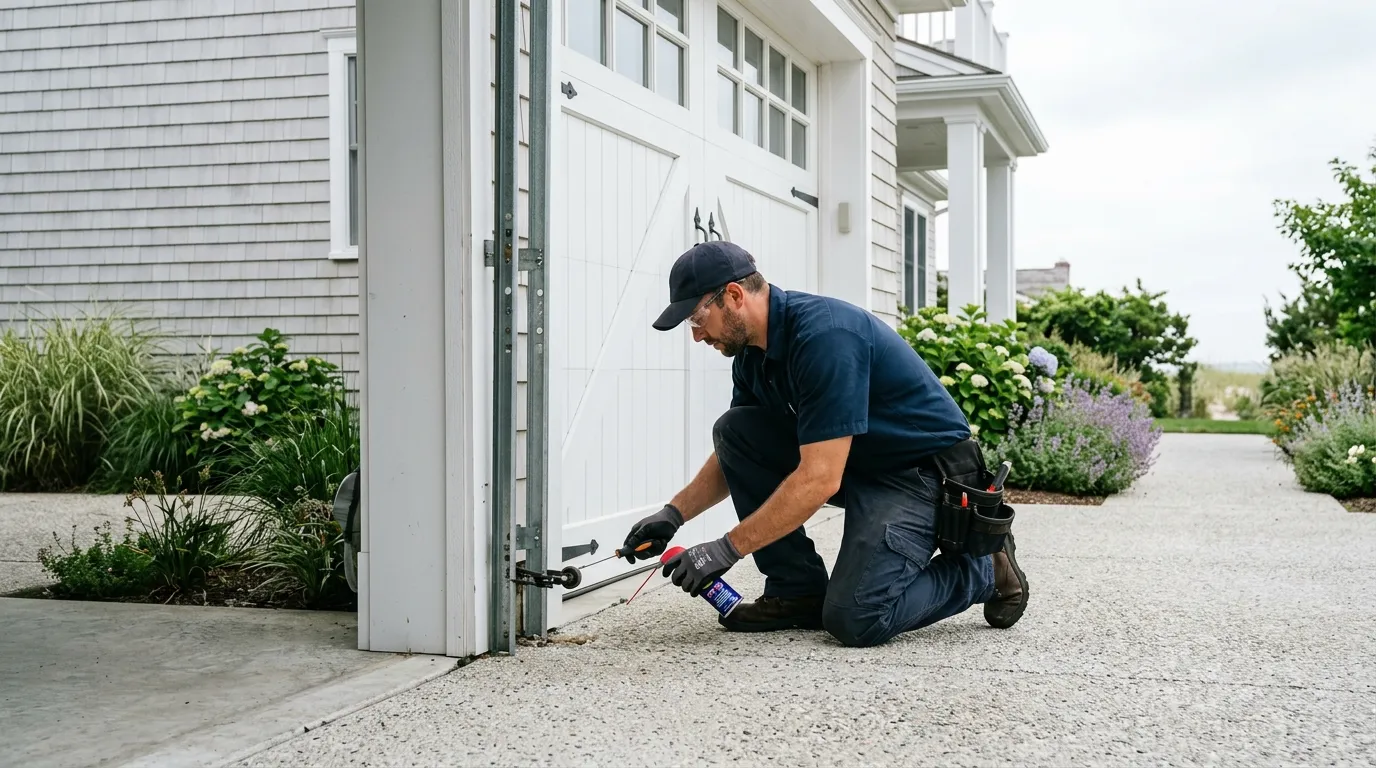
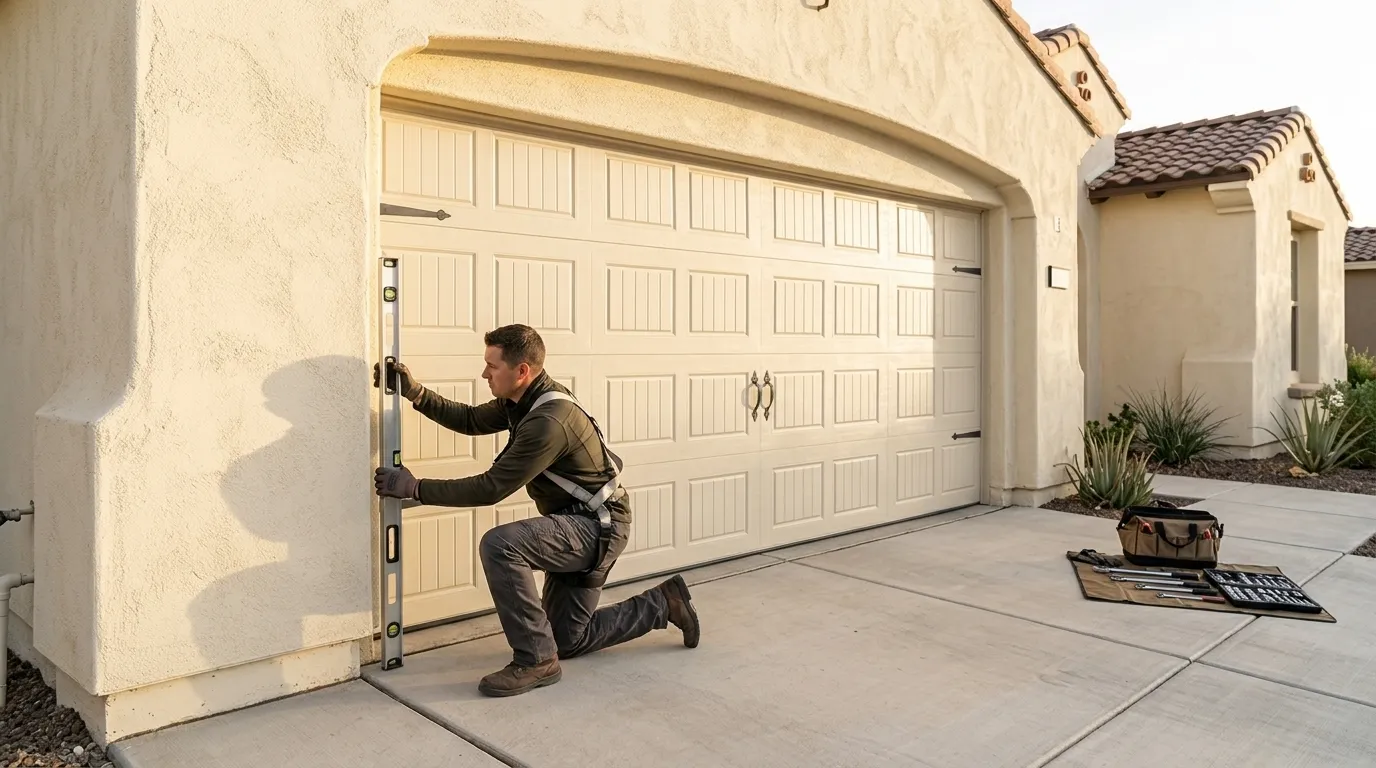
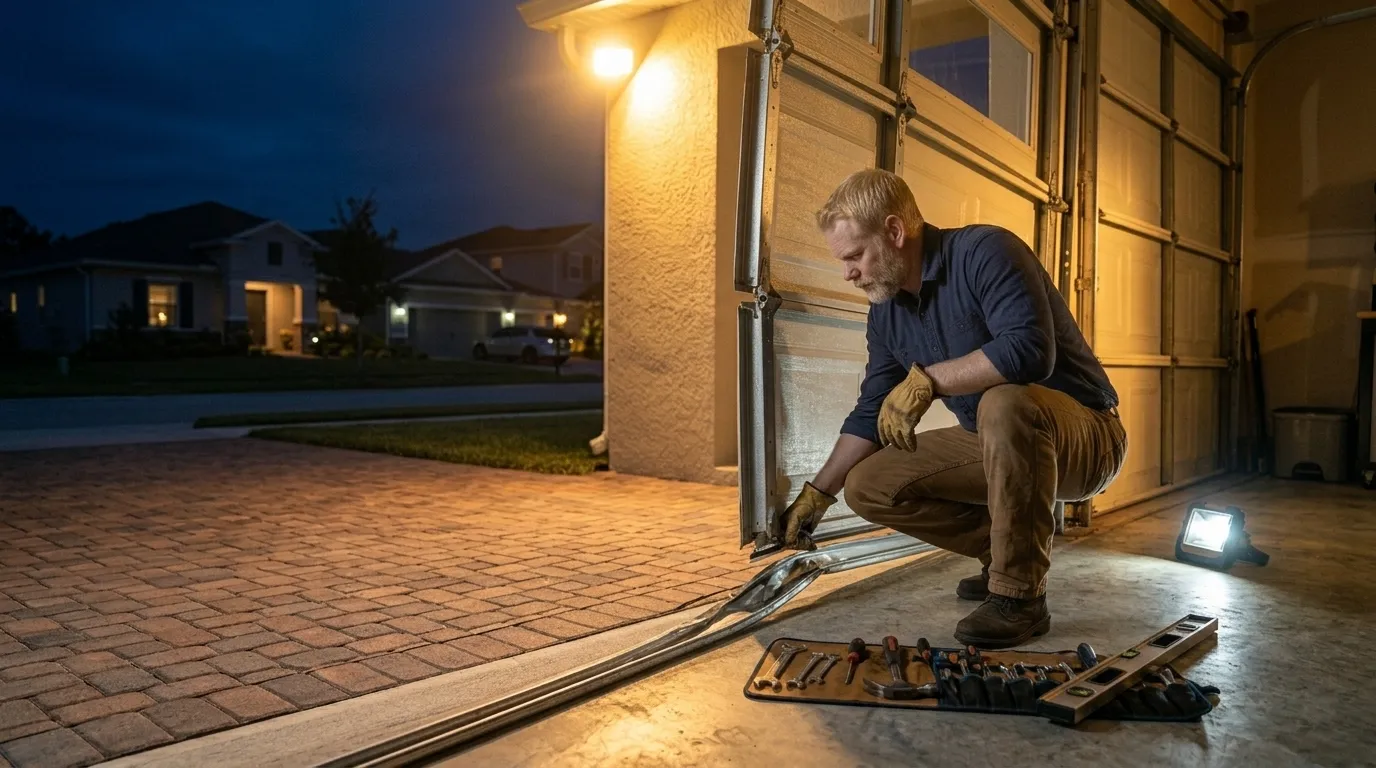
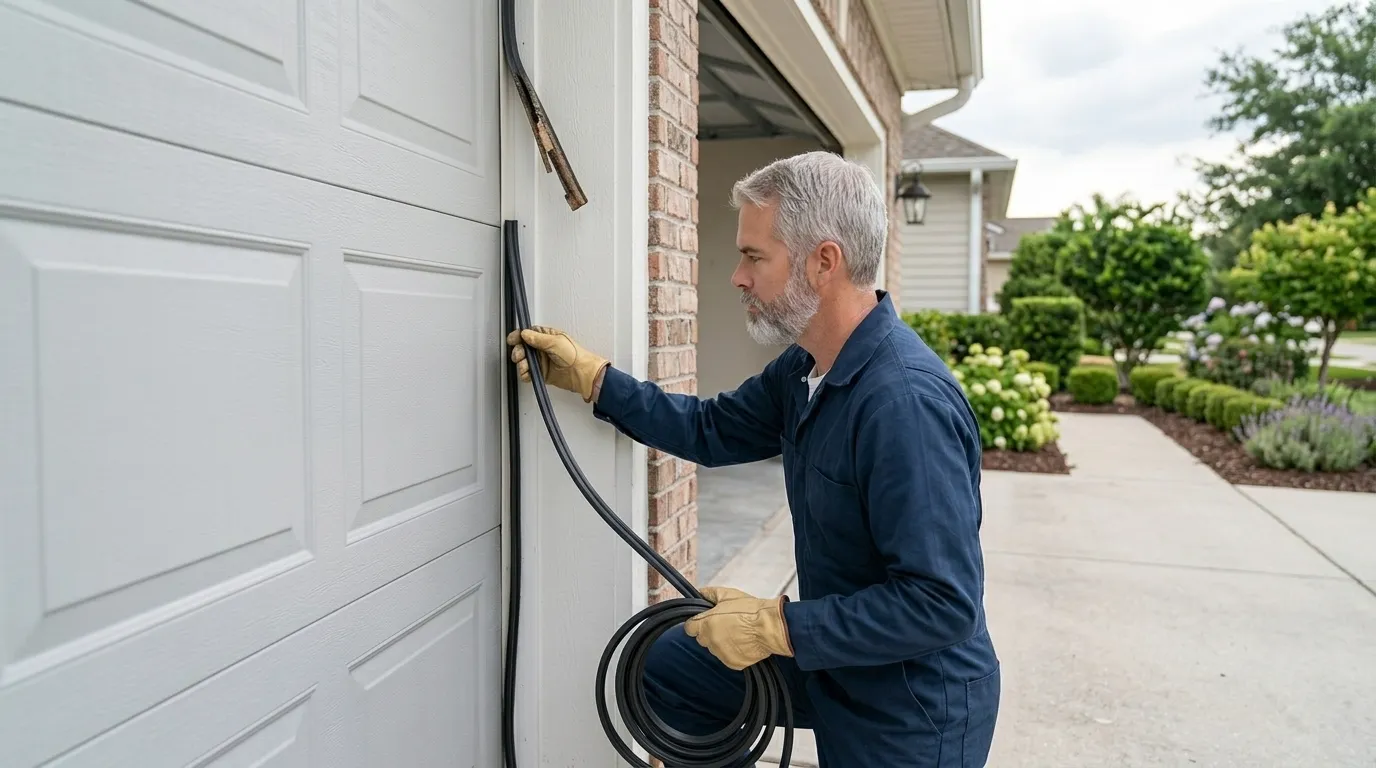
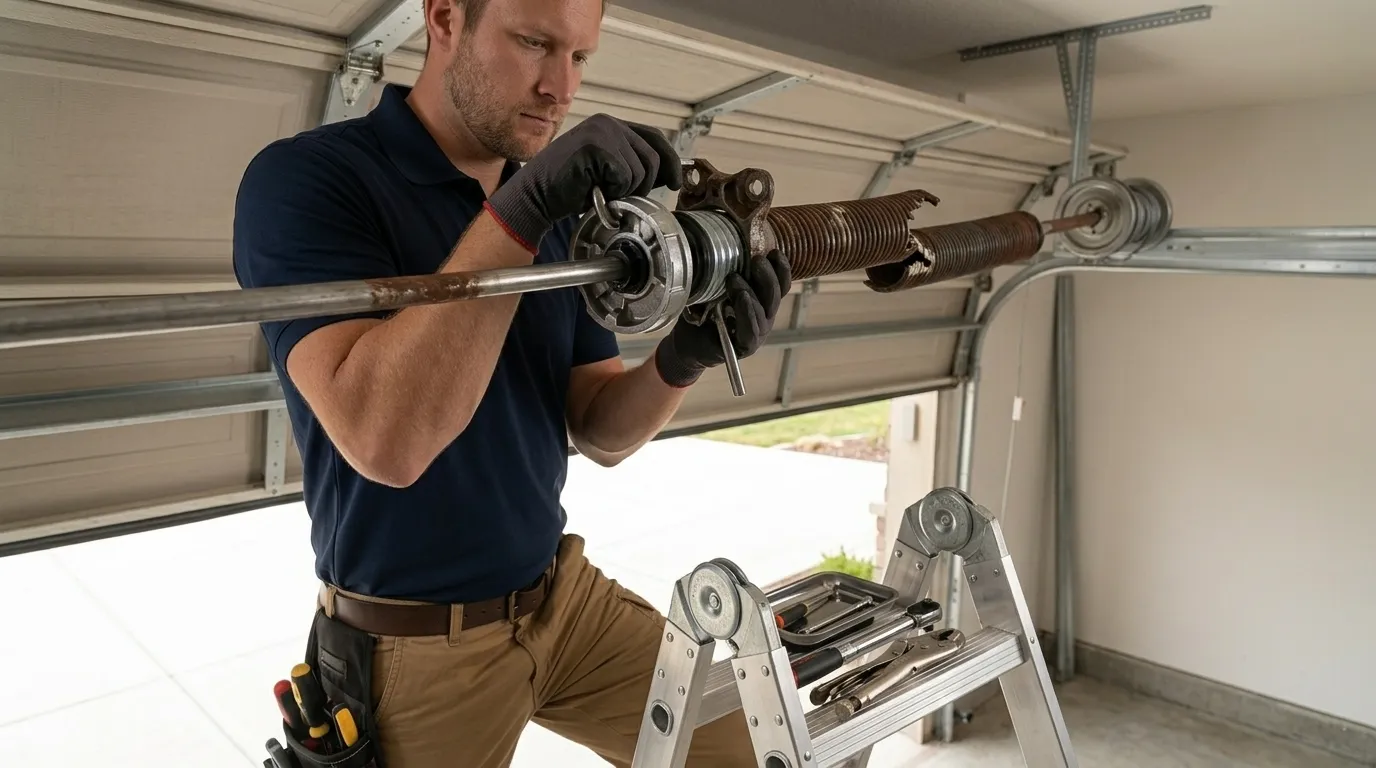
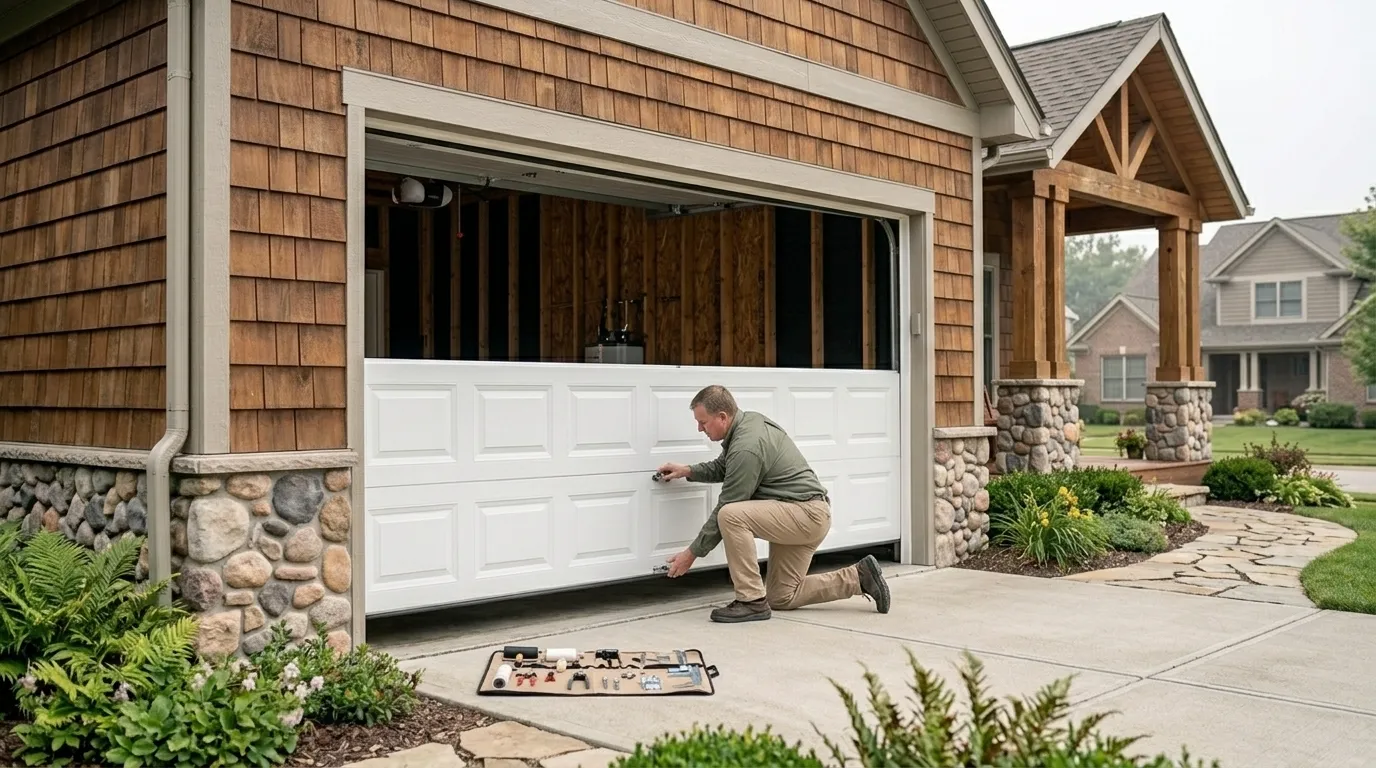
Spring repair is a controlled unwind of a part under real tension, so the process is the same whether it's a torsion spring over the header or a pair of extension springs above the horizontal track. We clamp the shaft, release the old spring's tension in stages, pull the broken coils off the drum, and check the cable, bearing plates, and drums for wear while the system is open anyway. A spring rarely fails alone. Cables stretched by years of an unbalanced door, or bearings that have gone dry, often need attention at the same time or they'll take out the new spring early. Once the new spring is wound to the door's actual weight, we balance it: lift the door by hand mid-track and it should hold, not drop and not fly up. That balance test is the real proof of a correct repair, not just whether the door goes up and down when the opener is running. We don't paper over a bad balance with opener force, because that just moves the failure point to the gears.
What Causes It Around Here
Housing across this service area mostly went up between 1958 and 1997, with the median build year landing around 1986, and a big share of that stock still carries the original torsion or extension hardware installed by the builder. A spring built in the 1980s has had four decades of open-close cycles, and steel fatigues on a cycle count whether or not anything ever looked wrong. That's the main driver of failures we see, more than any single event. The heat band here is rated moderate rather than extreme, so we're not dealing with the kind of thermal swings that snap springs suddenly the way some desert climates do further out. Instead it's slow fatigue: a spring that's wound and unwound tens of thousands of times finally lets go on an ordinary Tuesday, often on a door nobody thought twice about the week before. Across the roughly 60,965 owner-occupied houses in the area we cover, this pattern holds regardless of neighborhood, because the age of the garage door hardware tracks the age of the house, not the street it's on.