Time on the Job
Wrightwood's median household income sits at $78,496, just under Hesperia's $79,378, and that gap decides whether a $600 spring job or a $1,800 opener-and-track replacement makes sense for a house here. At that income level, most owners we talk to want the cheaper fix tried first, and on a door that's basically sound, that's the right call. It's when the track is bent, the drum is chewed up, and the opener is original that the math flips toward replacing the whole assembly instead of patching it piece by piece.
The other number that shapes a Wrightwood job is the drive. The crew comes up from Hesperia, and that run is 18 miles - one of the longer hauls in the service area. We don't operate a branch or a depot in Wrightwood, so a job here gets scheduled as a trip, not a walk-in. That's not a knock on the town; it's just the honest shape of how the work gets to you. If a call comes in mid-morning, expect a window later that day or the next, not an on-the-spot arrival, because the truck is coming from somewhere else.
Getting It Booked In
Because the crew is traveling in rather than working out of a shop two streets over, booking a Wrightwood job works best with a little detail up front: what the door is doing (won't open, won't close, stuck halfway, making noise), roughly how old the door and opener are, and whether it's a single or double. That lets the truck get loaded with the right springs, rollers, or opener parts before it ever leaves Hesperia, instead of a second trip being needed because the first one didn't have the part on the shelf.
We'll give you a time window rather than an exact minute, since an 18-mile drive through mountain roads doesn't run on a stopwatch the way a job five minutes from the shop does. If your schedule is tight, say so - we'd rather build the route around a hard constraint than guess. One honest limit here: if a part isn't something we carry stock of on the truck, ordering it can add a day or two before a second visit, which matters more for Wrightwood than it would for a closer stop, simply because of the extra drive involved either way.
What Can Go Wrong
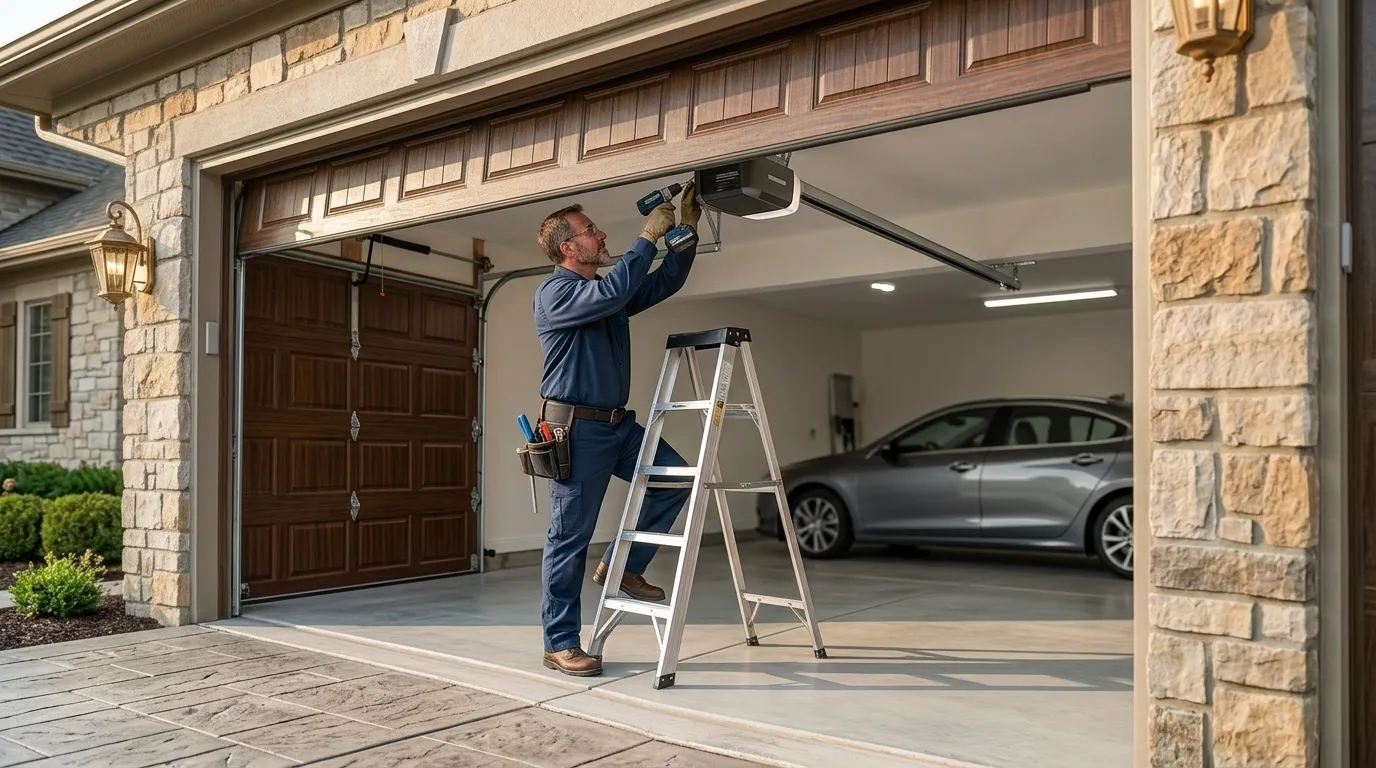
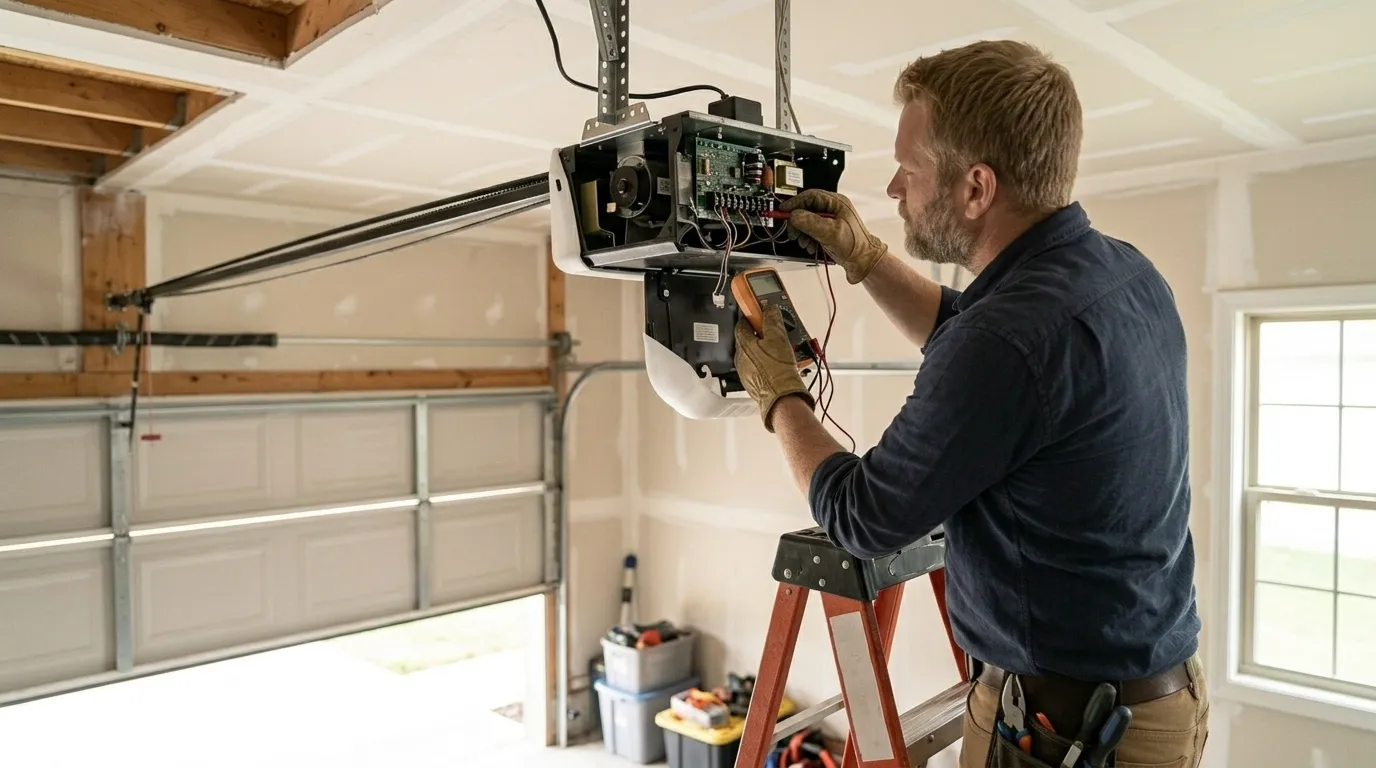
On a door installed in the mid-1970s, a straight motor swap isn't always possible - older openers predate today's safety-reversal standards, and code doesn't let us just bolt a new head onto old wiring and call it done. That usually means the whole opener gets replaced, not patched, which changes the cost conversation from the start.
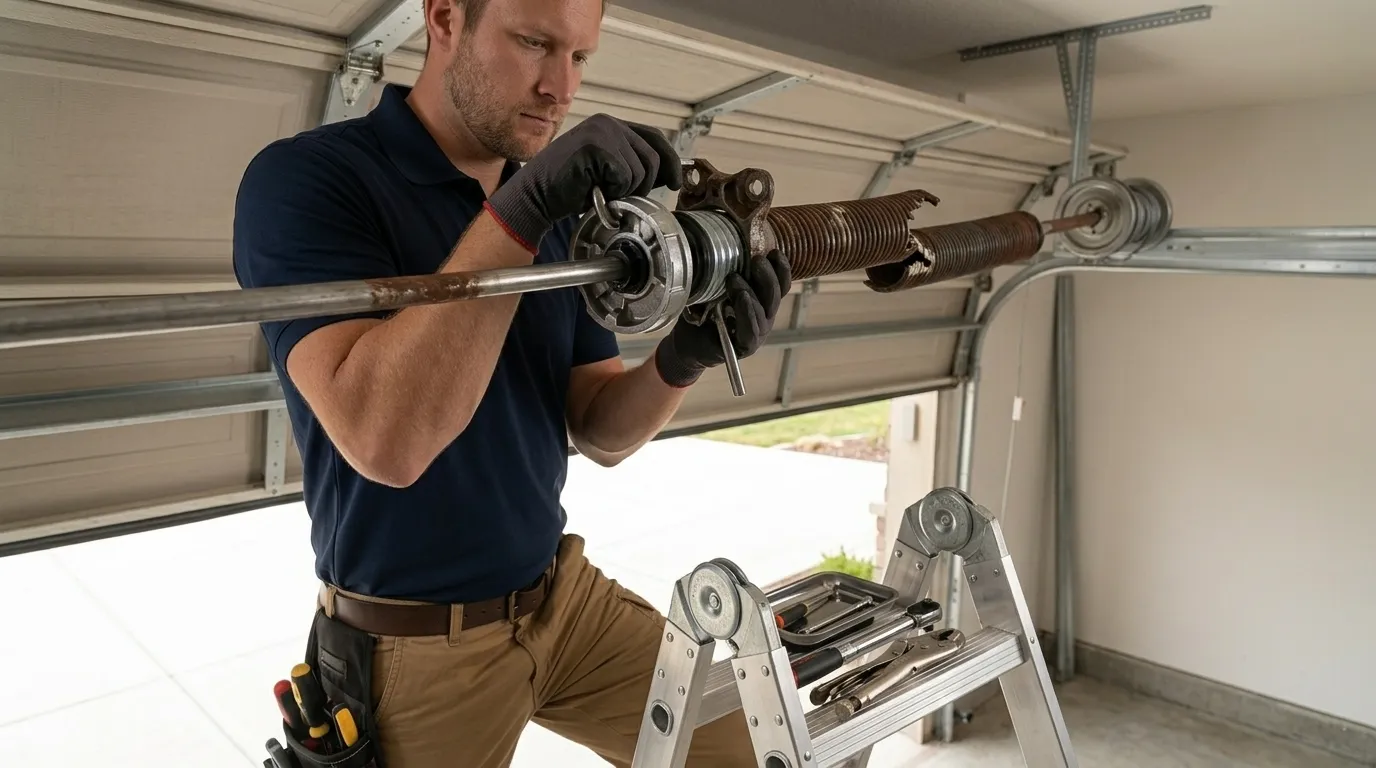
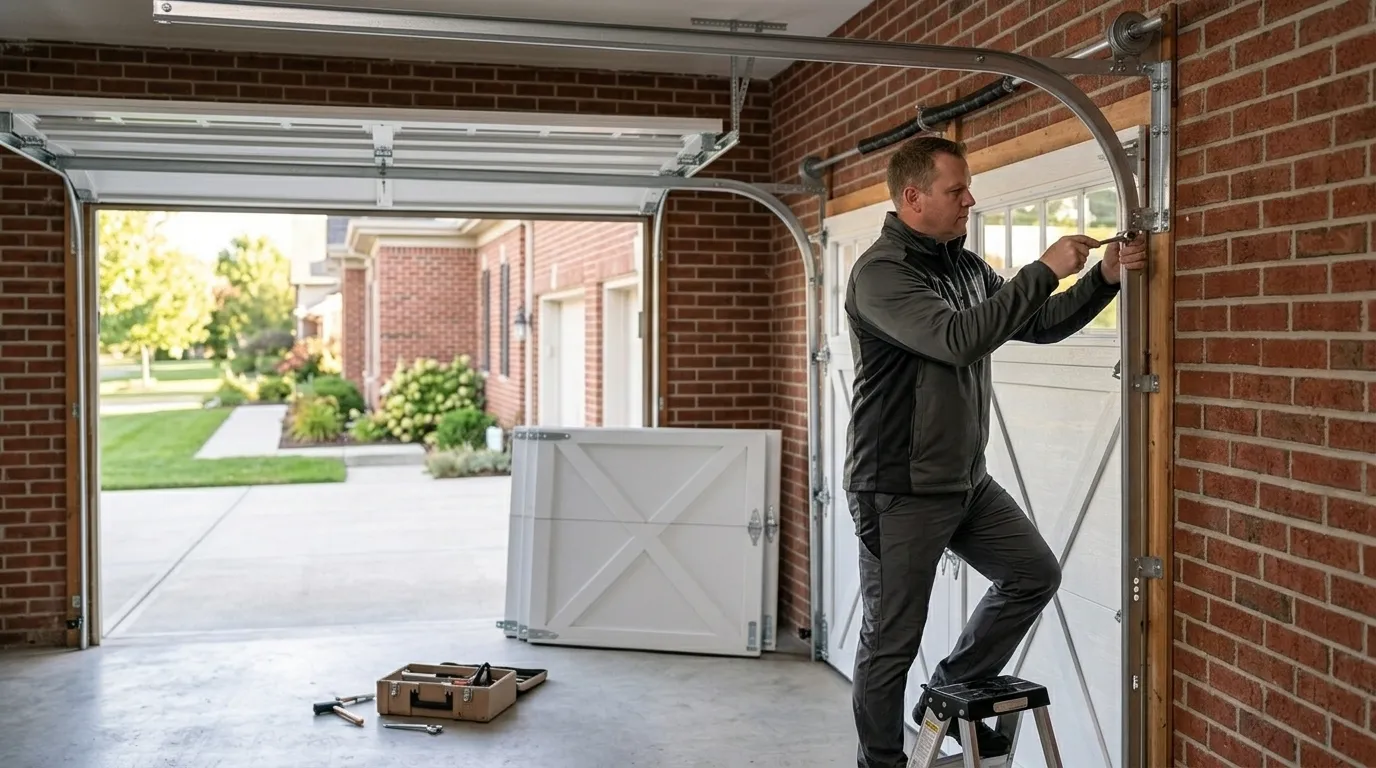
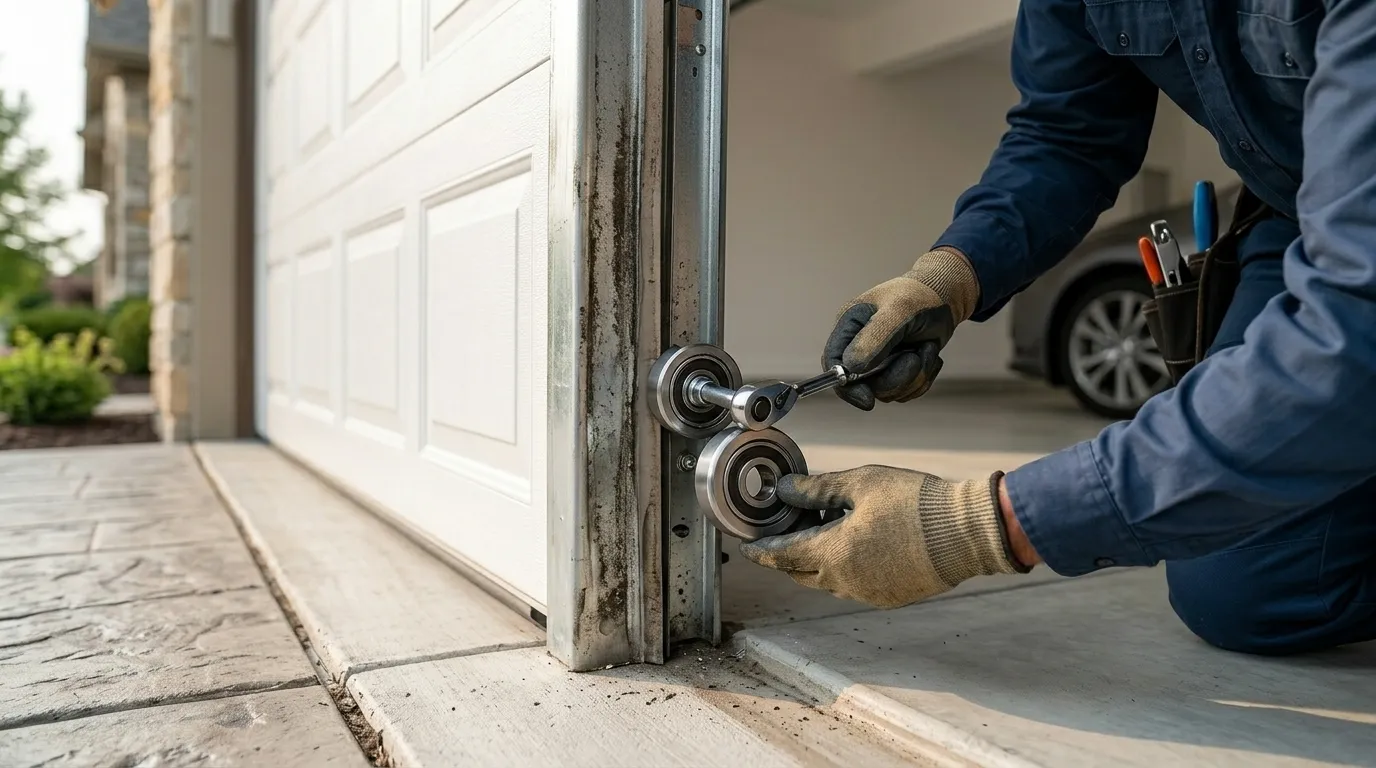
Springs on a door this age have typically cycled tens of thousands of times without ever being replaced, and a torsion spring that's been wound since 1974 doesn't fail gently - it lets go all at once, usually while someone's hand is near the bottom bracket. Rollers and cable have the same story: worn slowly enough that nobody notices until the cable frays through or a roller jumps the track on a cold morning. None of this is scare talk specific to Wrightwood; it's just what 50-year-old steel and springs do, and it's more common here because the housing stock skews older than the service area's median.