Time on the Job
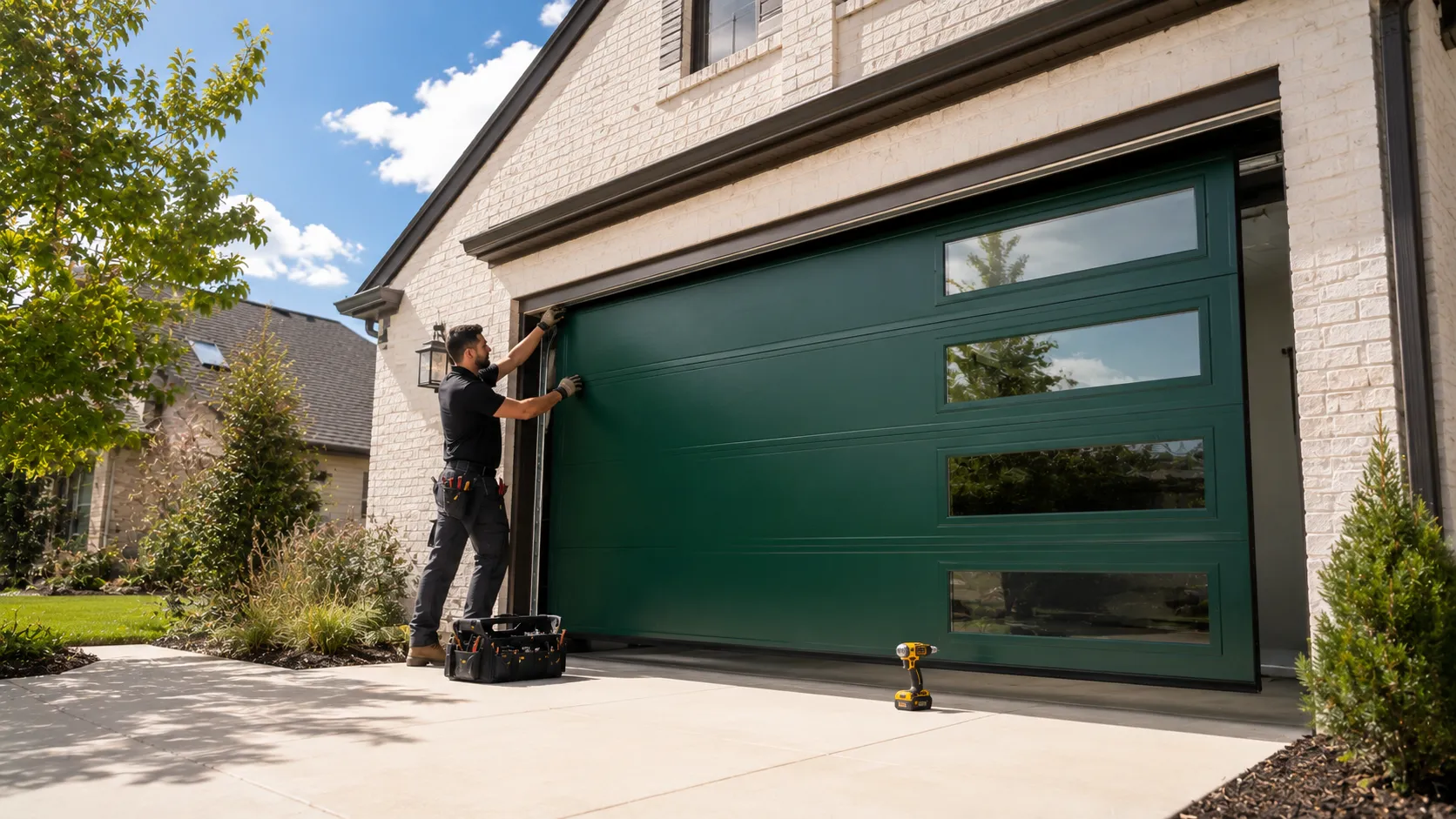
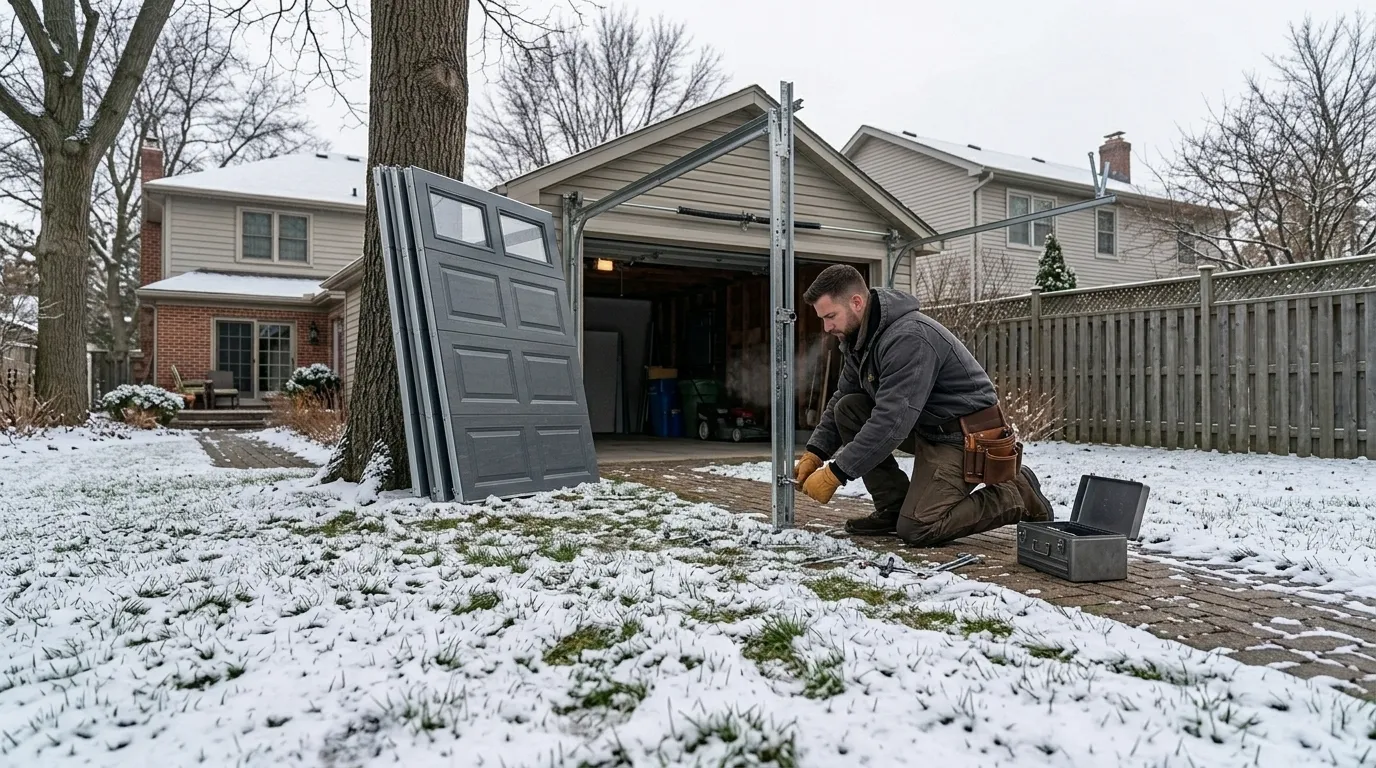
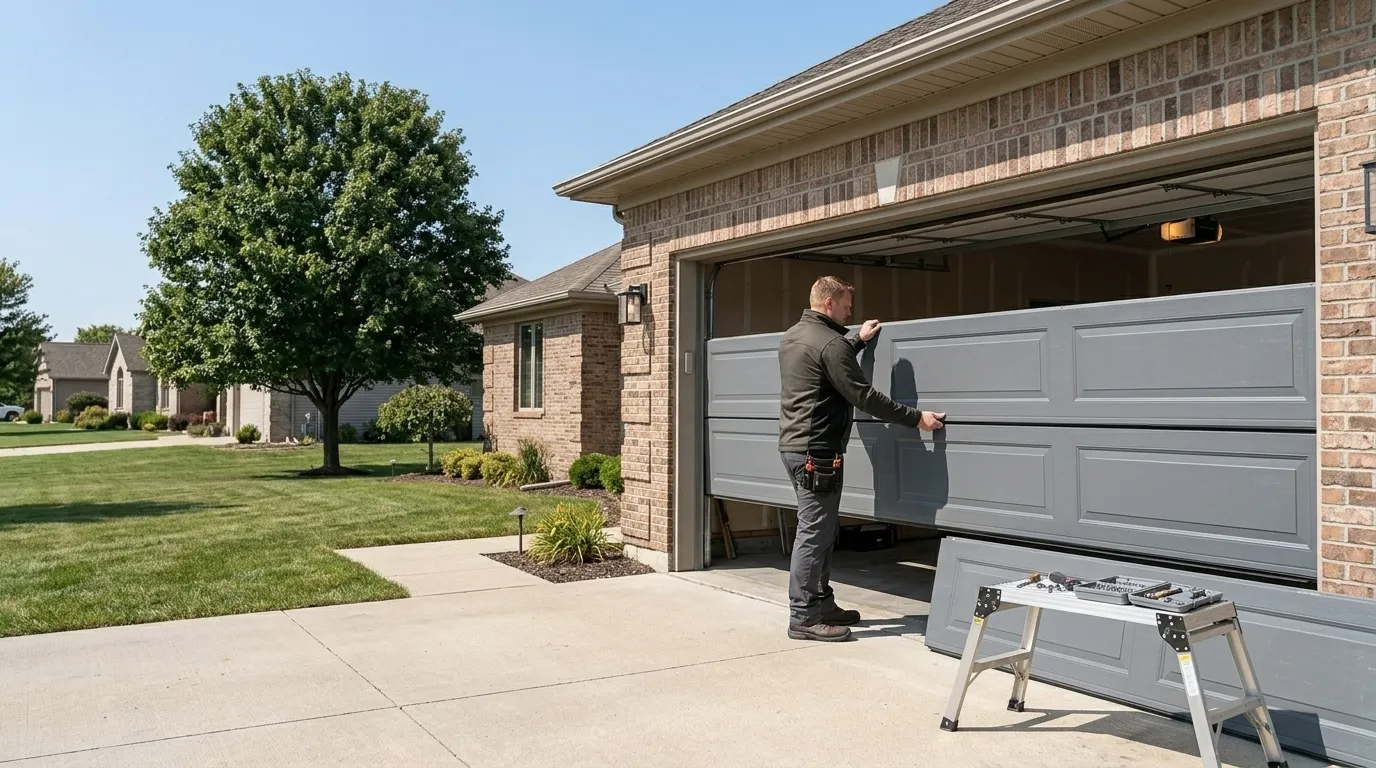
Most houses up here went up around 1974, a solid decade before the median build year across the rest of the service area we cover, which runs closer to 1986. That gap matters on install day. A door opening framed in the early 1970s was often built to a slightly different rough-opening standard than what shipped in the 80s and 90s, and the track brackets and header clearance don't always match a modern door straight off the truck.
We don't pad the job with extra hours just because the address is Wrightwood, but we also don't pretend every opening is standard. If the jamb needs shimming or the header's not square, that's addressed on site, not discovered after the door's already hung. One honest limitation: if the framing needs real carpentry work beyond shimming and blocking, that's a separate trip, not something we fold into the same afternoon.
With about 2,325 households in Wrightwood, this isn't high-volume territory for us the way some closer suburbs are, so we plan the day around getting the measurements right the first time rather than assuming we'll be back next week for something else.
Getting It Booked In
At 18 miles from Hesperia, this is one of the farther stops on the route, and that's worth knowing before you set a date. We're not based in Wrightwood - the Hesperia crew travels up for the job, so the install gets scheduled as a full trip, not a quick add-on between closer calls.
Median household income here runs about $78,496, just under the wider area's $79,378, which tells us the door choices tend to land in the same practical range as the rest of the territory - nobody's asking for anything exotic, and we don't push it. Bring your measurements or let us take them on a walk-through first; either way, the quote reflects the actual opening, not a guess based on the neighborhood's age.
See the Wrightwood coverage page for what else we handle up this way, but the booking itself works the same as anywhere else on the route: confirm the opening size, confirm the door, set the day.
What Can Go Wrong
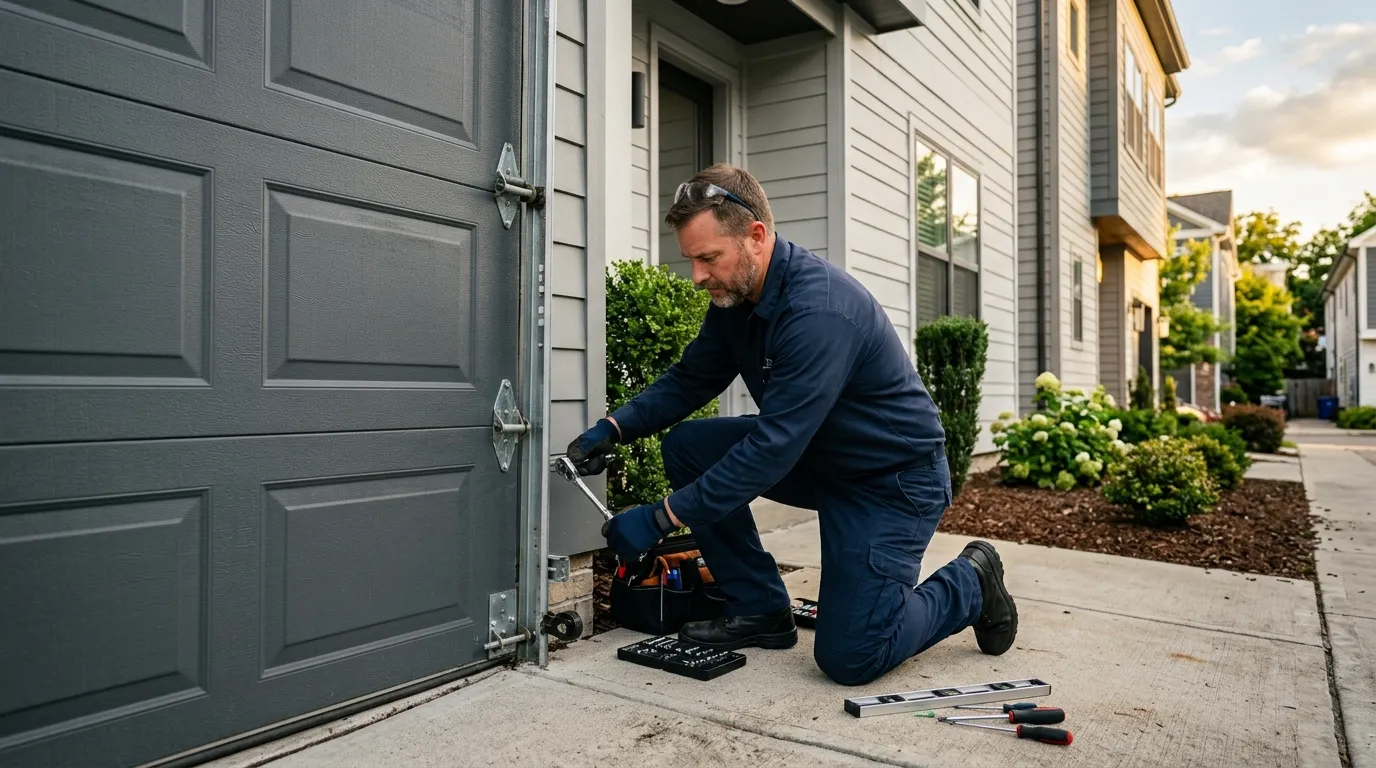
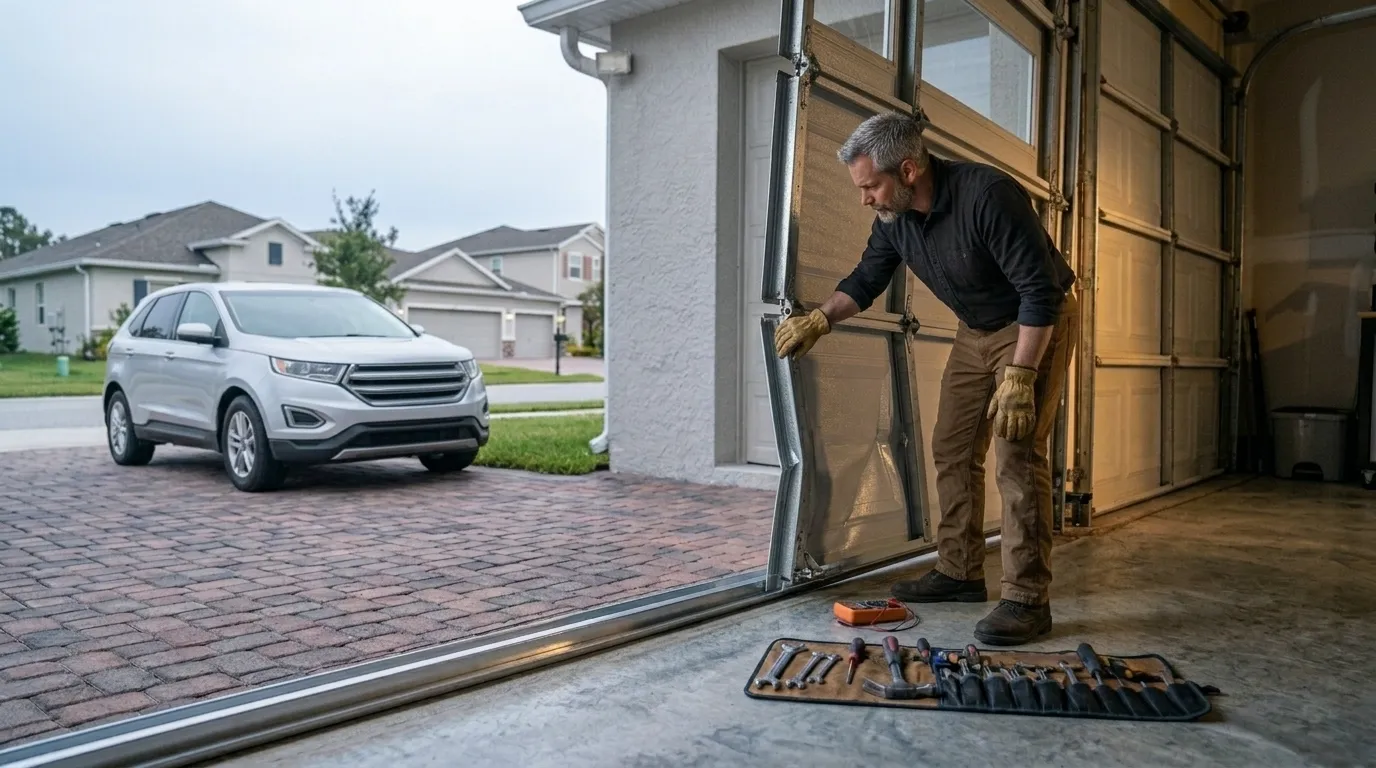
The most common surprise on a 1974-era opening is a header that's not quite level or a jamb that's shifted slightly over fifty years - normal settling, not a defect, but it changes how the new track gets mounted. We catch this during measurement, not after the door's up.
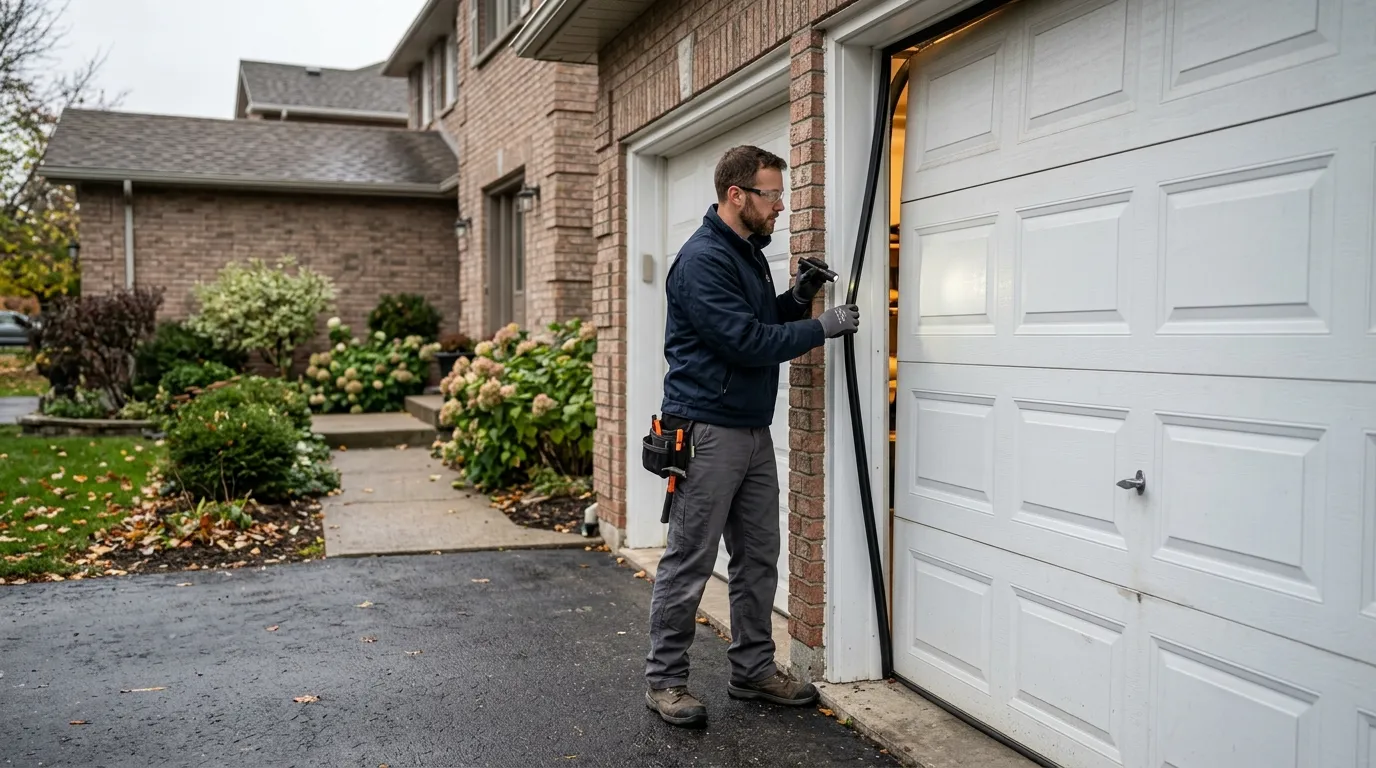
The other thing that comes up: some older openings were framed a touch narrower or shorter than today's standard door sizes, which means the new door might need a filler panel or the opening needs minor framing work before a standard-size door will fit clean. That's an added step, not a failed job, but it's worth knowing before you lock in a price.
What we won't do is force a door into an opening that isn't ready for it just to finish the same day. If the framing needs more than shimming, we'll say so on site and schedule the carpentry separately rather than hang a door that binds on the track inside a year.