What Causes It Around Here
Phelan's median household income sits at $83,759, a notch above the wider Hesperia service area's $79,378. That number matters more than it sounds like it should, because it sets where the repair-or-replace line falls. At this income level, a cracked cable or a stripped drum almost never justifies a new door - the labor and parts cost is a fraction of a replacement, and most Phelan households can absorb a same-week cable job without it becoming a bigger project.
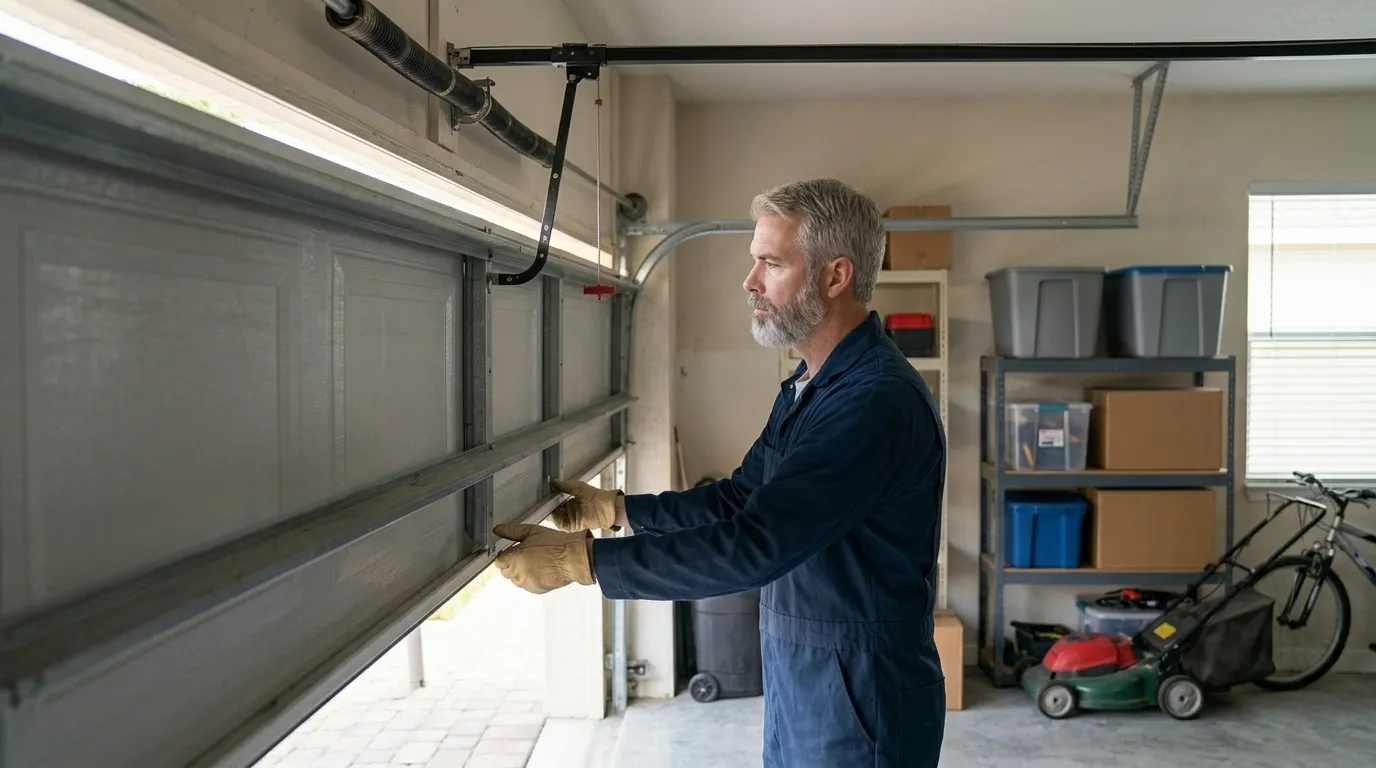
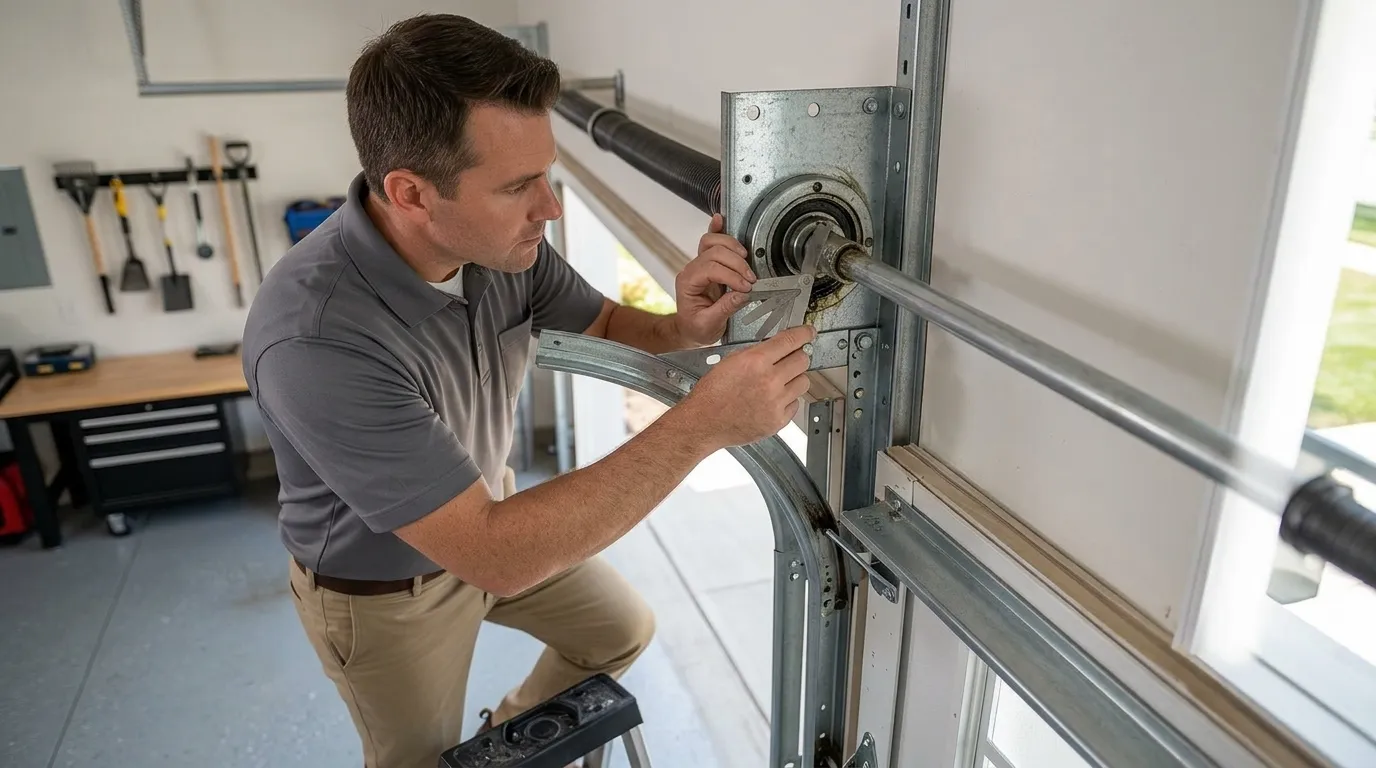
What's actually failing is tied to when the house went up. Across the broader service area, homes run 1958 to 1997 with a median build year of 1986, but Phelan itself runs newer - median 1991. That means fewer of the original torsion setups from the 1970s and more of the galvanized cable-and-drum systems that came standard through the late 80s and early 90s. Those cables are rated for a lot of open-close cycles, but they're not rated for corrosion at the bottom fitting or for a drum that's slipped out of alignment after twenty-plus years. That's the failure we see out here - not the spring, the cable itself, usually at the drum or the bottom bracket.
Getting It Booked In
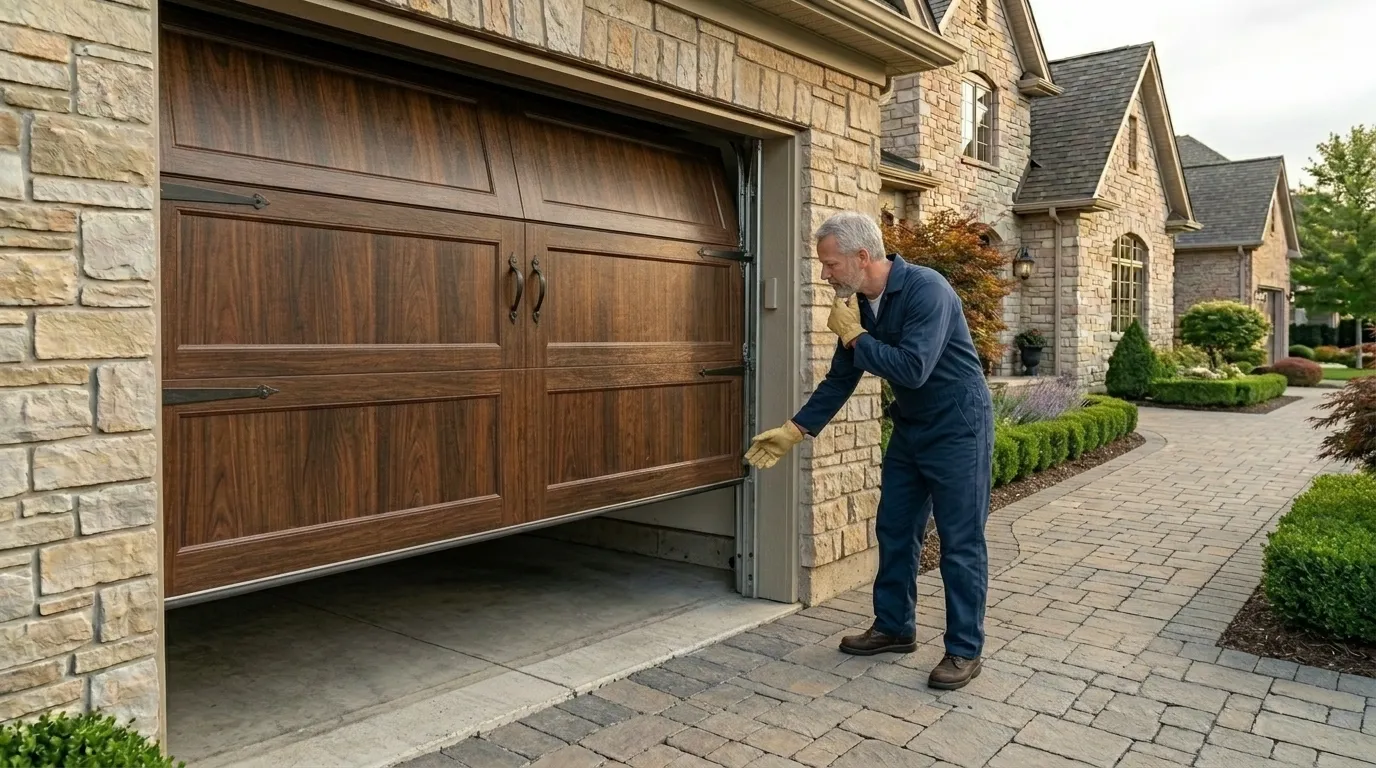
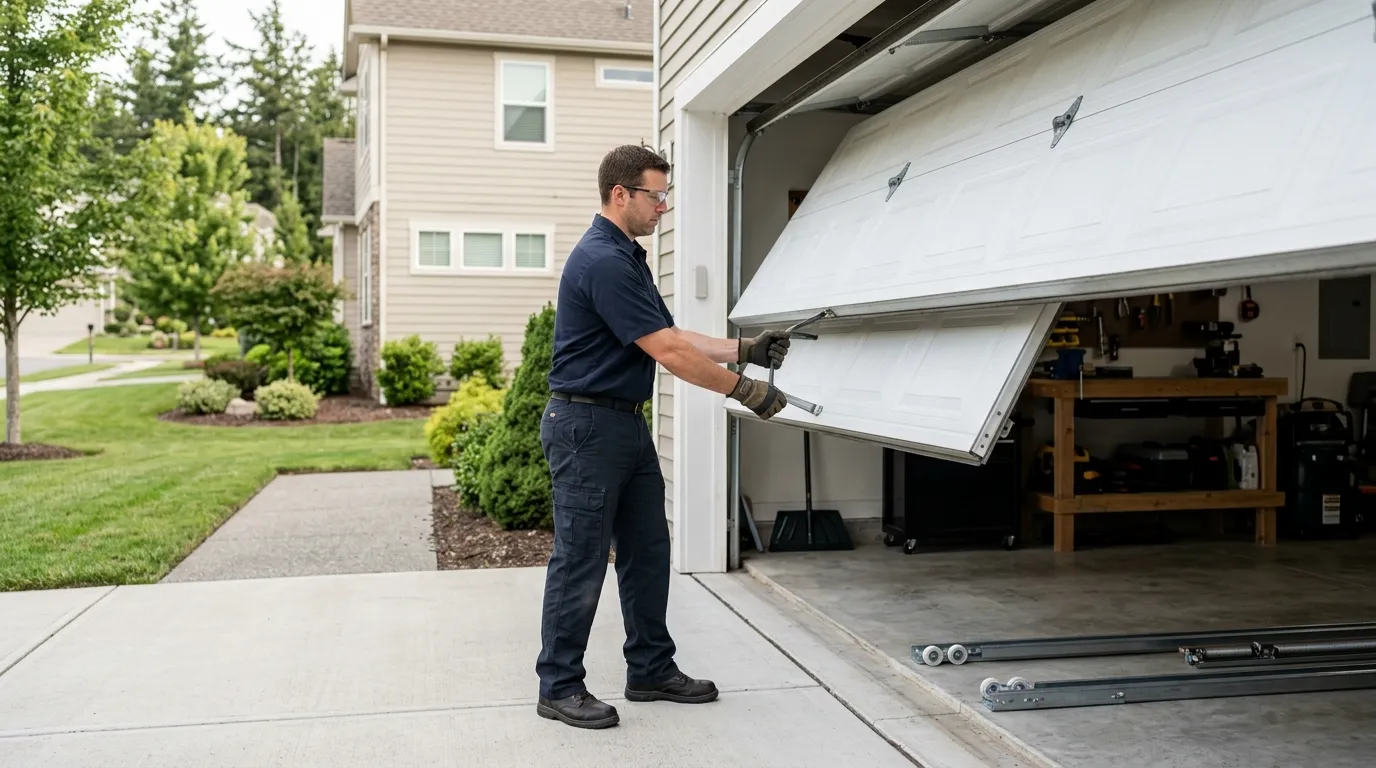
We run out of Hesperia, and Phelan is 12 miles from the shop - not a same-block call, but not a stretch either. When you call, tell us the age of the house if you know it (anything close to 1991 tells us a lot about what we're likely dealing with) and whether the door dropped on one side or both. A cable that's snapped on one side of a double door will drop that side and leave the door racked in the track, which is different hardware trouble than a cable that's frayed but still holding.
We don't keep a stocked branch in Phelan, so what we bring on the truck is based on what you tell us over the phone. If you can send a photo of the drum and the bottom bracket before we head out, we can grab the right cable diameter and length on the first trip instead of a second one.
How It Shows Up
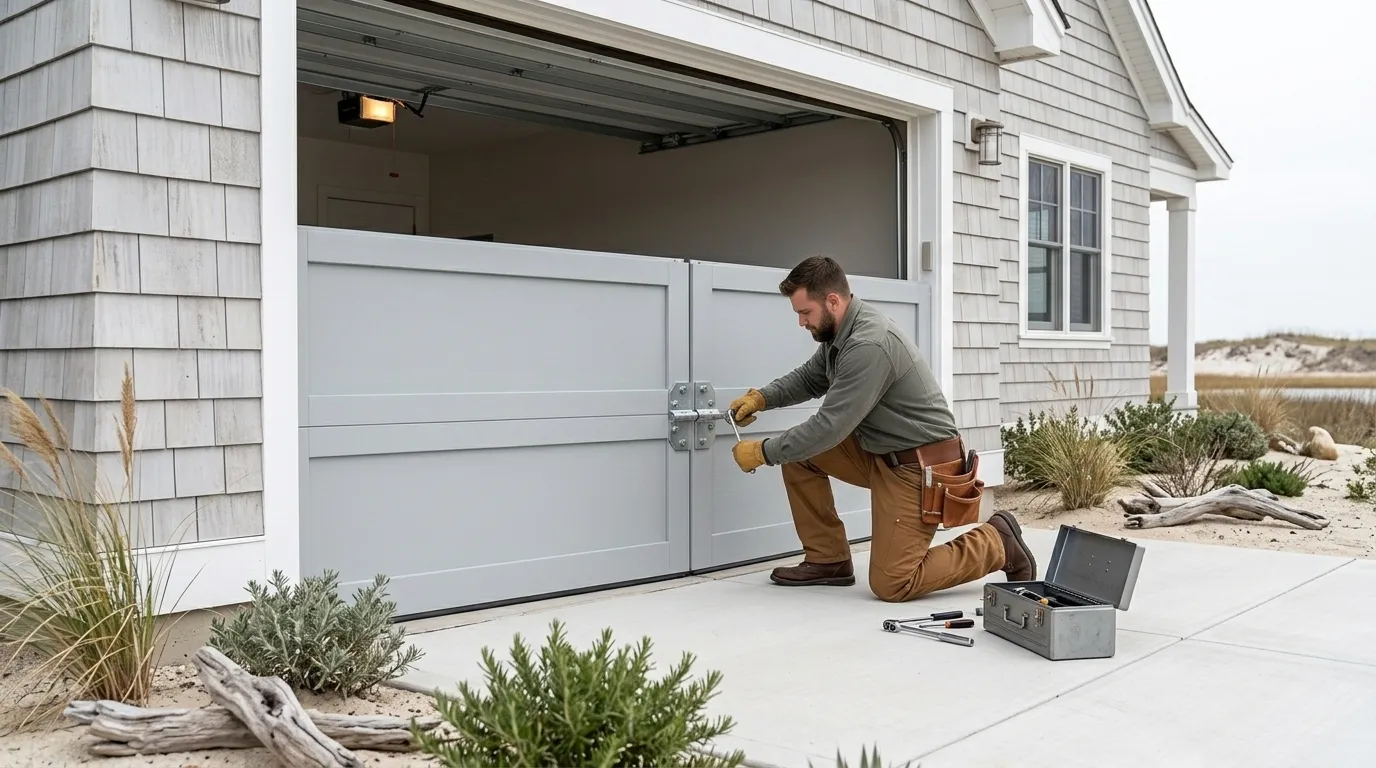
Most Phelan calls start the same way: the door won't lift, or it lifted a few inches on one side and stopped. Sometimes there's a loud snap first - that's the cable letting go at the drum, not the spring. Other times it's slower: a cable frays for weeks, shedding a few strands at a time, until the door starts hanging slightly crooked before it finally gives.
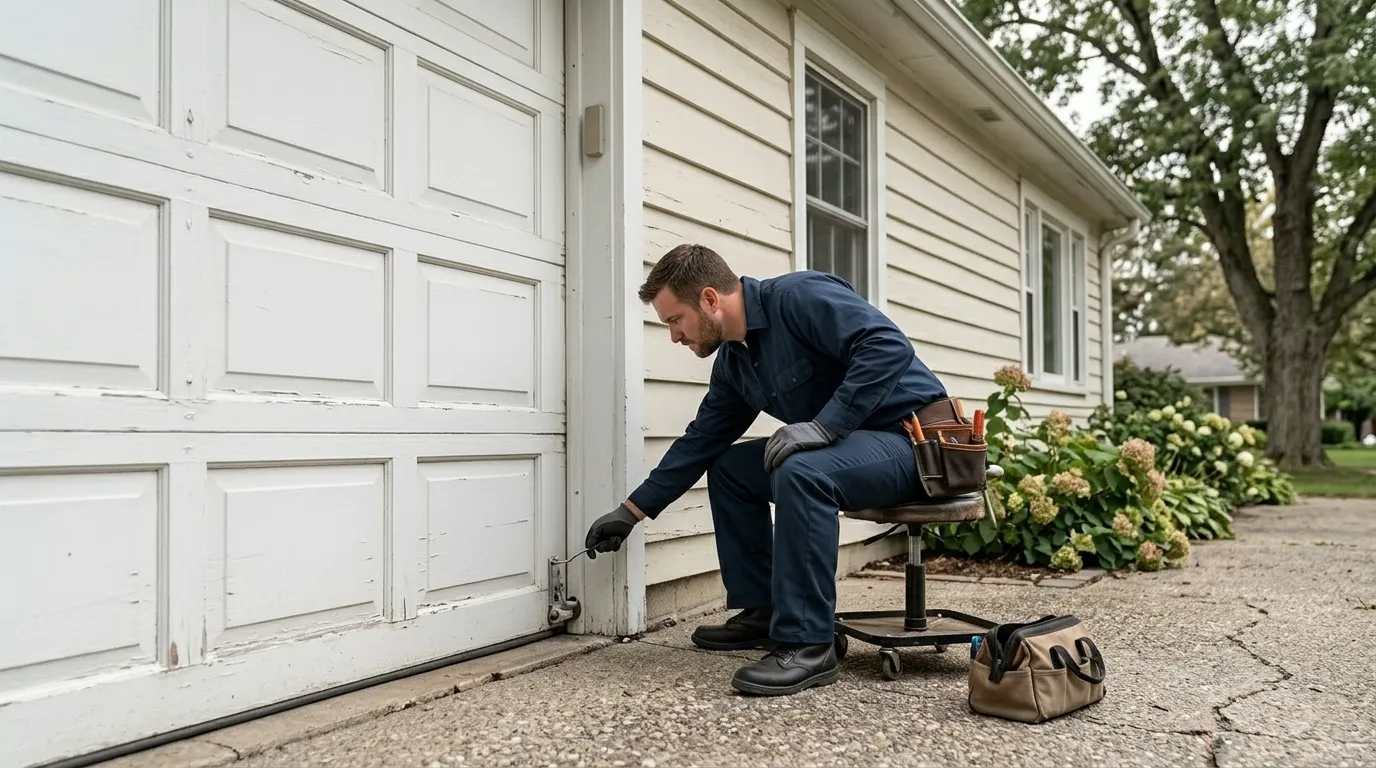
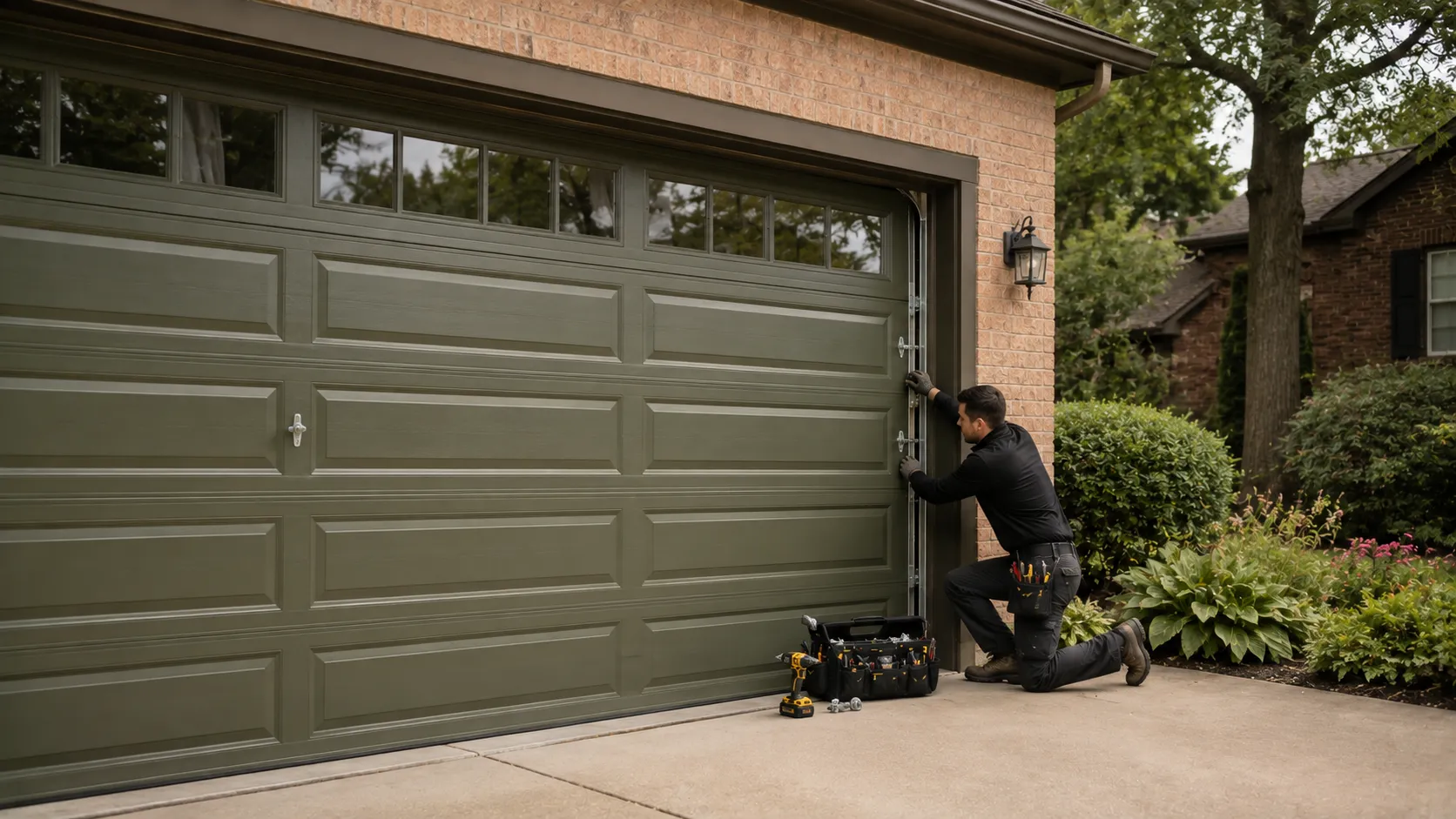
On houses from Phelan's 1991-ish era, the pattern we see most is corrosion or wear at the bottom fixture where the cable clips to the door bracket, more than failure at the drum itself. That's a smaller, cheaper fix than a full cable-and-drum swap, but you won't know which one you've got until someone looks at the bracket up close.