What Causes It Around Here
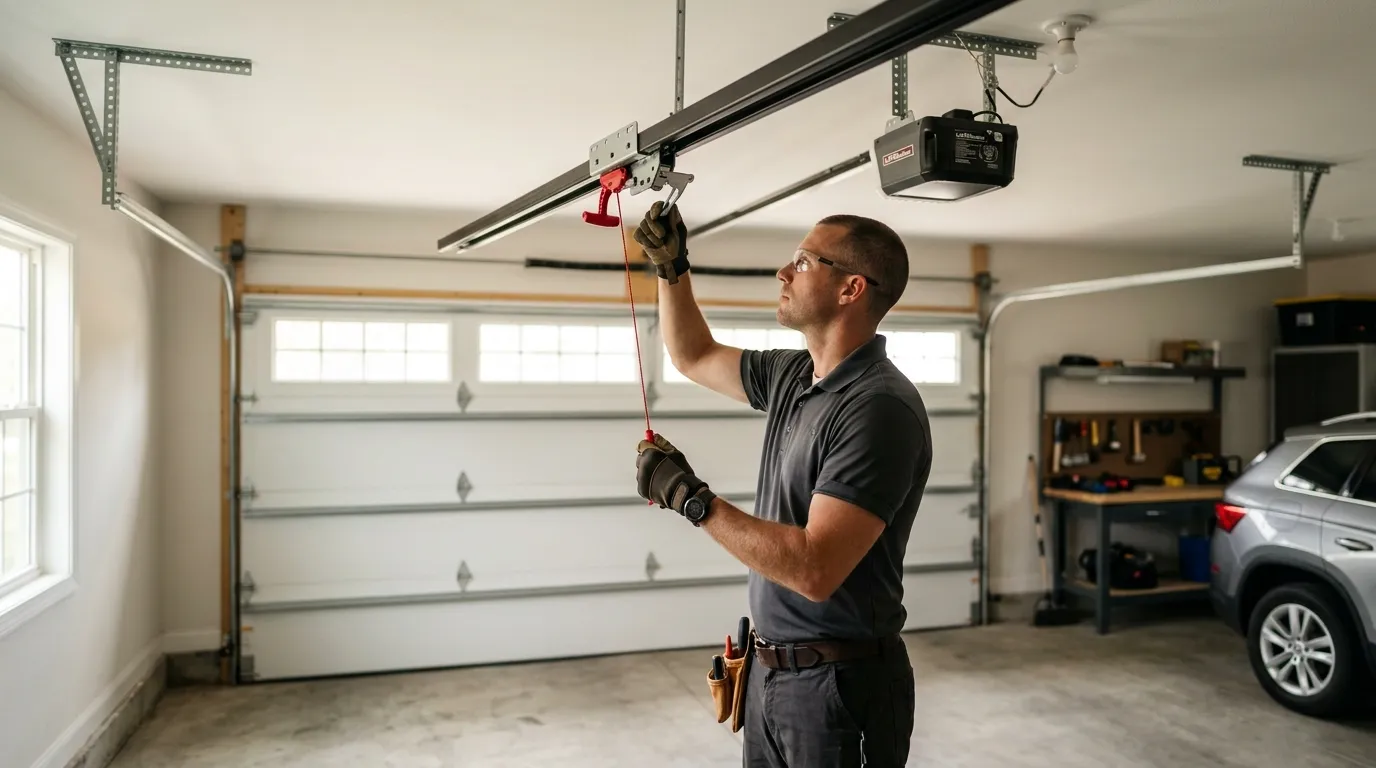
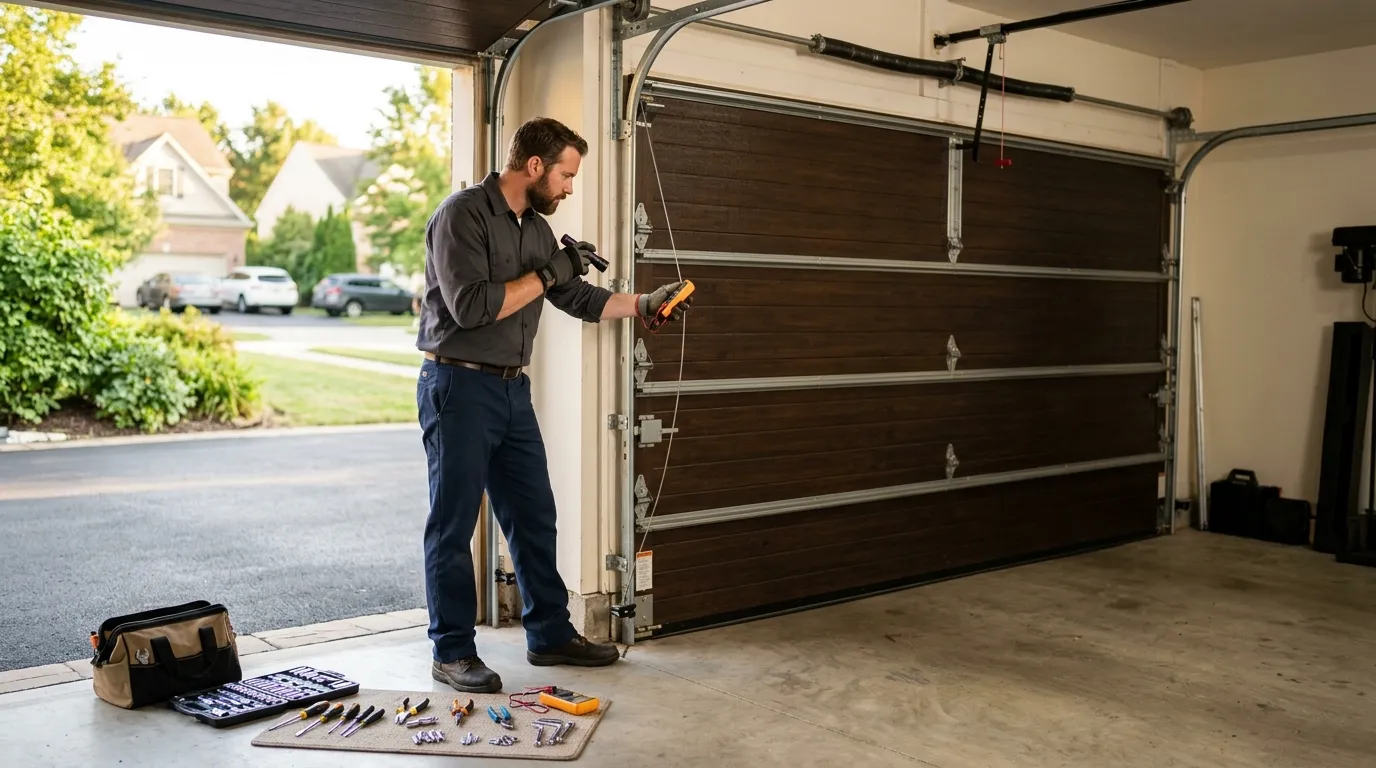
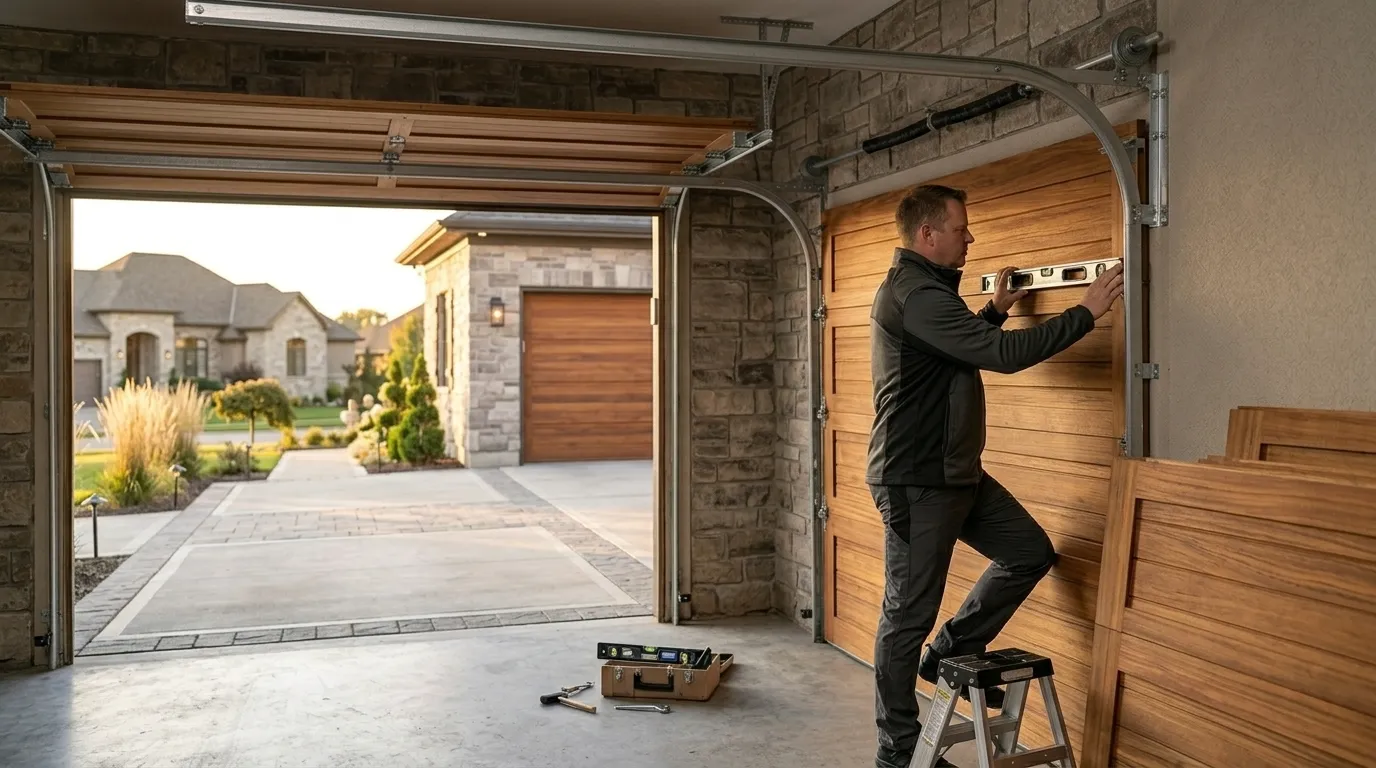
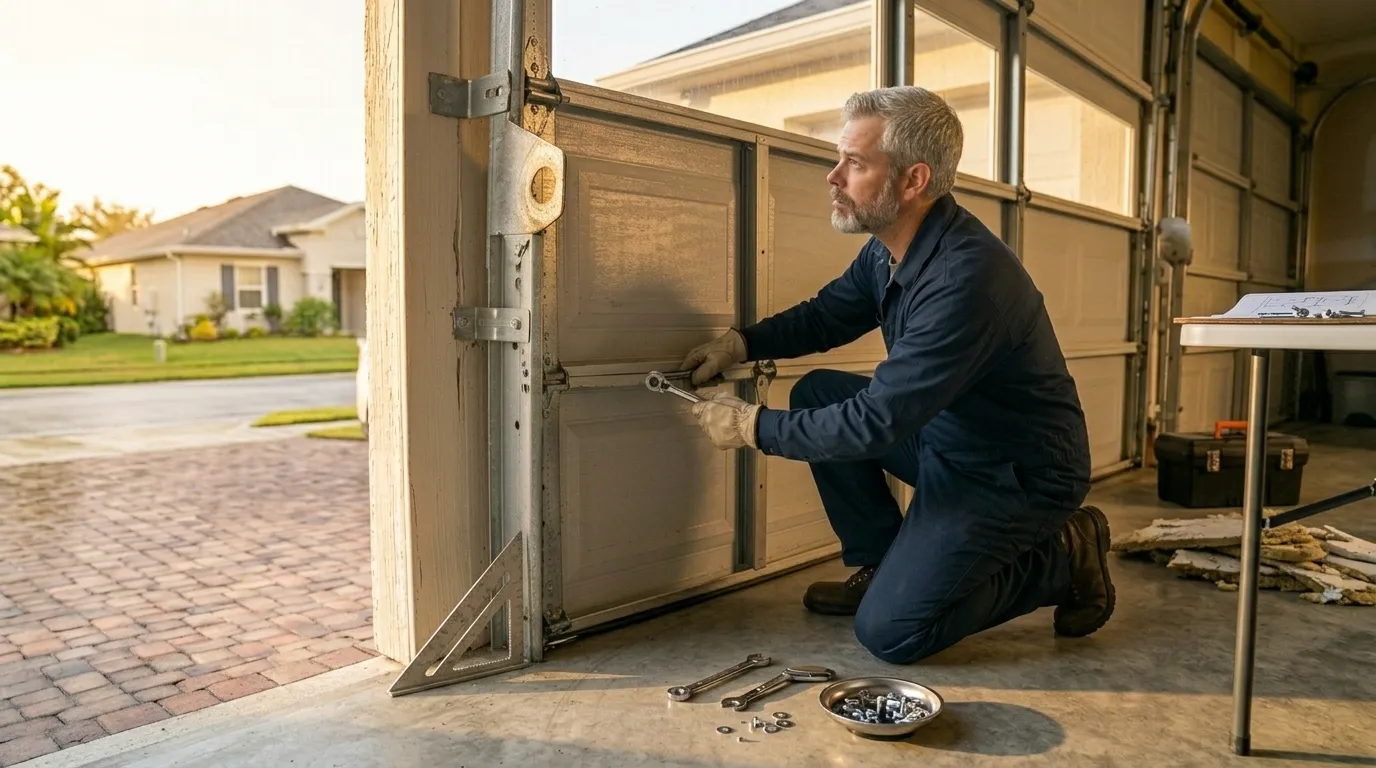
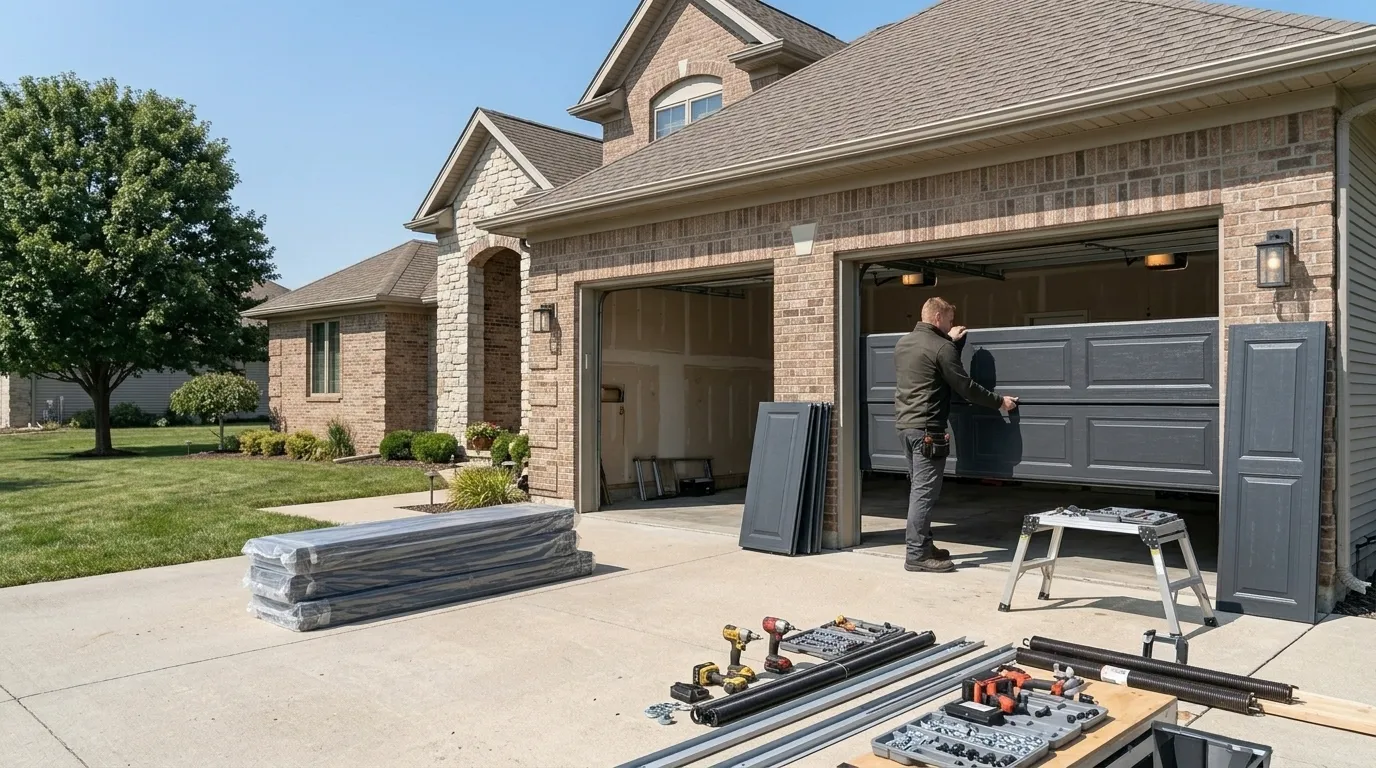
Most houses in Phelan went up around 1991, which puts the neighborhood squarely in the era when builders switched from lightweight aluminum panel doors to steel sectional doors - usually a 16x7 double or a 9x7 single, hung on torsion springs mounted on a center shaft above the opening rather than the older side-mount extension springs you still see on the 1960s and 70s stock closer to town. That torsion setup is heavier-duty, but it's also a sealed system: one spring, wound tight, doing all the lifting work for a door that can run 130-150 lbs bare. When it fails, it fails all at once, not gradually. Broader housing across the service area runs a wider band, built anywhere from 1958 to 1997 with a lot of that stock landing in the 1980s and 90s across the thirteen communities we cover - Phelan sits right in that middle window, so the doors and hardware are fairly consistent with what we see in Oak Hills or just not with the older extension-spring doors down toward. The moderate heat band out here means the springs aren't fighting the kind of temperature swings that crack cheap coil steel fast, but thirty-plus years of cycling is thirty-plus years of cycling regardless of climate.
Getting It Booked In
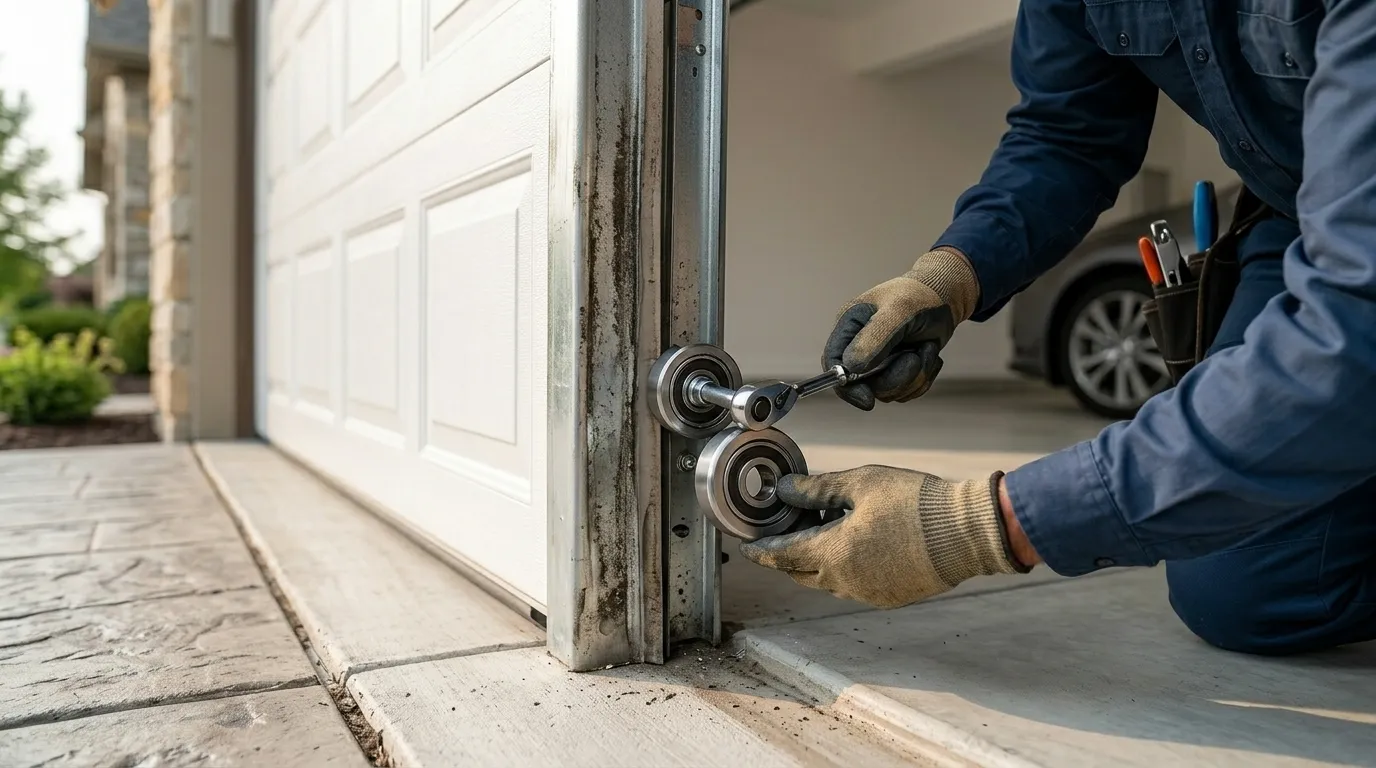
We run out of Hesperia, and Phelan is about 12 miles out, so a spring job here isn't a same-block call - it's a scheduled trip, and we tell you that up front rather than promise something we can't back from a shop that isn't local to you. That's not a knock on the job itself; torsion spring replacement on a 1991-era double door takes the same care and the same winding bars whether we're 2 miles away or 12. What it does mean is we like to know the door size (single or double), whether it's the original torsion spring or a prior repair, and roughly how old the opener is before the truck rolls, so we're not guessing at spring wire size on-site. With roughly 5,194 households in Phelan and a fair number of them sitting on that same original 1991 hardware, it's a call we get with some regularity, not a one-off.
How It Shows Up
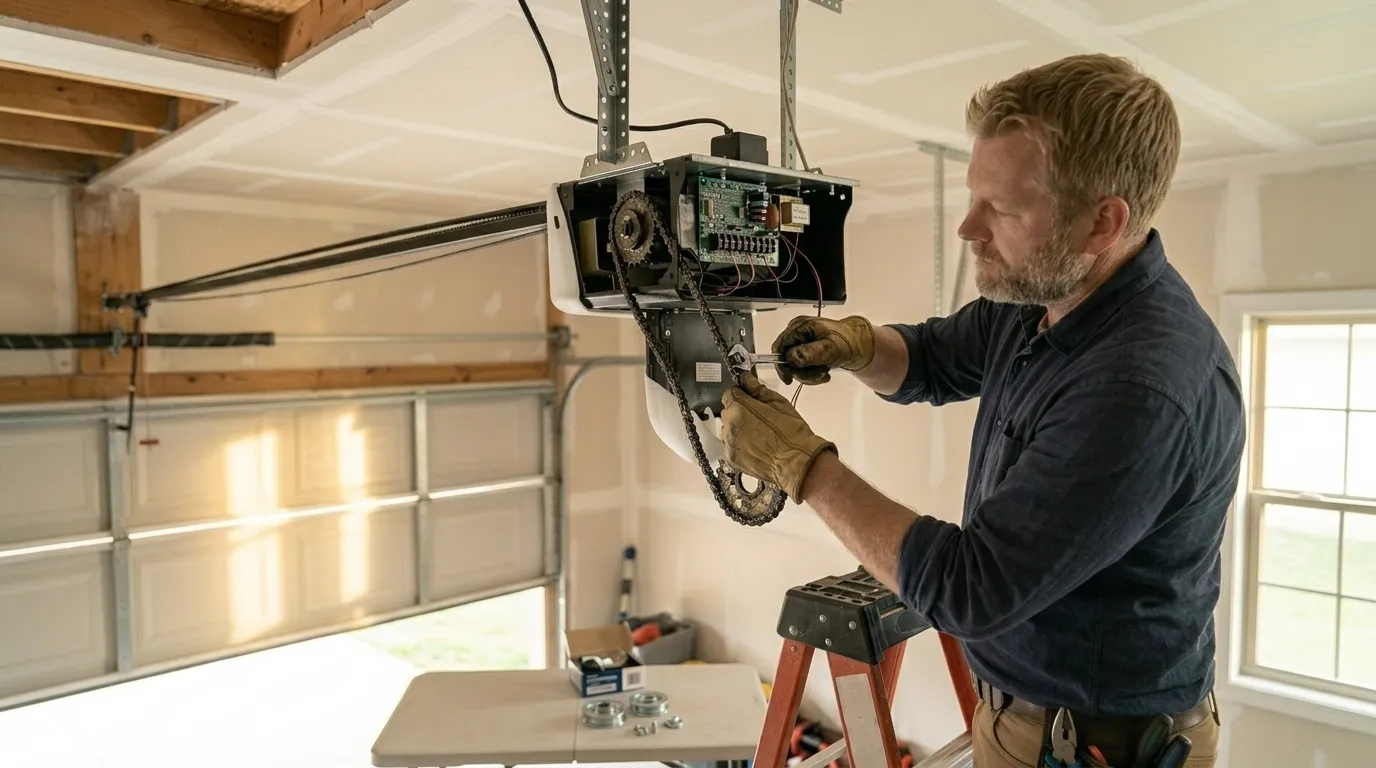
On a 1991-built door, the tell is usually sudden: the opener runs, the door doesn't move, or it drops a few inches and stops hard. Sometimes there's a loud bang from the garage first - that's the spring itself parting, not a car backfiring outside, which is what a lot of people assume the first time it happens. Less dramatic version: the door gets noticeably heavier to lift by hand over a week or two before it fails outright, which is the spring losing tension gradually rather than snapping clean. Either way, once it's gone, the opener will keep trying to lift the door and burning out its drive gear if you let it - that's the part that turns a spring call into a spring-and-opener call if it sits too long.