What Causes It Around Here
Phelan is a smaller pocket in our coverage area - about 5,194 households, not the tens of thousands you'd count across the wider service area. That matters for installs: it's not a town full of identical tract doors from one builder run, so the fix isn't one-size-fits-all the way it can be in a bigger subdivision.
The housing stock here also skews a bit newer. Median build year in Phelan is 1991, compared to 1986 across the broader area we cover. Five years doesn't sound like much, but it's often the gap between a door built for a steel roller and a chain-drive opener versus the older, heavier setups still common closer to the center of the service area. A door original to a 1991 build is now over three decades old regardless - springs fatigue, torque tubes bow, and factory finish on the panels doesn't hold up to another round of sun.
Climate here sits in the moderate heat band, not the extreme end. That's gentler on rubber seals and lubricant than towns with harsher summer swings, but it doesn't mean zero wear - it means the failure comes from age and cycle count more than heat stress alone.
Getting It Booked In
We run out to Phelan from Hesperia, about 12 miles each way. That's not a same-day drop-in the way a job five minutes from the shop might be - we build the trip into the day's route, so it helps to book ahead rather than call expecting someone within the hour.
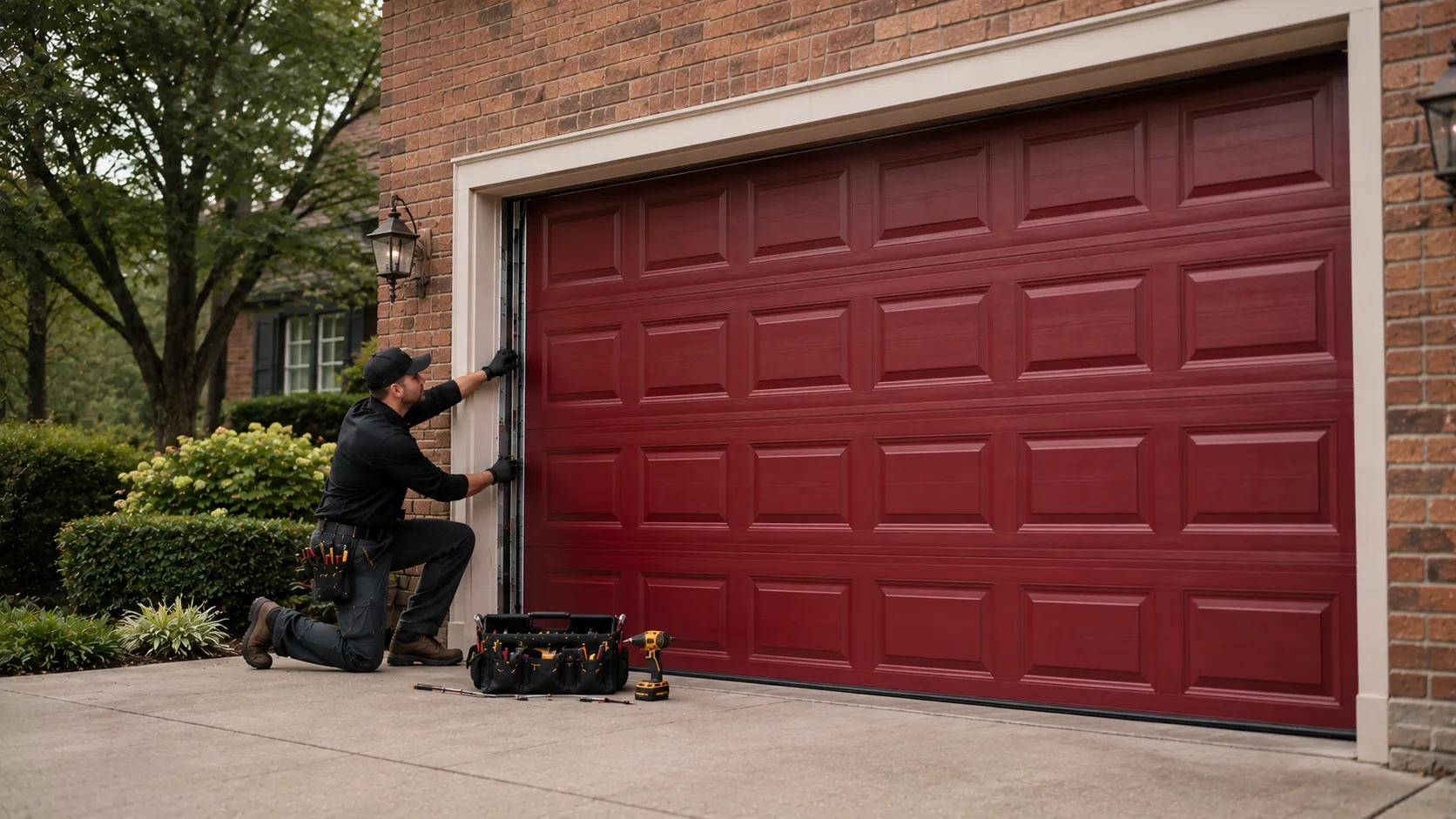
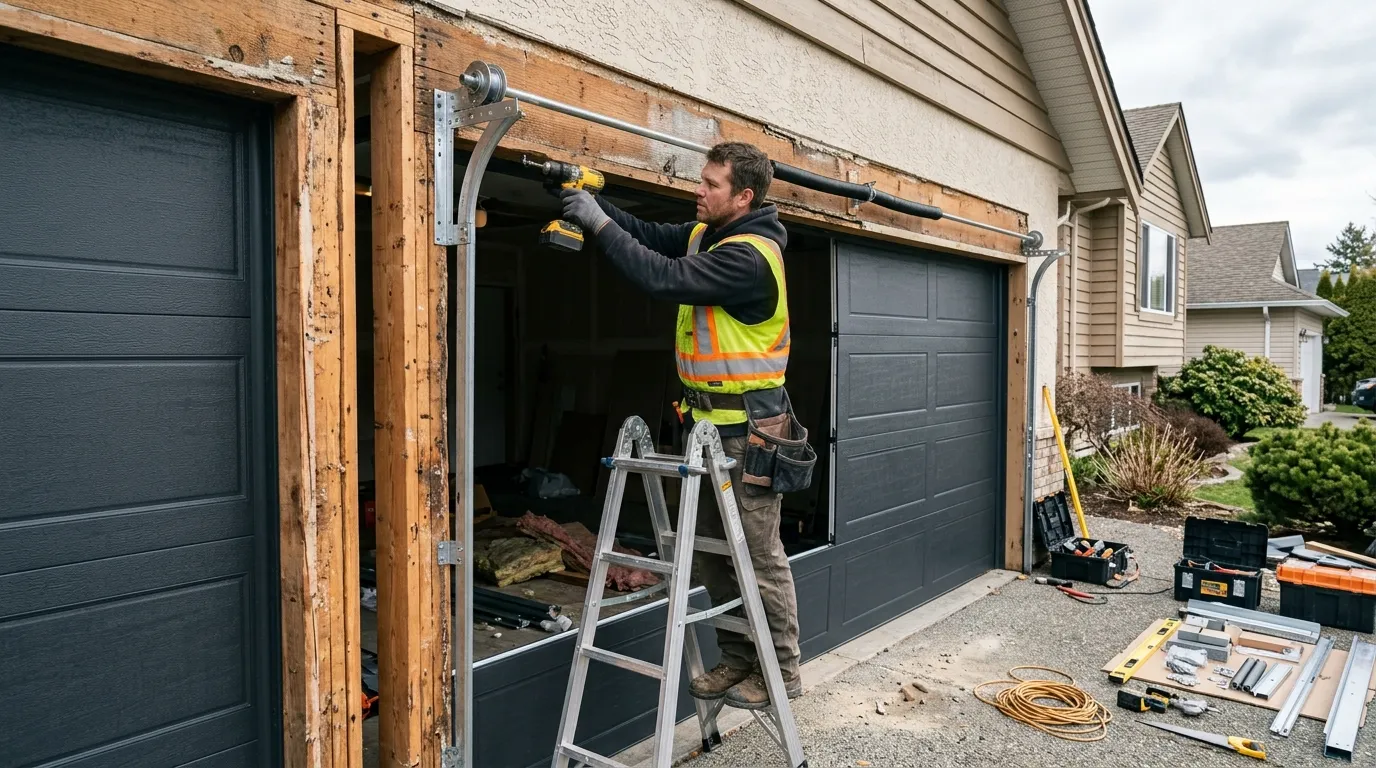
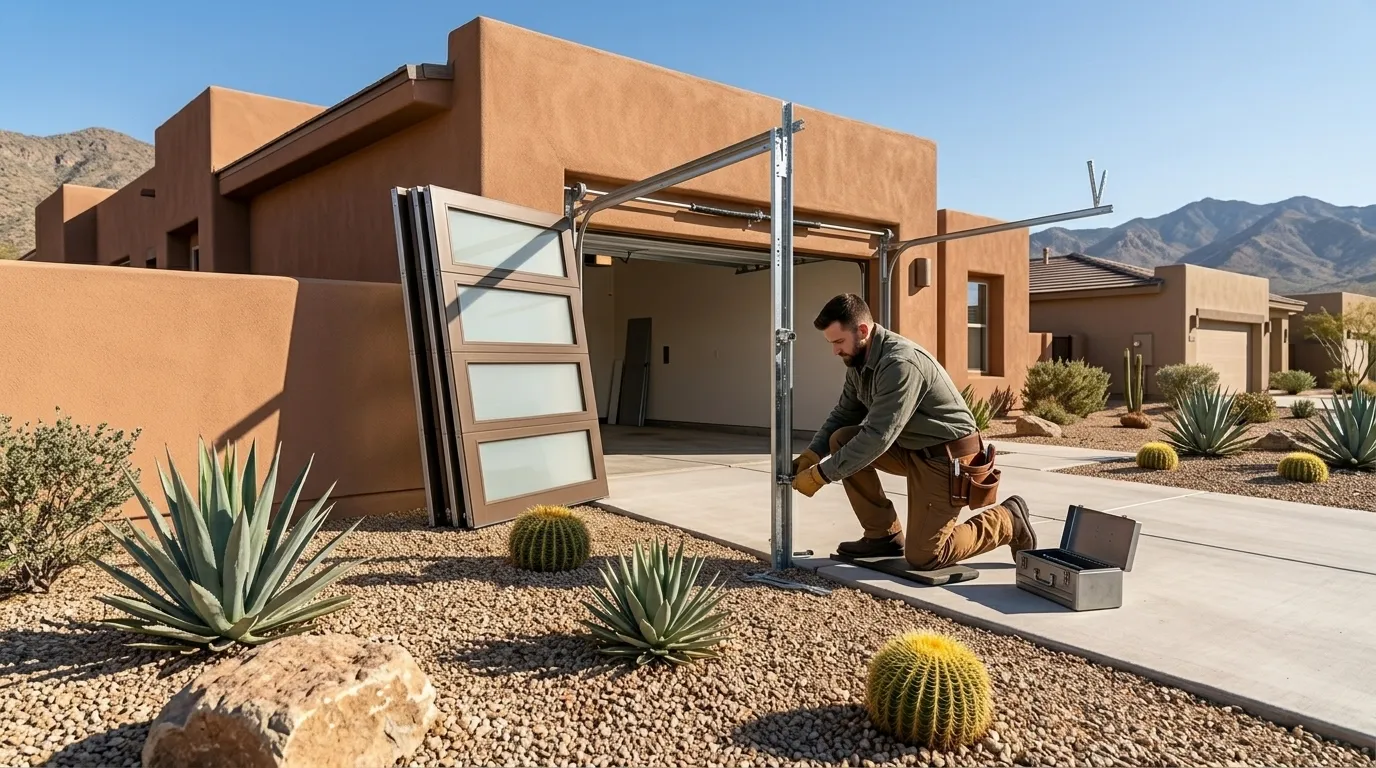
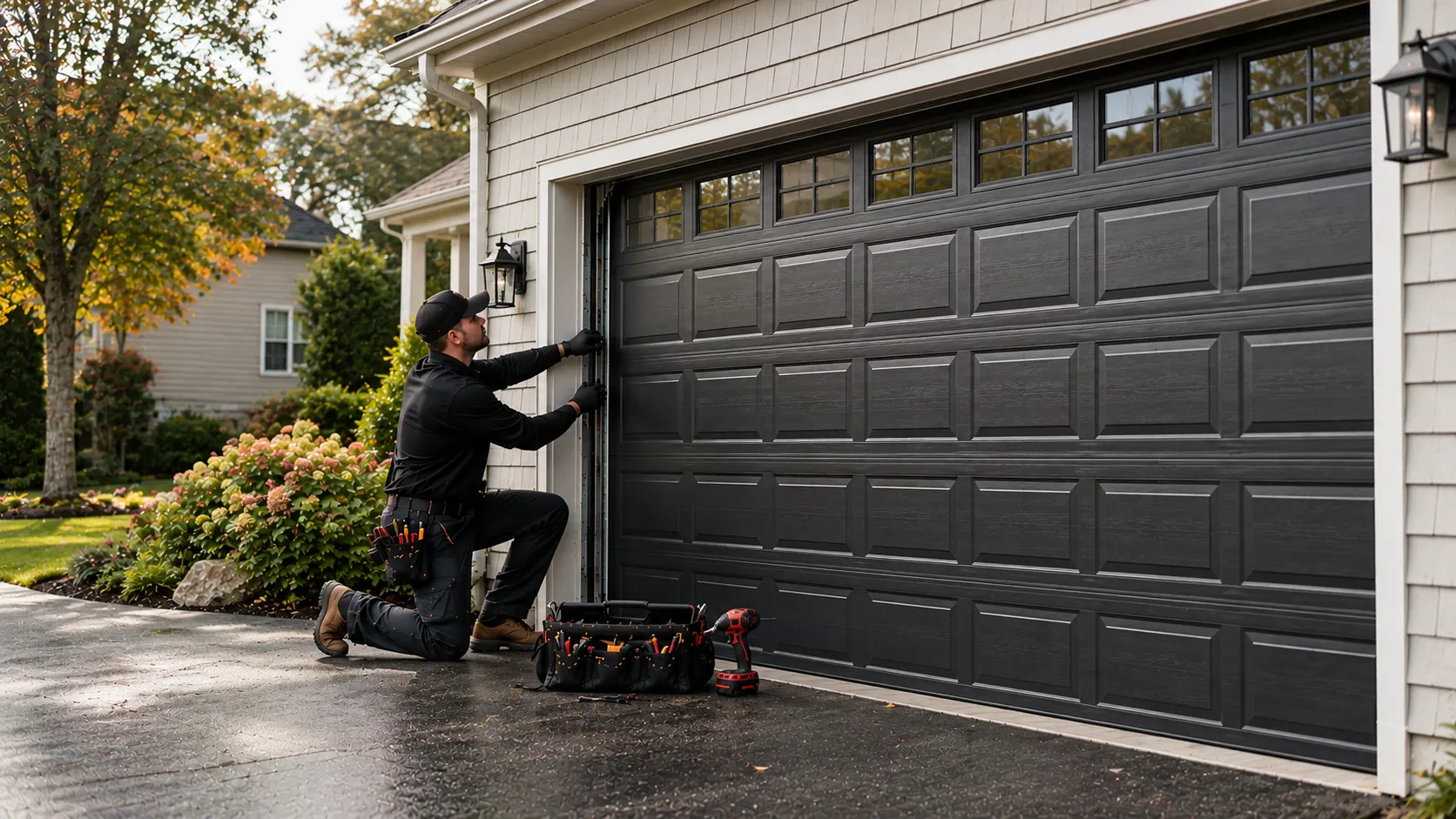
For a new install specifically, that lead time works in your favor. We measure the opening, confirm what track and spring size the house needs, and order the door and hardware before the truck ever leaves Hesperia. That way the visit is the install, not a measuring trip followed by a second visit.
With a household base of just over 5,000 in Phelan, we're not running multiple crews through the same few streets in a week the way we might in a denser part of the service area. Expect a scheduled slot, not a walk-up.
How It Shows Up
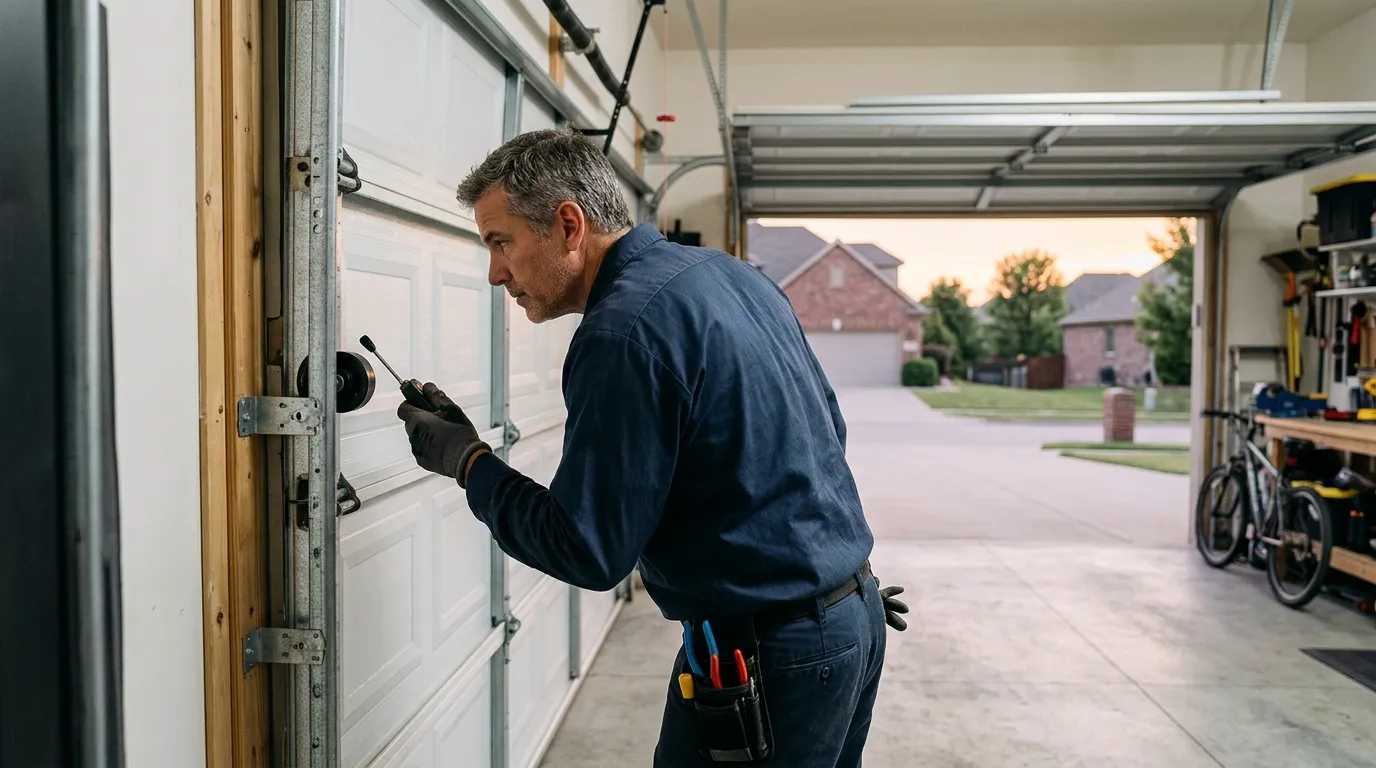
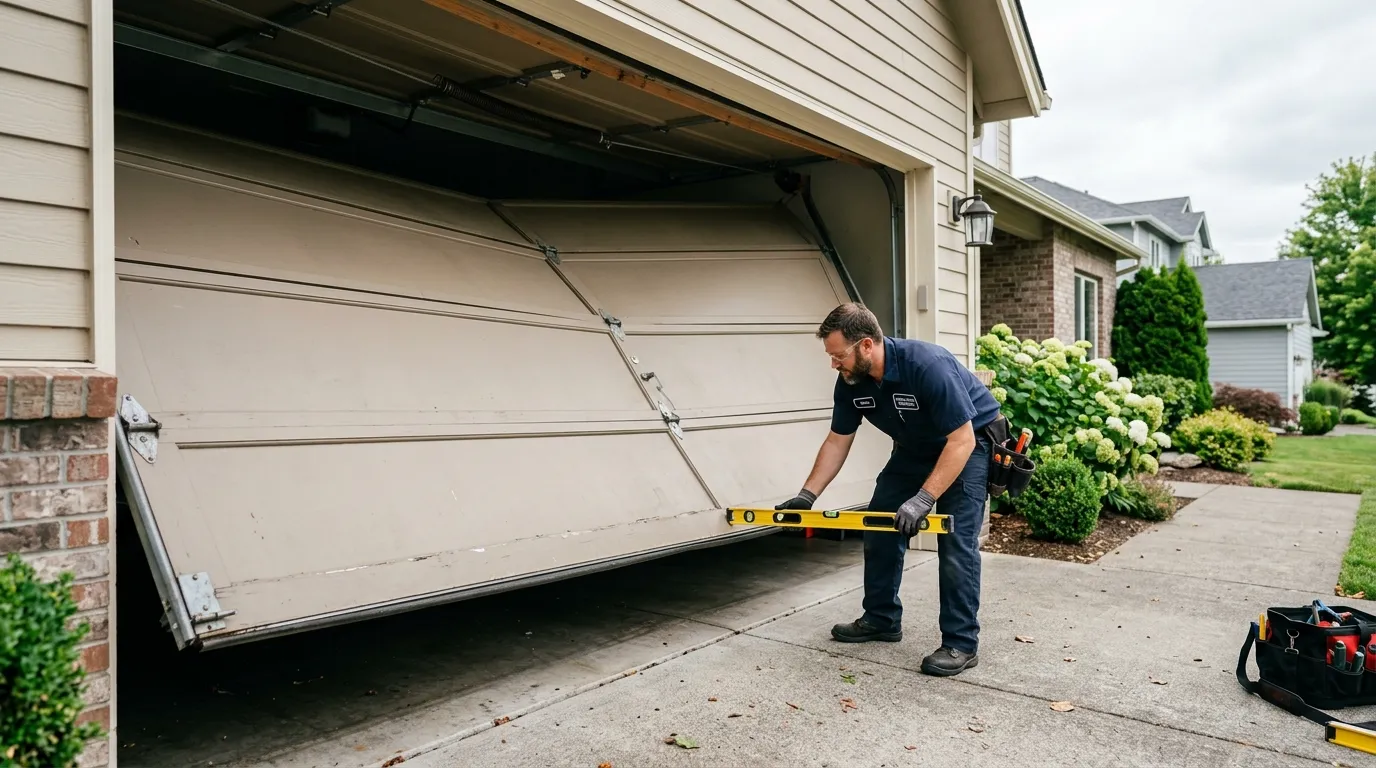
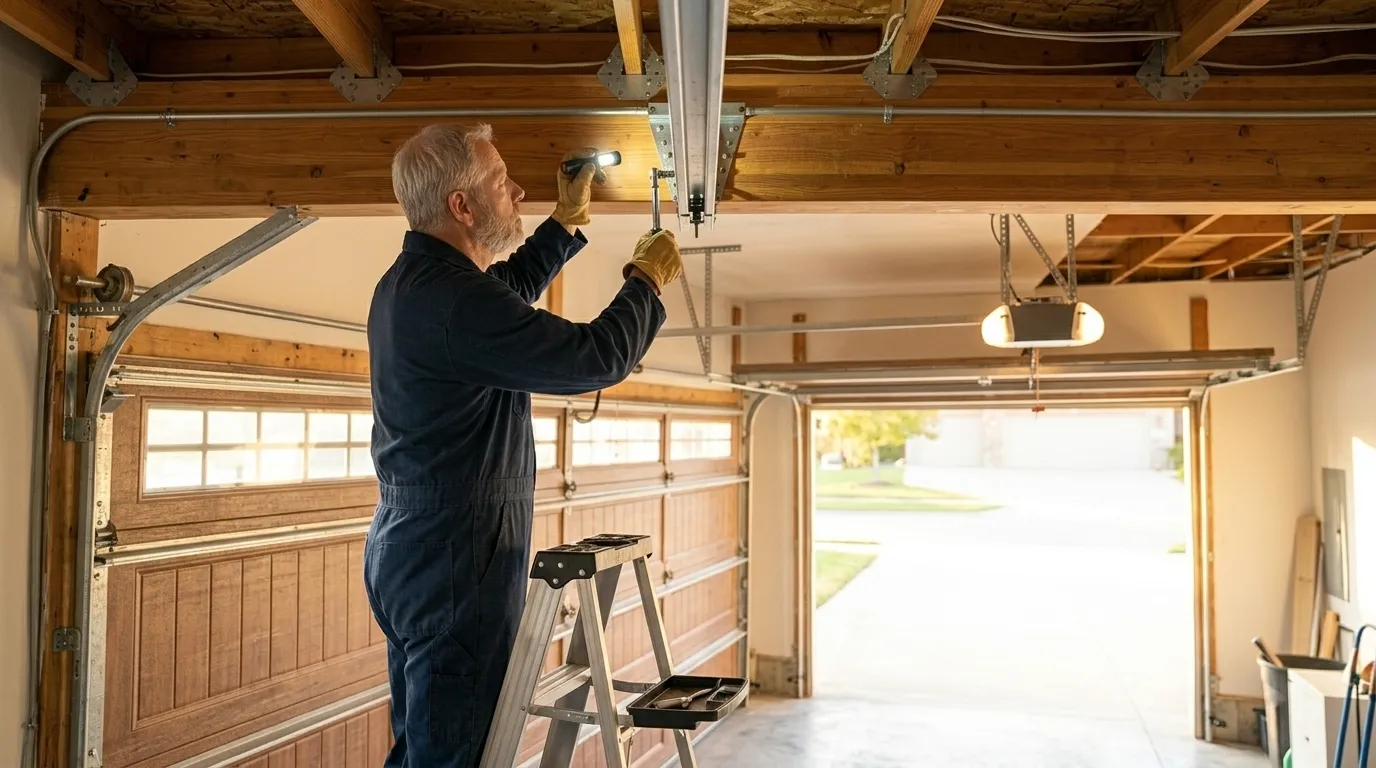
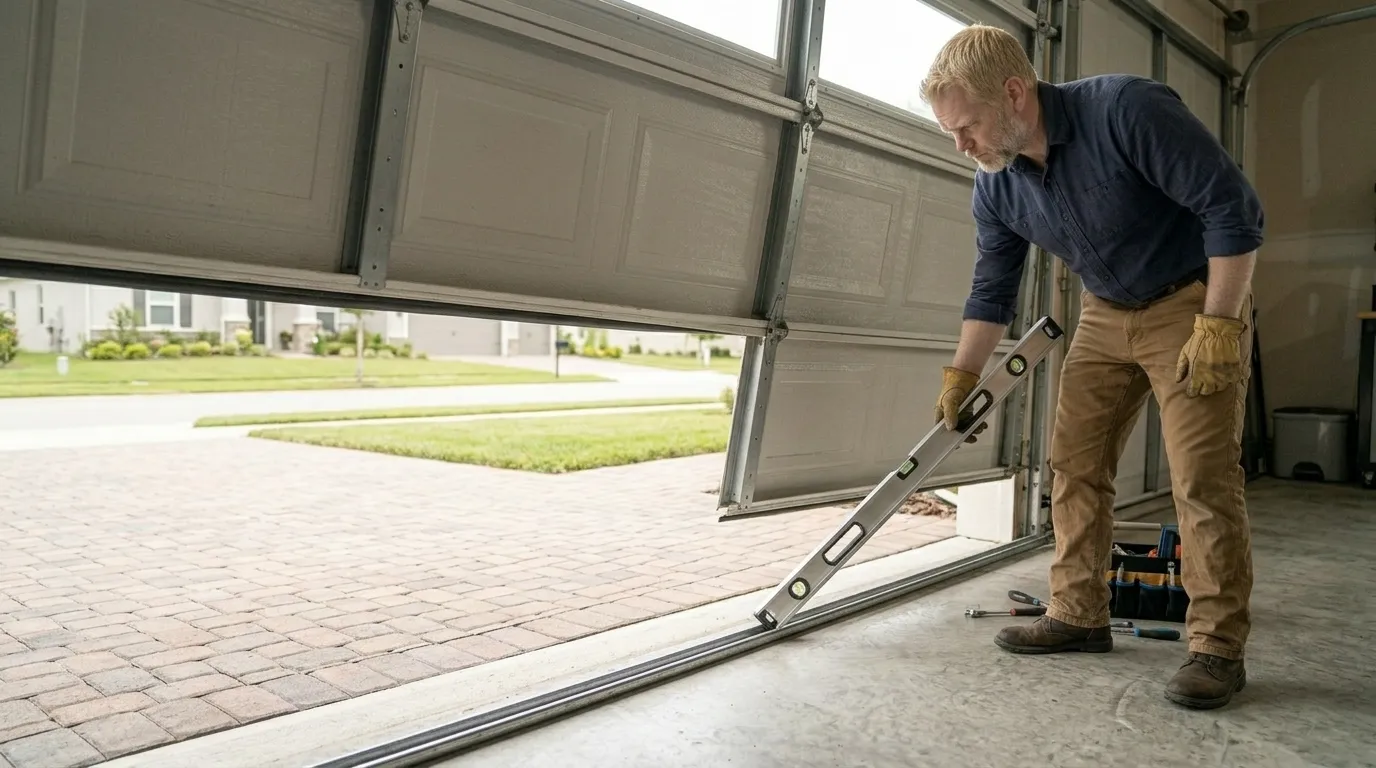
In a Phelan home built around that 1991 median, the tell is usually the opener straining before the door itself fails outright - a motor working harder each month to lift a door whose springs have quietly lost tension. You'll notice it as a slower open, a louder motor, or the door catching partway up.
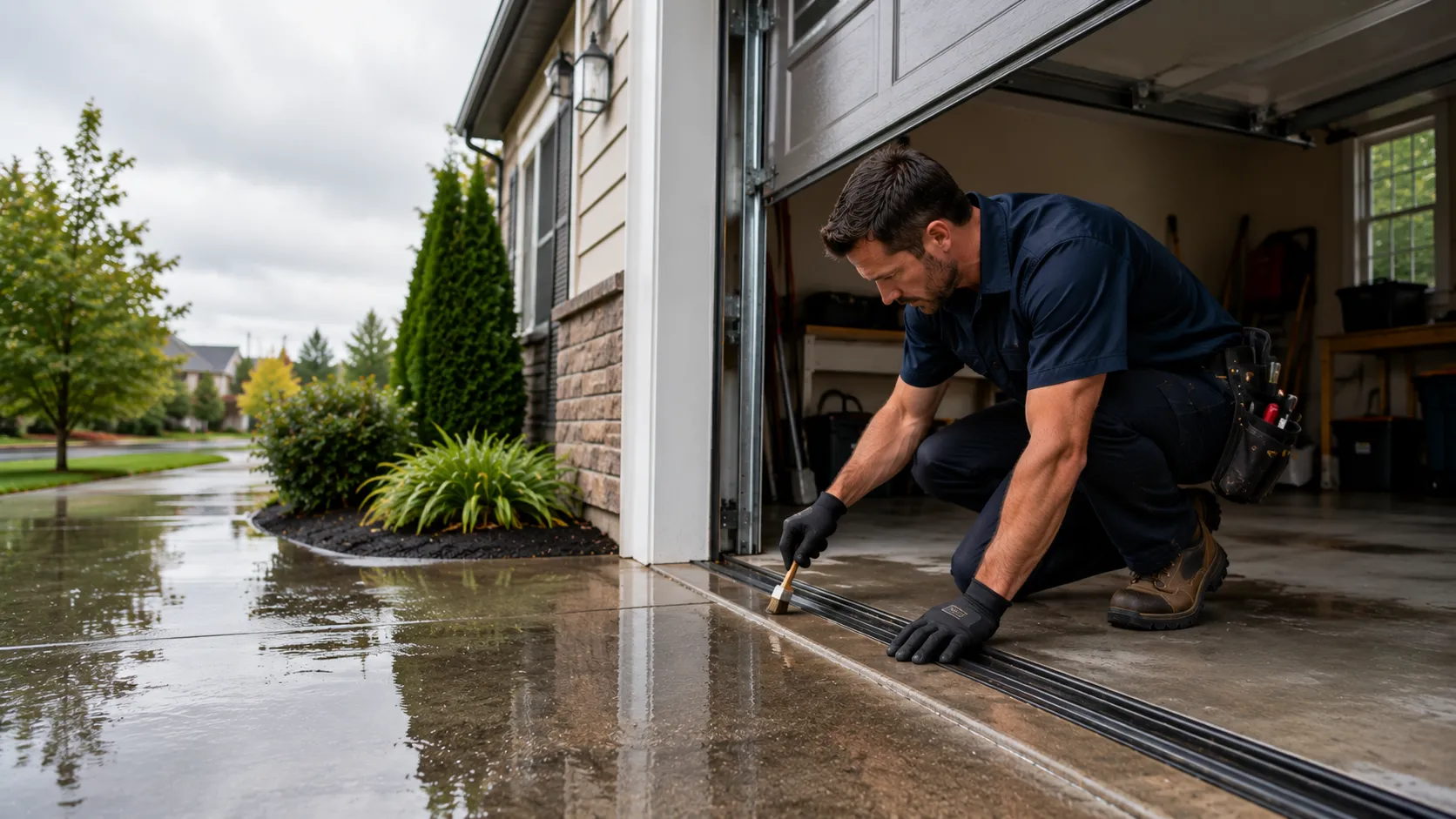
On older panels, especially non-insulated steel from that era, dents and rust at the bottom section show first, since that's the part closest to ground moisture and the most exposed to the door being backed into.
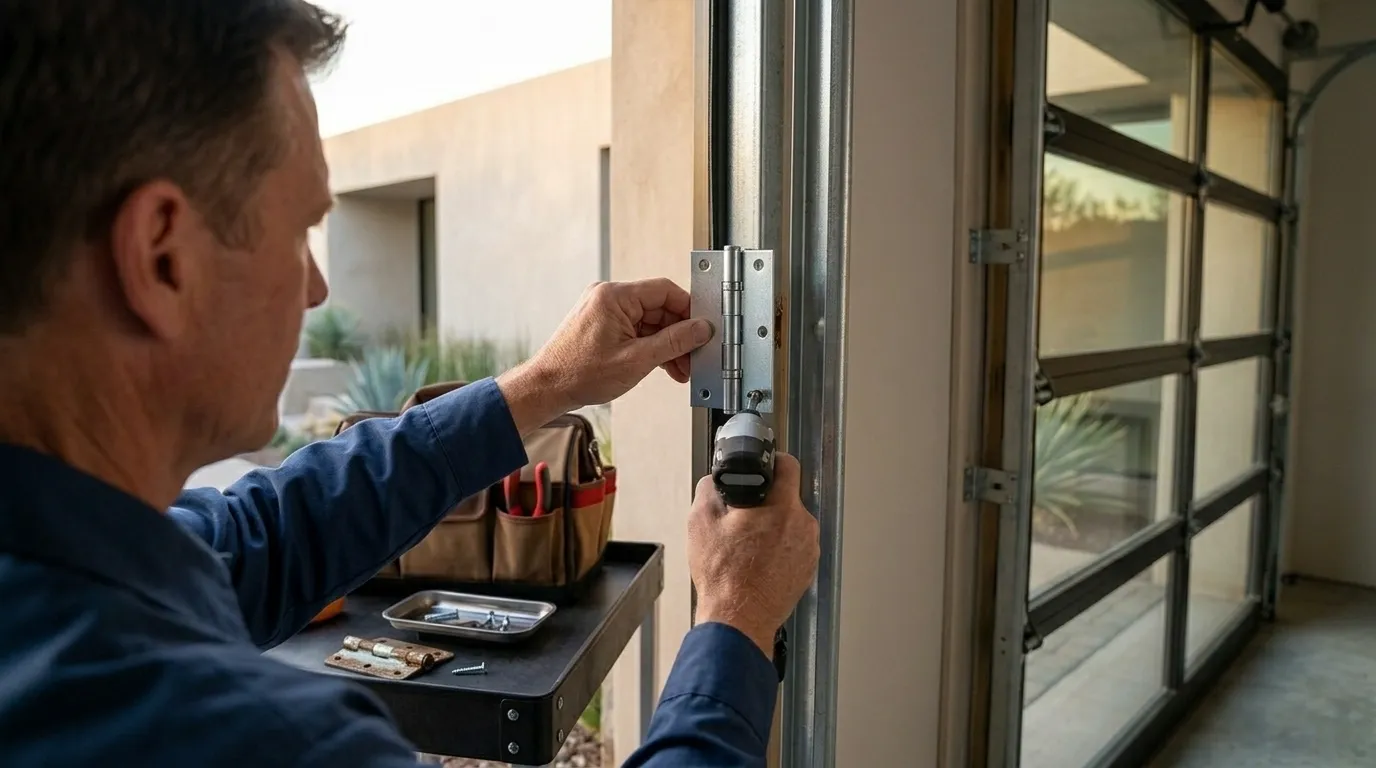
If you're weighing a new install against another repair, the math usually comes down to whether the track and spring system is original. Replacing a spring on a 30-year-old door often means replacing the drum and cable too, since parts sized for that era's hardware aren't always a direct match to newer stock - at that point a full new door is often the more sensible spend than staging in one match after another.