Parts We Carry
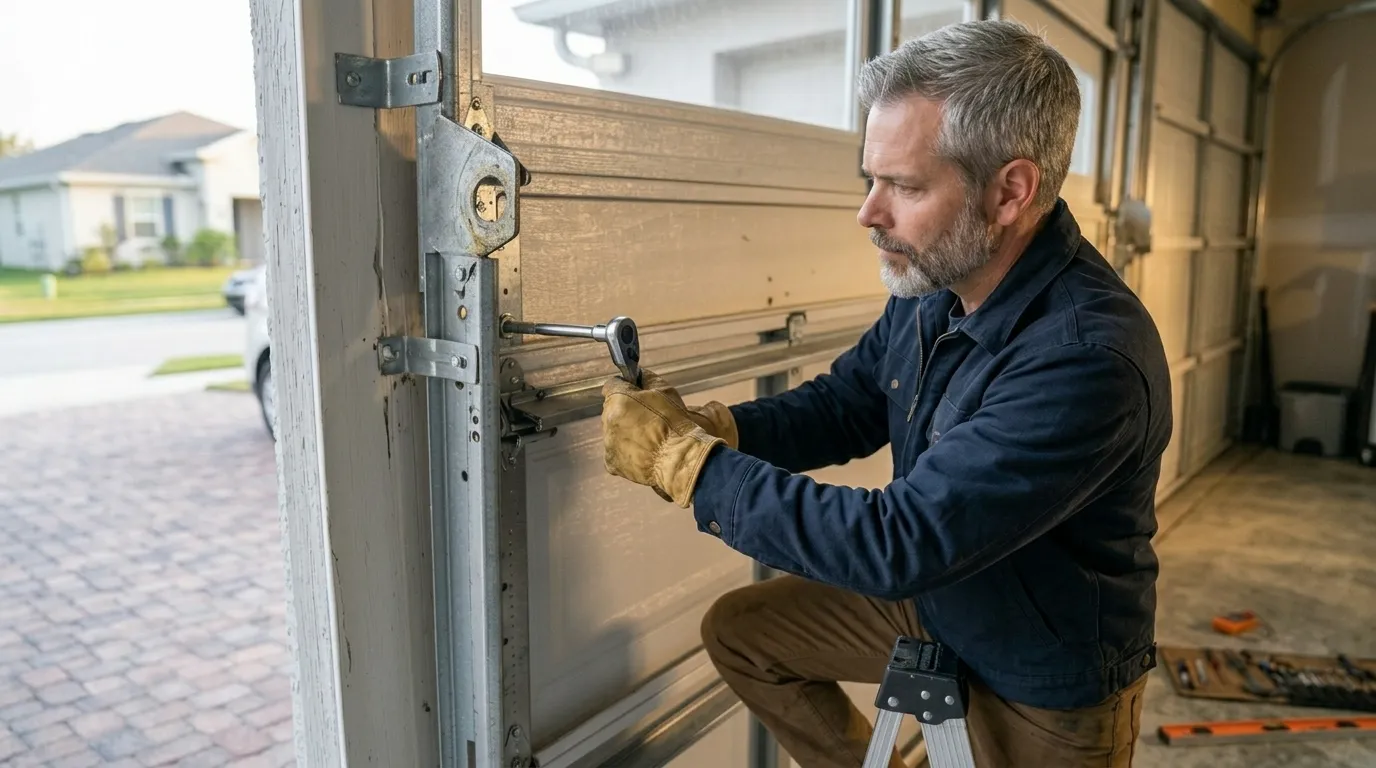
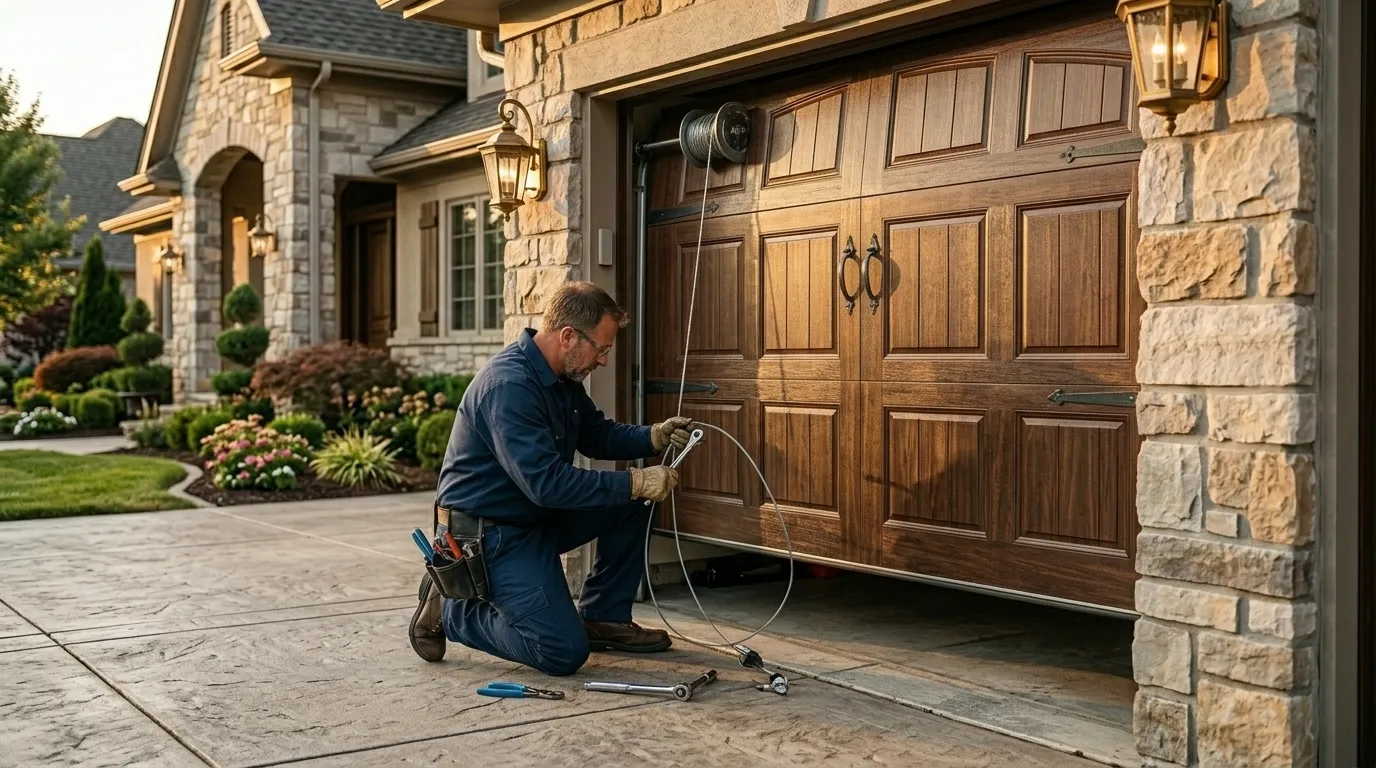
Running Springs sits about 18 miles from our shop in Hesperia, and the housing stock here runs older than what we see closer to home - the median build year in this pocket is around 1970, well ahead of the 1986 median across the rest of the territory we cover. That matters for cable repair because doors from that era were built around different drum sizes and cable gauges than the doors going up in the newer subdivisions. We carry both the older 3/32" and 1/8" lift cable stock and the newer coated cable most manufacturers ship today, plus a range of drum sizes so we're not guessing what a 1970-vintage door needs when we show up. We also stock stop fittings, cable clamps, and the aluminum or galvanized strand most commonly matched to older extension-spring setups, since a lot of doors from this build era still run extension springs rather than torsion.
What we don't stock on the truck is anything custom - a non-standard track width or a drum machined for a discontinued opener will sometimes mean a special order, and we'll tell you straight if that's the case rather than jury-rig something that won't hold.
How It Shows Up
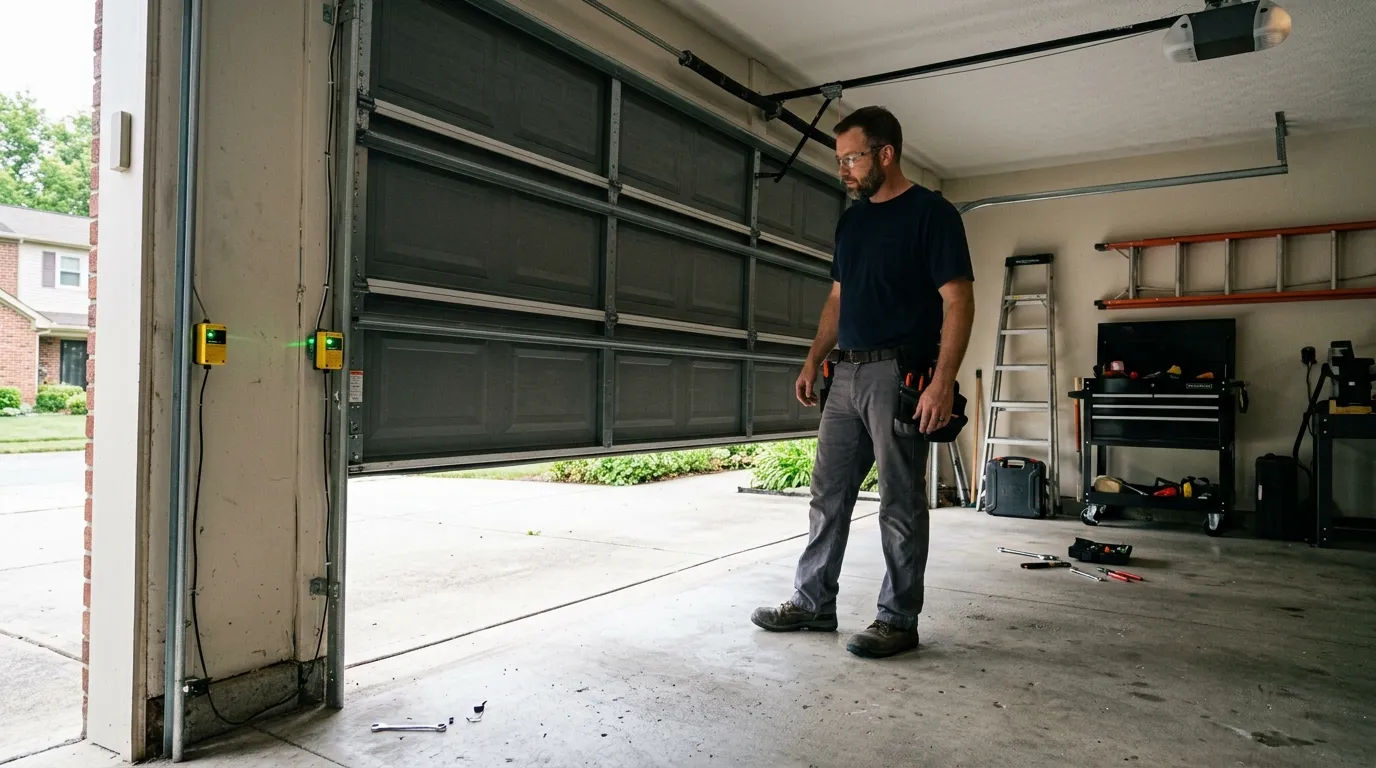
A frayed or snapped cable on an older door usually announces itself the same way regardless of age: the door hangs crooked in the opening, one side drops faster than the other when you pull the release, or you hear a sharp crack followed by the door refusing to move at all. On a house built around 1970, the giveaway is often that the cable has simply outlived its coating - galvanized cable from that era wasn't always zinc-coated the way cable is now, so what you're looking at is surface rust working its way into the strand rather than a single dramatic failure. You'll sometimes see this coming: a visible kink, strands starting to splay near the drum, or a grinding sound as the cable rides slightly off-track before it finally lets go.
Getting It Booked In
Because we're coming from Hesperia, about 18 miles out, we ask for a clear description of what you're seeing - which side dropped, whether the door moves at all, whether you hear grinding - so we can bring the right cable gauge and drum stock the first trip instead of a second one. With 2,047 households in this area and a median income of $85,681, we're not running a dedicated route through here daily, so booking ahead rather than expecting a same-day drop-in gets you seen faster. Use the coverage page to confirm we're taking calls in your part of Running Springs before you set a time.
Time on the Job
A straightforward cable replacement on one side of a double door, once we're on site with the right stock, doesn't take long - most of the job is safely releasing spring tension before touching the cable, not the swap itself. Where the time goes on a house built around 1970 is diagnosis: checking pulley wear, drum seating, and spring balance before we commit to a cable-only fix, because replacing a cable against a bad pulley just buys you the same failure again in a year. If the drum or pulley needs replacing alongside the cable, that adds time on site but saves you a second 18-mile trip later.