Parts We Carry
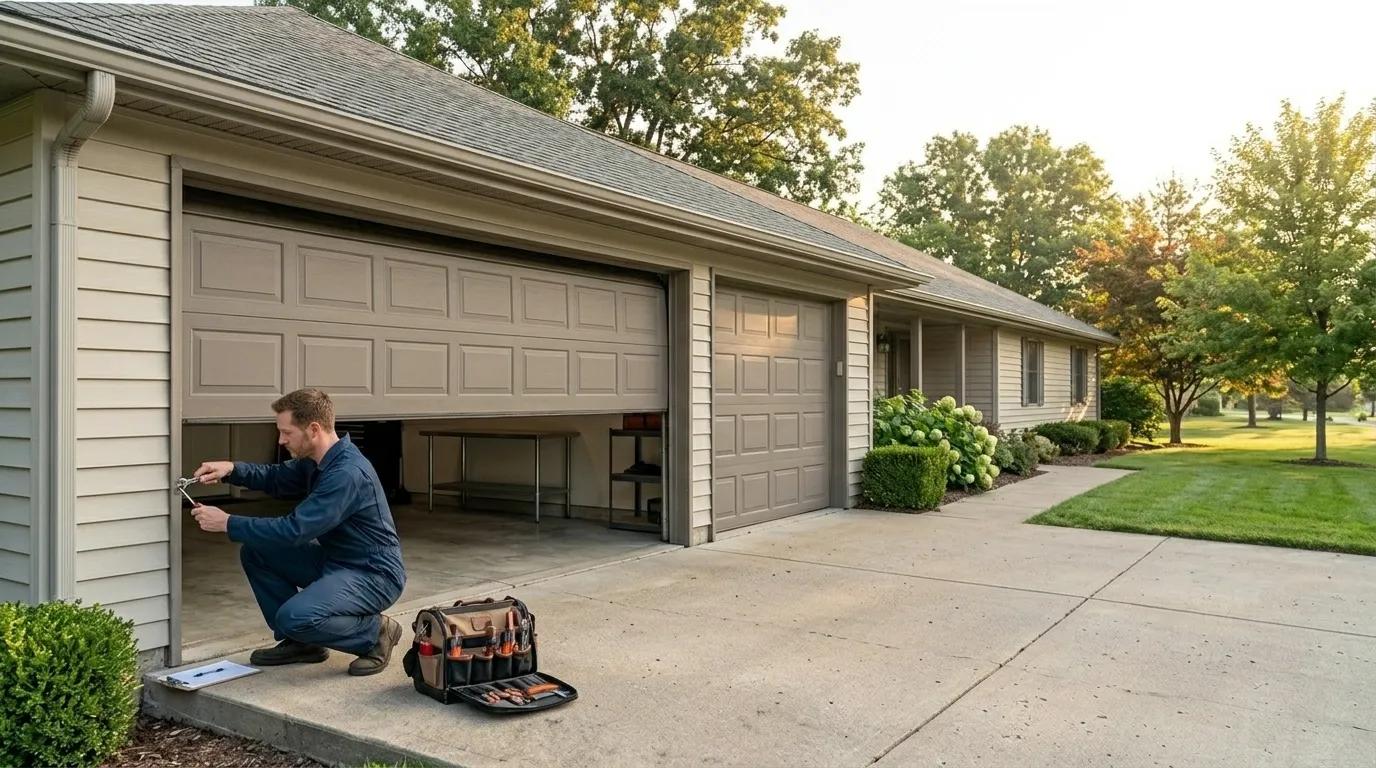
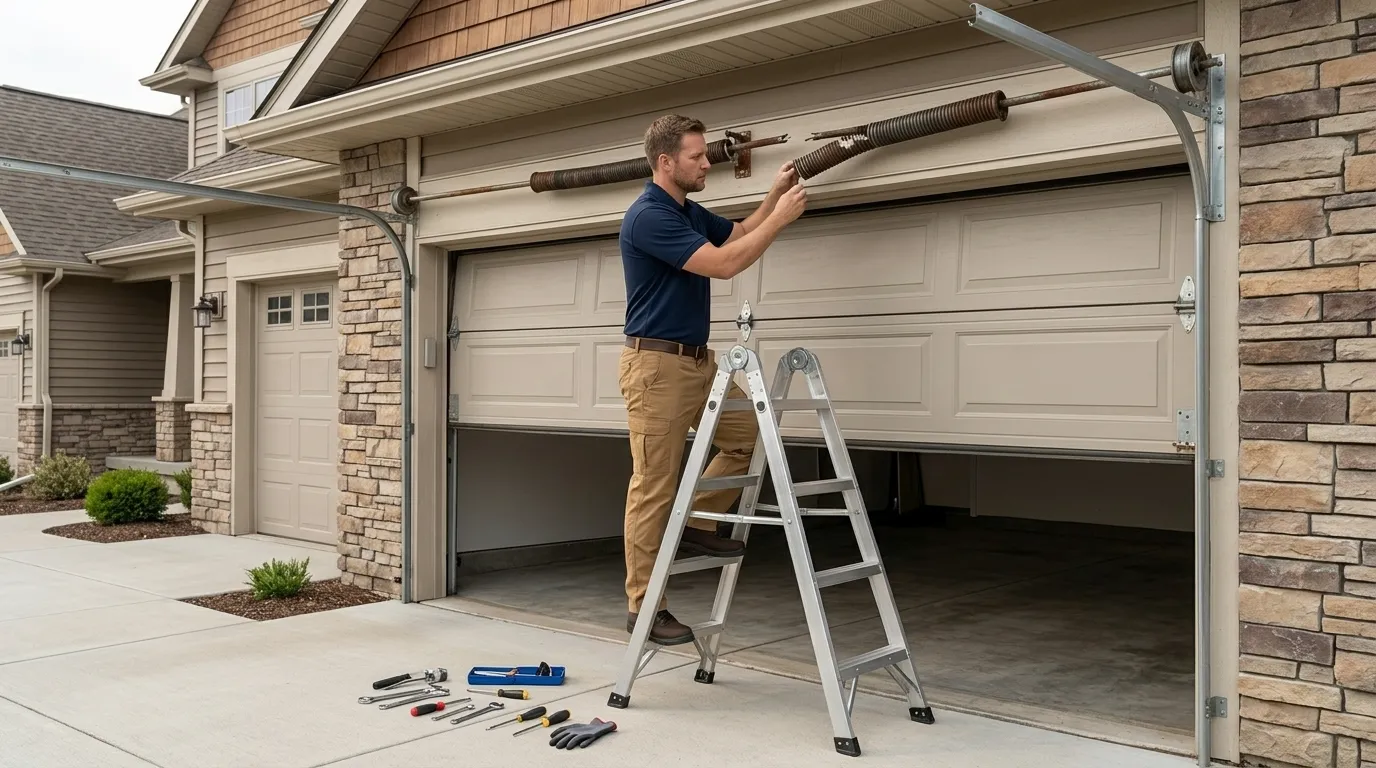
The truck that comes out to Running Springs carries what fits the housing stock here. Most homes in this pocket went up around 1970, newer than a lot of the older tracts closer to Hesperia, which built out starting in 1958. That means standard torsion springs, steel rollers, and mid-weight panel sections cover most of what we see - fewer of the oddball one-piece doors from the late 1950s, more of the sectional steel doors and extension-spring setups that were common through the '70s. We stock the sizes that match that era's hardware on the truck. Where we run short is on parts for anything custom or a door that's been swapped out for something newer than the house - a full-view glass panel door or a high-cycle commercial spring, for instance. Those sometimes mean a return trip once the part's ordered in, and given the 18-mile run each way, we'd rather tell you that up front than promise a same-visit fix we can't back up.
How It Shows Up
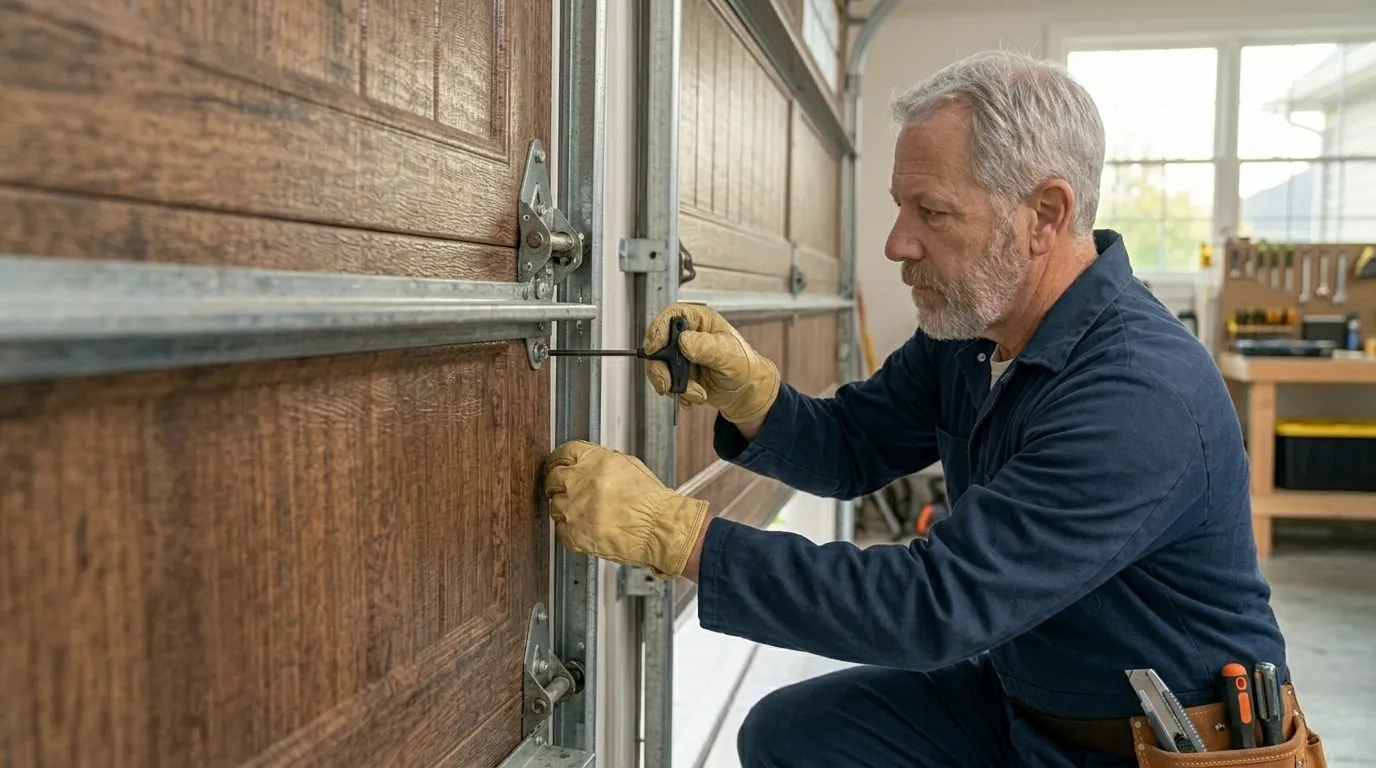
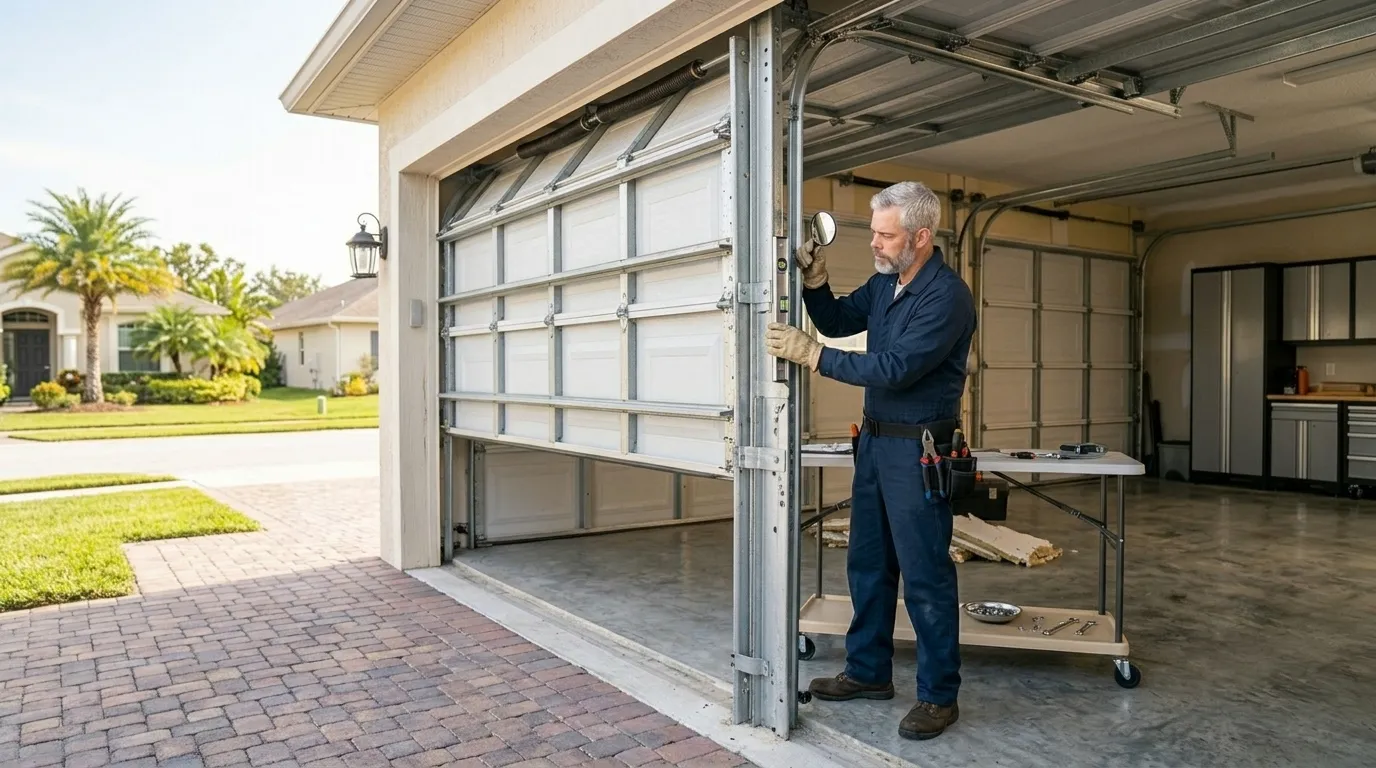
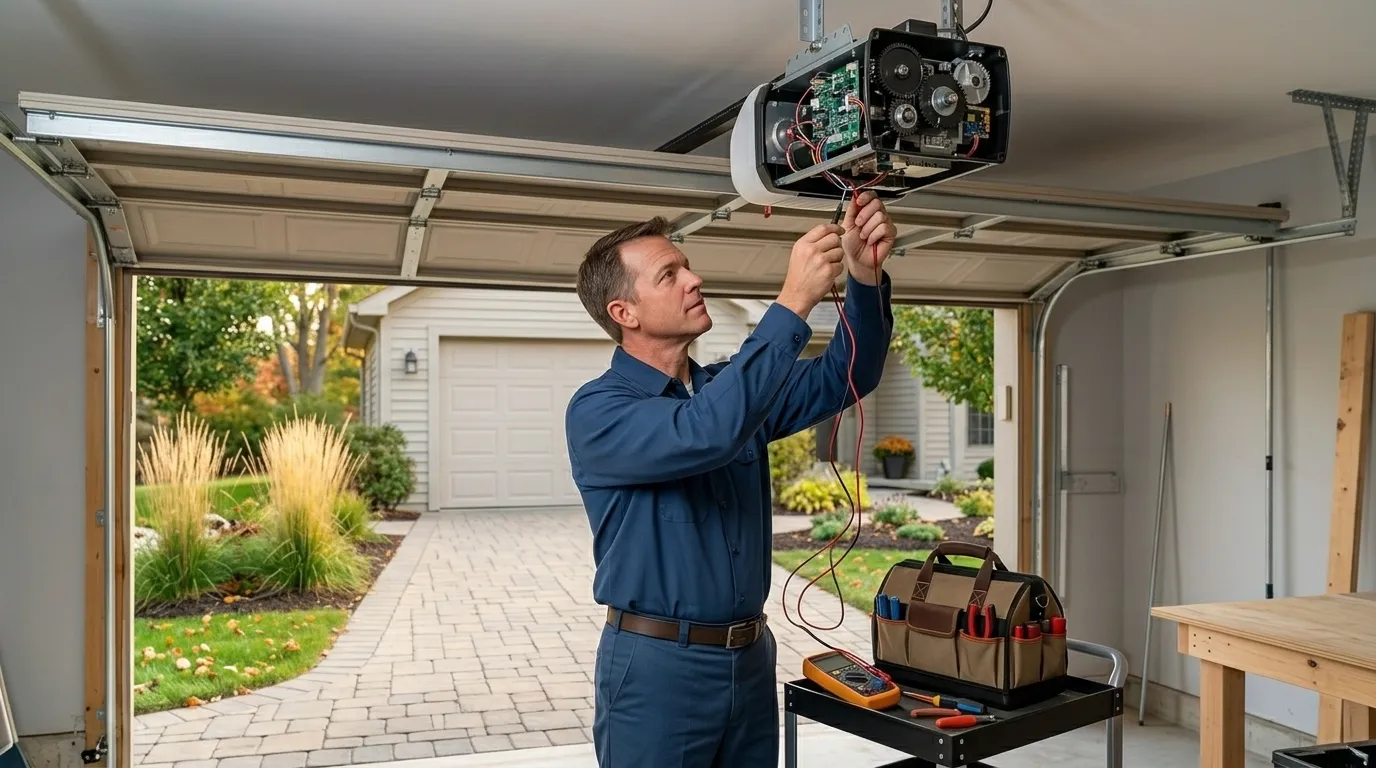
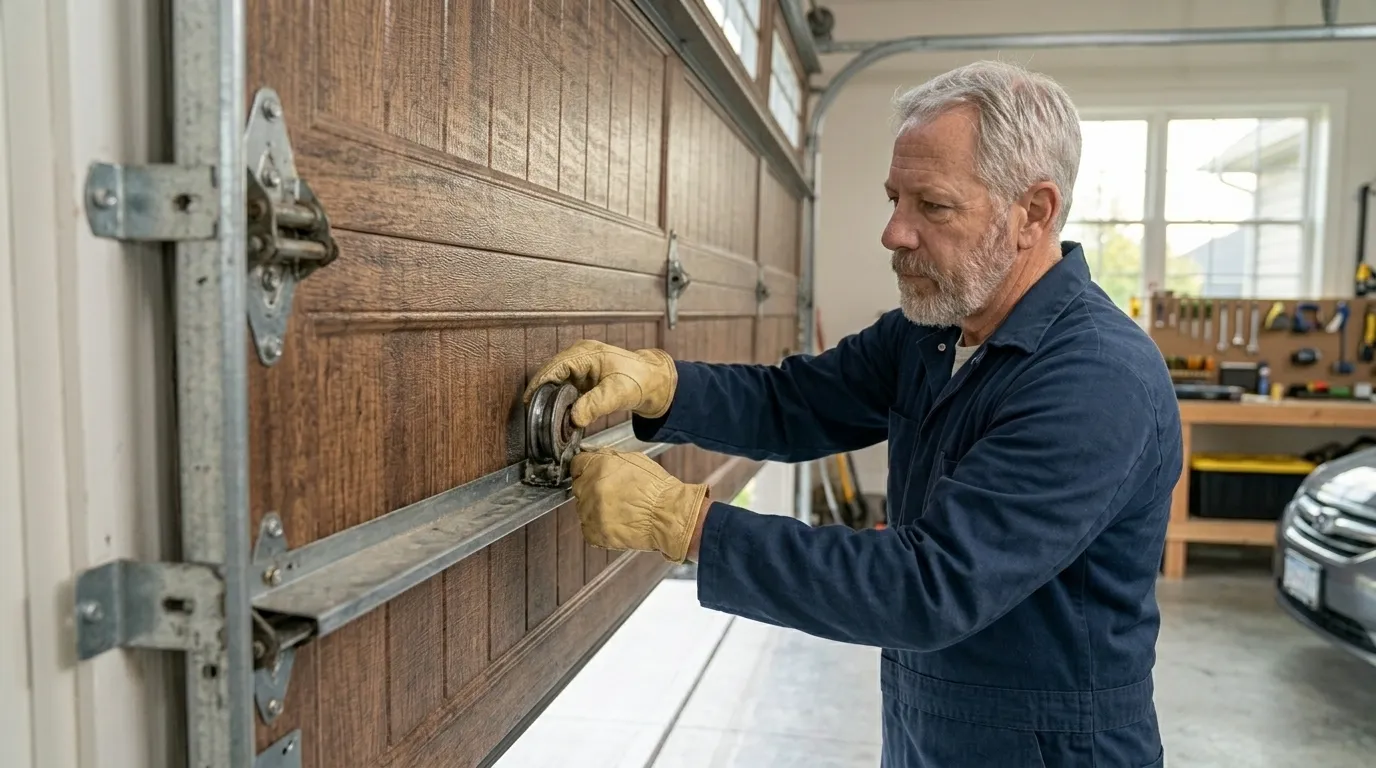
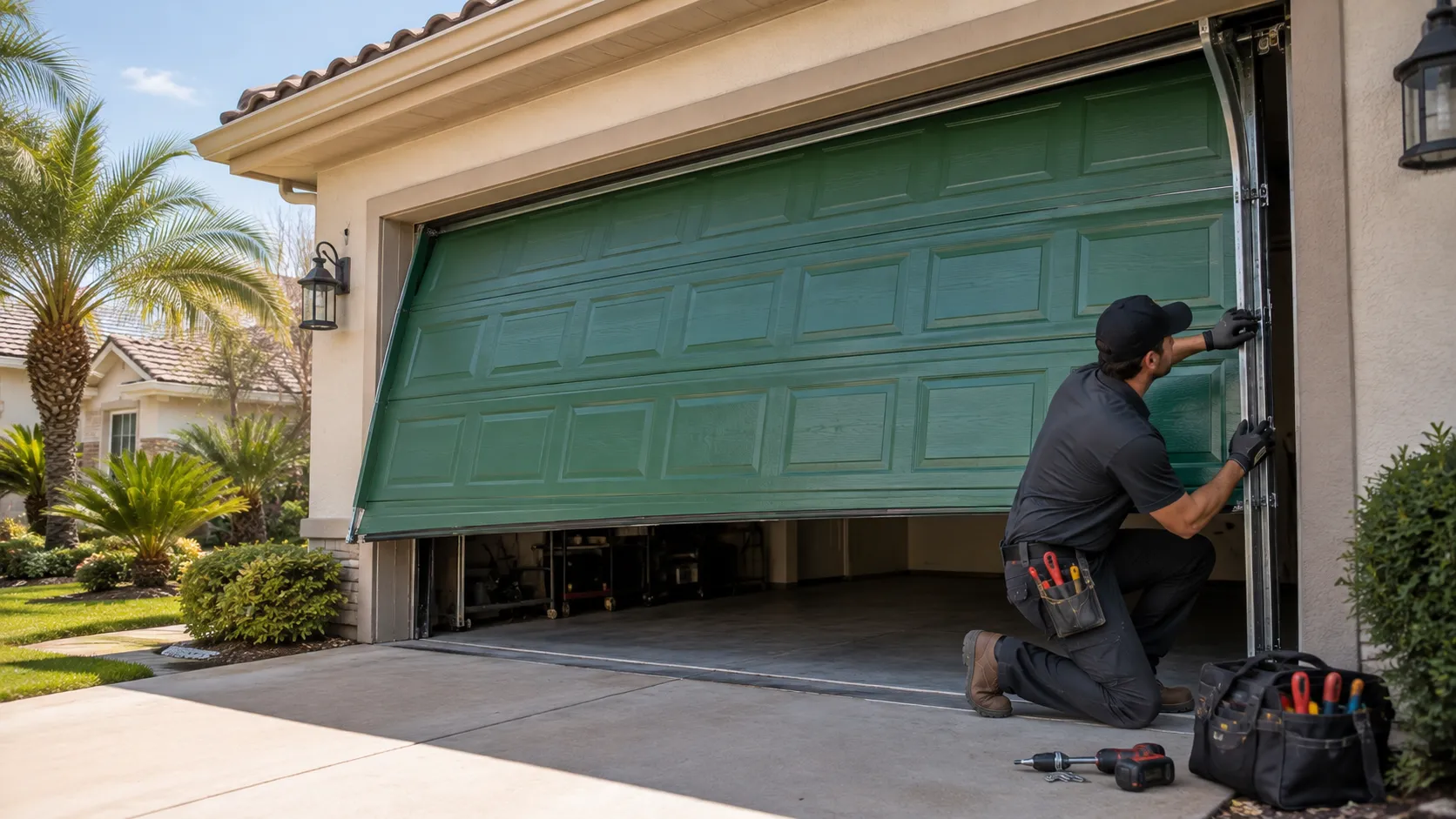
On a door built around 1970, the failure pattern is pretty consistent: the spring gives out first, usually a torsion spring that's been winding and unwinding for decades longer than it was rated for. You'll hear a bang, or the door will just sit heavy and refuse to lift past a foot or two. Next most common is the cable fraying at the drum, which shows up as the door running crooked in the track or dropping suddenly on one side. Openers on houses this age have usually been replaced once or twice already, so opener trouble here is more often a worn gear or a dead capacitor than original 1970s equipment. Rollers on the original steel tracks wear down to the point where the door binds going up, especially if the track brackets have loosened from decades of use. None of this is unique to any one street - it's what you'd expect from hardware installed when Nixon was in office and never fully swapped out since.
Getting It Booked In
Running Springs sits about 18 miles from our Hesperia shop, farther out than closer stops like Oak Hills at 5 miles at 7. That drive is part of how we plan the day - we're not dispatching a truck that's sitting idle two miles away, we're routing it out with other calls in the area when we can. When you call, tell us what the door's doing: won't open, off track, loud bang and then nothing. That helps us bring the right spring size and cable length instead of guessing on-site and losing time on a second trip. We don't promise a tight same-hour window out here the way a shop based in town might - the honest version is that the 18-mile drive gets built into the schedule, not worked.
Time on the Job
A straightforward torsion spring swap on a standard door, once we're there and the right part is on the truck, doesn't take long - it's a repair we do often enough that the mechanics of it are routine. What adds time is diagnosis on a door that's had unrelated fixes bolted onto it over 50-plus years: a bracket that's been re-drilled, a track that's been shimmed instead of replaced, an opener that's not original to the door. On a house built around 1970, we usually find at least one thing that was patched rather than properly repaired at some point, and that's the part that takes real time to sort out safely rather than just cover up again.