Parts We Carry
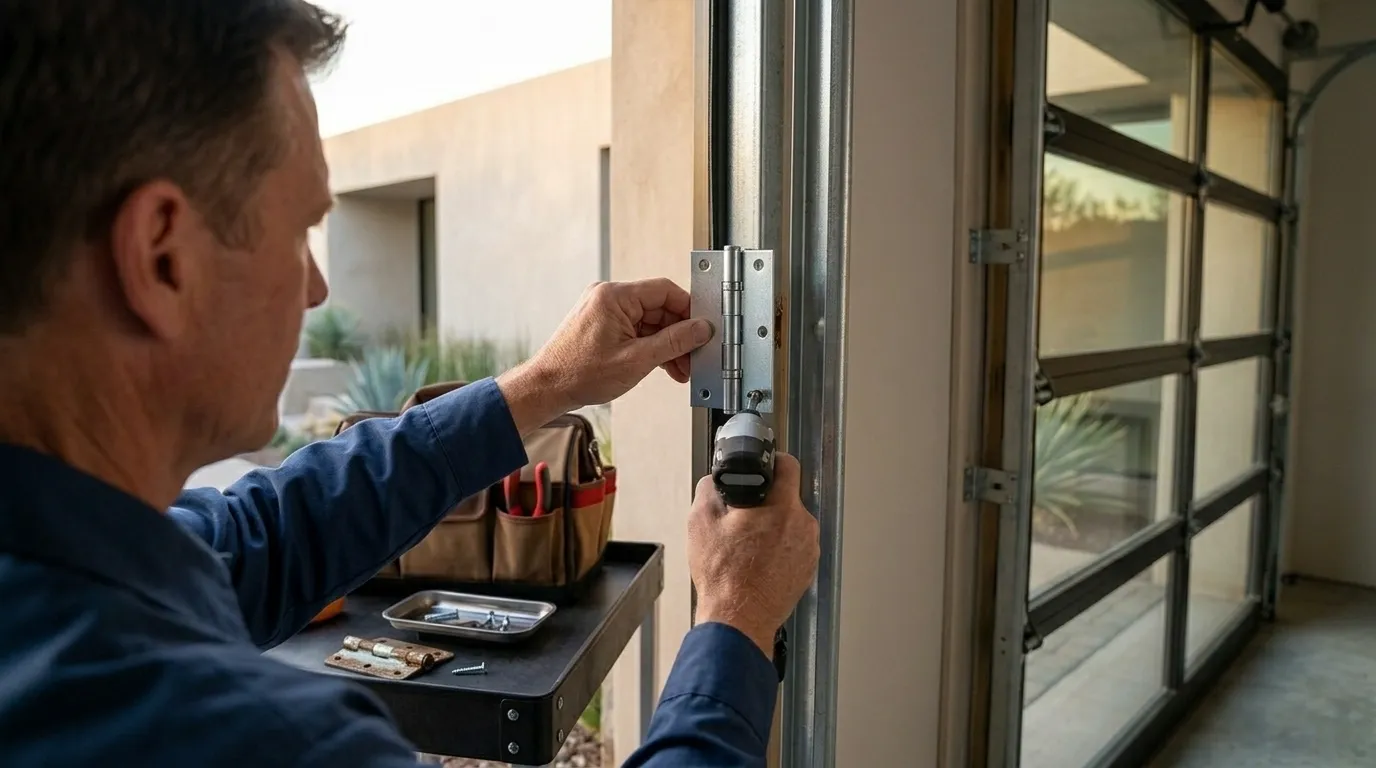
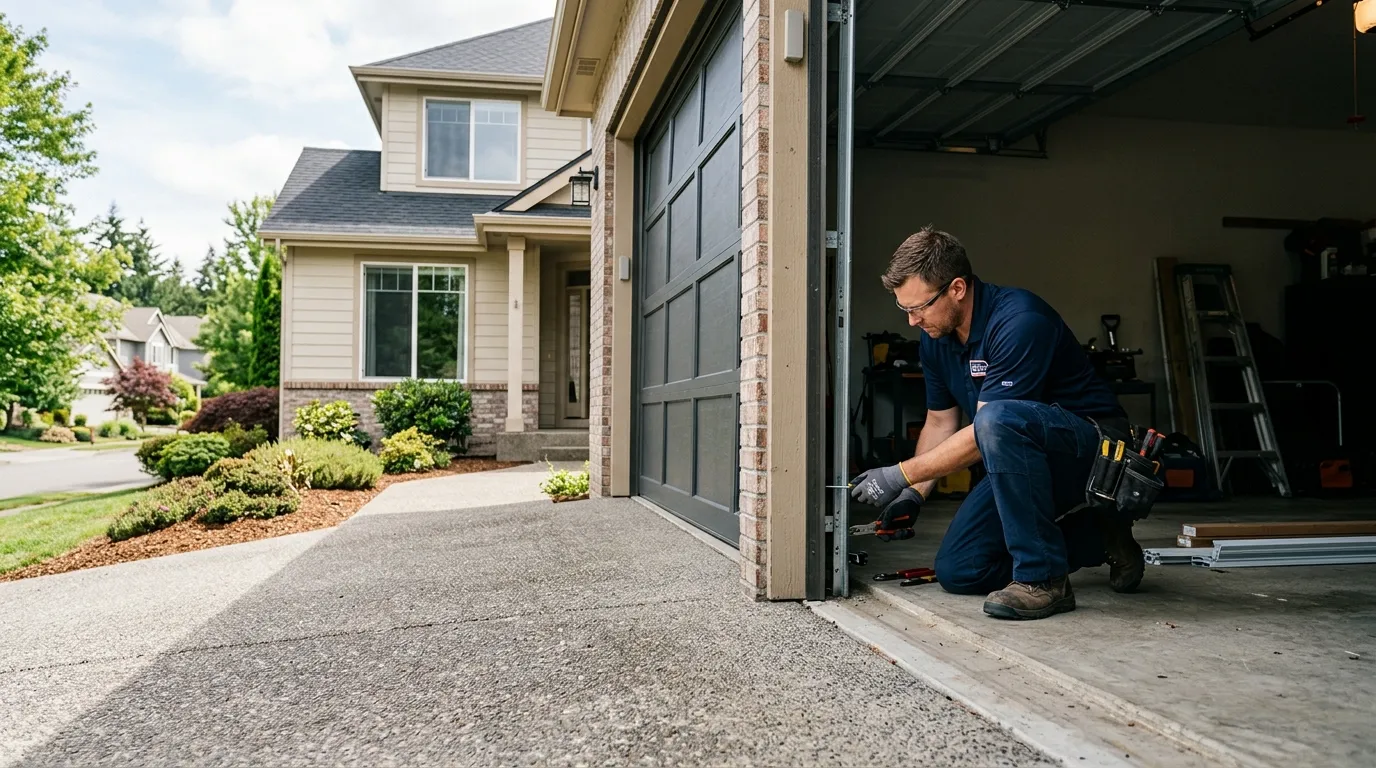
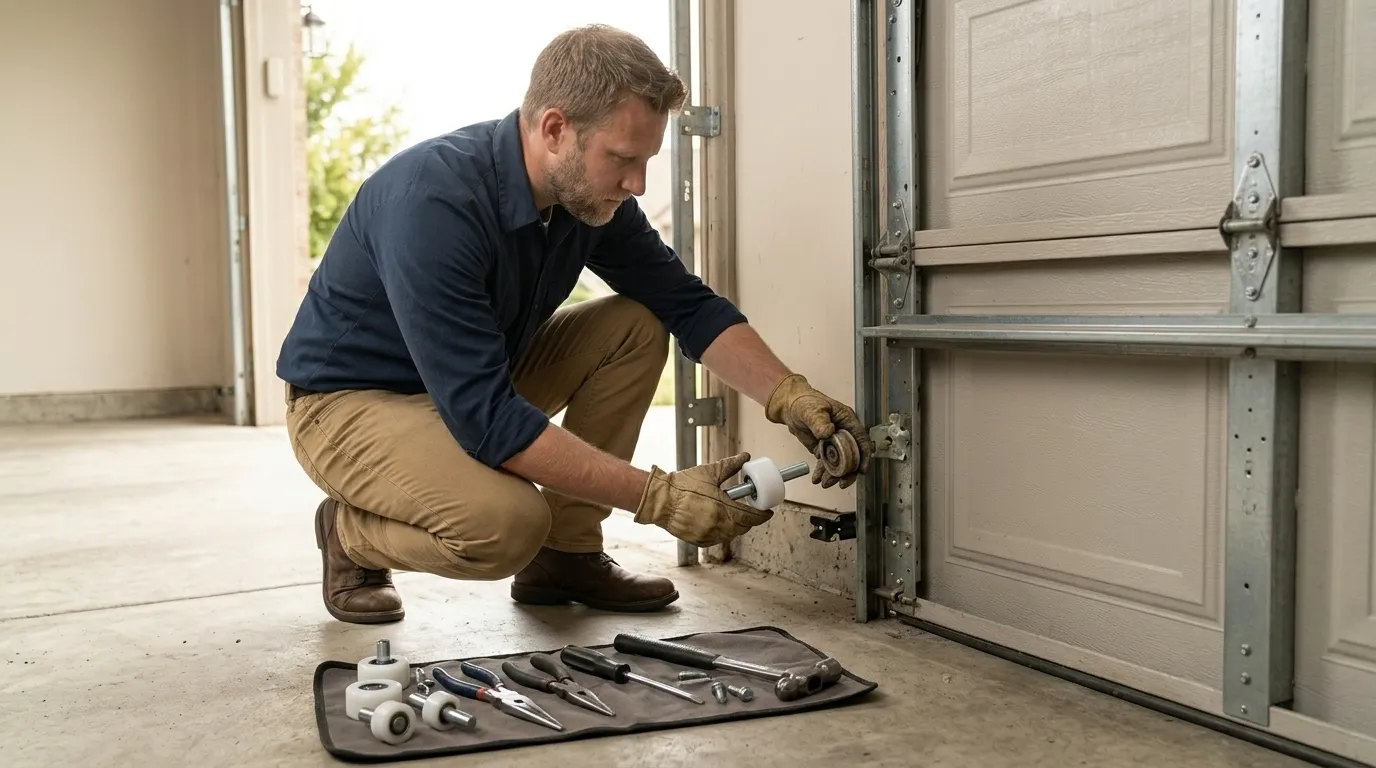
Most of the off-track calls we run out to Running Springs involve hardware that's never been swapped since the house went up. With a median build year around 1970 for this pocket of the service area, that's over half a century on the original vertical tracks, horizontal angle iron, and roller brackets in a lot of these garages. We carry replacement track sections, both galvanized and heavier-gauge steel, along with the roller and hinge hardware sized to older door thicknesses that don't always match what's sold off the shelf today. We also keep flag brackets and lag hardware on the truck, since the wood jambs common to 1970-era framing tend to have stripped or split screw holes by now. If a door needs a full track replacement rather than a bend-back, we bring what that job takes rather than making a second trip. One limit worth naming: if the jamb itself has rotted or shifted, that's carpentry, not a door repair, and we'll tell you so instead of forcing hardware into wood that won't hold it.
How It Shows Up
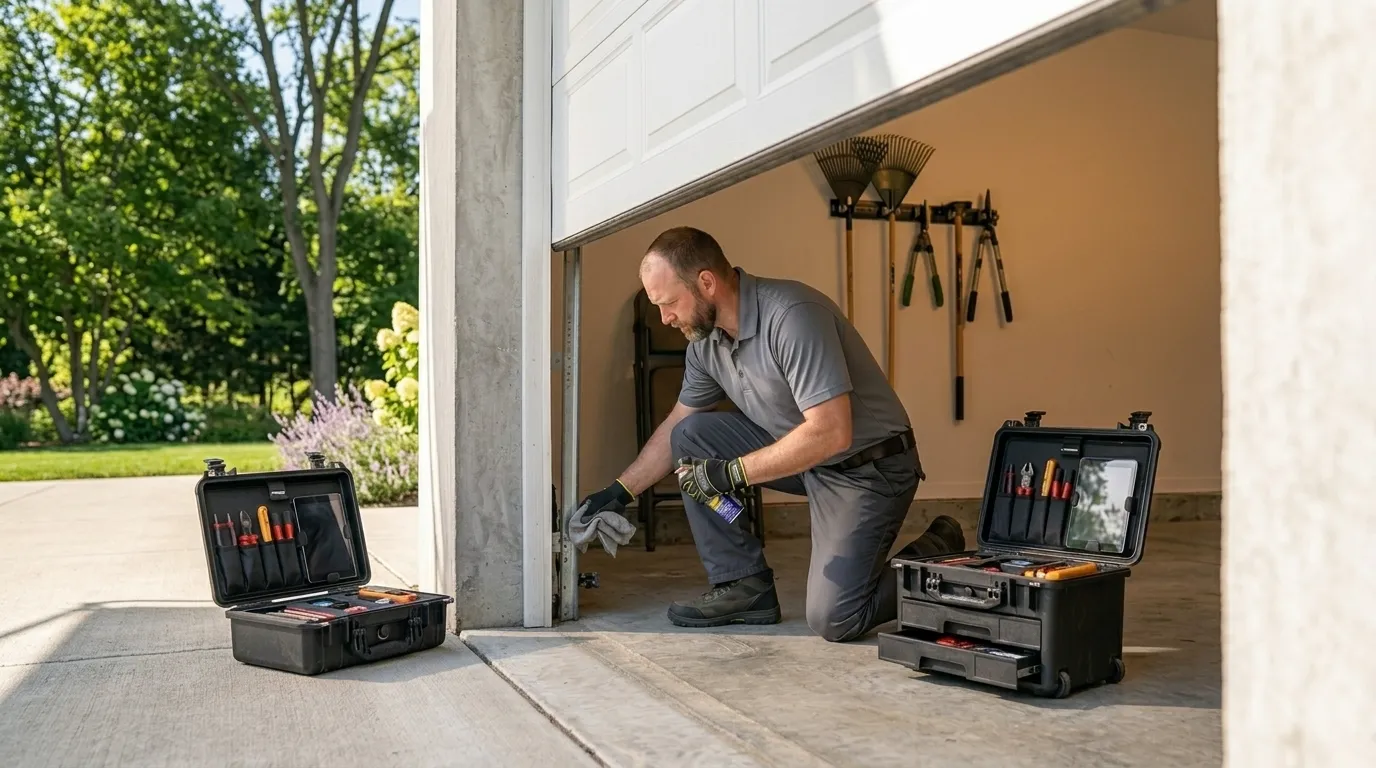
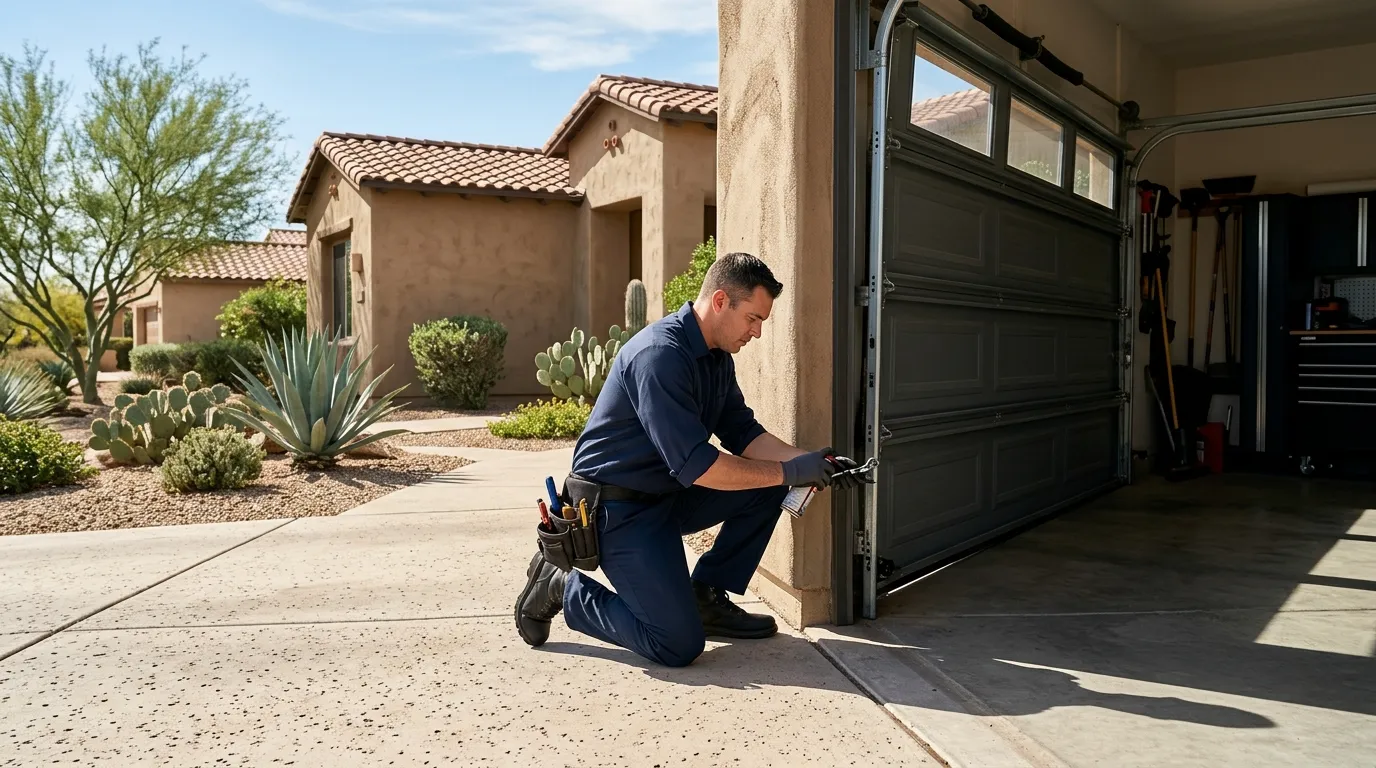
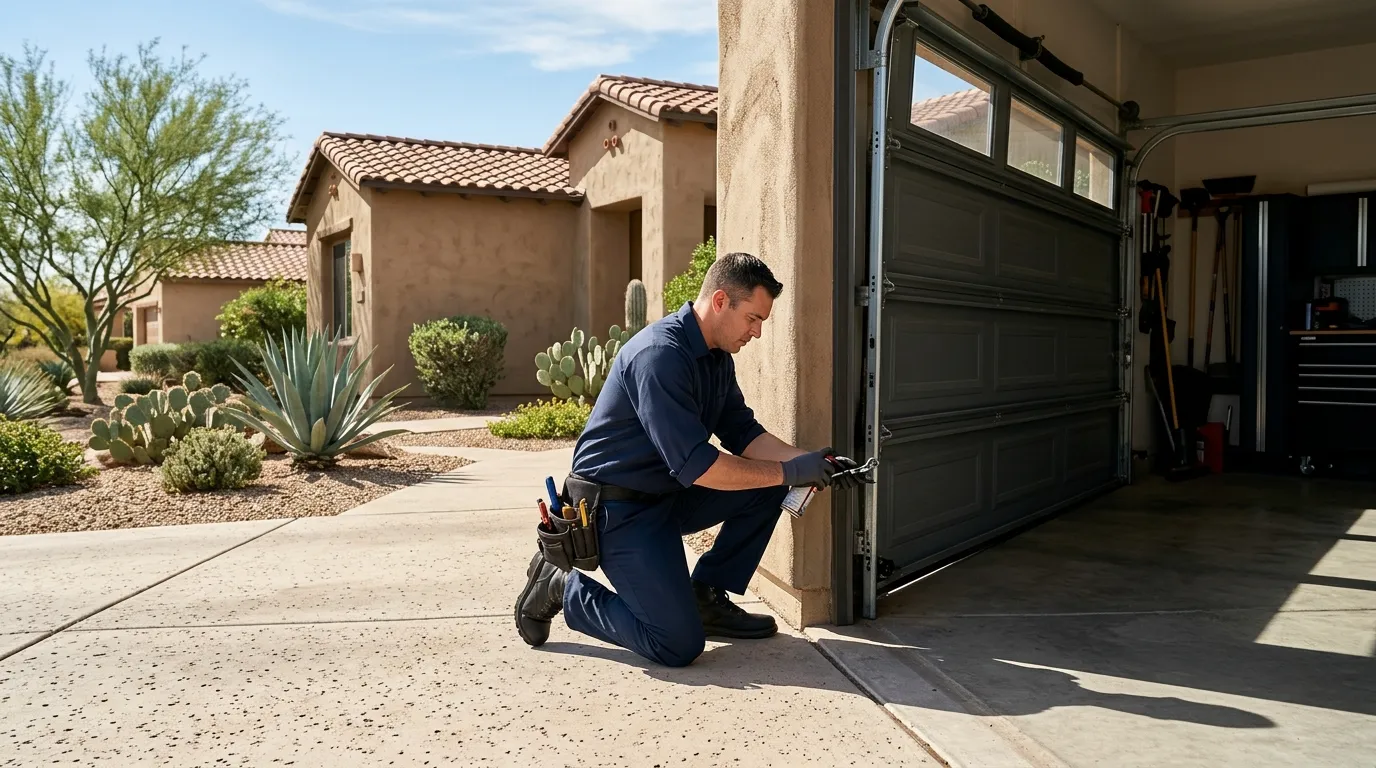
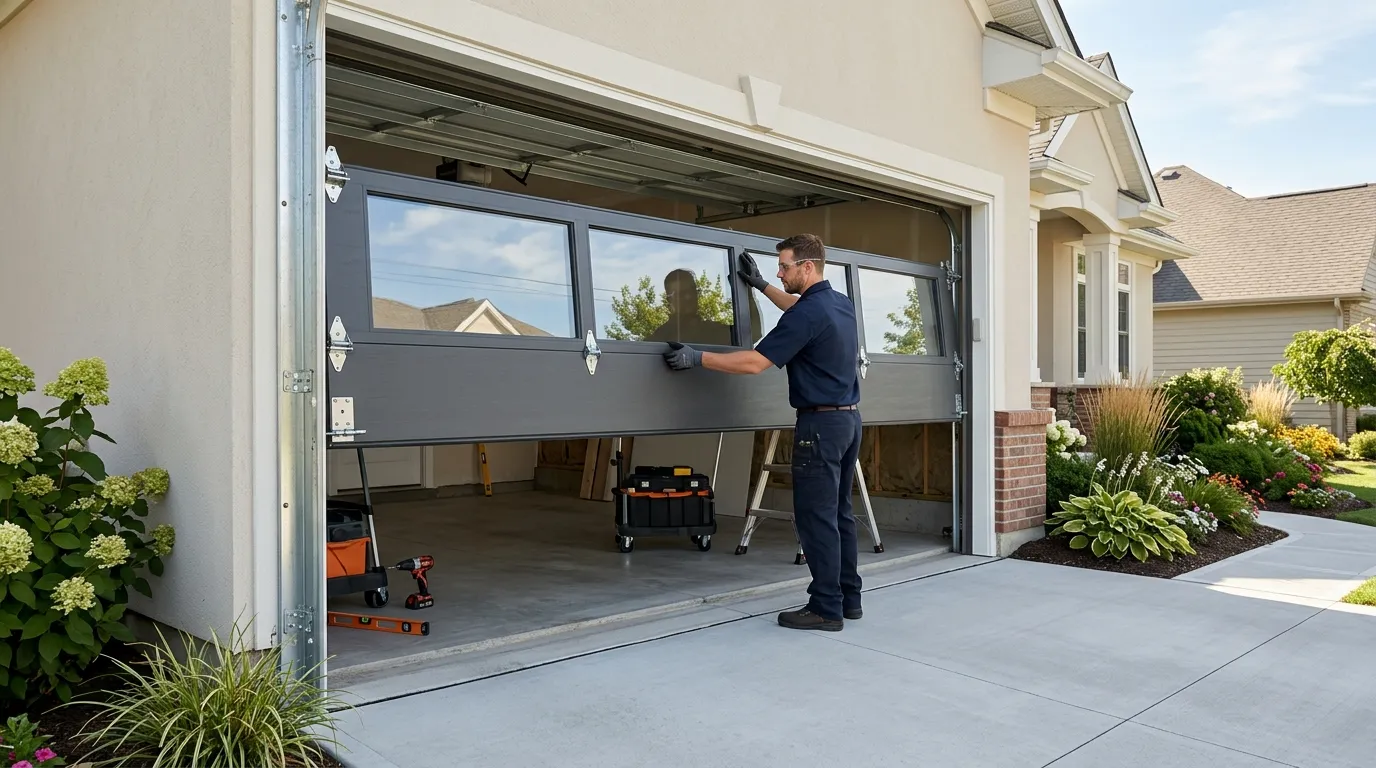
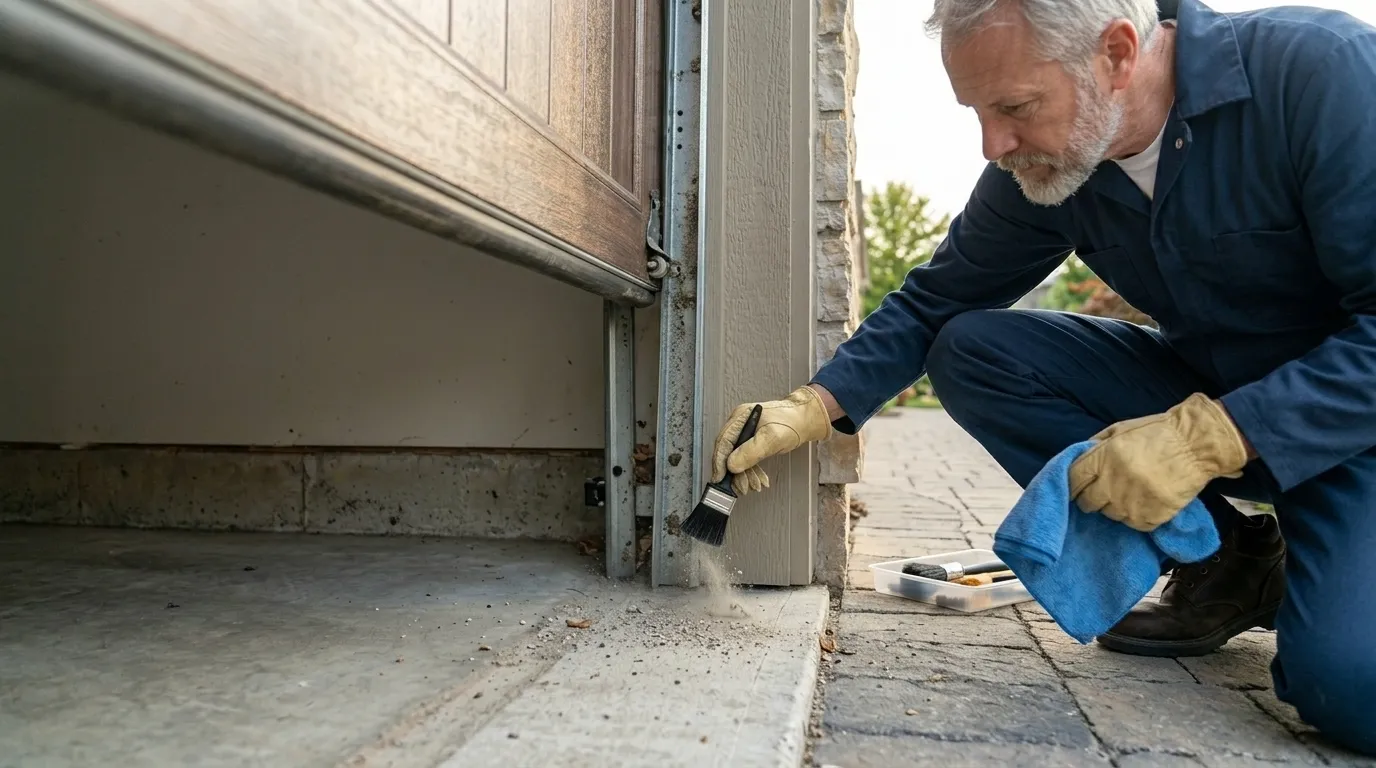
An off-track door in a house this age rarely jumps the track all at once. It starts as a scrape or a hitch a few inches up, the roller catching where the original track has worked loose from the framing over 50-plus years of thermal cycling. Because this area sits in a moderate heat band rather than an extreme one, you're not dealing with the track warping we'd see in a hotter climate - the movement here is almost always mechanical: loose lag screws, a bent bracket, a track seam that's separated. By the time a homeowner calls, the door's usually walked far enough sideways that the bottom panel is binding on the frame, or one side has come clean off the roller. If your door still opens on the original hardware, catching this early is cheaper than catching it after the panel's bent.
Getting It Booked In
Running Springs is about 18 miles out from our Hesperia base, so we schedule these calls in with other jobs on that side of the service area rather than dispatching a truck for one door at a time. When you call, tell us whether the door still opens and closes on its track (even roughly) or whether it's fully jumped - that changes whether we bring a bend-back kit or a full track replacement on the first trip. With household incomes in this area running above the wider service area's median (roughly $85,700 here versus about $79,400 across the broader area), we find most homeowners here choose to fix it right the first time rather than patch it twice.
Time on the Job
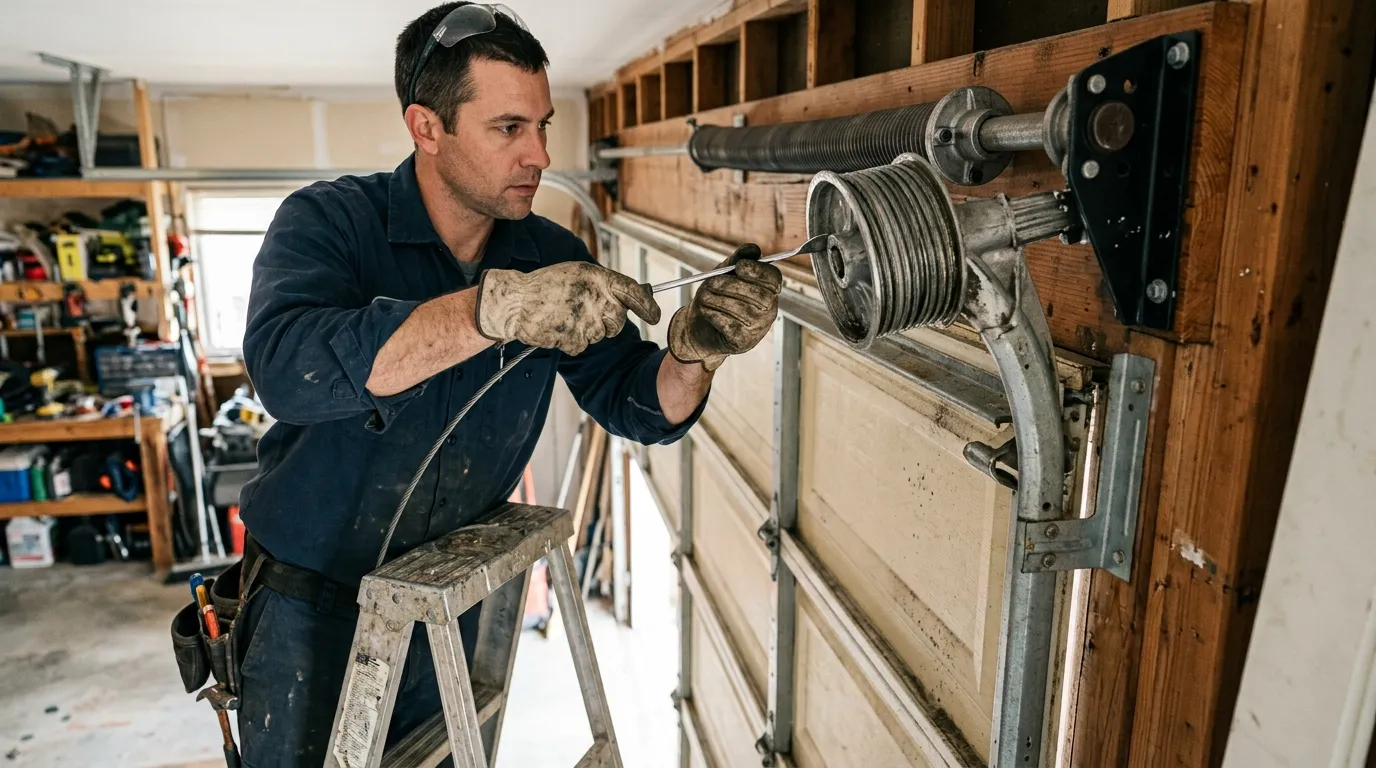
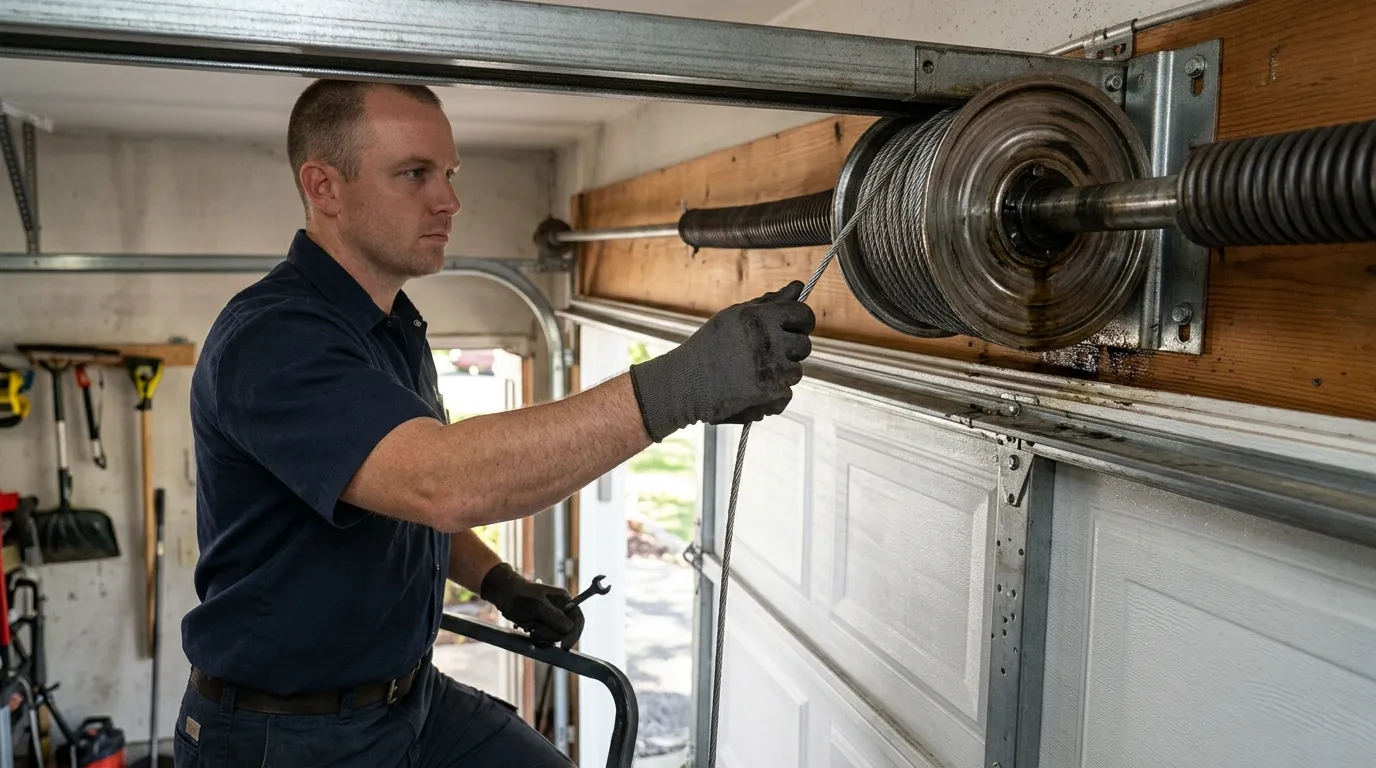
A straightforward off-track repair - reseating rollers, re-anchoring a loose bracket, squaring up a track section - usually runs under two hours once we're on-site. If the original 1970s track needs a full section swap because the metal itself is bent or the jamb hardware won't hold anymore, plan on closer to three, since we're also replacing lags and sometimes shimming the jamb to get the new track true. The one thing that adds time on older homes here is discovering the framing behind the track isn't sound; if that's the case, we'll stop, explain what we're seeing, and let you decide before we go further rather than running up hours on a fix that won't hold.