The Cost of This Job
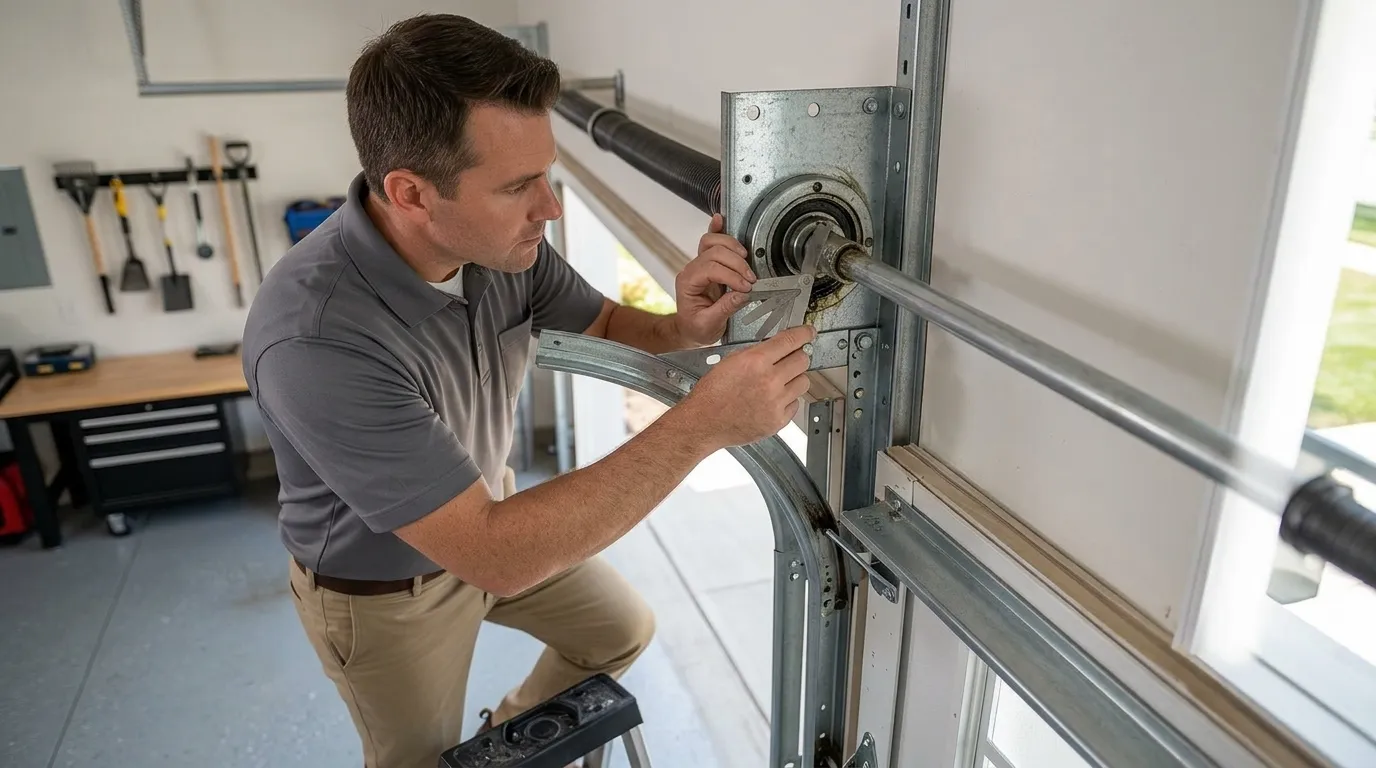
Lake Arrowhead is a small place - about 4,461 households, not a sprawling grid like some of the valley towns we cover. That size matters for cable work because it means the doors up here fall into a narrower band of ages and styles than you'd find across the whole service area. Most homes here were built around 1977, which puts the garage door and its hardware squarely in the era before galvanized cable became standard on residential systems. A frayed or snapped cable on one of these doors is usually a straightforward swap: two cables, drums, and a check of the rollers and track while the door's already open. What changes the number is whether the spring went with it - a cable snap under tension can nick a spring or bend a drum, and at that point you're not paying for a cable, you're paying for a small parts list. We quote it once we've seen the door, not before, because guessing on a mountain house with unknown hardware is how you end up either overcharging or eating the difference. Given F1's wider 1958-1997 range across the region, this address sits on the newer half, which usually - not always - means standard sizing and no obsolete parts hunt.
Getting It Booked In
We run out of Hesperia, and Lake Arrowhead is 13 miles up from there - not a same-block call, so booking a cable repair here means picking a window rather than expecting a truck within the hour. That's the honest limitation: we don't keep a crew stationed on the mountain, and if you need a door closed up tight before a storm rolls through, say so when you call so we can route around it. Cable jobs are quick once we're on site, usually finished well inside a normal service block, but the drive is the drive. If you can tell us the door's rough age, whether it's a one-piece or sectional, and whether the cable came off the drum clean or shredded, we can bring the right stock the first trip instead of a second one.
What Causes It Around Here
The heat load on this side of the region is moderate rather than extreme, which means we're not seeing the summer-heat cable brittleness that shows up in the hotter desert-facing towns we cover. What we do see on Lake Arrowhead doors built around the 1977 mark is cable wear from age and cycle count rather than climate - thirty-plus years of daily opens and closes on original or first-replacement cable, with rust starting at the anchor points once the factory coating wears through. Household income here runs higher than the broader service area average, and in practice that shows up as more owners catching the fray early and calling before the second cable goes, rather than waiting for total failure. It's a maintenance pattern, not a weather one.
What Can Go Wrong
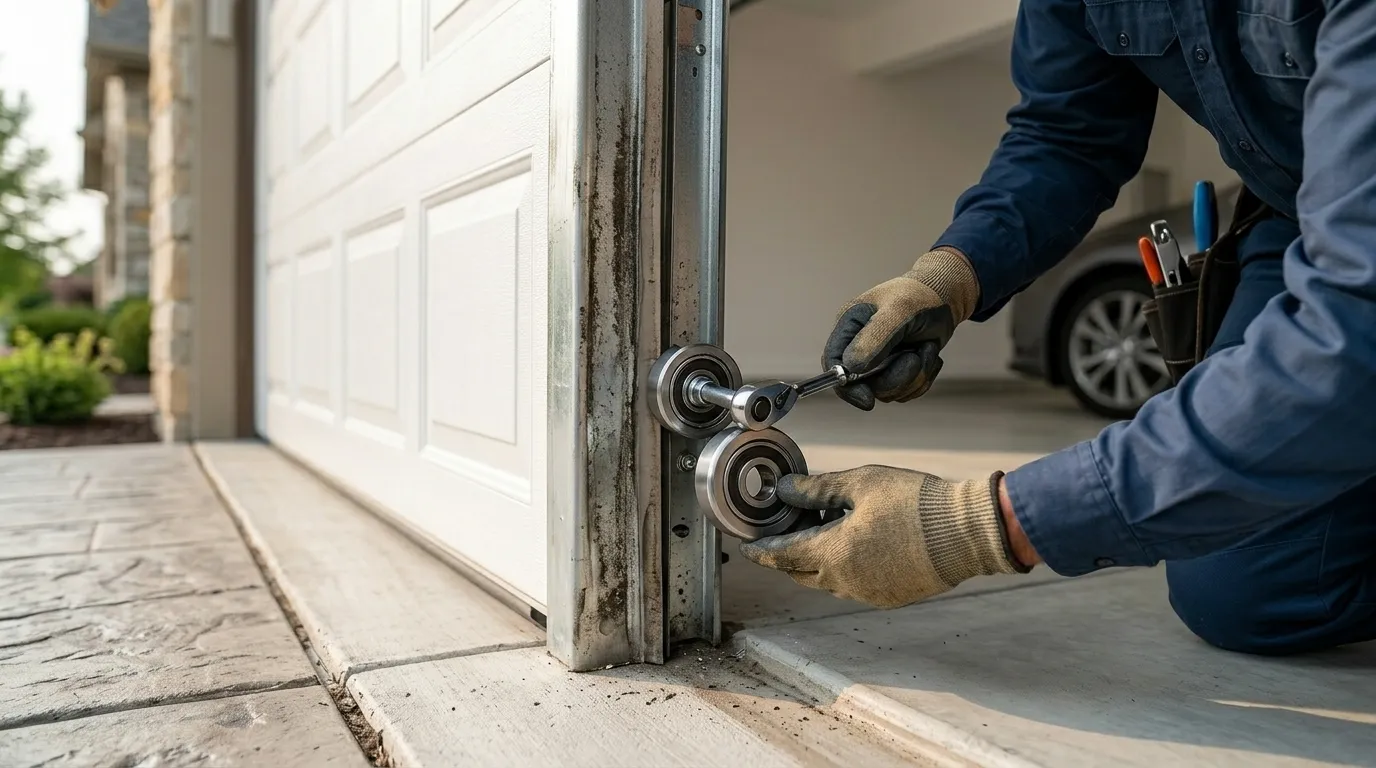
The failure that costs the most to ignore is letting a stalled, one-cable door keep getting opened on the remote. The door's weight has nowhere to go but into the track and the remaining hardware, and a torsion door running on one cable can walk the panel off its rollers or twist the track enough that it needs straightening, not just cable replacement. On a 1970s-built door specifically, we also check the drums for wear grooves once a cable's gone - a groove-worn drum will just shred the next cable in months. We won't put a new cable on a bad drum and call it fixed; that's a callback waiting to happen, and it's not worth doing twice.