The Cost of This Job
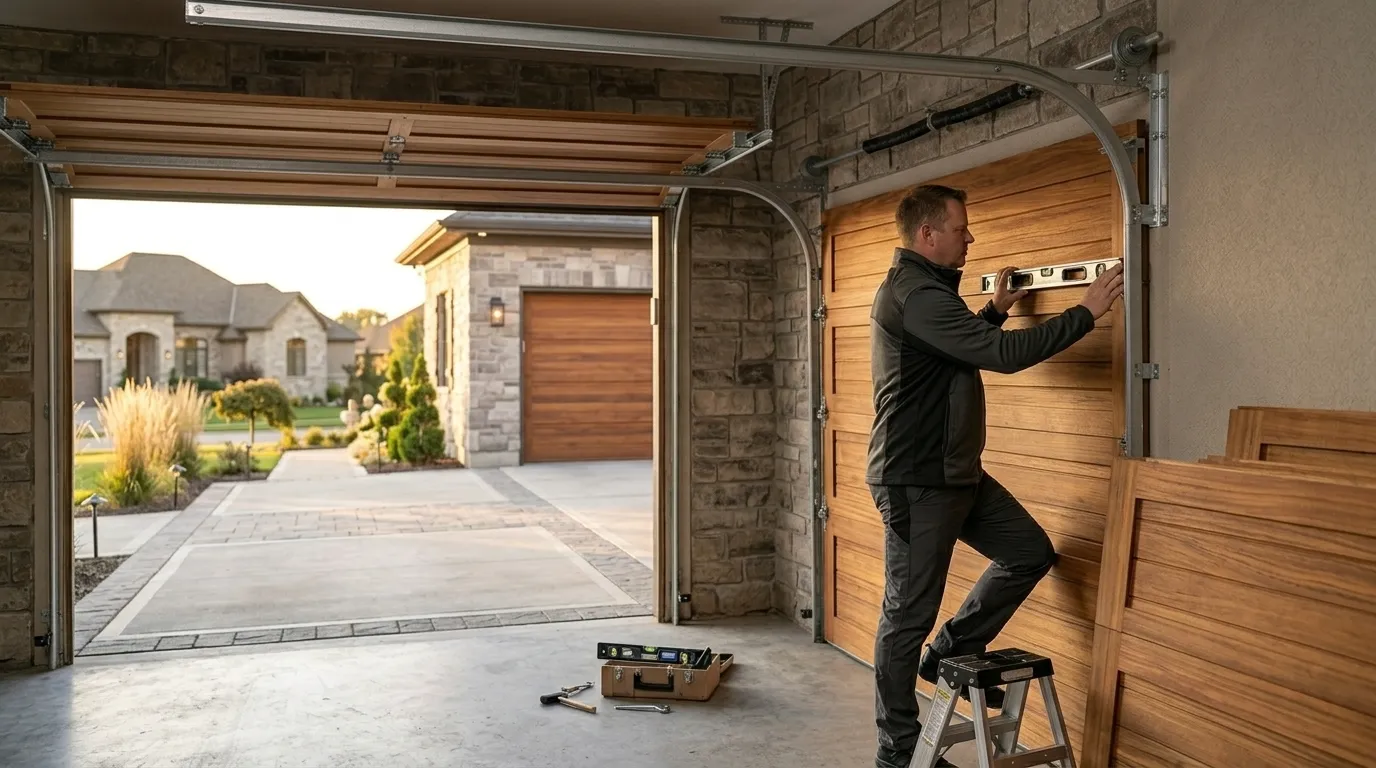
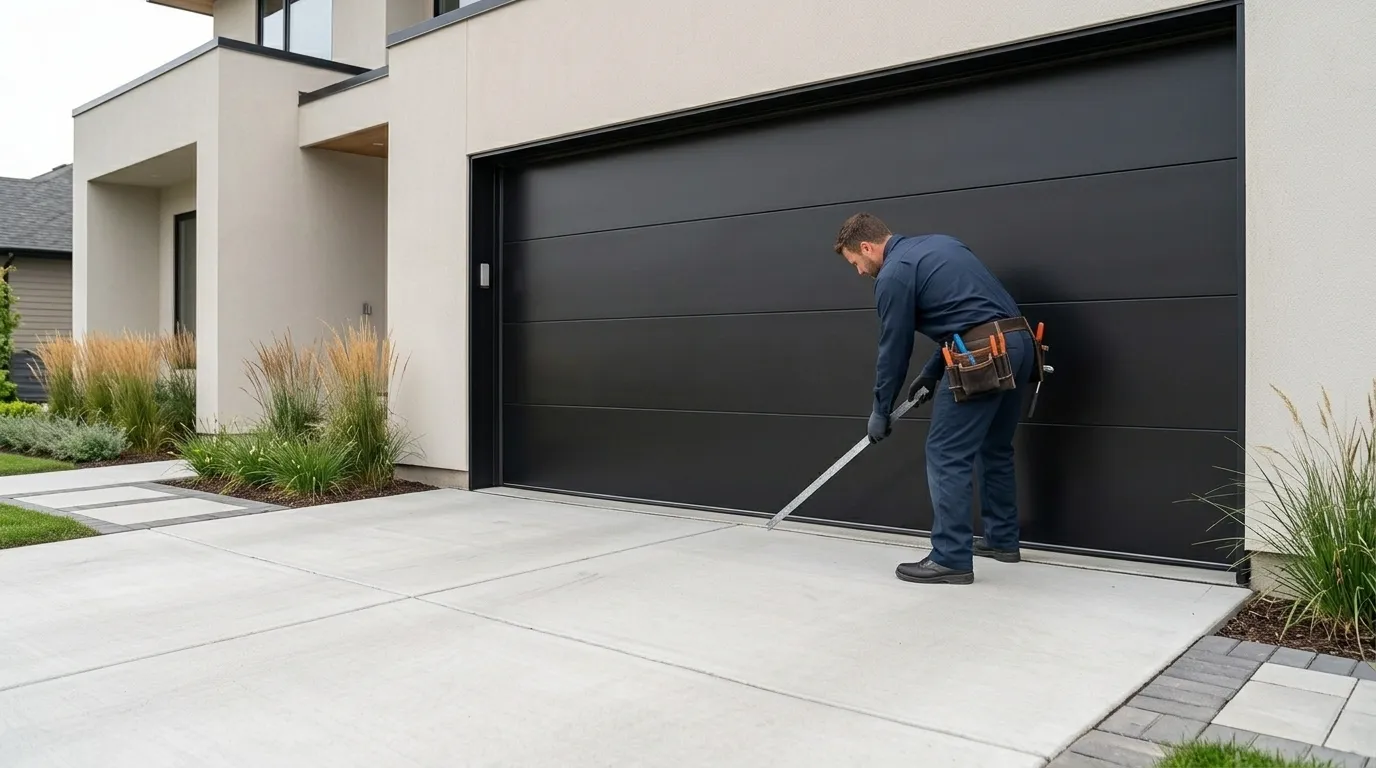
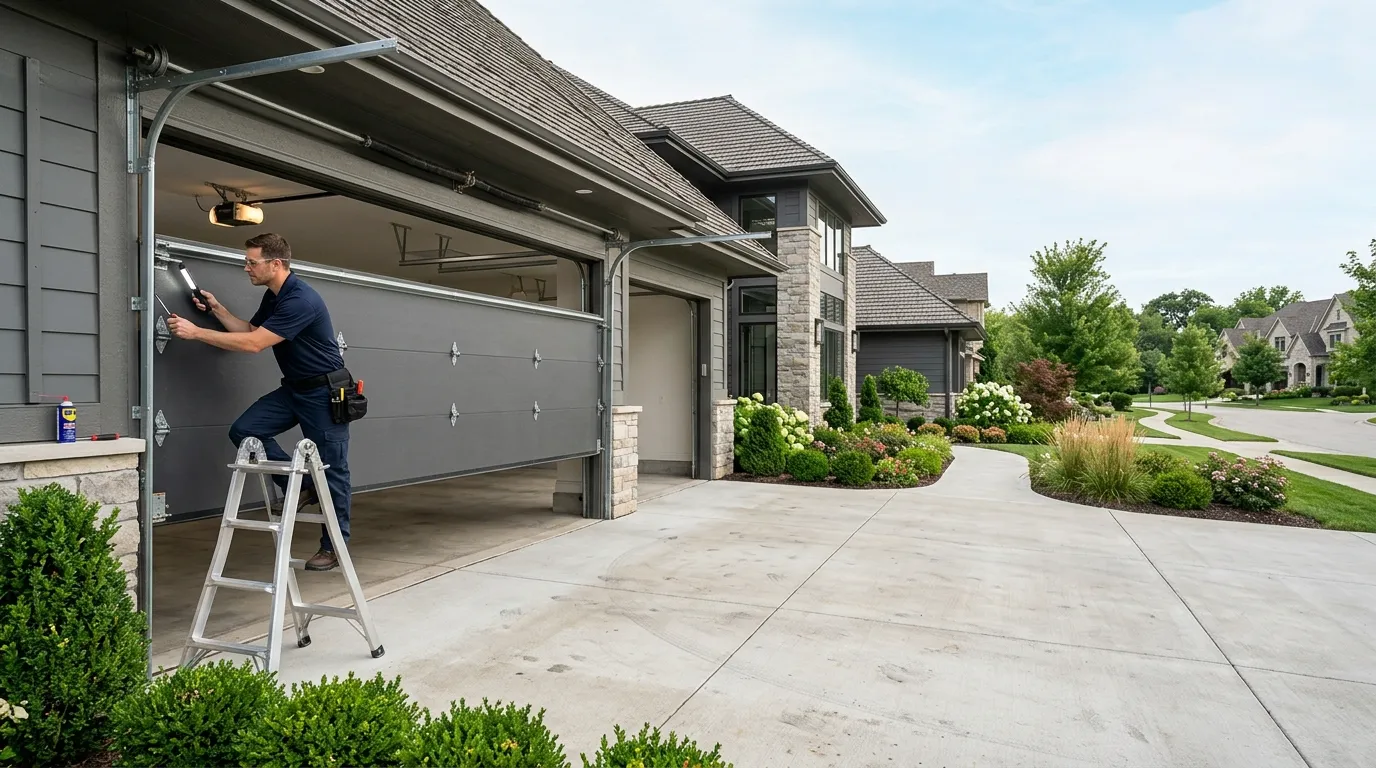
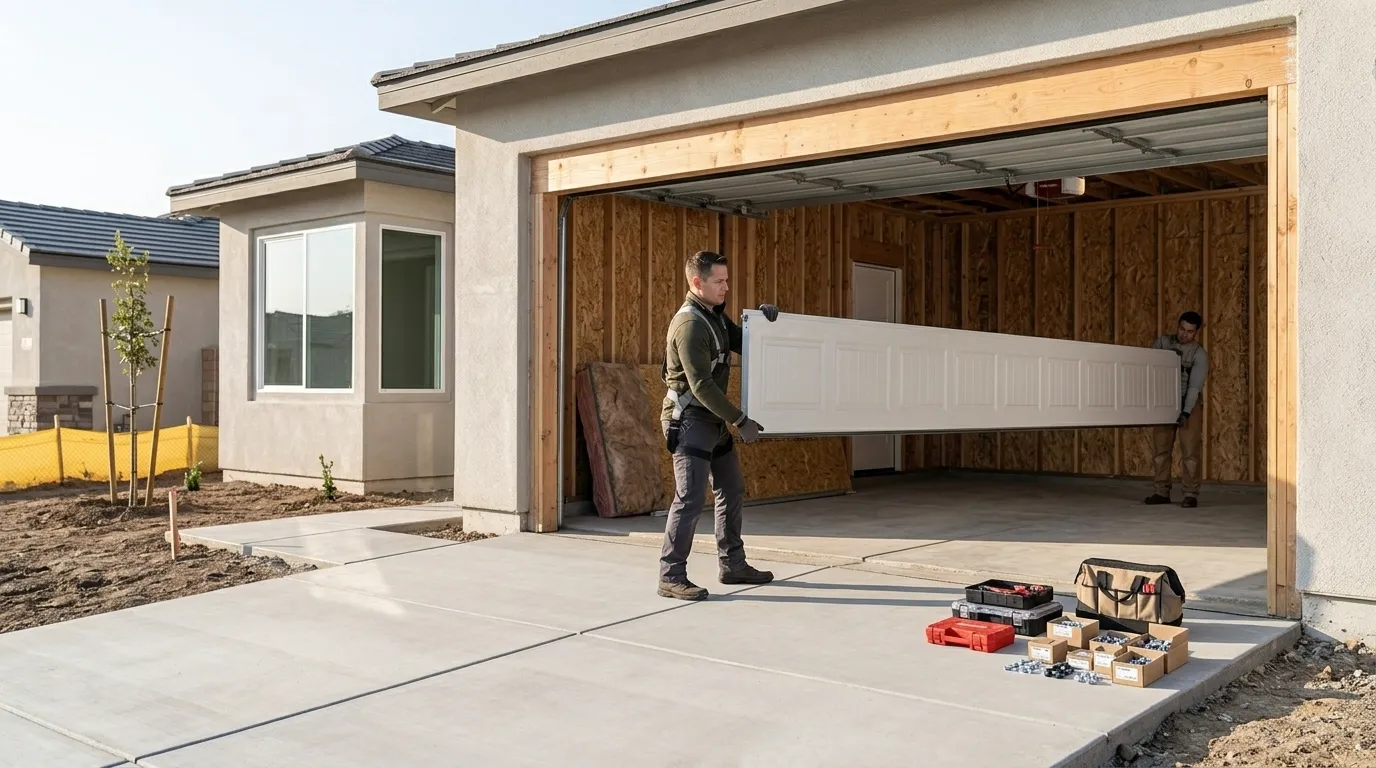
Lake Arrowhead sits about 13 miles up from our Hesperia shop, and that drive shapes how we quote and schedule an installation here more than almost anything else. We don't keep a branch on the mountain, so every new-door job gets bundled into one trip: measuring, ordering the right size and insulation package, and coming back to install once the door's in. That means we ask a few more questions up front than we would on a job five minutes from the shop, because a second trip to swap a wrong-sized panel costs real time on that road, not just money. We'd rather get the opening measurements and header clearance right the first visit. Across the wider service area median household income runs $79,378, but homes up here are running closer to $88,147, and a lot of Lake Arrowhead owners are replacing a door that's original to a house built around 1977, not doing a quick fix. A full install with new track, opener, and insulated panels costs more than a like-for-like swap, and we'll walk you through the difference before we quote anything. We don't have a fixed number to hand you until we know your door size and whether the opening needs rework.
Getting It Booked In
Because we're coming up from Hesperia, we try to lock a firm arrival window rather than a rough one, and we ask that someone be home or reachable, since a mountain trip with a wrong measurement means driving back down for the right door before we can finish. If you can get us photos of the existing door, the track, and the header area ahead of time, it saves a wasted first visit just to look. We generally want a level foundation before we book the actual swap: right dimensions, a clear sense of whether the opening is original to the 1977-era framing common up here or has been altered since. Scheduling around weather on the mountain matters too - we'd rather push a day than install with the truck loaded on a bad grade. We're not a same-day outfit for this kind of job, and we won't pretend otherwise; a proper new-door install takes planning, not a walk-in slot.
What Causes It Around Here
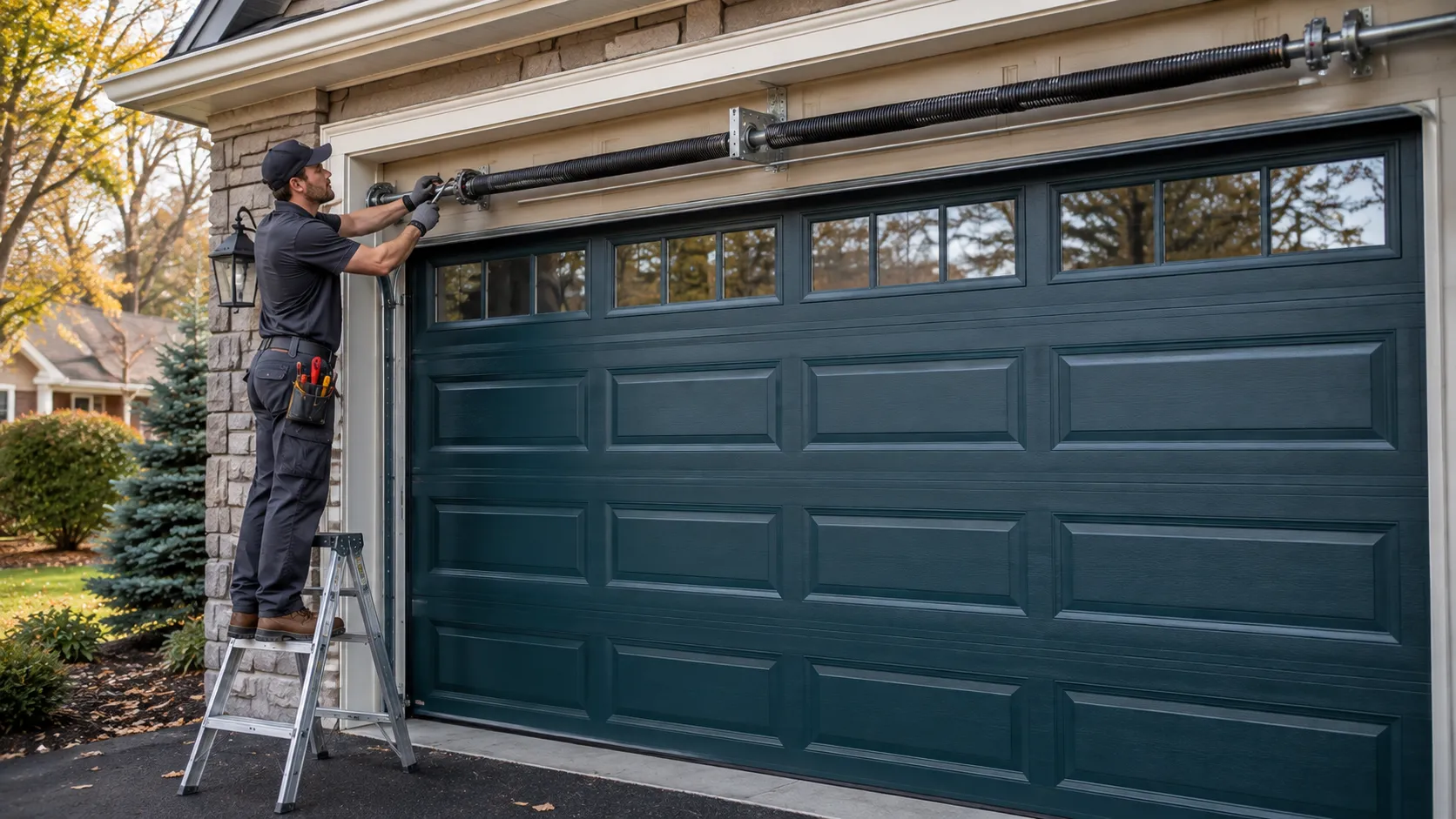
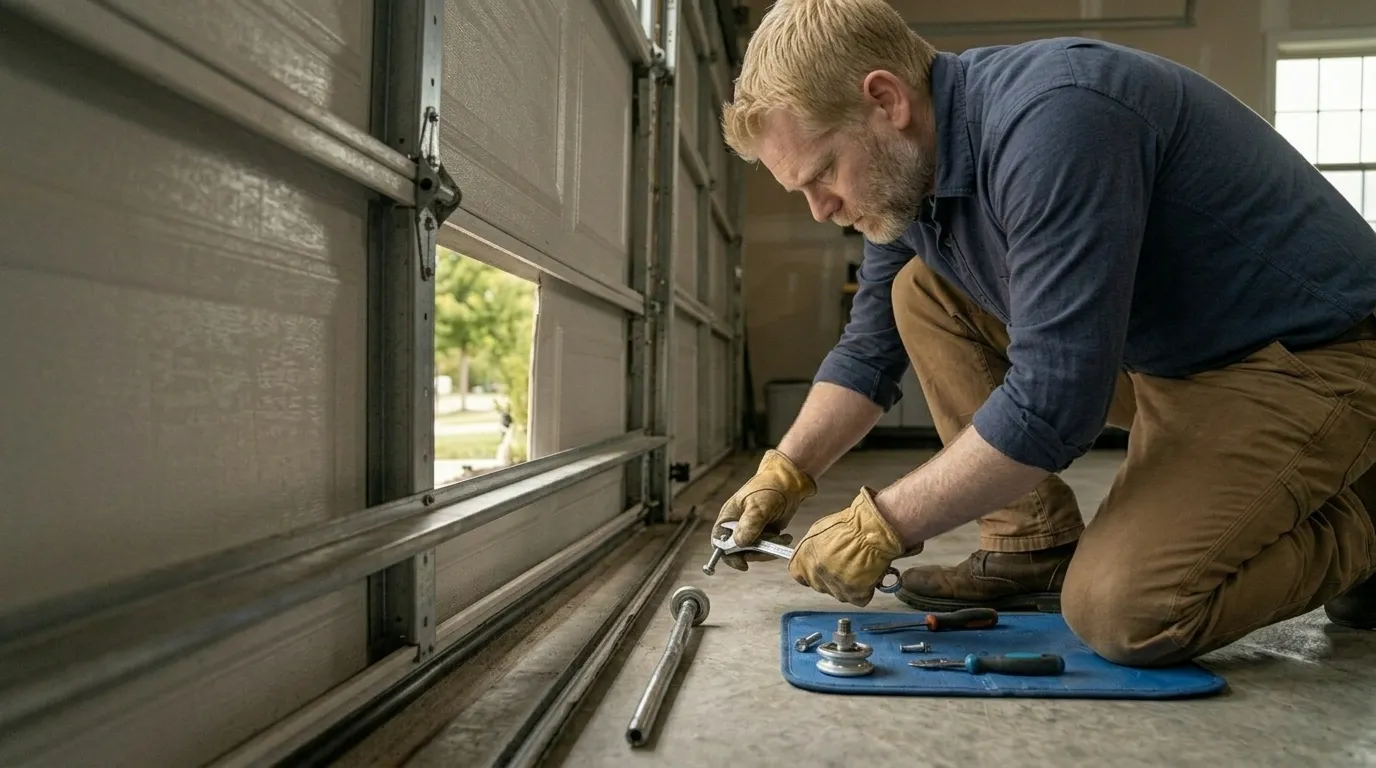
The moderate heat band this area sits in isn't the extreme swing you'd get somewhere alternating between real cold and real heat, but wood-panel doors from the late 1970s still take a beating from decades of sun-and-shade cycling on a mountain lot, and steel doors from that period were rarely insulated at all. Combine that with 40-plus years of the door being the original one on the house, and you get warped panels, pitted hardware, and tracks that have been re-shimmed more than once by whoever owned the place before. None of that is dramatic - it's just age doing what age does to a door nobody's replaced since the house was built.
What Can Go Wrong
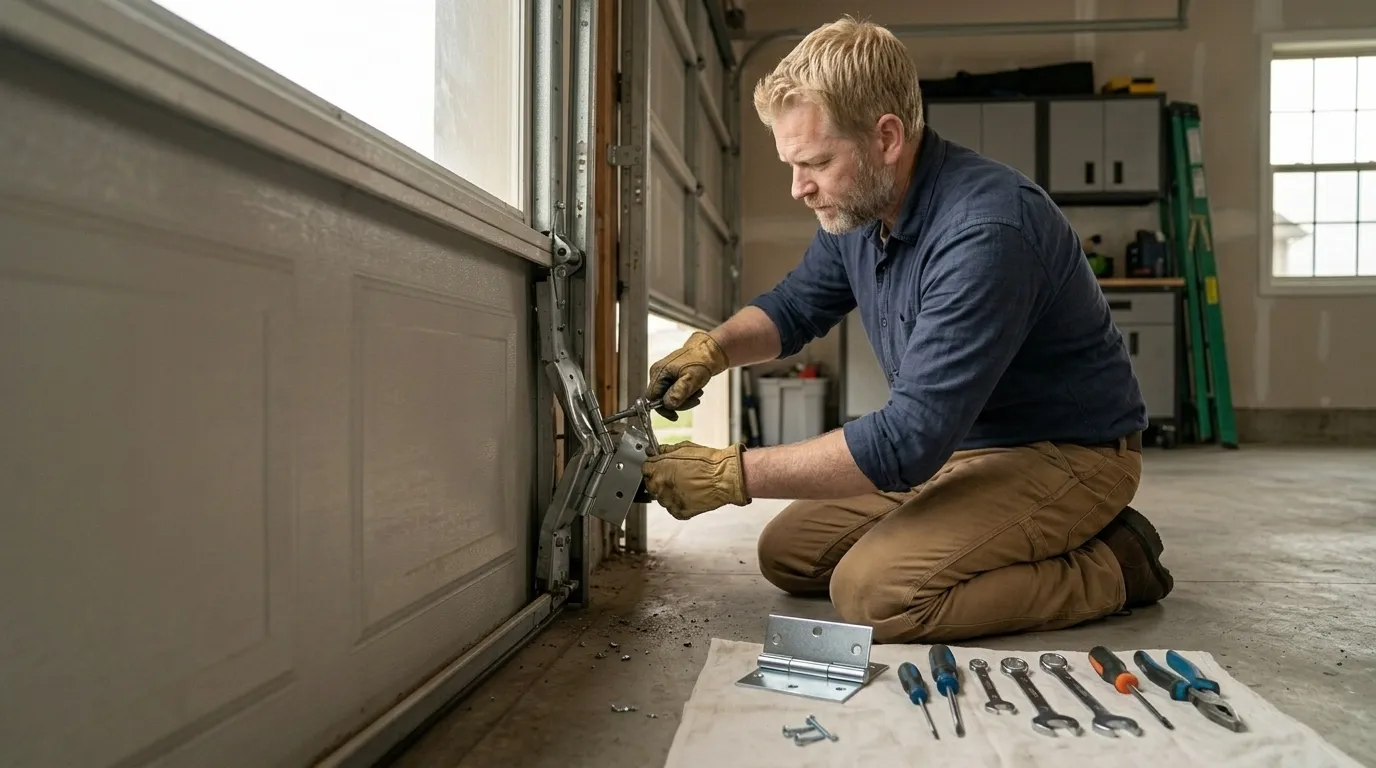
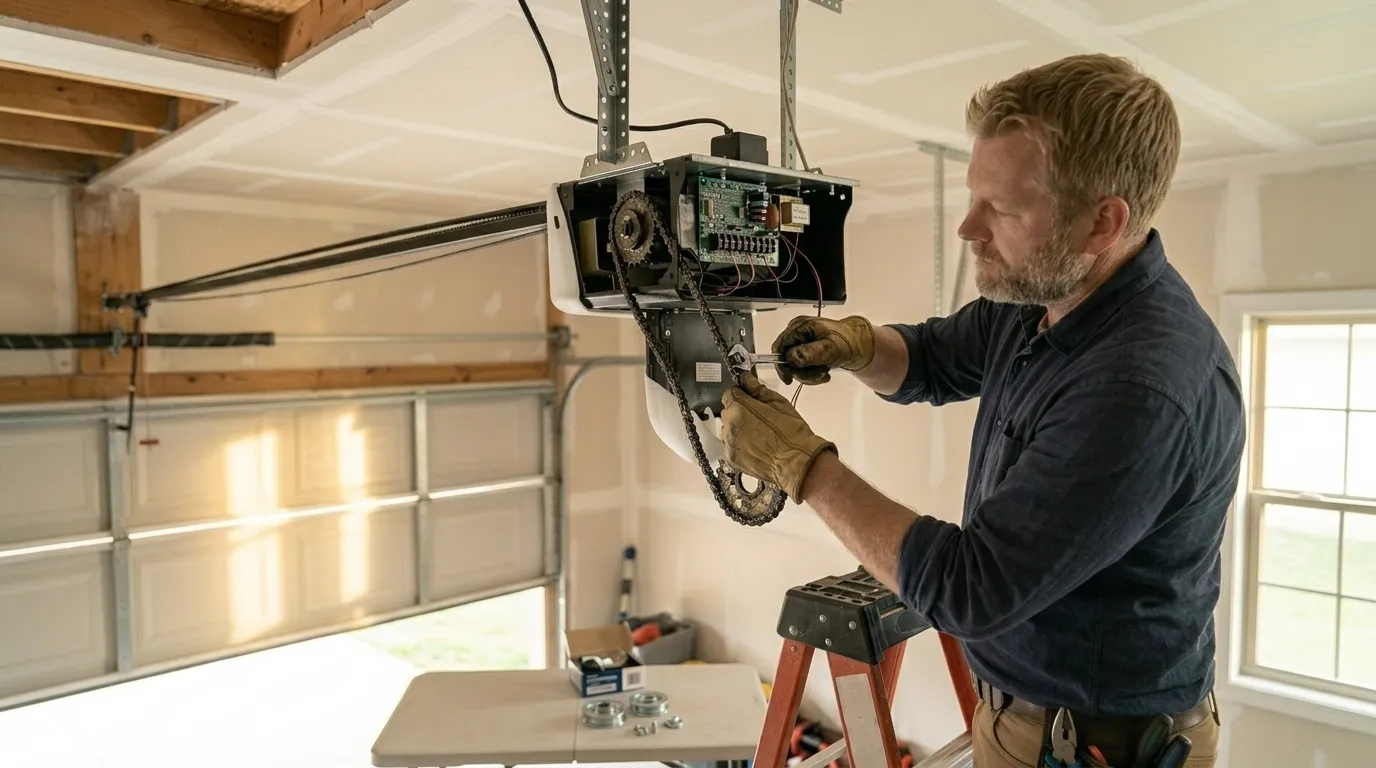
The main risk on an original-door install job is discovering, mid-job, that the framing behind the door doesn't match modern door dimensions - not uncommon in houses from 1977, where door widths and header heights weren't standardized the way they are now. That turns a straightforward swap into a carpentry job, and we'd rather flag it during the initial visit than halfway through installing. We also see openers wired into circuits that don't meet current code, which isn't something we improvise around on-site. And because we're not local to the mountain, if a part turns out to be wrong or missing, that's a real drive back down and up again, not a quick trip to a nearby supplier - which is exactly why we try to over-confirm measurements before we ever load the truck.