The Cost of This Job
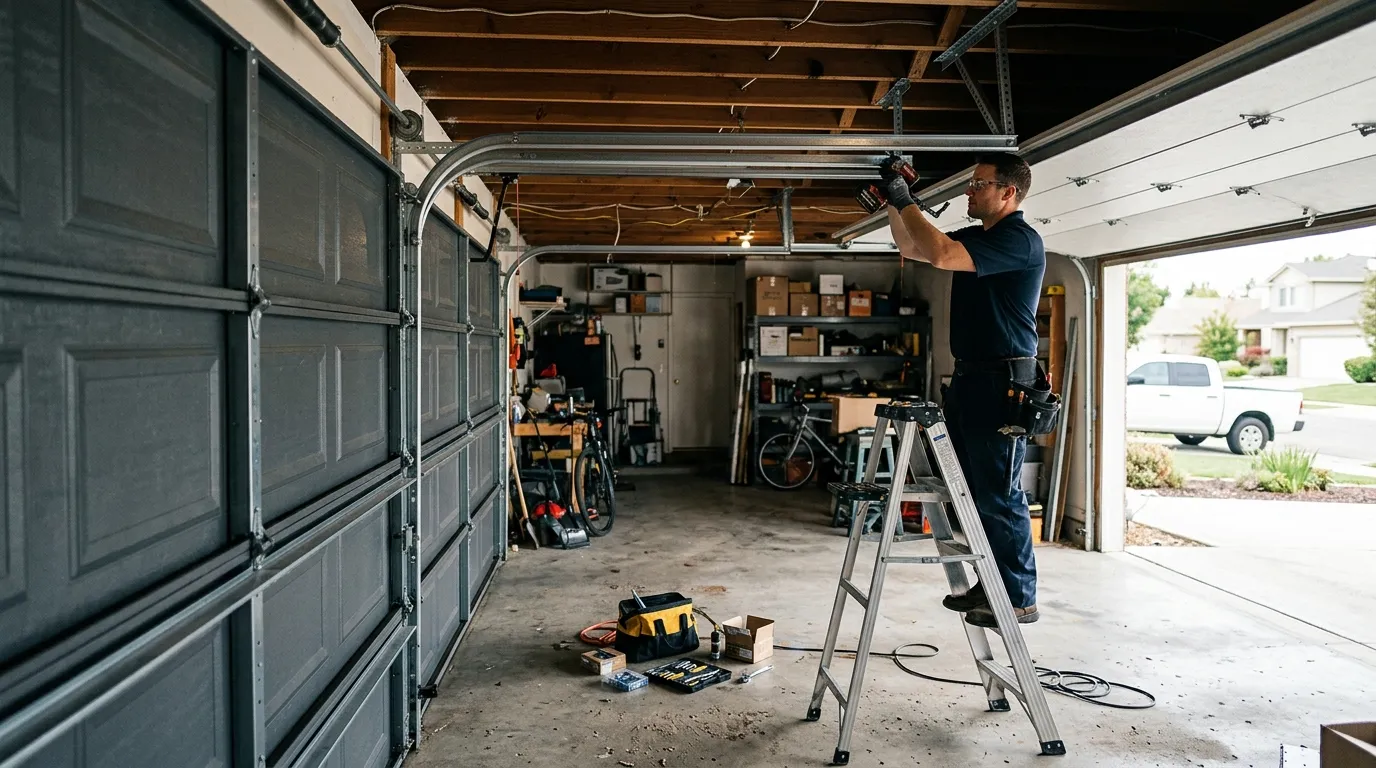
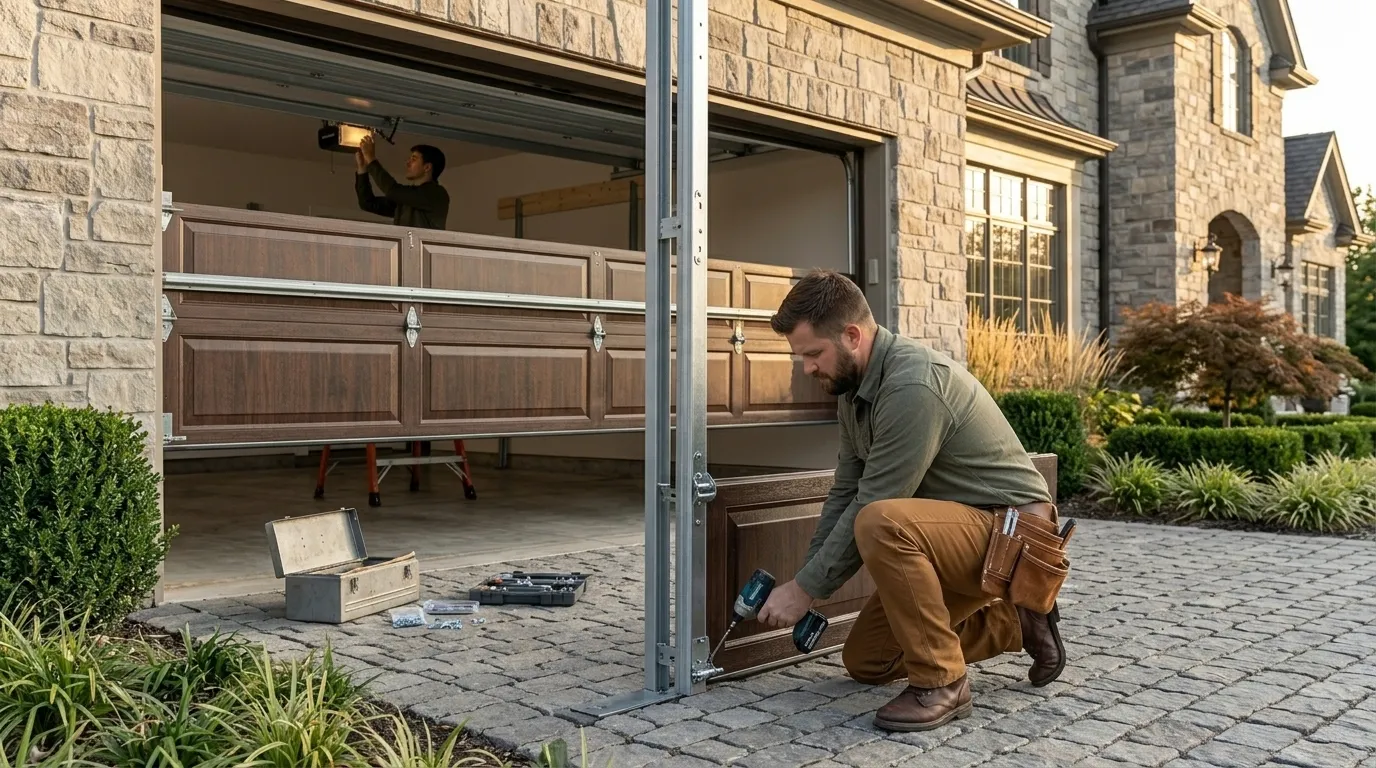
What you pay depends on what's already bolted to your header. A straight swap, where the old opener bracket and rail line up with a new unit, costs less than a job where we're re-framing a mount because the house dates to 1977 and the original bracket was built for a chain-drive unit half the weight of what's sold today. We don't have a set price to quote you here - every header up here is a little different, and we won't guess a number and then hand you a different one on the day. What we can tell you: if your garage still has the original 1977 framing, budget for bracket work as part of the job, not as an add-on surprise. That's the honest range, and it's wider than a flat-tract subdivision would need.
Getting It Booked In
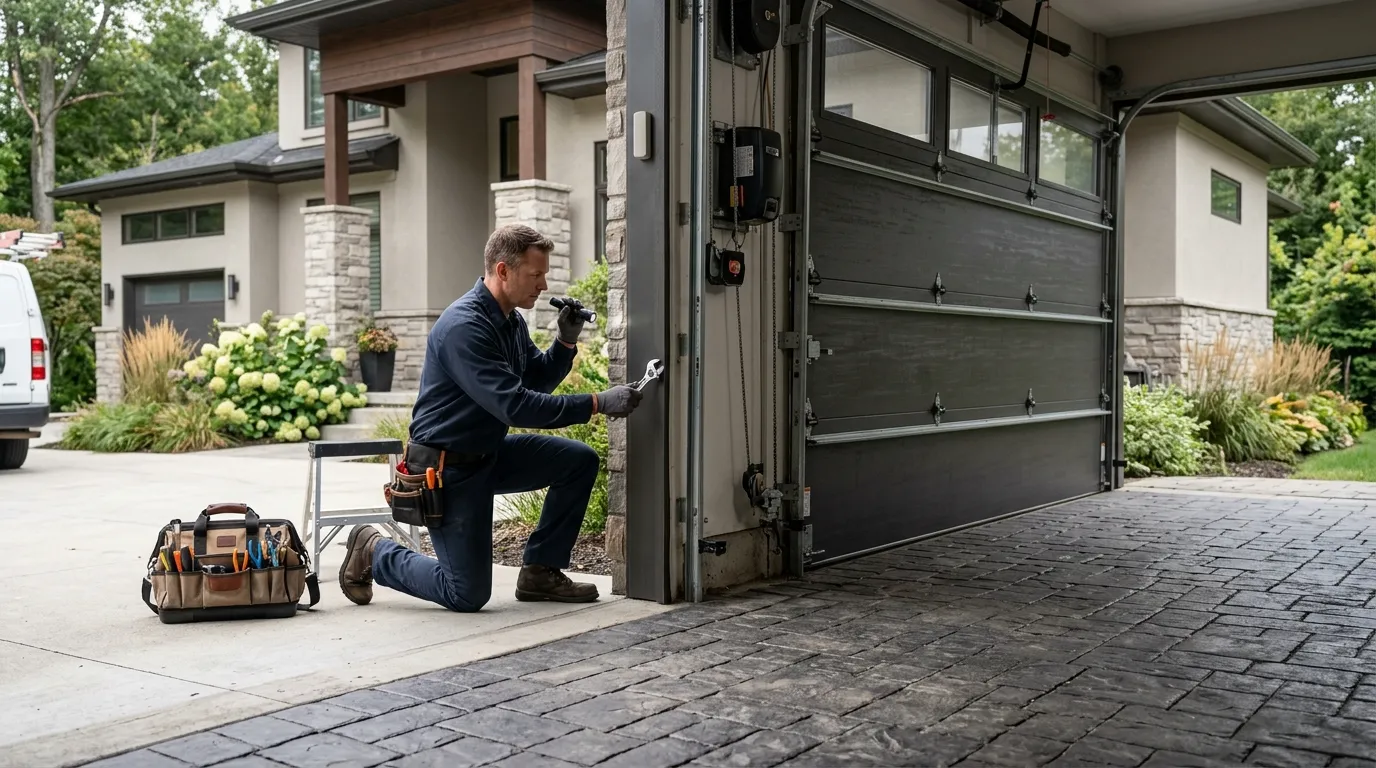
We run out of Hesperia, and Lake Arrowhead sits about 13 miles out - one of the longer drives in our coverage area, further than Oak Hills. That distance doesn't change the work once we're at your garage, but it does mean we schedule the trip as a full stop, not a quick add-on between closer calls. Tell us the opener brand and roughly how old the door is when you call, and we'll bring the right rail length and bracket hardware instead of finding out on site that the header needs a shim kit we left on the truck.
What Causes It Around Here
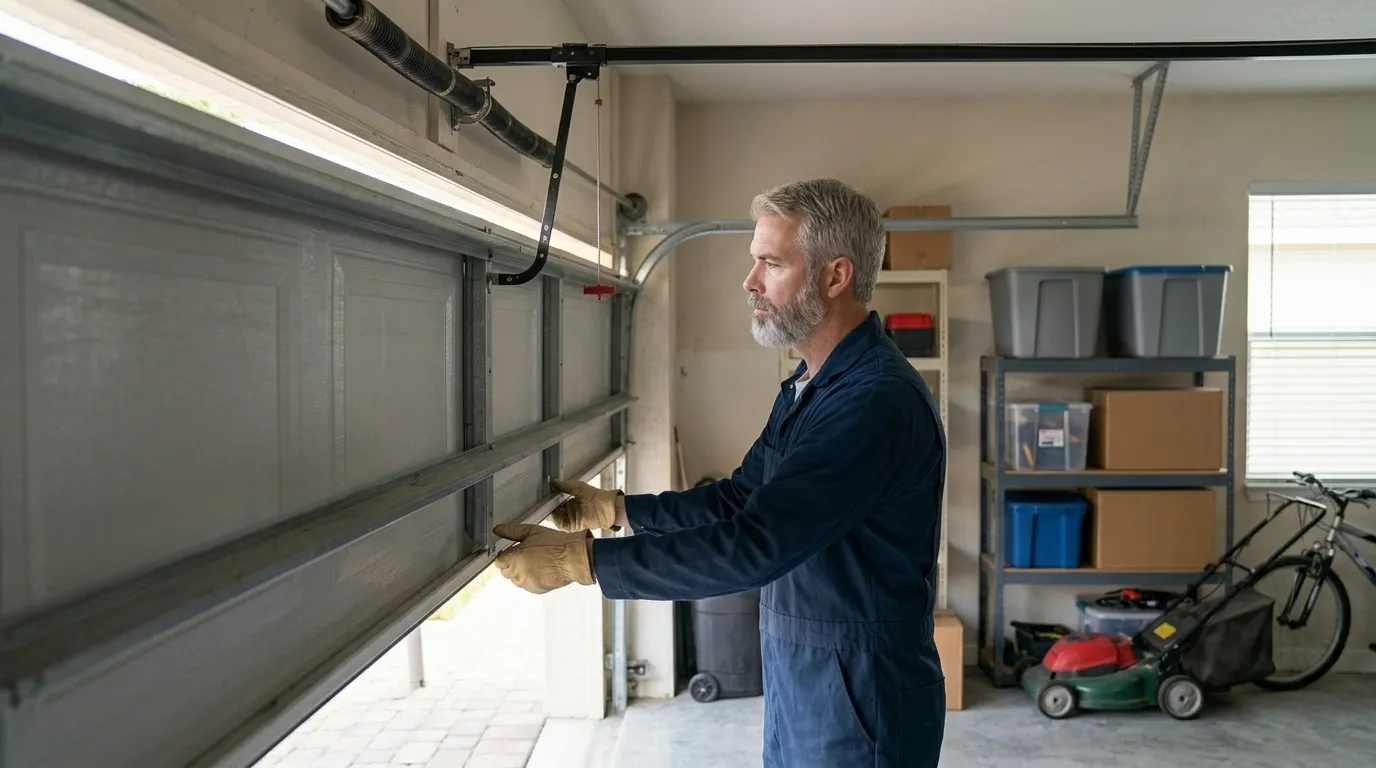
Lake Arrowhead's median build year sits at 1977, a decade ahead of the 1986 median for the wider service area we cover. That gap matters for openers specifically: garages from this era were framed for lighter, single-piece doors and lighter drive units than what's standard now. When a heavier insulated door or a belt-drive opener goes in without adjusting for that older framing, the header takes stress it wasn't built for. It's not a flaw in the house - it's just a mismatch between 1977 construction and 2024 hardware, and it's the single most common reason we get called back to a job someone else did quickly.
What Can Go Wrong
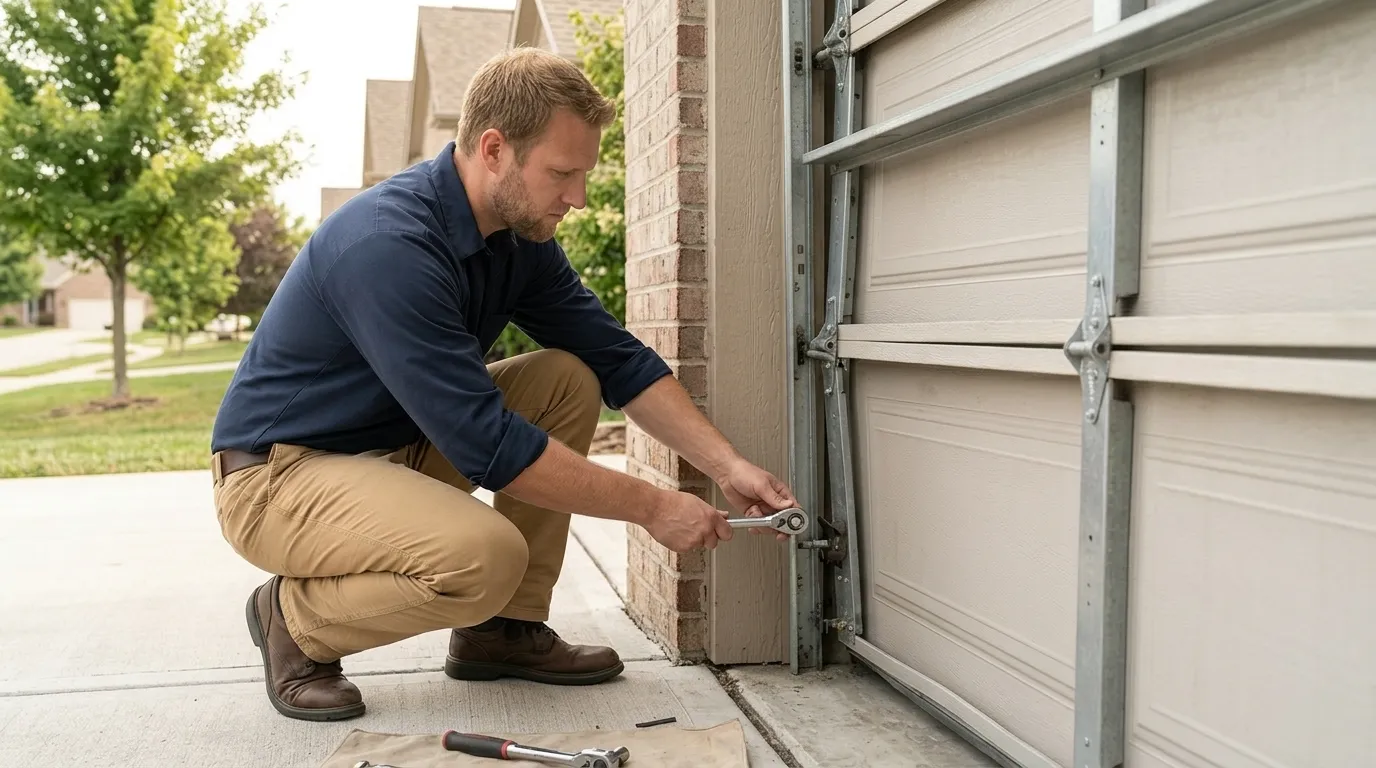
The biggest risk on an older header is over-tightening a new bracket into wood that's already got two or three sets of old screw holes in it. That wood doesn't hold like it did new, and a bracket that looks solid on install day can work loose within a year under a heavier door's pull. The other issue is travel limits - if the opener's factory settings don't get matched to the actual track length on an older door, you get a door that reverses for no clear reason, or one that doesn't seal at the floor. Both are fixable, but both come from rushing the setup instead of checking the header and track before powering anything on.