24/7 Emergency Service Open 7 days · 7am–8pm Serving Hesperia, CA & nearby
(442) 206-8960
Hesperia, CA

Garage Doors on Hesperia's 1958-1997 Housing Stock

Most Hesperia houses date to 1986 median build year, with doors and hardware sized for a mild-heat desert climate. Here's what that means for repair and cost.

Garage Doors on Hesperia's 1958-1997 Housing Stock

The Situation

Hesperia's housing runs mostly 1958 to 1997, with a median build year around 1986, and that range covers most of the 13 named areas around town. That matters more than it sounds like it should. A door installed on a house built in 1986 is on its second or third opener by now, and the torsion spring under it has likely been swapped at least once, sometimes with a spring rated for a different door weight than what's actually hanging there. Houses from the late 1950s through the 1970s often still have the original steel track, bent slightly from decades of use, even if the door panel itself was replaced somewhere along the way. The mismatch between old track and newer door is one of the more common calls we get here - not a dramatic failure, just a door that binds, jumps, or comes off one roller at a time. Because the stock spans nearly 40 years of construction, there's no single fix that applies to every house. A 1962 house and a 1994 house in the same neighborhood can need completely different hardware. What they share is age: none of this equipment was designed to last forever, and most of it is well past the point where a bent bracket or a stretched cable is a coincidence rather than a symptom.

The Cost of This Job

What a repair runs depends heavily on which decade your house falls into. Homes from the earlier end of the 1958-1997 range are more likely to need full hardware replacement rather than a single part swap, because the track, drum, and spring were often sized together and don't mix well with newer parts bought individually. Homes closer to the 1986 median build year usually still have serviceable steel tracks and just need the wear parts - rollers, cables, sometimes the spring - addressed on their own. We don't quote a number here because it genuinely depends on what's on your door and how old the surrounding hardware is; a torsion spring job on a house with original 1960s track costs more than the same spring job on a house with 1990s hardware, simply because more has to come apart to get it right. With household income in the area at a median of $79,378, we try to be straight about when a repair makes sense and when the hardware is old enough that patching it just delays the same call a year later. That's not a sales pitch - sometimes the honest answer is replace, and sometimes it's fix the one part that's actually broken.

Checking It Yourself

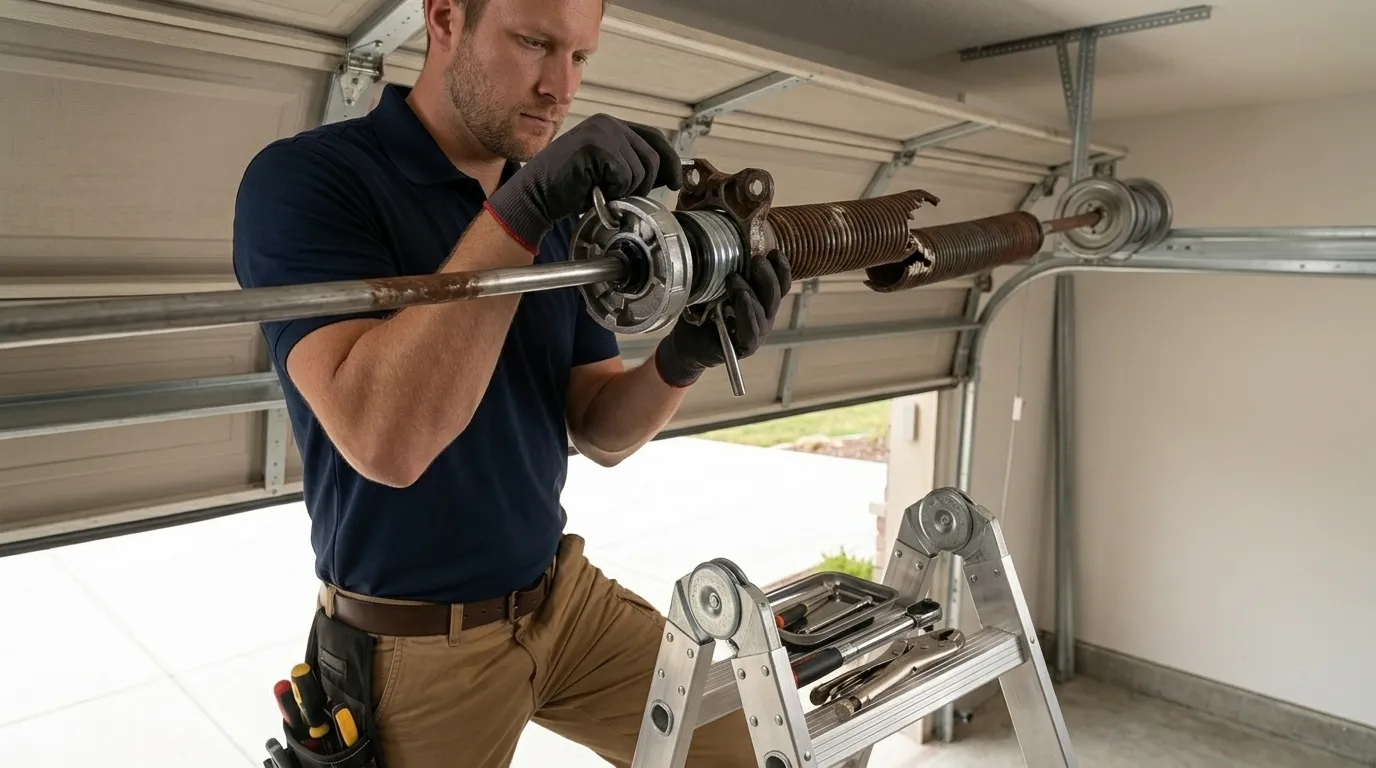
Before you call anyone, look at three things. First, the track - run your eyes along both sides from the floor to where it curves at the top. On the older end of Hesperia's housing stock, decades of expansion and contraction can leave a track slightly bowed, which shows up as the door rubbing or shuddering in one spot every time it passes. Second, the cables at the bottom corners - frayed strands or visible rust mean they're near the end regardless of how old the house is. Third, the spring above the door: if it's a single spring stretched across the center, that's older hardware more typical of houses from the earlier part of the 1958-1997 range, and single-spring setups fail without warning more often than the dual torsion springs common in later builds. None of this tells you the exact fix, but it tells you whether you're looking at a five-minute roller swap or something structural. One honest limit: we can't diagnose a spring's exact age or rating by eye over the phone, and guessing wrong on a torsion spring is dangerous. If you're not sure what you're looking at, don't put your hands on it - that's the one part of this job we'd rather come out and check in person.

What the Weather Here Does to It

Hesperia sits in a moderate-heat climate band, which is gentler on garage door hardware than a lot of places, but it's not nothing. Steel expands and contracts with the daily swing between hot afternoons and cooler desert nights, and over the 30-plus years typical of this housing stock, that cycling loosens bolted joints at the track brackets and dries out the lubricant on rollers faster than a milder, more stable climate would. It's a slower kind of wear than what you'd see somewhere with heavy storms, but it adds up the same way - a bracket that's a quarter-inch loose today is a door that's dropped off the track in another year or two if nobody tightens it. Houses built earlier in the 1958-1997 range have had more cycles of this to work through, which is part of why older track shows more play than newer track even without any single dramatic event to point to. There's no storm story here, no flood or hail claim - just steady thermal cycling doing its quiet work on hardware that was installed decades ago and hasn't been checked since.
How it works

From “it’s stuck” to “it’s fixed”

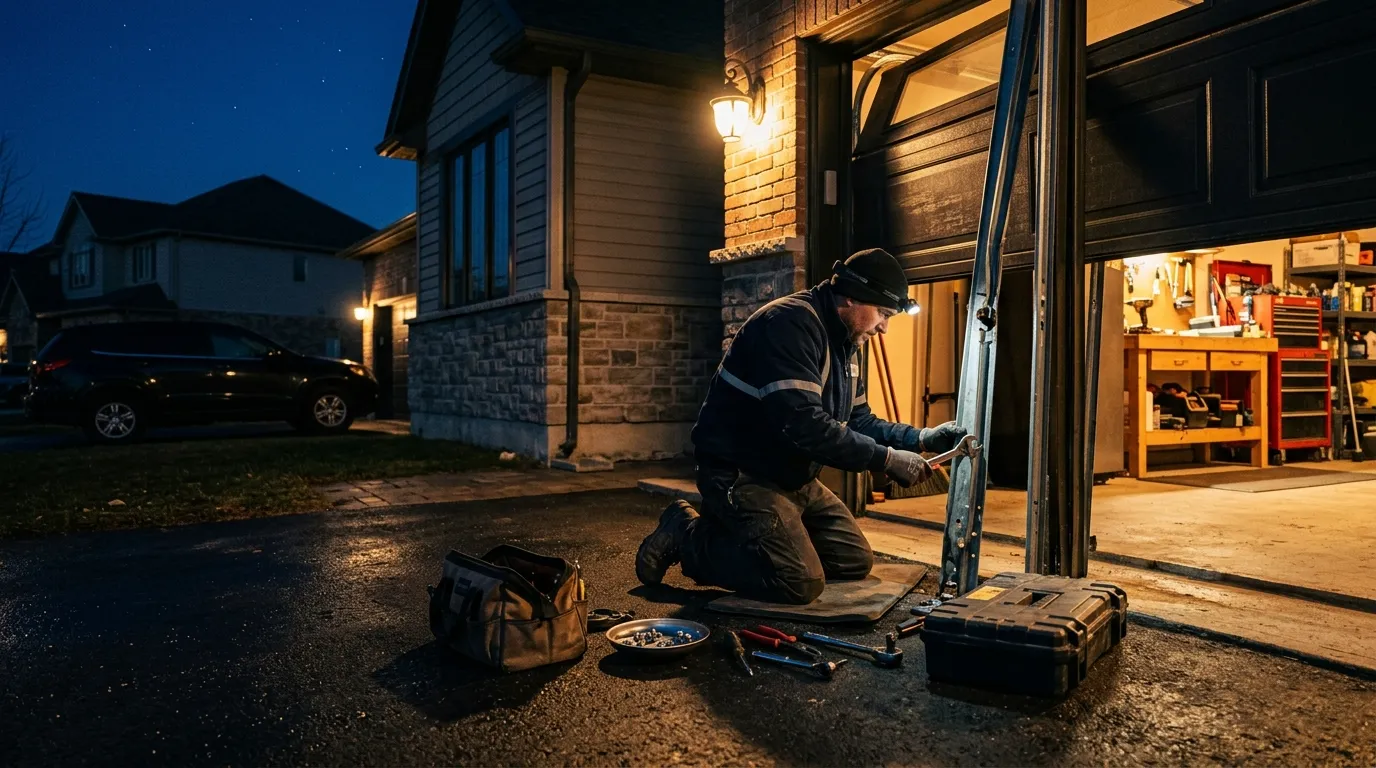
Tell us what’s wrong - Hesperia garage door service

Tell us what’s wrong

Describe the symptom - won’t open, loud bang, opener runs but the door won’t move.

On-site diagnosis - Hesperia garage door service

On-site diagnosis

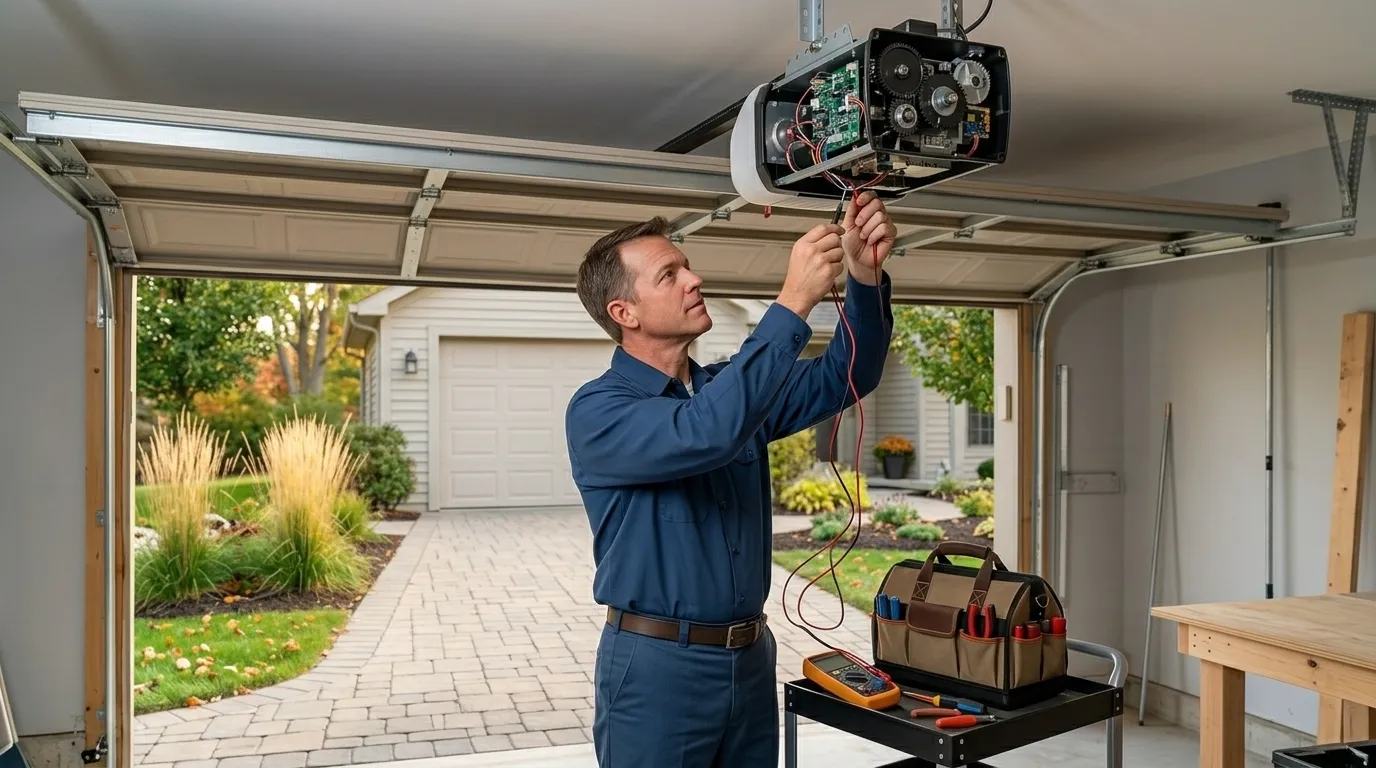
A technician tests the door under power and by hand and finds what actually failed.

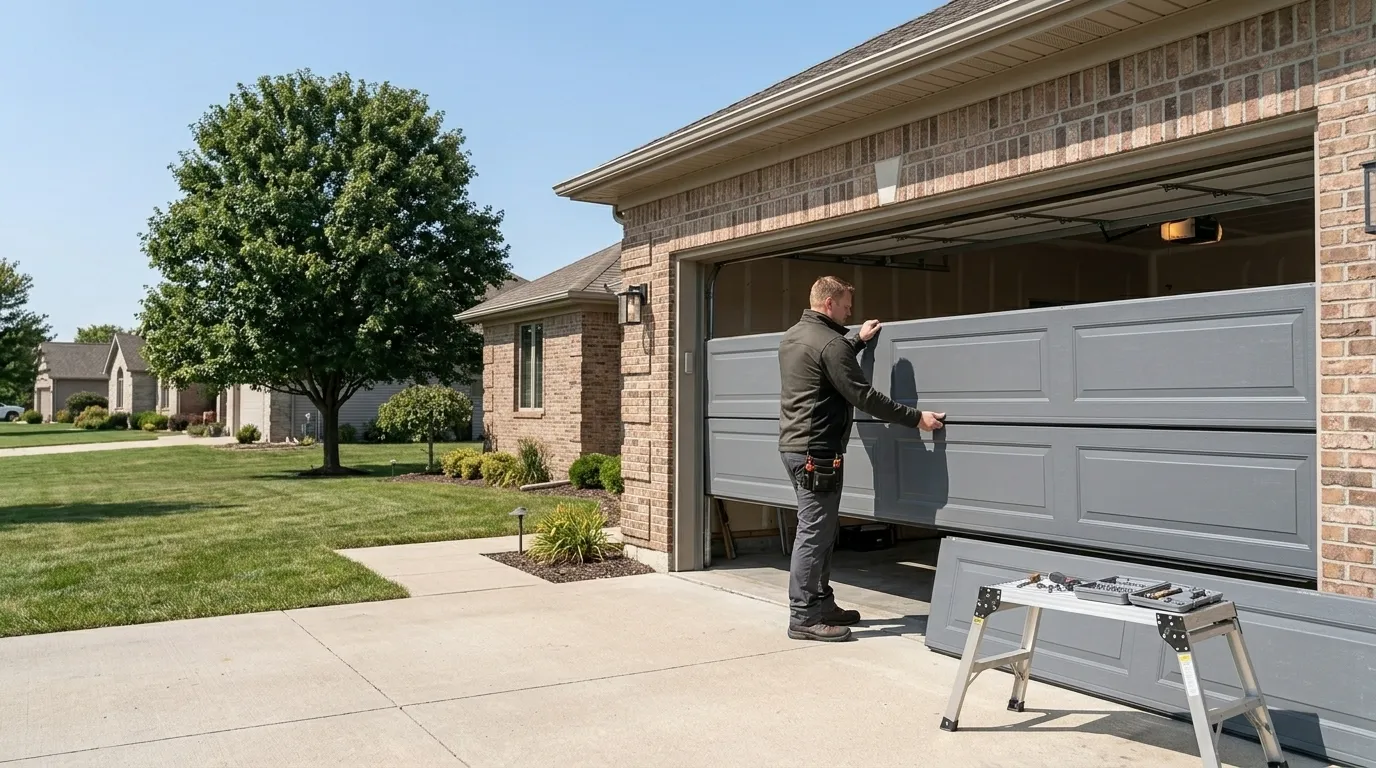
Clear, up-front plan - Hesperia garage door service

Clear, up-front plan

You get the fix that’s needed and what drives the cost - before any work starts.

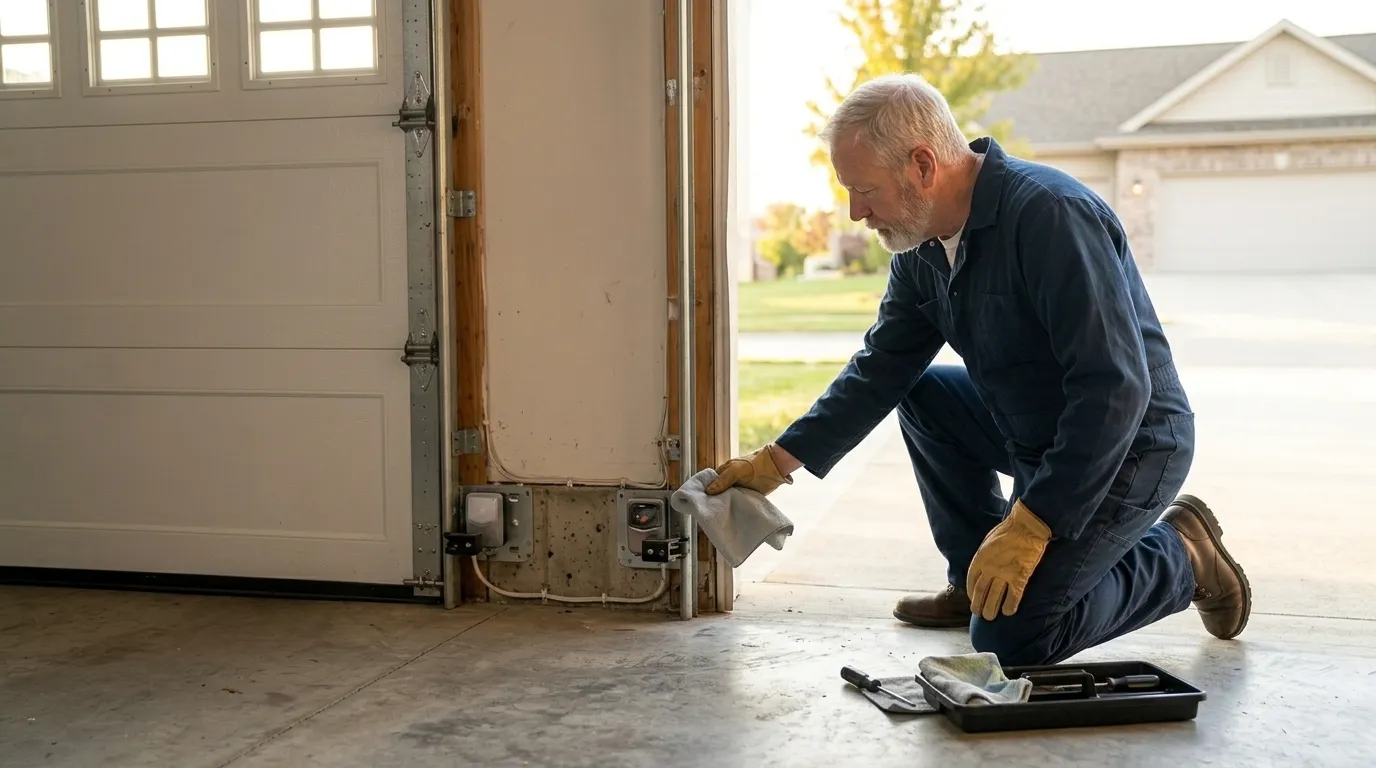
Repaired & tested - Hesperia garage door service

Repaired & tested

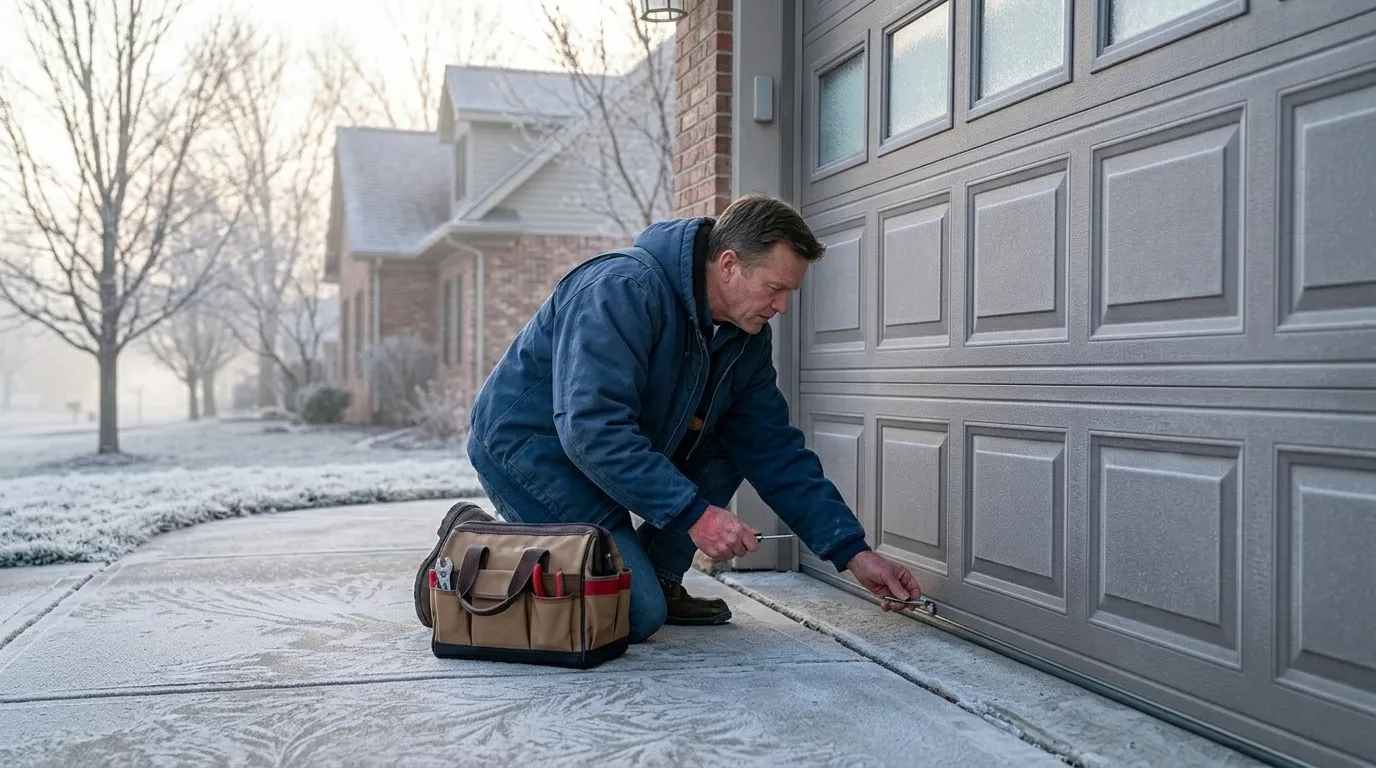
The repair is done, the door is set true and tested, and the work area left clean.

Serving Hesperia, CA - tell us what your door’s doing and we’ll take it from there.

How we work

What to expect

Diagnosis firstEvery visit starts by finding what actually failed - not a pre-written parts list.
The right part for the doorSprings and openers matched to the door’s weight and age, so the fix holds up.
Straight answersWhen a repair makes more sense than a replacement - or the reverse - you hear it plainly.
Clean, careful workTension released safely, hardware set true, the door tested under power before we leave.
Questions

Frequently asked

Straight answers about garage door repair in Hesperia. Still unsure? Ask us directly.

Why does my garage door bind only in certain spots?

On older Hesperia houses, especially those from the earlier part of the 1958-1997 build range, the steel track can develop a slight bow after decades of thermal expansion and contraction. The door catches at that one point every cycle. It's rarely the whole track - usually just a section near a bracket that's worked loose.

Is my spring original to the house?

If your house was built mid-range, around the 1986 median, there's a decent chance the spring has been replaced at least once. Original 1960s and 70s single-spring setups are less common now but still turn up. We can't tell you the exact age by eye - that takes an in-person look at the coil and hardware.

Does Hesperia's climate wear out garage doors faster?

Not dramatically - the area sits in a moderate-heat band, not an extreme one. But daily swings between hot days and cooler nights cause steady expansion and contraction in steel track and brackets, which loosens fasteners over years. It's slow wear, not storm damage, which is why it often goes unnoticed until the door starts sticking.

Should I replace or repair my door?

It depends on how old the underlying hardware is, not just the door panel. Houses with original track from the earlier end of the 1958-1997 range often make more sense to replace outright rather than keep patching part by part. Newer stock closer to the 1986 median usually just needs targeted repair. We'll tell you honestly which situation yours is.

Ready to get your garage door sorted?

Tell us what it’s doing and where you are in Hesperia - we’ll take it from there.

4Services offered
13Areas covered
Diagnosisfirst, then the fix
Request a QuoteCall