Common Jobs Here
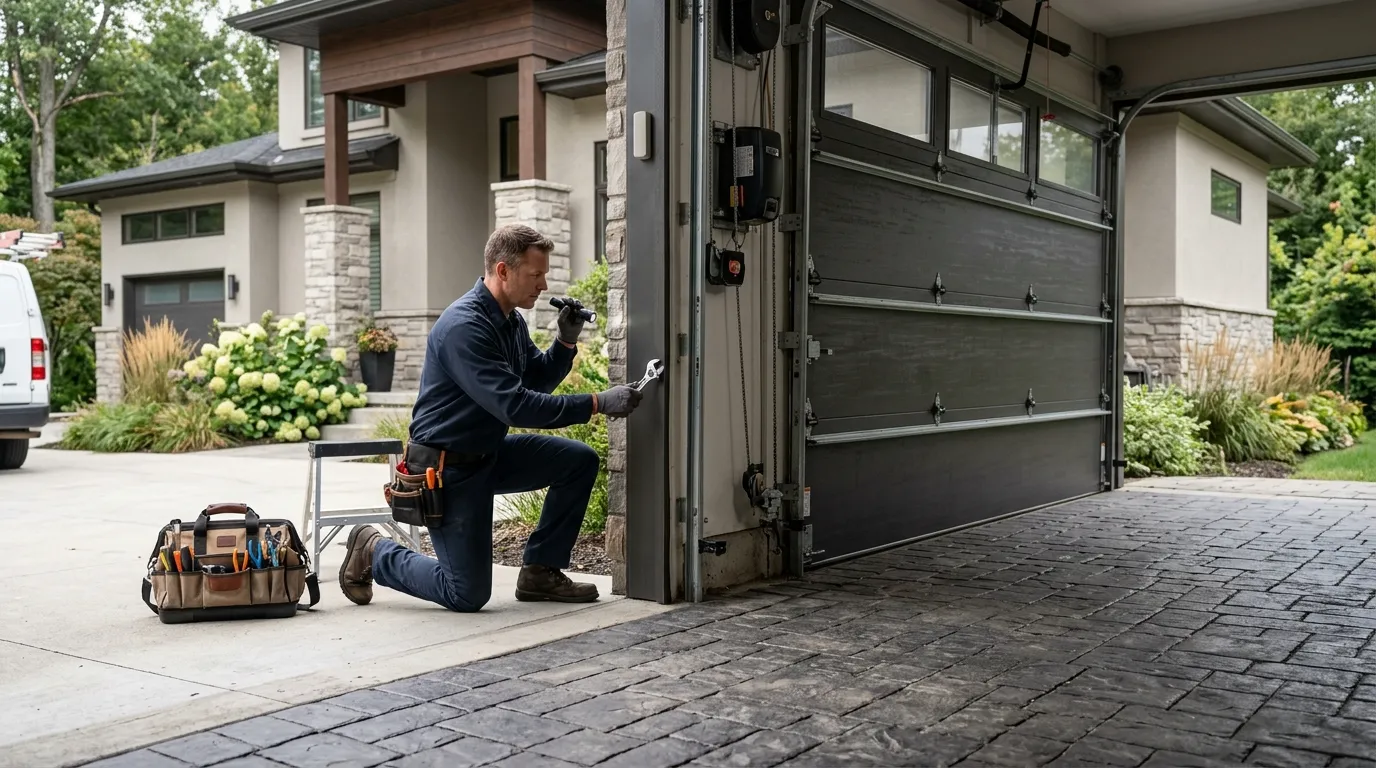
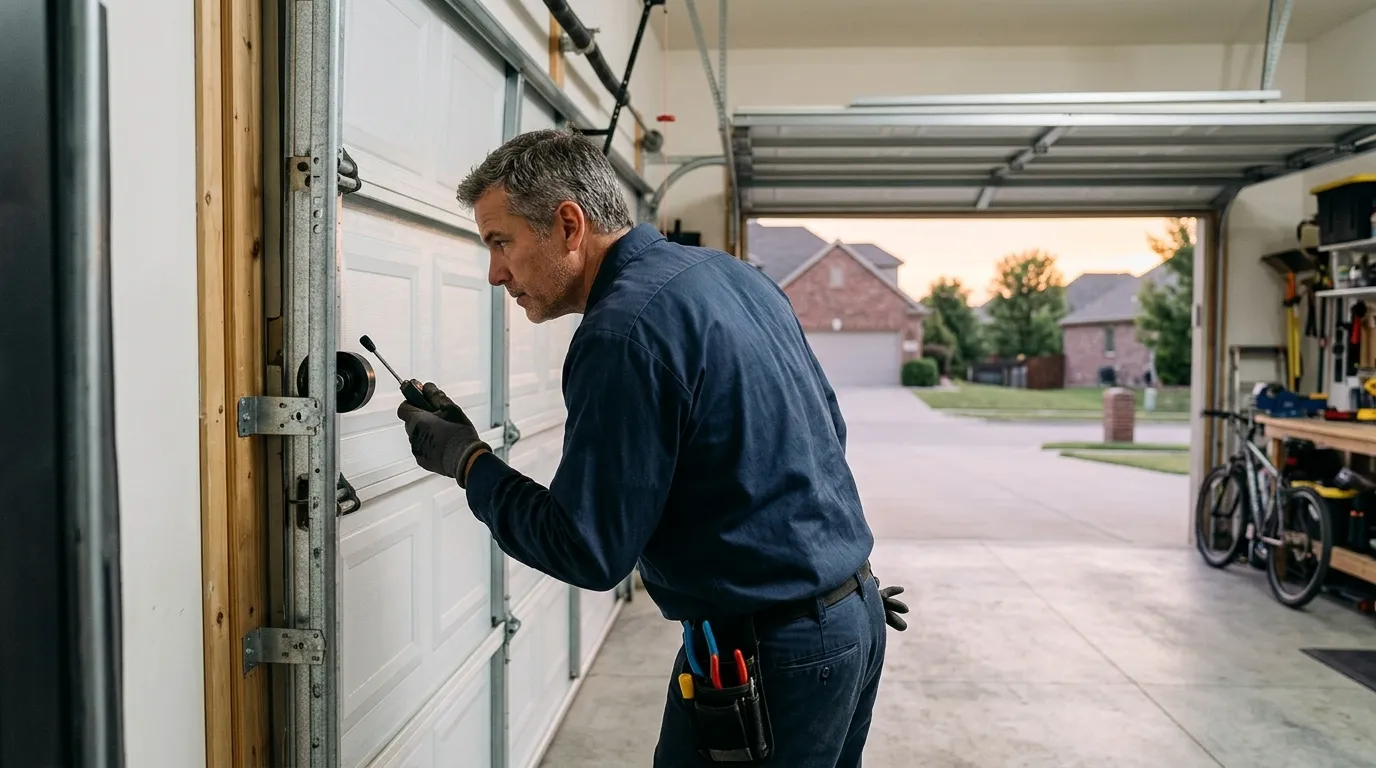
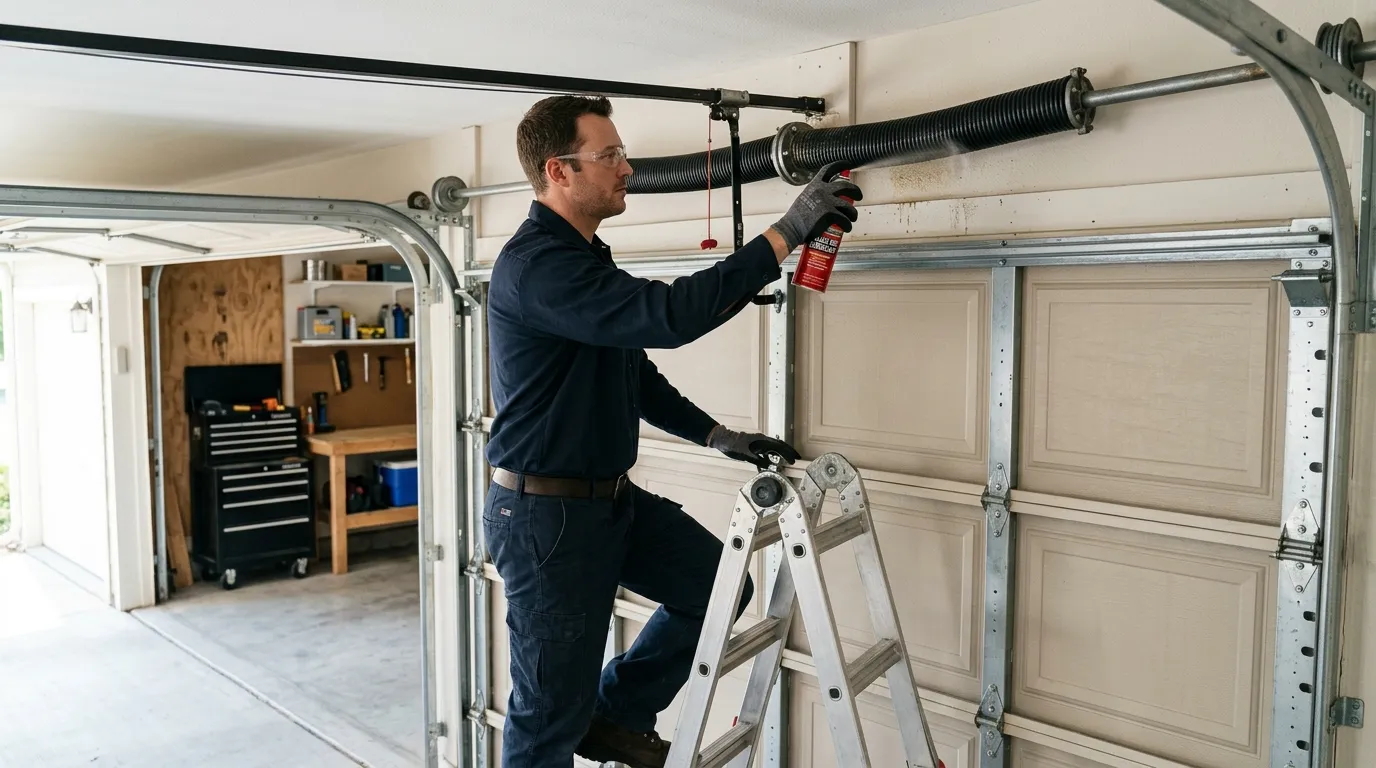
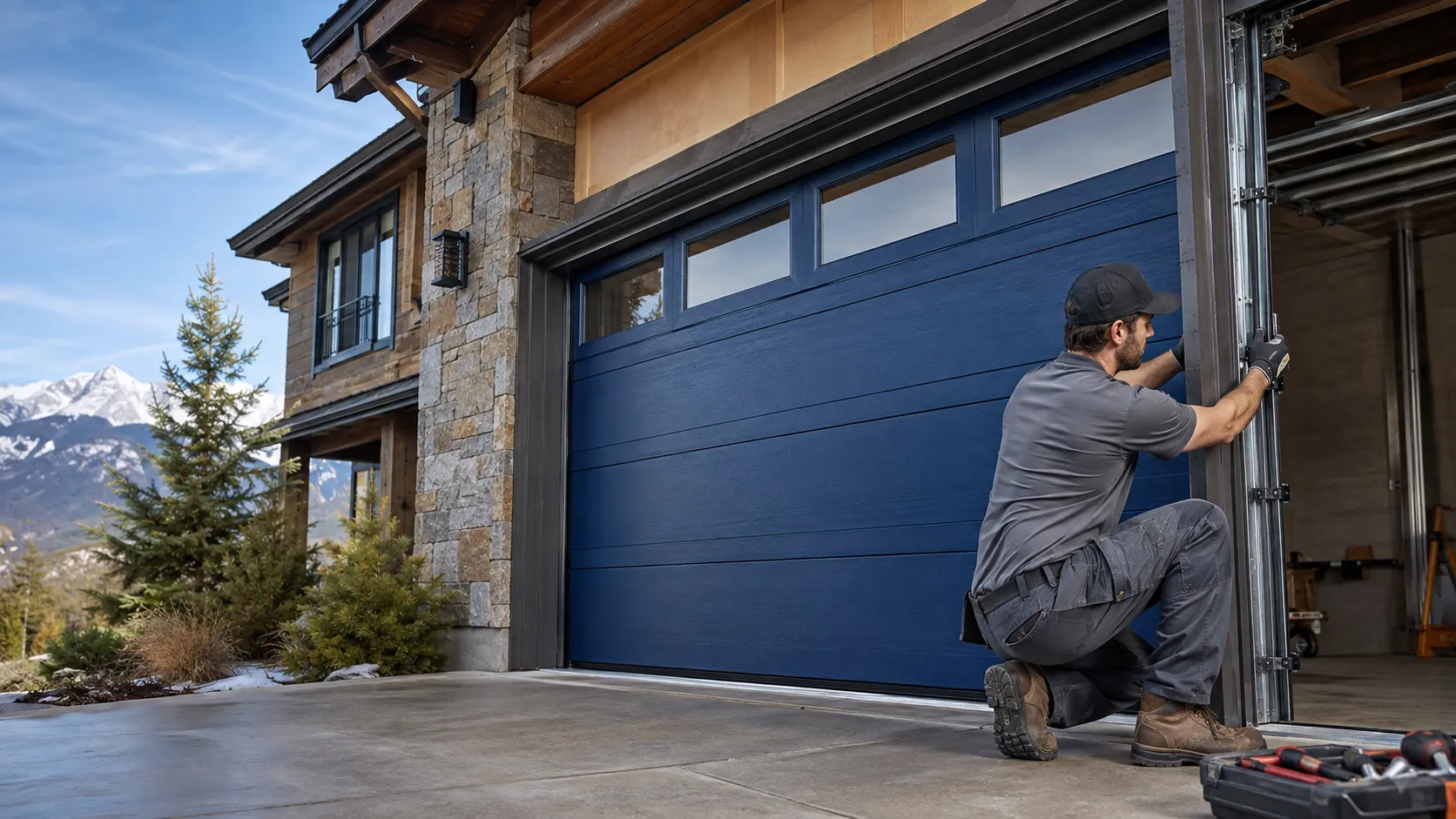
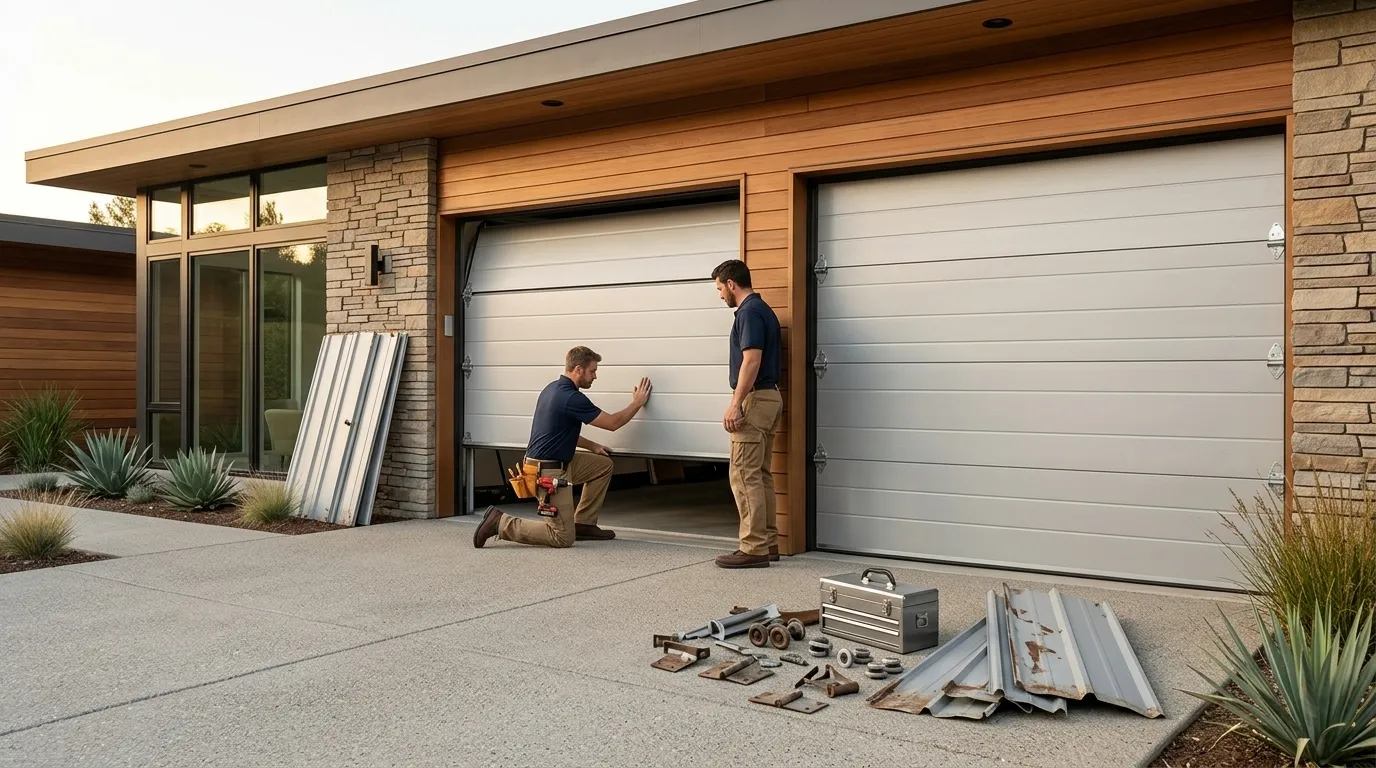
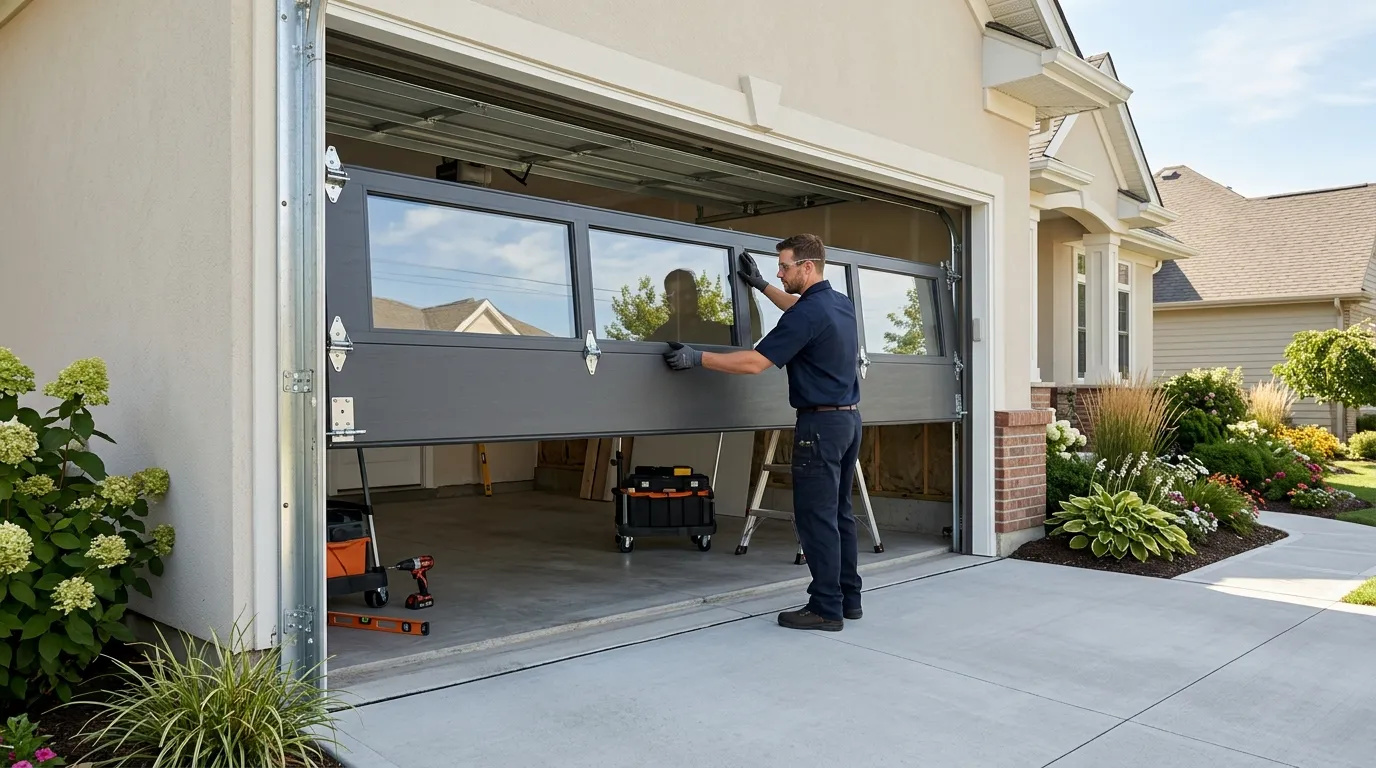
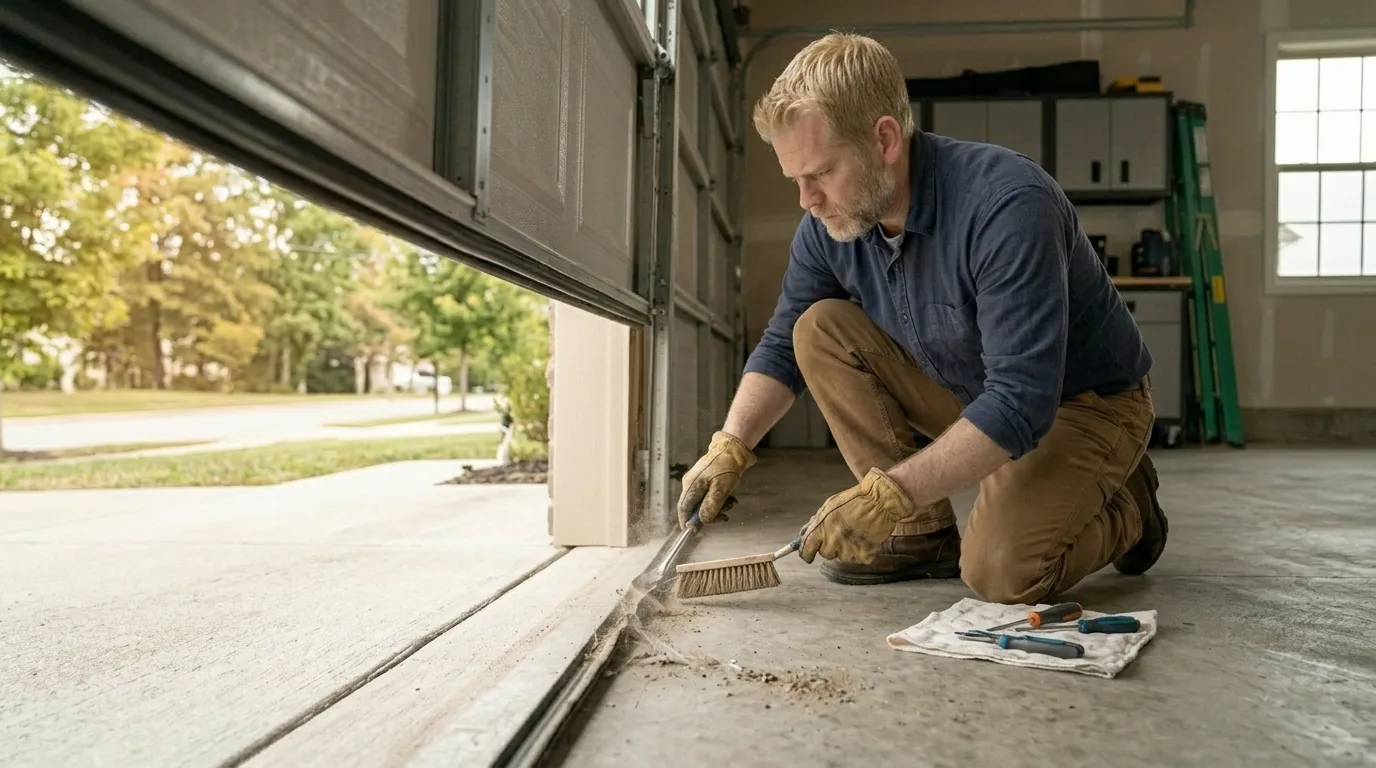
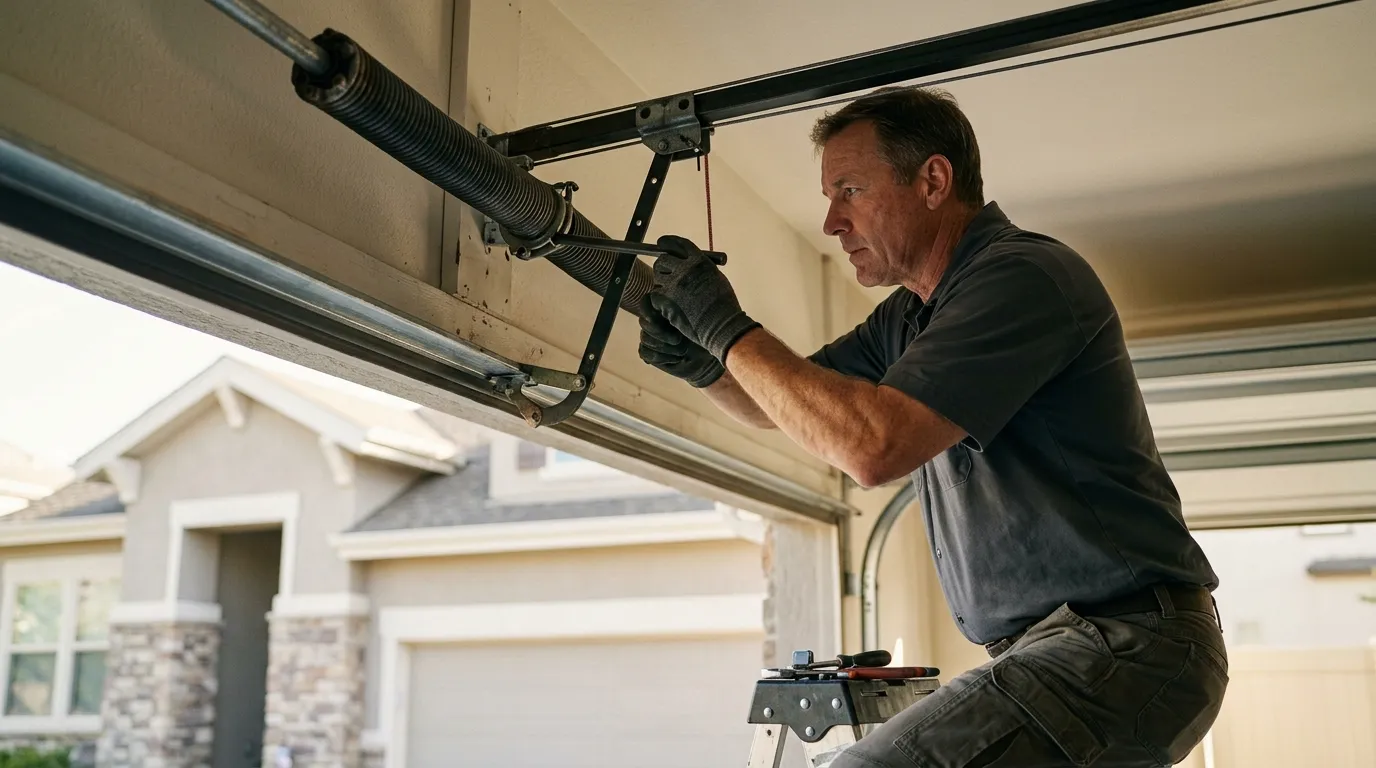
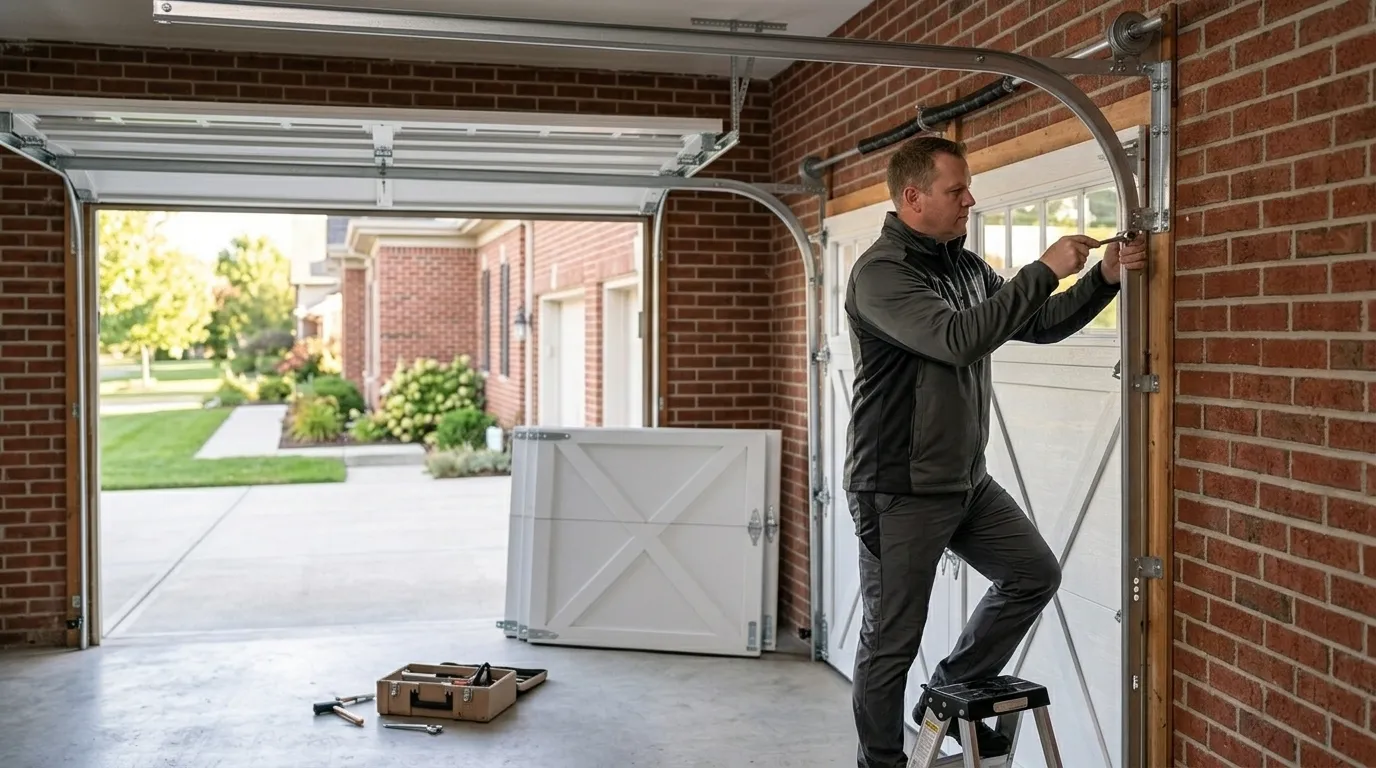
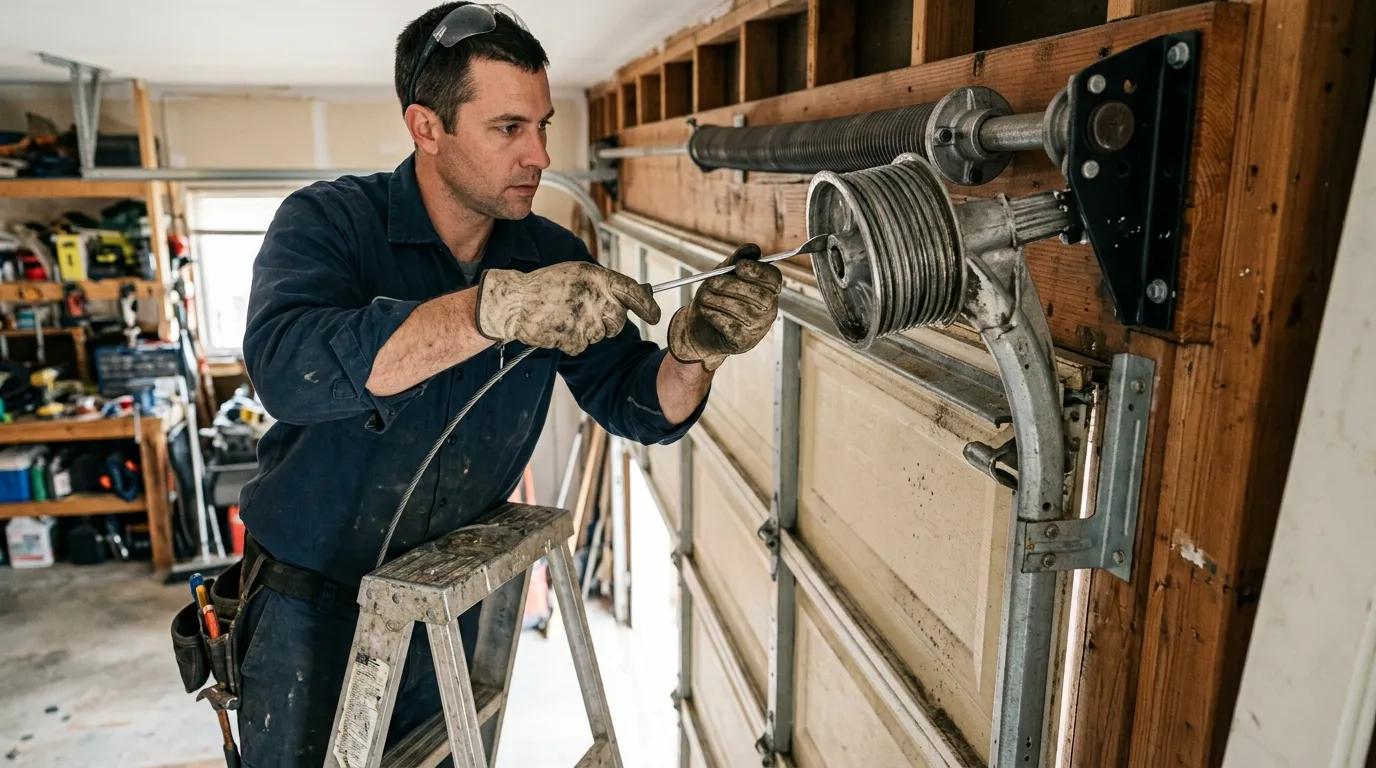
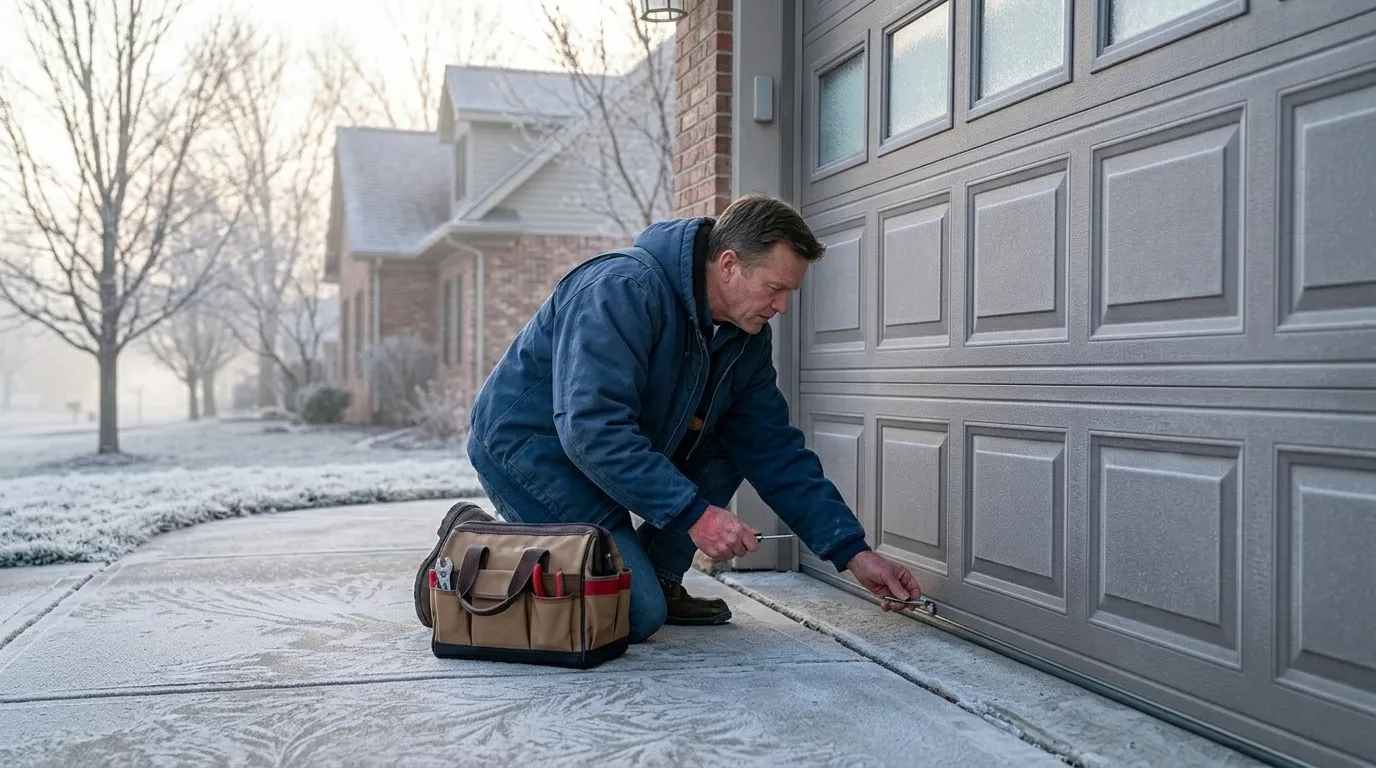
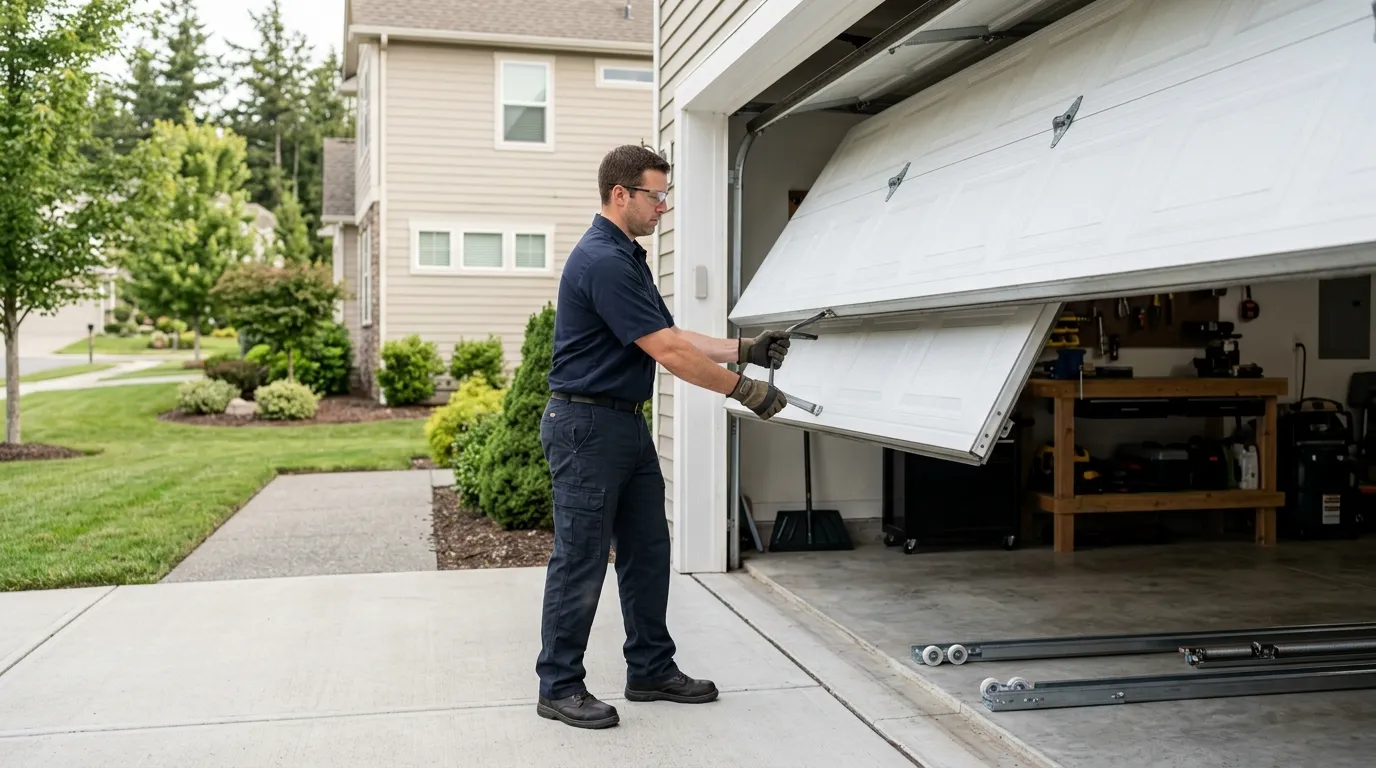
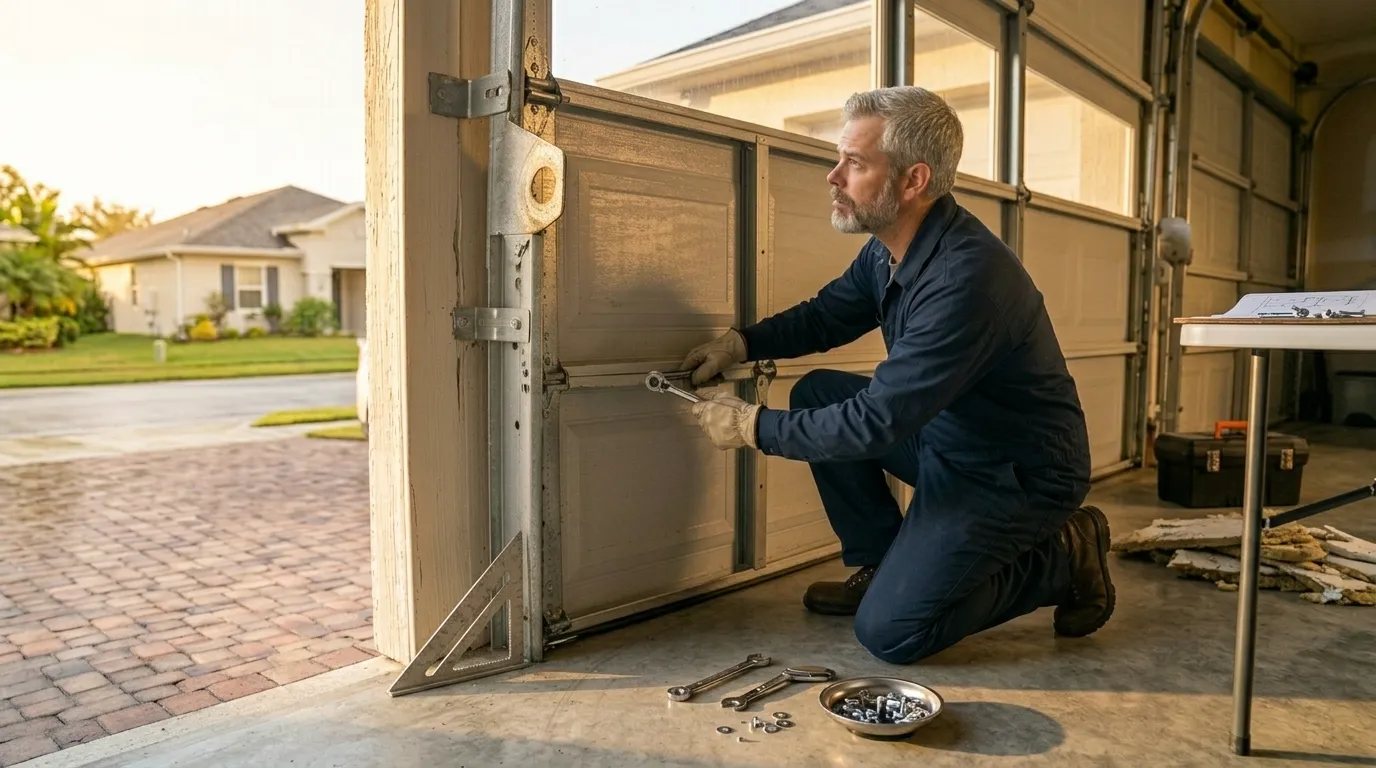
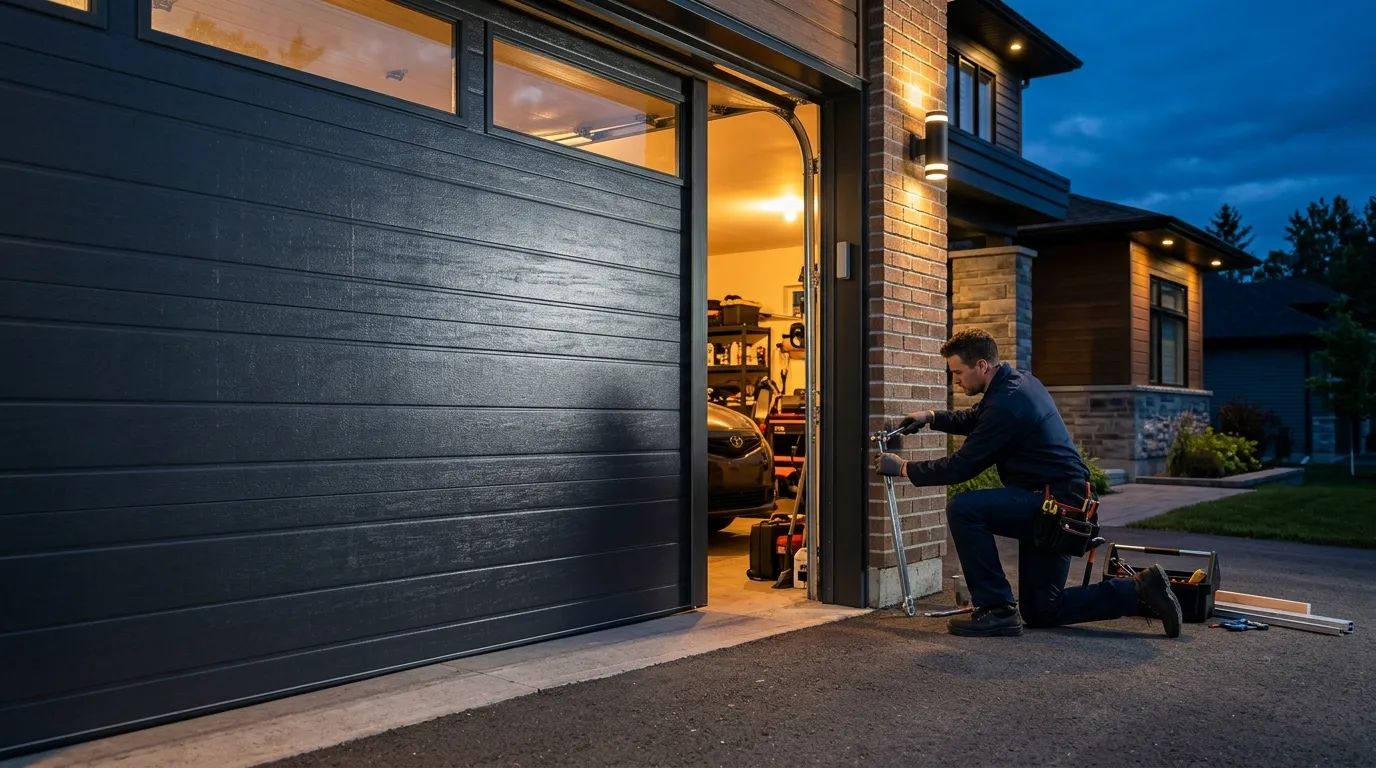
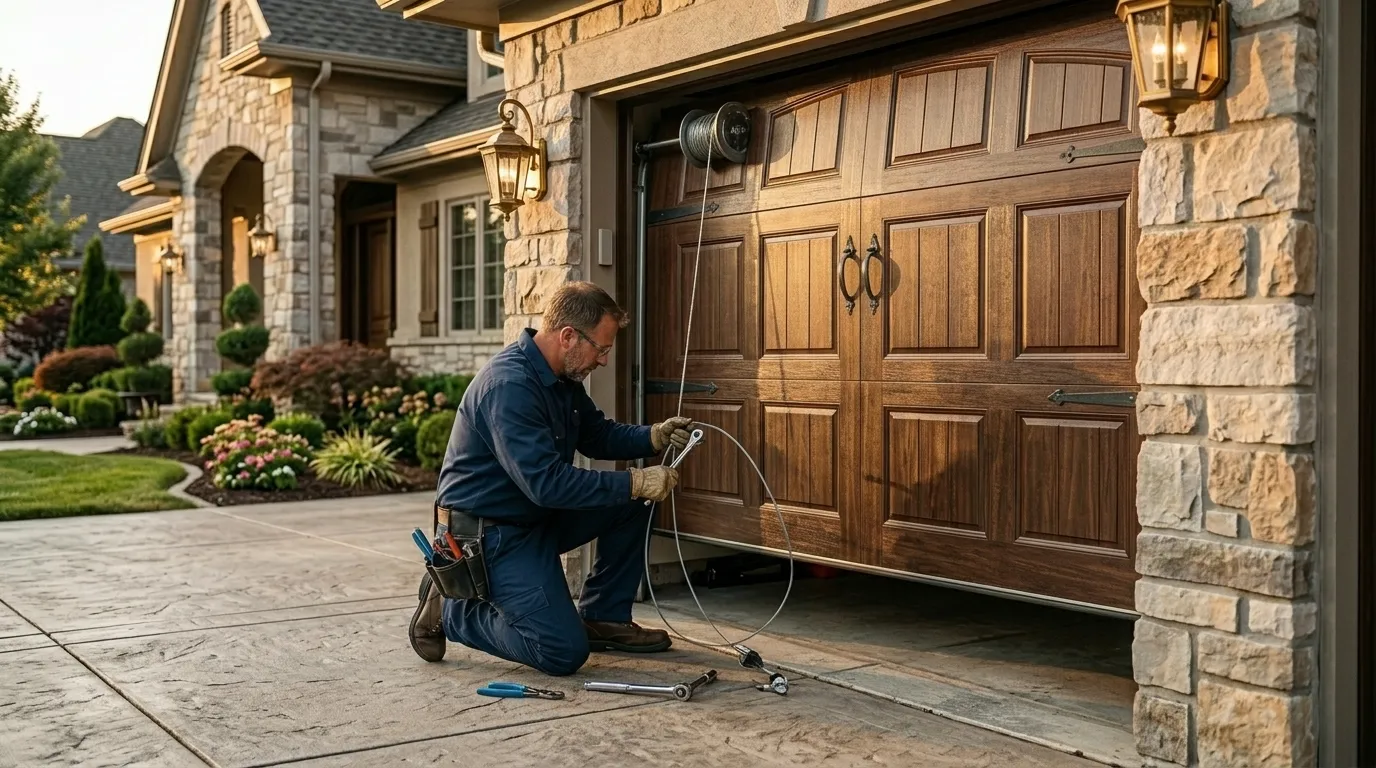
Lake Arrowhead sits about 13 miles from our Hesperia shop, and the calls we get from up here skew older than what we see closer to home. A lot of these houses were built around 1977, which puts the garage door and opener hardware into an era we know well: extension springs mounted along the horizontal tracks rather than torsion bars over the header, and openers that have usually been swapped out once or twice already since the house was new. We see snapped extension springs, worn pulleys, and safety cable kits that were never added when they should have been (a lot of pre-1993 openers didn't come with them standard). We also get panel and roller replacements on doors that have taken decades of mountain weather. Torsion conversions come up too, when a homeowner is tired of replacing extension springs every few years and wants the smoother, longer-lasting setup instead. It's less about brand-new smart openers up here and more about keeping older systems safe and running, or converting them to hardware that holds up better long-term.
What Was Built Here
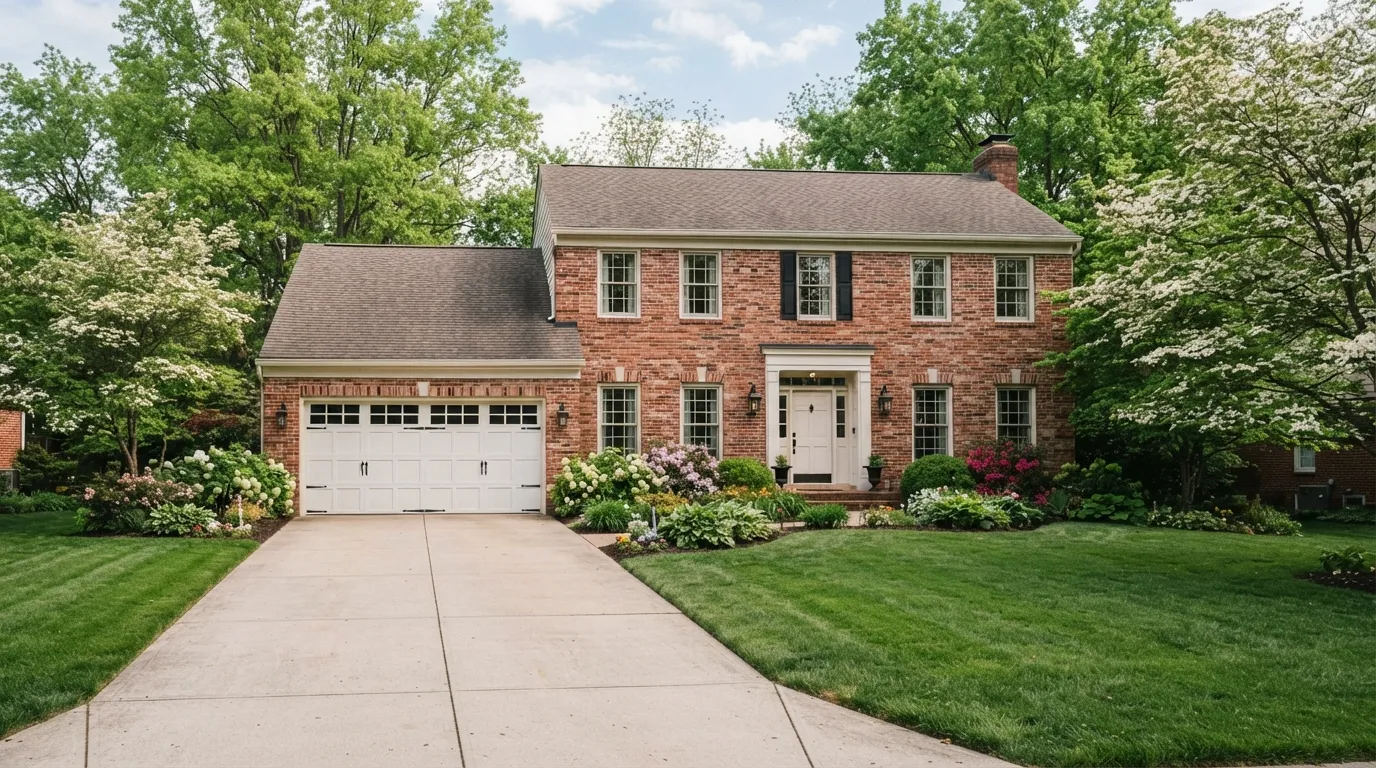
Median build year in Lake Arrowhead runs around 1977, close to a decade earlier than the median across the wider Hesperia service area (1986, per F1). That gap matters more than it sounds like it should. A house built in the late 70s was very likely fitted with an extension-spring door system as original equipment, not the torsion-spring setup that became standard on most tract construction later in the 80s and 90s. With roughly 4,461 households in this area, that's a meaningful concentration of homes still running on original or first-generation replacement hardware, some of it now approaching or past fifty years old. Median household income here runs higher than the broader service area, at $88,147 versus $79,378 - which we mention only because it tends to track with owners who want a proper hardware upgrade done once rather than another patch job. Older doors aren't automatically bad doors, but they do need someone who still knows how to work on extension-spring systems and older opener chassis, not just current-model torsion setups.
What That Means for Doors
Put the build year and the drive together and you get a specific kind of job up here: repairing or converting extension-spring systems on doors that are pushing forty-plus years old, on a schedule that accounts for a 13-mile trip each way. We'd rather diagnose accurately over the phone first - spring type, opener age, whether the door is original - so the truck arrives with the right parts instead of a guess. Climate load in this service area runs in the moderate-heat band, which isn't the extreme swings some regions deal with, but heat cycling still dries out old lubrication and stresses aging cable and pulley setups faster than owners expect. One honest limitation: on some older extension-spring doors, by the time the springs, cables, and pulleys all need replacing at once, converting to a torsion system costs about the same as a full repair and lasts a lot longer - we'll tell you when that's the better call instead of just replacing what's broken.