The Situation
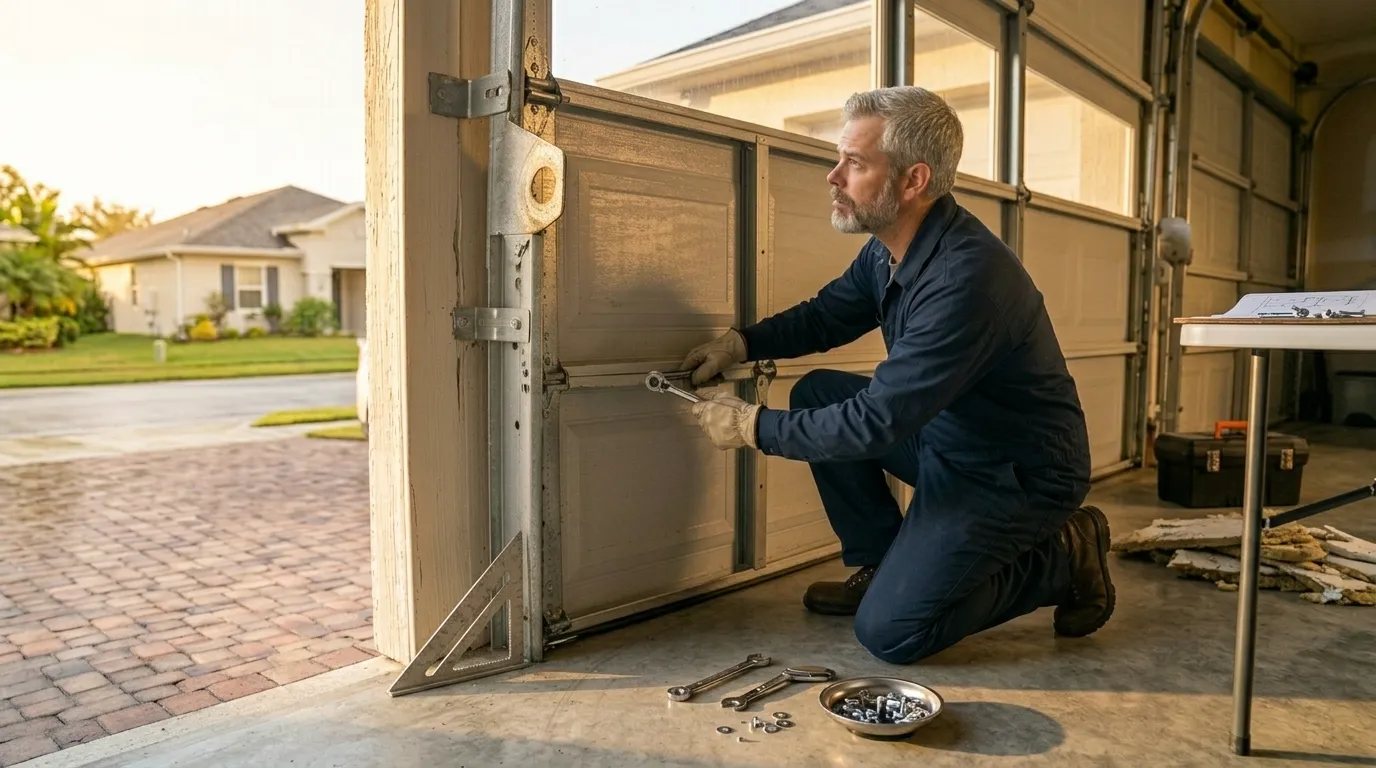
Most of the housing stock we work on in the Hesperia service area went up between 1958 and 1997, with 1986 as the median build year. That's not a small range - it means a lot of doors on a lot of streets are still running hardware from that era, sometimes original, sometimes a first replacement from the 1990s. Across the roughly 90,664 households and 60,965 owner-occupied houses in the wider area we cover - Oak Hills, Spring Valley Lake, Mountain View Acres and the rest out to Rialto - the pattern repeats: a door that's thirty-plus years old, on hardware that was standard for the decade it went in, making a noise the owner has learned to live with. That noise usually isn't random. A door built to 1980s spec has a specific set of parts that wear in a specific order, and the sound it makes tells you which part is on its way out before it fails completely. The point of this page isn't to scare you into a service call. It's to help you tell the difference between a noise that means "add this to the list" and one that means "stop opening this door today."
The Cost of This Job
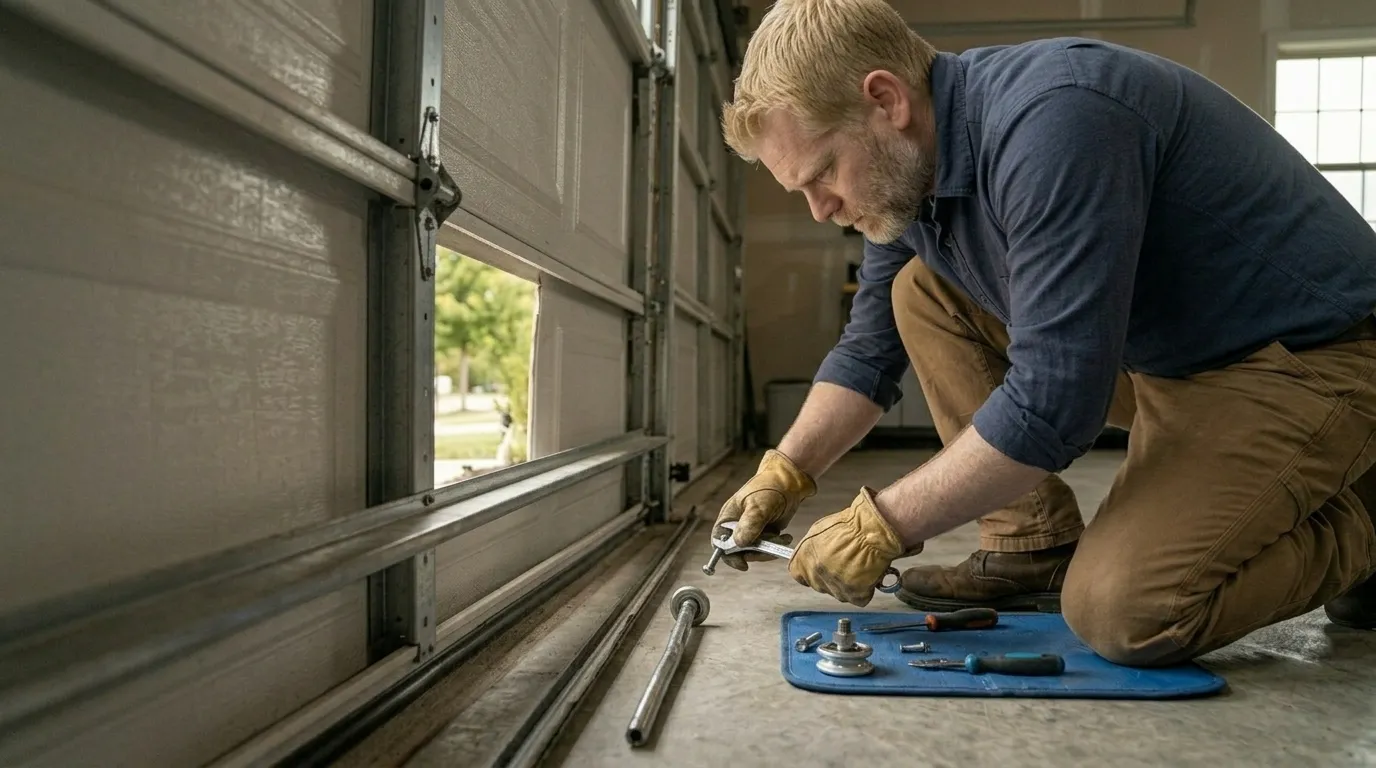
We don't post flat prices here because the honest answer is "it depends on what's actually wrong," and guessing at a number before we've seen the door does nobody any favors. What we can tell you is how households in this area tend to make the call. Median household income across the service area sits at $79,378, and at that income level, the repair-versus-replace decision usually comes down to age and how many other parts on the door are also original. If your door dates to the 1980s or early 1990s median build years, a spring or roller fix might buy you a few more years - but if the opener, track, and hardware are all from the same install, stacking small repairs can end up costing more than one clean replacement. Our honest limitation: some hardware from that older stock is no longer made, and if a part has to be sourced rather than pulled off a shelf, that adds time to the job. We'll tell you upfront if that's the situation rather than let you wait and wonder.
What the Weather Here Does to It
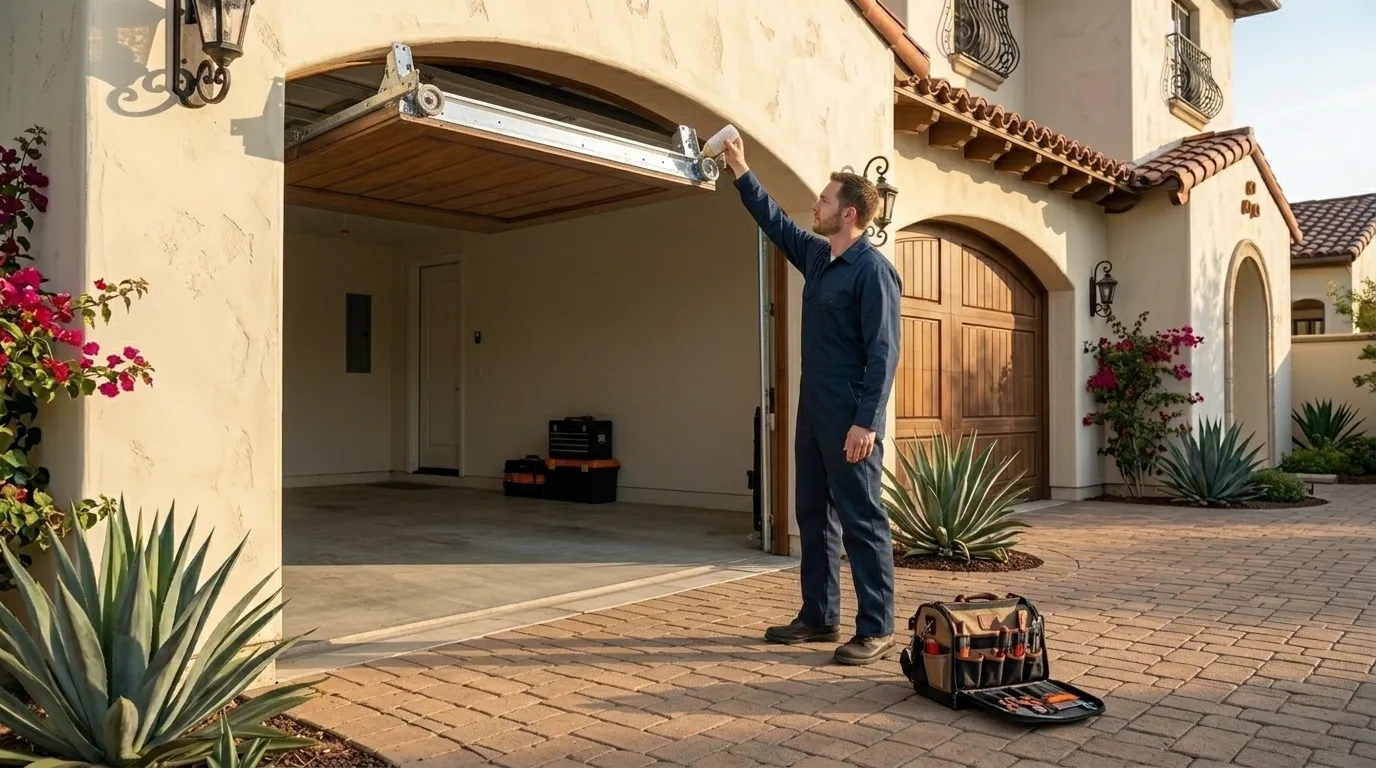
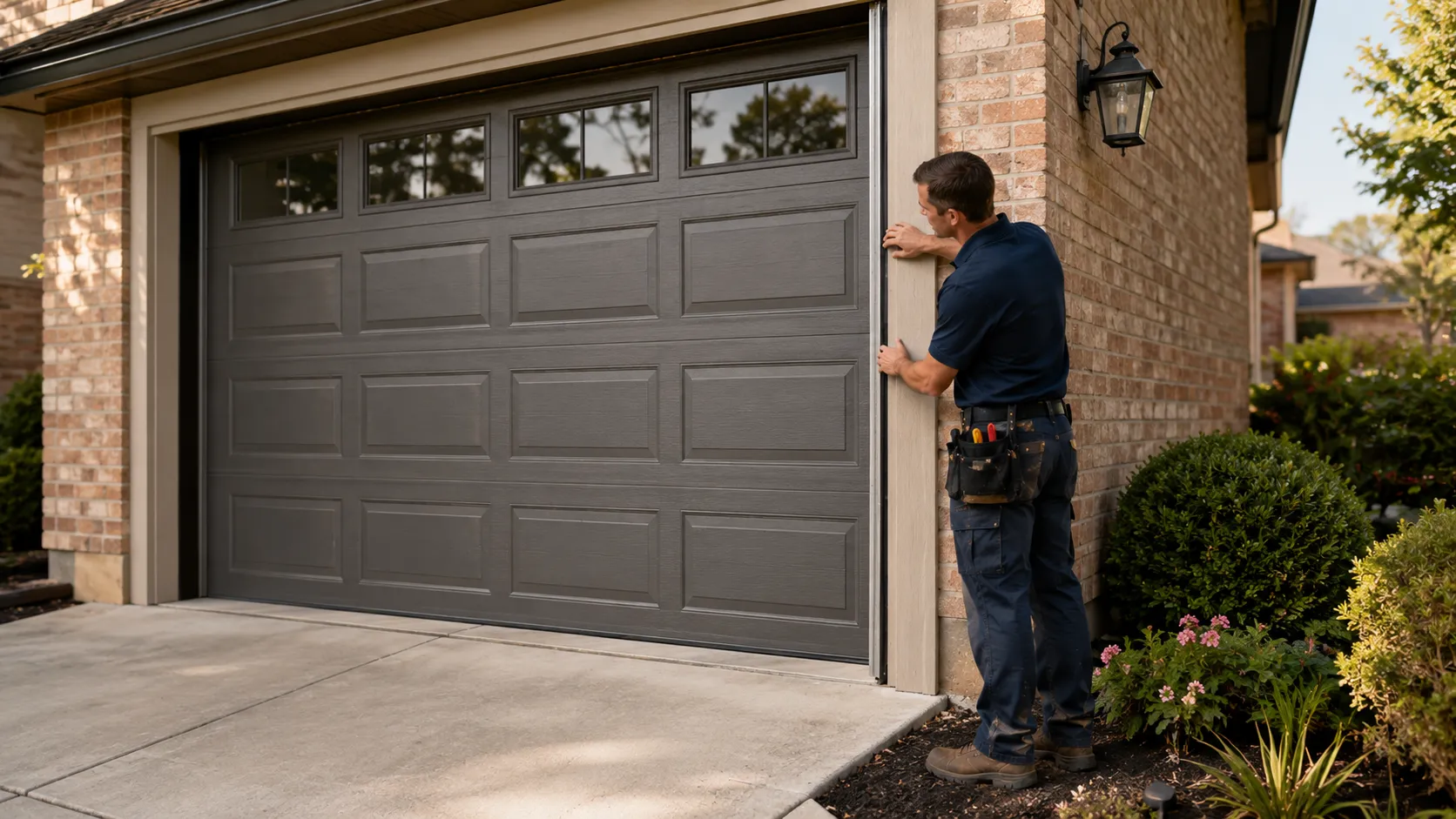
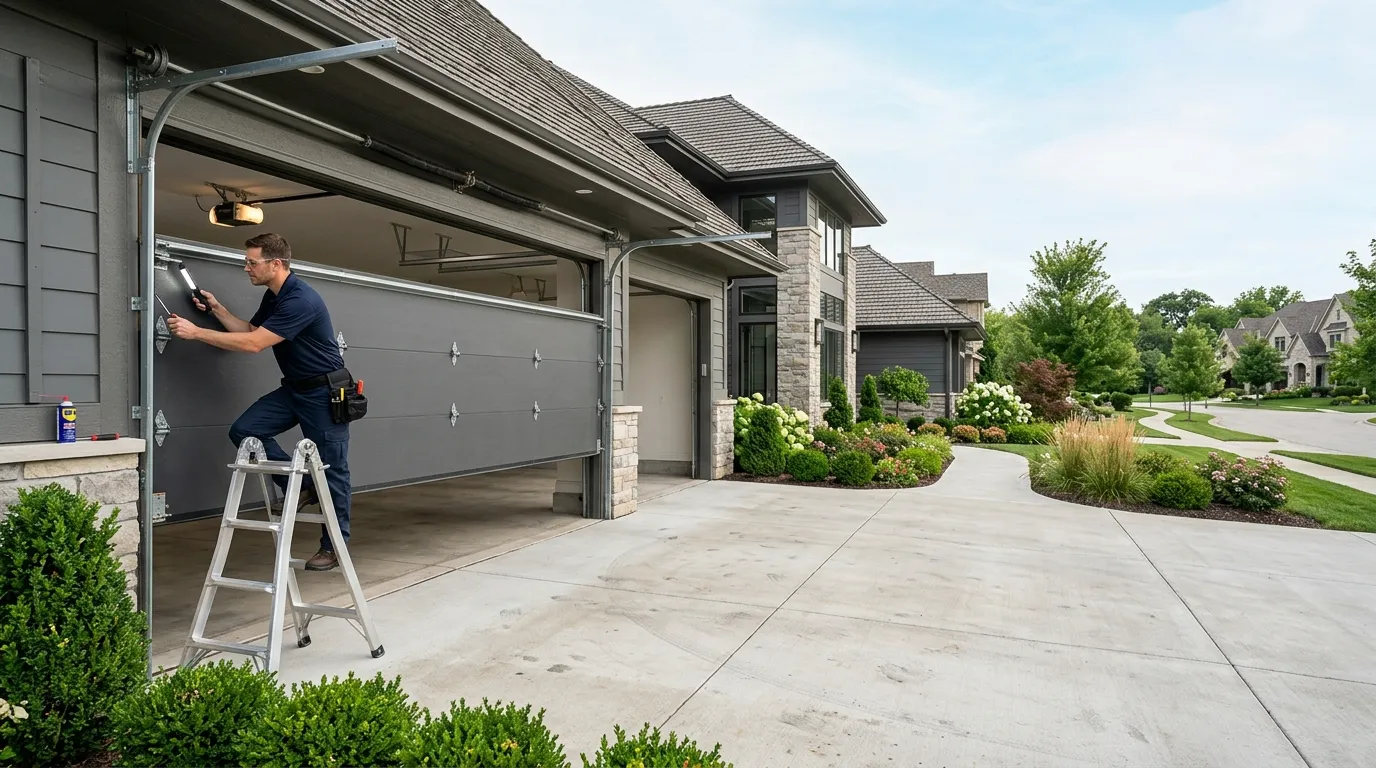
Hesperia sits in a moderate heat climate band, which is friendlier to garage door hardware than a lot of the country but still not neutral. Sustained heat thins out standard lubricant faster than it would in a cooler climate, so a door that was quiet in spring can start squealing by mid-summer simply because the grease on the rollers and hinges has thinned past the point of doing its job. Heat also expands steel tracks slightly, and on a door where the track alignment was already borderline - common on the older end of our 1958-1997 housing stock - that small expansion is enough to turn a minor scrape into a noticeable grind for a few months a year. Weatherstripping along the bottom panel and sides tends to dry out and crack under repeated heat exposure faster than the door itself wears, which shows up as a new whistling or rattling sound that has nothing to do with the springs or opener at all. None of this means the door is failing - it means the moderate heat band we sit in changes which parts need attention first, and that's worth knowing before you assume the worst.