The Situation
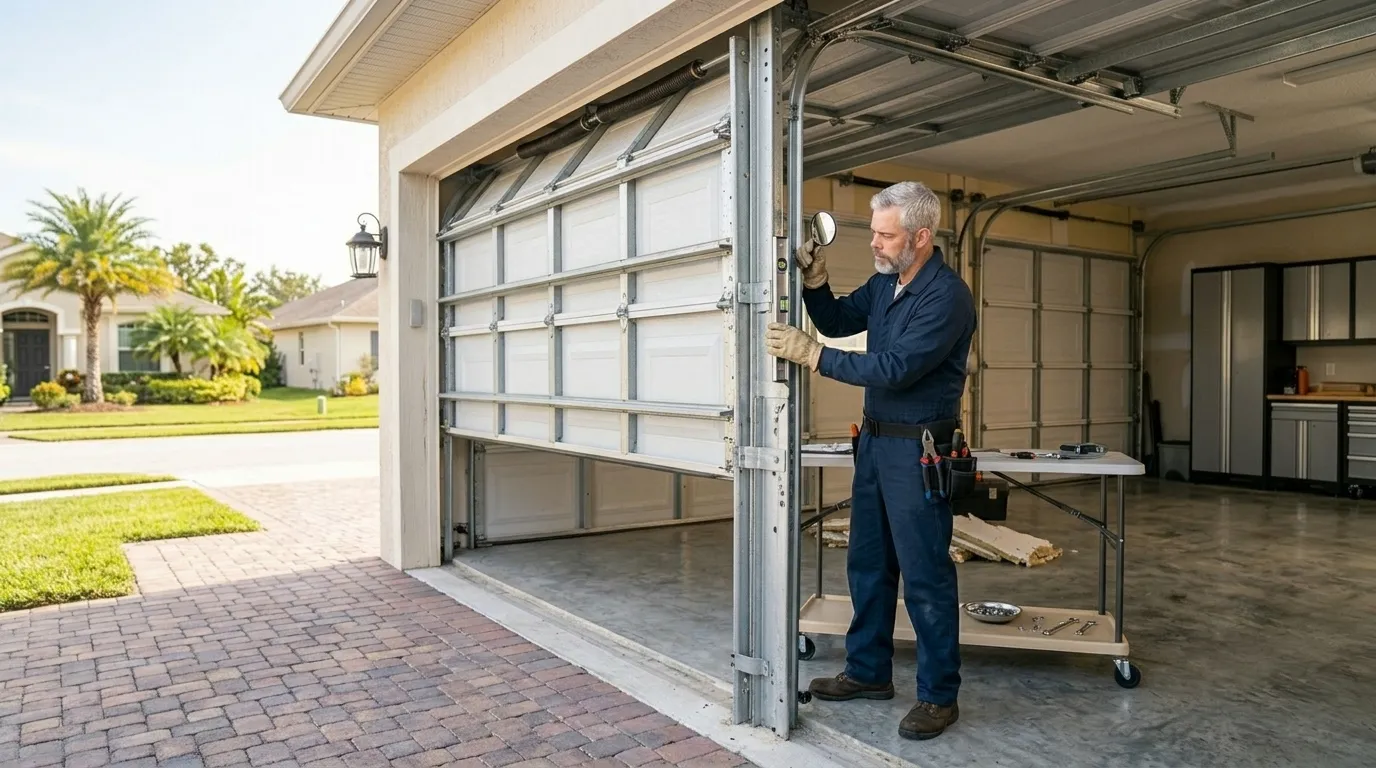
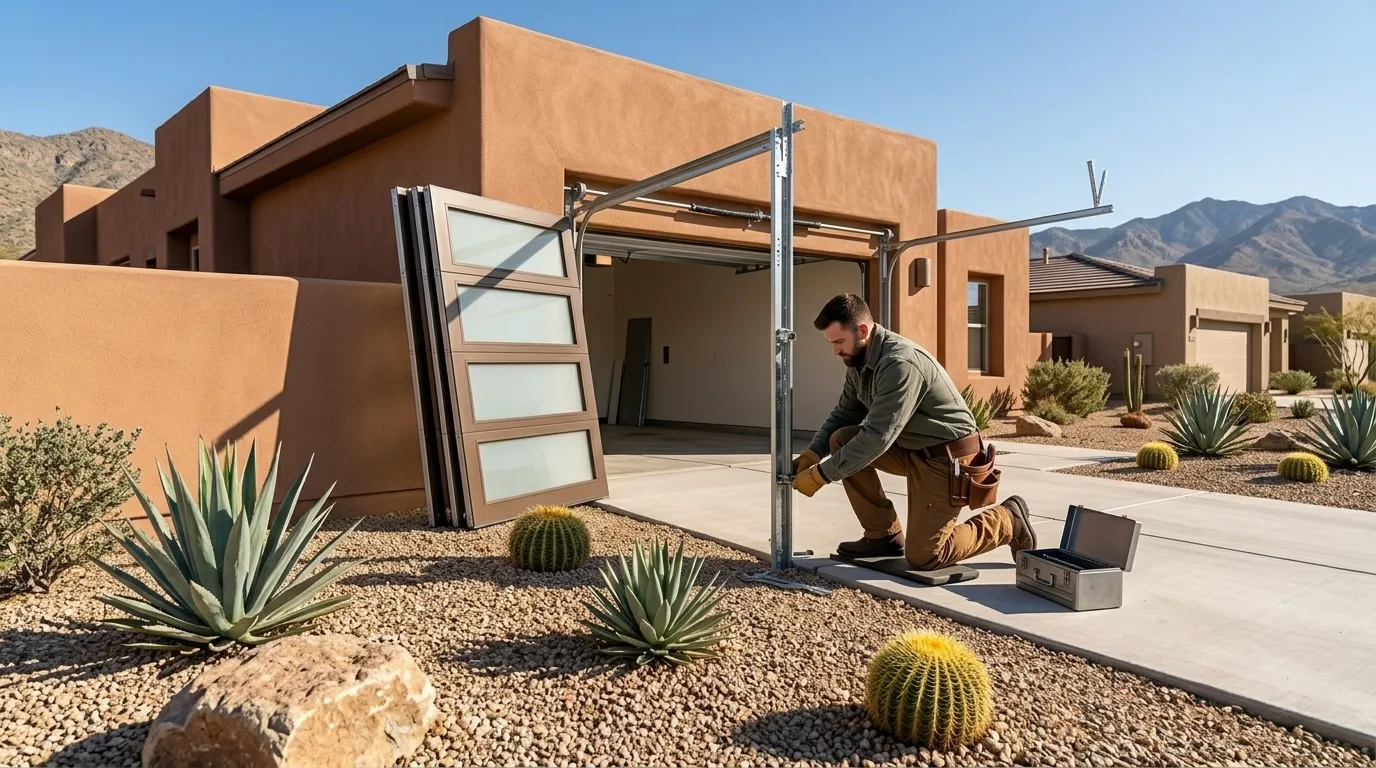
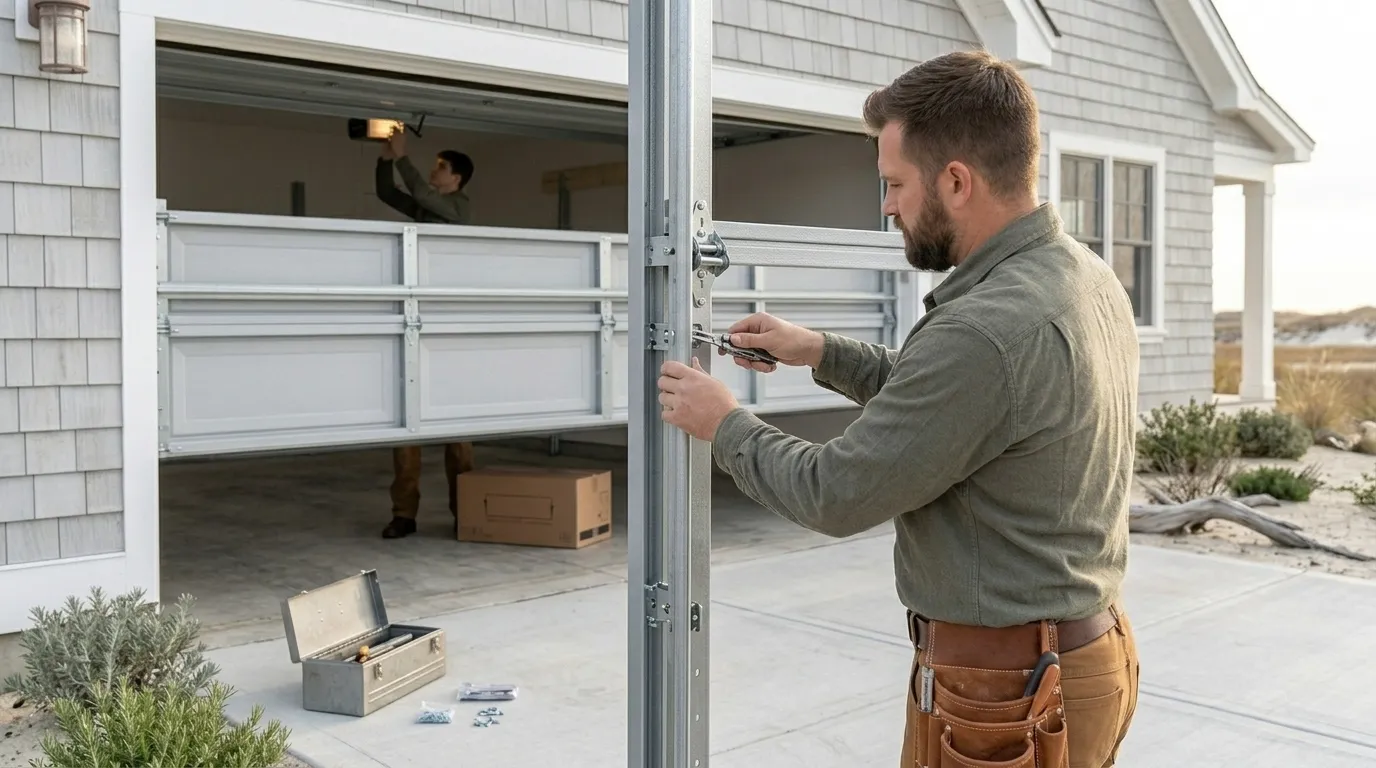
Hesperia's housing stock runs from 1958 to 1997, with the bulk of it going up in the 1980s and '90s and a median build year of 1986. That means a lot of doors on this side of town are pushing forty years old, sitting on the torsion hardware and rollers that came with the house. A door that age has already outlived the 15-to-20-year working life most torsion springs are rated for, and it's likely on its second or third opener if it's had one swapped at all. The question isn't whether the door looks fine from the driveway. It's whether the panel, track, and spring underneath it are original, and whether the parts to keep it running are still around. Across the roughly 60,965 owner-occupied houses in this service area, most still carry the same door-and-opener combination they were built with, which means most of the repair calls we get are on hardware from that same 1980s-90s window. That's the pattern worth knowing before you decide whether to fix or replace.
The Cost of This Job
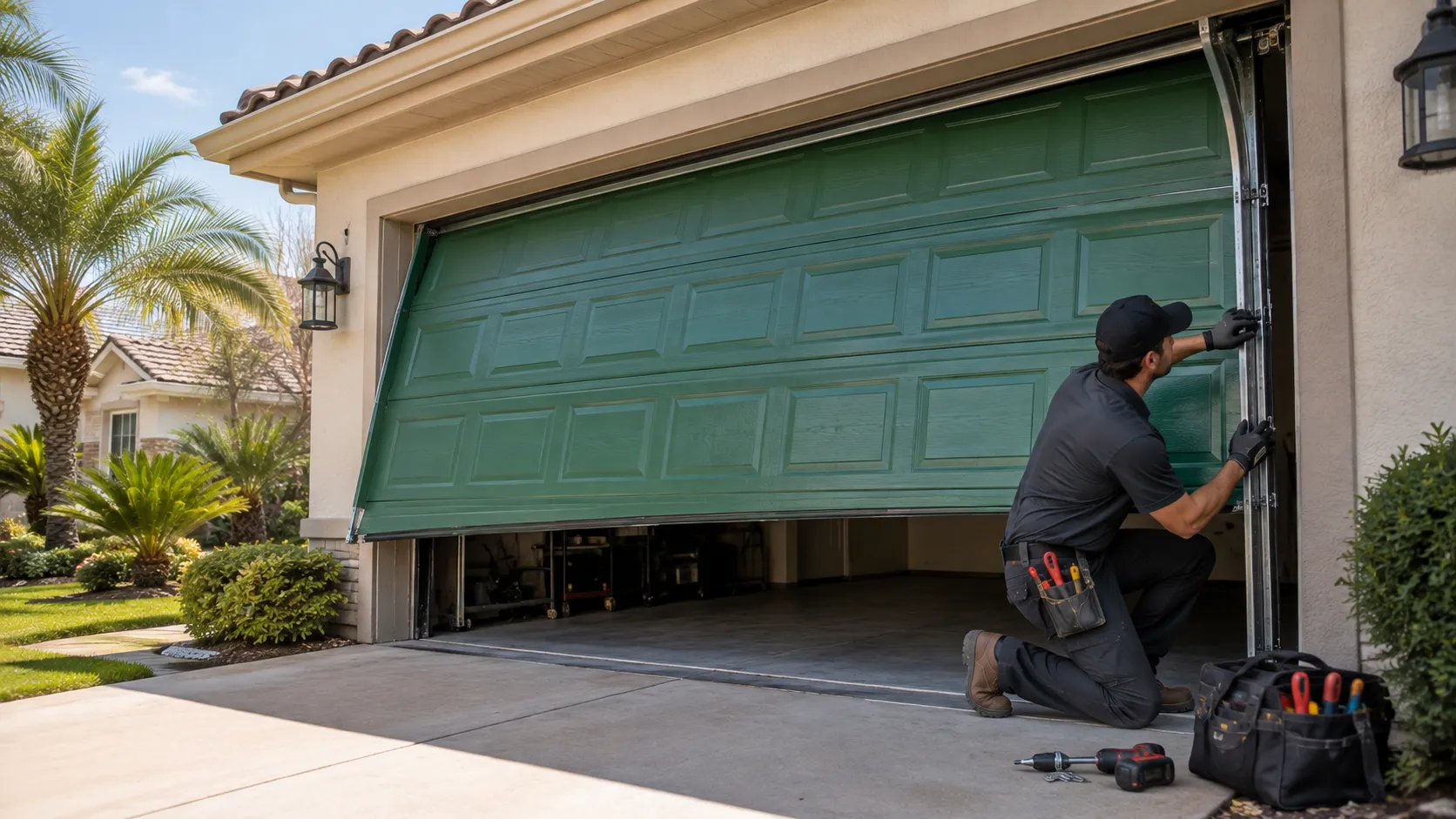
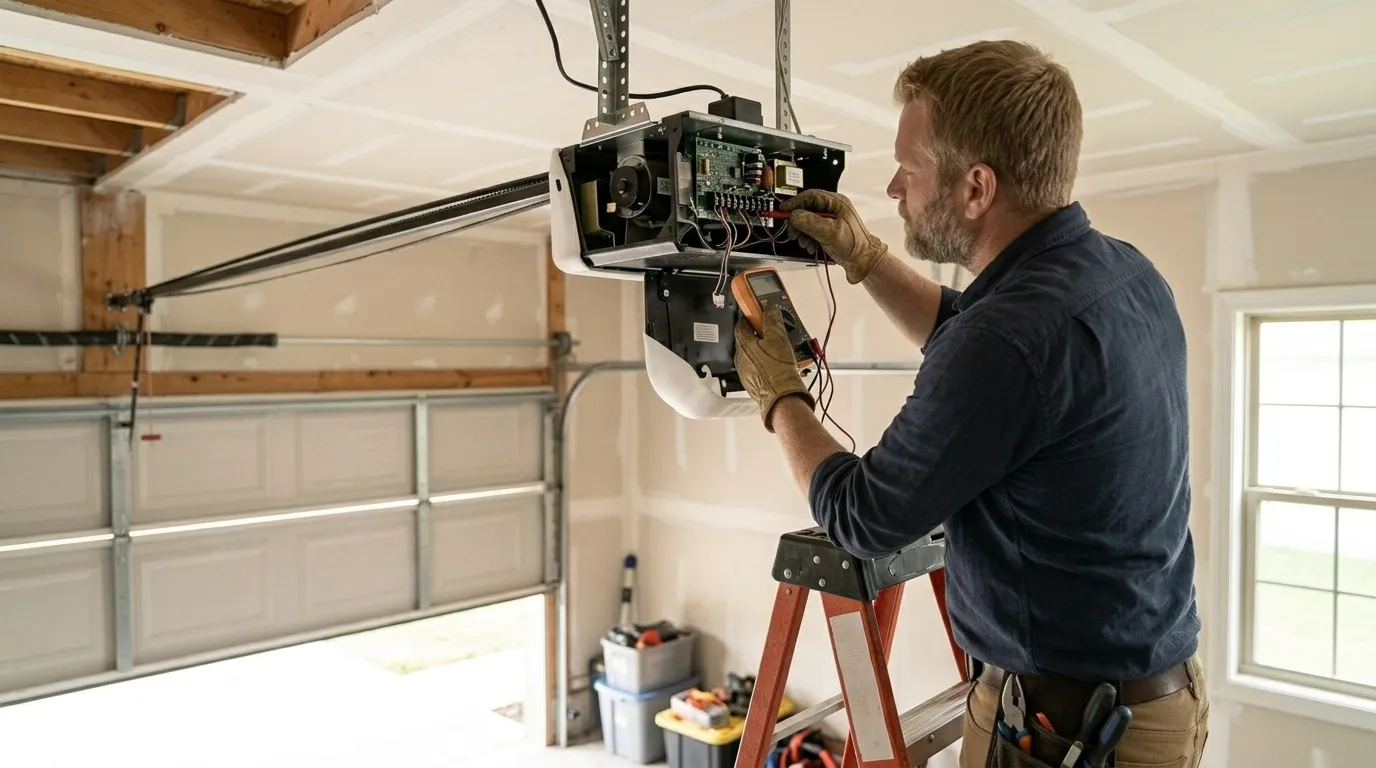
We don't quote a number here without seeing the door, and we're not going to pretend every job costs the same. What we can tell you is how the decision usually gets made. With a median household income of $79,378 across the service area, most owners we talk to are comparing a repair bill against the cost of full replacement, not treating either one as pocket change. A single broken spring or a bent roller on an otherwise sound door is almost always the cheaper fix. Where it gets expensive is when the track has warped enough to bind the door, or the panels themselves are original steel that's rusted through at the bottom - at that point you're paying labor twice, once to patch and once to replace within a year or two anyway. The honest math: if the door is original to a house built in the 1958-1997 range and more than one system on it has failed, put the repair money toward a new door instead. If it's just the spring or the opener, fixing it is almost always the right call.
What the Weather Here Does to It
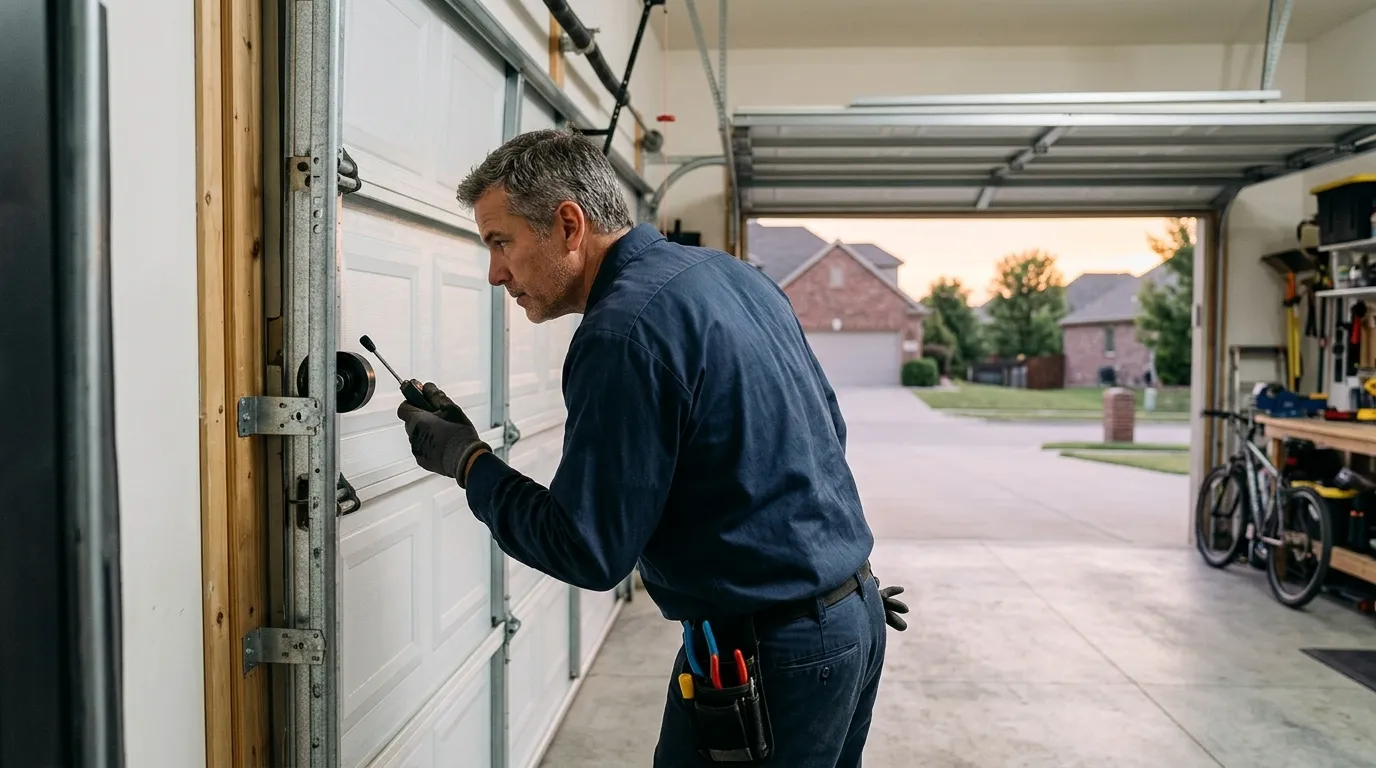
Hesperia sits in a moderate heat climate band, which is easier on a garage door than the extreme heat some desert towns get, but it's not nothing. Steel panels from the 1980s and 90s stock expand and contract through the day, and on an original door that cycling works the seams and the joint between panel sections loose over enough years. The bigger wear point is the small stuff: nylon rollers, lubricant, and the rubber seals at the bottom of the door dry out and crack faster under repeated heat cycling than the door itself ages. That's why a door can look structurally fine and still bind, squeal, or come off track - the moving parts gave out before the steel did. On original hardware from the median 1986 build year, that's usually where the failure starts. A yearly look at rollers, hinges, and the bottom seal catches most of this before it turns into a stuck door or a snapped cable.