Common Jobs Here
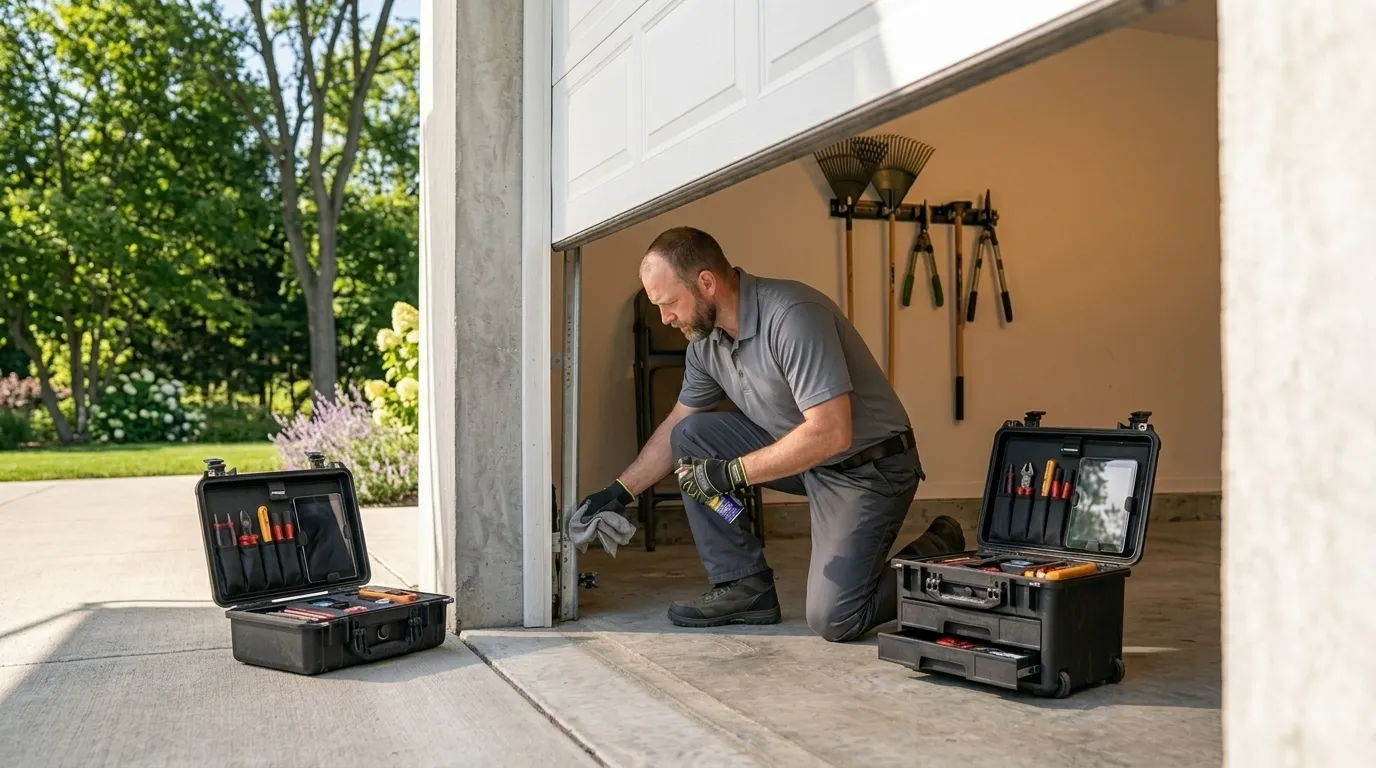
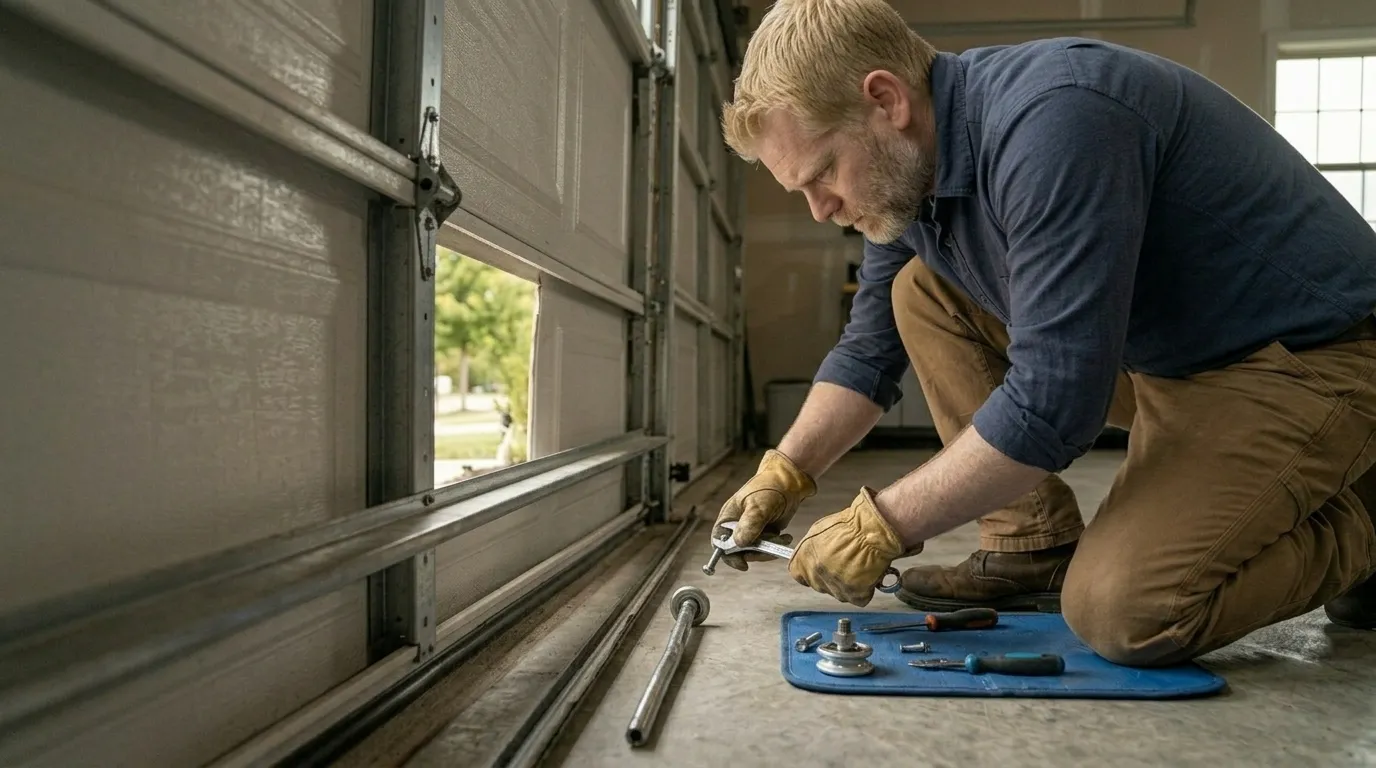
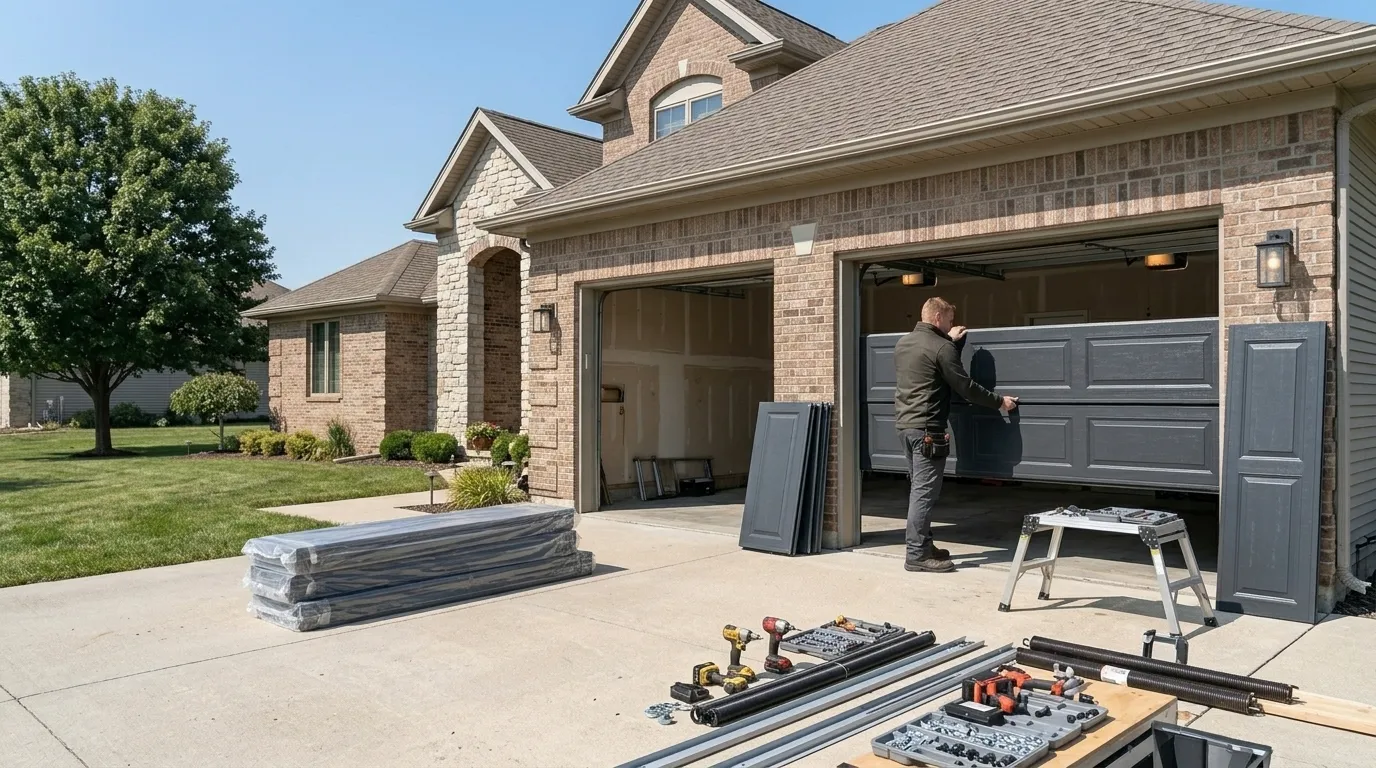
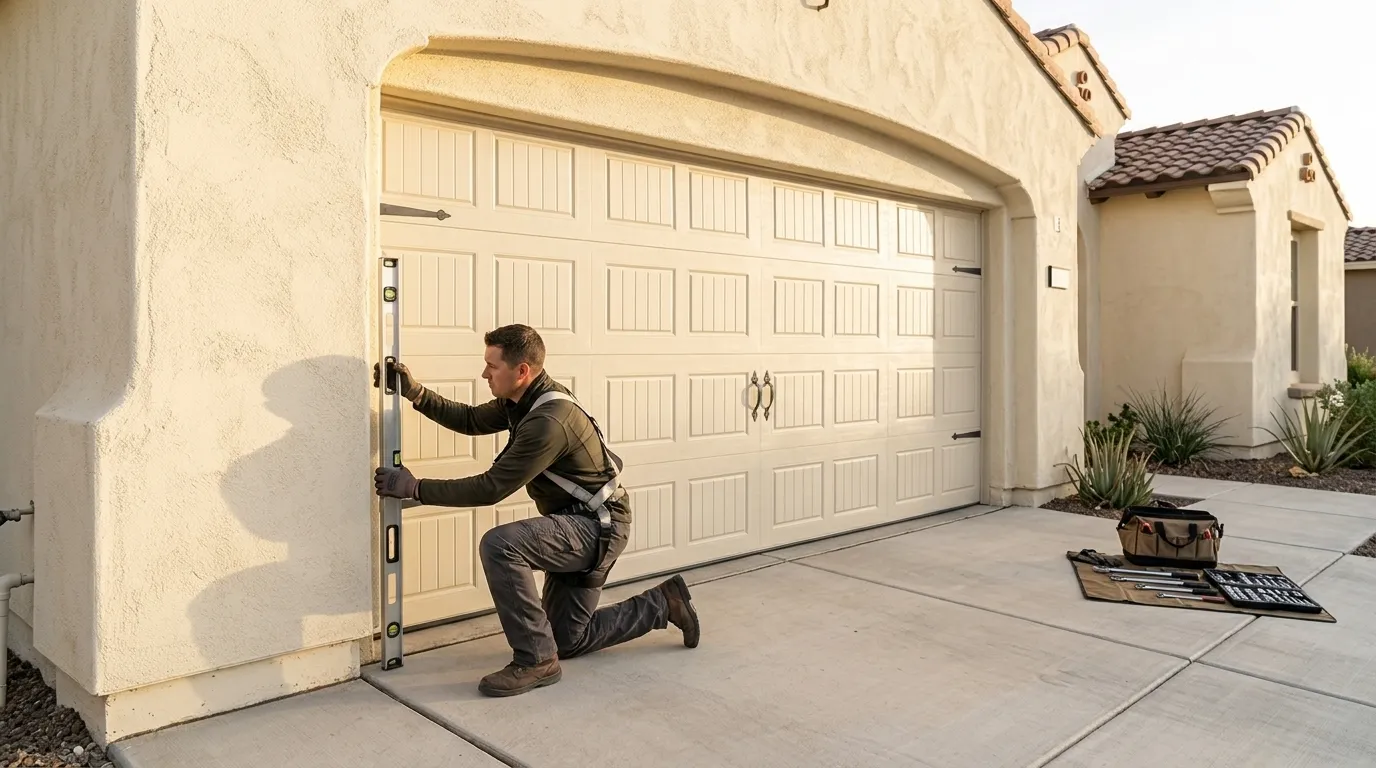
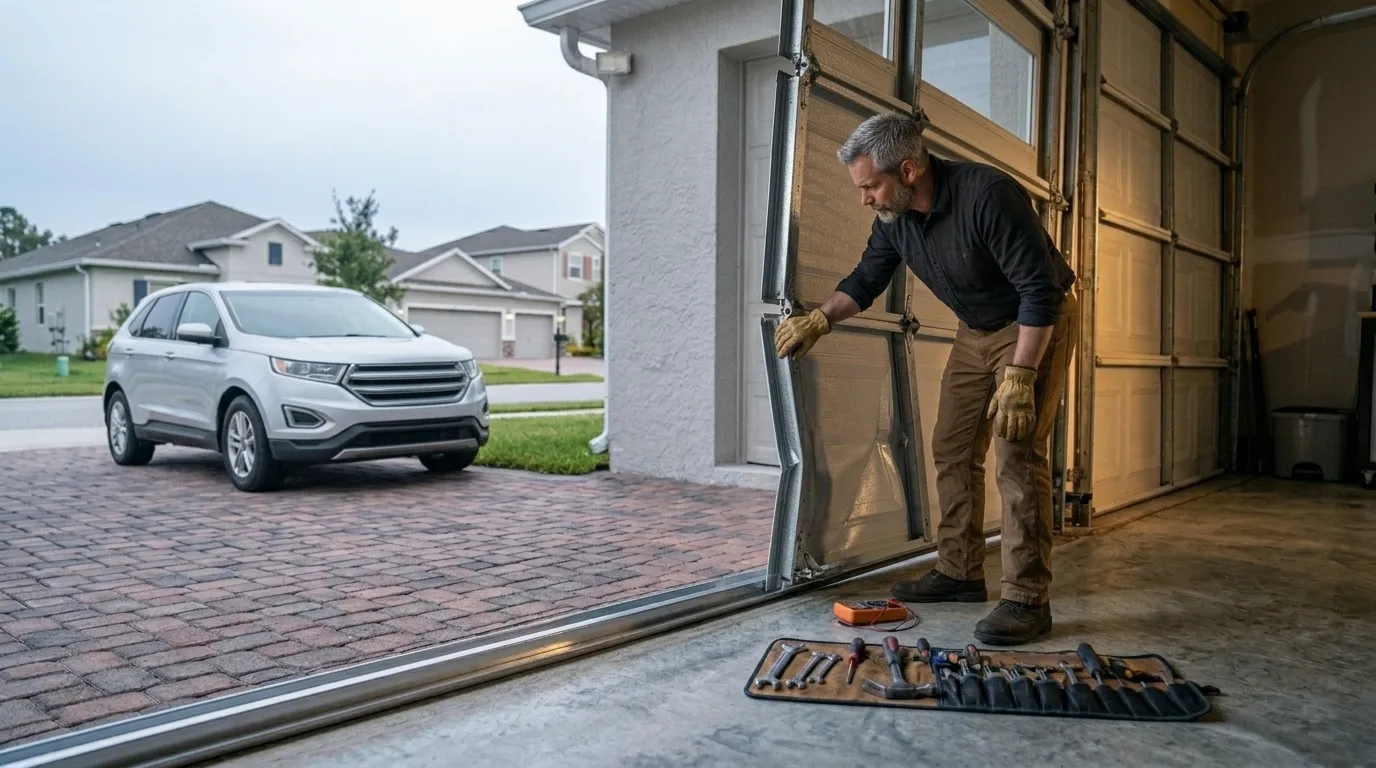
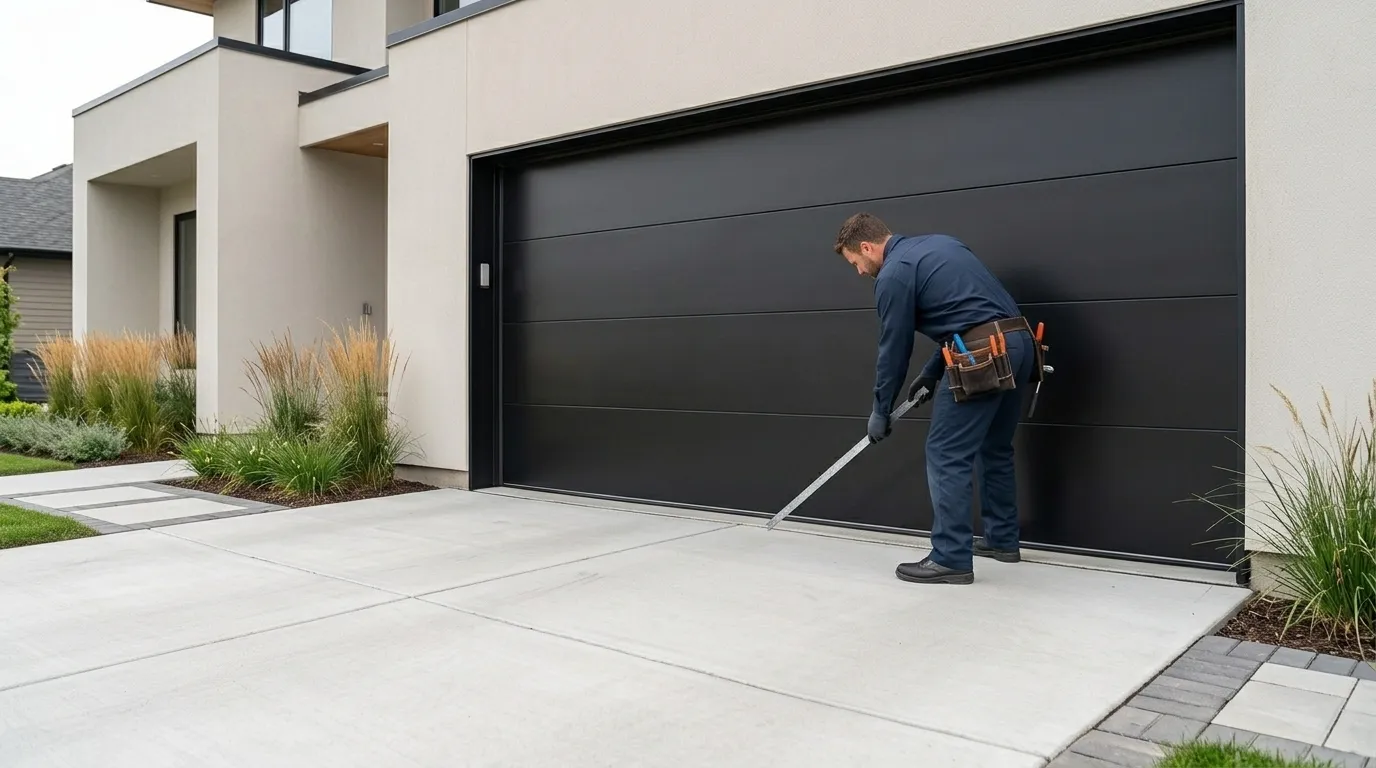
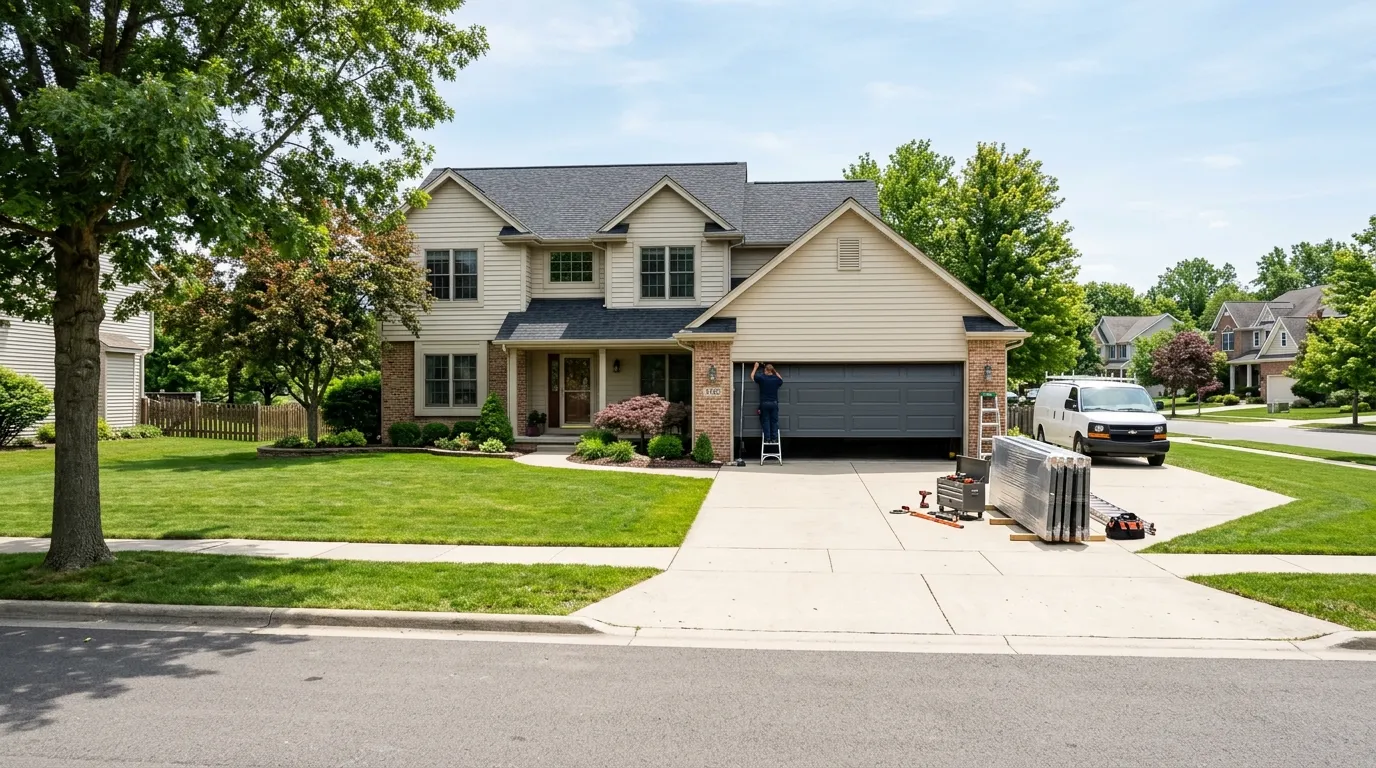
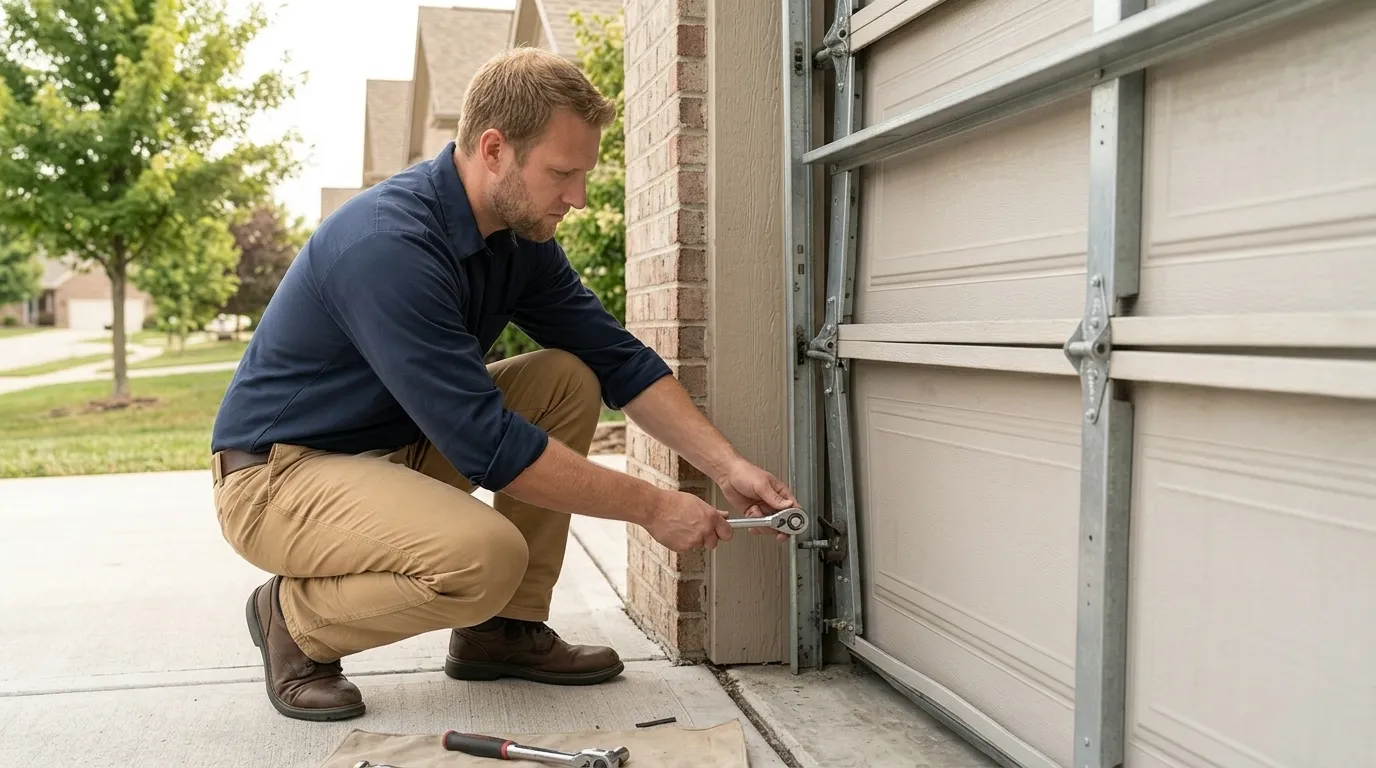
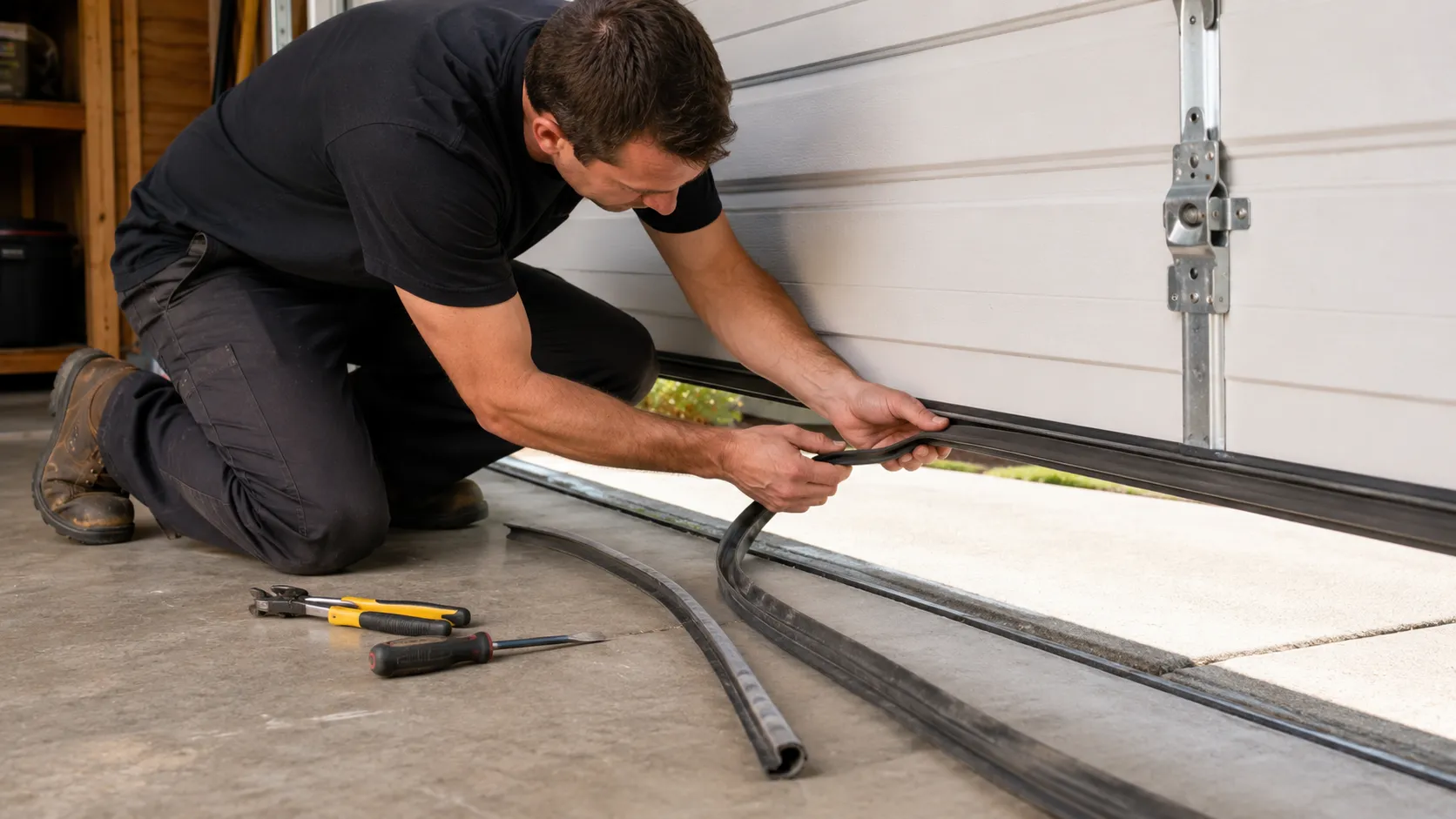
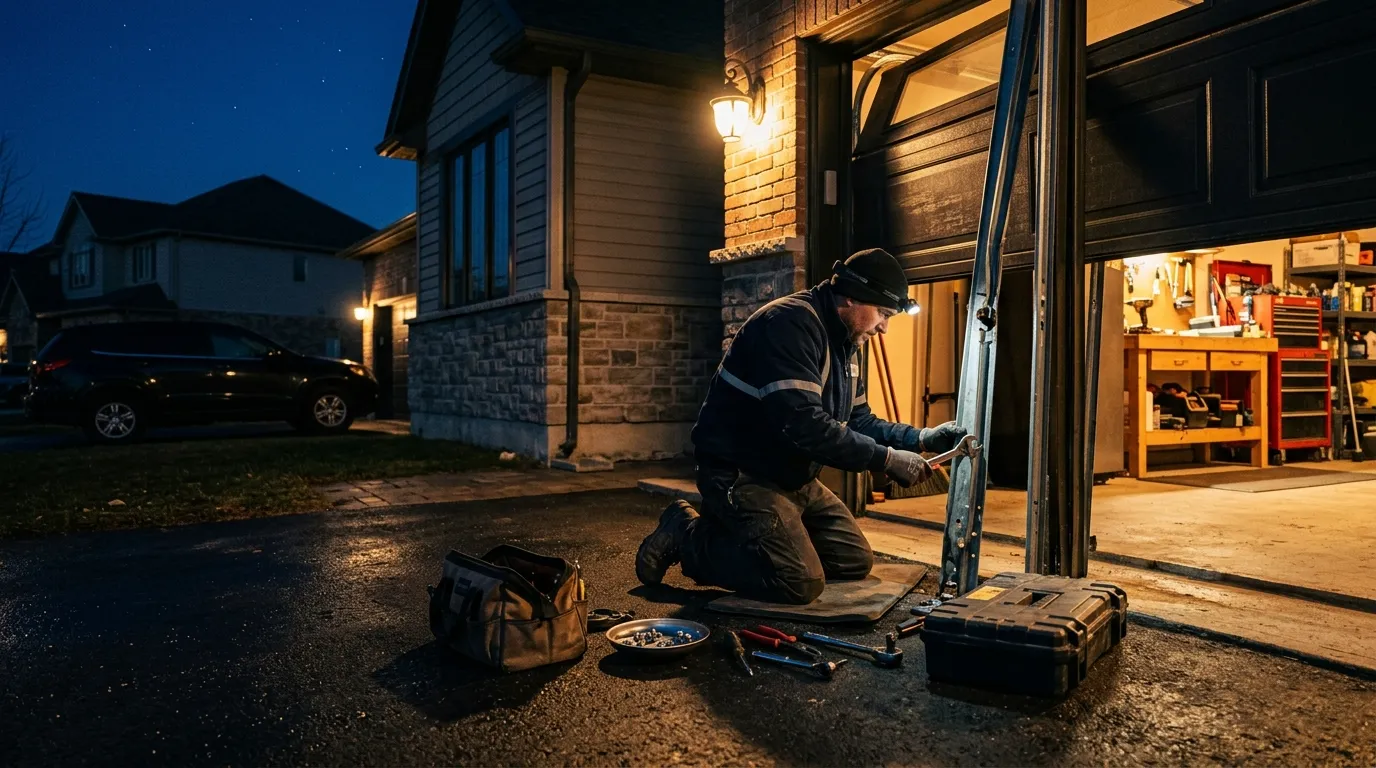
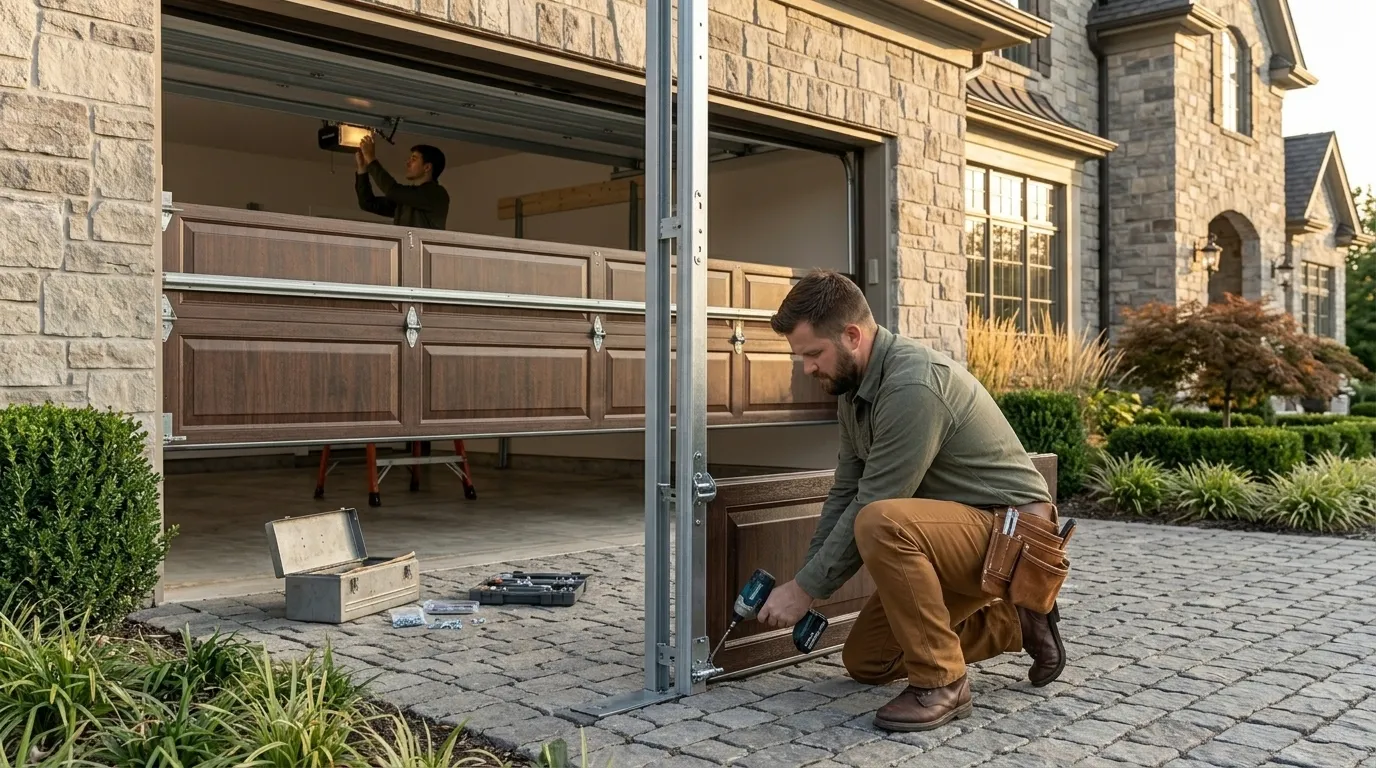
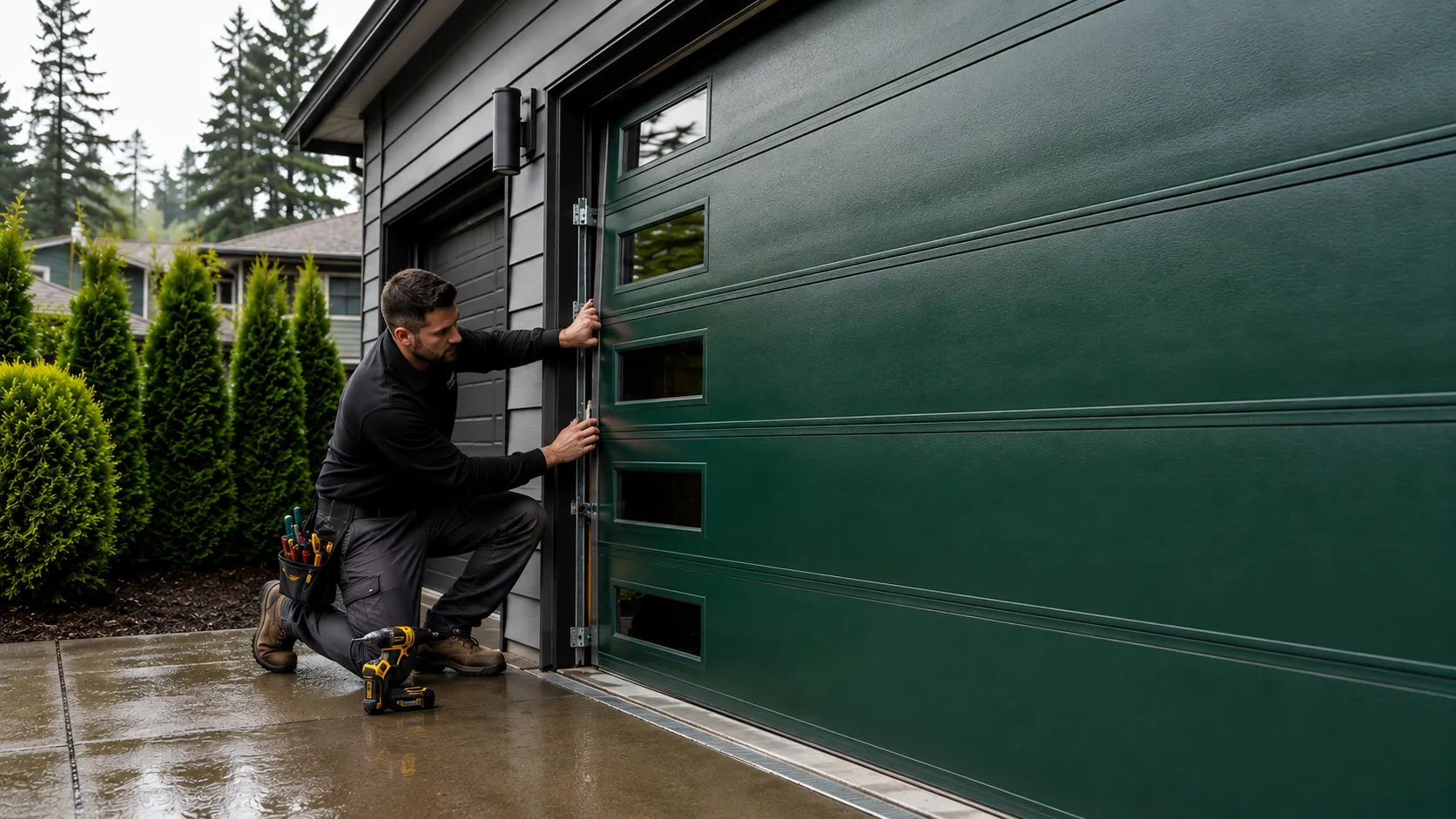
Crestline's housing stock centers on 1966, a good two decades older than the median for the wider Hesperia service area. That gap shows up on the job site. We see more torsion springs that have never been swapped, more single-layer steel doors with rust at the bottom panel seam, and more openers that are the second or third unit installed on hardware that's original to the house. Rollers on these older tracks tend to be steel, not nylon, so they're louder and rougher on the track edges over time. Cable fraying near the bottom bracket is common on doors that have never had a spring replacement, since a tired spring puts extra load on the cable every time the door travels. We also get more calls about doors that bind partway up - often a track that's shifted slightly out of true after decades of settling, not something a new install would show. None of this is exotic work, but it's different work than what we run in the newer subdivisions closer to Hesperia, and we bring parts suited to older hardware rather than assuming a like-for-like modern swap.
What Was Built Here
With a median build year of 1966, most homes in Crestline predate the 1980s-90s wave that makes up the bulk of the broader service area's housing. That two-decade difference matters for garage doors specifically: a house built in the mid-1960s was very likely fitted with a heavier, single-panel or early sectional door on simpler hardware than what became standard by the 1980s. Extension springs mounted along the horizontal track are more common in this era than the torsion springs that dominate newer construction. At roughly 4,047 households, Crestline is a smaller community than some of the other named areas we cover, which means fewer of these older doors get touched in a given year - and fewer get replaced just because a neighbor did theirs. Age alone doesn't mean a door is unsafe, but it does mean the parts on hand, and the failure patterns we watch for, are not the same as a 1990s tract house.
What That Means for Doors
Put the build year and the drive together and here's the practical picture: expect an older door assembly, plan for a single visit rather than a same-day fix if the part isn't common stock, and don't assume a modern torsion conversion is automatically the right call. Sometimes replacing a worn extension-spring door with a torsion setup is the better long-term fix; sometimes the existing hardware still has life in it and a spring swap or track adjustment solves the problem cheaper. We won't push a full replacement on a door that's tracking fine just because it's original to a 1966 house. One honest limit: if a part is unusual or specific to that era, we may need to order it rather than carry it on the truck for every run up from Hesperia, so a job might take two visits instead of one. Median household income in the area is $79,378, which is in line with the rest of the service territory, so cost tends to be a bigger factor in repair-versus-replace decisions than it is a barrier either way.