Common Jobs Here
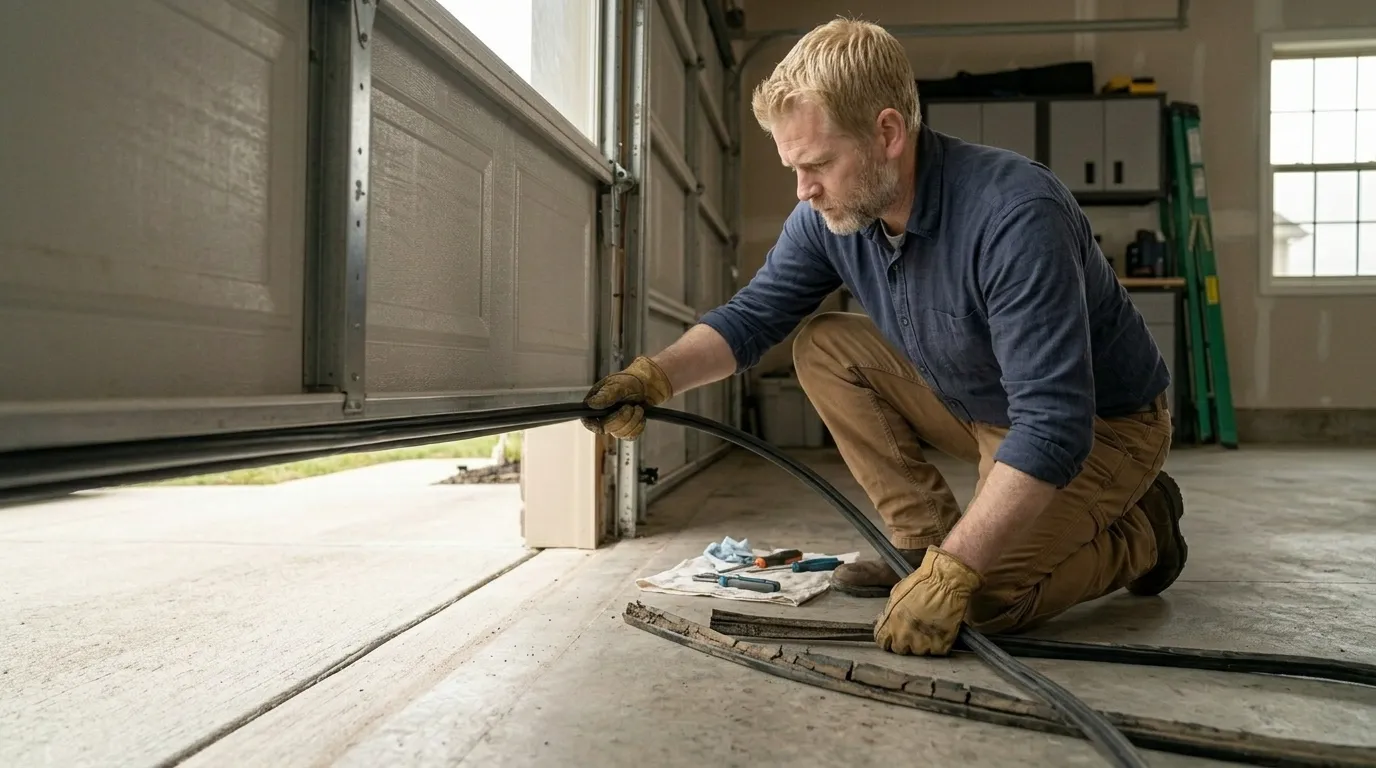
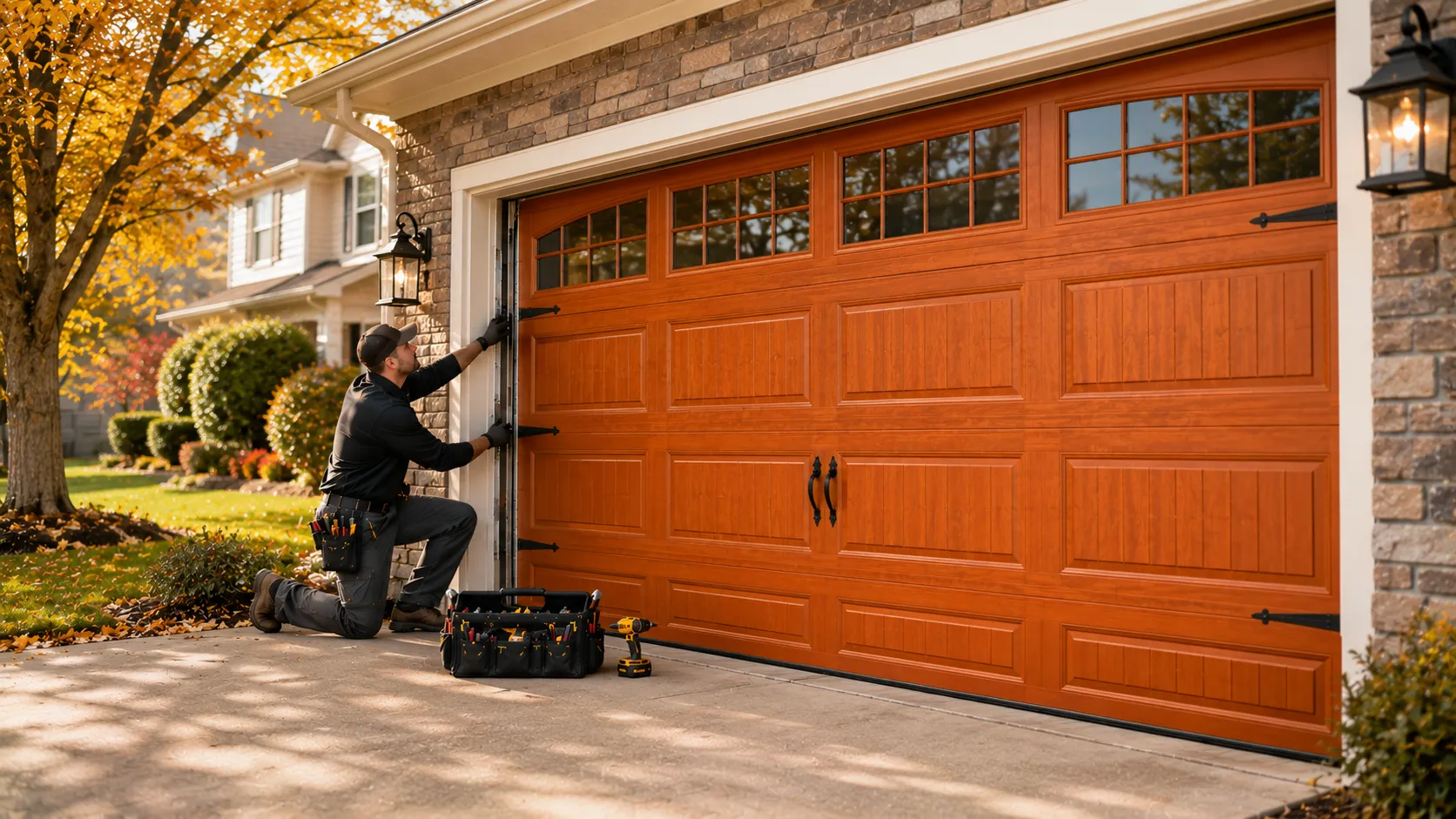
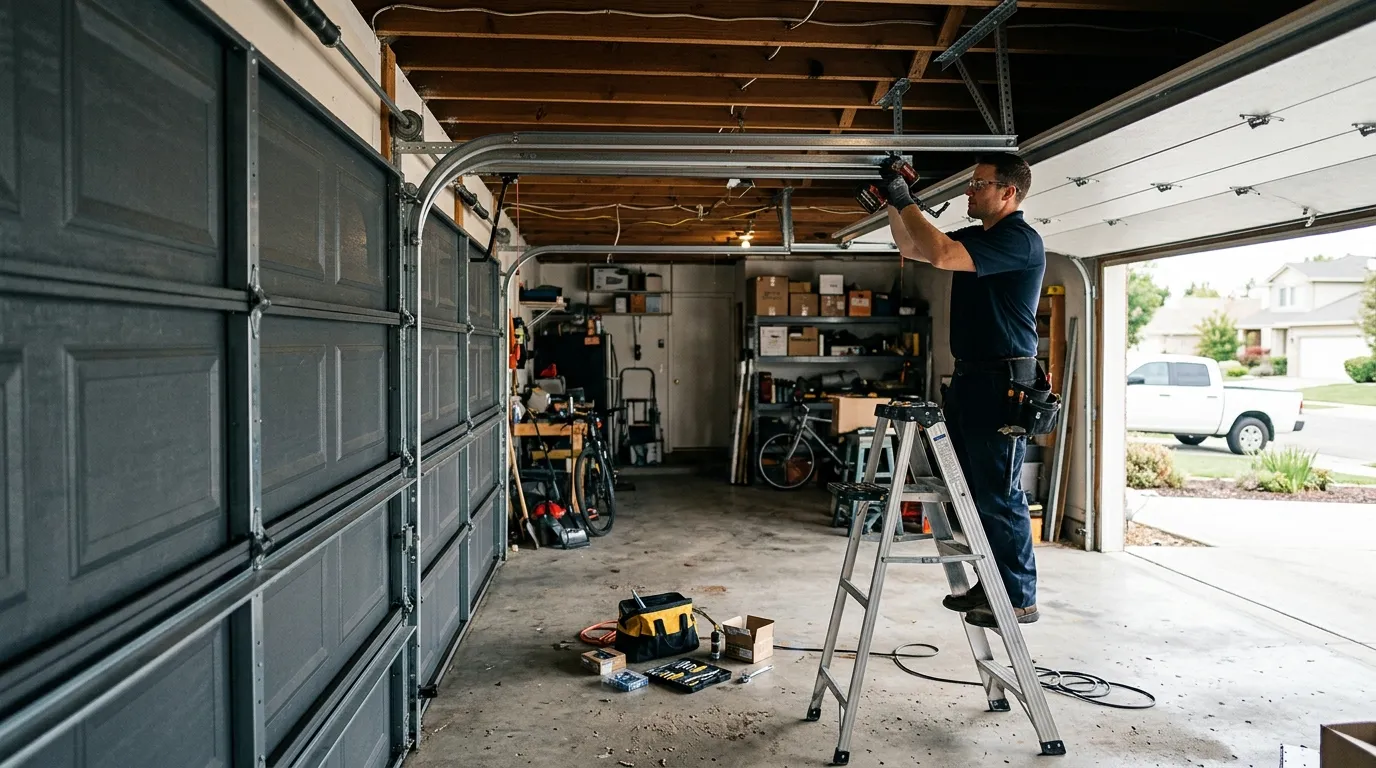
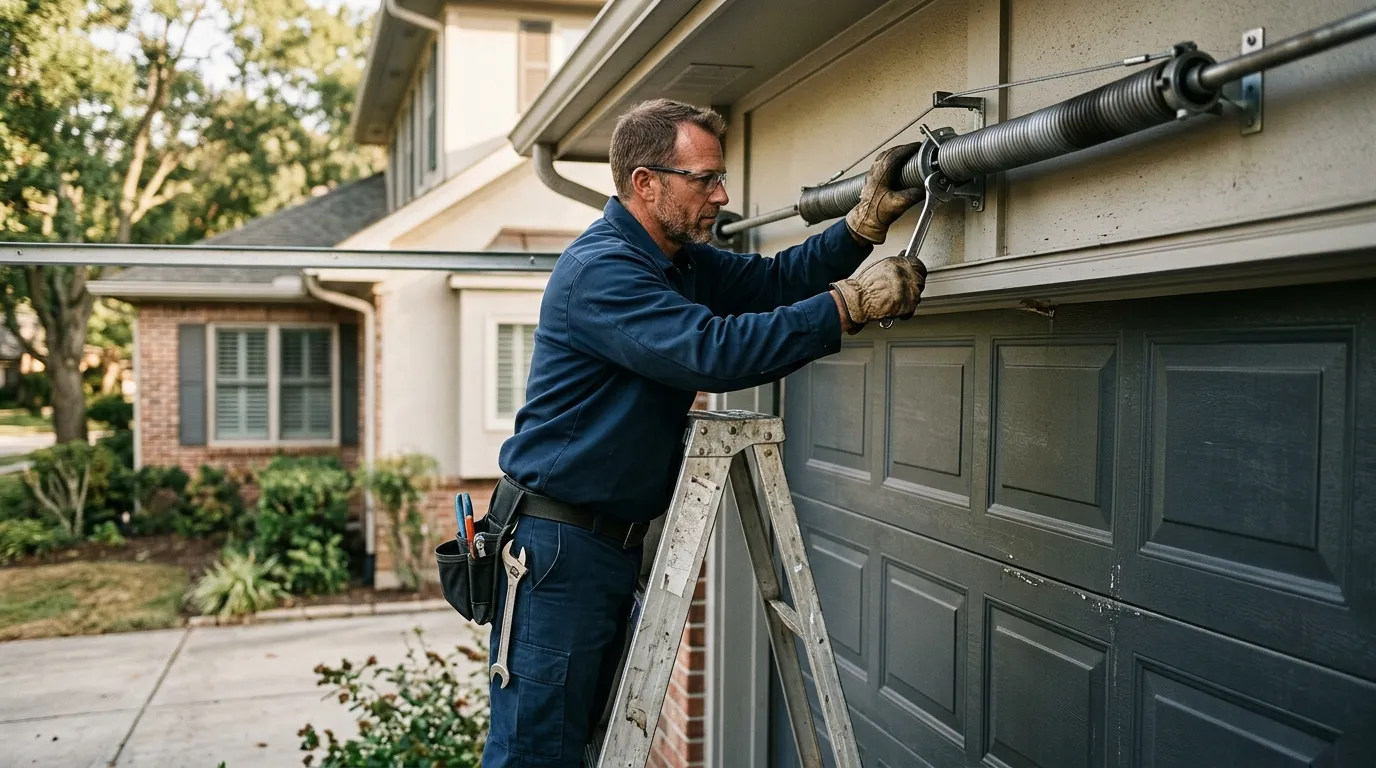
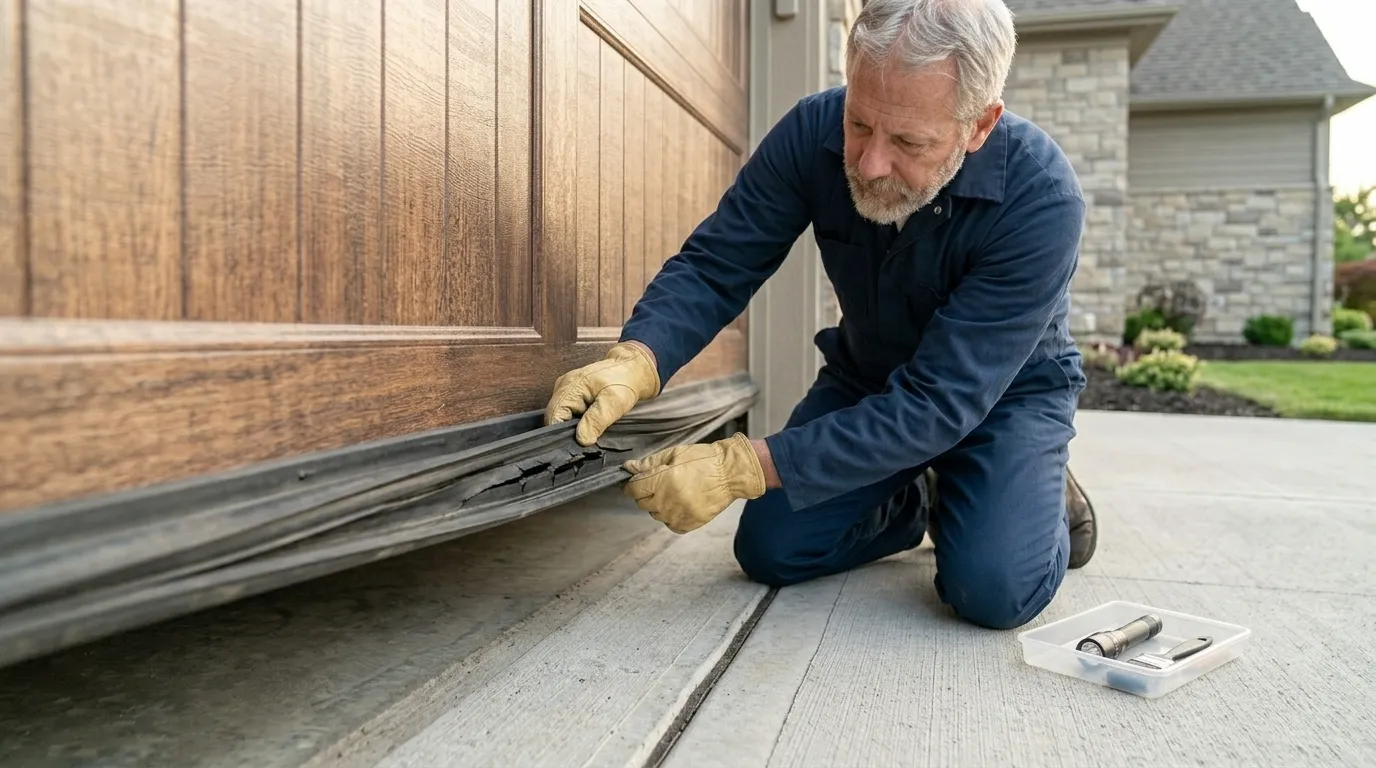
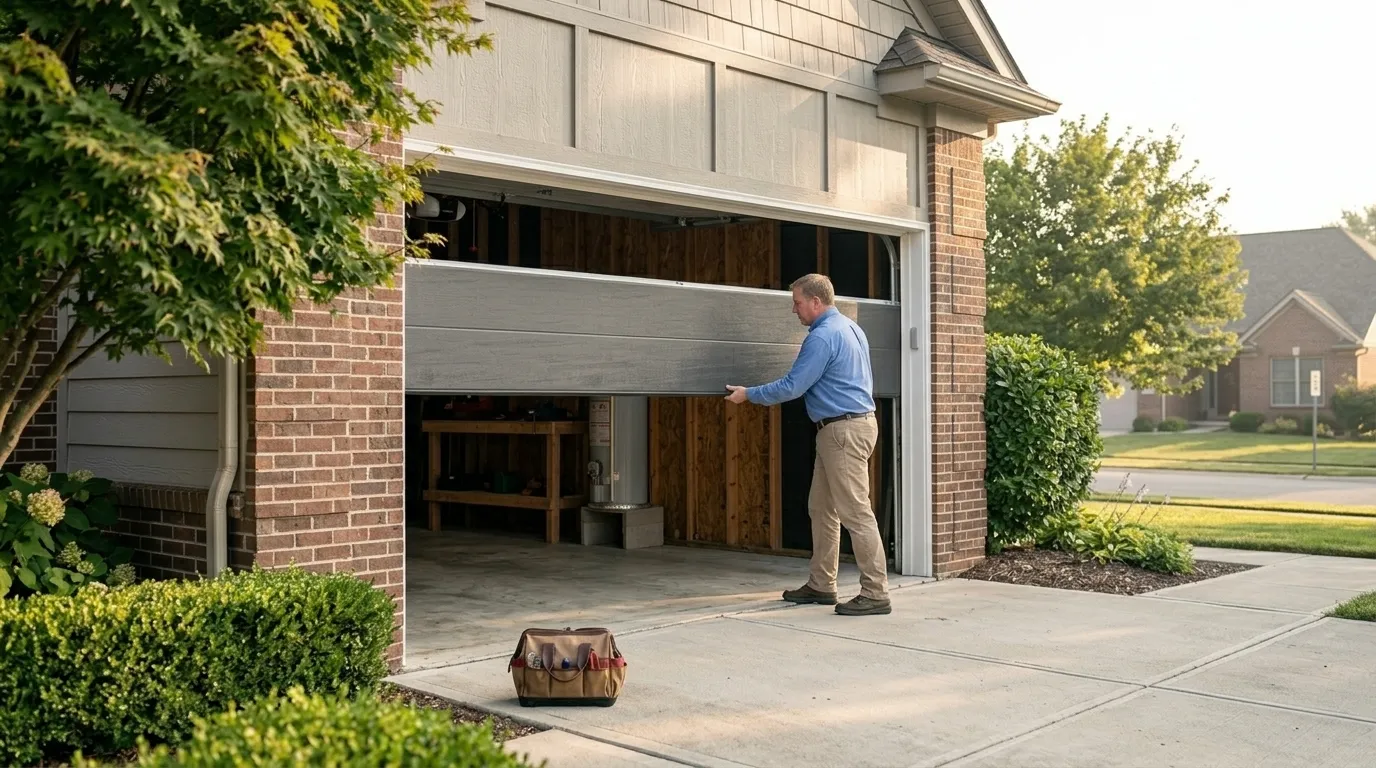
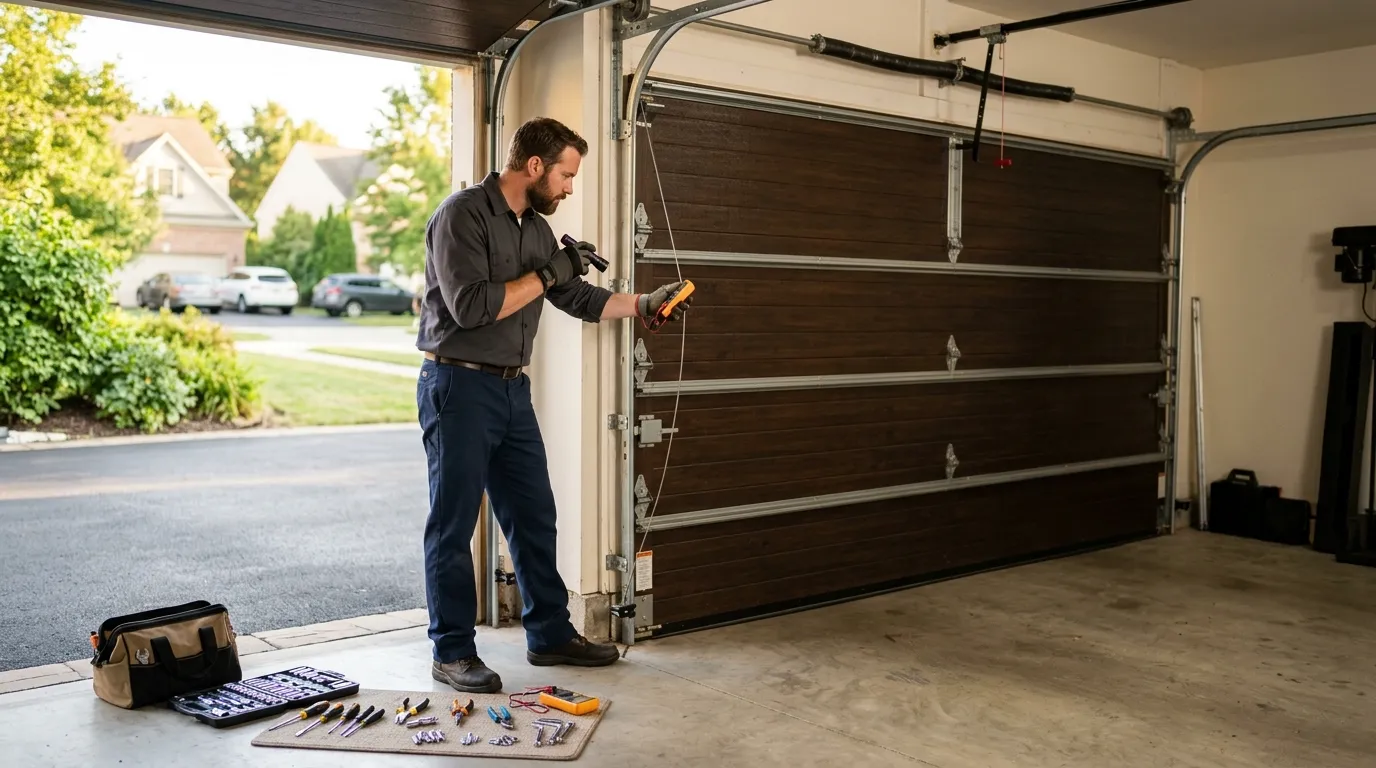
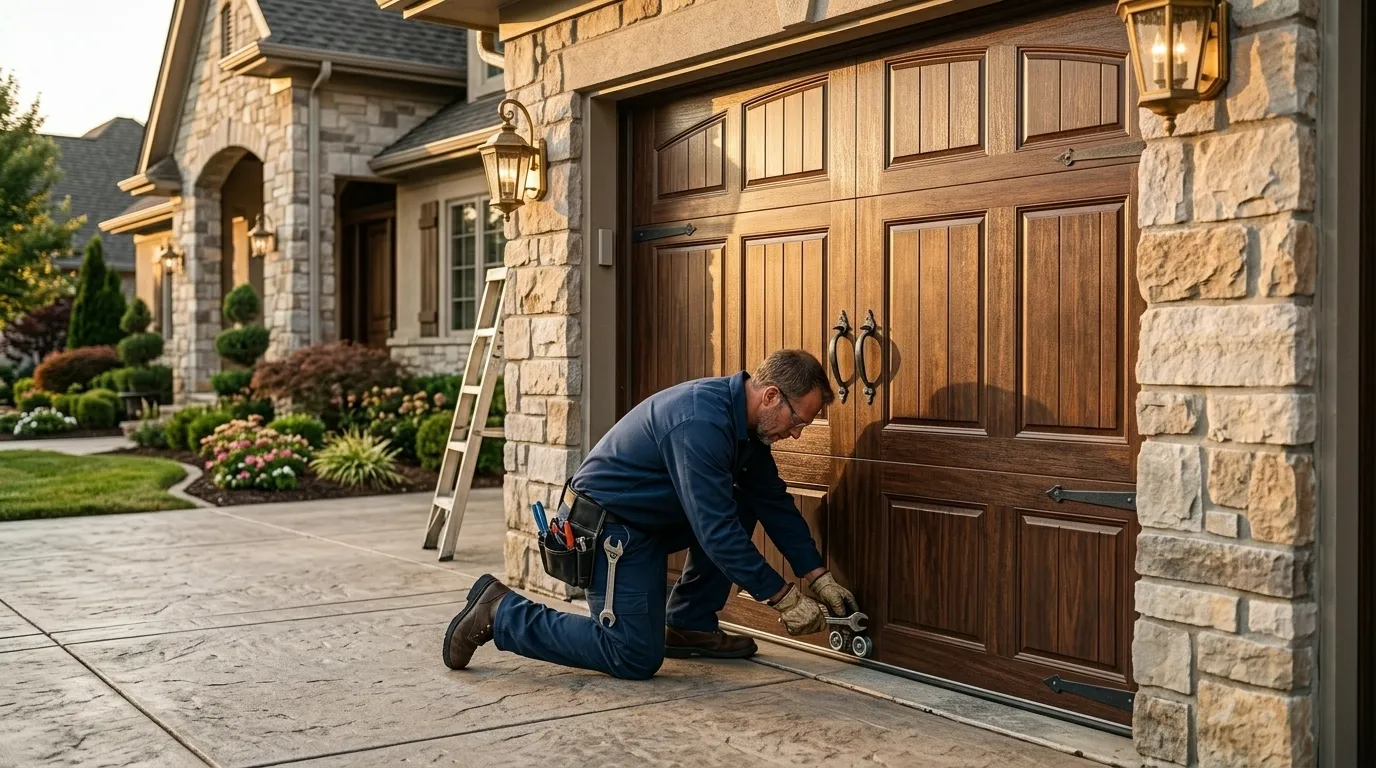
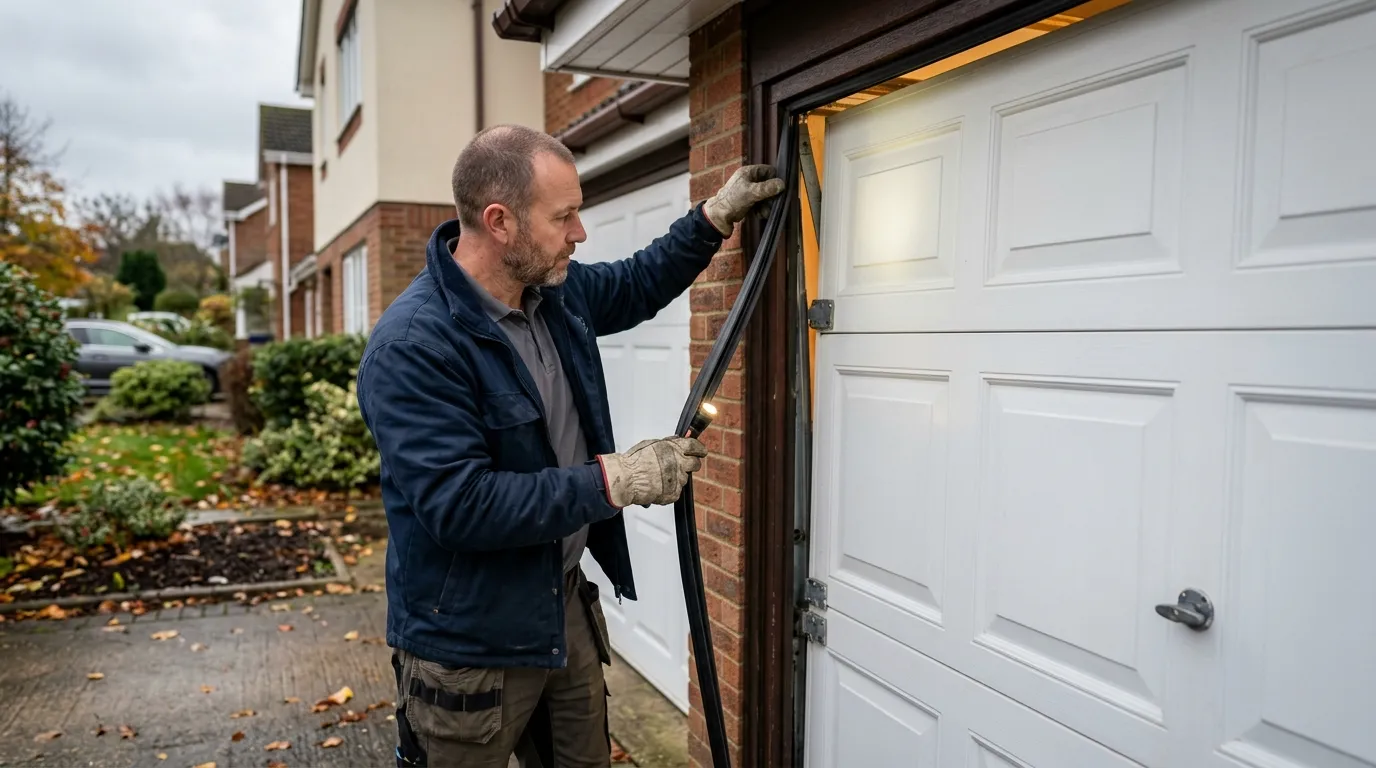
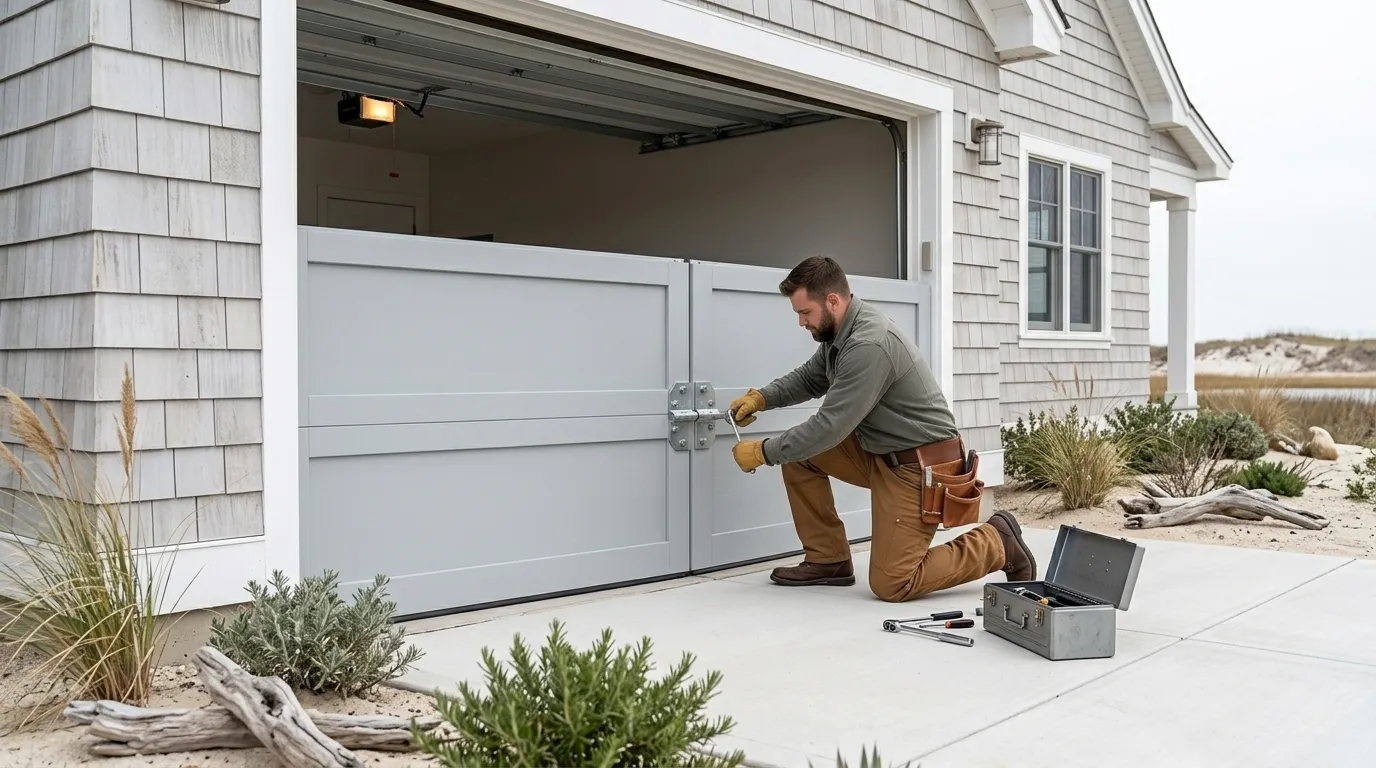
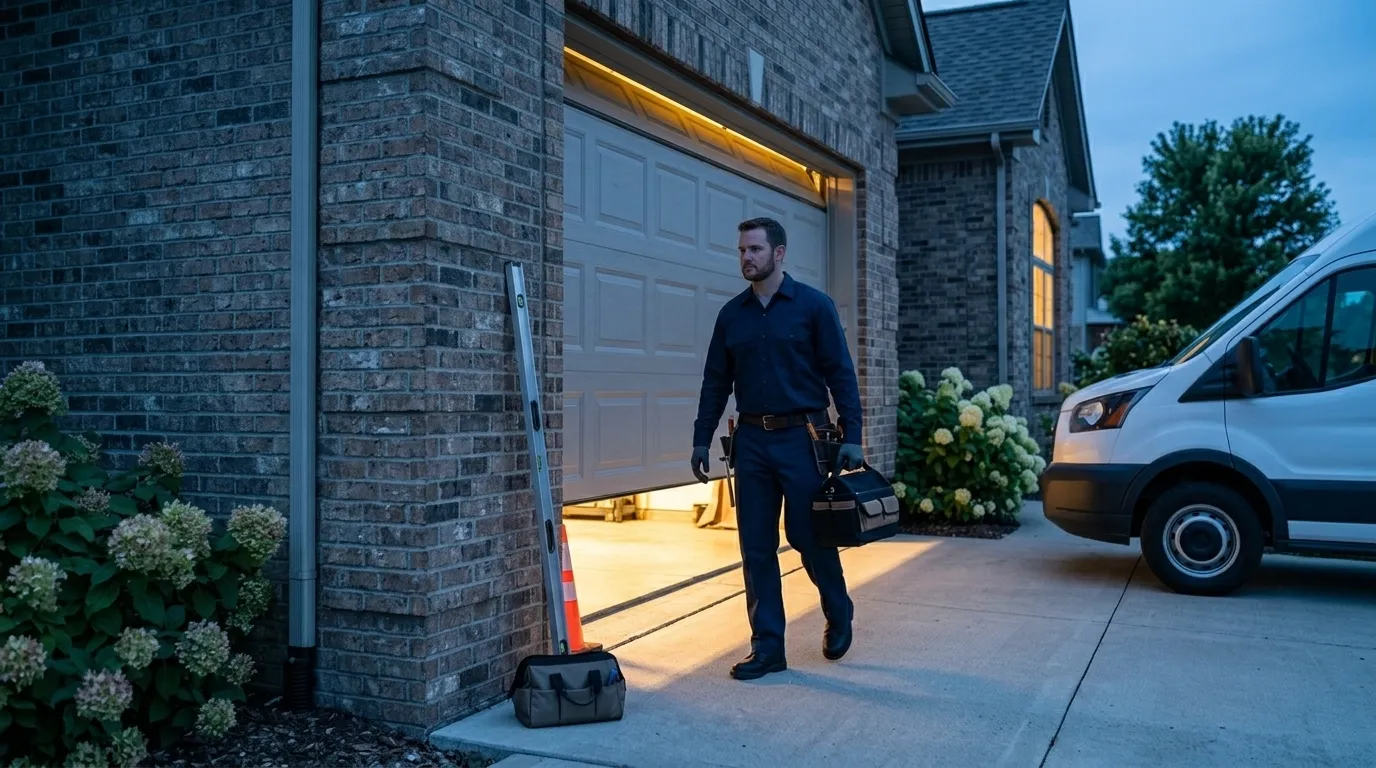
Piñon Hills sits about 18 miles from our Hesperia shop, and most of the calls we take out this way are for houses built around 1991, give or take a few years either side. That puts a lot of doors here on early-90s extension or torsion setups, right at the point where galvanized springs and steel rollers are due for wear even if nobody's touched them since the house was built. We see a fair number of openers original to the house too, chain-drive units from that era that are still running but grinding louder every month. The most common single job is a broken torsion spring on a double-wide door, followed by worn rollers that have gone from round to oval. We also replace bottom seals more often out here than on newer builds, since the original vinyl on a 30-plus-year-old door has usually hardened and cracked. None of this is exotic work, but it's not the same mix of jobs you'd get on a street of 2005 tract homes, and coming in with the right springs and the right roller size saves a second trip.
What Was Built Here
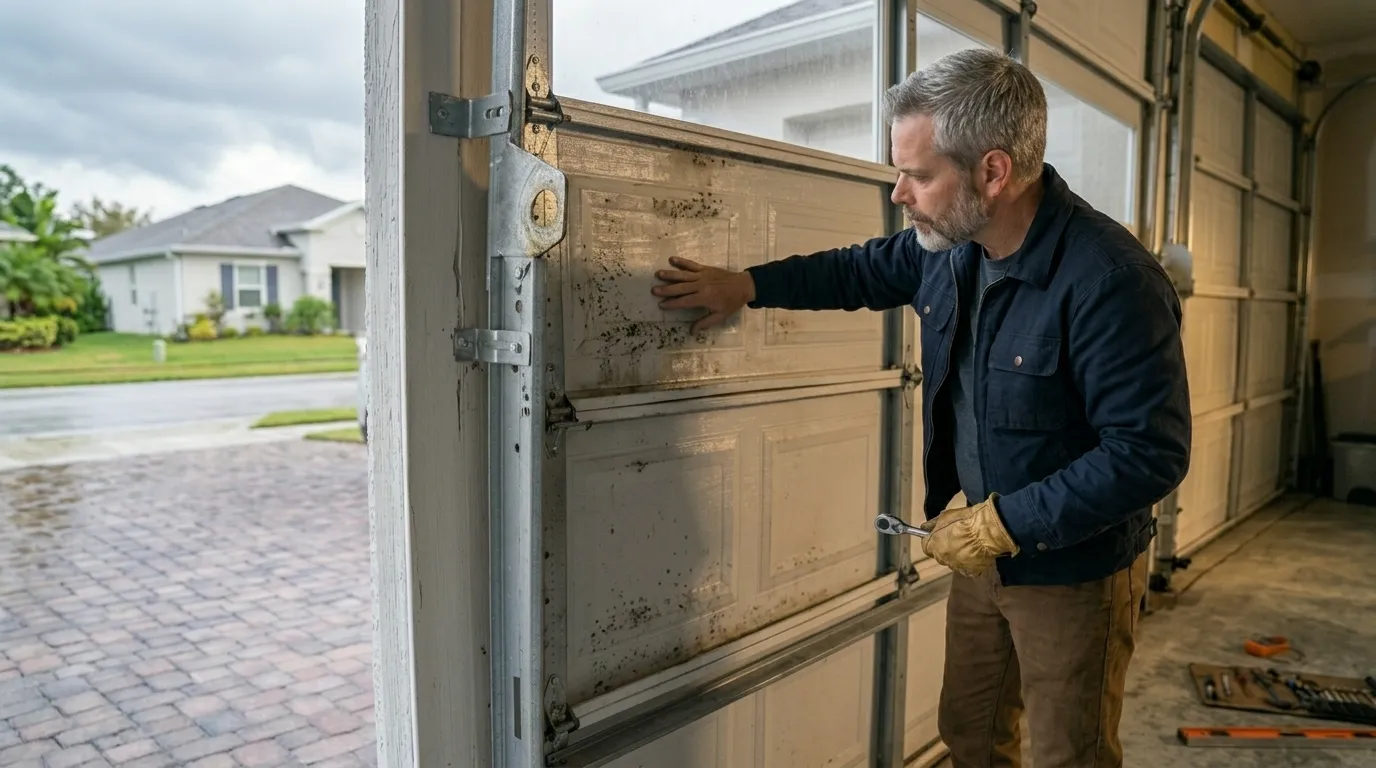
With a median build year of 1991, Piñon Hills sits later than a lot of the older Hesperia-area stock but still well before the current wave of insulated steel doors with sealed bearings. Roughly 2,495 households make up the area, and most of the doors we've seen on service calls here are single-layer steel panels on torsion hardware sized for a lighter door than what people often want to replace it with today. Median household income here runs around $65,160, and that shows up in how people approach a repair: more owners ask us to fix what's there before they ask about full replacement, and for a door from this era that's usually the right call. The panels themselves hold up fine in dry heat: it's the moving hardware, the springs, cables and rollers, that wears out first on a door this age.
What That Means for Doors
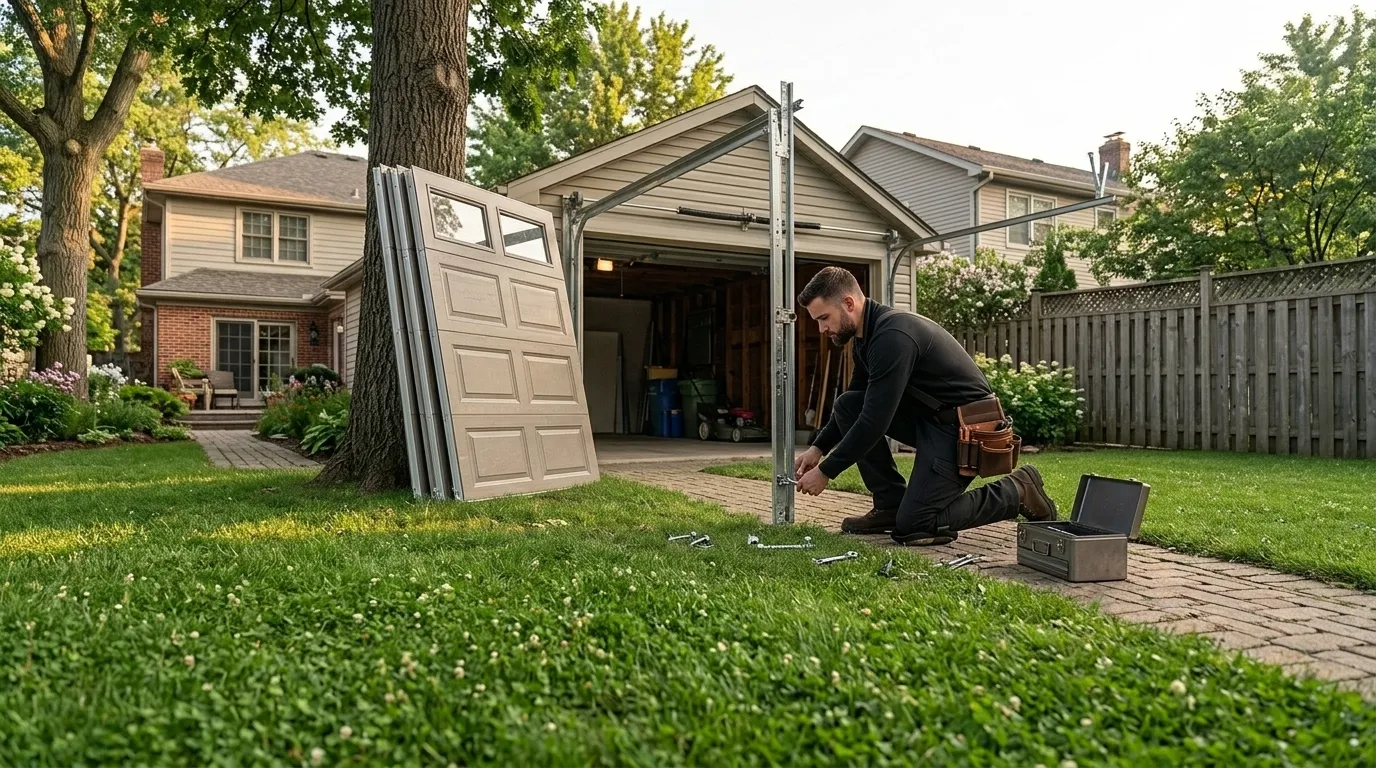
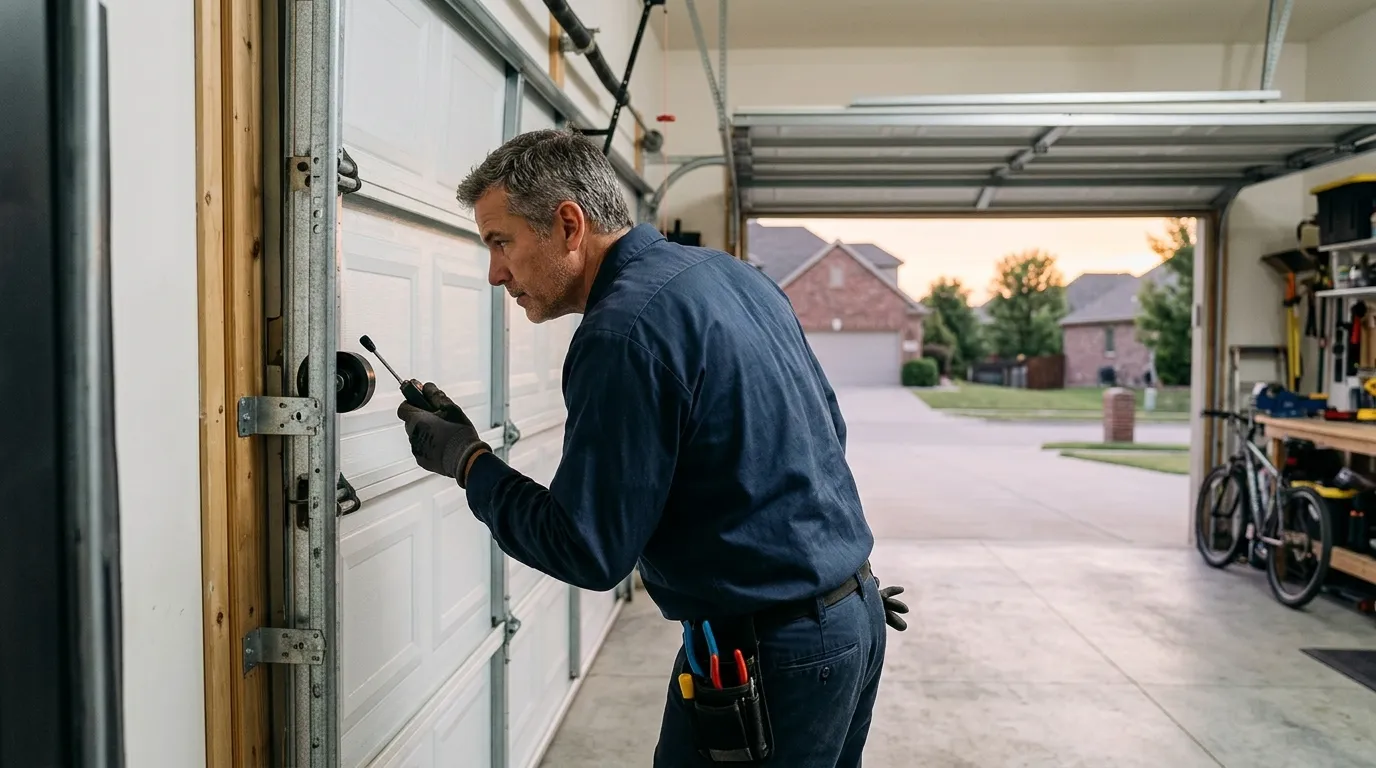
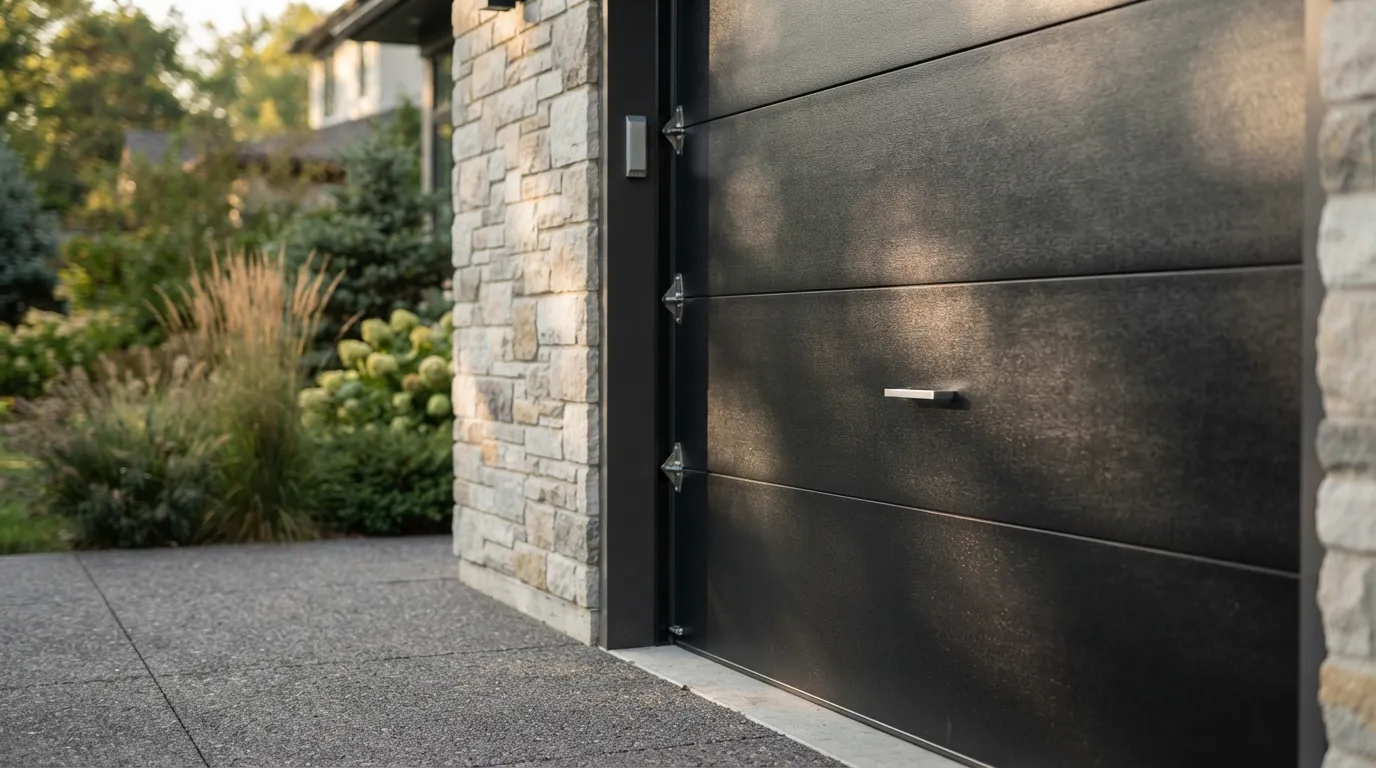
A door built to 1991-era standards wasn't engineered for the heavier insulated panels a lot of homeowners want when they replace one, so a straight swap sometimes means upgrading the torsion springs and the track hardware at the same time, not just the door itself. The moderate heat this area sees isn't the kind of extreme that cracks panels outright, but it does dry out lubricant and harden weatherstripping faster than in milder climates, which is part of why rollers and seals show up so often on our list of repairs here. If your door dates to the early 90s and you're hearing a grinding sound on the way up, that's usually a roller, not a motor, and it's a cheaper fix if you catch it before the bearing seizes.