Time on the Job
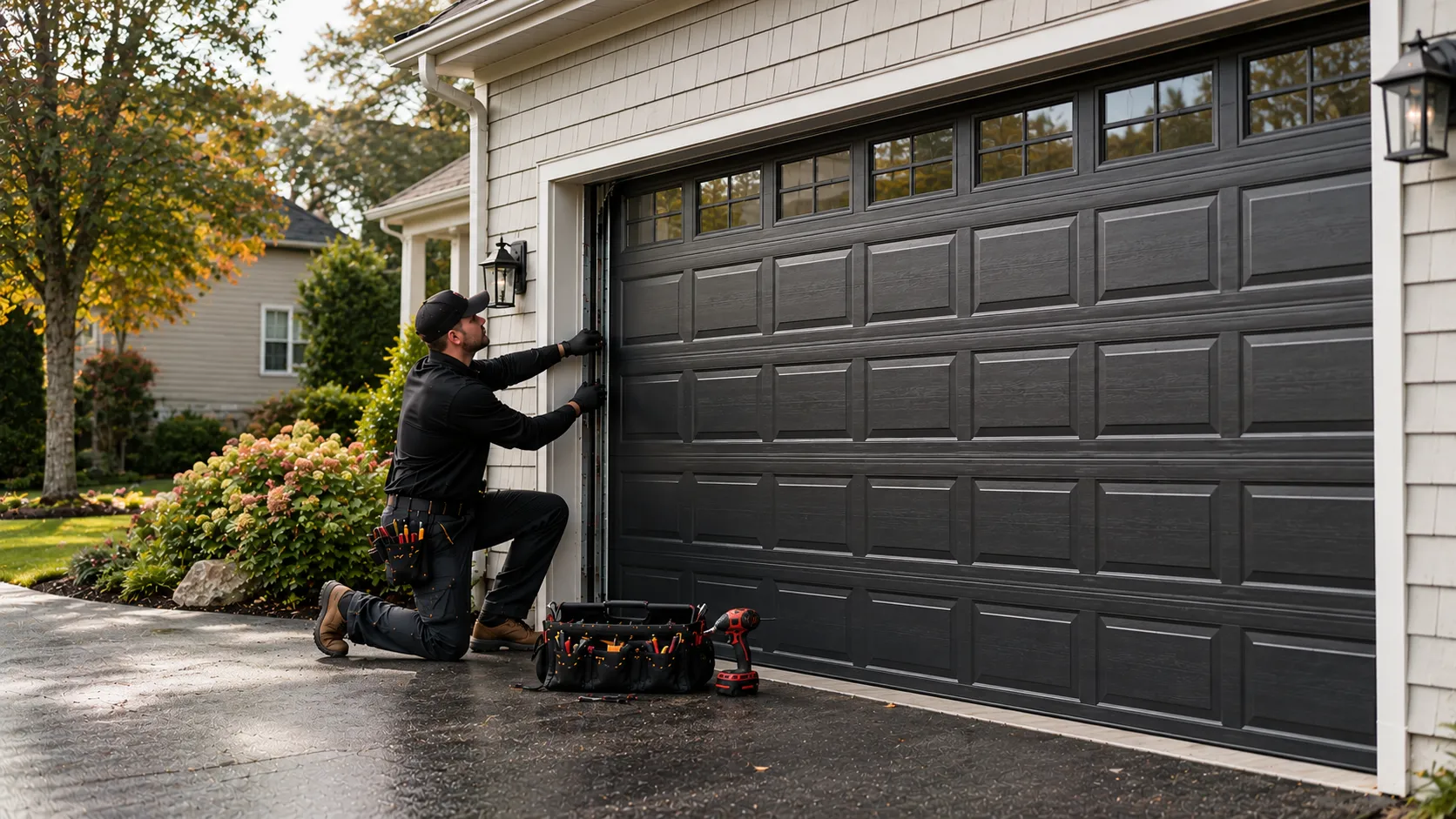
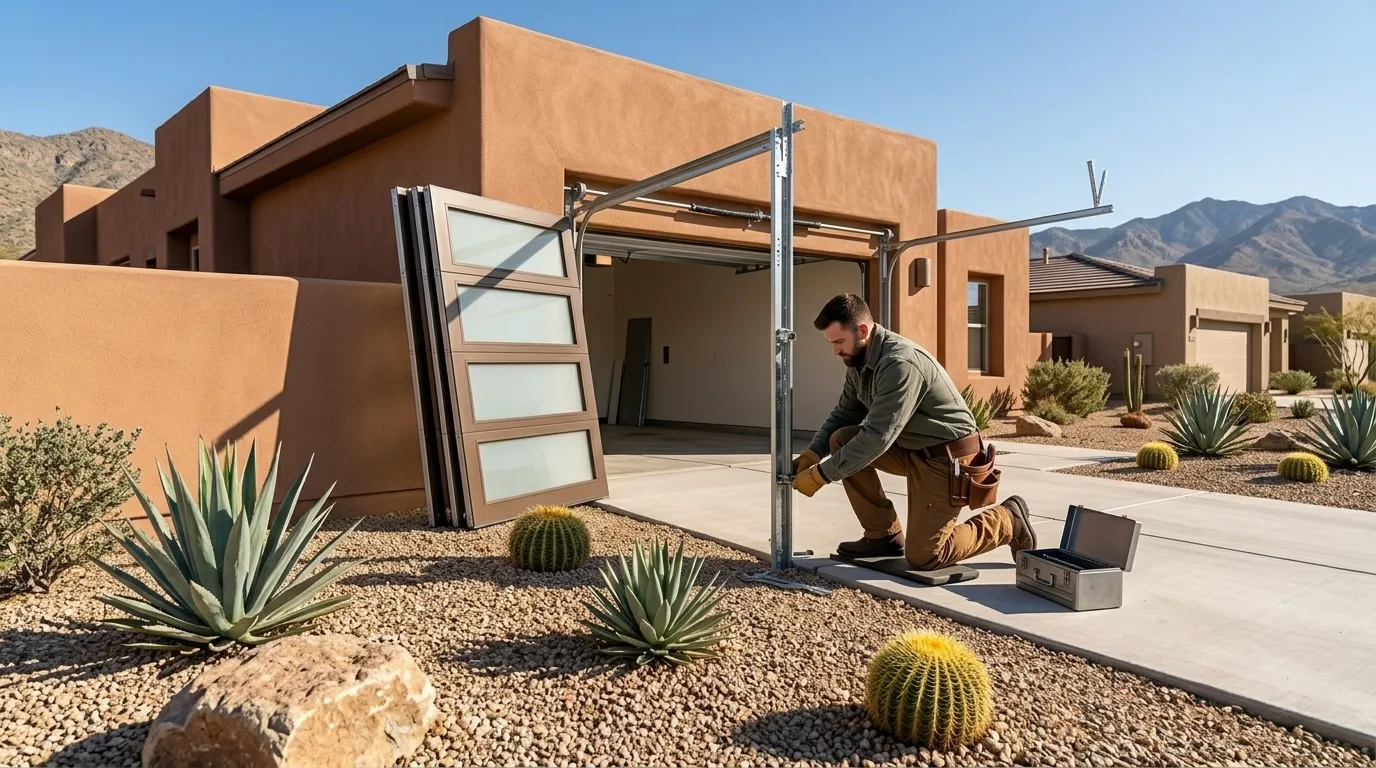
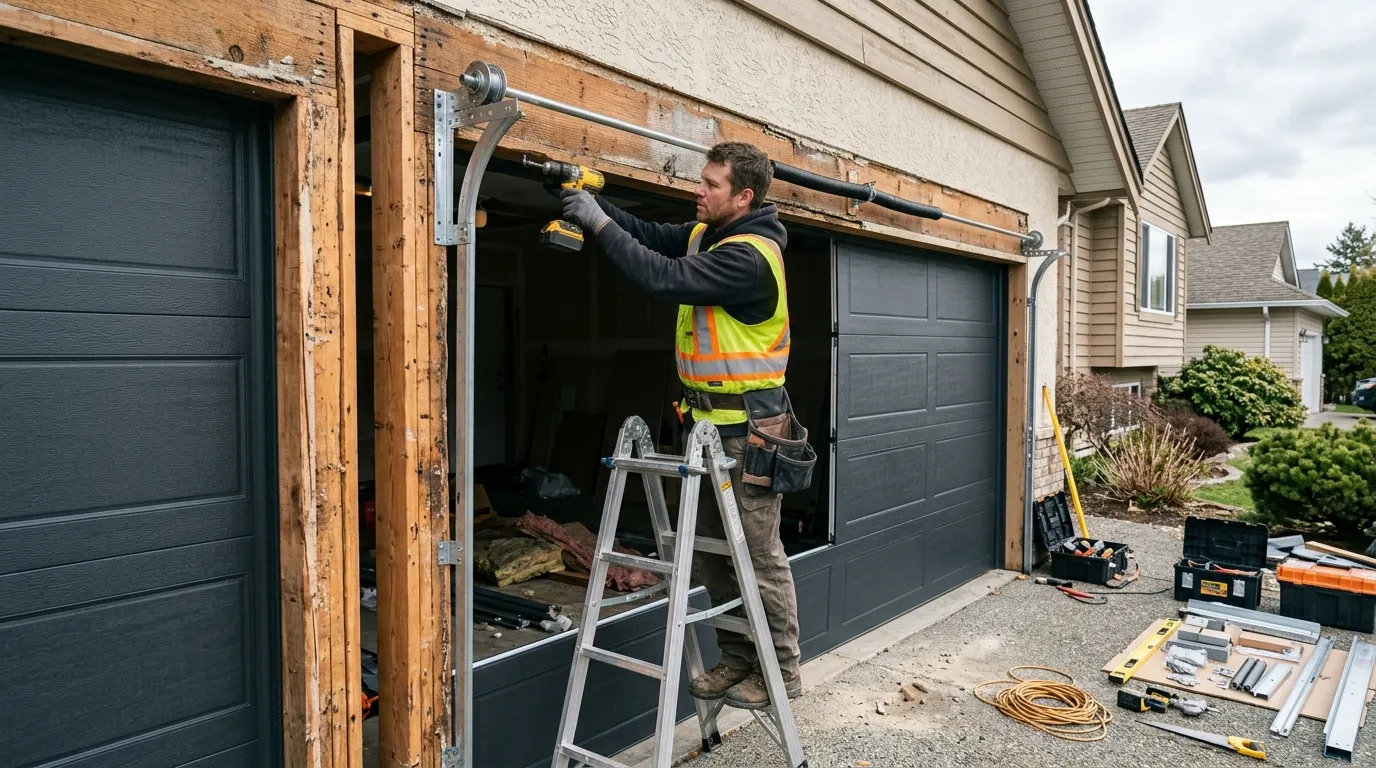
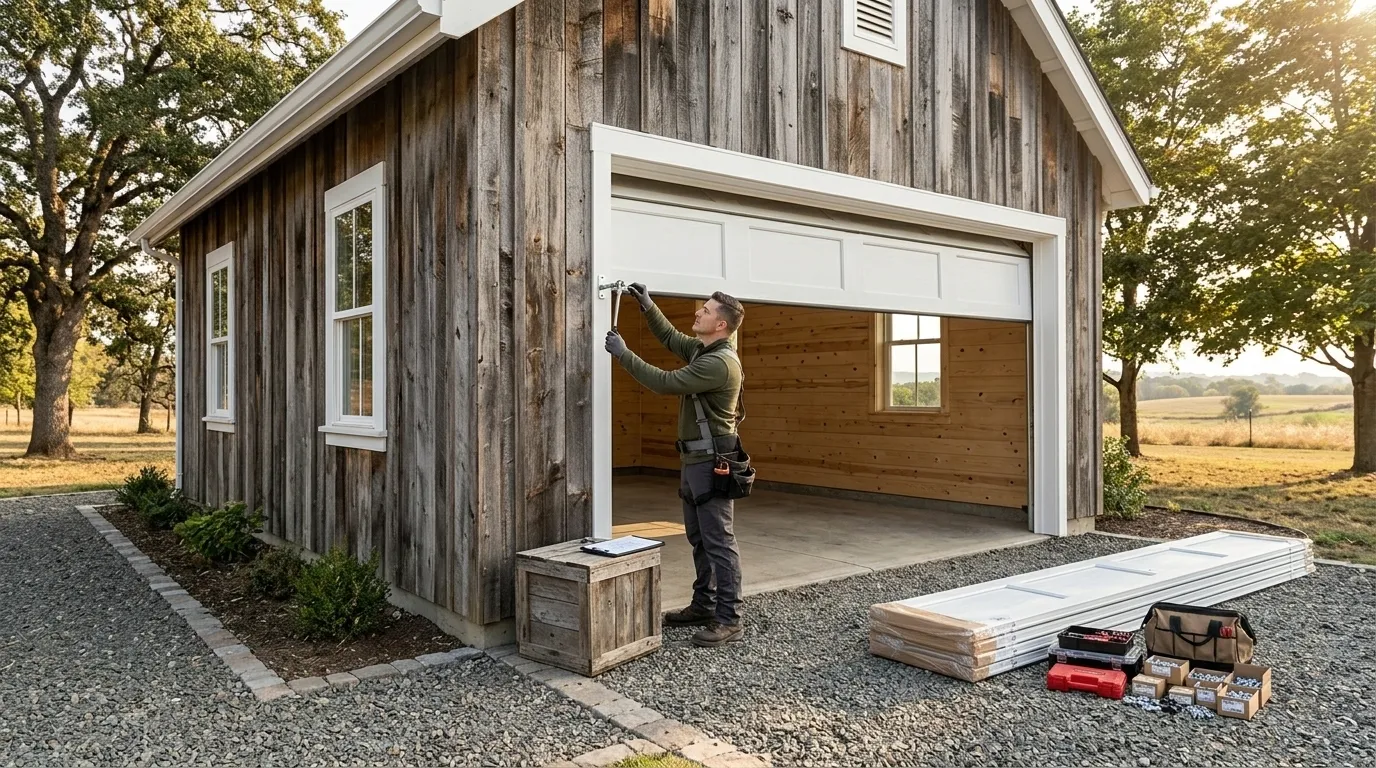
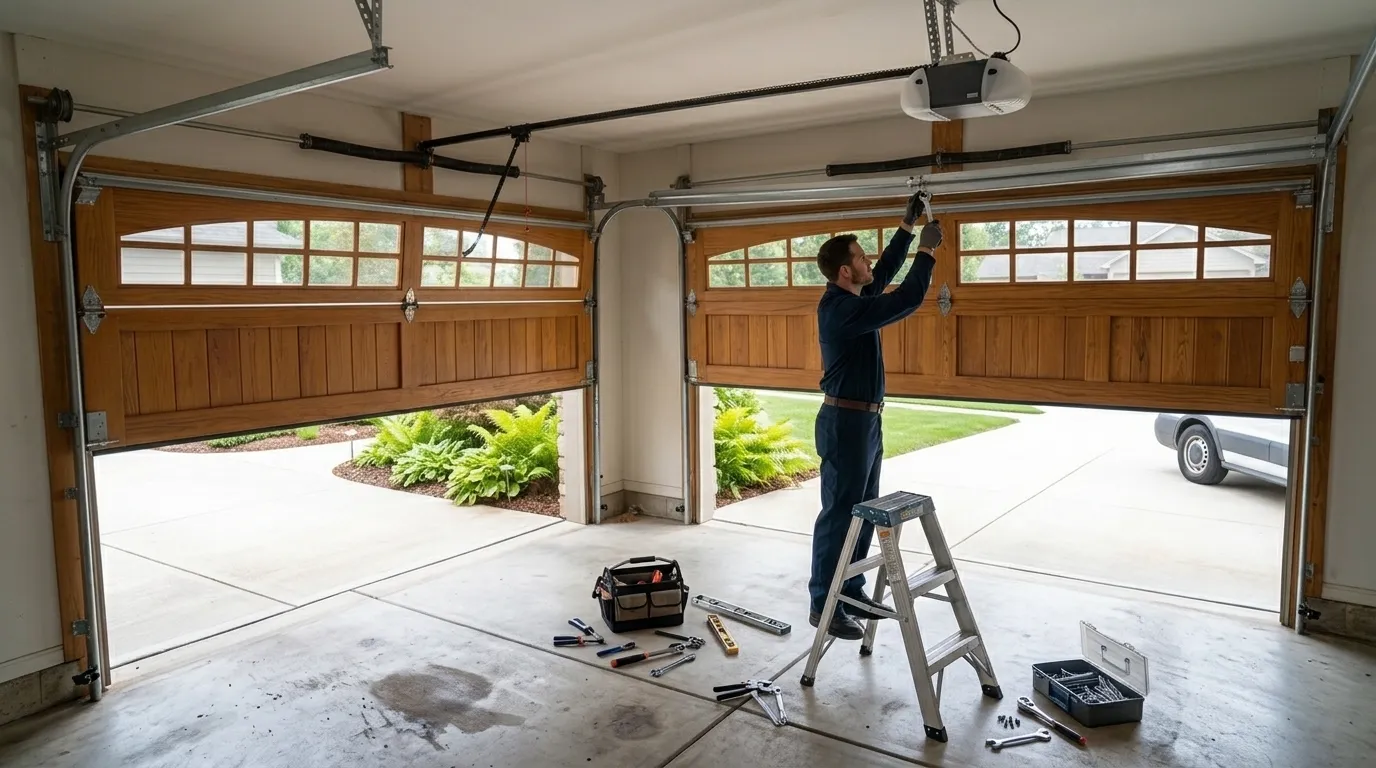
An install isn't a five-minute swap. We pull the old door and track off, check the jamb and header for square, and fit new hardware to the opening in front of us - not to a catalog number. Most homes on this side of the high desert went up between 1958 and 1997, with the median build year landing around 1986, and framing habits shifted more than once in that stretch. A door ordered for a 1990s opening doesn't always drop into a 1960s jamb without shimming, and we account for that before the truck rolls.
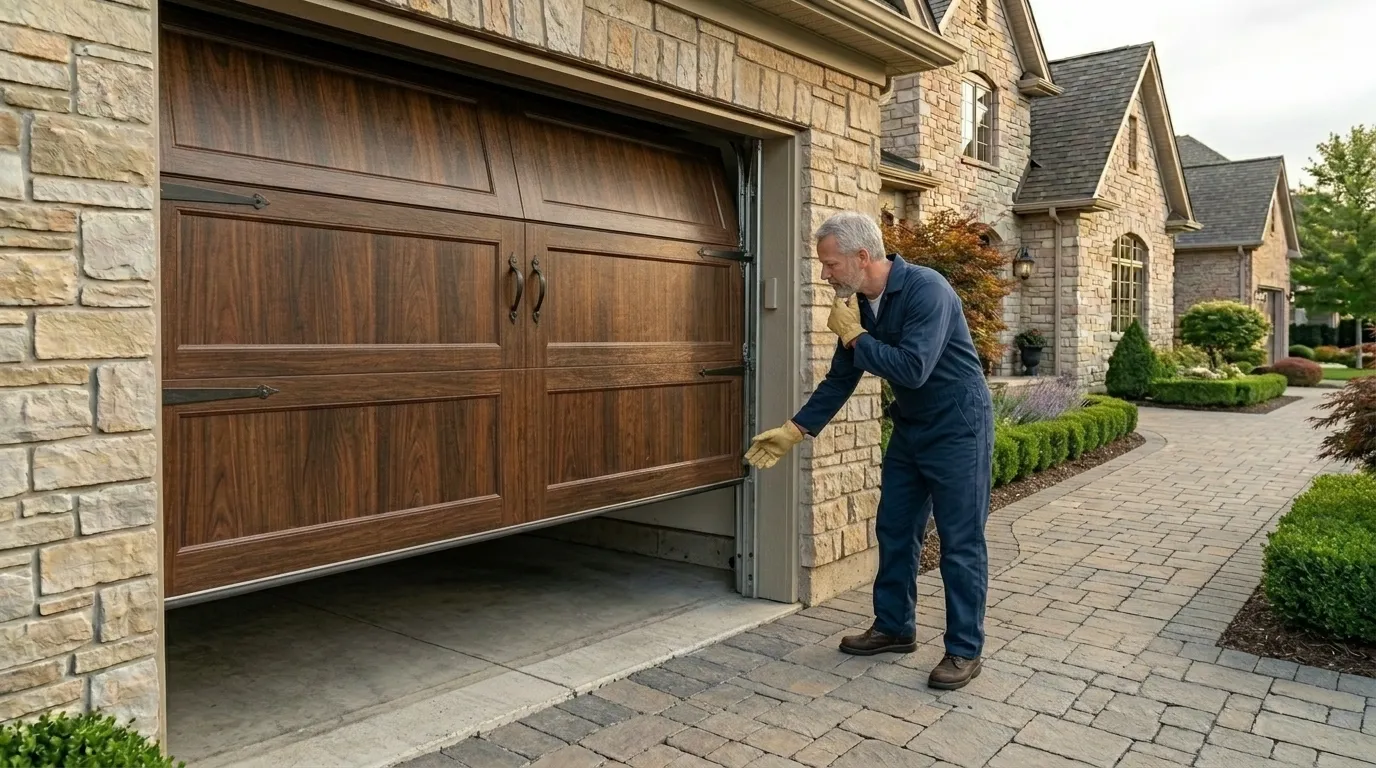
We measure twice before we order, because a custom-width door has a longer lead time than a standard 16-footer, and nobody wants to wait extra weeks because of a measurement we rushed. If your opening is a standard size, we can usually get the job scheduled and closed out faster than a custom order allows - that's the honest tradeoff between speed and fit. We won't force a stock door onto a non-standard opening just to save a week; it comes back to bite the springs and the track within a year.
What the Fix Involves
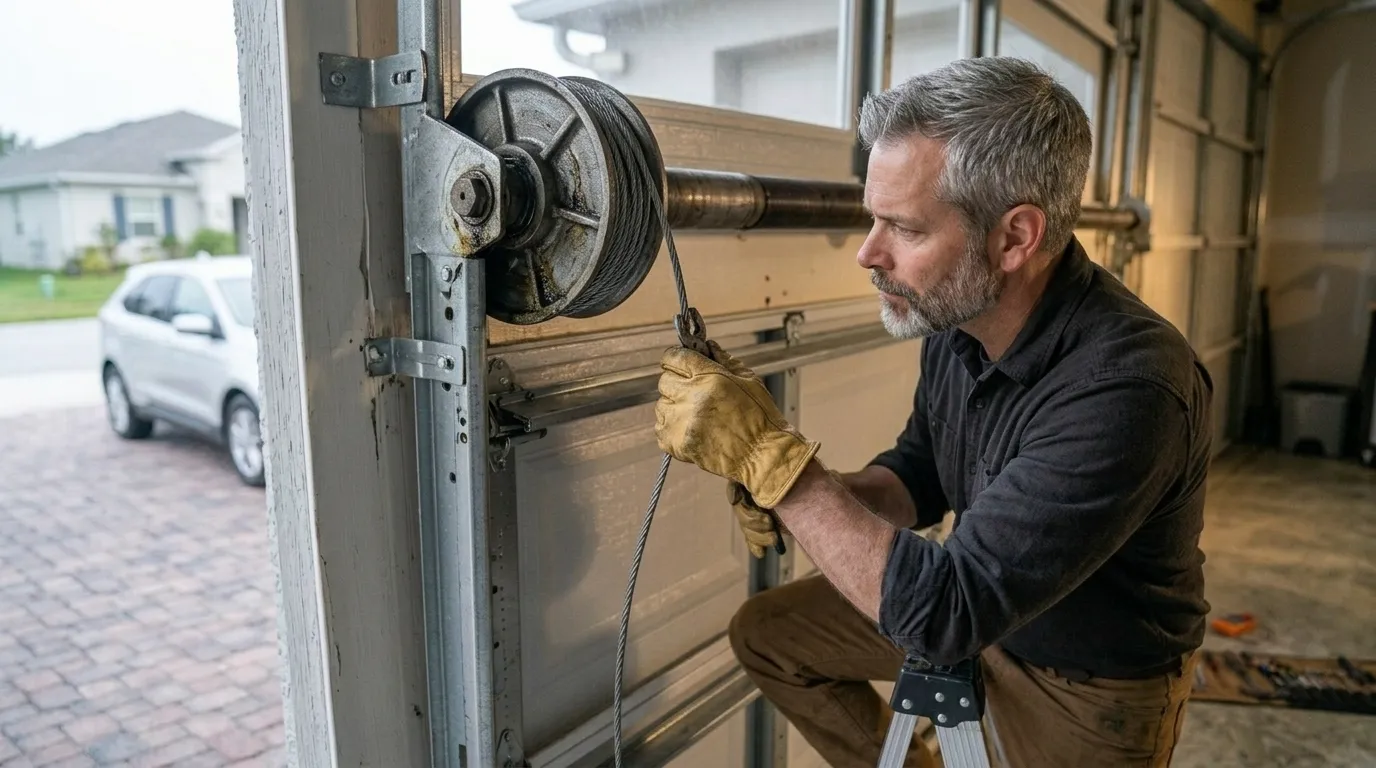
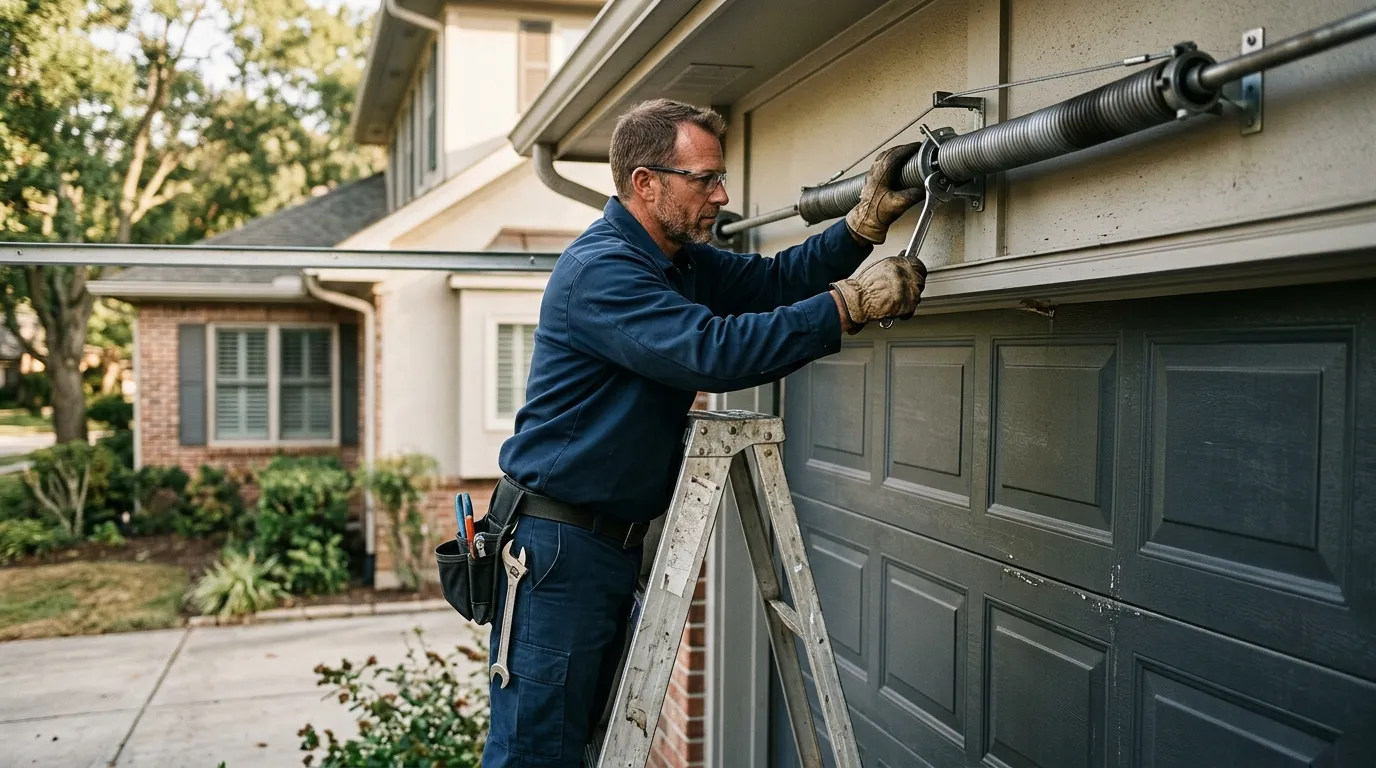
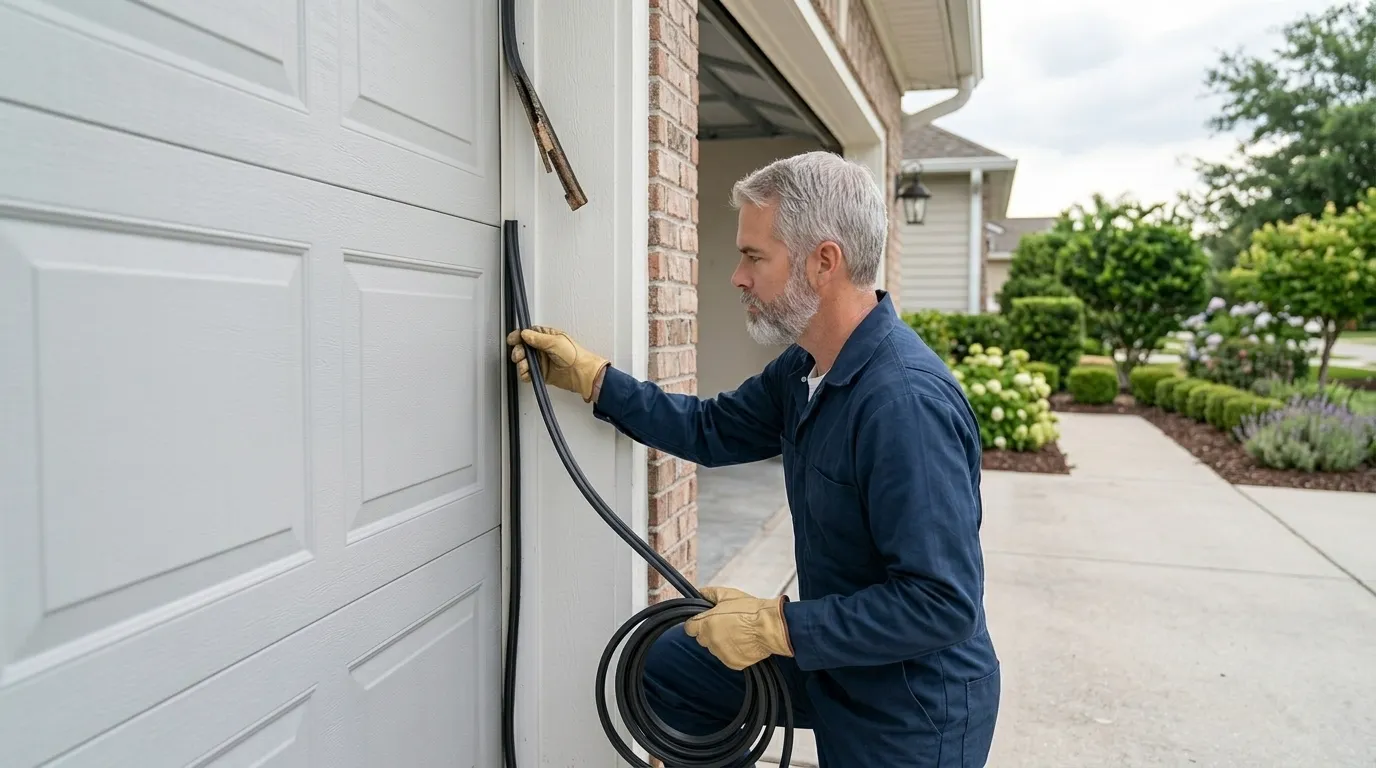
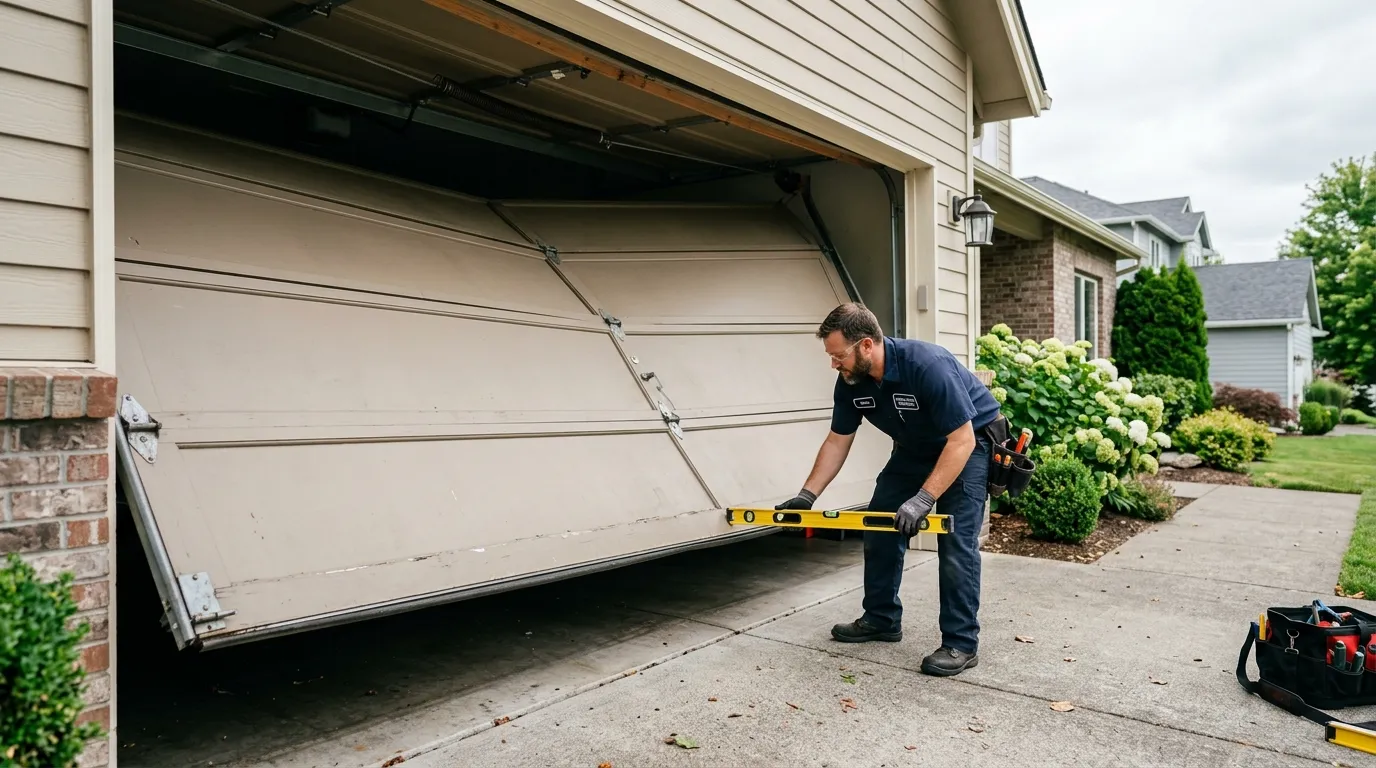
For a straight replacement, we swap the panel sections, track, rollers, and springs as a matched set - mixing an old torsion spring with a new heavier door is how you get a door that won't hold its position. In Hesperia's moderate-heat climate band, we lean toward doors with a thermal break or foam-backed steel panels for anyone with a garage that shares a wall with living space; a hollow single-layer door does fine on a detached garage but underperforms once heat has a path into the house.
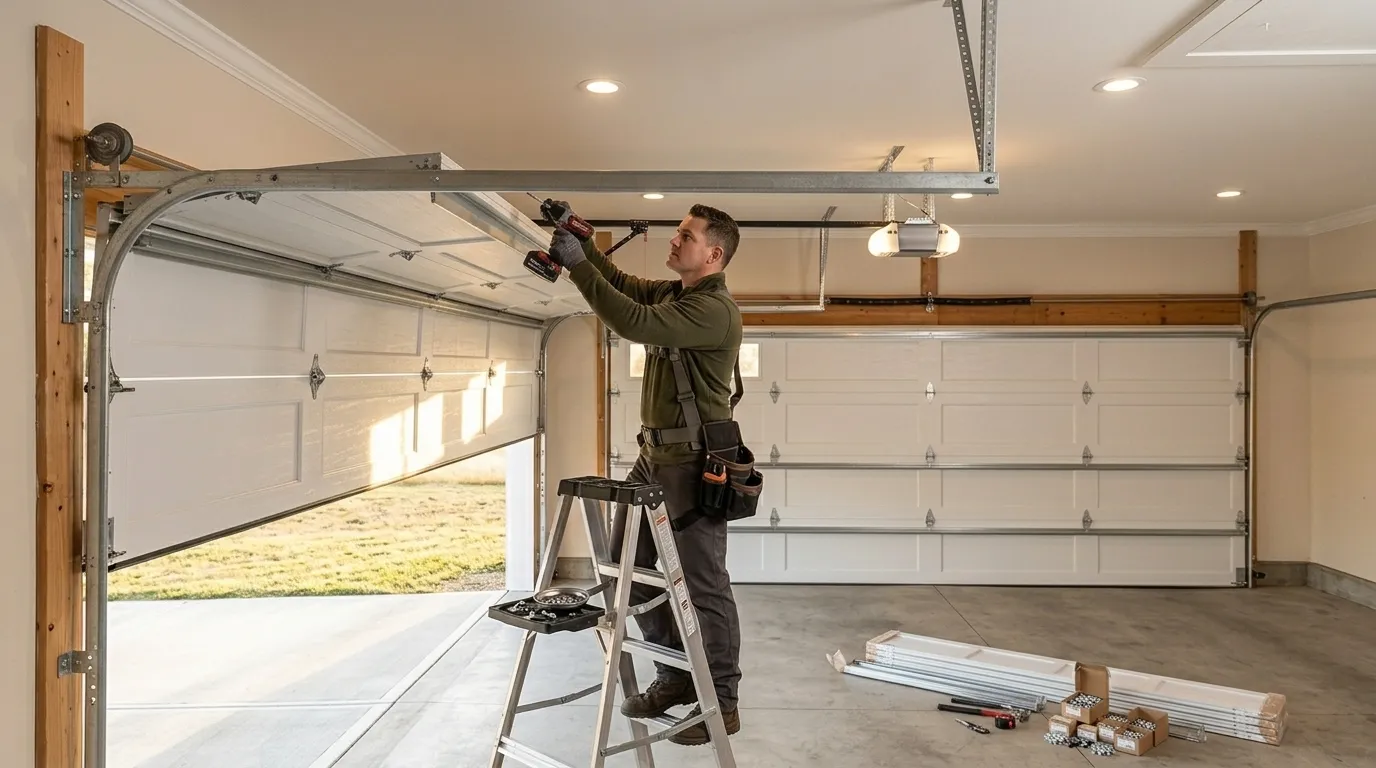
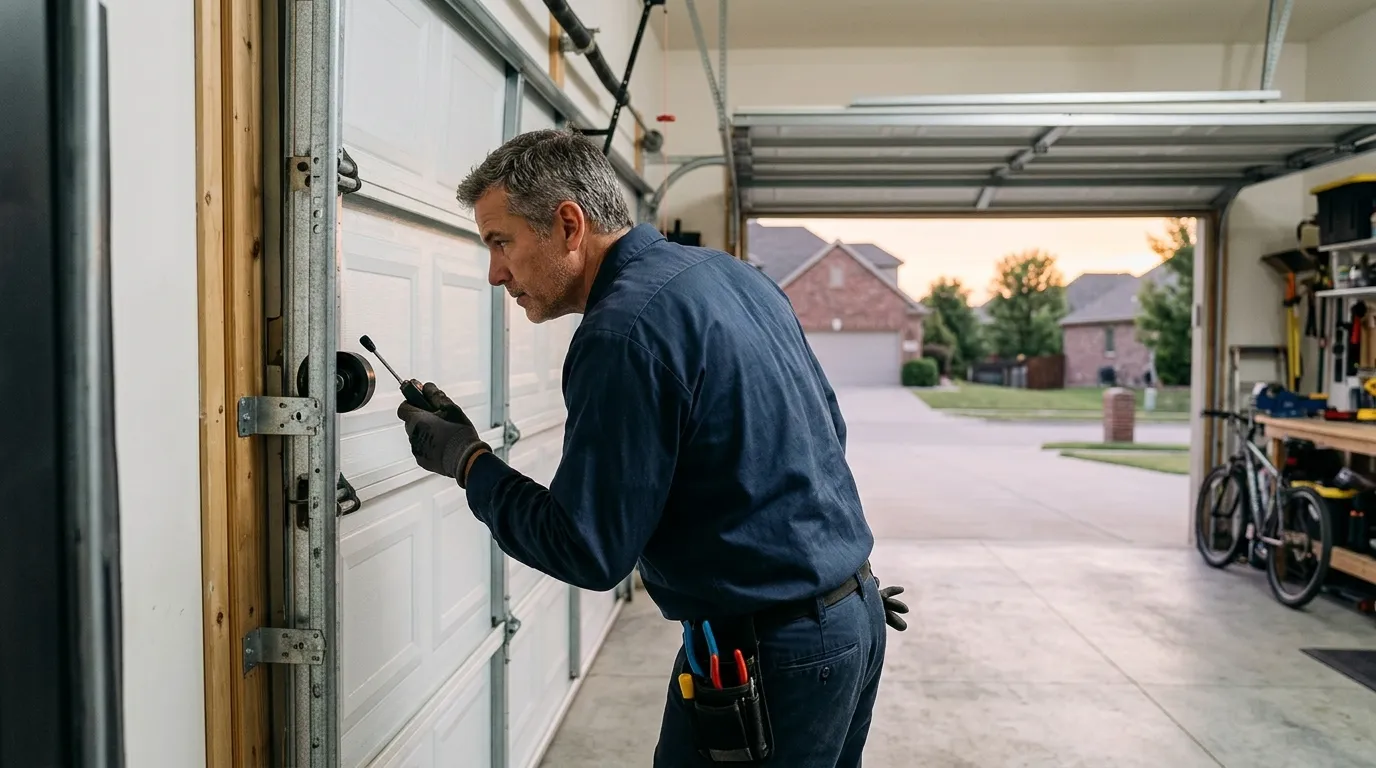
We also reset the opener travel limits and force settings after install, since a new door has different weight and balance than what came off. Skipping that step is the most common reason a fresh install still feels wrong to the owner a week later. If the existing opener is more than a few years past its useful stretch, we'll say so plainly rather than bolt a new door to worn-out gearing and call it done. Sometimes the honest answer is that the opener needs attention too, not just the door.
What Causes It Around Here
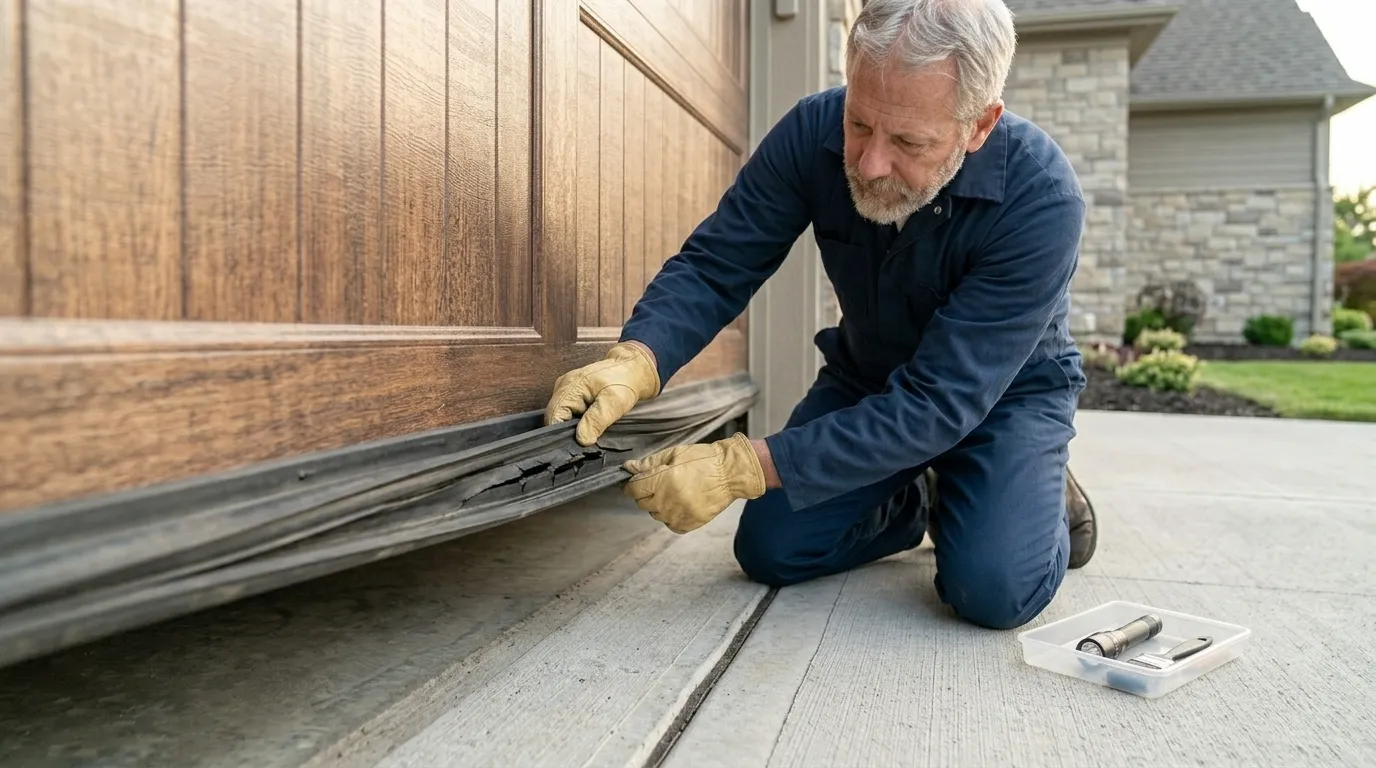
Two things stack on each other here: the age of the housing and the heat. With most structures dating to the 1958-1997 window and clustered in the 1980s and 90s across the thirteen named areas we track, a large share of original garage doors are now past the point where parts are easy to source - torsion springs and end bearings from that era aren't always a direct swap with what's on the shelf today.
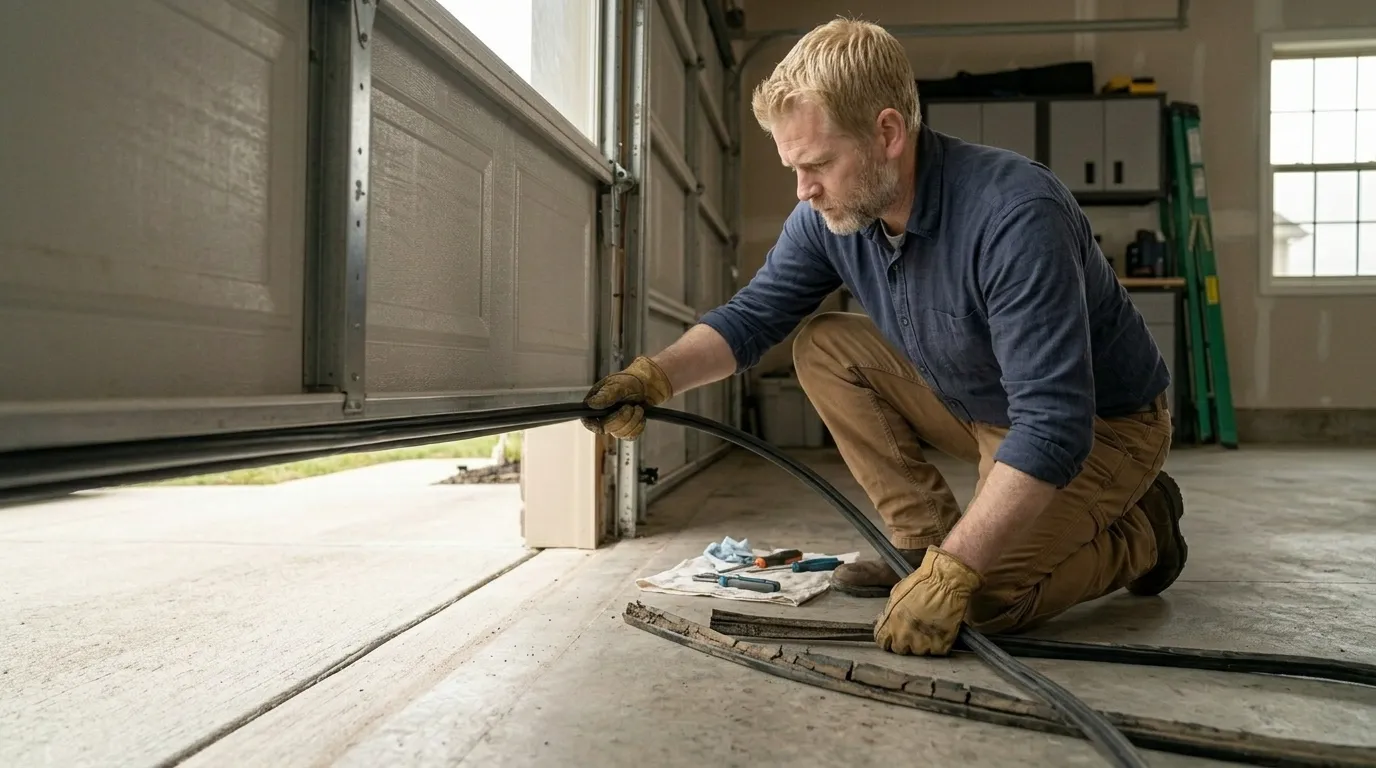
The moderate-heat band adds wear on top of age: steel panels expand and contract enough over the years to loosen fasteners and rollers, especially on unshaded, south-facing garages. With a median household income of $79,378 across the service area, most of the owners we talk to are choosing a mid-grade insulated steel door over a bare-bones option - not deciding whether they can afford to fix it at all, but which door earns its keep over the next couple of decades. We run installs out to Oak Hills at five miles, Spring Valley Lake and Mountain View Acres around seven, and as far as Phelan at twelve and Wrightwood at eighteen, so we plan crew time around those distances when we book the day.