Common Jobs Here
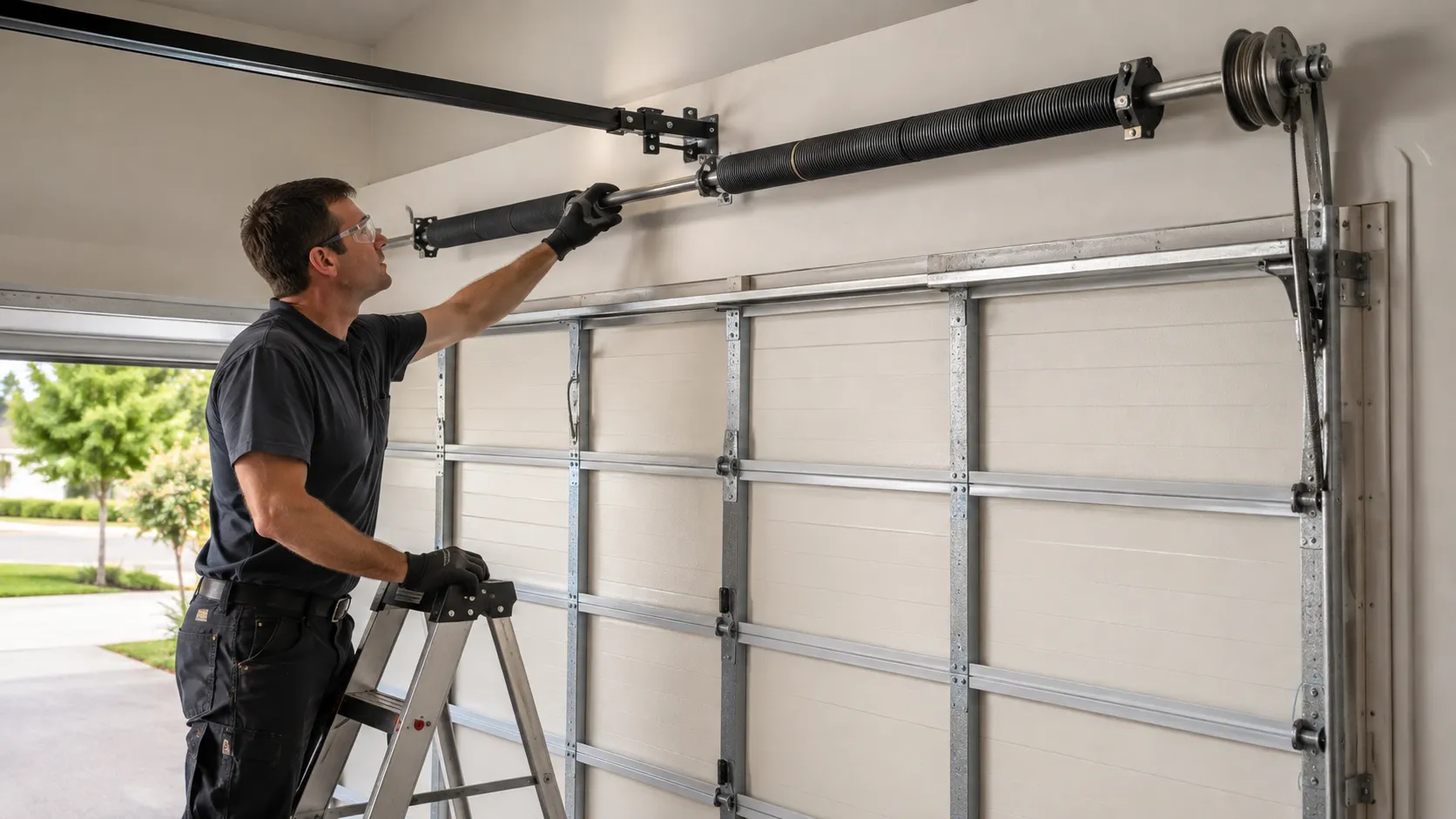
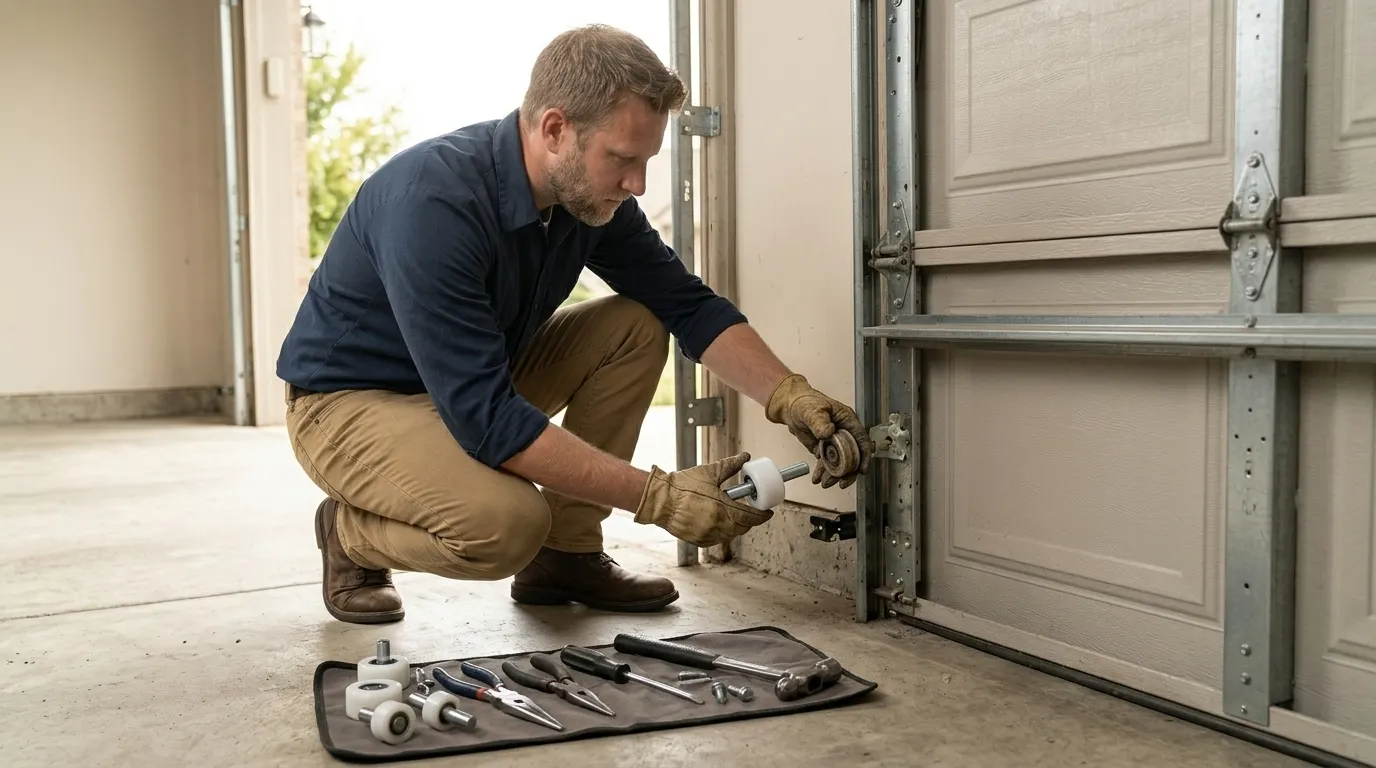
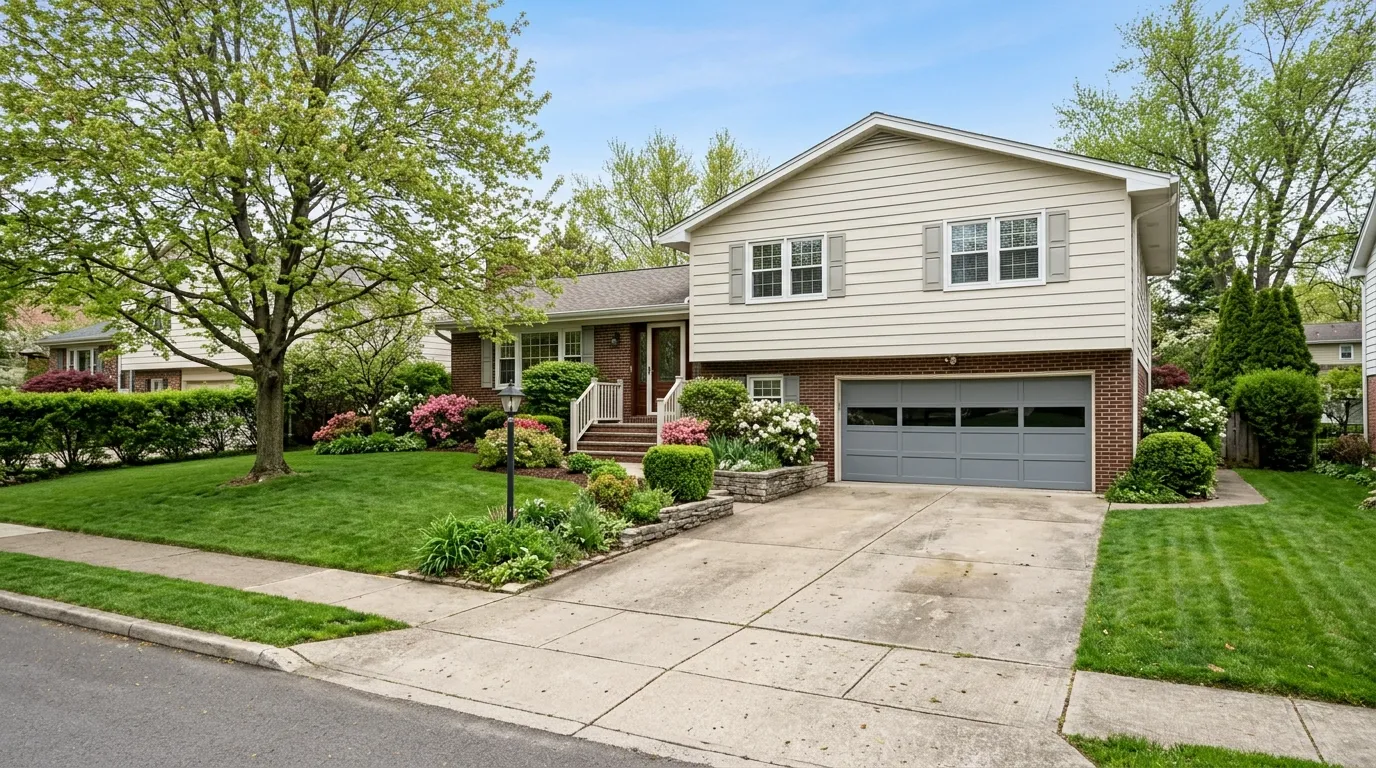
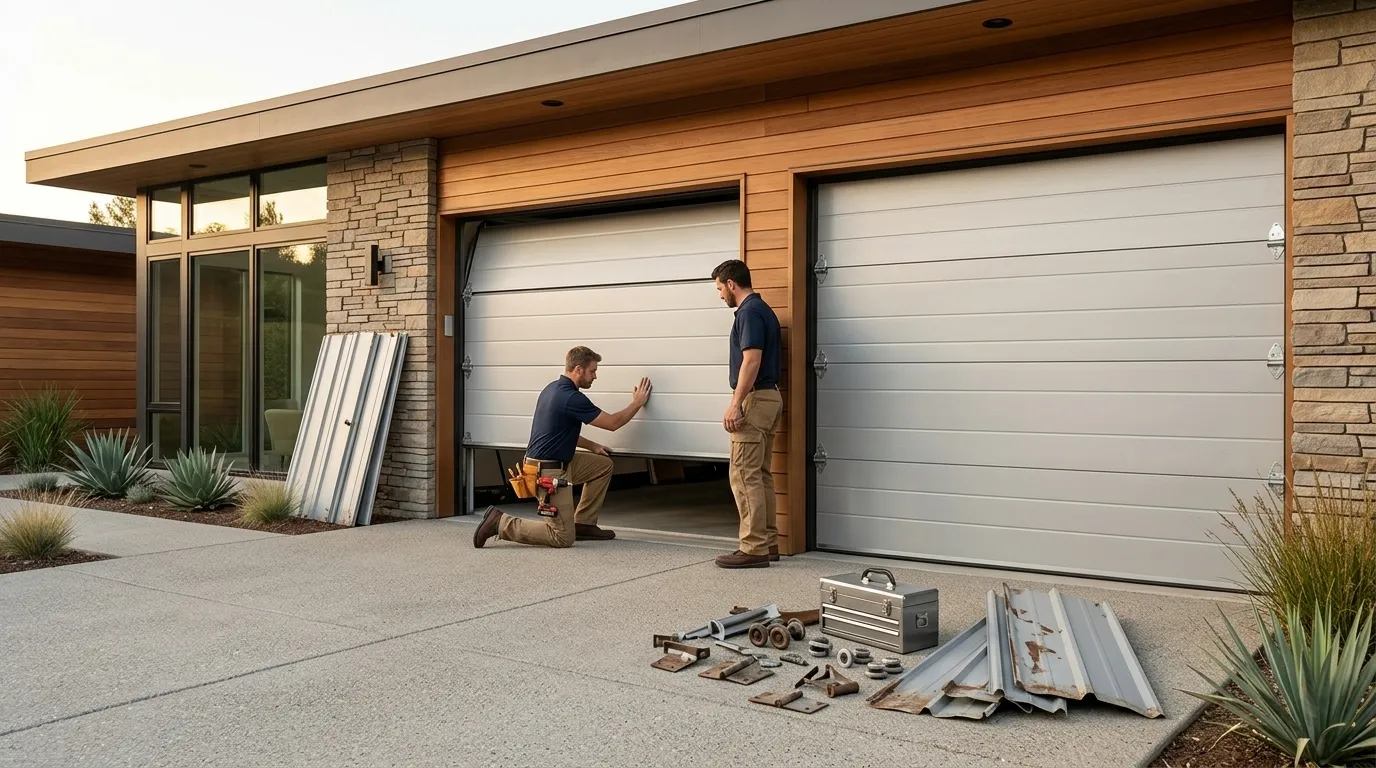
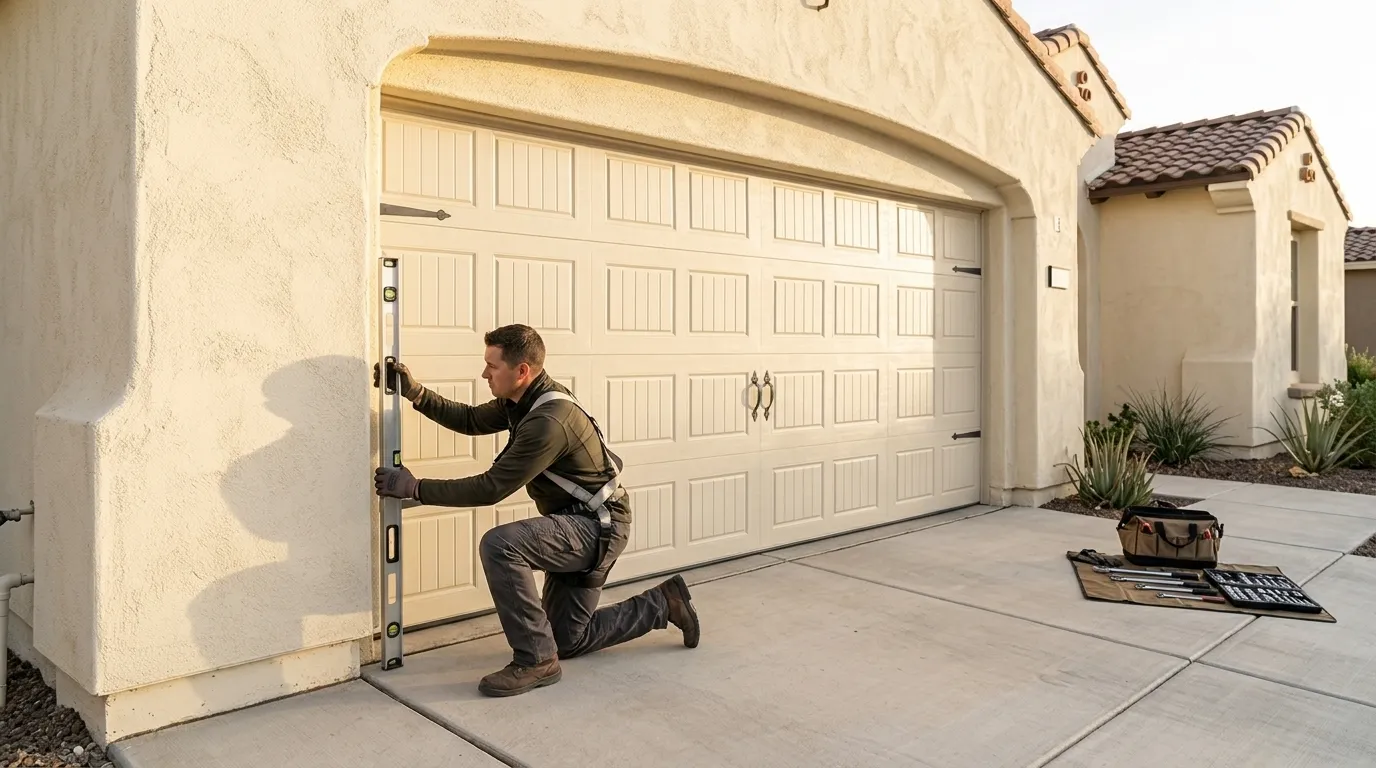
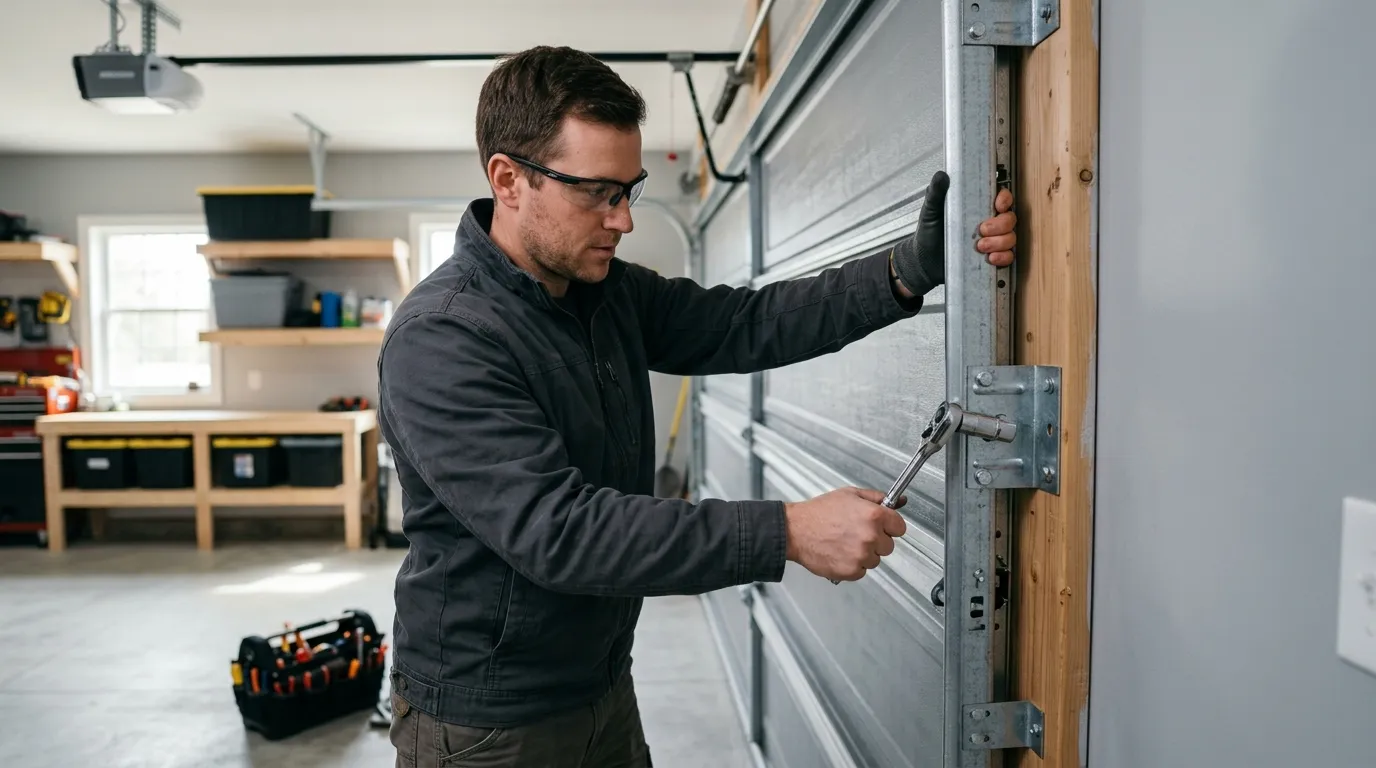
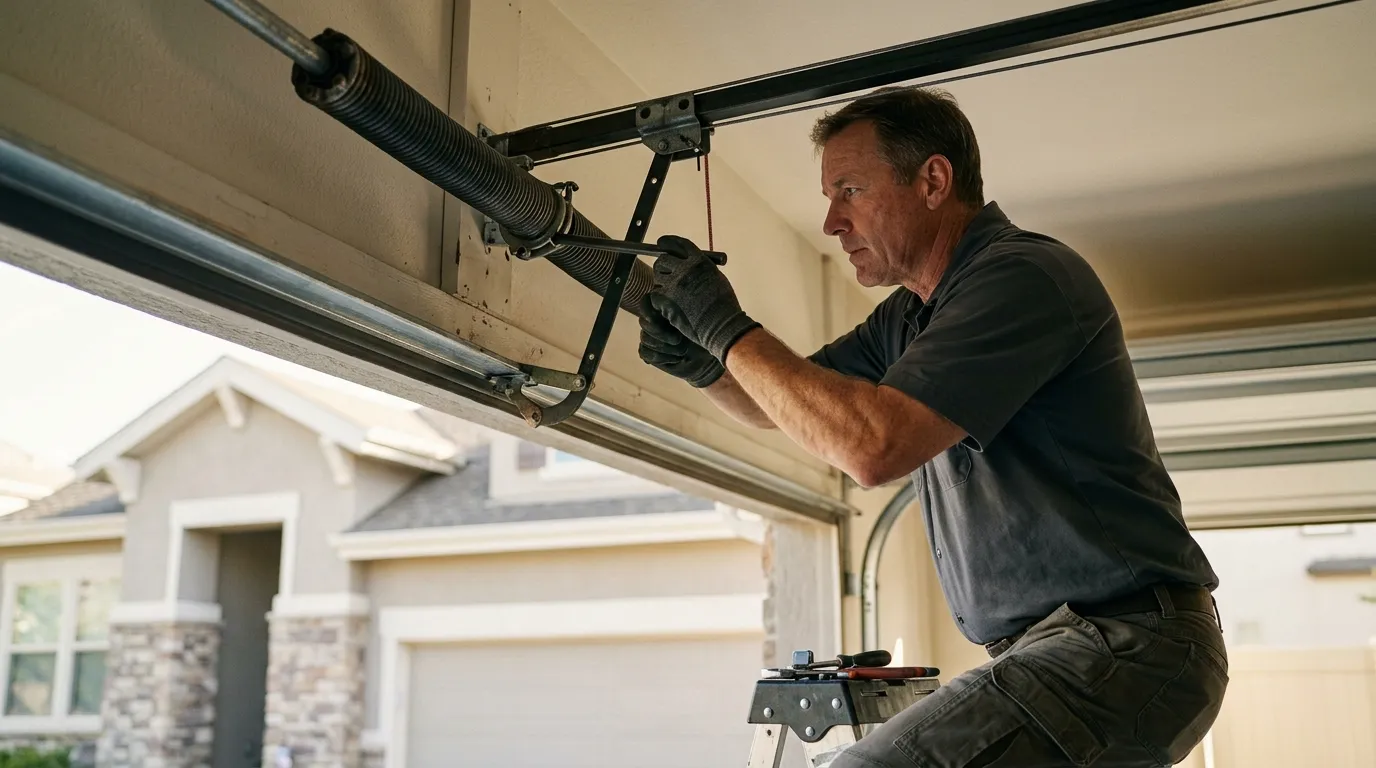
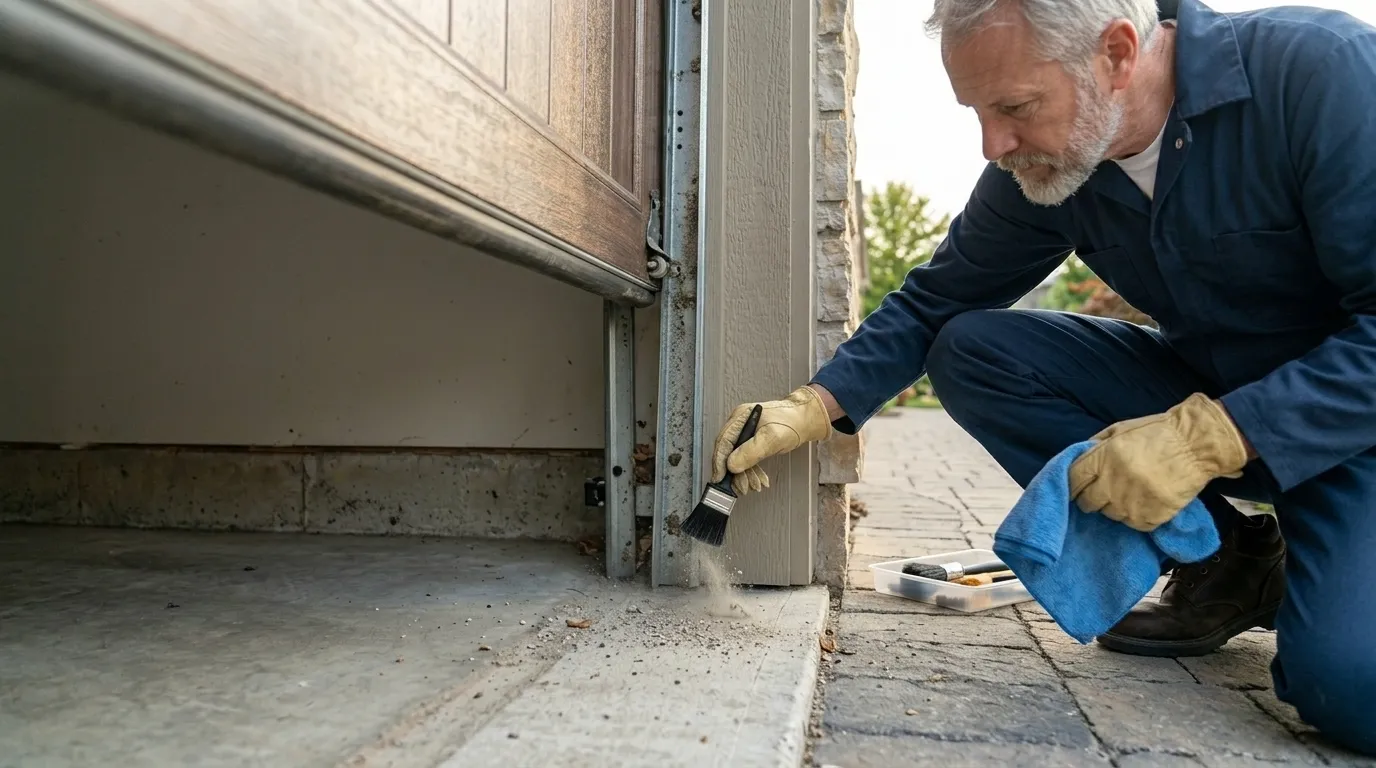
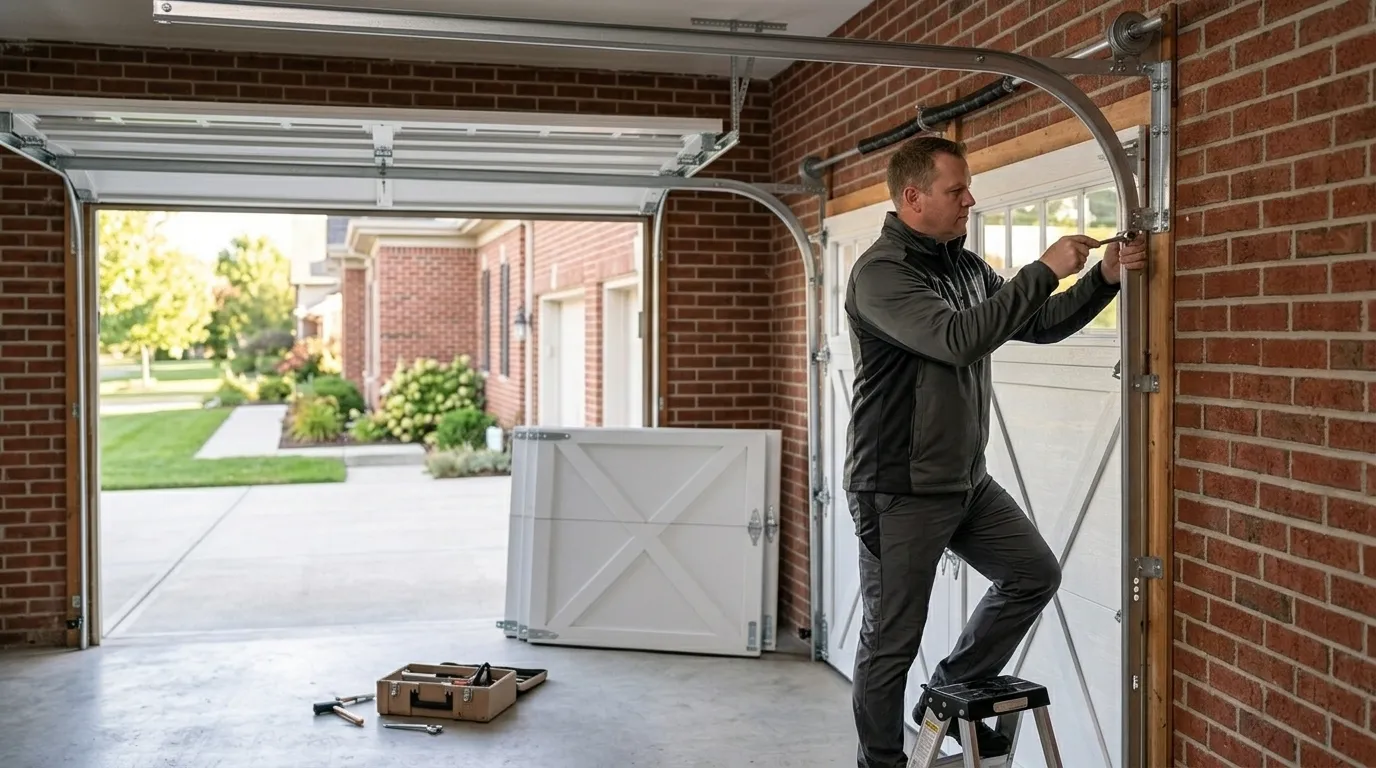
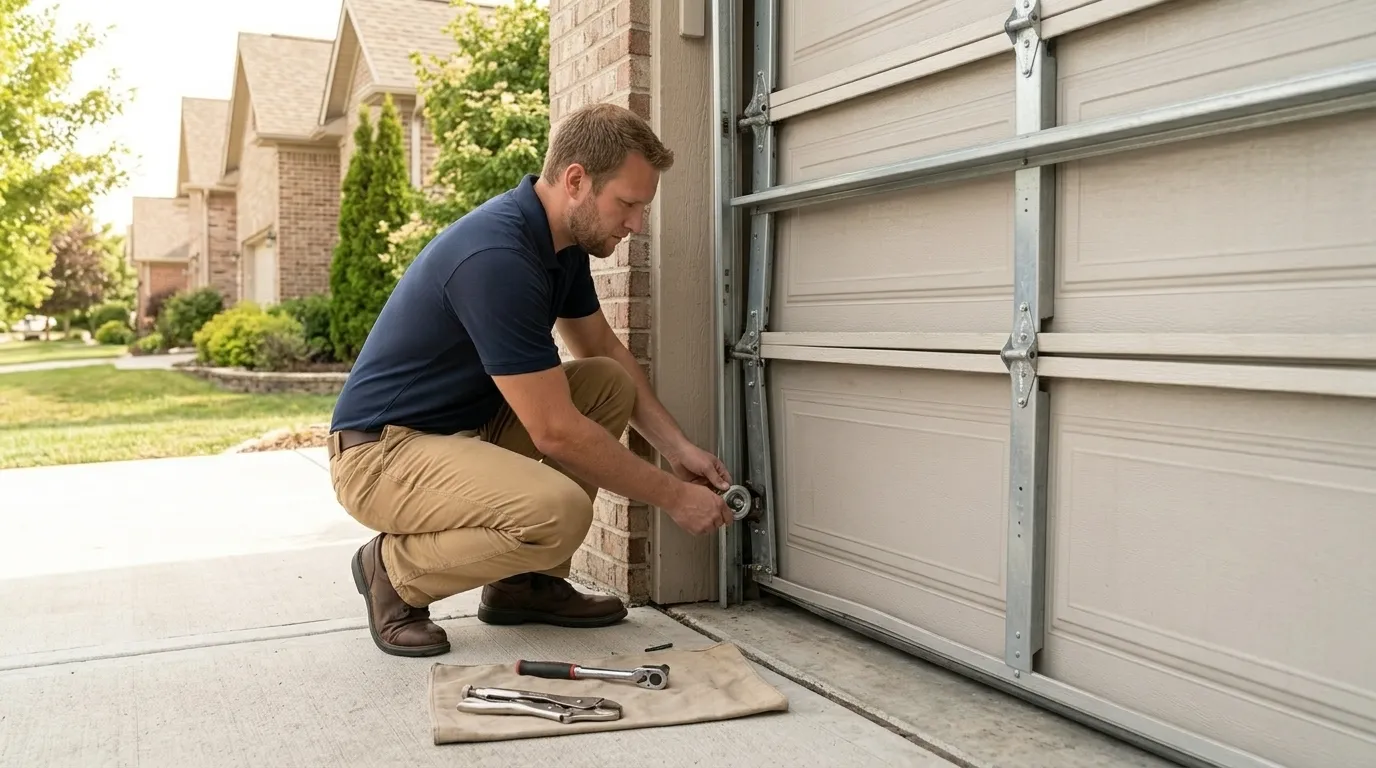
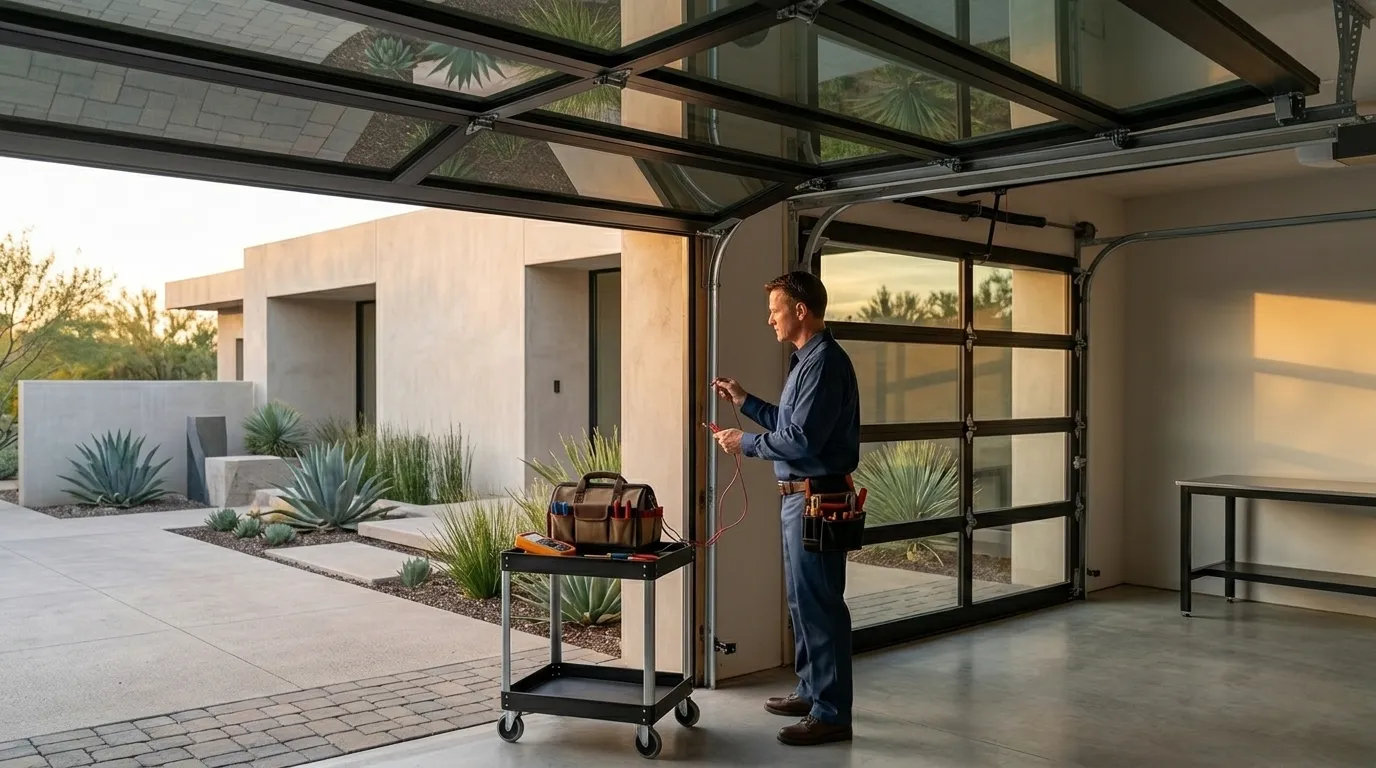
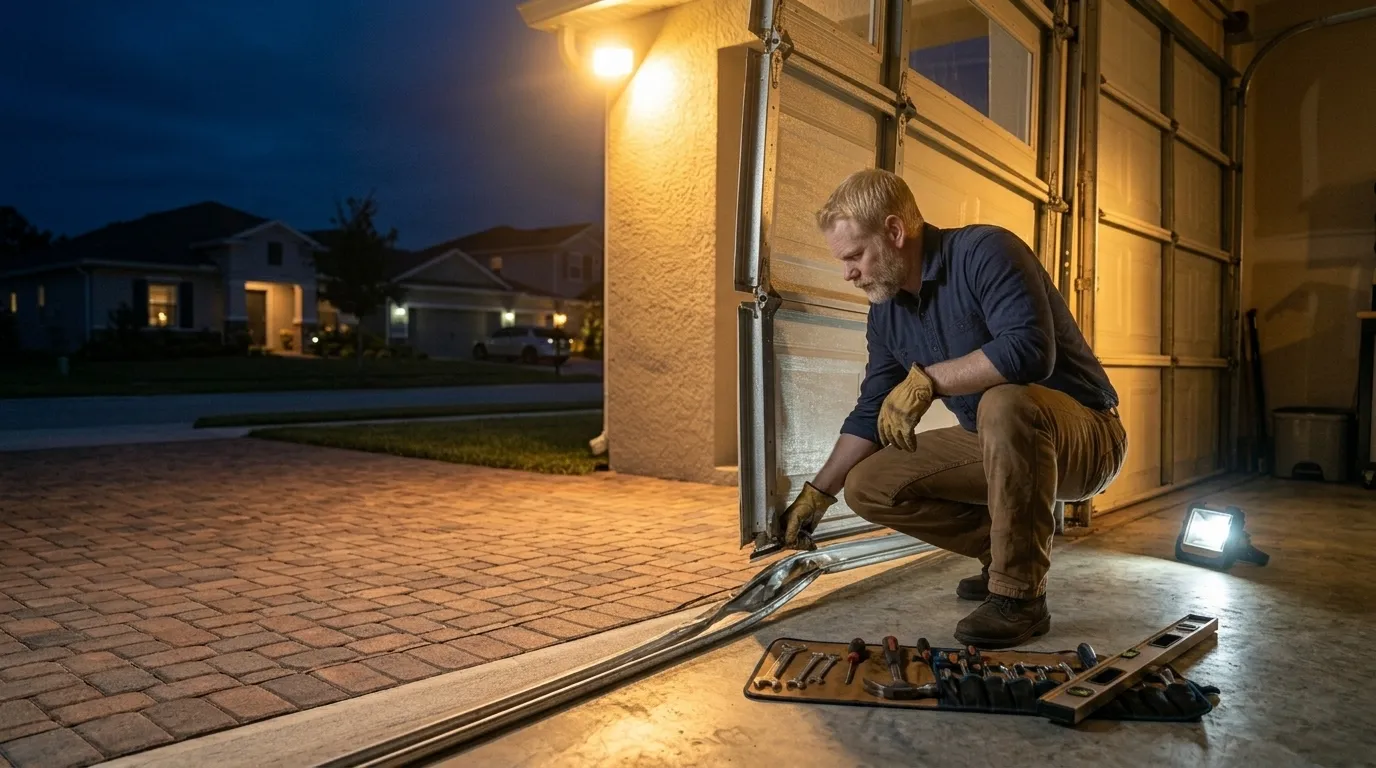
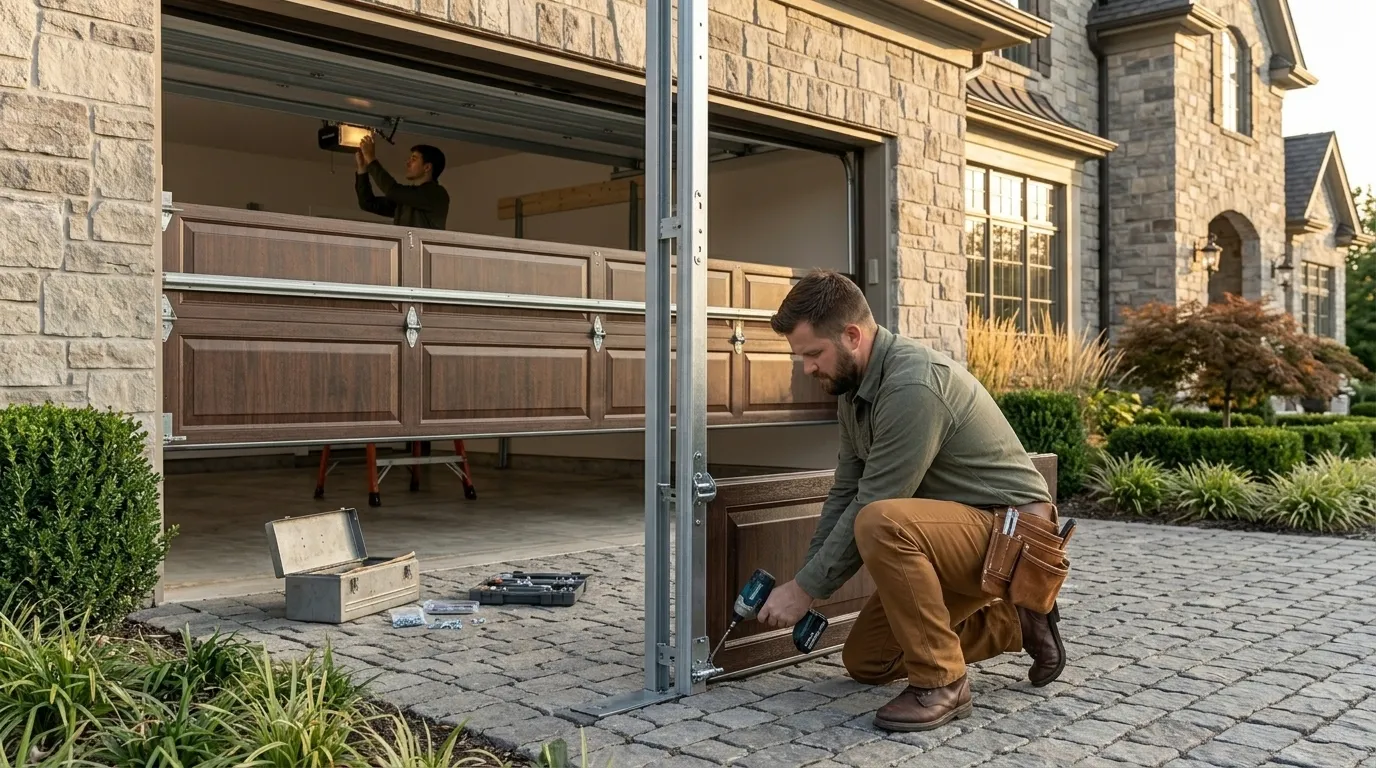
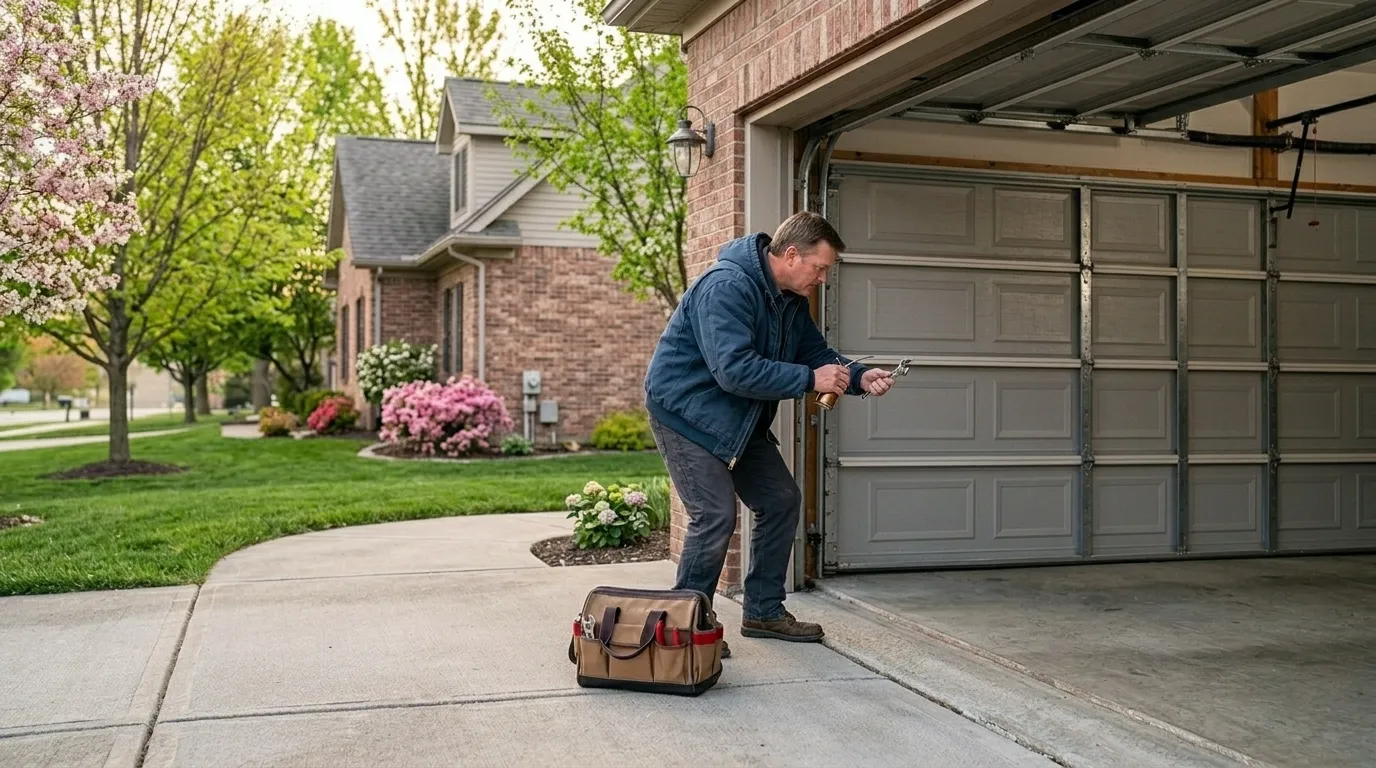
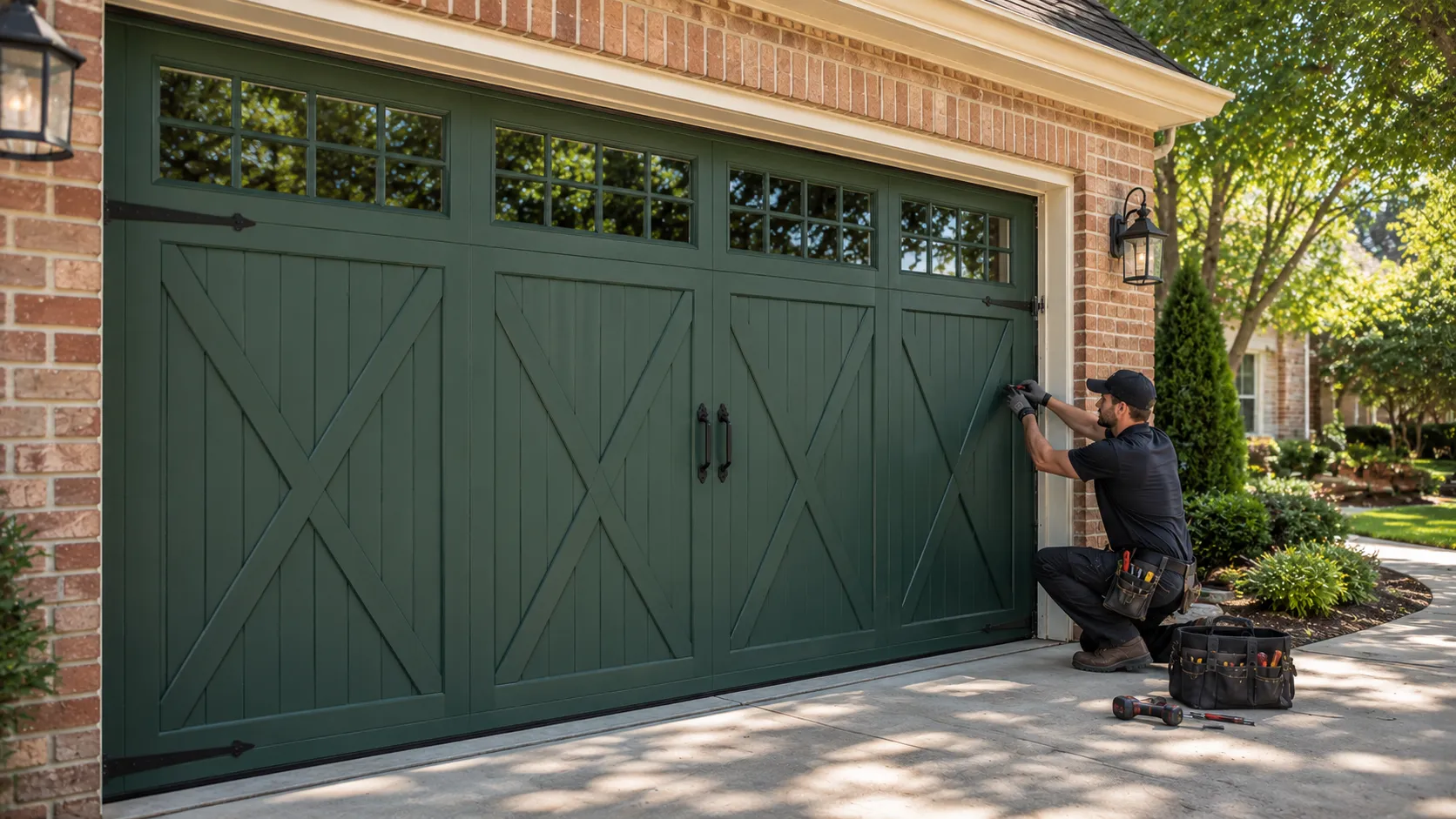
Wrightwood's housing stock centers on 1974, which puts a lot of doors here a good decade ahead of what we see closer to Hesperia. That earlier build date means more original torsion setups that have never been touched, more single-layer steel or wood doors that were never insulated, and rollers that have worn well past the point of just needing grease. On a lot of these jobs the spring isn't the only thing that's tired - the track brackets and the header bracket bolts have loosened over close to fifty years of the door going up and down. We also see more full door swaps out here than repairs, simply because parts for some of the older panel styles from that build era aren't something a supplier keeps on the shelf anymore. If your door groans, drags, or slams the last foot of travel, that's usually the hardware telling you its age, not just a bad day.
What Was Built Here
The median year built in Wrightwood is 1974, noticeably earlier than the 1986 median across the wider service area we cover. With about 2,325 households up here, this is a smaller pocket than the bigger flatland communities, and median household income sits at $78,496, close to the broader area figure of $79,378. What that combination tells us on a job: fewer newer builds mixing in to skew things younger, and a housing stock that's had more decades to accumulate the small deferred fixes - a bent track here, a cracked panel there - that eventually add up to a full opener or door replacement instead of a patch job.
What That Means for Doors
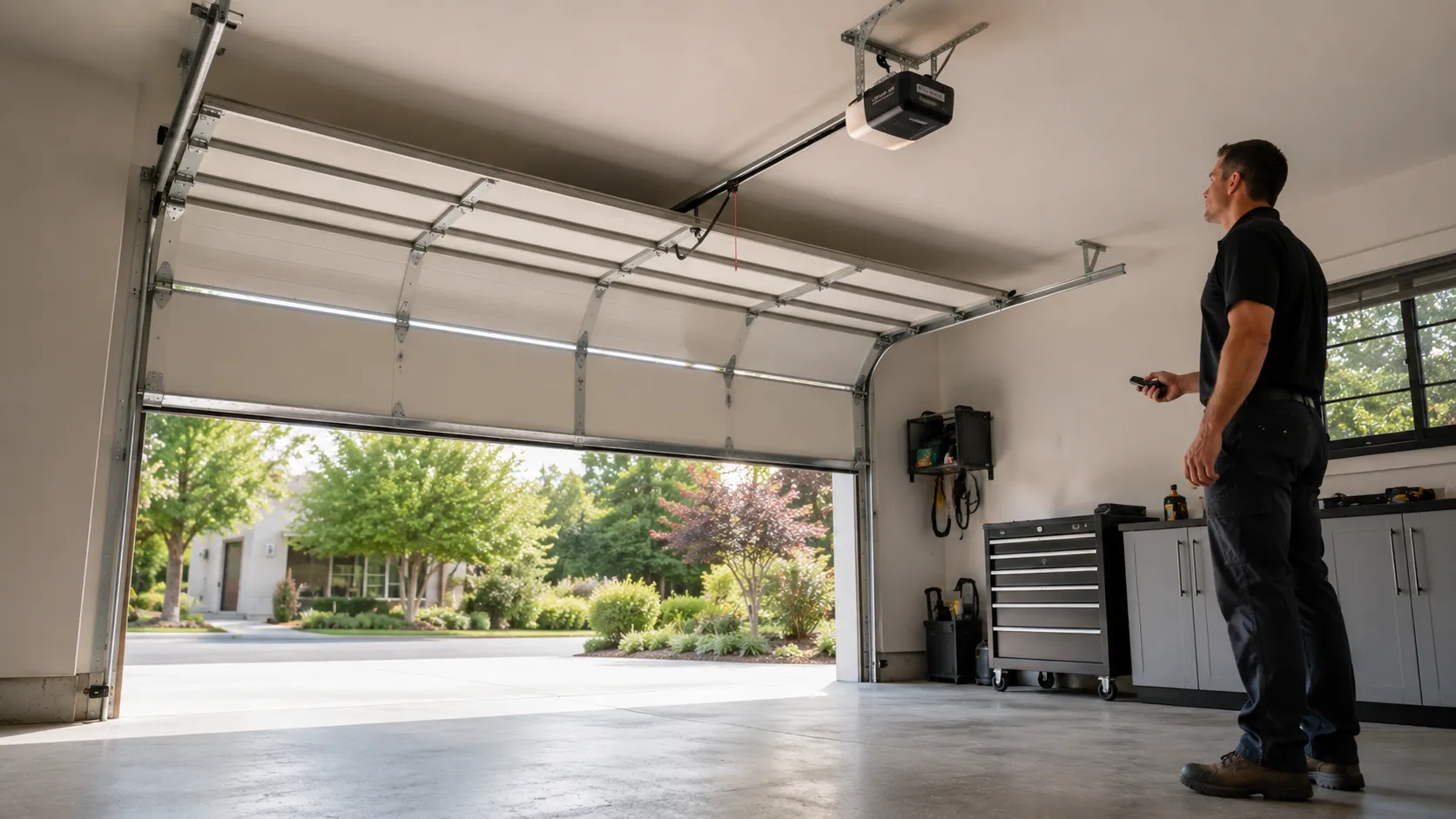
A door installed around 1974 was built to a different set of assumptions than one going in today - narrower track profiles, different spring wind counts, and in a lot of cases a wood door that was never meant to run on today's lighter-duty openers. When we get called out to Wrightwood, more of the job tends to be diagnosis: is the opener straining because the door itself has gotten heavy with age, or is it a spring that's simply given out. We'll tell you straight when a repair isn't worth it - patching an original door from this era can cost more over a year than replacing it once, especially if the panels are wood and have taken on moisture damage over the decades. We'd rather say that upfront than sell you a spring job on a door that needs to go.