Time on the Job
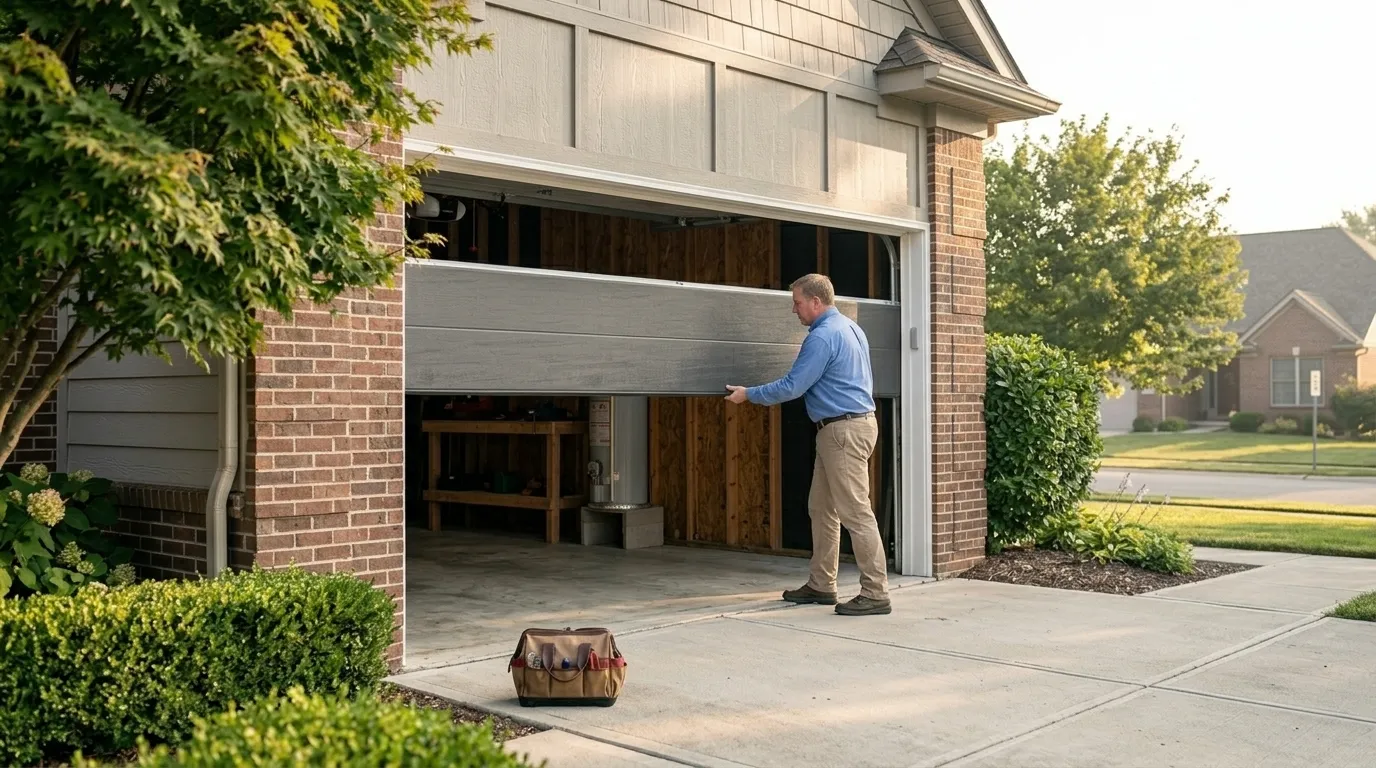
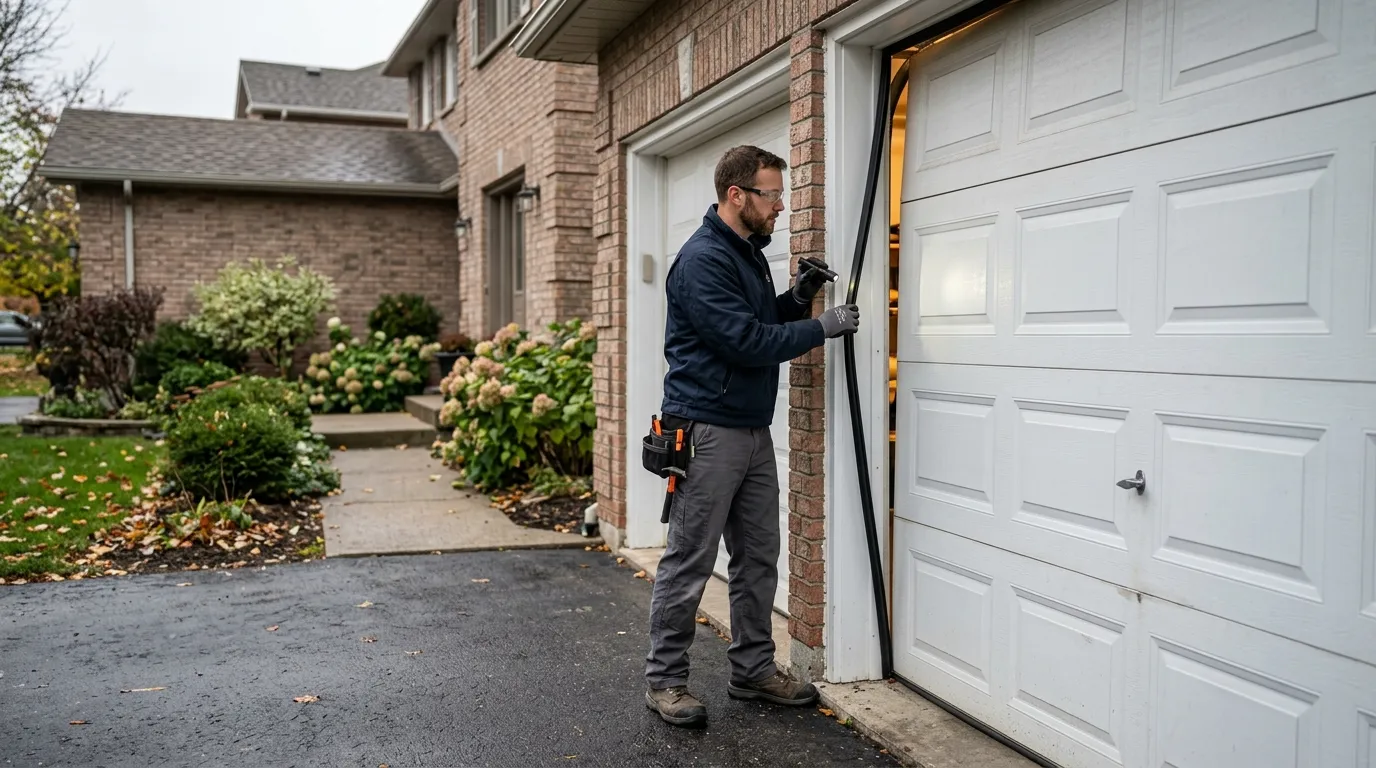
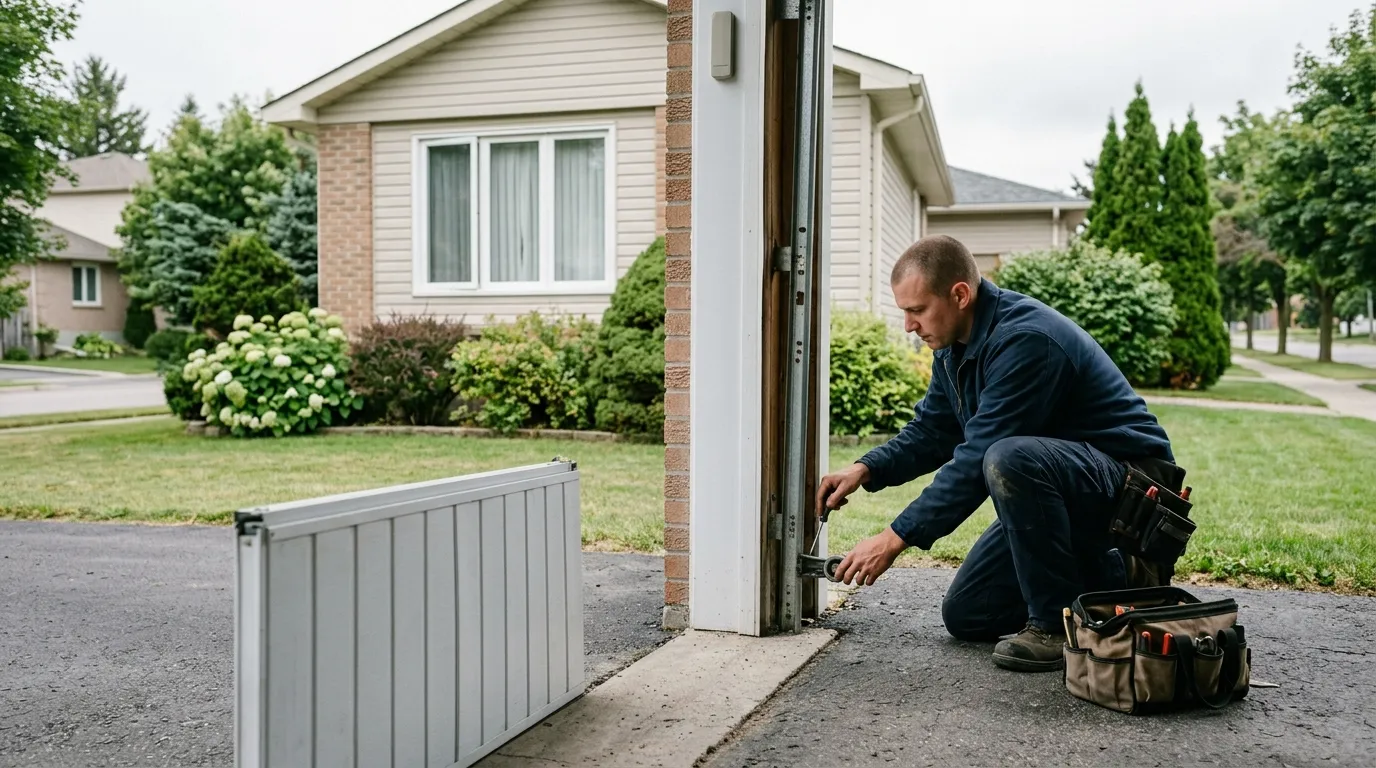
Most of the houses we get called to in Hesperia went up somewhere between 1958 and 1997, with the median build year landing around 1986. That matters more than people think. A door installed when a house was framed is often the same door still hanging there decades later, sometimes with the original torsion spring or the original steel track bolted to studs that have shifted a little with age. We show up expecting to work on hardware from that era, not off a current catalog. That changes how we diagnose a call - a rattling track on a house from 1986 usually means worn rollers and loosened track brackets, not a bent panel from a fresh impact. We're servicing the actual door in front of us, on the actual wall it was hung on, not swapping in whatever's easiest to order. That's slower some days. It's also why the fix tends to hold.
What the Fix Involves
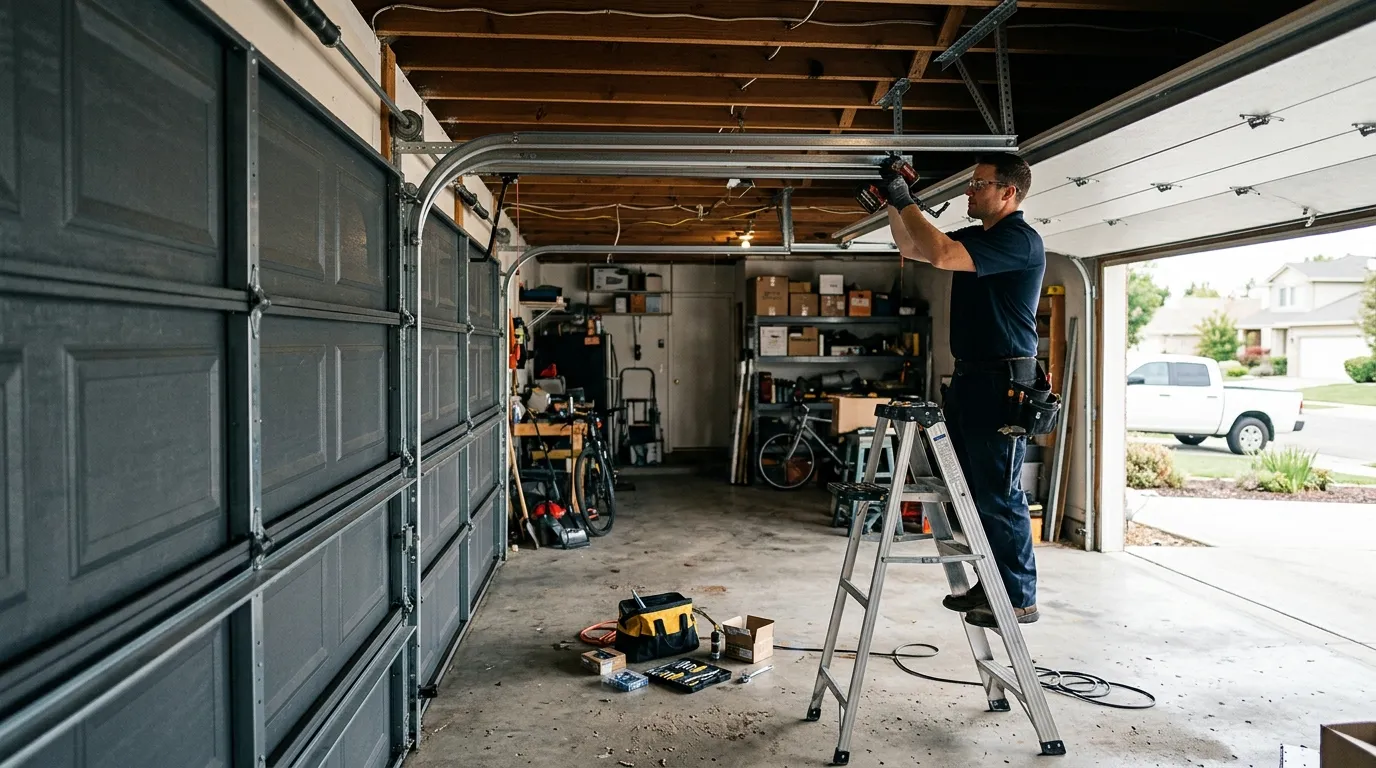
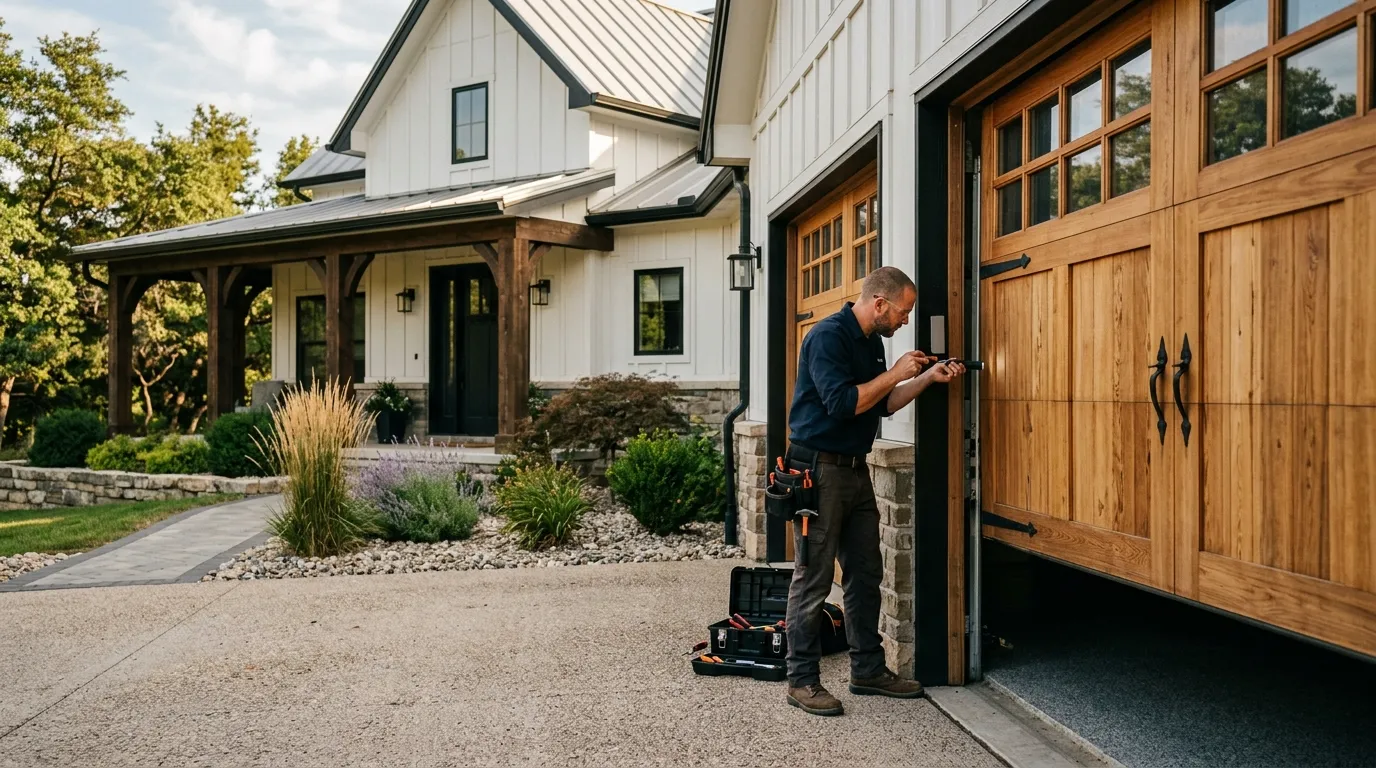
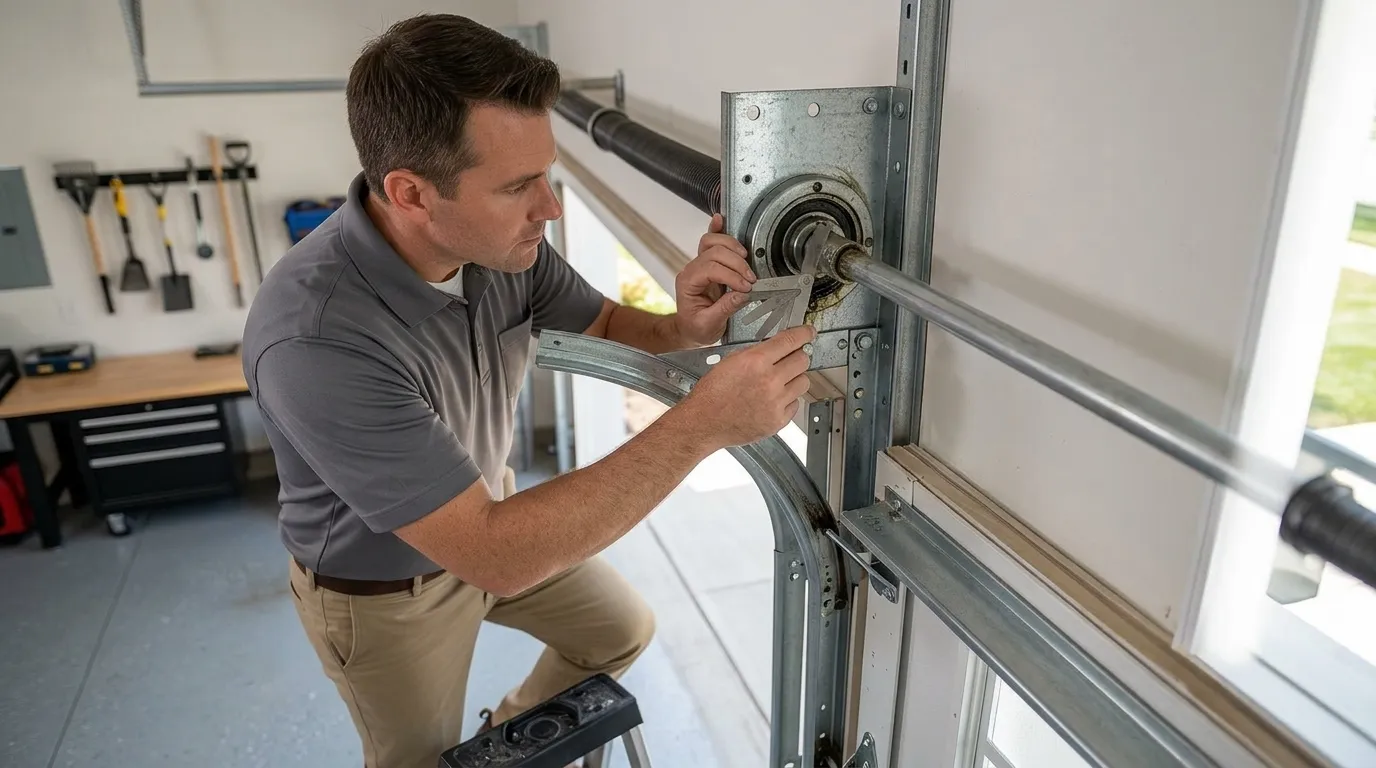
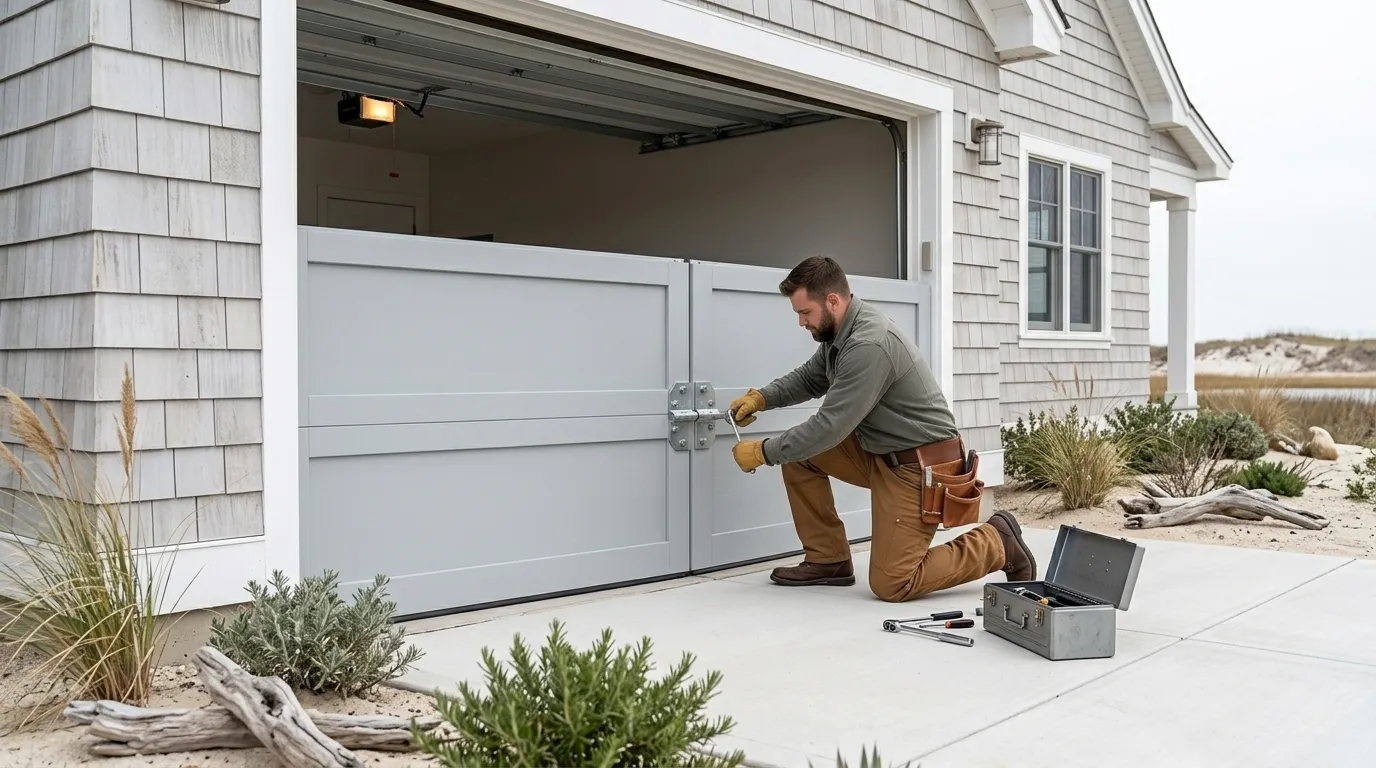
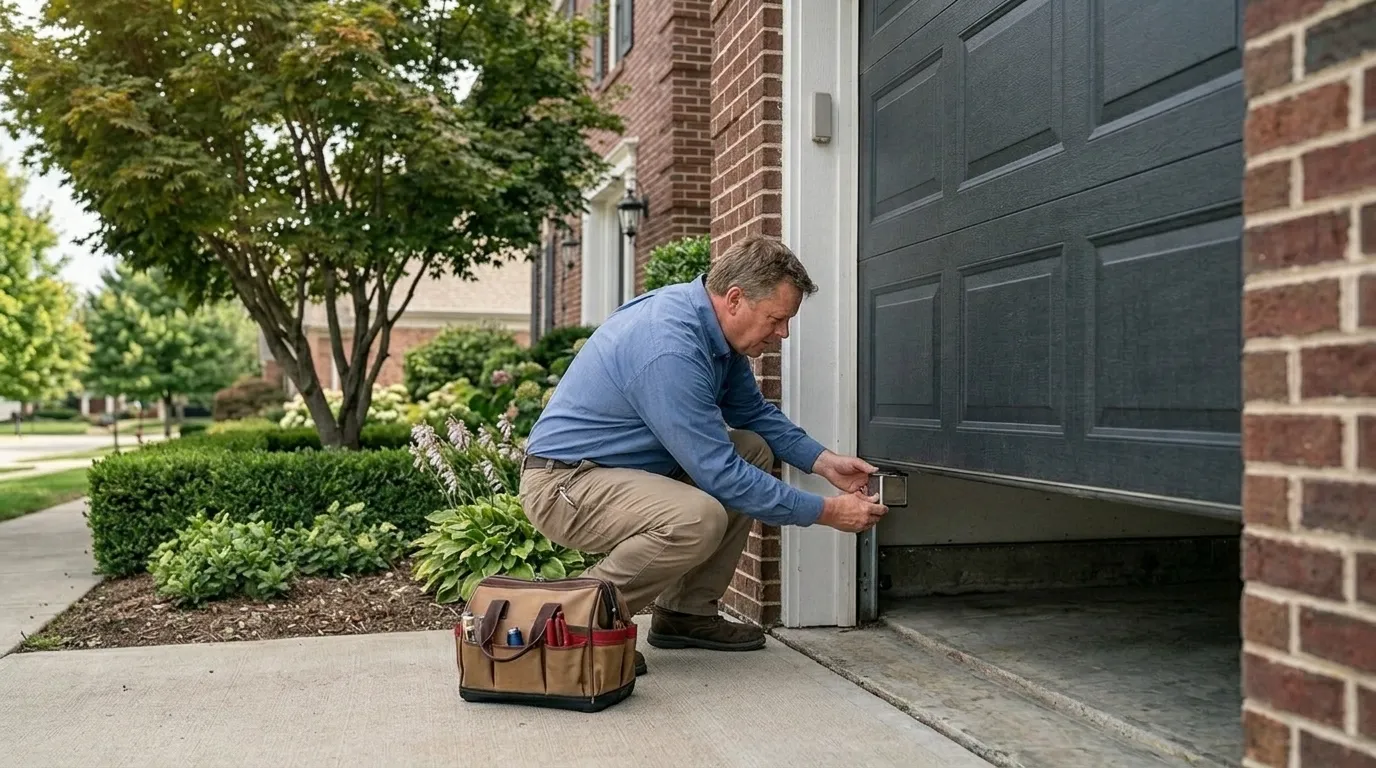
A service call here usually starts with the spring and cable system, because that's the part under constant tension and the part that fails without much warning. On a door from the 1980s or 90s stock that makes up most of this area, we're checking spring wind, drum alignment, and cable fray before we ever touch the opener. If the opener itself is the complaint - grinding, reversing, or just not responding - we look at the gear set and the travel limits, which drift on units that have been running for years in a garage that swings through a wide temperature range over the day. We don't replace a whole door assembly when a spring, a roller set, or a section of track will do the job. Full replacement gets recommended when the door itself has failed structurally, not as a default. That's the honest limit of what a service call should do: fix what's broken, leave what isn't.
What Causes It Around Here
Hesperia sits in a moderate-heat climate band, and that daily heat cycle in an uninsulated garage does real work on hardware over the years - metal expands and contracts, lubricant on rollers and hinges dries out faster than it would in a milder setting, and springs that see that swing every day for a few decades lose tension sooner than the same spring would in a climate that stays steadier. Combine that with a housing stock where the median home is pushing forty years old, and you get a service area where original springs and original openers are still common instead of the exception. It's not corrosion or storm damage driving most of our calls - it's straightforward wear from heat cycling on hardware that's simply been in service a long time. That's the pattern across the neighborhoods we cover, from the older sections near Oak Hills out toward Mountain View Acres and Spring Valley Lake.