Common Jobs Here
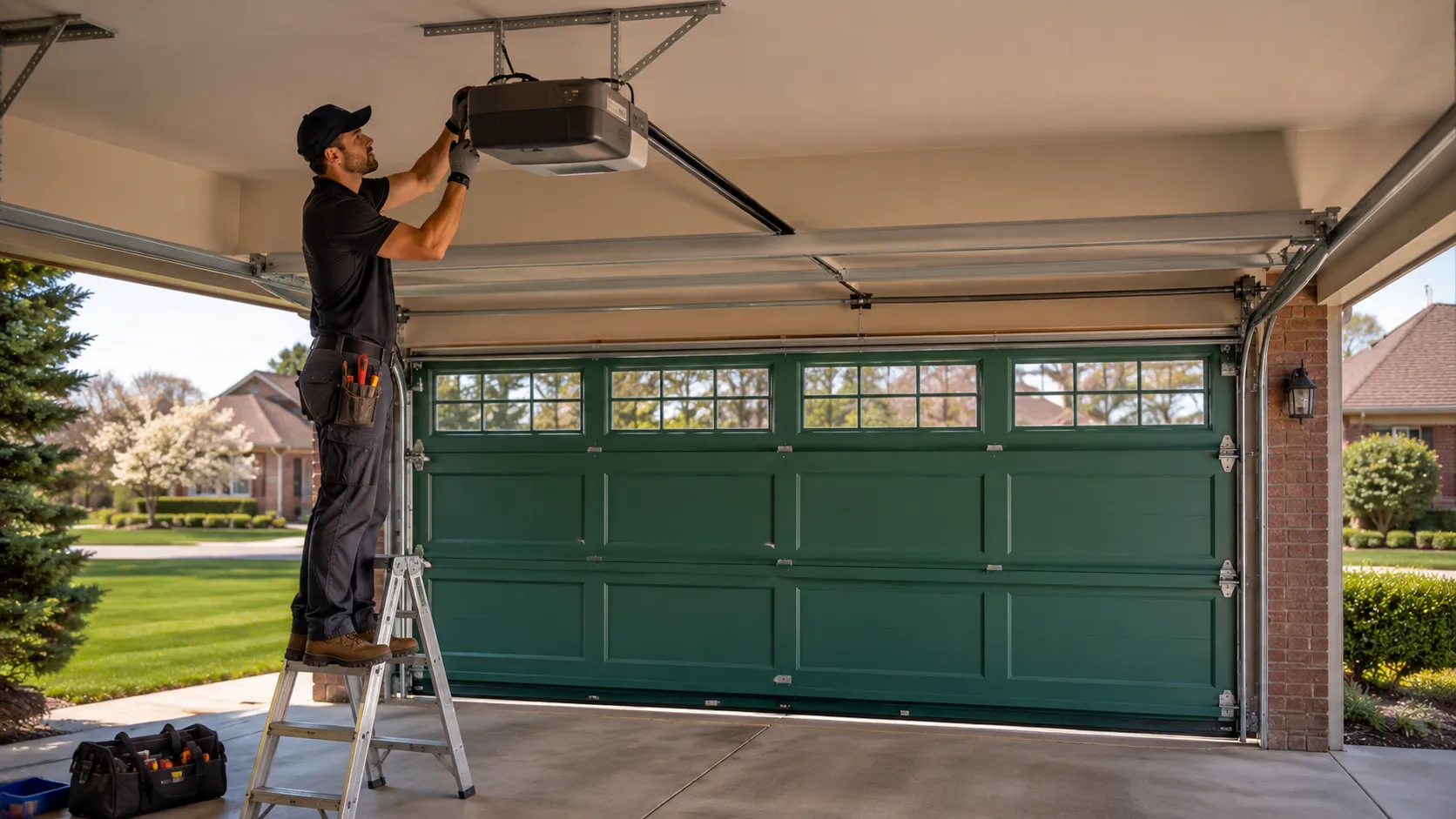
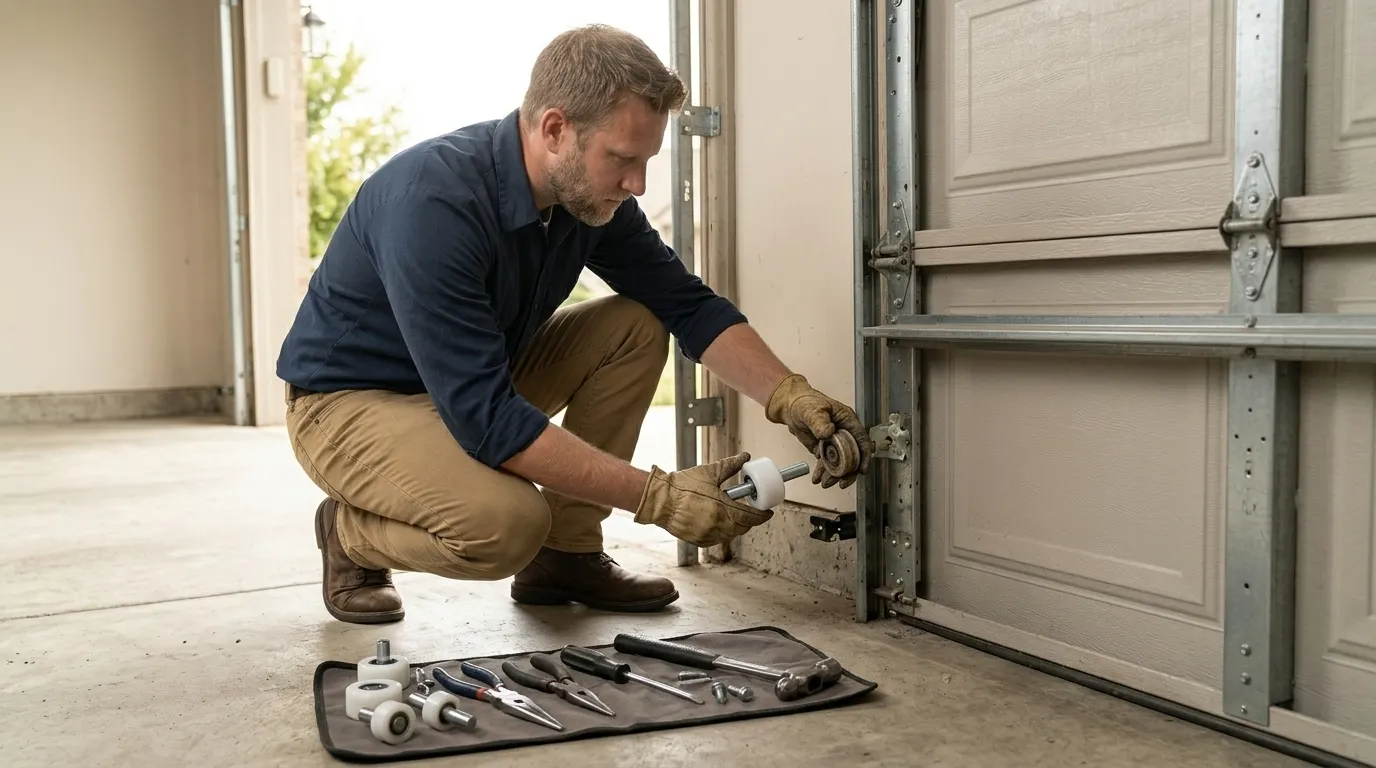
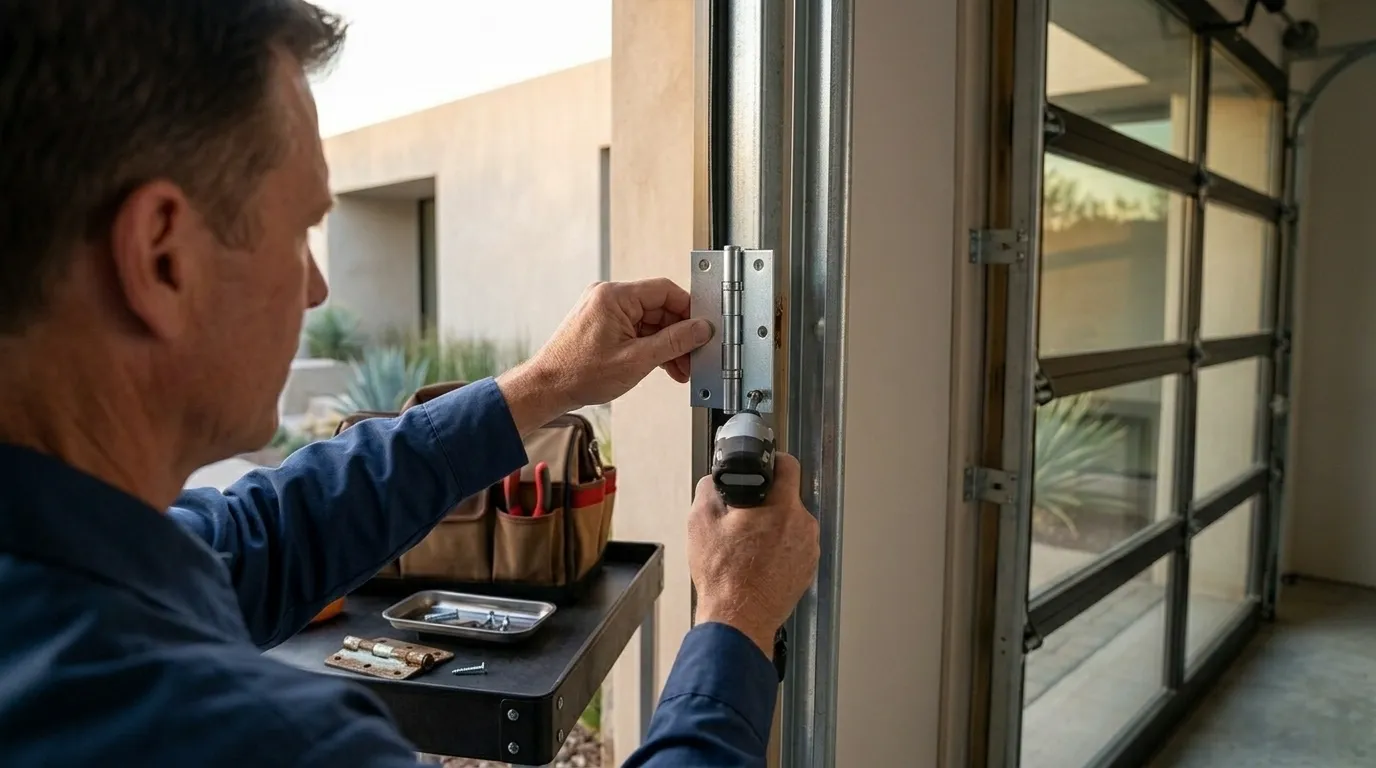
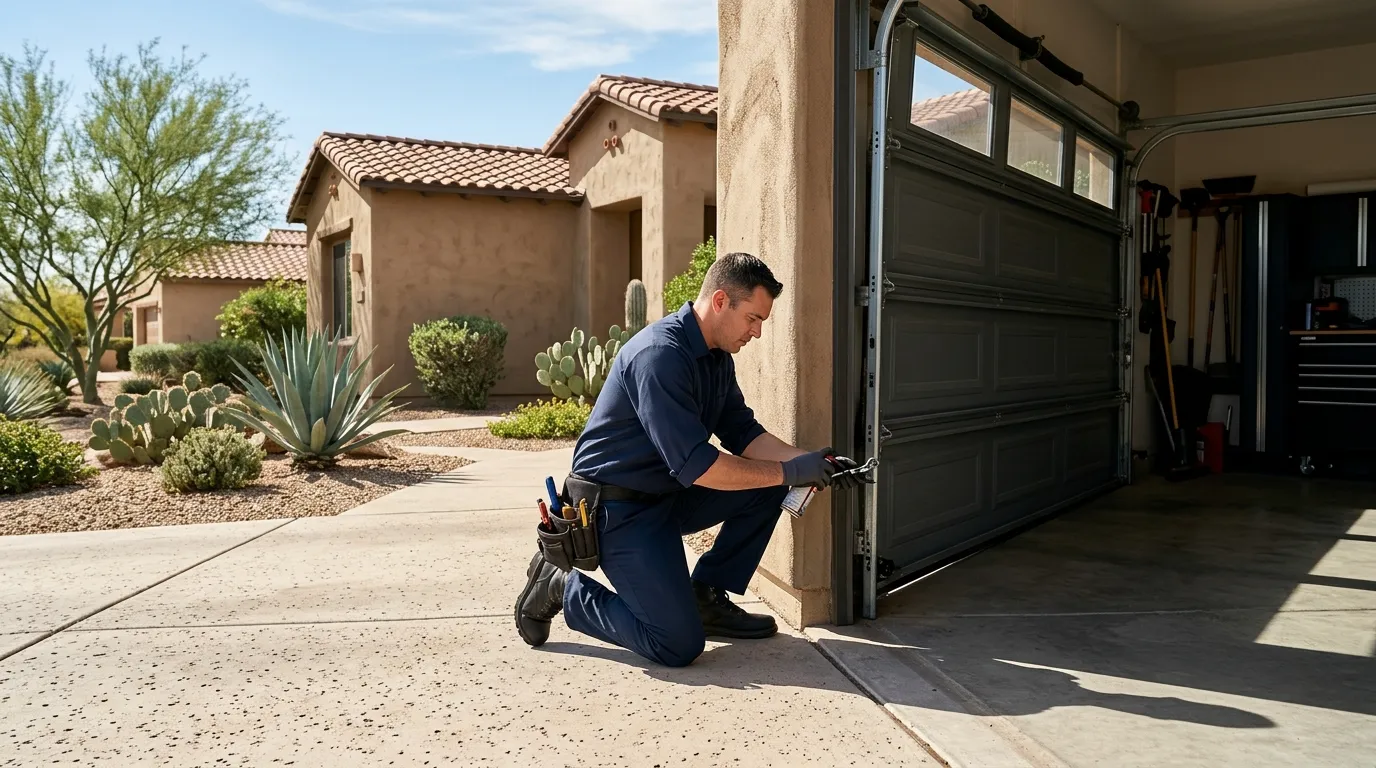
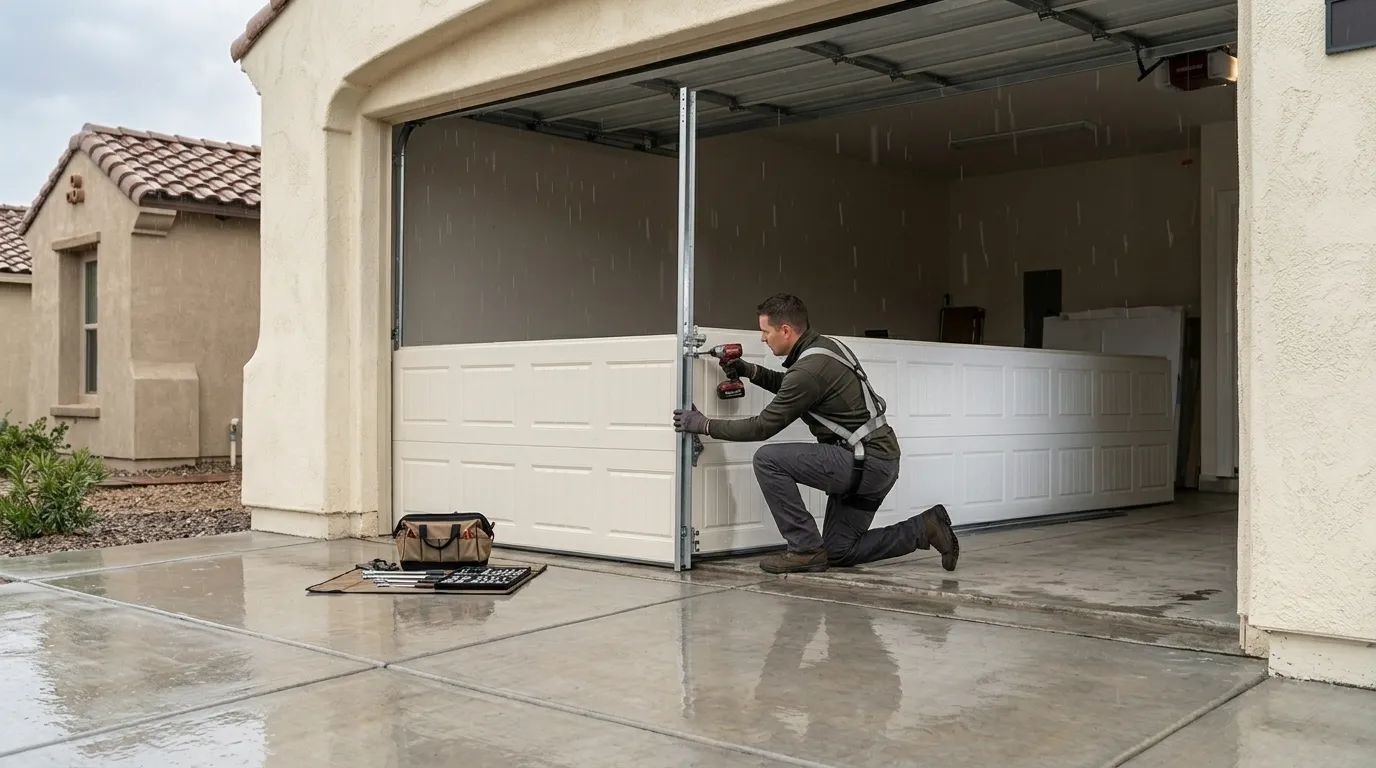
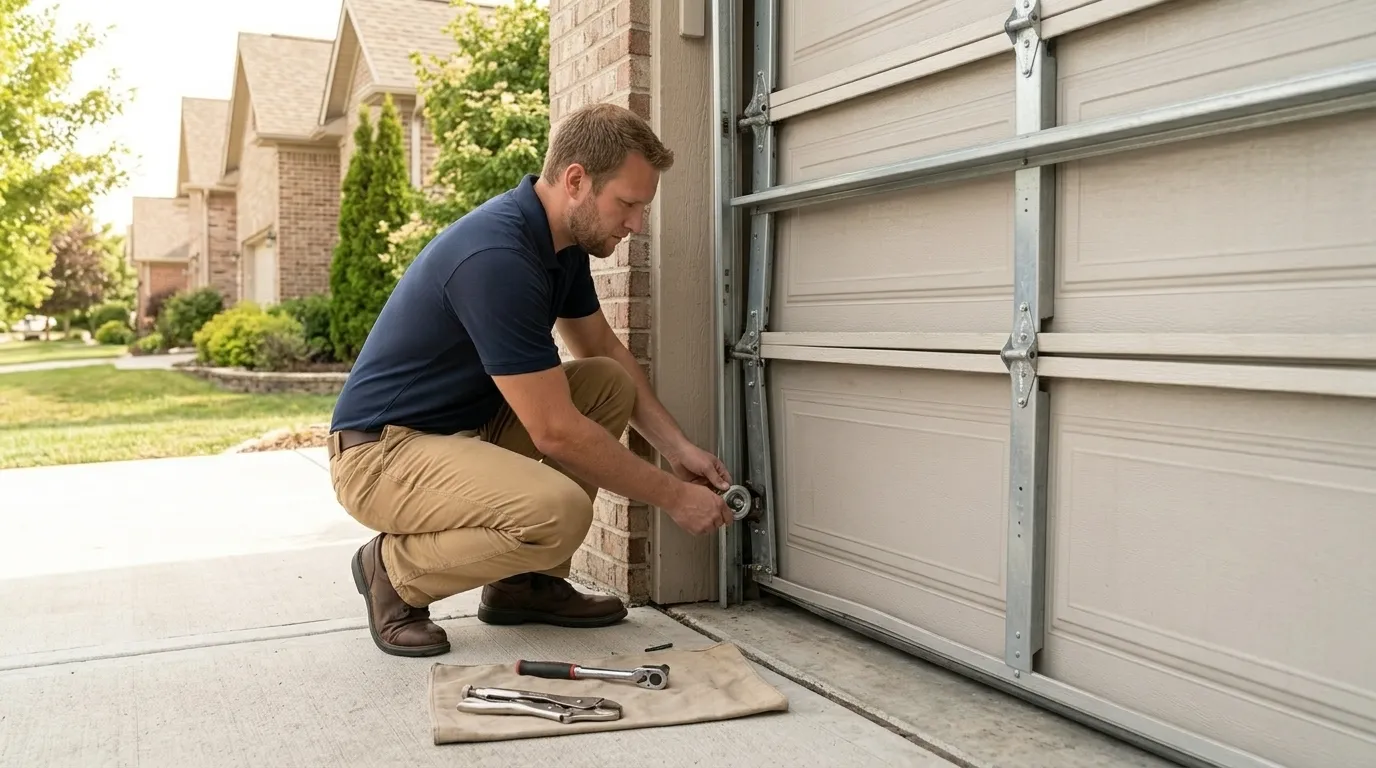
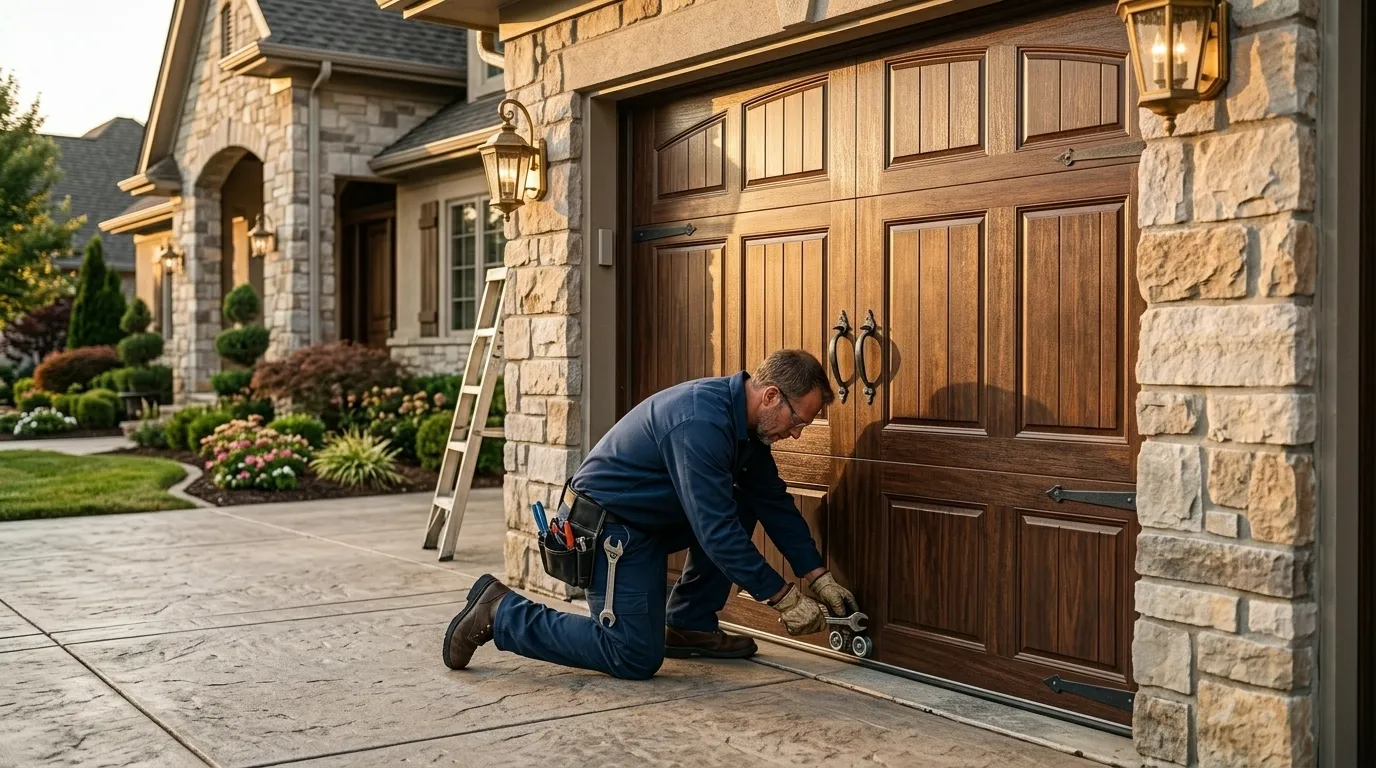
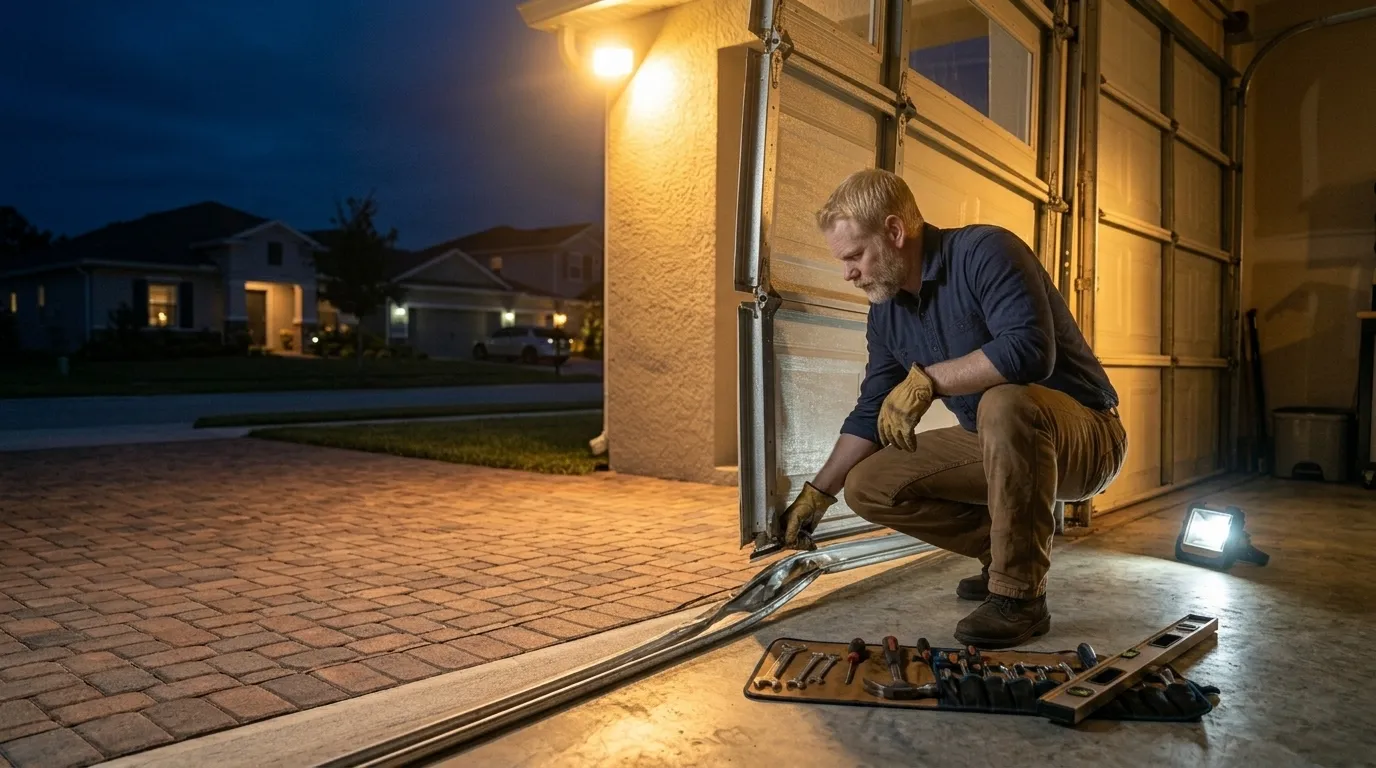
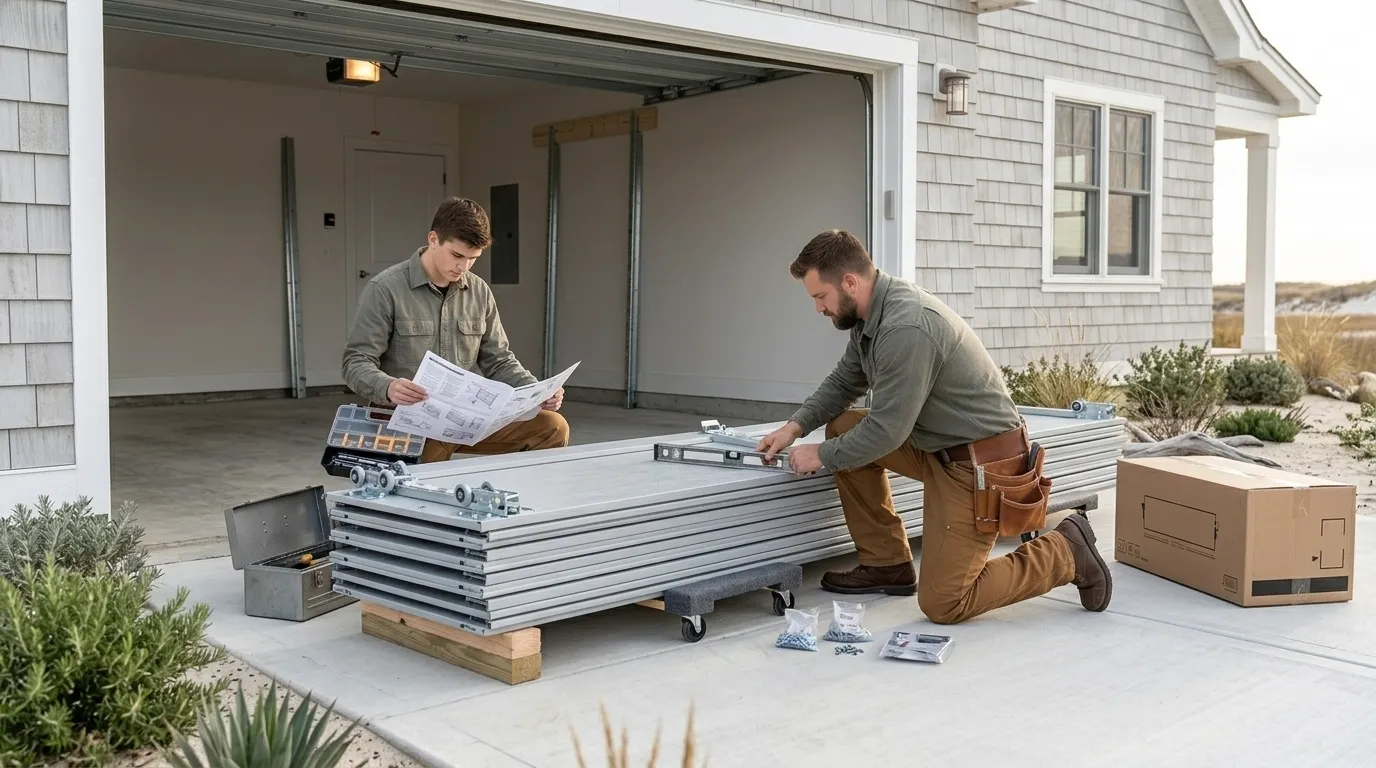
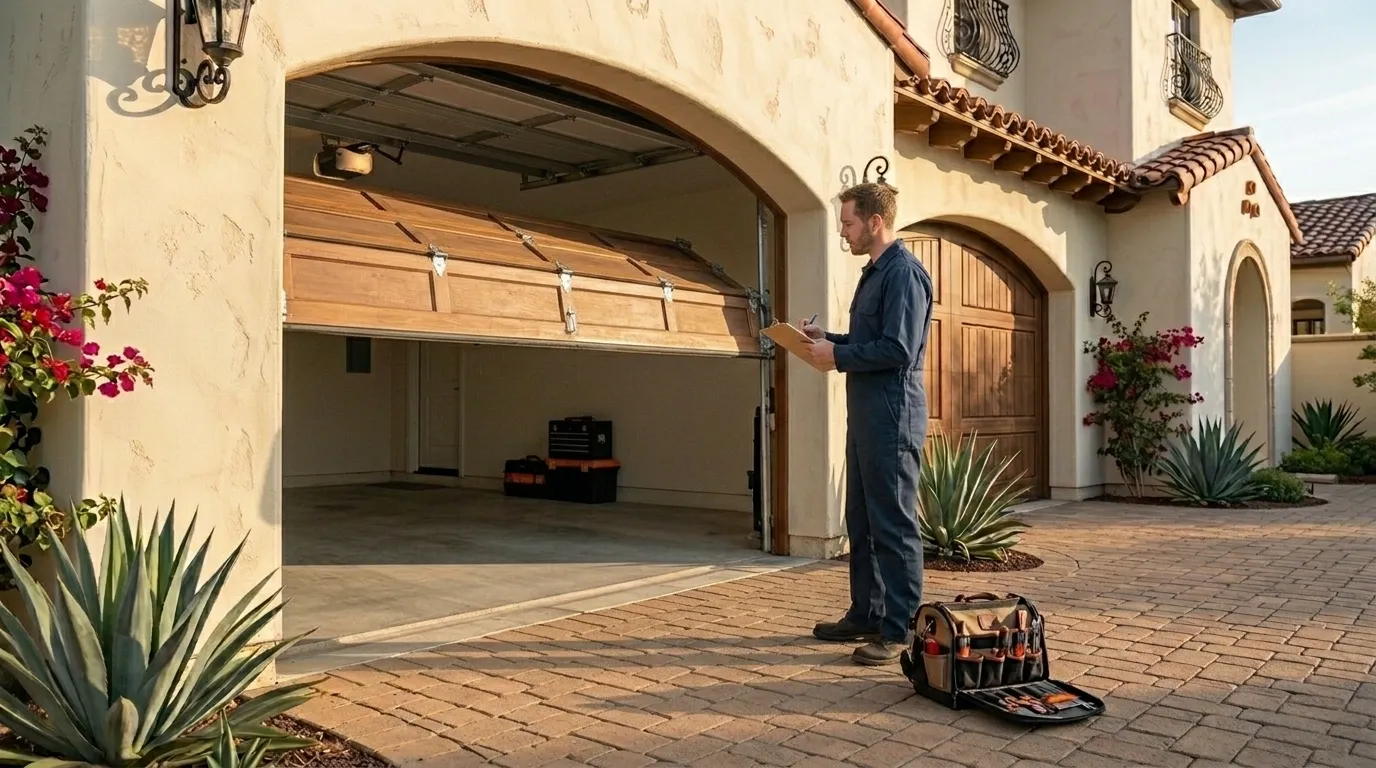
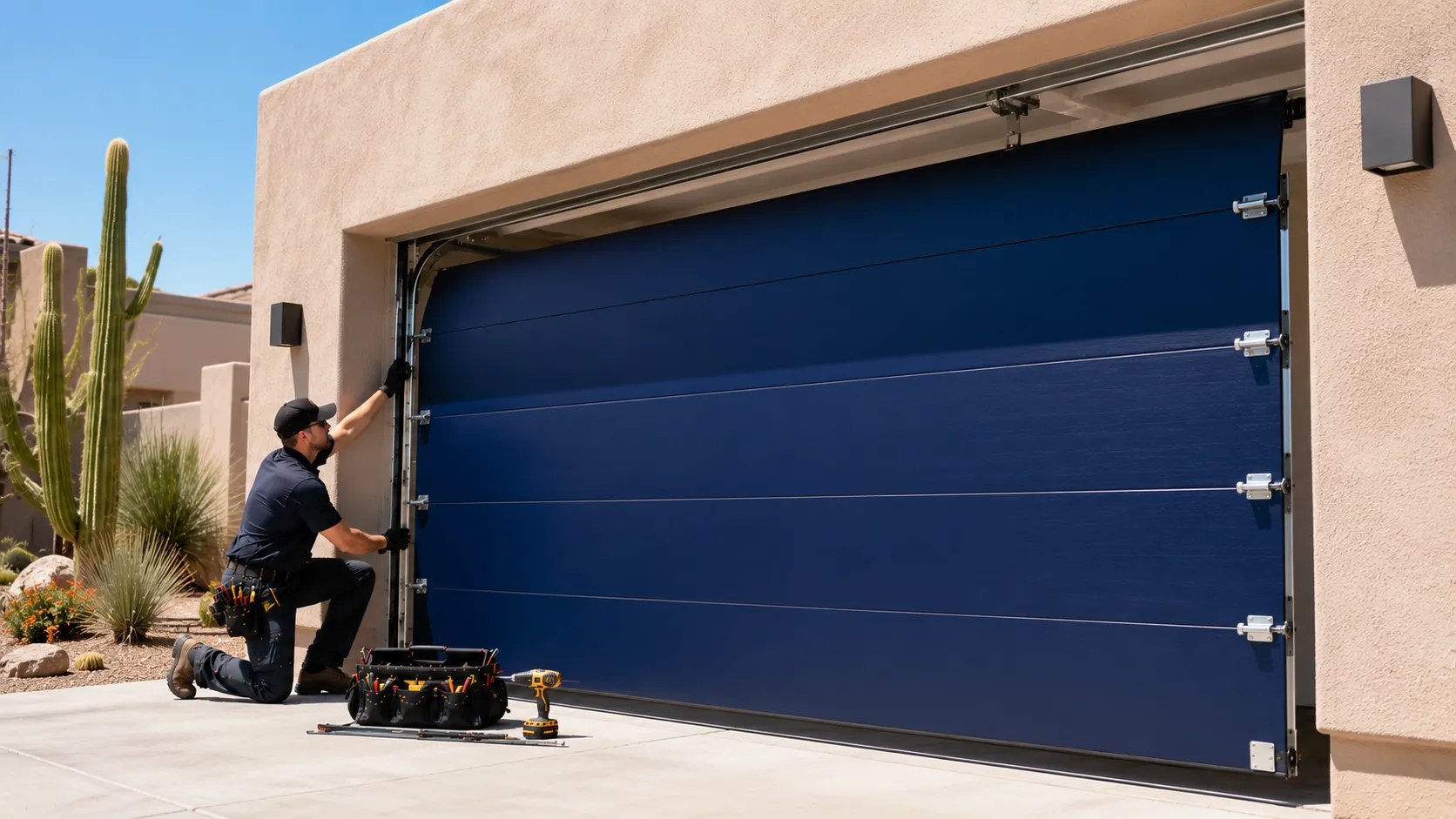
Adelanto's housing skews newer than a lot of what we cover out of Hesperia - the area's median build year sits around 1997, close to the tail end of the wider 1958-1997 range across our service territory. That matters because most Adelanto garages were built with torsion springs mounted on a center bracket over the door, not the older side-mounted extension setups you still find in the earlier tracts nearby. So the jobs we run here lean toward torsion spring replacement, worn nylon rollers on steel tracks, and opener circuit boards aging out rather than the manual door conversions and hand-me-down hardware repairs common in older stock. We also see more double-door torsion systems on wider garages, which need matched springs on both sides - replacing just one throws the door off balance fast. One thing we don't do: patch a spring that's already stretched or kinked. If it's showing metal fatigue, it gets swapped, not taped up, because a failed torsion spring under tension can do real damage on the way out.
What Was Built Here
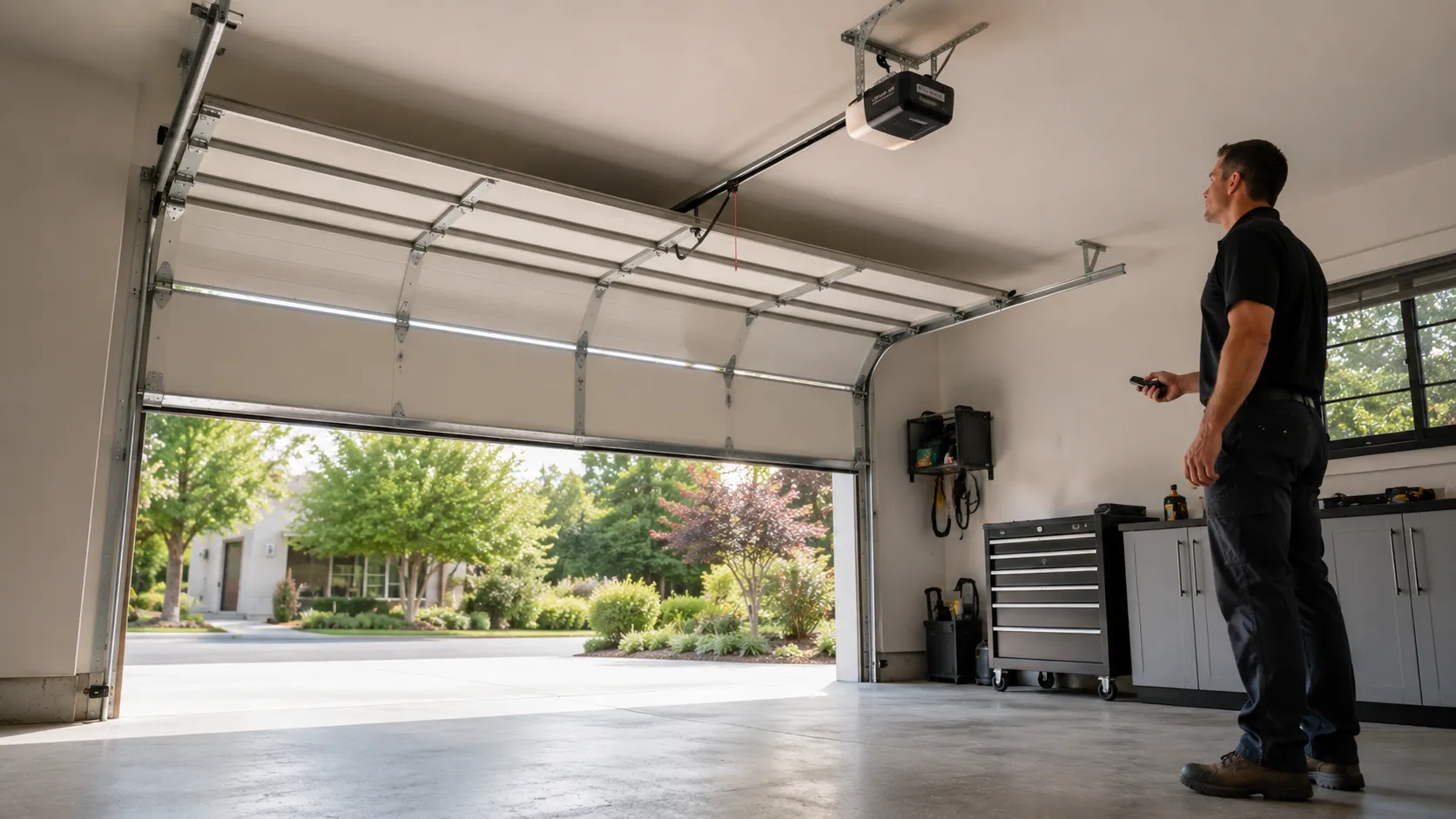
Across the wider Hesperia coverage area, houses run from 1958 up through 1997, with a lot of that stock landing in the 1980s and 90s. Adelanto sits at the newer end of that window, with most homes built closer to 1997 than to the 1960s baseline. That's a meaningful gap in garage door terms - an 18-gauge steel door on a 1997 build usually still has its original galvanized track and a chain-drive or belt-drive opener from that era, both of which are now old enough to need bearing and gear-sprocket attention even though the door panel itself often still looks fine. With roughly 9,192 households in the area and a median income near $68,419, we see a fair number of owners choosing to fix the opener and track rather than replace the whole door - the door skin usually outlasts the moving parts underneath it.
What That Means for Doors
Because the area's stock trends newer, the climate side of the equation matters more than the age side. This region sits in a moderate heat climate band, and on a door built in the 1990s, that heat mostly shows up in two places: opener logic boards that overheat and lock out on the hottest days, and nylon rollers that harden and crack faster than steel or plastic-composite alternatives. If your opener has started reversing for no reason on a hot afternoon, that's usually the board, not the safety sensors - worth ruling out before you replace anything bigger. We size springs and tracks to the door in front of us, not to a stock number, since even homes built the same year can carry different door weights depending on insulation and panel material.