Common Jobs Here
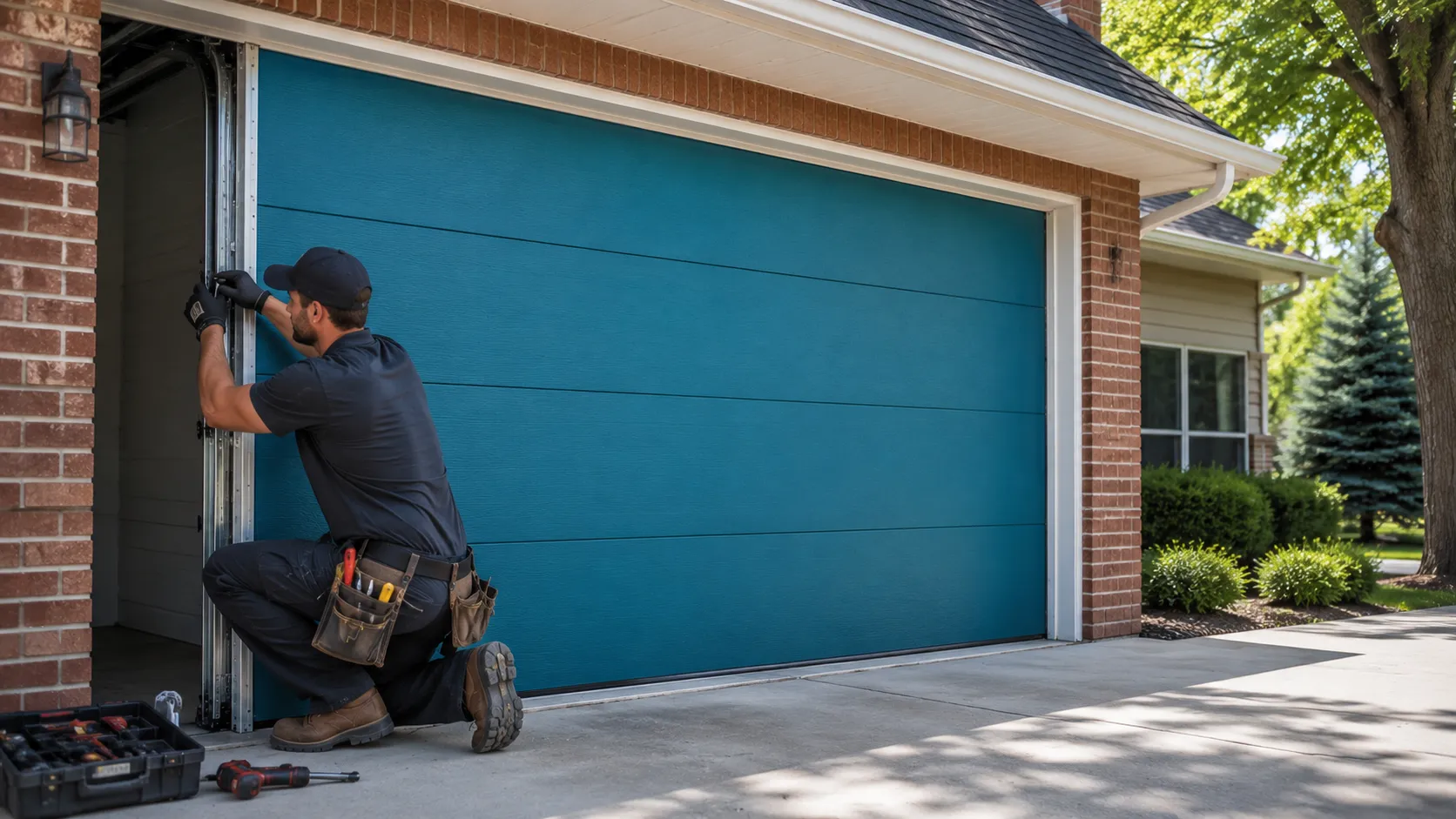
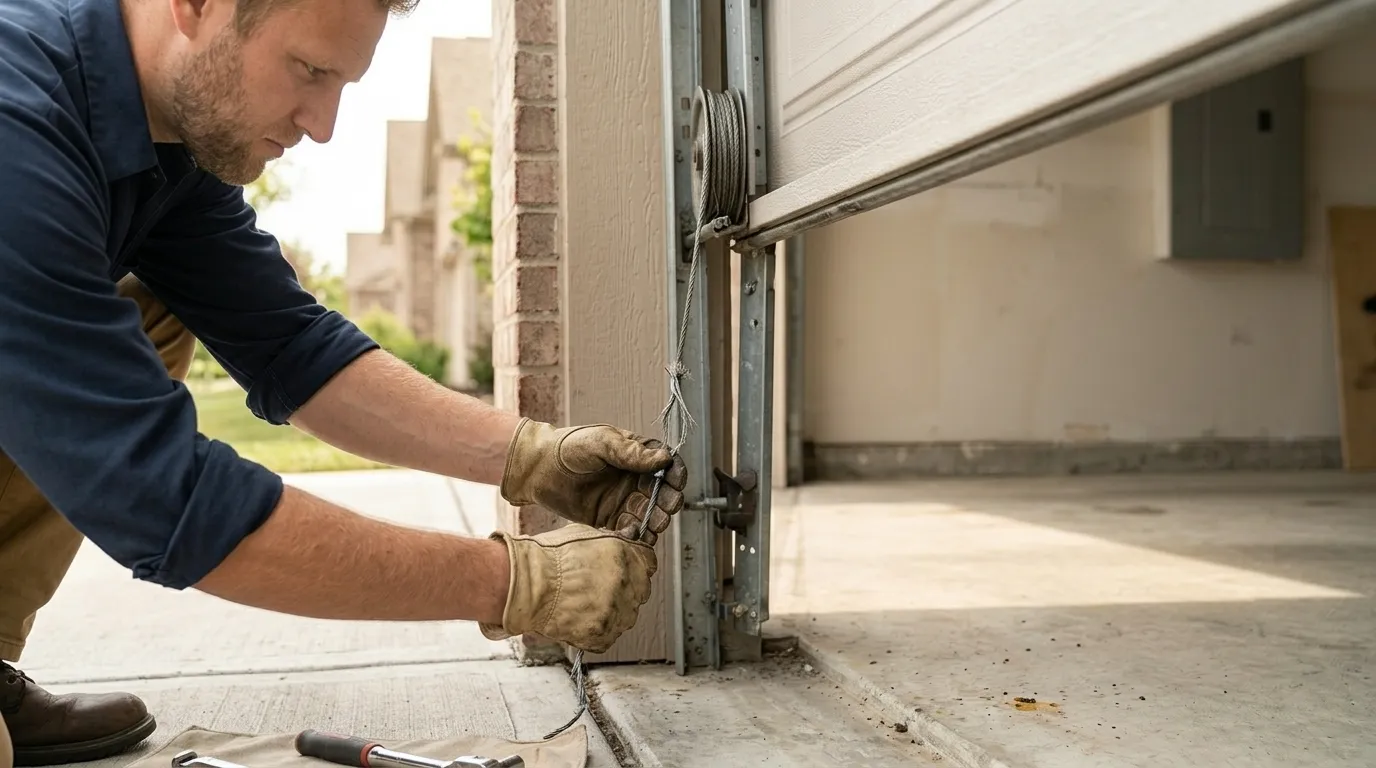
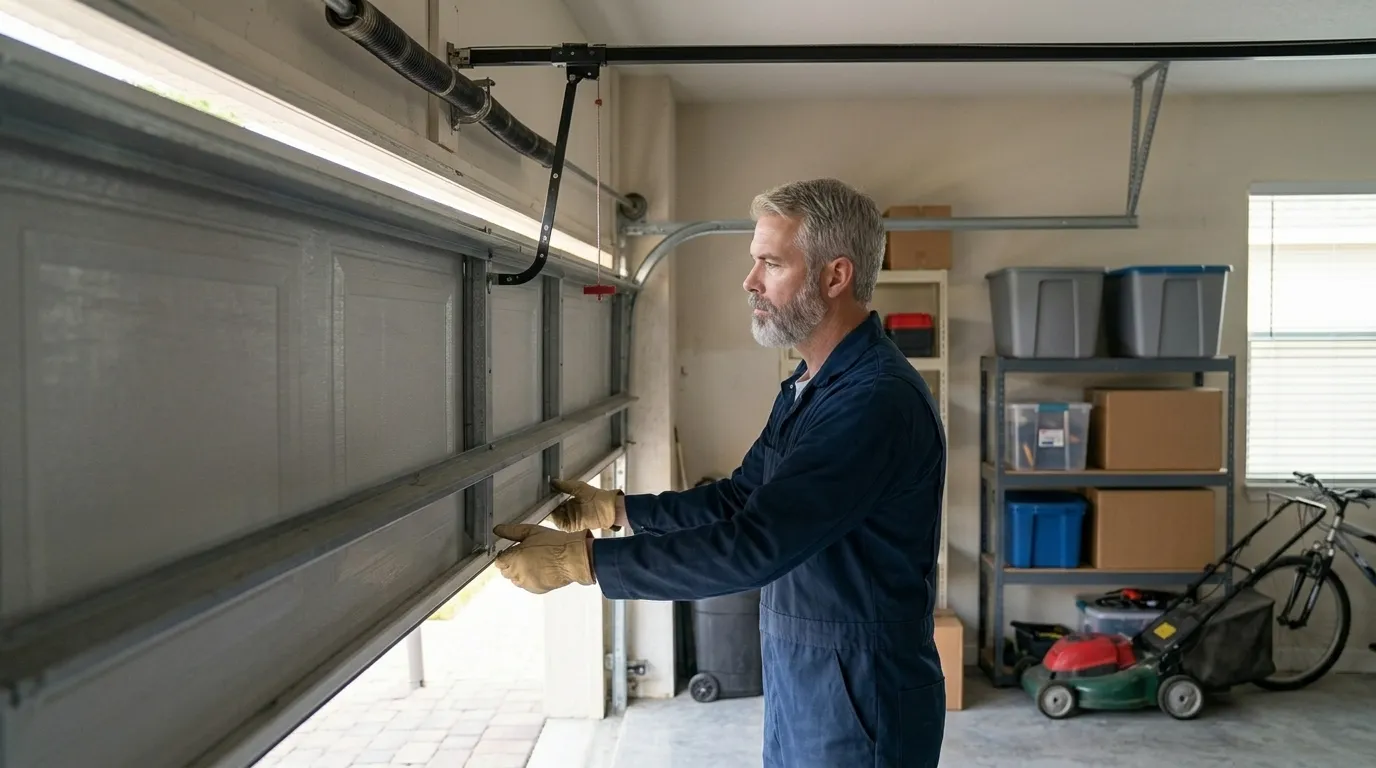
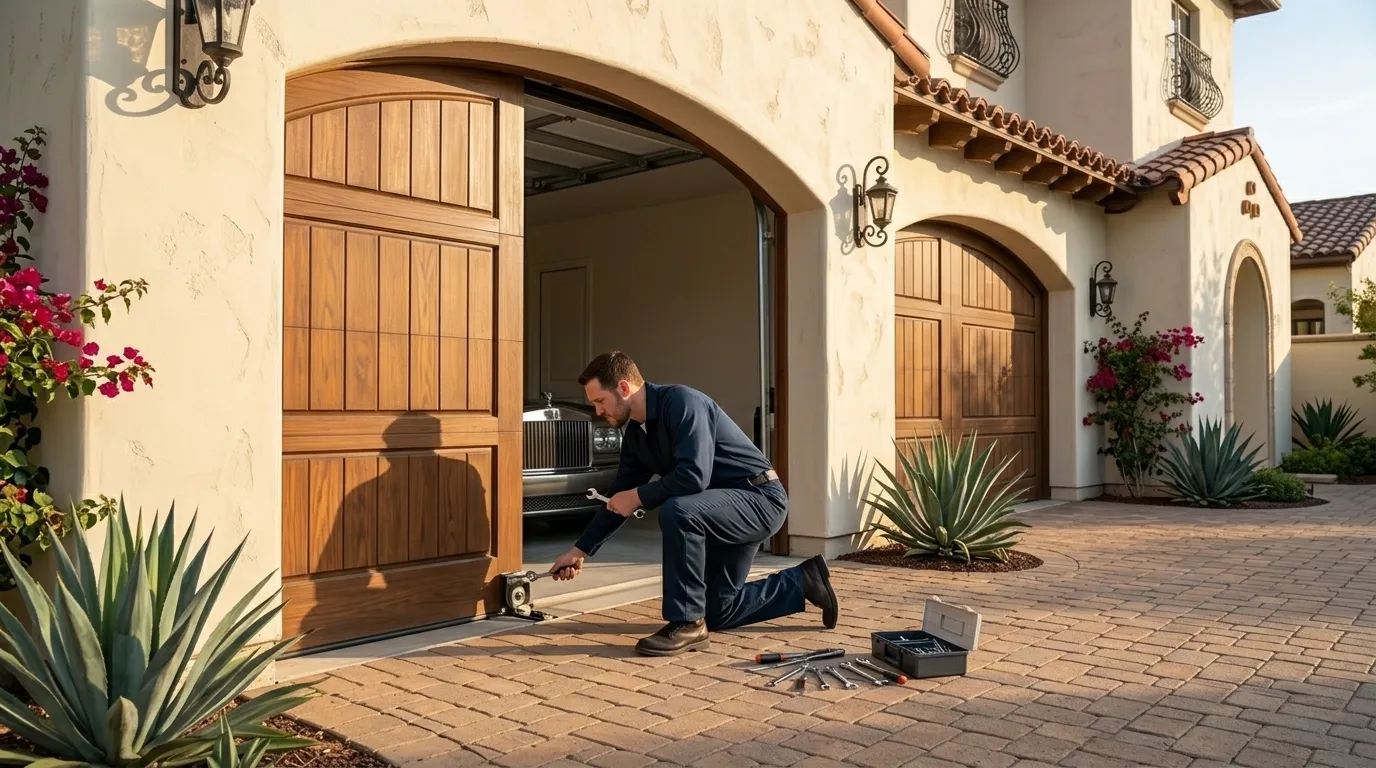
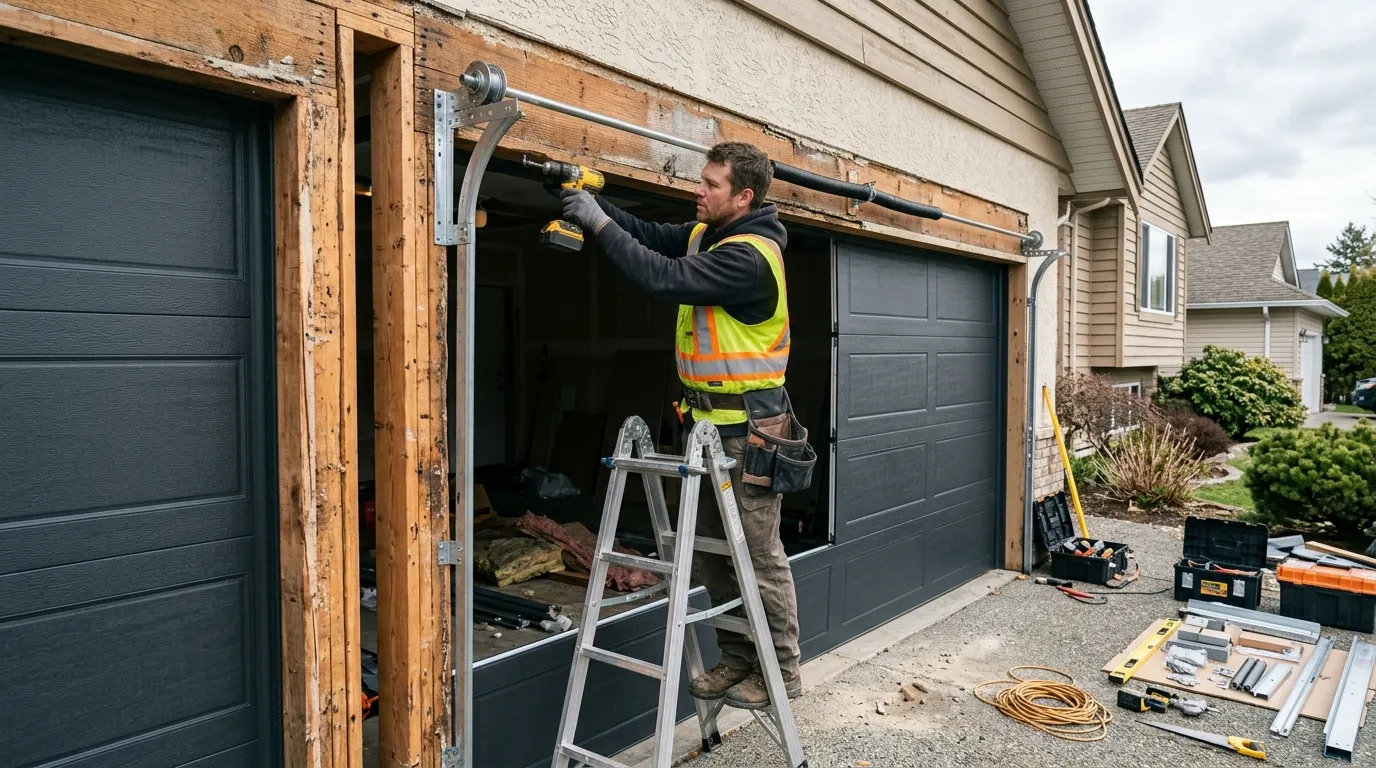
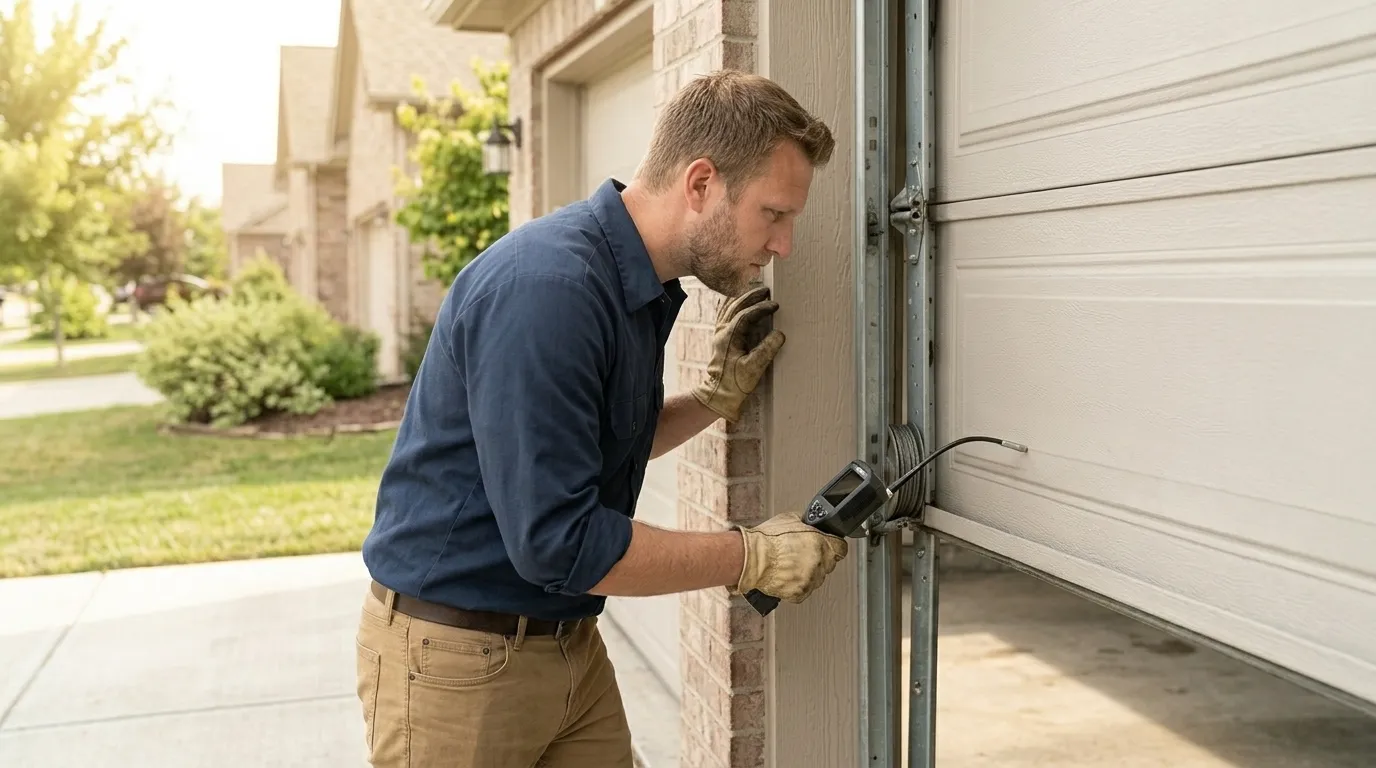
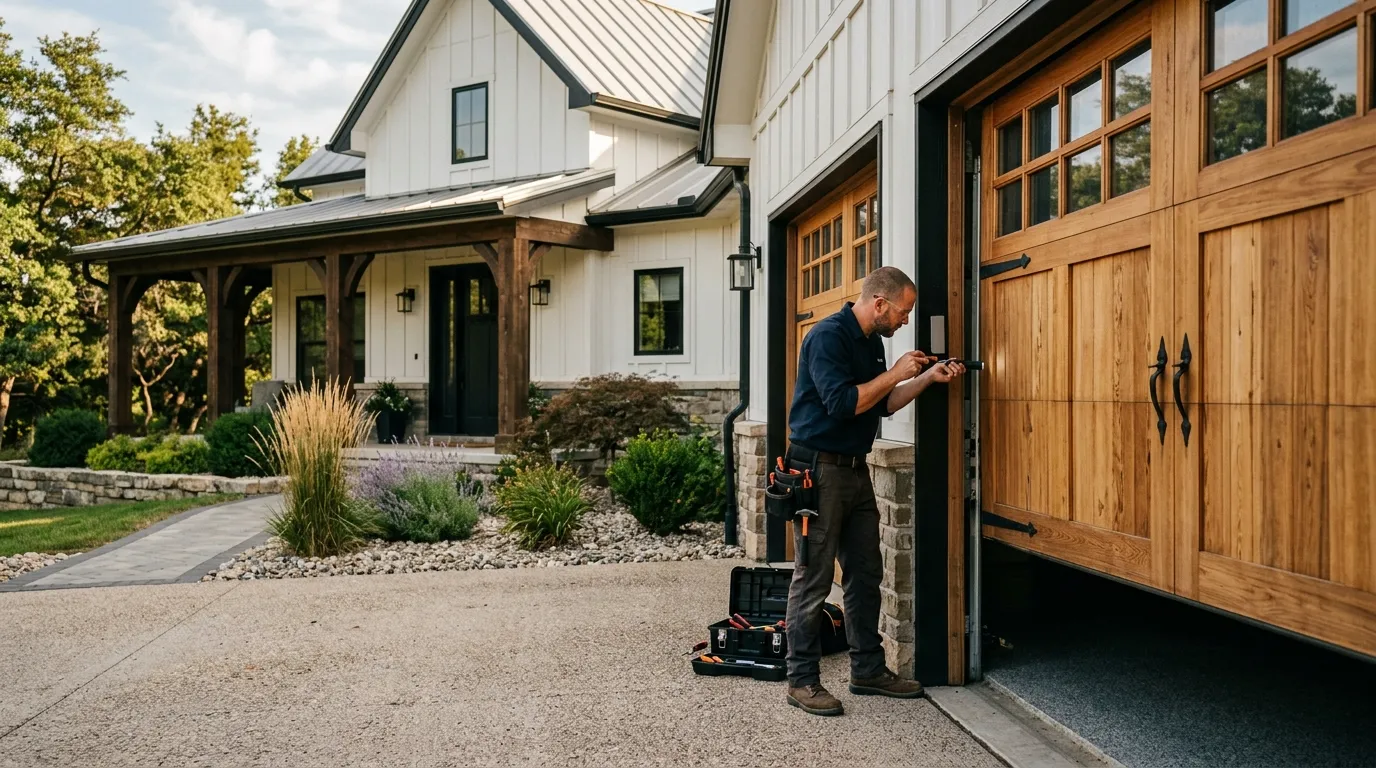
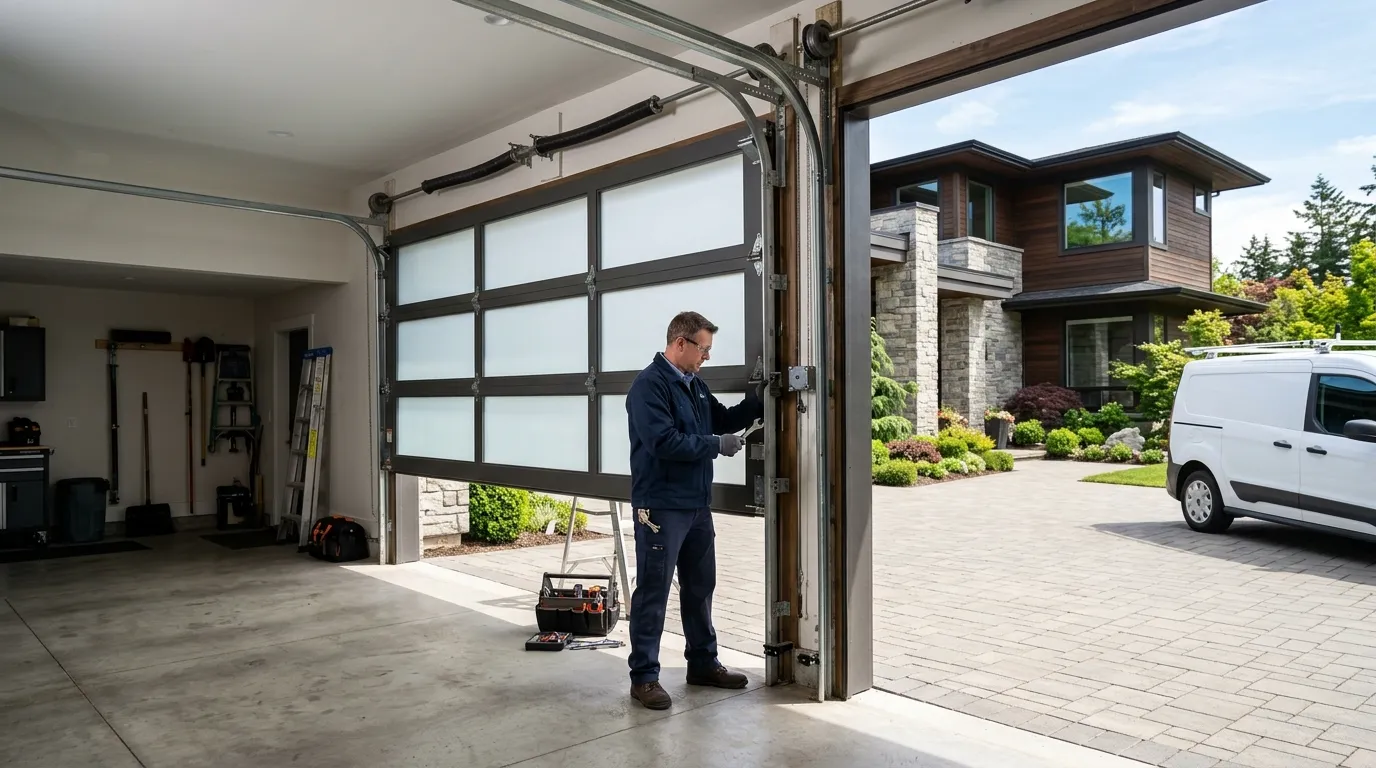
Phelan's median home was built around 1991, which puts most garage doors here a full generation past the 1958-1961 stock you'd find closer to the older parts of Hesperia. That means steel doors on extension or torsion springs sized for a lighter panel, openers that are chain-drive units from the 90s or early 2000s replacements, and rollers that have done thirty-plus years on the same track without ever being swapped. The jobs we run into most in this age of door are spring replacement, worn nylon rollers rattling in the track, and openers with dying circuit boards rather than dying motors. Torsion springs from this era were often undersized for the door style, so a lot of the calls are a spring that's lasted 12-15 years instead of 20. We also see track misalignment on doors that were installed without a level slab underneath - not uncommon on newer-build lots out this way. What we don't see as much here as we would on a much older street: balky one-piece doors on side-mounted hardware. That's a different repair problem, and it's mostly gone from Phelan's housing stock.
What Was Built Here
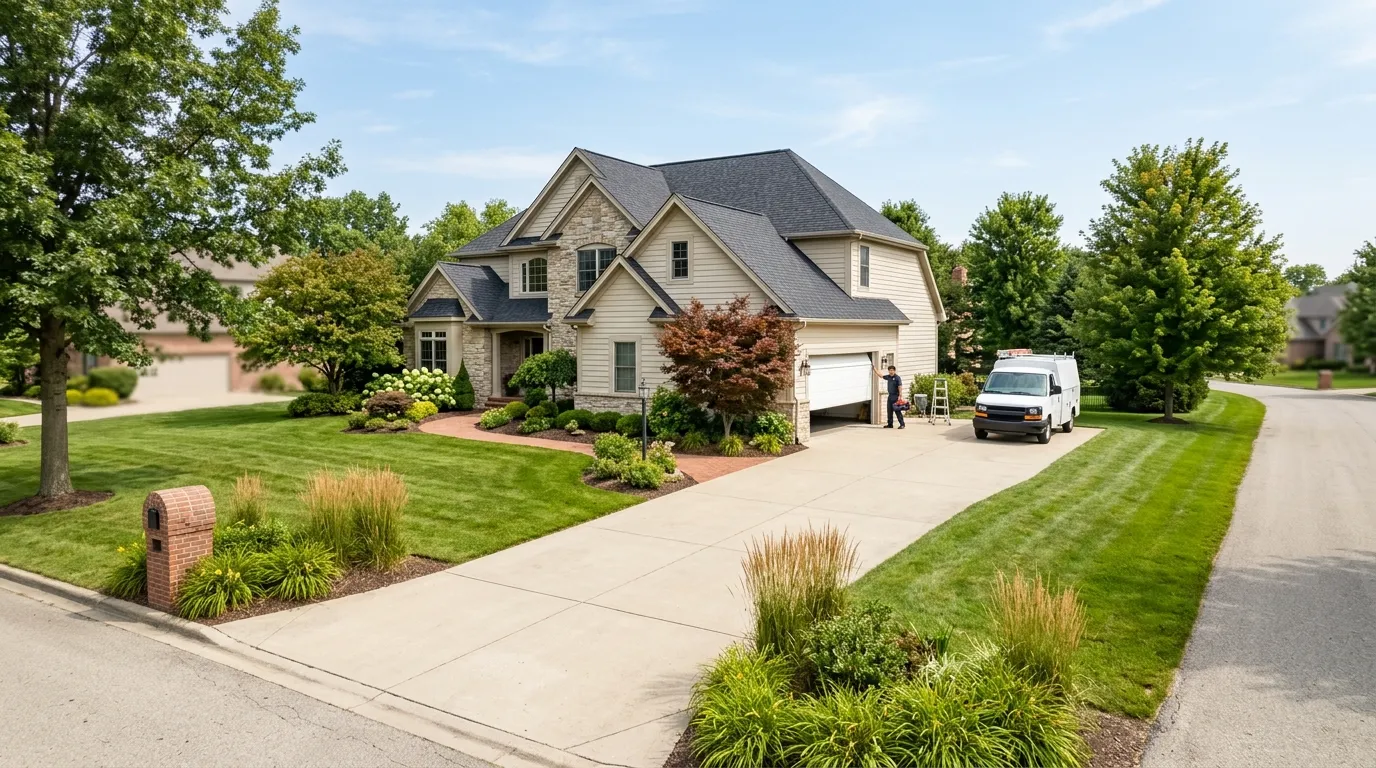
The service area overall spans houses built between 1958 and 1997, but Phelan sits on the newer end of that range at a median year of 1991. With 5,194 households in the area, most of what's out there is late-80s and 90s construction - sectional steel doors, torsion spring setups on a horizontal bar rather than the old side-mount coils, and garage door openers that were already becoming standard equipment rather than an add-on. Median household income here runs $83,759, above the wider service area's $79,378, which tends to track with more owners opting for full opener or door replacement instead of patching an old one repeatedly. Housing this age is old enough that original springs and openers are wearing out on their own timeline now, but it's not old enough to carry the oddball hardware sizes and obsolete track widths that show up in the service area's older pockets. That's a real difference when we're pulling a part number.
What That Means for Doors
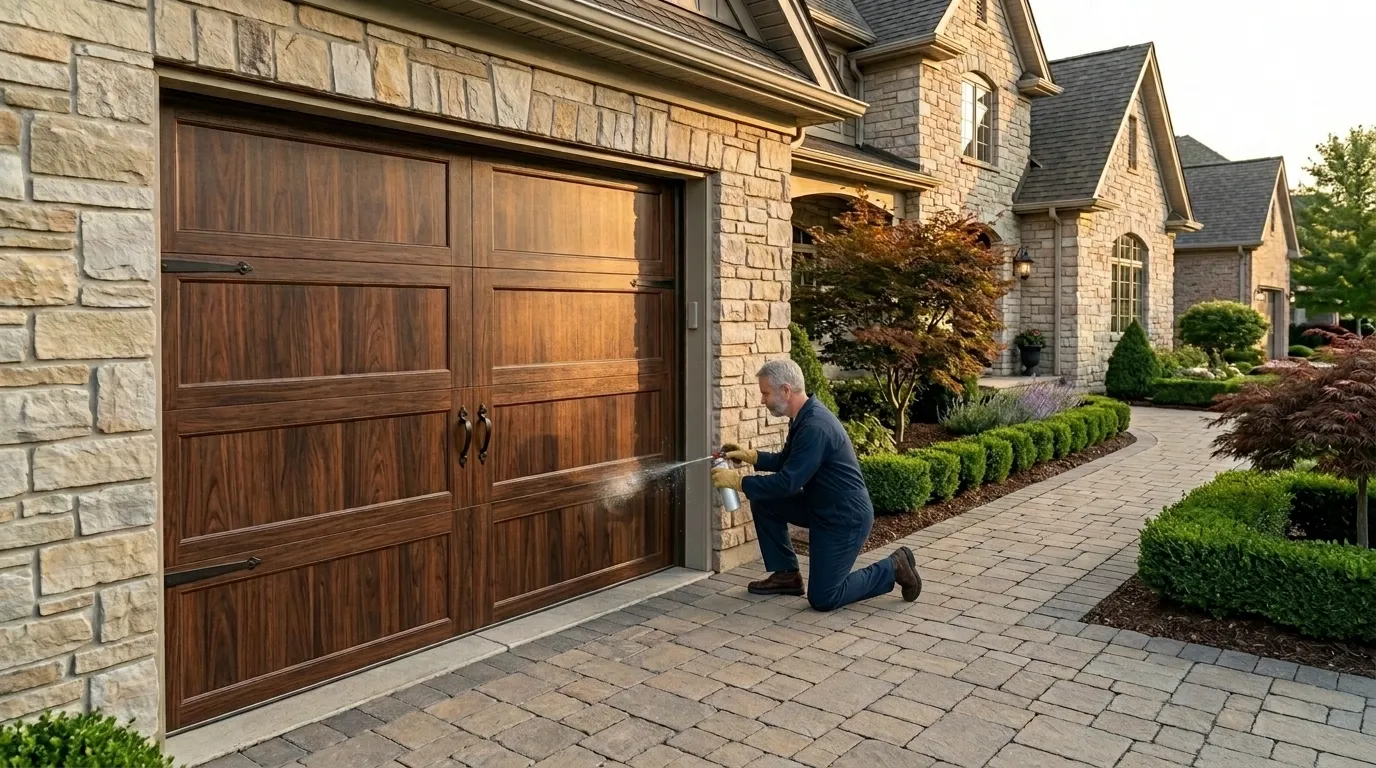
Because most Phelan garage doors date to around 1991, the parts we bring out are usually the standard modern sizes - a torsion spring rated for a sectional steel door, a horizontal spring bar, and roller and hinge hardware that's still in common production. That's the upside of a newer-build area: fewer surprises on the parts list, less time spent hunting down something obsolete. The area also sits in a moderate-heat climate band, which is easier on rubber weatherseals and nylon rollers than a harsher heat zone would be, but three decades of daily cycling still wears out springs and bearings on schedule regardless of climate. One honest limit: if your door or opener is a genuinely uncommon brand or an older unit that predates the 90s wave, we may need to order a part rather than carry it on the truck, and given the 12-mile drive that can mean a second trip. We'll tell you upfront if that's the case rather than guess.