Common Jobs Here
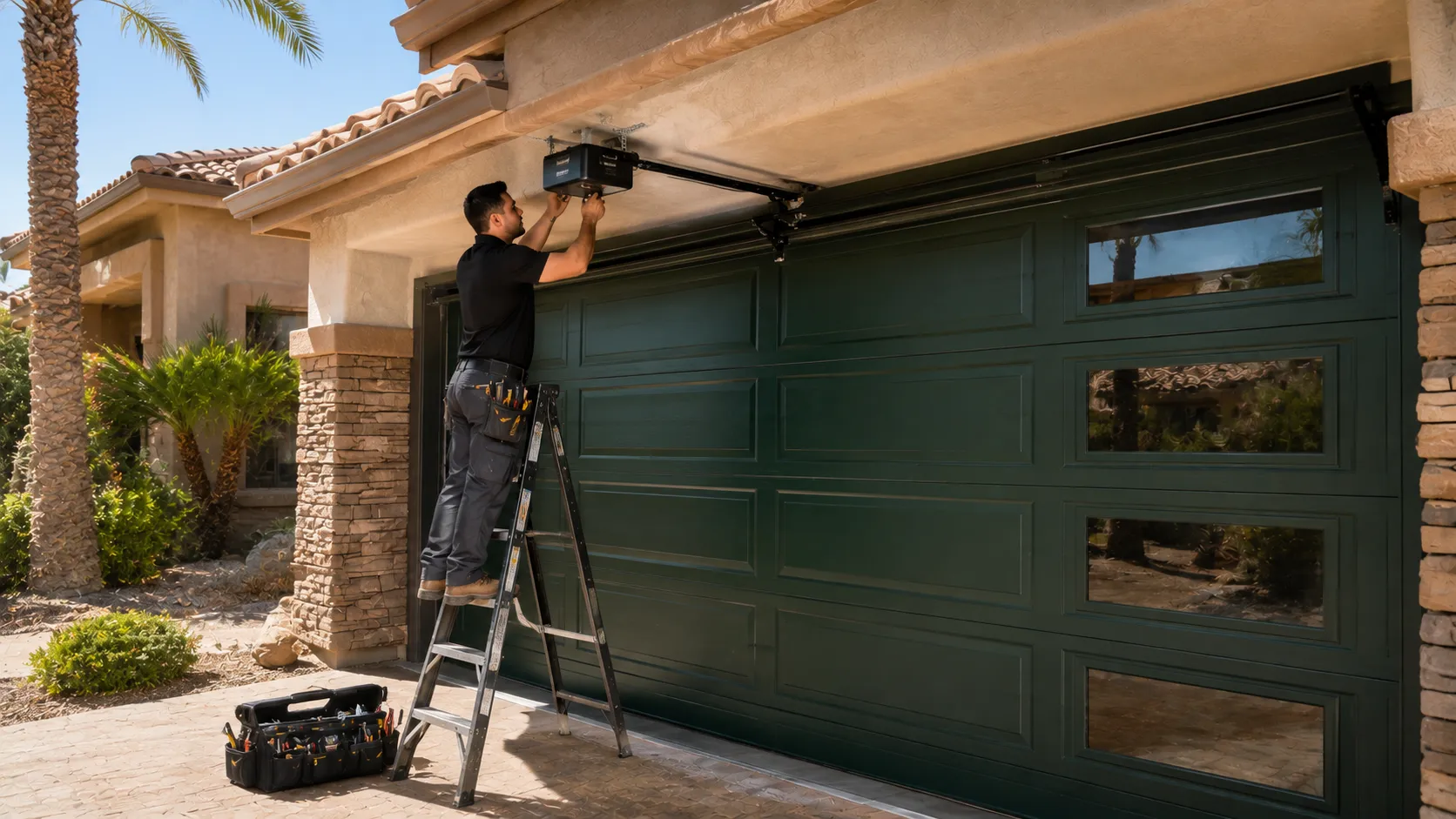
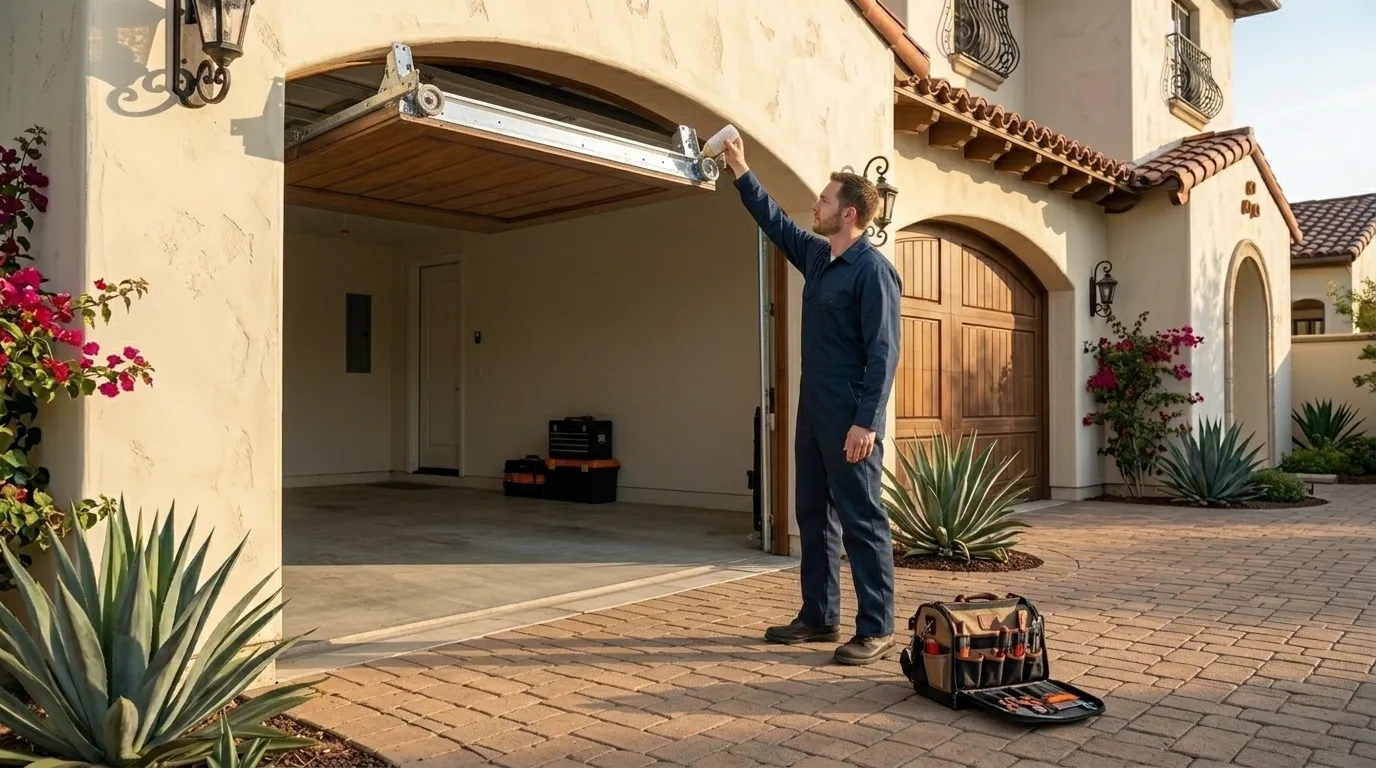
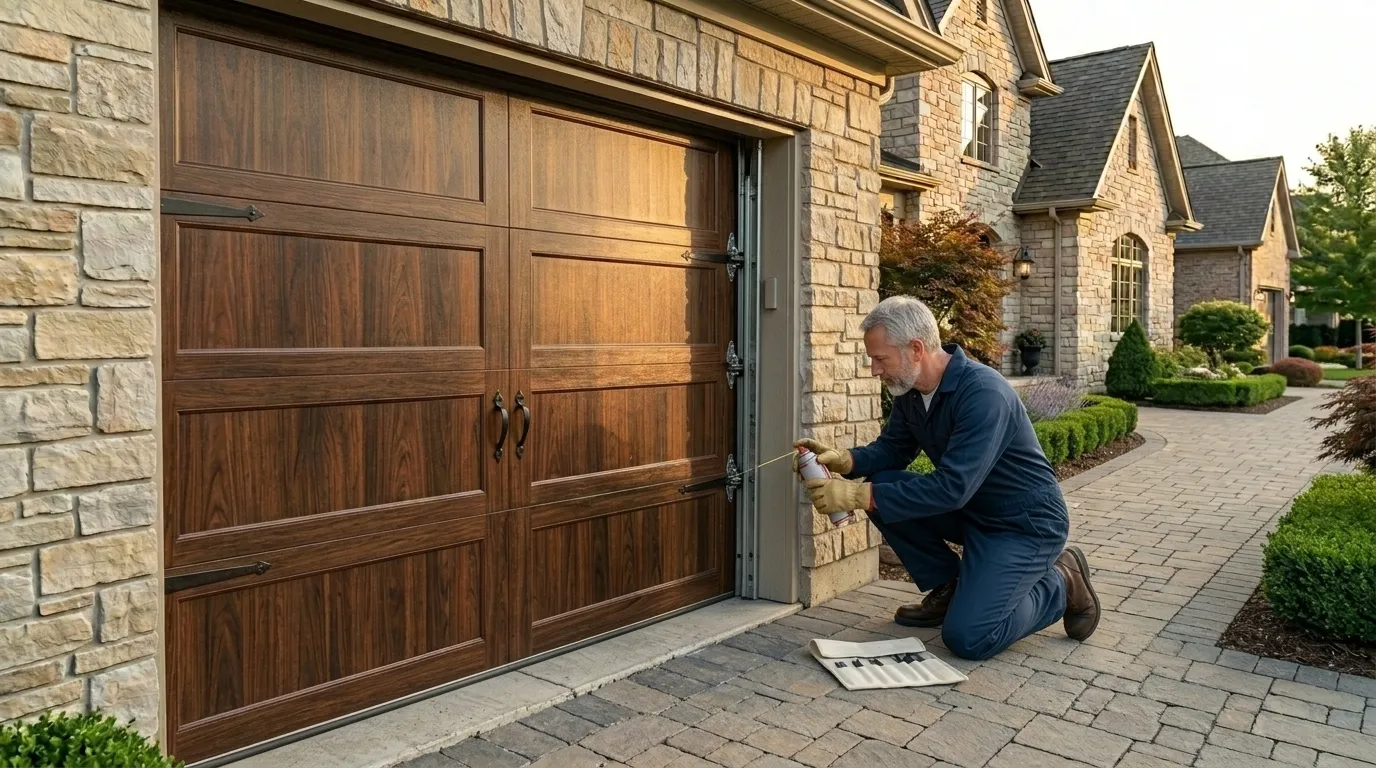
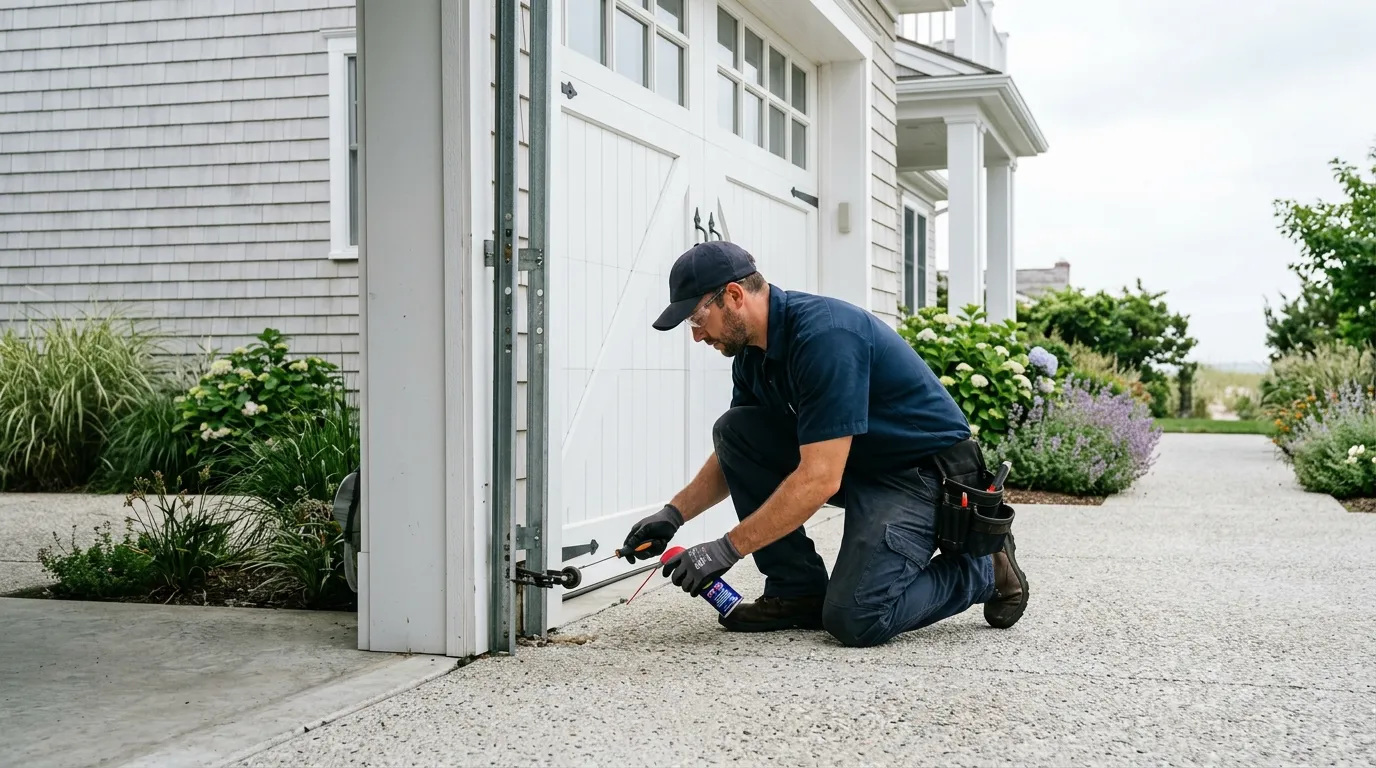
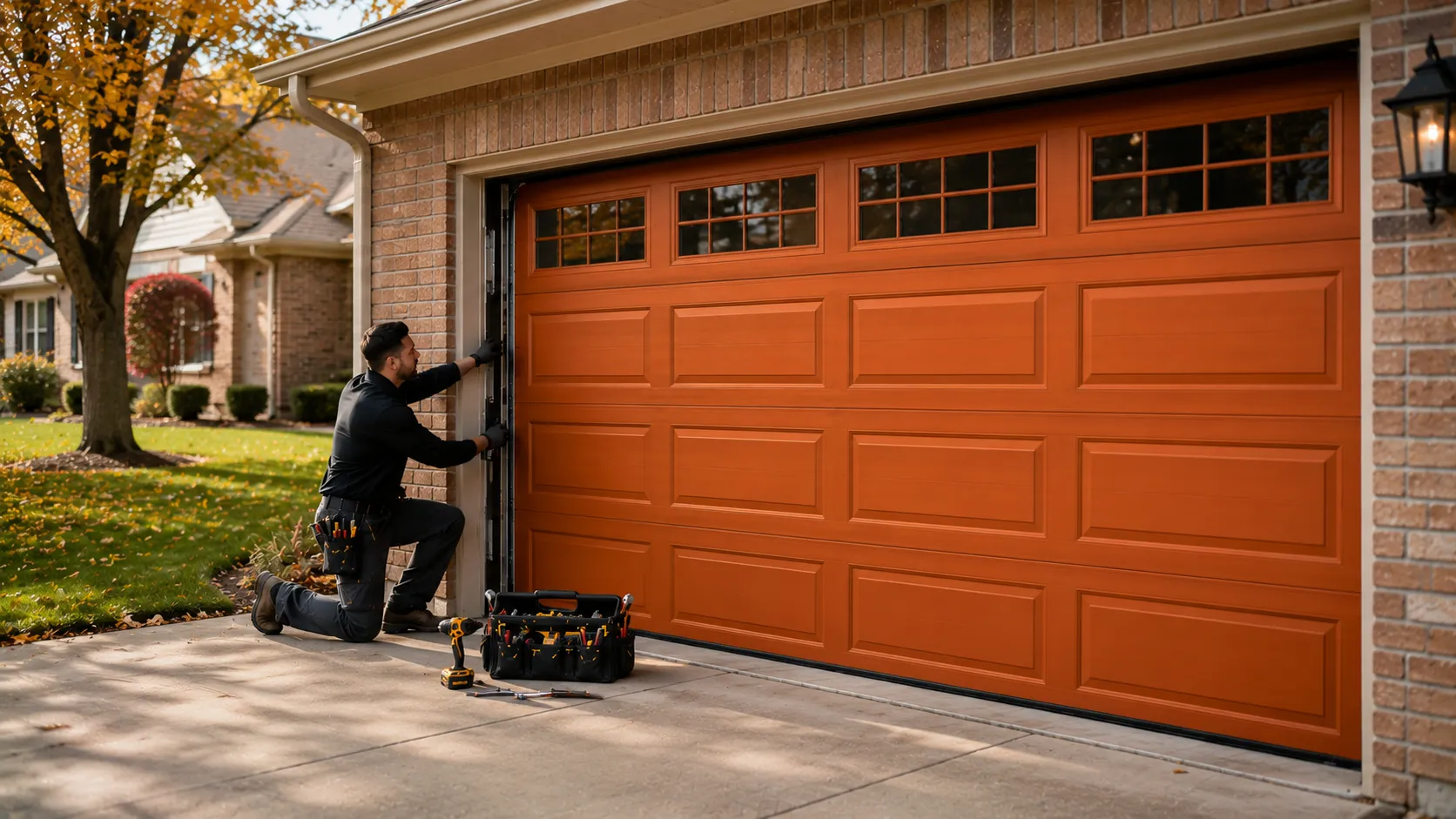
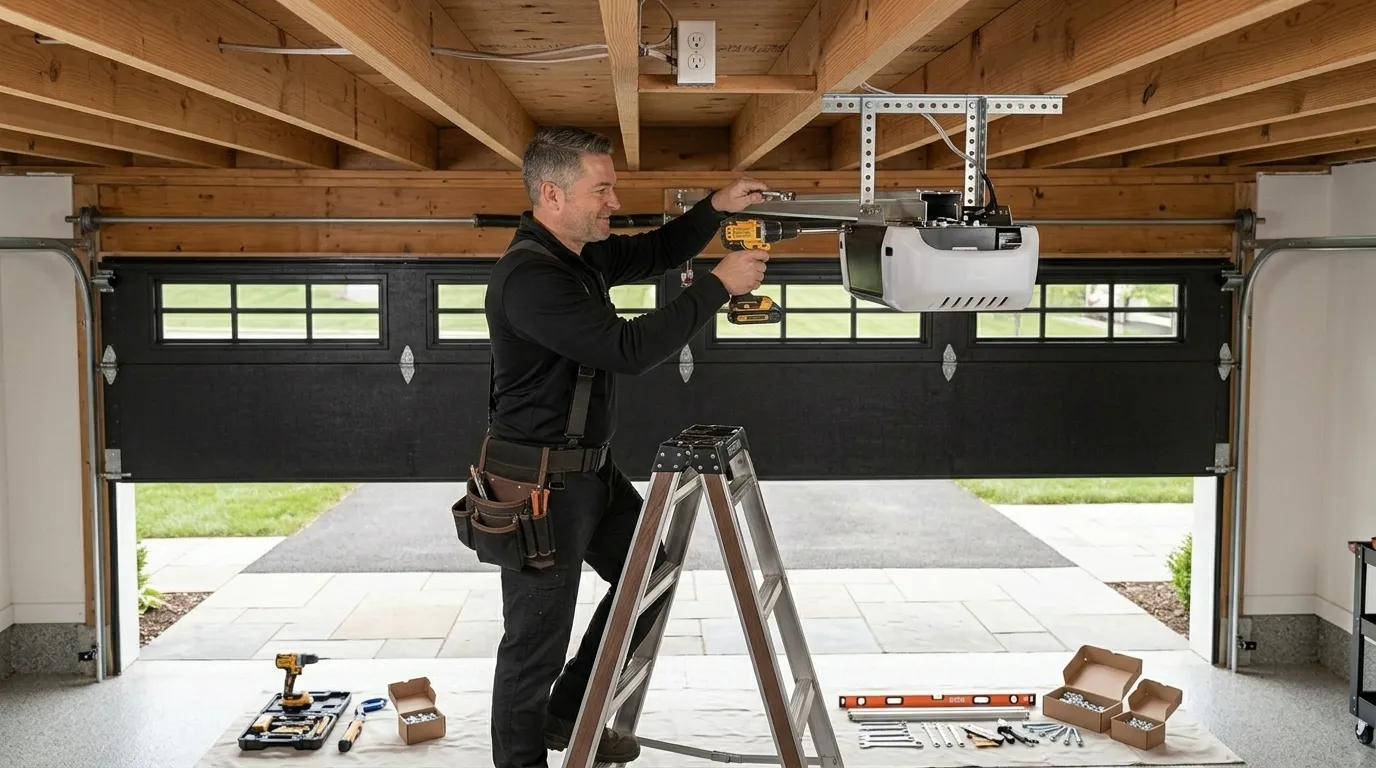
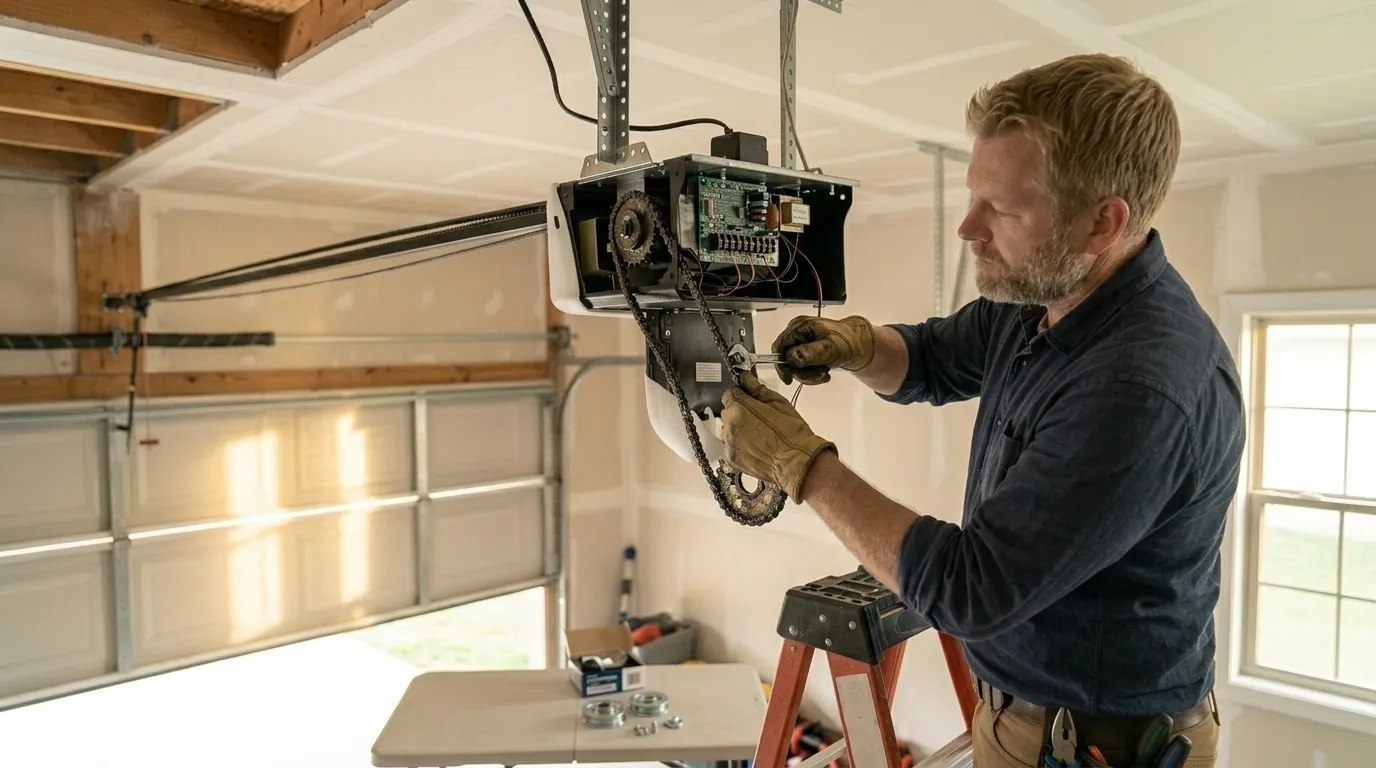
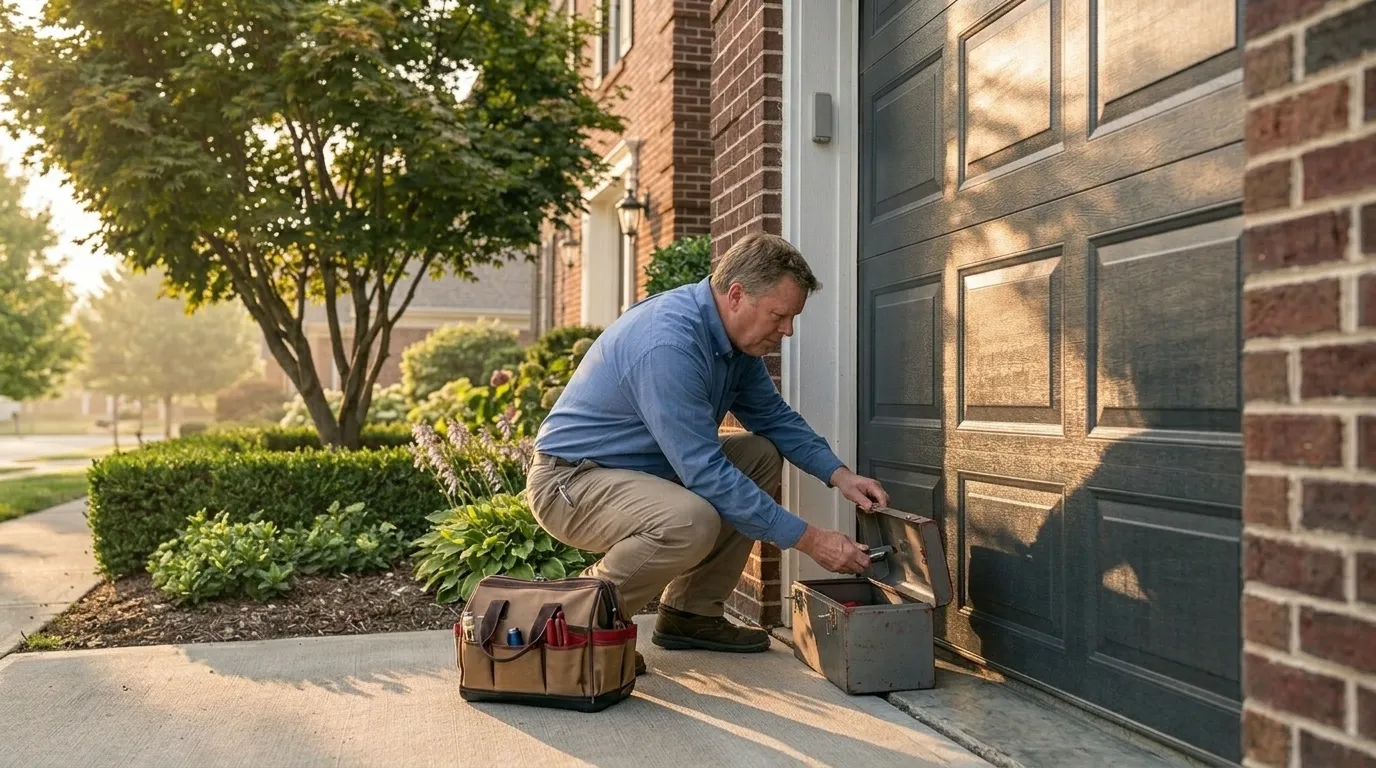
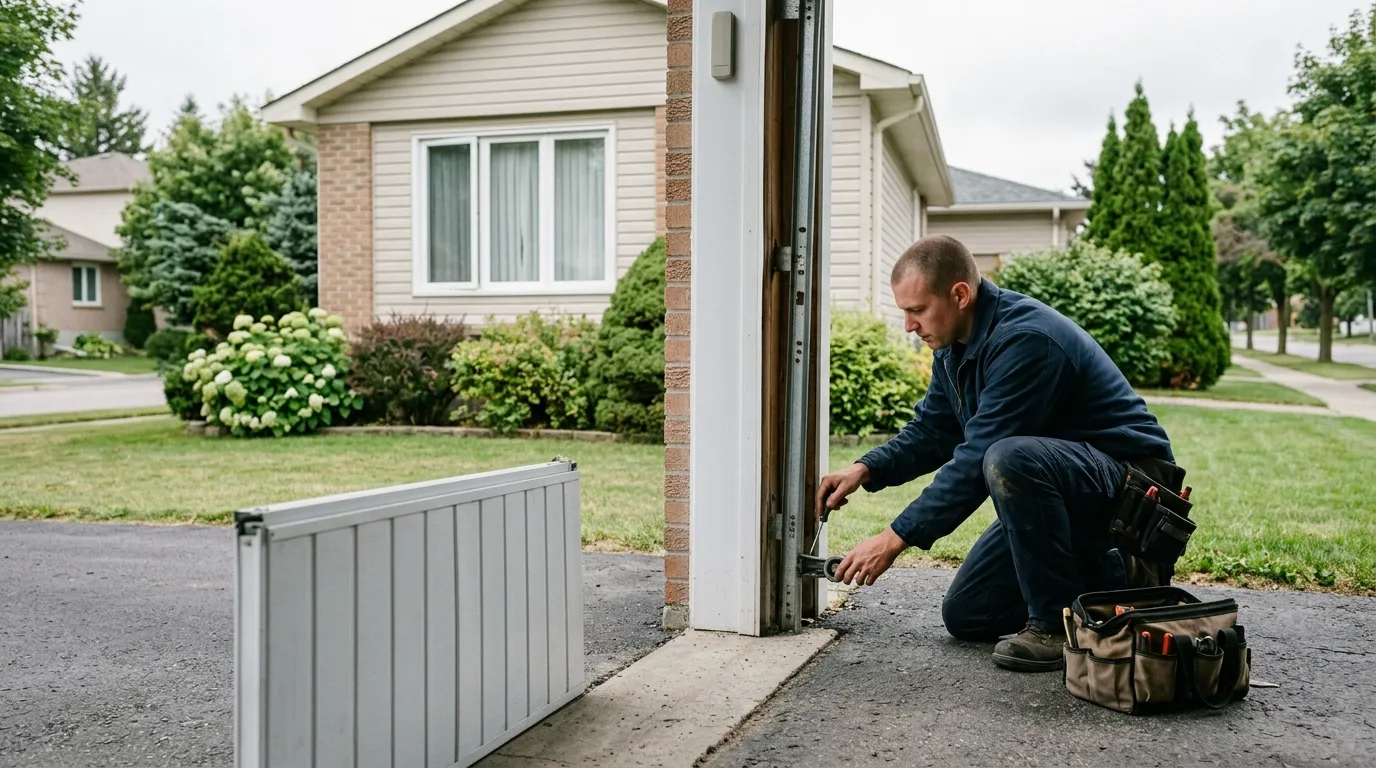
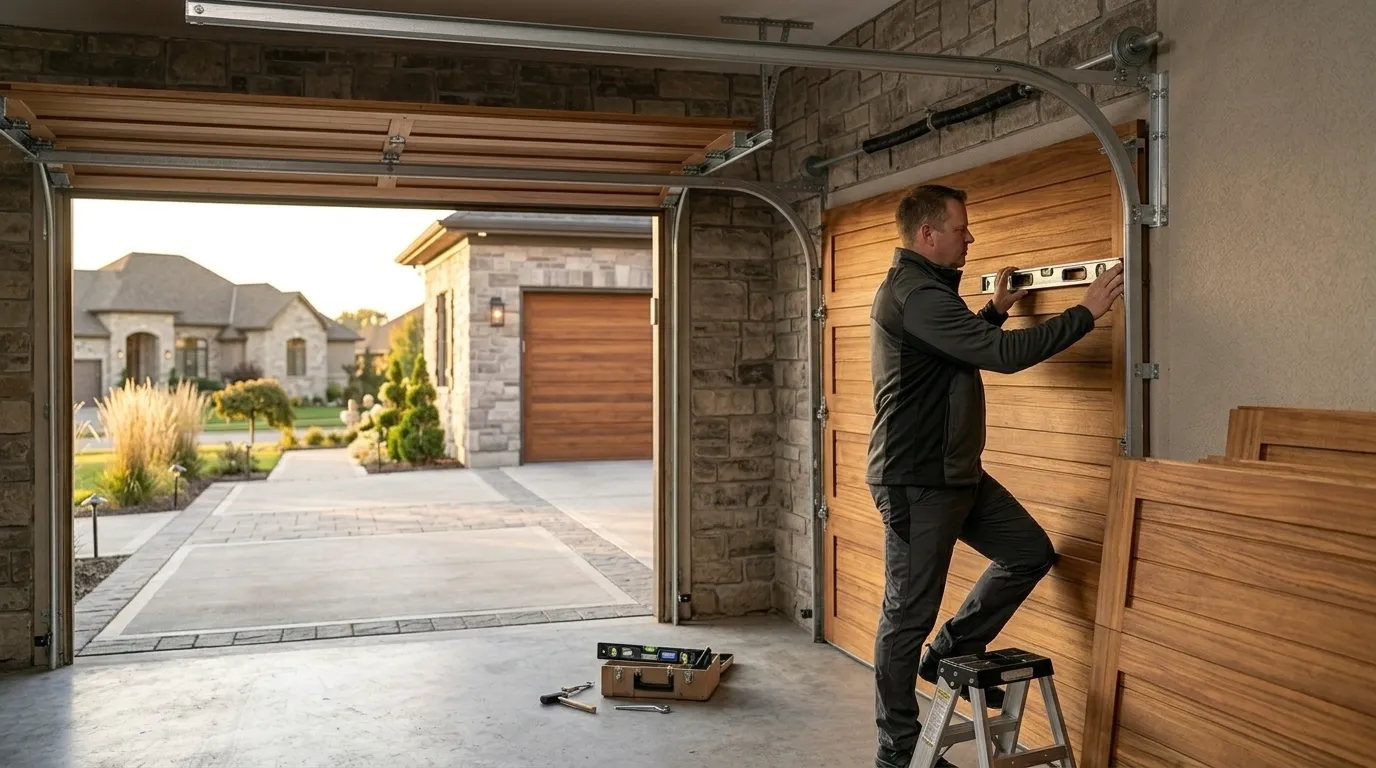
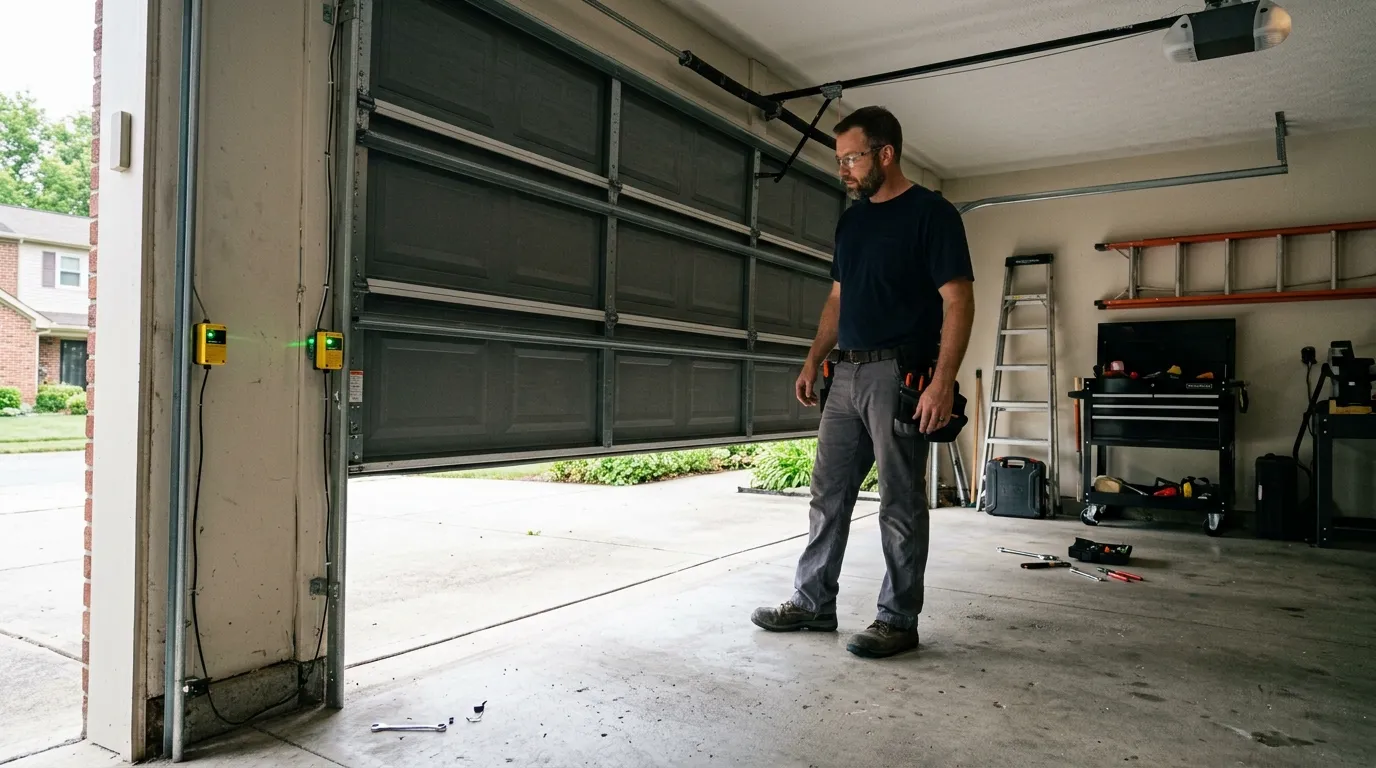
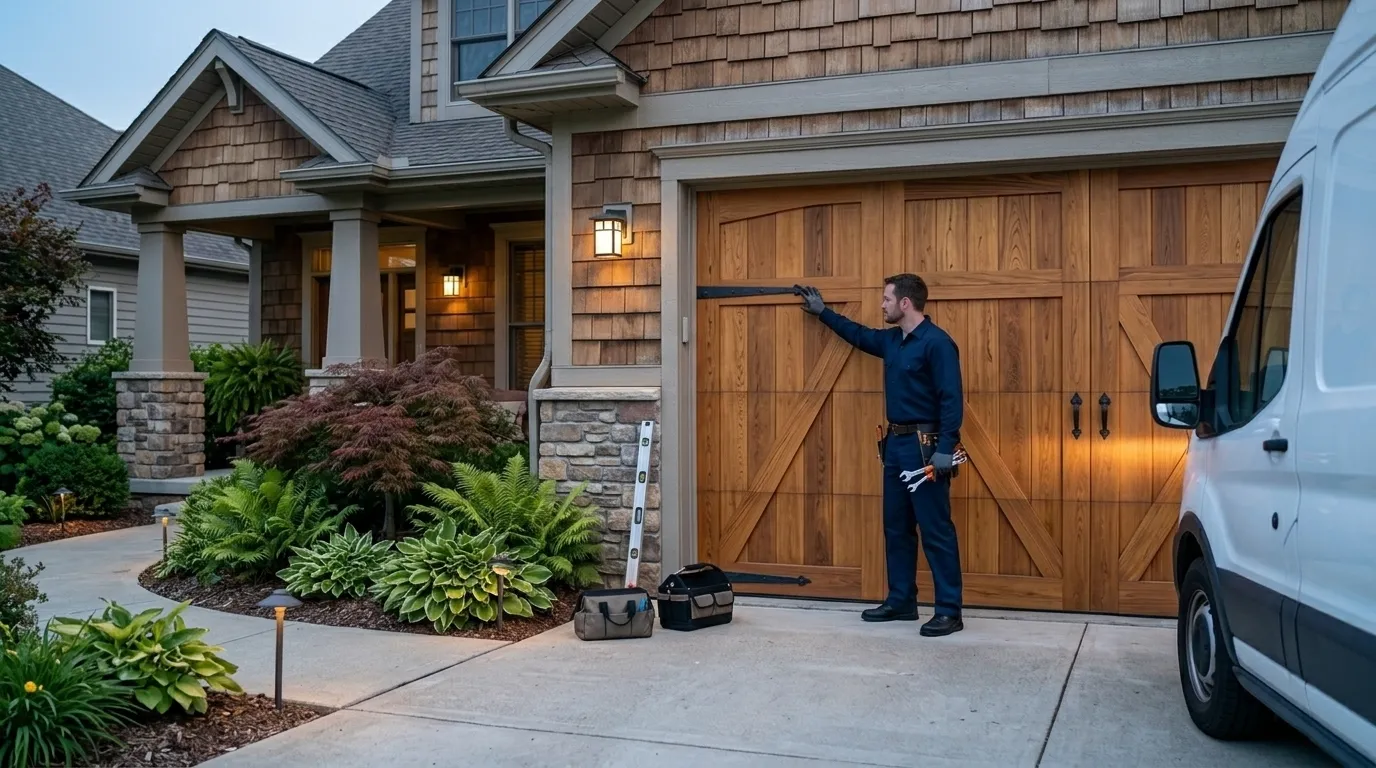
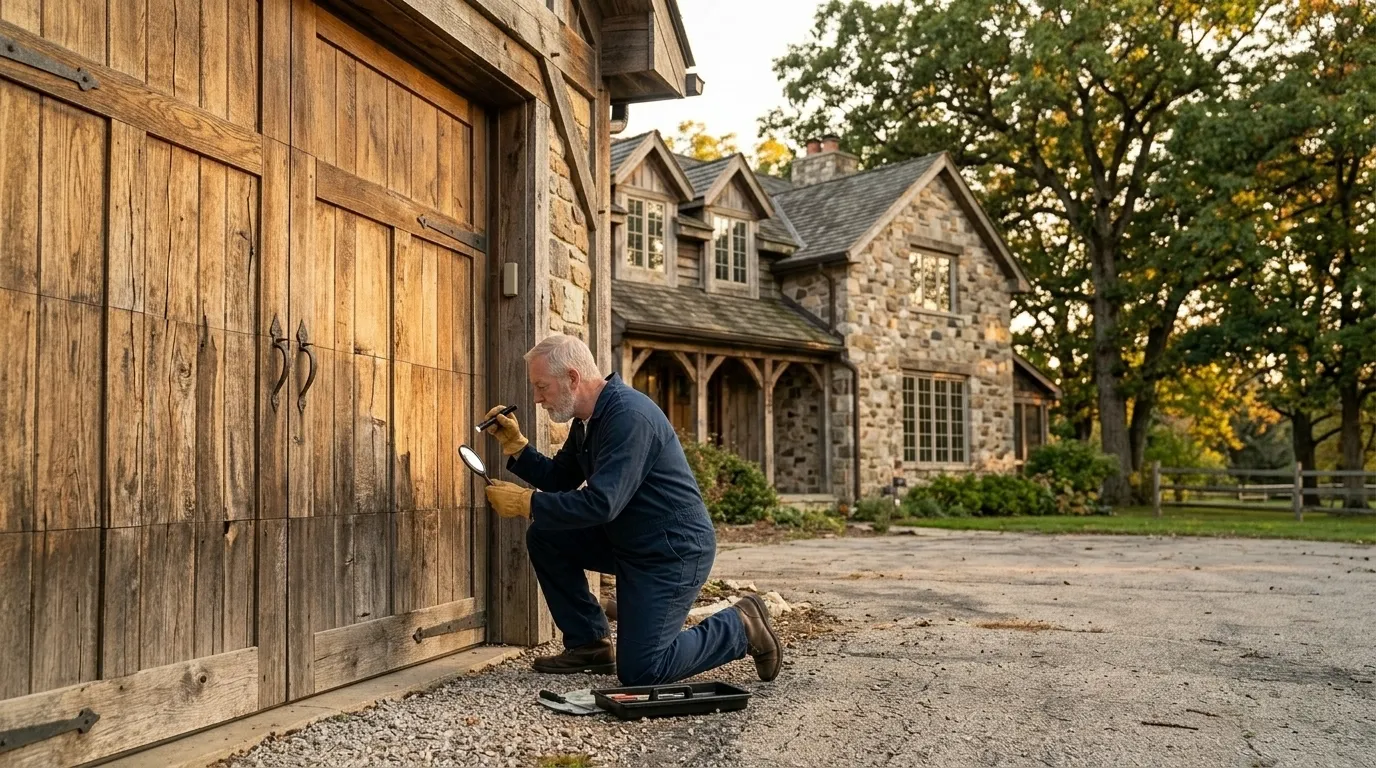
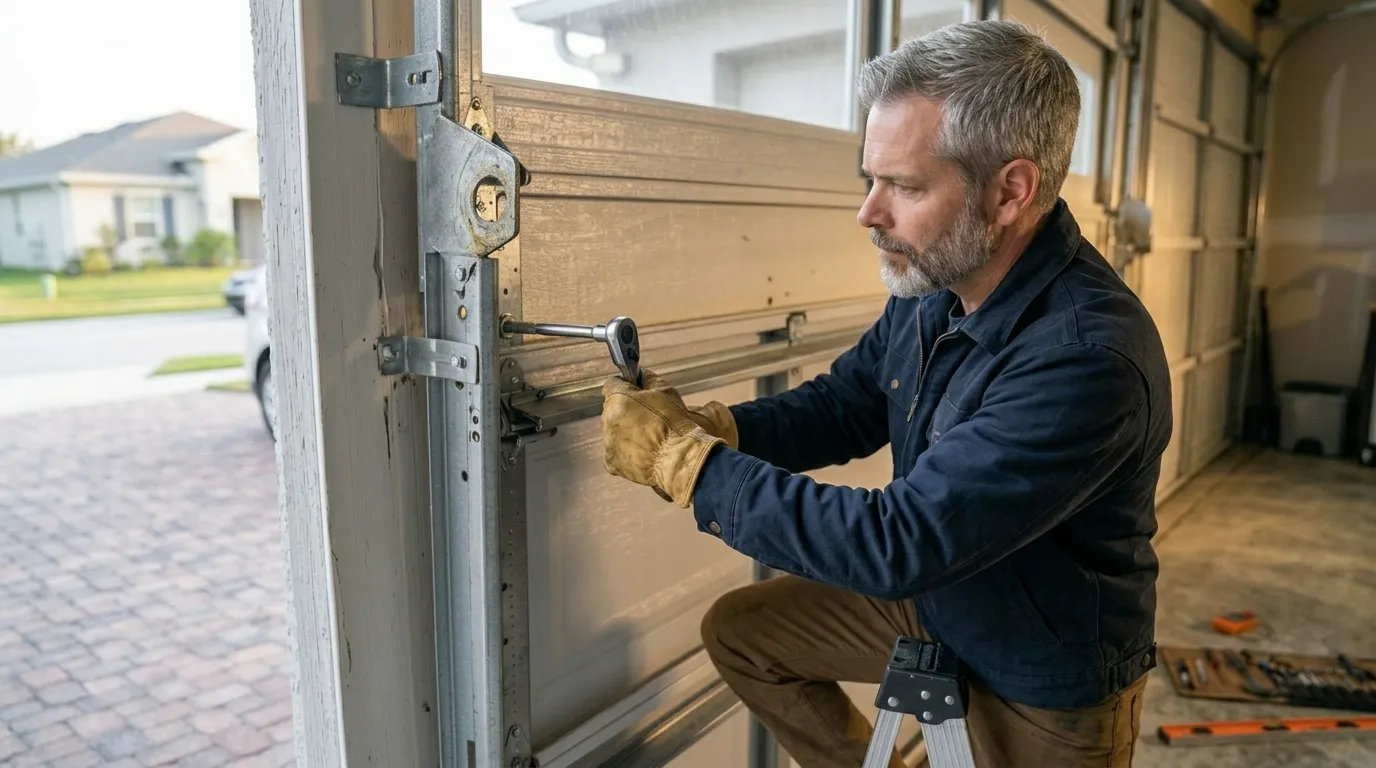
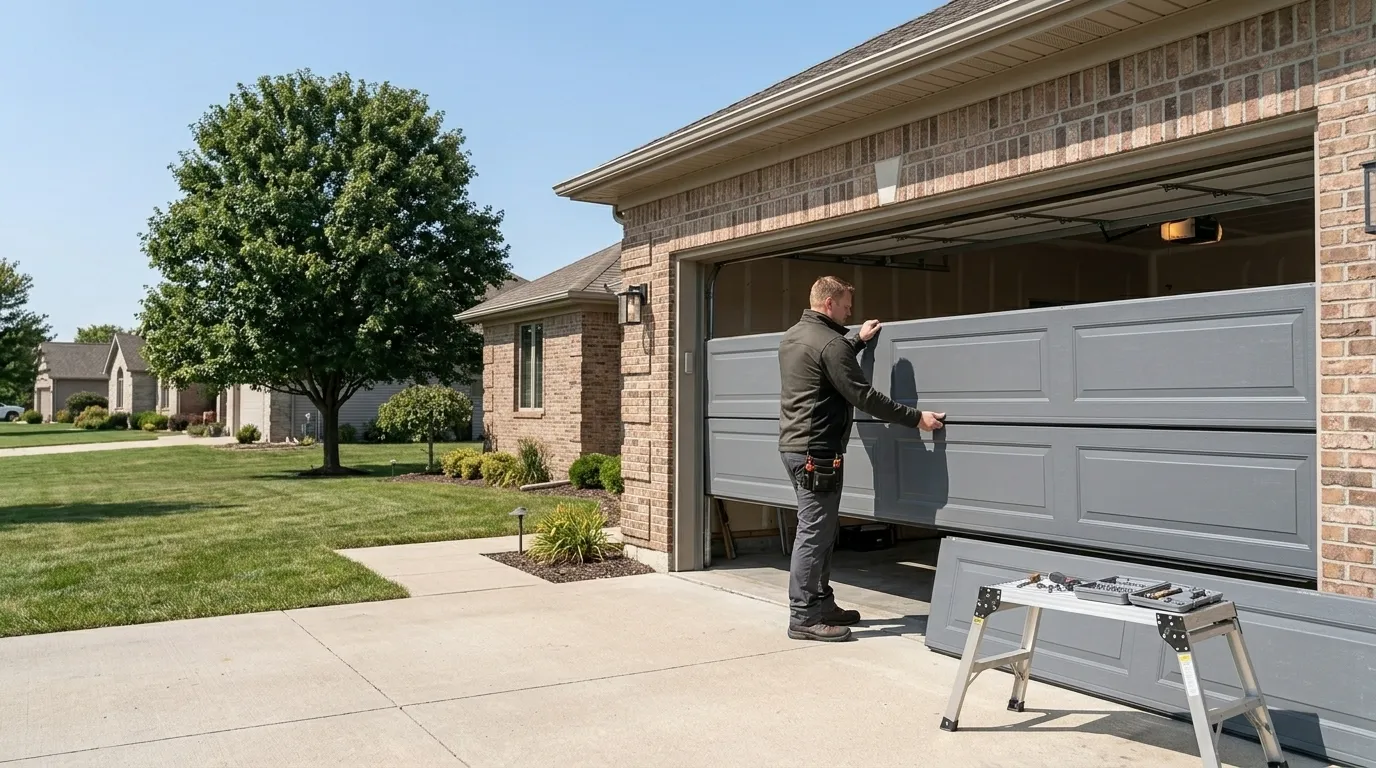
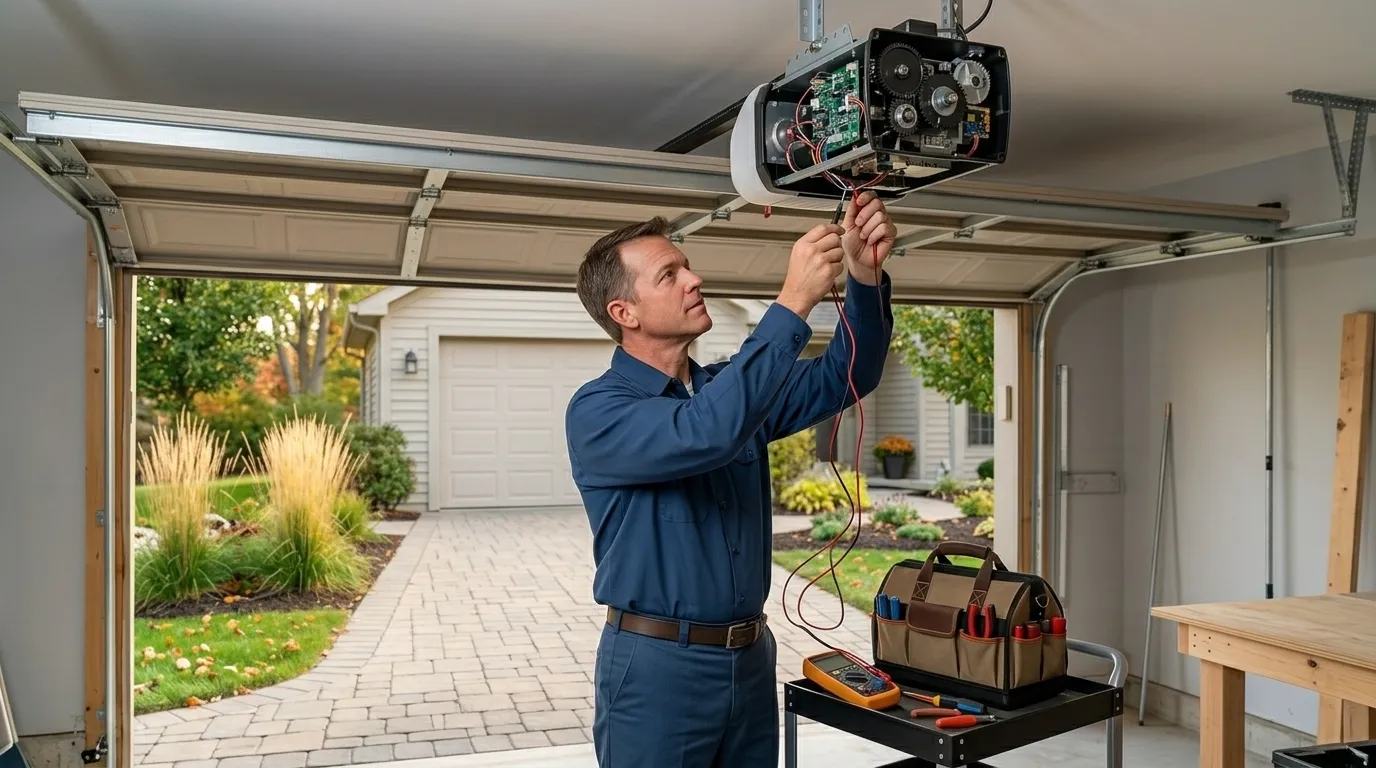
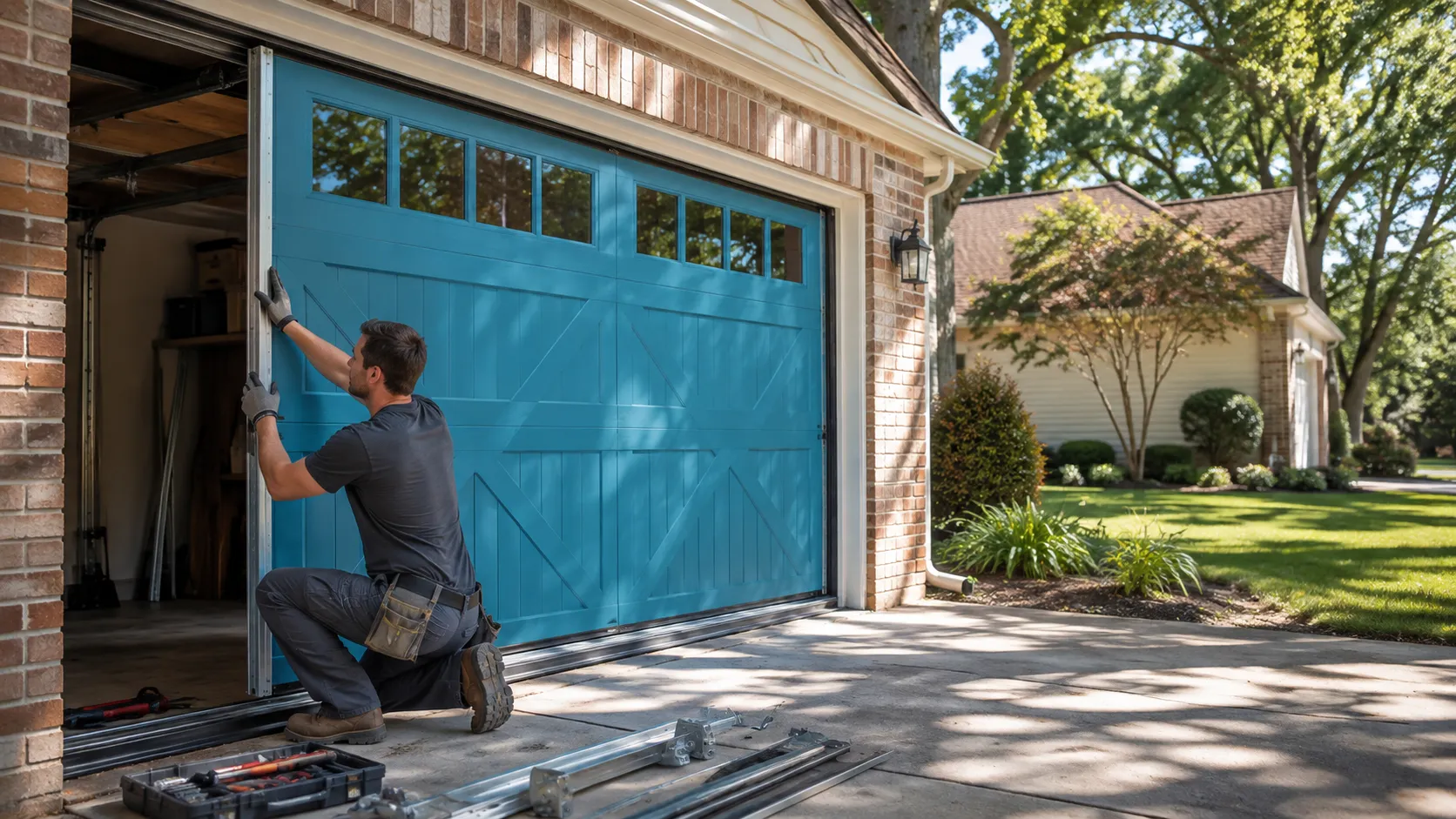
Most of the calls we get from Mountain View Acres are tied to one thing: the age of the hardware. Doors put up in the mid-1980s are hitting the point where torsion springs, worn nylon rollers, and the original chain-drive openers all start failing around the same time, because they were all installed around the same time. We see a lot of galvanized torsion springs that have simply run out of cycles, center bearing plates that have worn oval instead of round, and openers with grinding gears that were never meant to run this many years without a rebuild kit. Panel sections themselves usually outlast the moving parts - it's rare we replace a whole door here unless it's been dented by a car or the bottom section has rusted out from irrigation overspray. One honest limitation: if the track has been bent from a rollover impact more than once, patching it is a short-term fix. At that point straightening the track just buys you another six months before it happens again, and we'll tell you that instead of billing you twice.
What Was Built Here
Mountain View Acres carries a median year built of 1986, which puts it right in the thick of the 1958-1997 window that covers most of this stretch of the High Desert. That's not a coincidence - the area is part of a wider run of 1980s and 90s construction that shows up across thirteen named communities out here, from Hesperia proper out through Oak Hills and beyond. What that means on the ground: garage doors from this era are almost always steel sectional, single-layer or lightly insulated, on standard torsion spring setups rather than the older extension-spring designs you'd find on anything built before the mid-1970s. With 811 households in the area, that's a fairly consistent population of doors hitting the same age-related failures within a similar window of years, which is part of why we can usually diagnose a problem here over the phone before we even pull up.
What That Means for Doors
At a median household income of $70,179 in Mountain View Acres, most of the calls we get are about whether a repair makes sense versus letting the whole unit go. For a 1986-era door with a failed spring or a worn opener, repair almost always wins - the springs, rollers, and drive components are standard sizes and still stocked, so there's no reason to replace a serviceable door just because a $200 part failed. Where replacement starts making sense is when the original door itself is single-layer steel with no insulation, which was common for this build era and does little against the heat this area sees for much of the year, even though the climate band here is moderate rather than extreme. If you're already fixing hardware twice in two years on the same door, that's usually the point where putting the money toward a new insulated door instead of another spring set is the better call.