Common Jobs Here
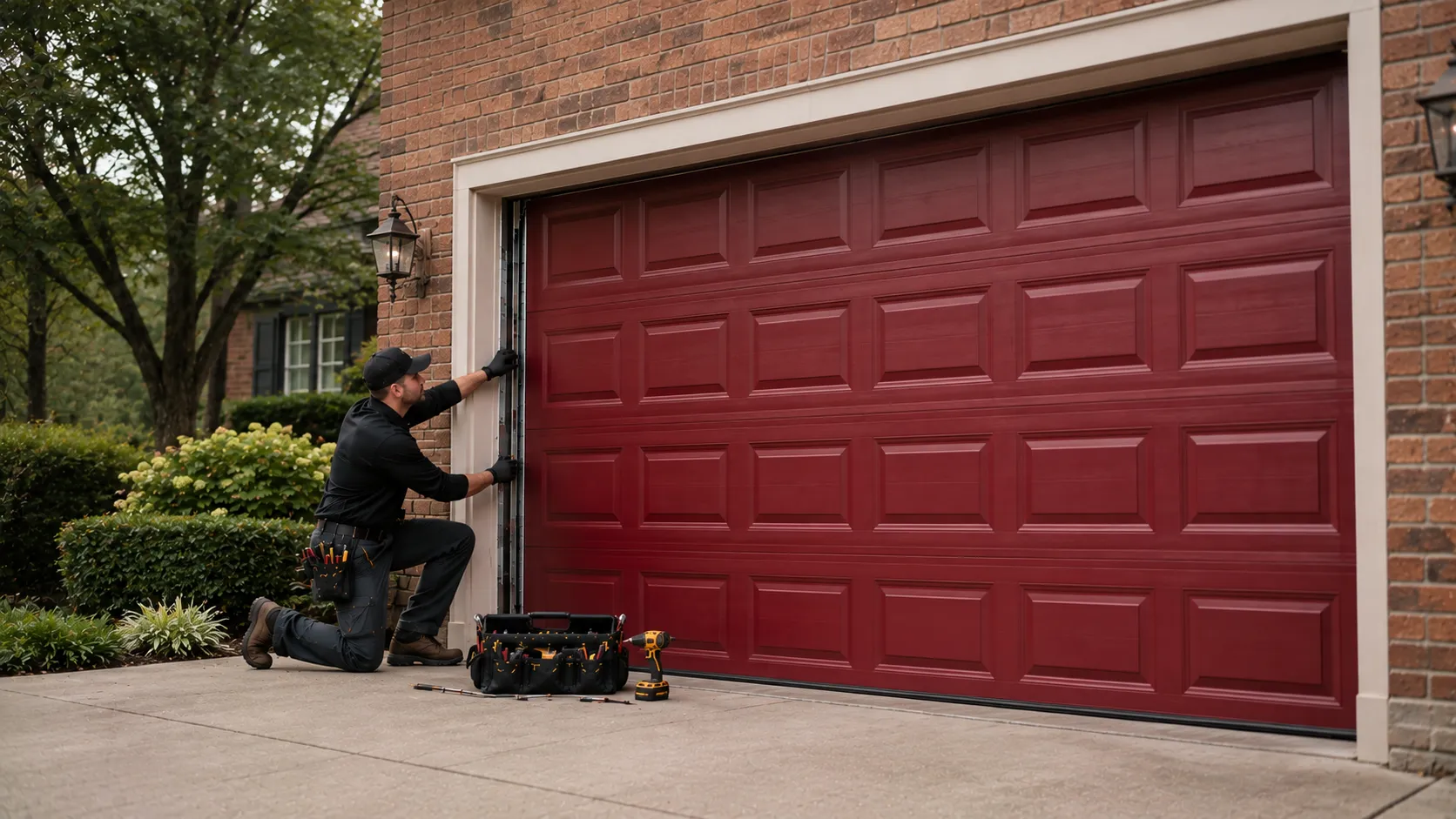
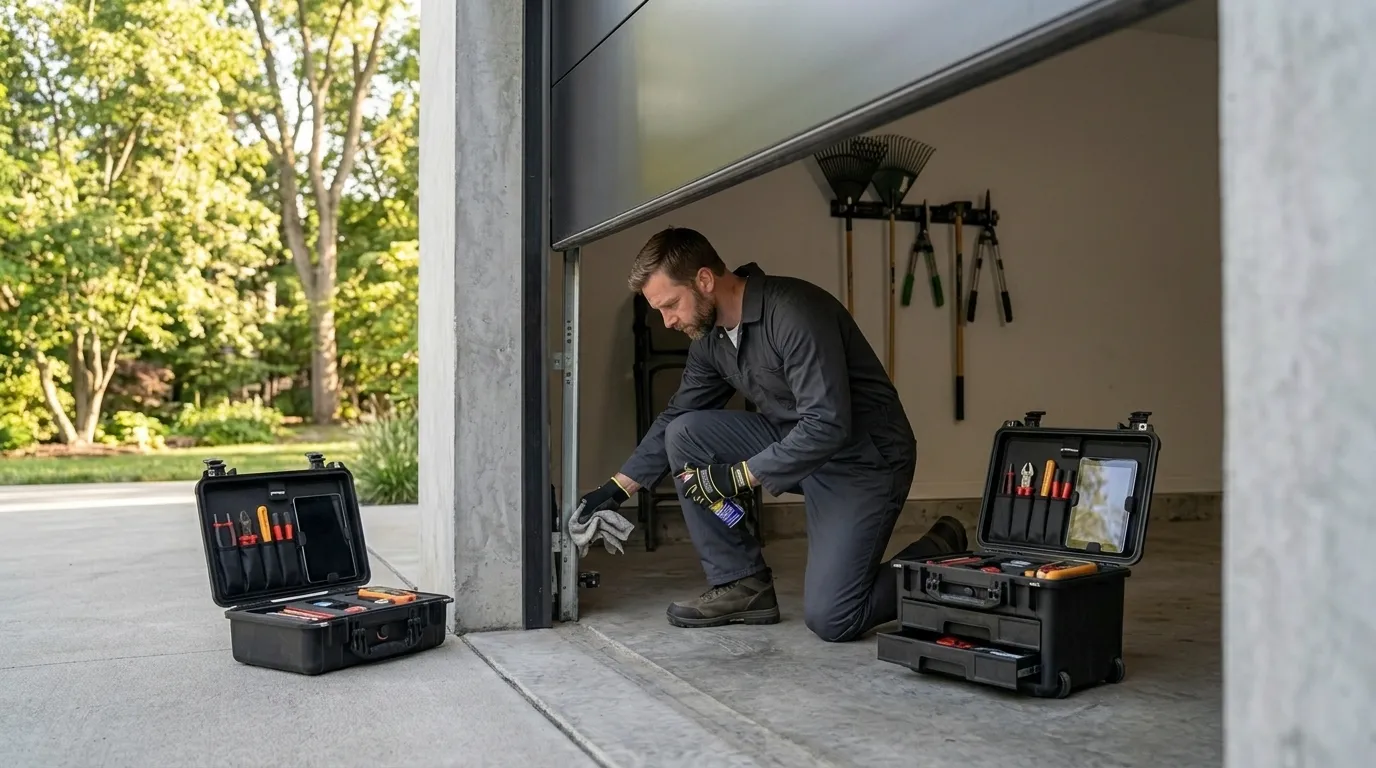
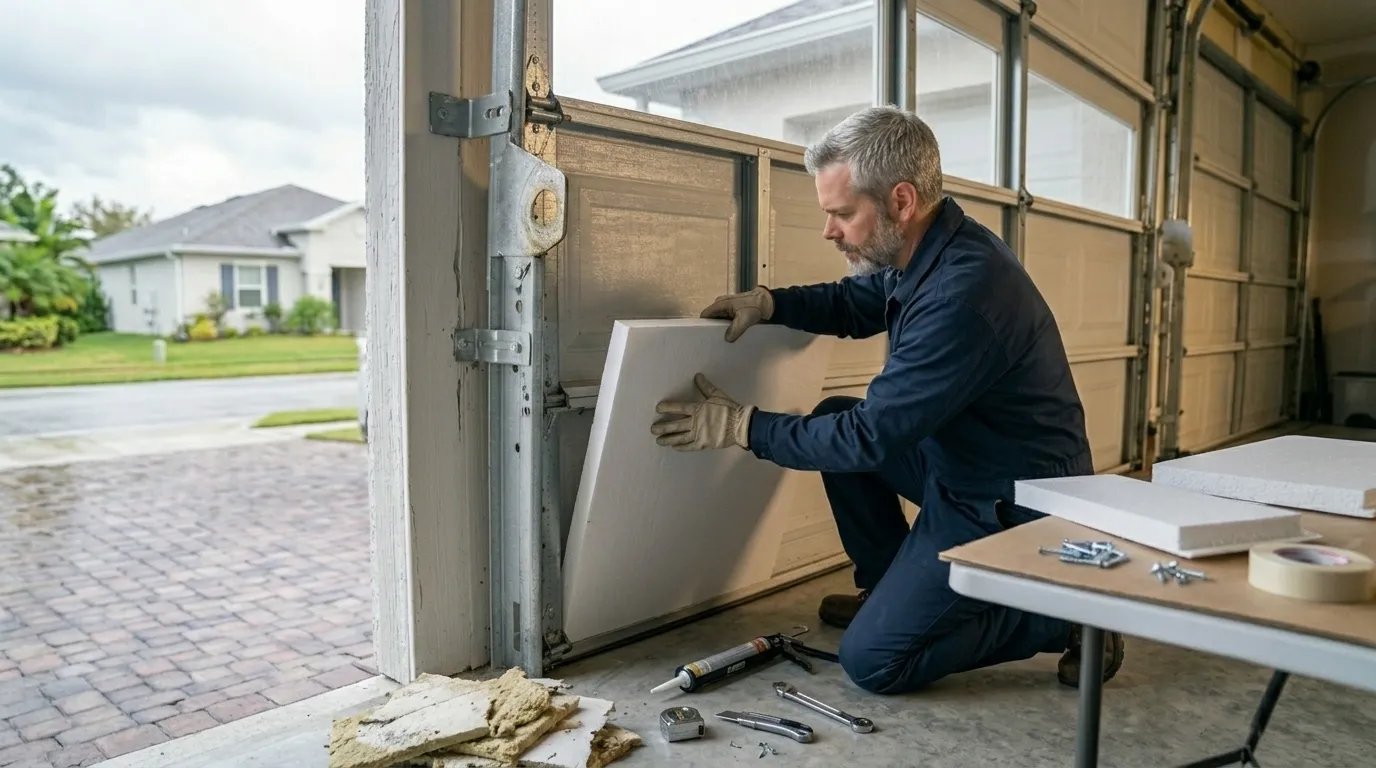
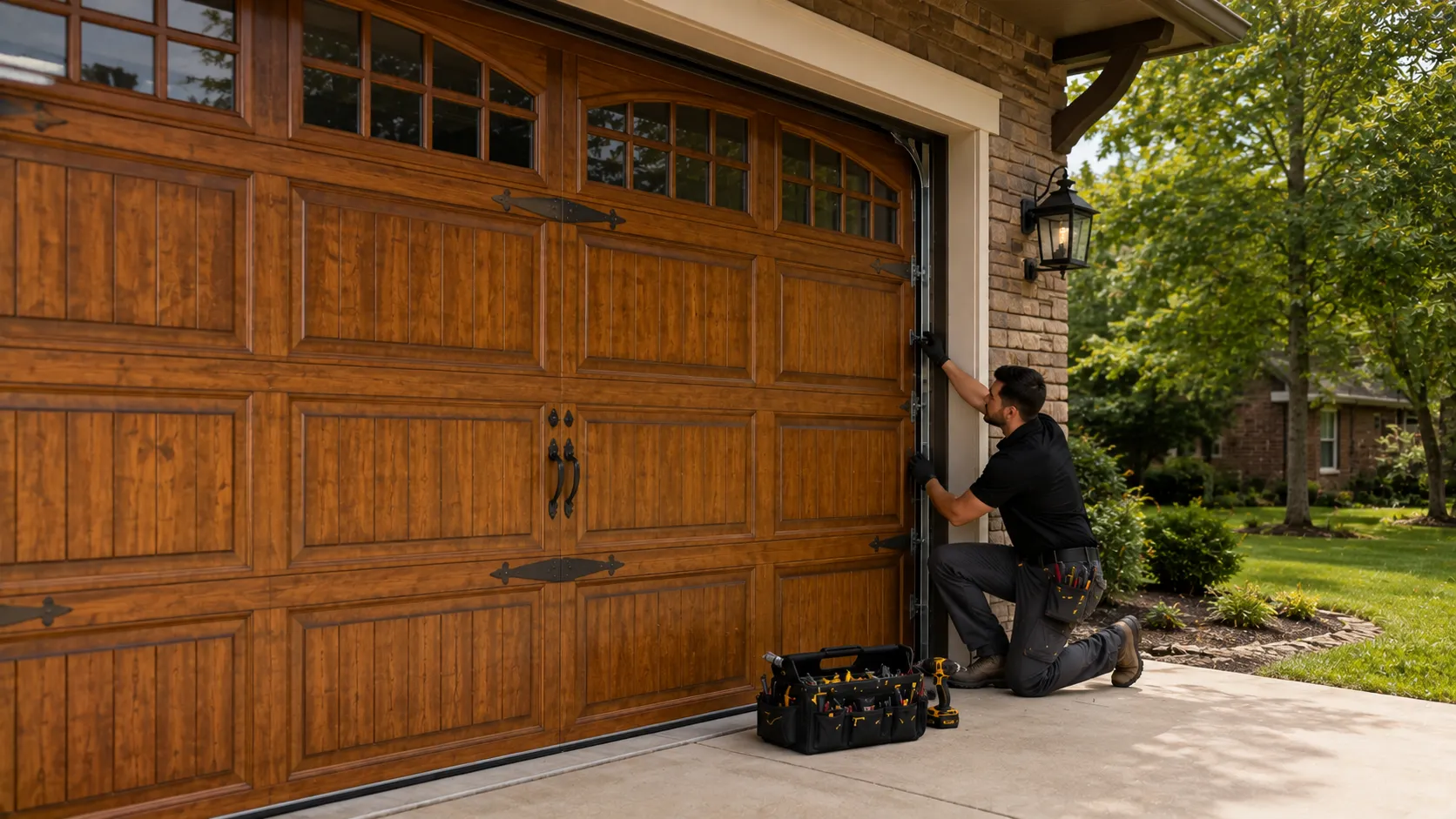
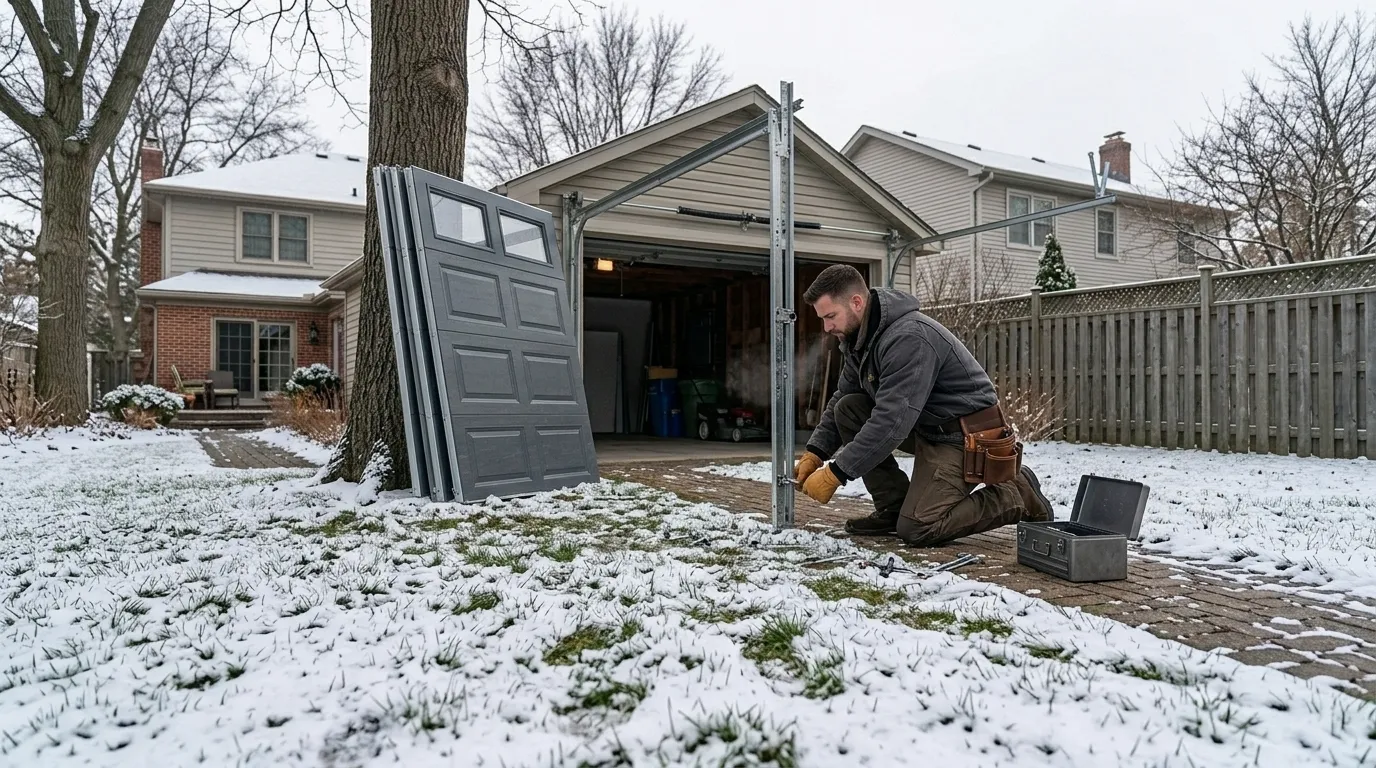
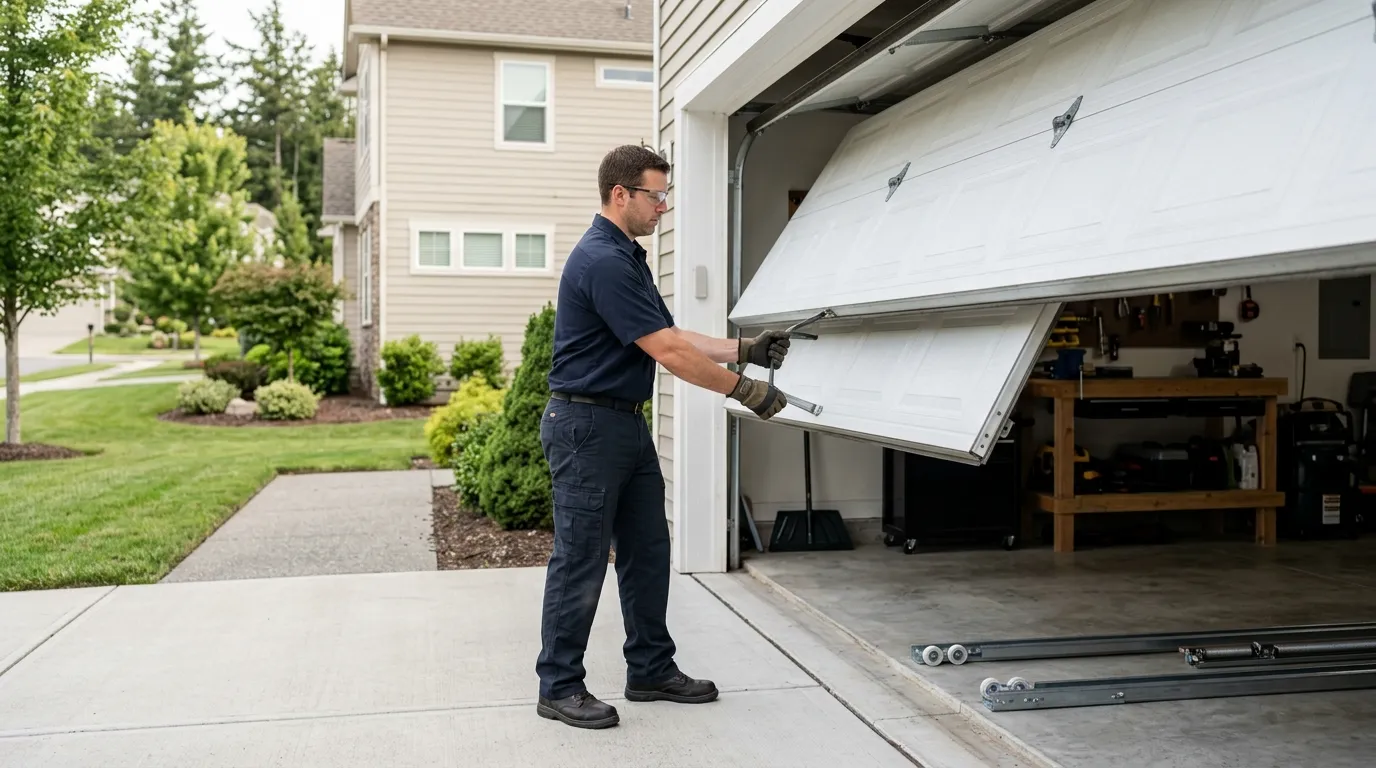
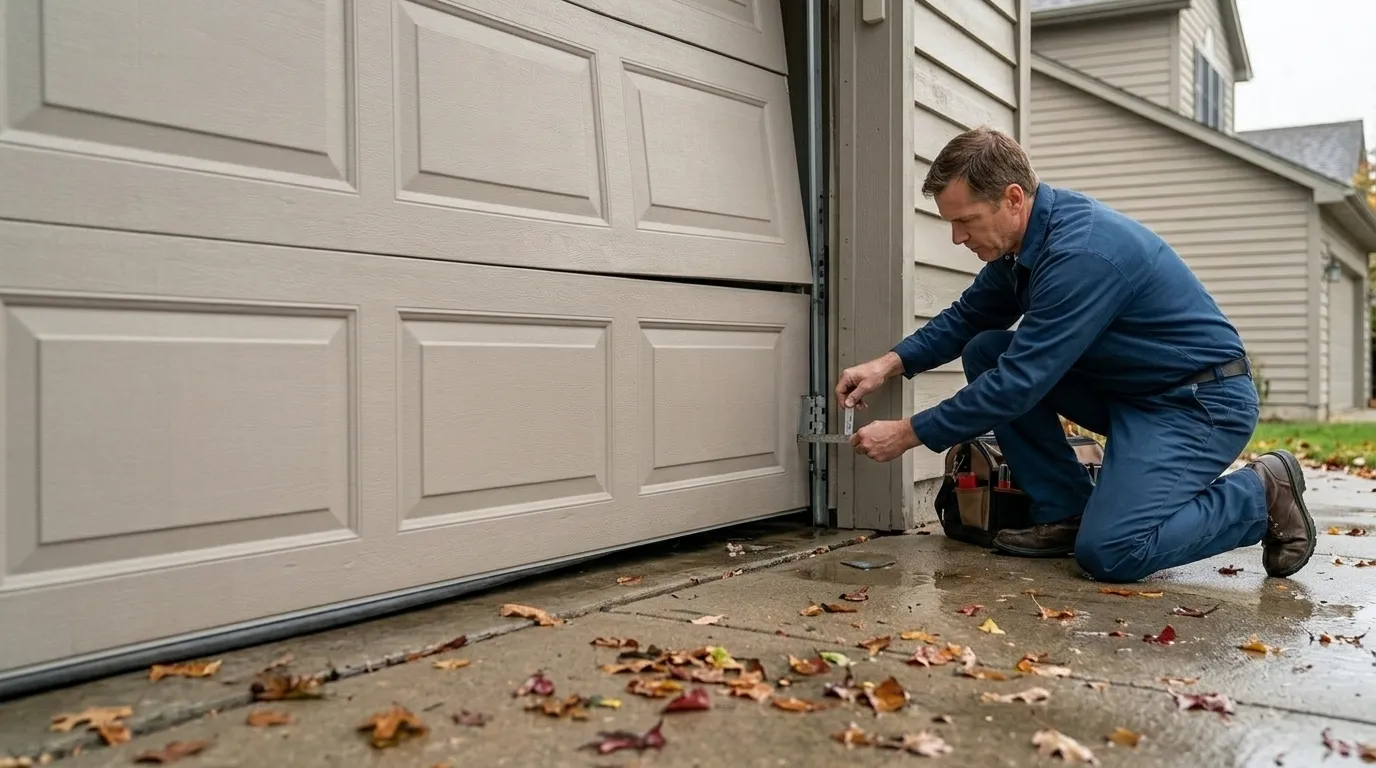
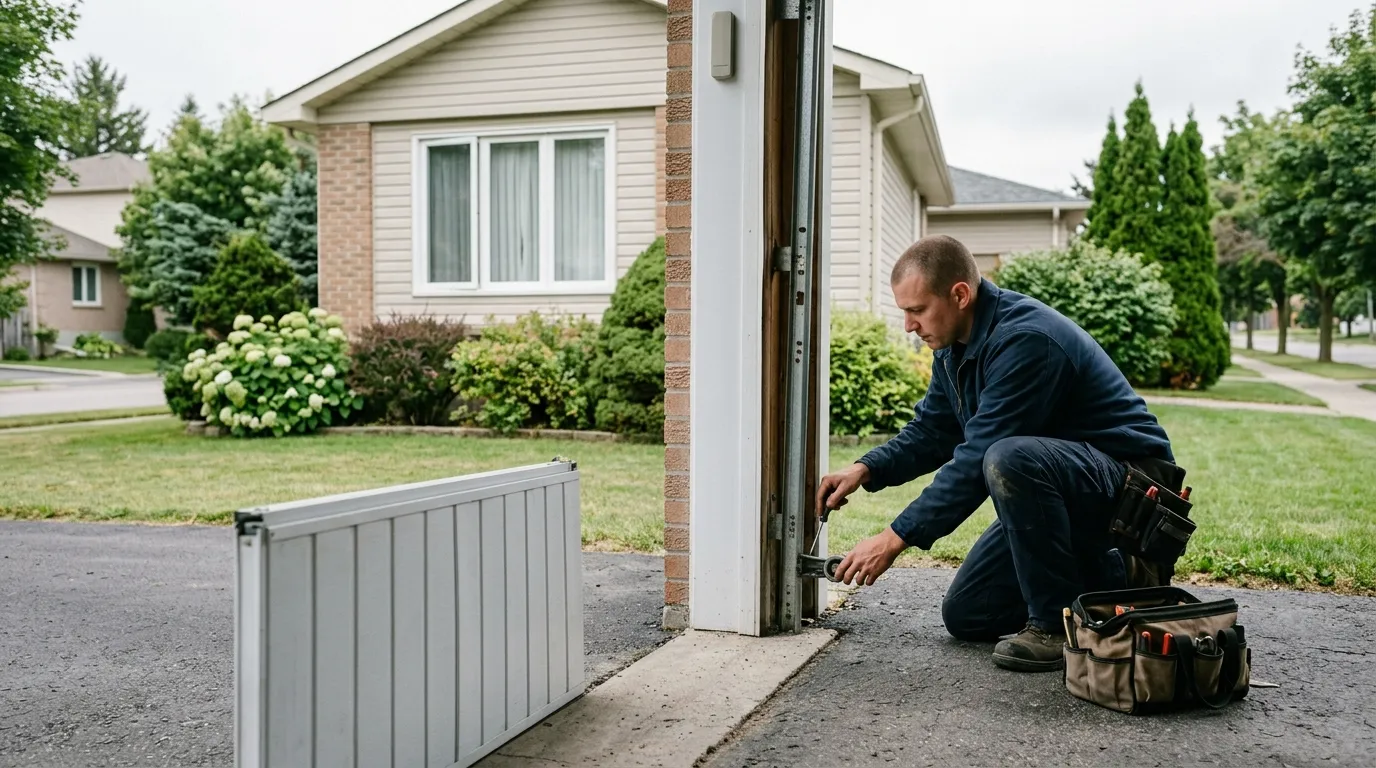
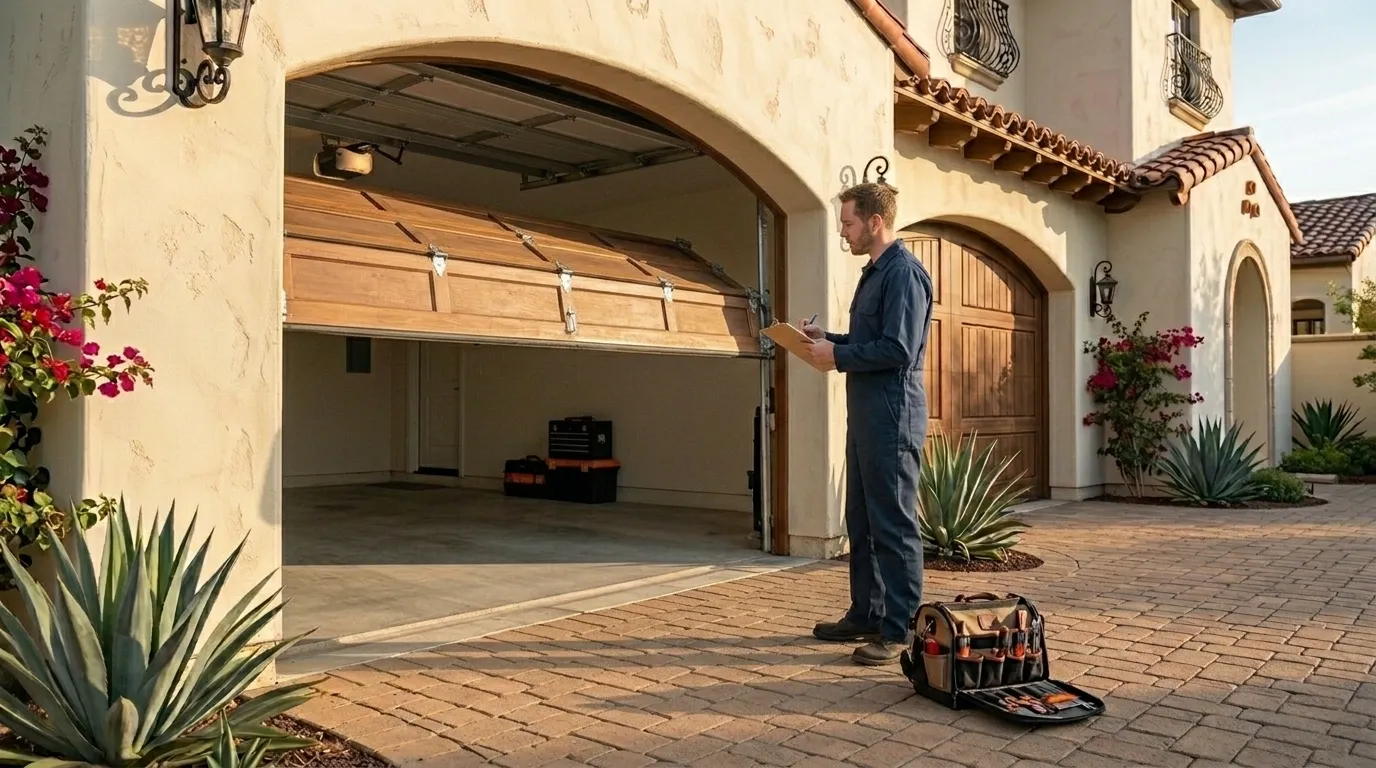
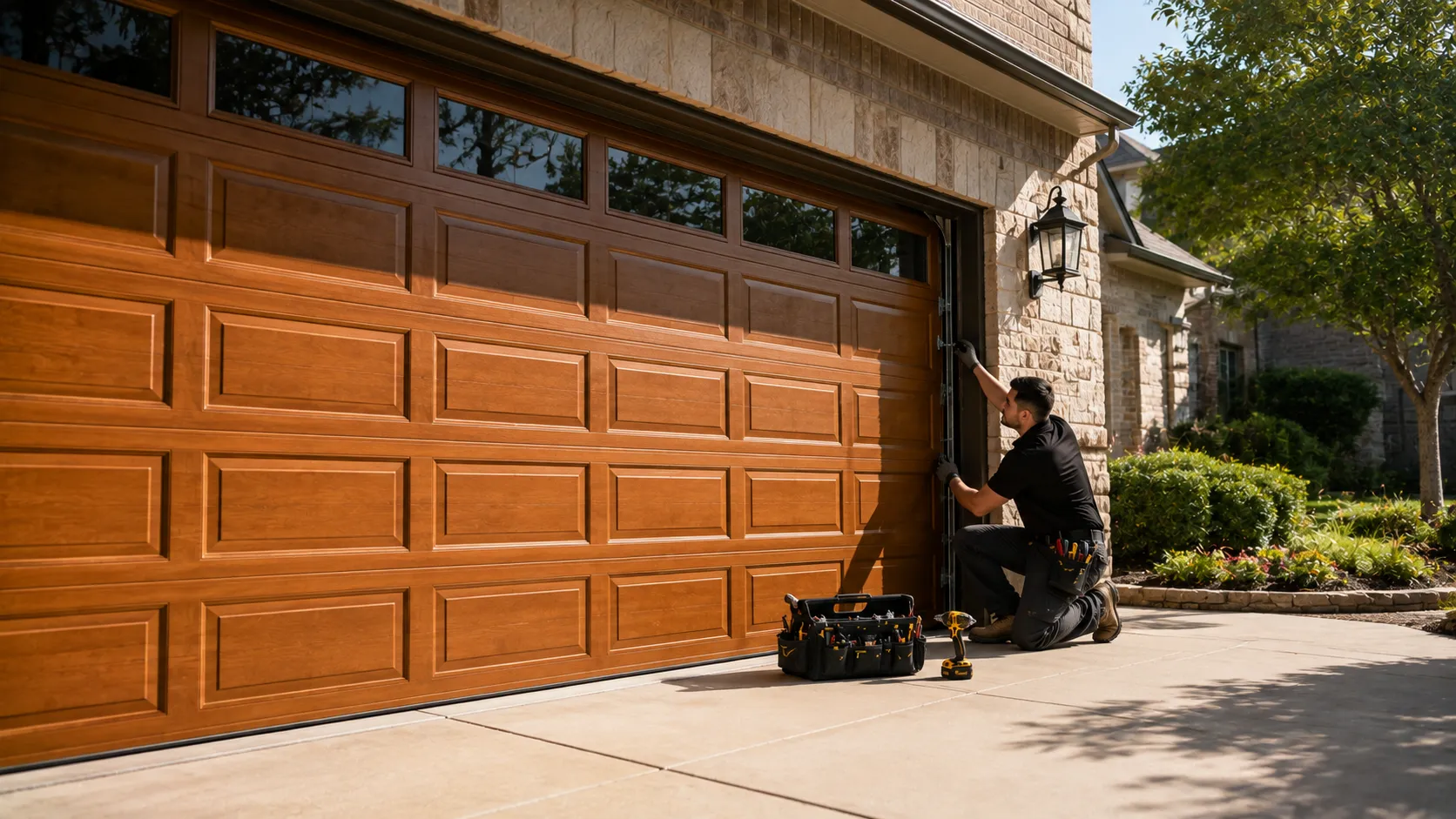
Running Springs sits about 18 miles from our Hesperia shop, and the calls we get from up here don't match what we see on the valley floor. With roughly 2,047 households in the area, most sitting on a median year built around 1970, we're dealing with older torsion setups more often than the newer extension-spring, sectional-panel doors common in the newer subdivisions closer to Hesperia. That means more worn drums, more original wood-composite panels that have taken on moisture over the decades, and openers that have already been swapped once or twice by a previous owner. We also see more custom-width openings on these older lots than the standard 16-foot doubles that dominate newer tract construction. If your door is original to a 1970-era build, the track spacing and headroom may not match parts sold off the shelf today, which sometimes means a wider repair than a homeowner expects.
What Was Built Here
The broader service area we cover skews toward 1980s and 90s construction, with a median build year around 1986 across the thirteen communities we reach from Hesperia. Running Springs breaks that pattern. A median year built of 1970 puts this area a solid decade and a half ahead of that curve, and it shows in the garages. Older framing, older stud spacing, and in some cases doors that were installed before the current generation of torsion spring safety cables became standard. With median household income here at $85,681, we also see more owners investing in a full replacement rather than patching an old door repeatedly, since a mismatched, decades-old opening isn't always worth chasing parts for.
What That Means for Doors
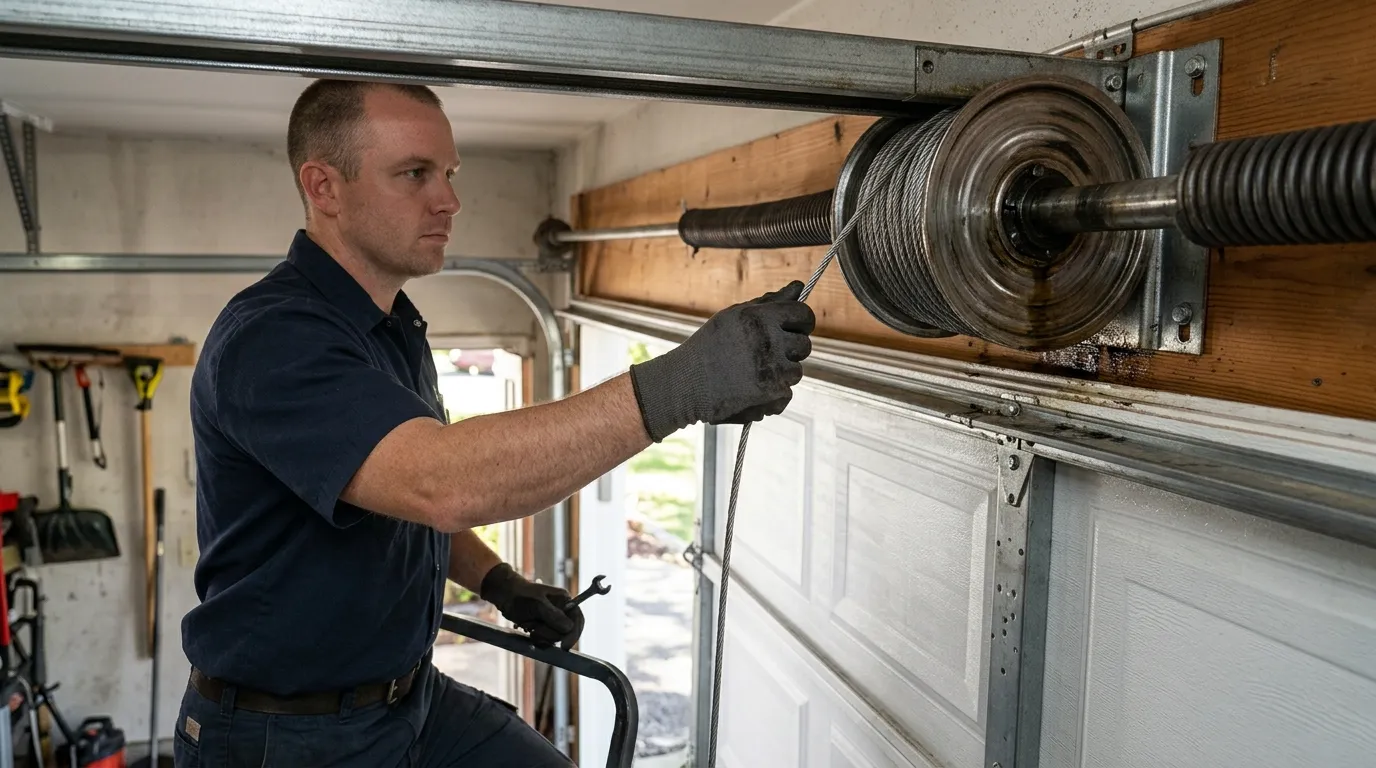
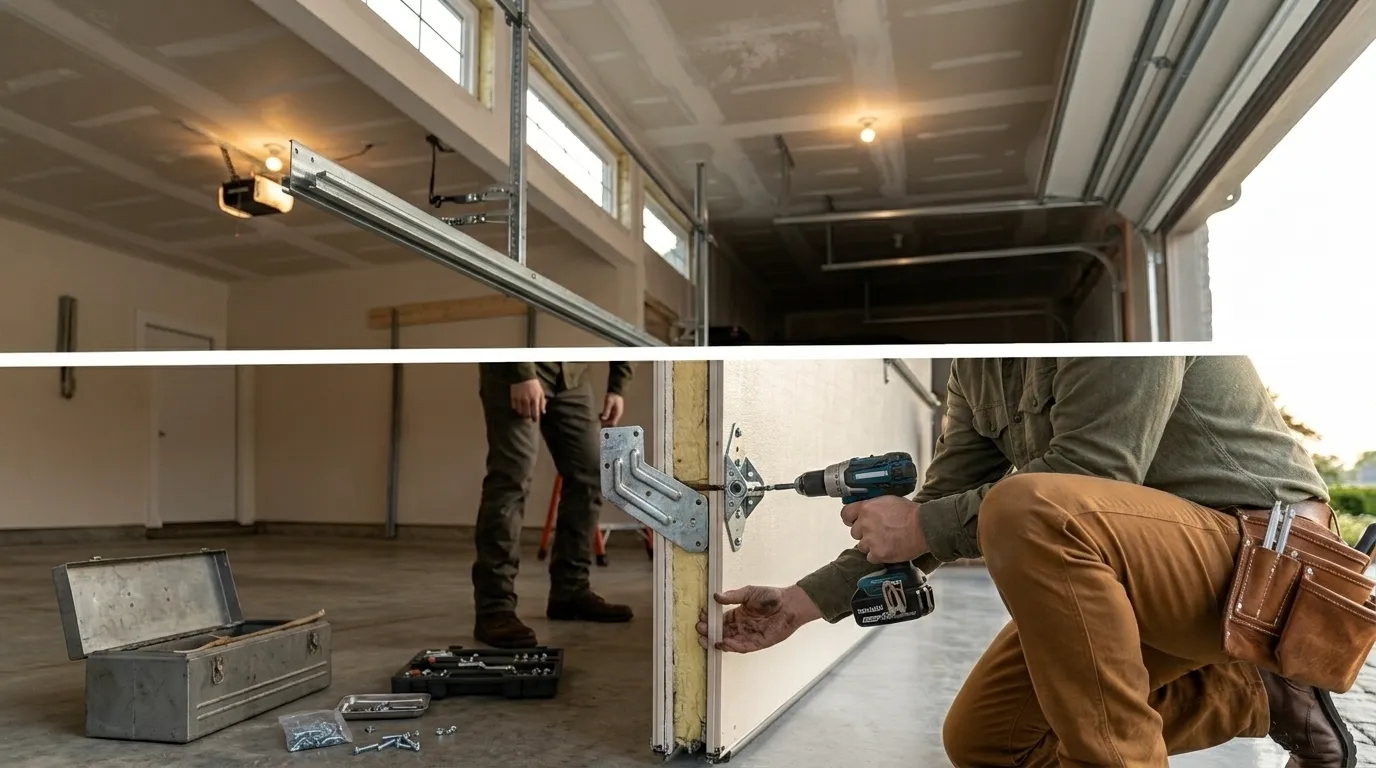
Because so much of Running Springs was built around 1970, we come prepared for hardware that's aged out of current stock. Original torsion springs on these homes have usually been replaced at least once by now, but the drums, end bearing plates, and track brackets are sometimes still the originals, and those don't always match what ships on a truck today. We measure twice before we quote, because a 1970-era opening can run narrower or have less headroom than what a standard modern kit assumes. One limitation worth stating plainly: if your door frame has shifted with age, sometimes a repair isn't the right call and a full replacement frame is the honest answer, even if that's not what you called about.