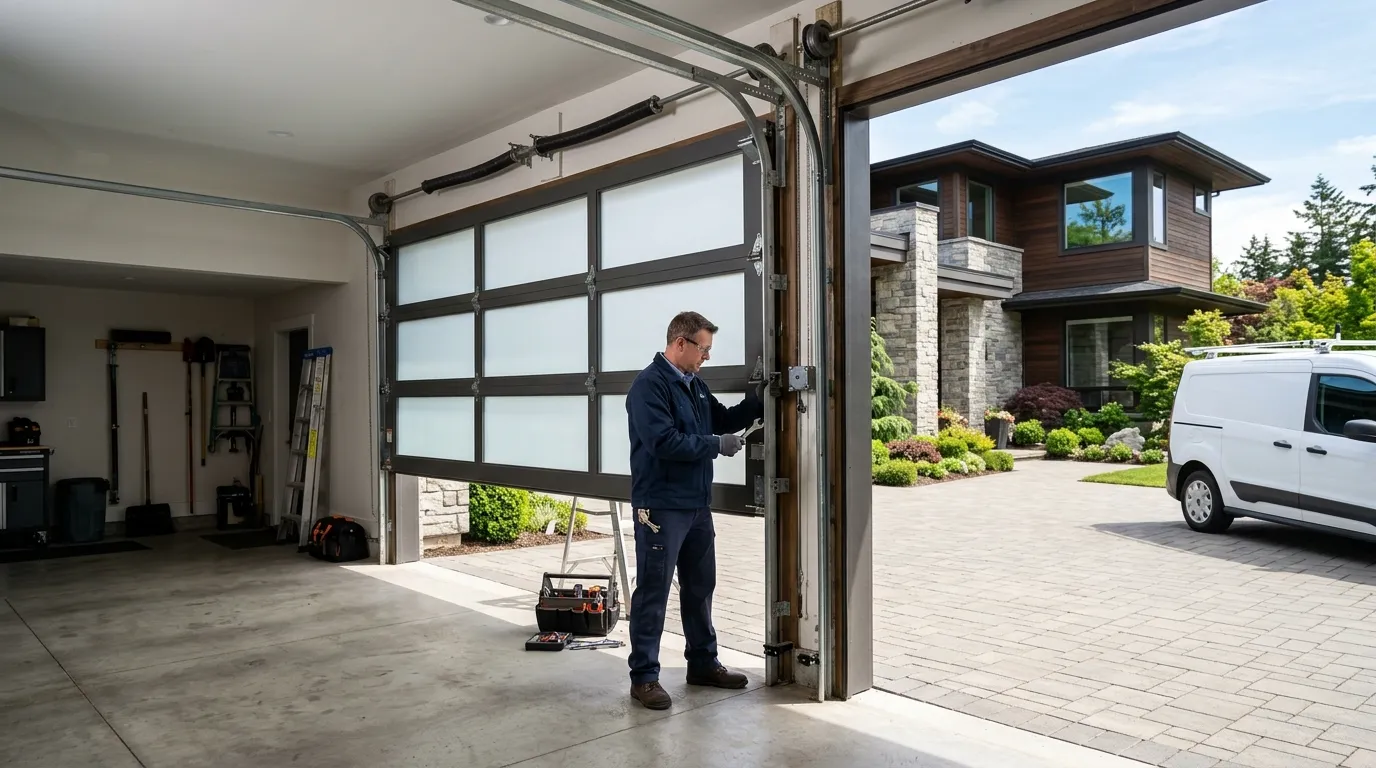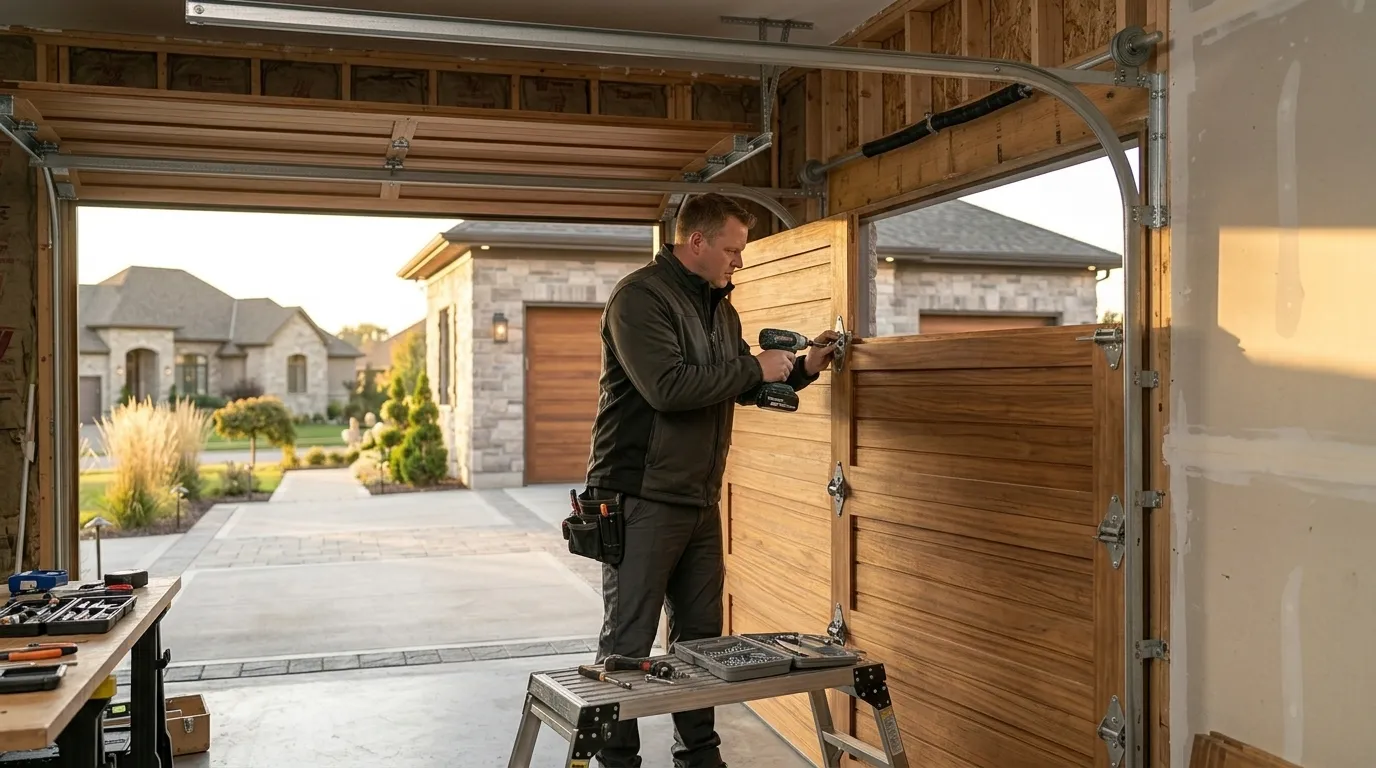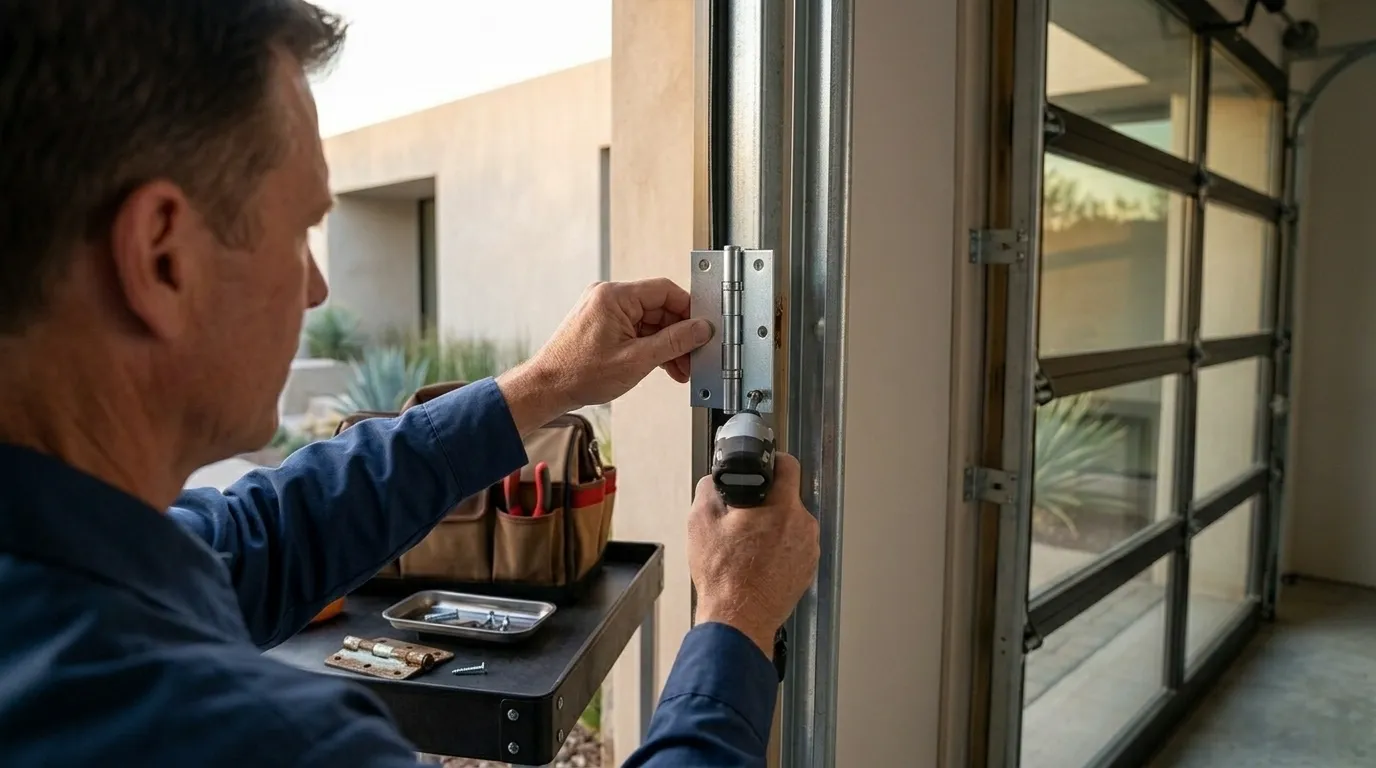
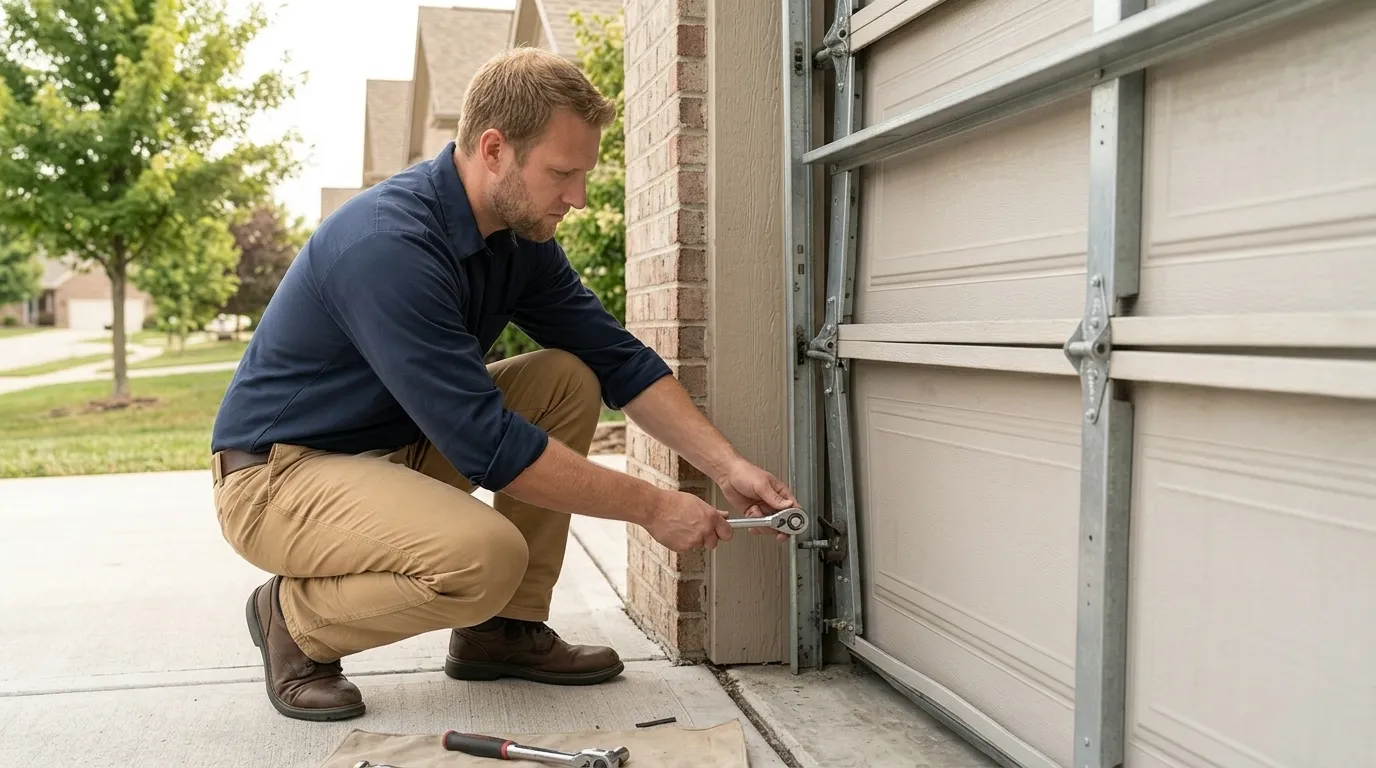
The Situation
Most houses on this side of Hesperia went up between 1958 and 1997, with the median build year landing around 1986. That's not a small detail. A door installed when the house was framed is often still wearing its original torsion spring, and springs from that era don't match what's on the shelf at most supply houses now. The 1980s-to-90s tract wave touches the same rough construction style across all thirteen named communities in the service area, from Oak Hills five miles out to Rialto twenty miles east, so the pattern isn't limited to one neighborhood.
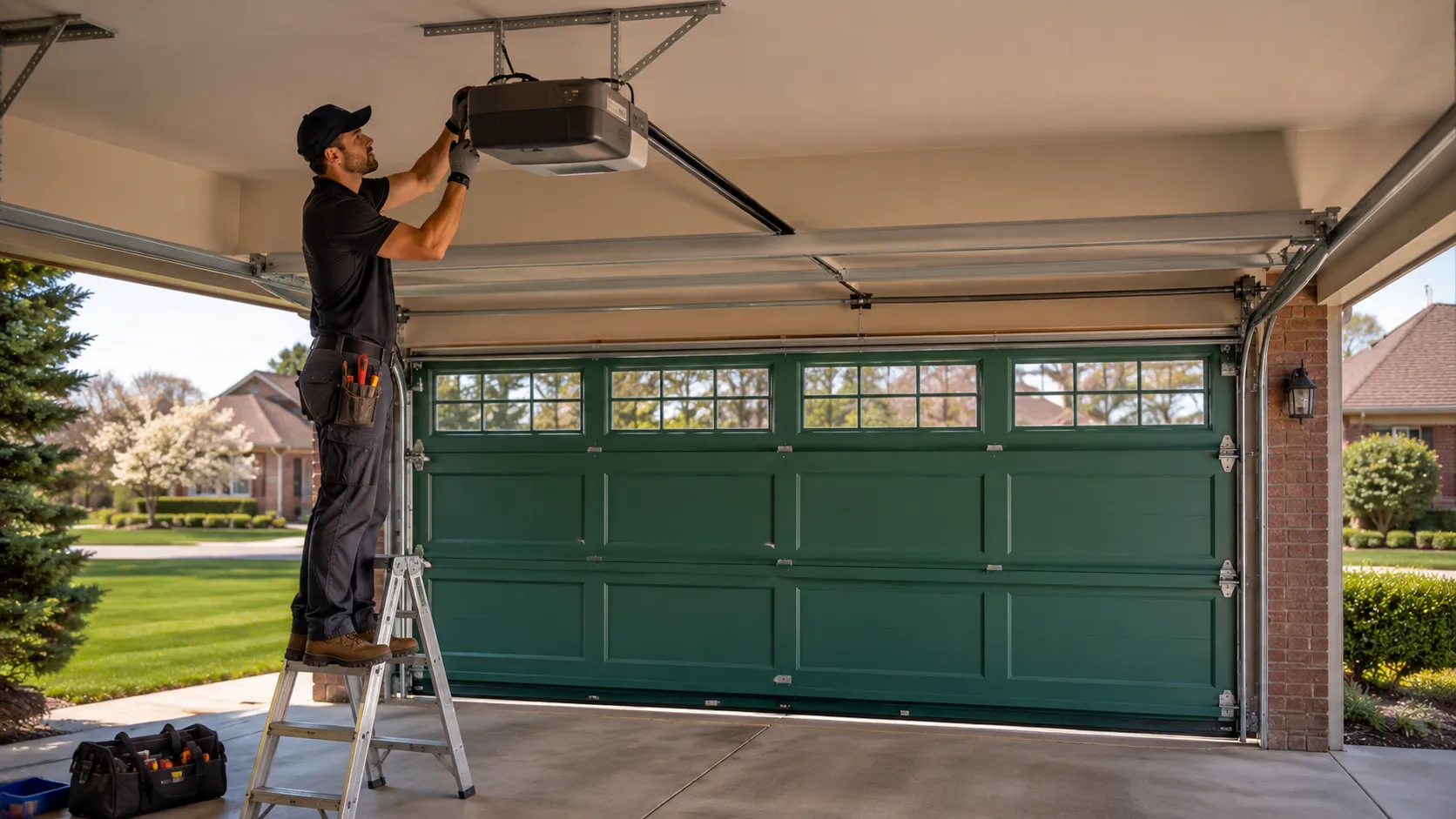
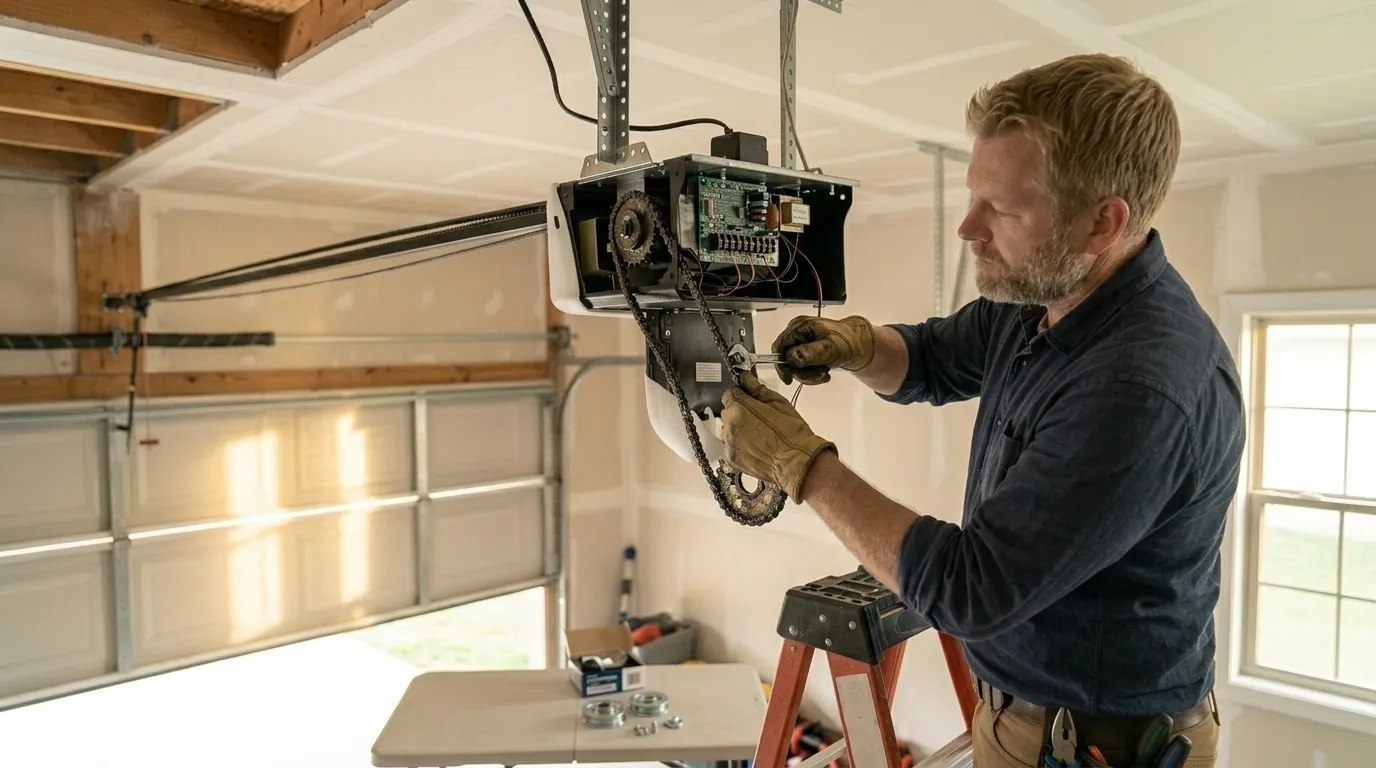
With 60,965 owner-occupied houses among 90,664 households in the area, a large share of the garages around here are original openers on original hardware, not upgrades. That means when something fails, it's rarely a simple part swap - it's often a mismatch between what the house has and what's actually manufactured today. If your door still has the chain-drive opener with the light bulb housing built into the motor cover, that's the generation we're talking about.
We don't guess at spring size over the phone. A wrong spring on a door this old can bind the drum or snap the cable within days, so we look at the door before quoting the fix.
The Cost of This Job
We're not going to hand you a number here without seeing the door - too much of the cost depends on whether the spring is a standard size or one of the odd 1980s-era winds that need a special order. That's the honest limitation: a same-day fix on a common torsion spring is a different job, and a different bill, than sourcing a discontinued extension spring set for an original door.
Hesperia's median household income sits at $79,378, which is worth mentioning only because it shapes what we see in the field - most owners here fix rather than replace when the door itself is still sound, and only move to full replacement when the panels or track are too far gone to save. A repair on an original spring, cable, or roller setup usually costs less than swapping the whole door, but if the door is steel from the 1986 wave and rusted through at the bottom panel, replacement starts making more financial sense than another repair.
We won't push a full door replacement on you if the fix is smaller than that. If the spring, cable, or opener board is the actual problem, that's what we quote.
What the Weather Here Does to It
Hesperia falls in a climate band rated moderate heat, not the extreme high-heat category that cooks lubricant and warps steel brackets every summer. That matters for how you should think about maintenance here - the door isn't fighting the worst-case heat load, but moderate heat still dries out spring lubricant and stiffens nylon rollers faster than a mild climate would.
On a door built during the 1958-1997 wave that makes up most of the housing stock here, that slow drying-out process has usually had decades to work. Steel track brackets expand and contract with the daily heat swing, and over enough years the bolts holding them to the framing can work loose. That's a five-minute check: put a hand on the bracket while the door runs and feel for wobble.
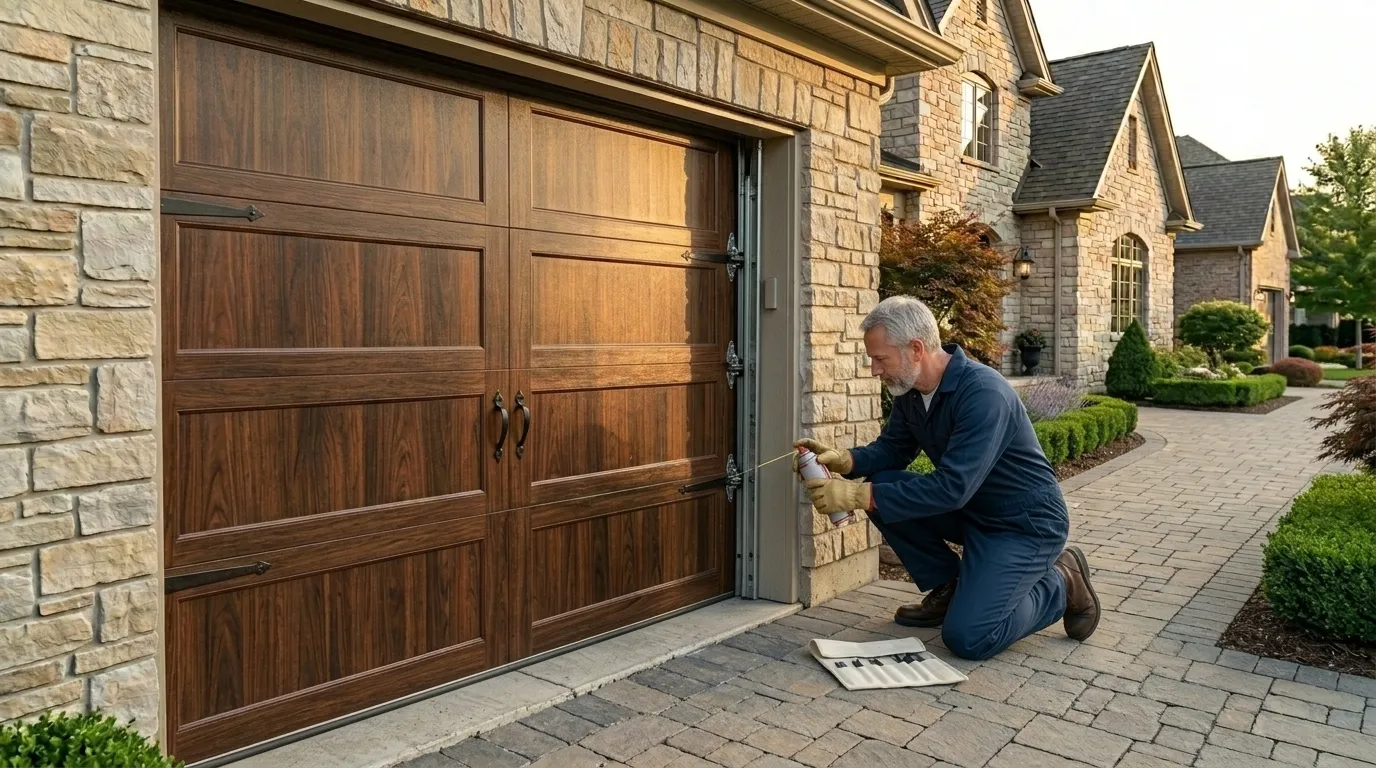
We don't recommend re-lubricating with whatever's in the garage - household oil attracts dust and grit that wears the spring coils faster than no lubricant at all. A silicone-based garage door lubricant, applied to the coils and hinges twice a year, does more for a moderate-heat climate like this one than most owners expect from something that simple.