The Situation
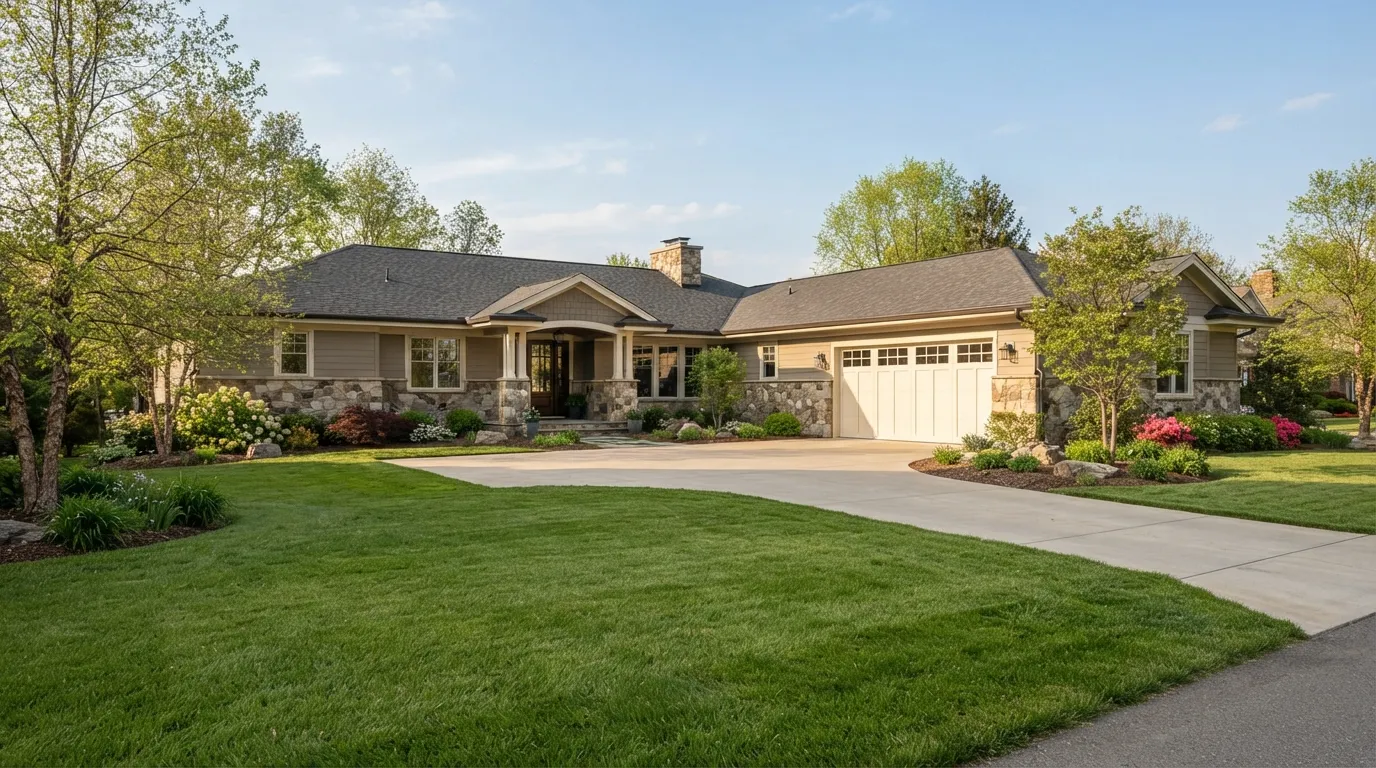
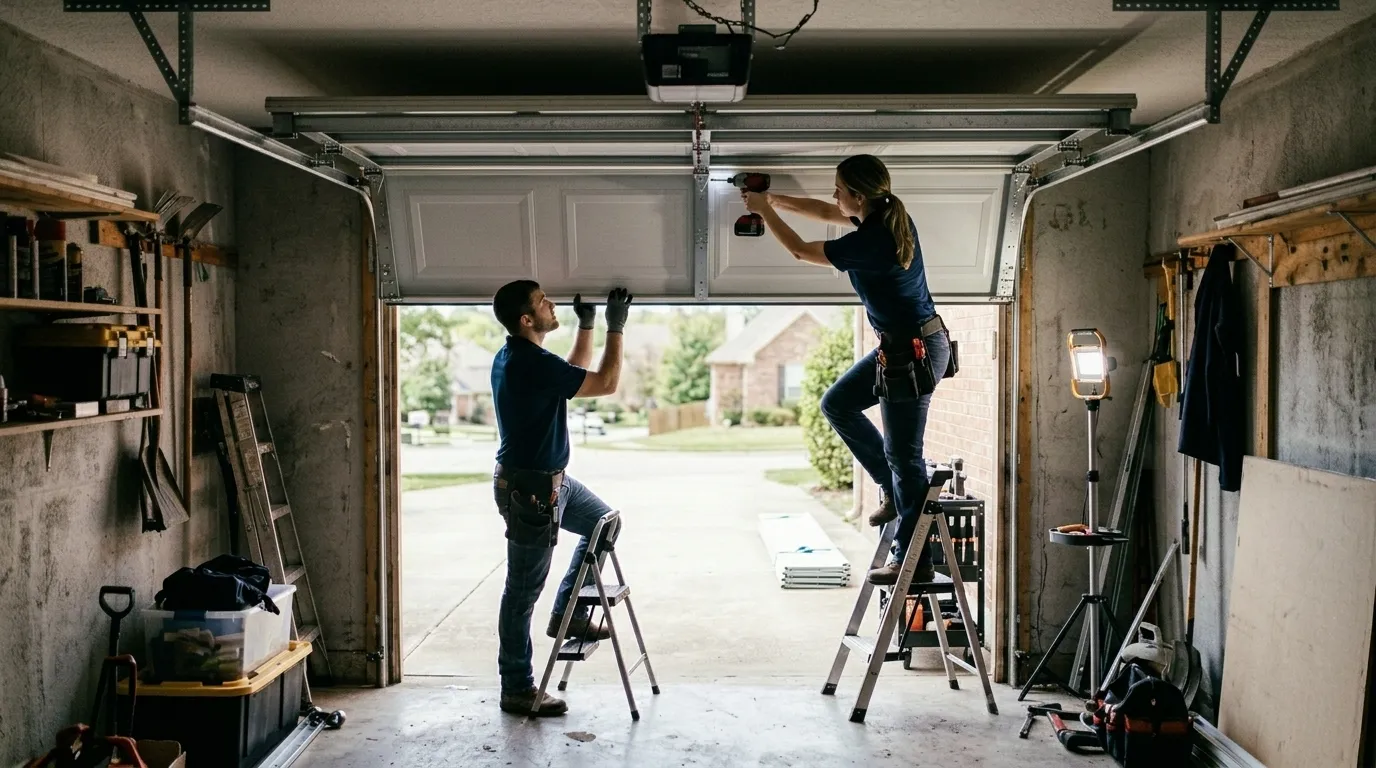
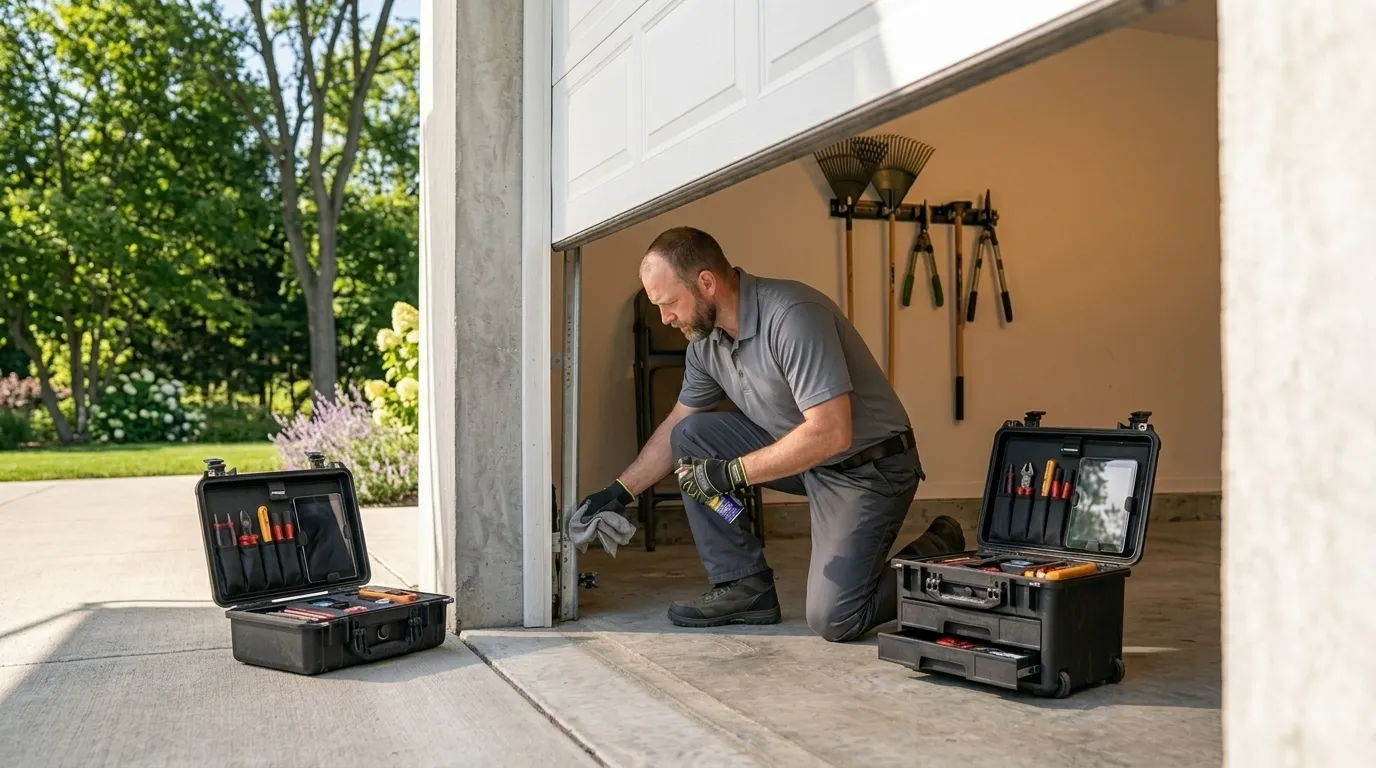
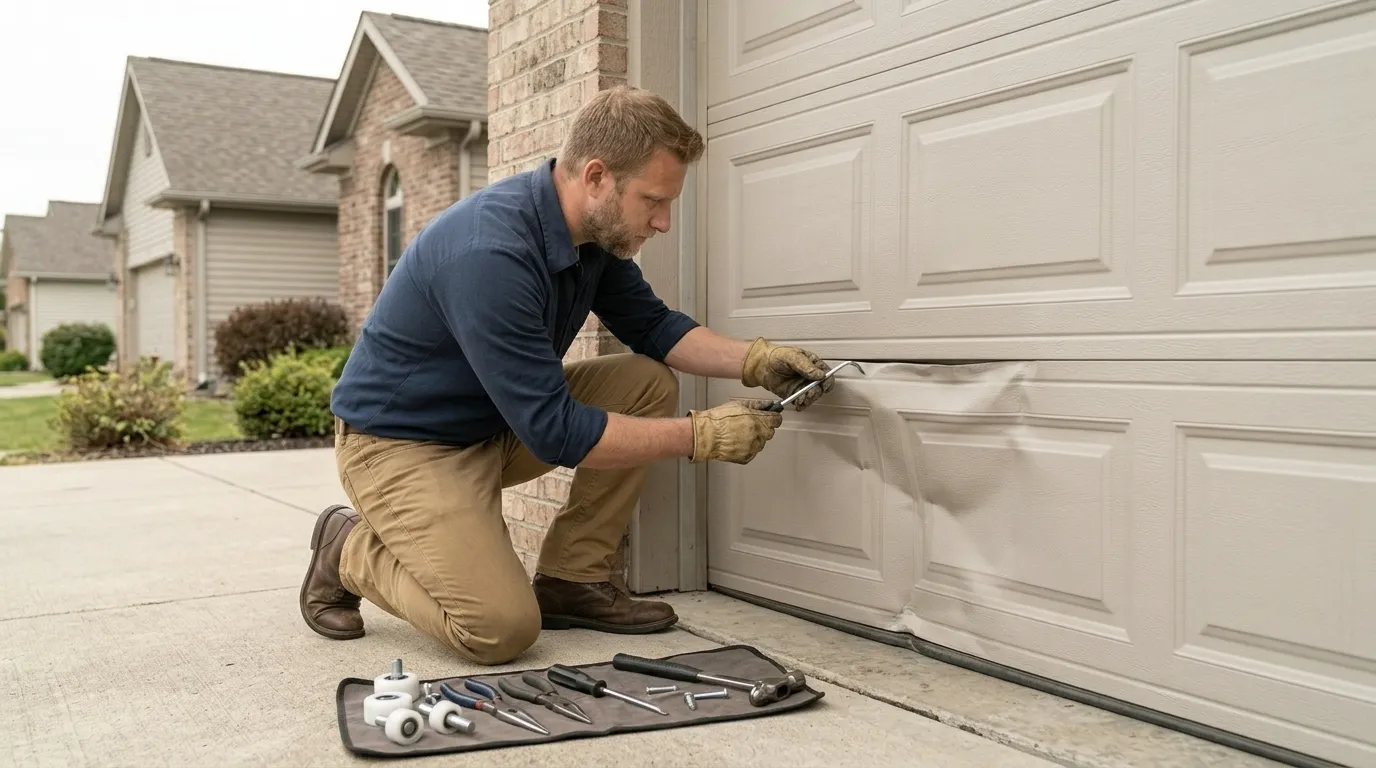
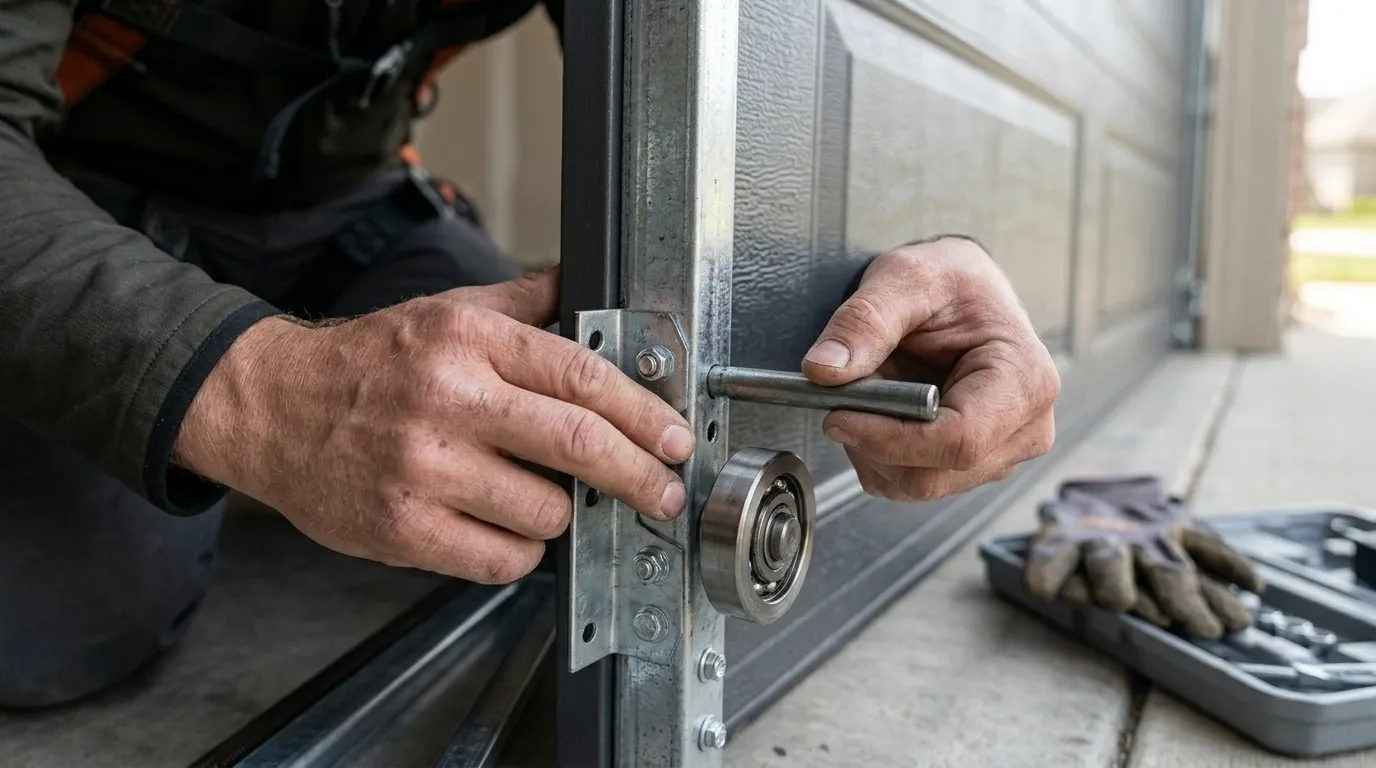
Most of the houses we work on in Hesperia and out toward Oak Hills, Mountain View Acres, and Spring Valley Lake went up between 1958 and 1997, with a lot of that stock clustered in the 1980s and 90s across the thirteen named areas we cover. That range matters because it's a stretch where garage door hardware changed more than once - torsion springs, extension springs, different opener drive types, different track widths. A house built in 1986 doesn't have the same door bones as one built in 1962, even if they're three streets apart. When we get a call, the first thing we're doing is figuring out which era of hardware we're standing in front of, because that decides whether a part is still made or whether we're working around something obsolete. We don't guess at this over the phone. A service call starts with someone actually looking at the spring size, the track mount, and the opener before anyone talks about a fix.
The Cost of This Job
We're not going to hand you a number here that isn't tied to your door, because the range on this job is wide - a worn roller job and a full torsion spring replacement on a double door aren't in the same neighborhood, cost-wise. What we can tell you is what drives the number: spring size and count, whether the track needs realignment or replacement, and whether the opener itself is original to the house or already a swap-in from a prior repair. Given the 1958-1997 build range across this area, we run into a fair number of doors where the opener has been replaced once already but the springs and track are original, which means the visit ends up pricing two different ages of hardware on the same door. Households here have a median income around $79,378, and most of the jobs we quote land in line with what that income supports for a repair rather than a full replacement - but we won't quote a firm price until someone's seen the door. That's the one thing we won't do over the phone.
What the Weather Here Does to It
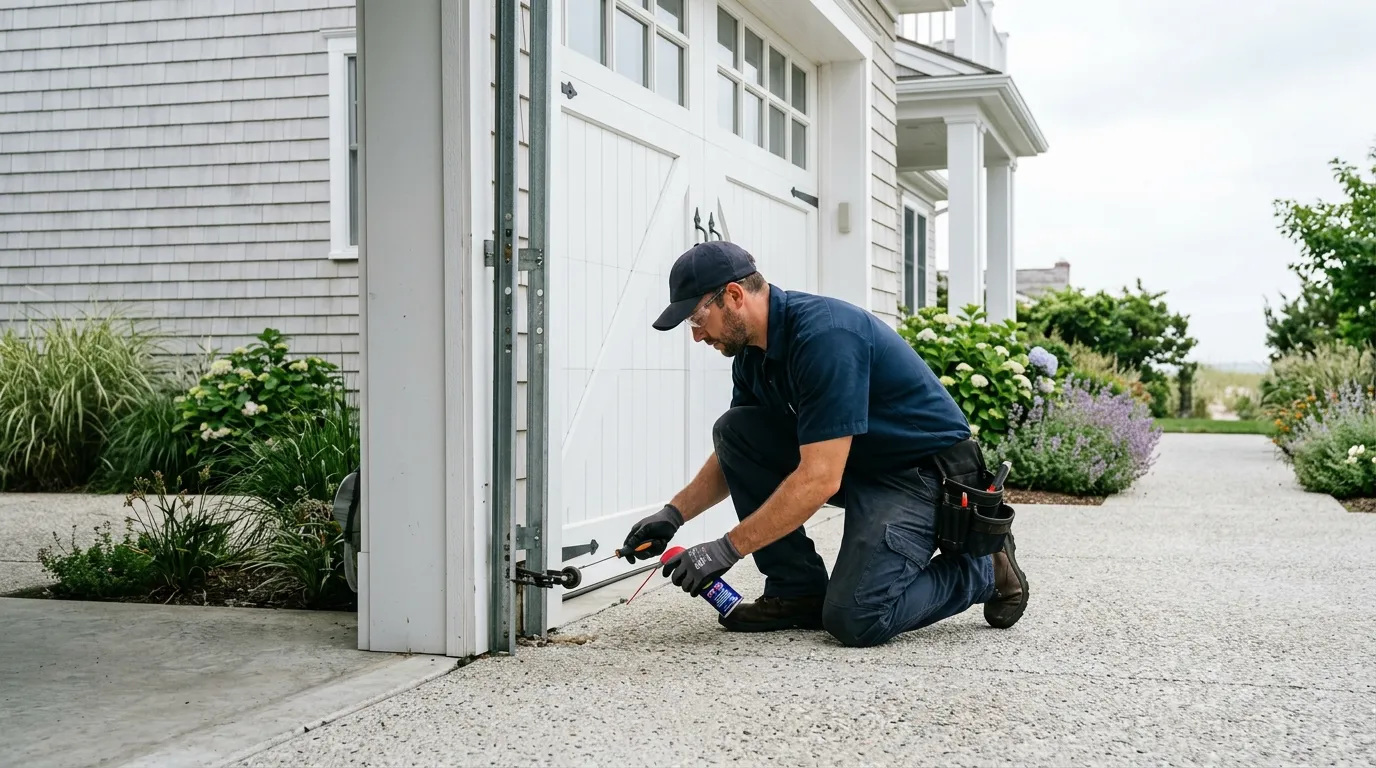
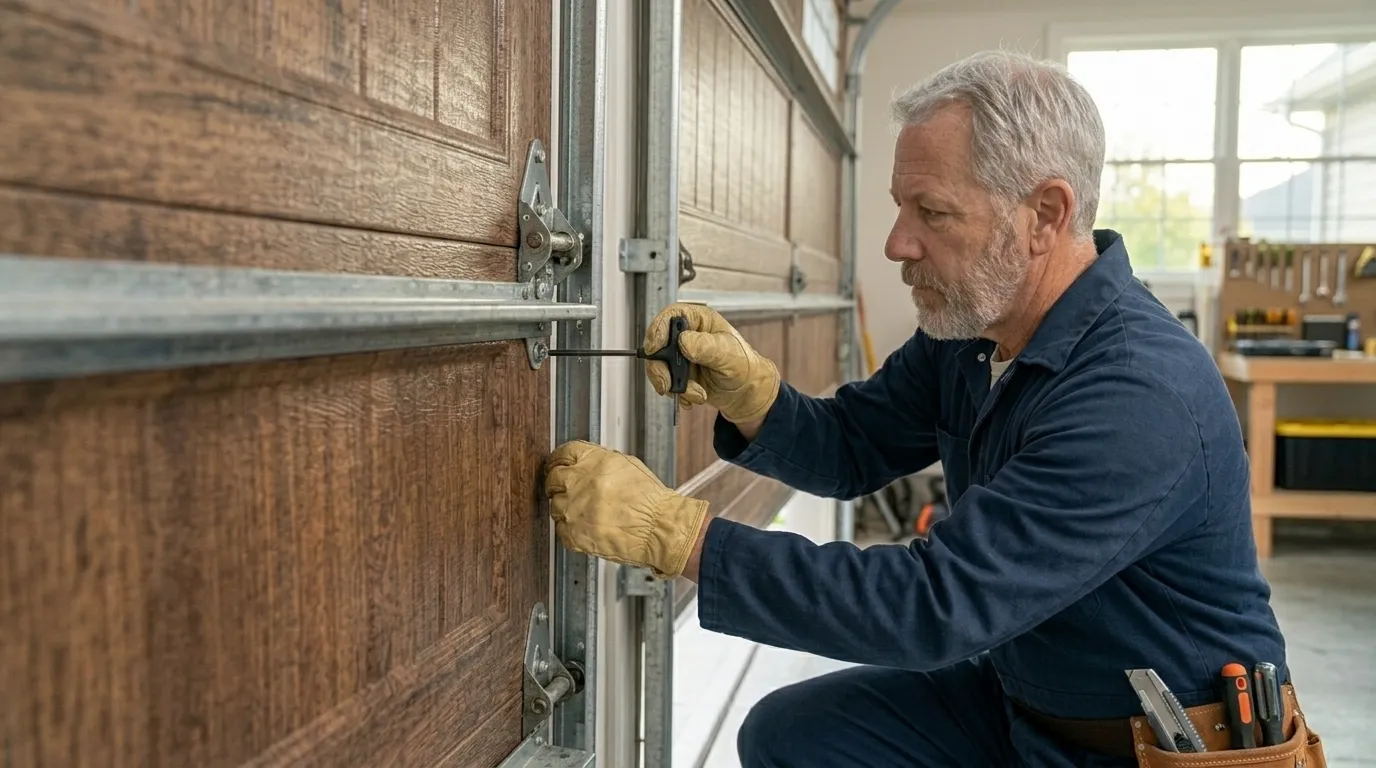
Hesperia sits in a moderate heat band, and while that's not the extreme swing you'd get in a desert floor location, it's still consistent daily heat cycling on garage doors, and it wears differently on the hardware depending on the house's age. Steel panels on doors from the 1958-1997 stock expand and contract enough over a season to loosen fasteners at the hinge points, and on the older end of that range, the weatherstripping was often a lower-grade rubber that hardens and cracks under repeated heat rather than cold. We see this most on doors facing full sun for most of the day, where the panel itself can bow slightly on the hottest afternoons and then settle back by evening - enough movement over years to throw off track alignment even when nothing's broken yet. It's not dramatic weather, but it's steady, and steady heat over three or four decades does more to hardware than most people expect from a place that doesn't get real winters.