Common Jobs Here
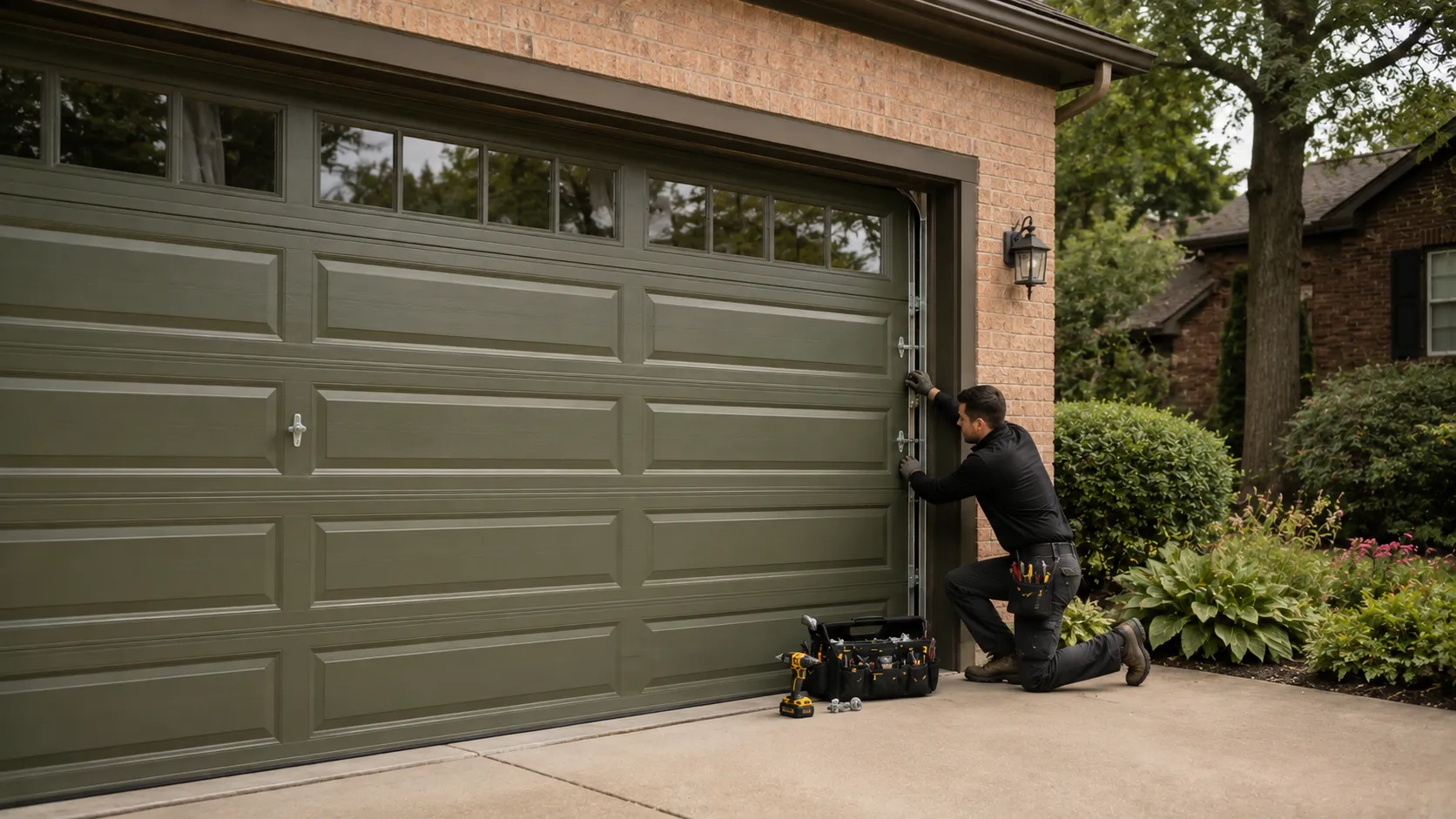
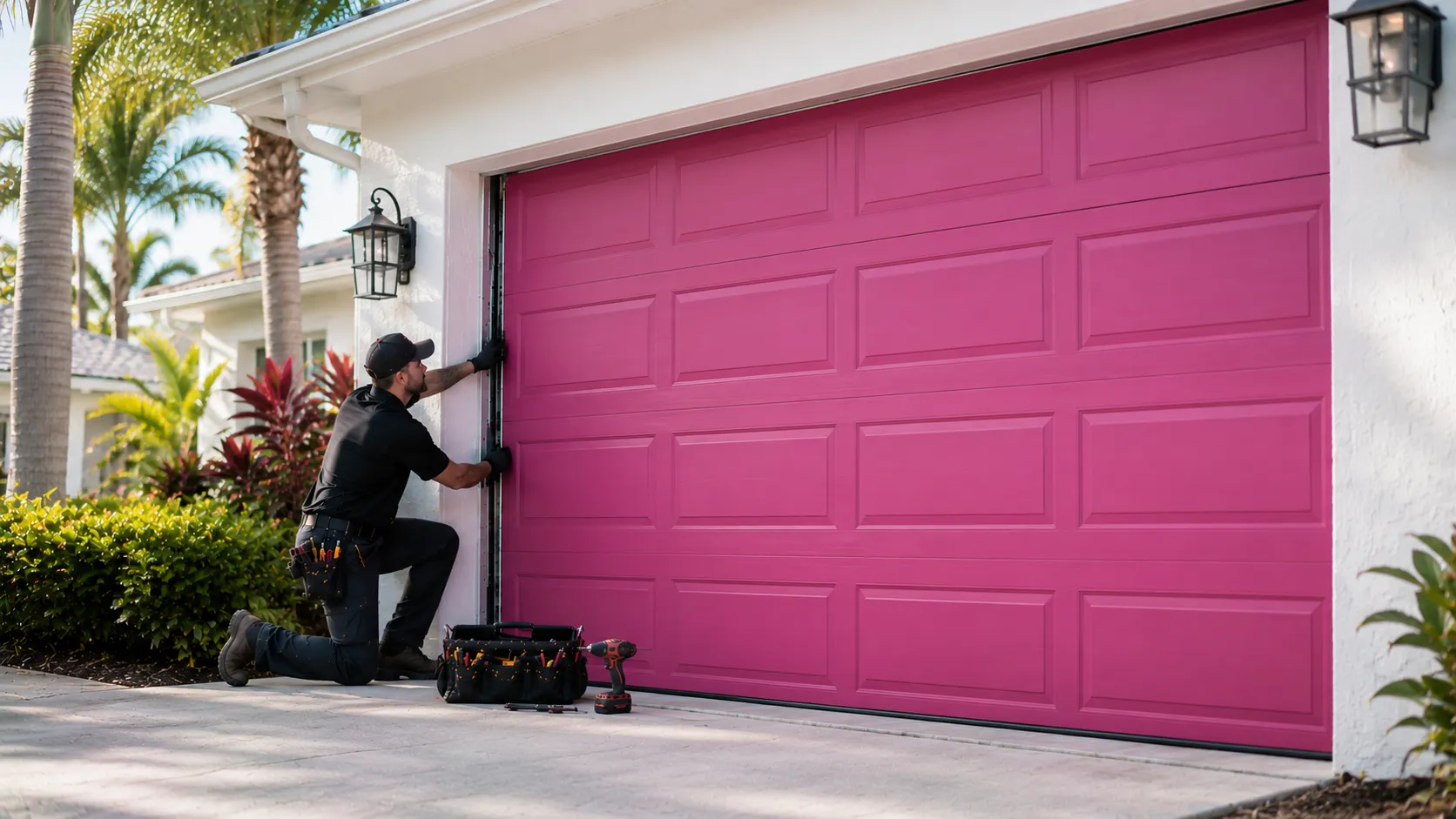
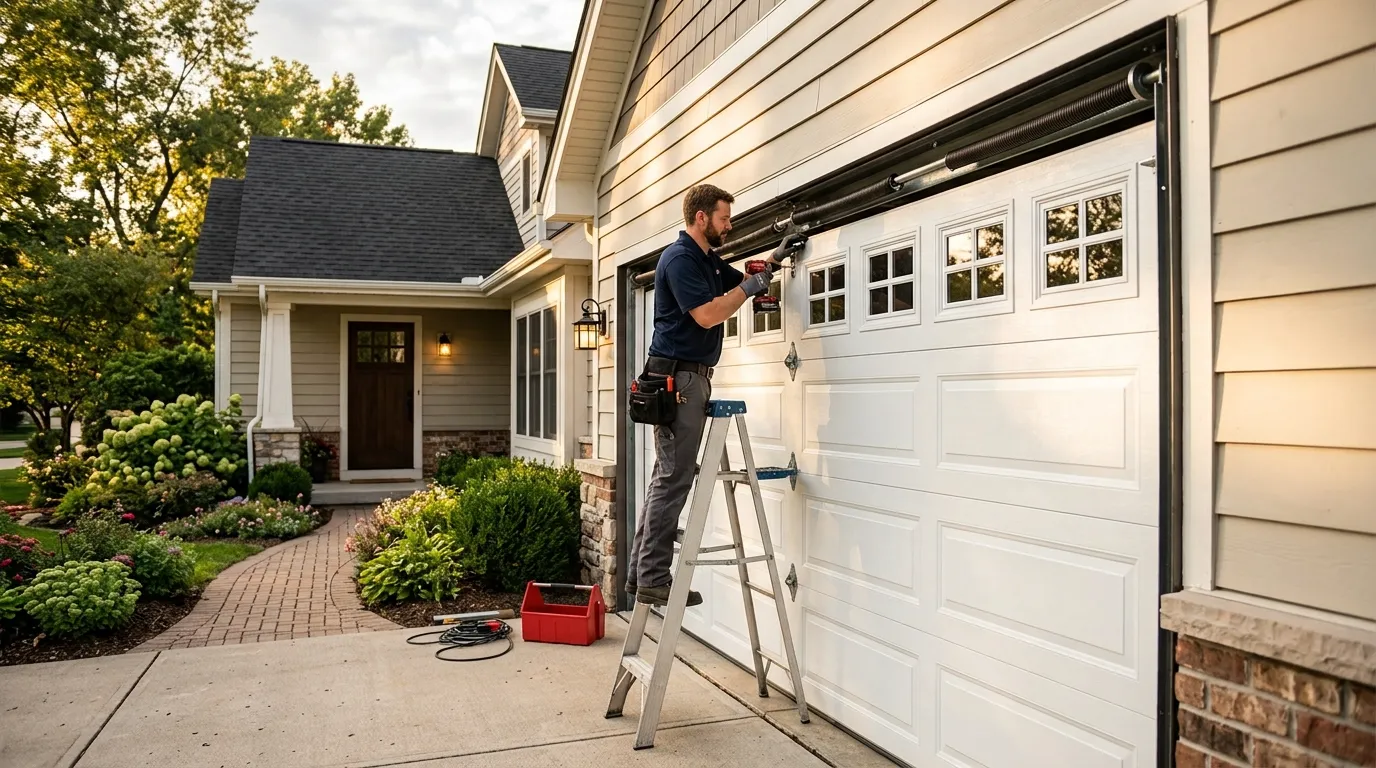
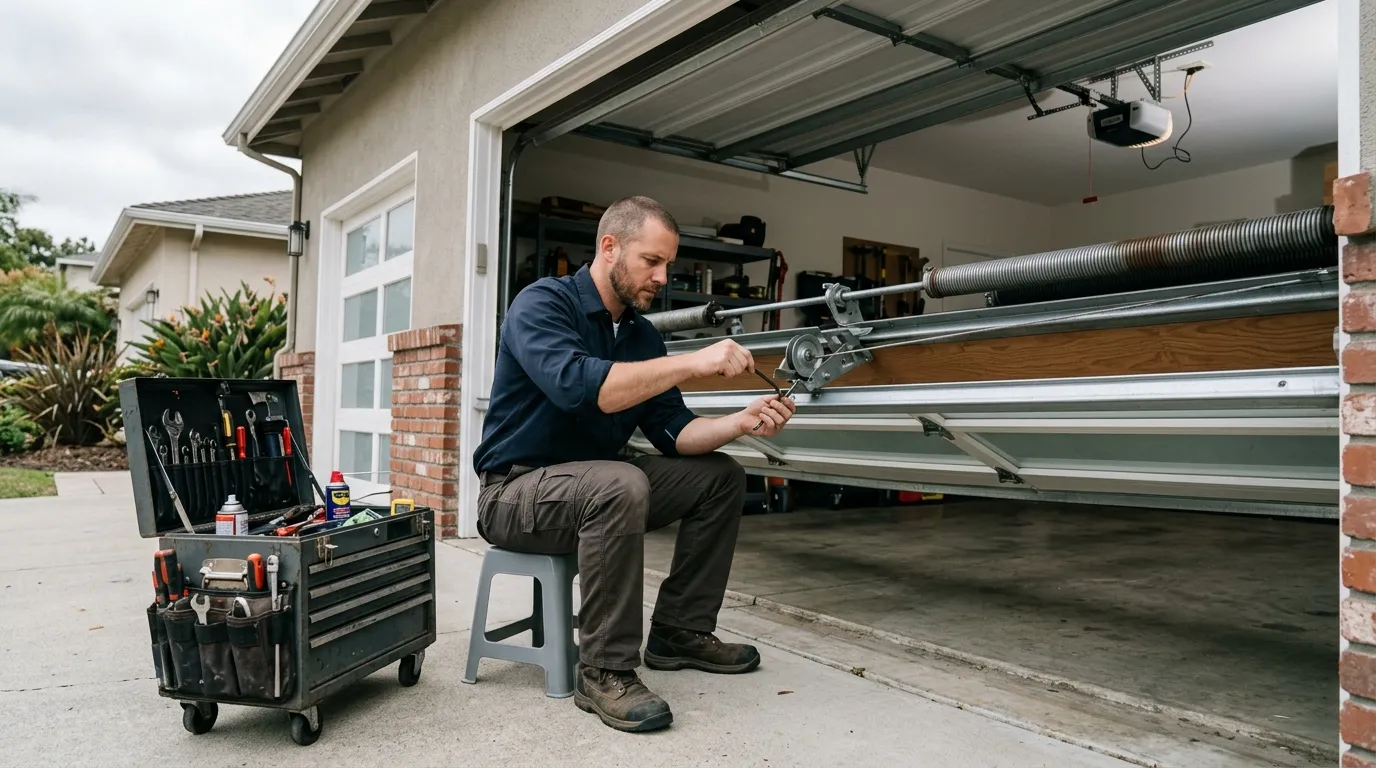
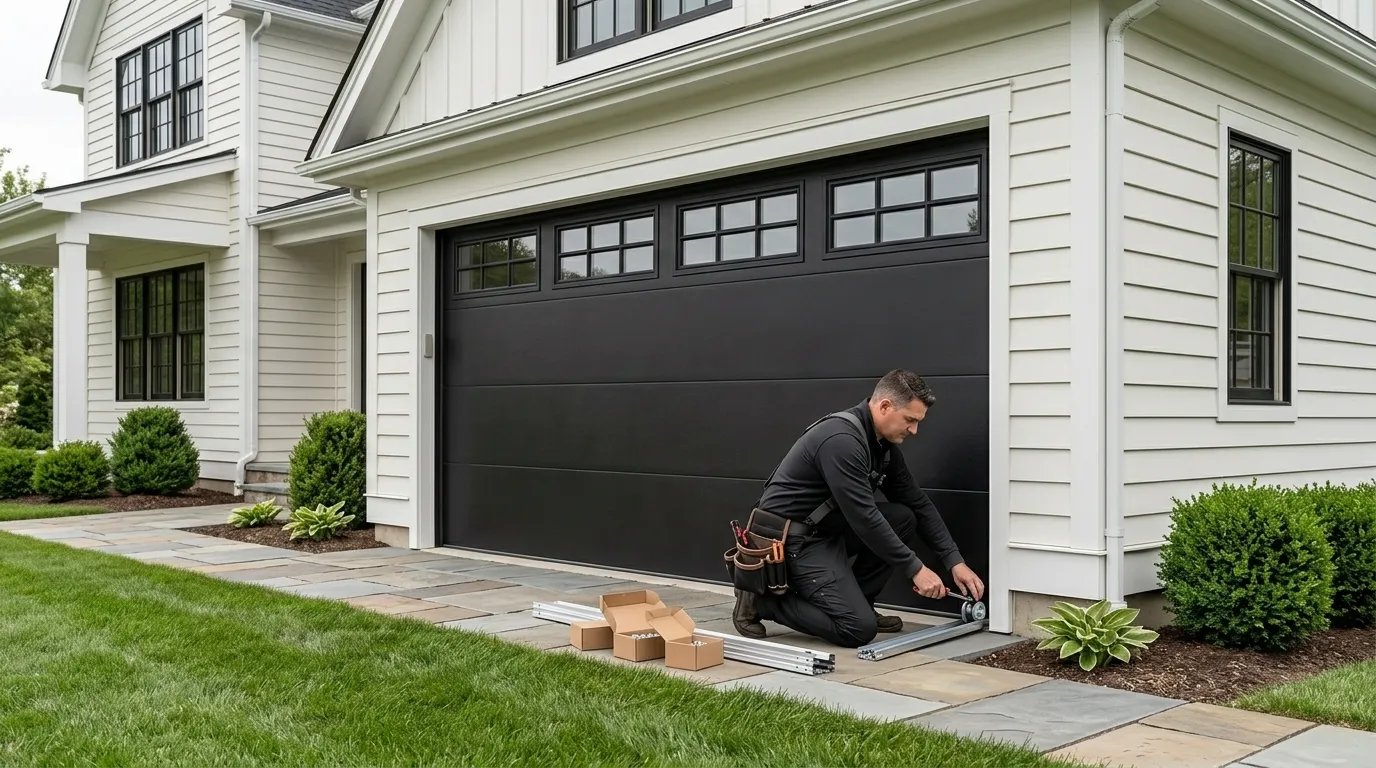
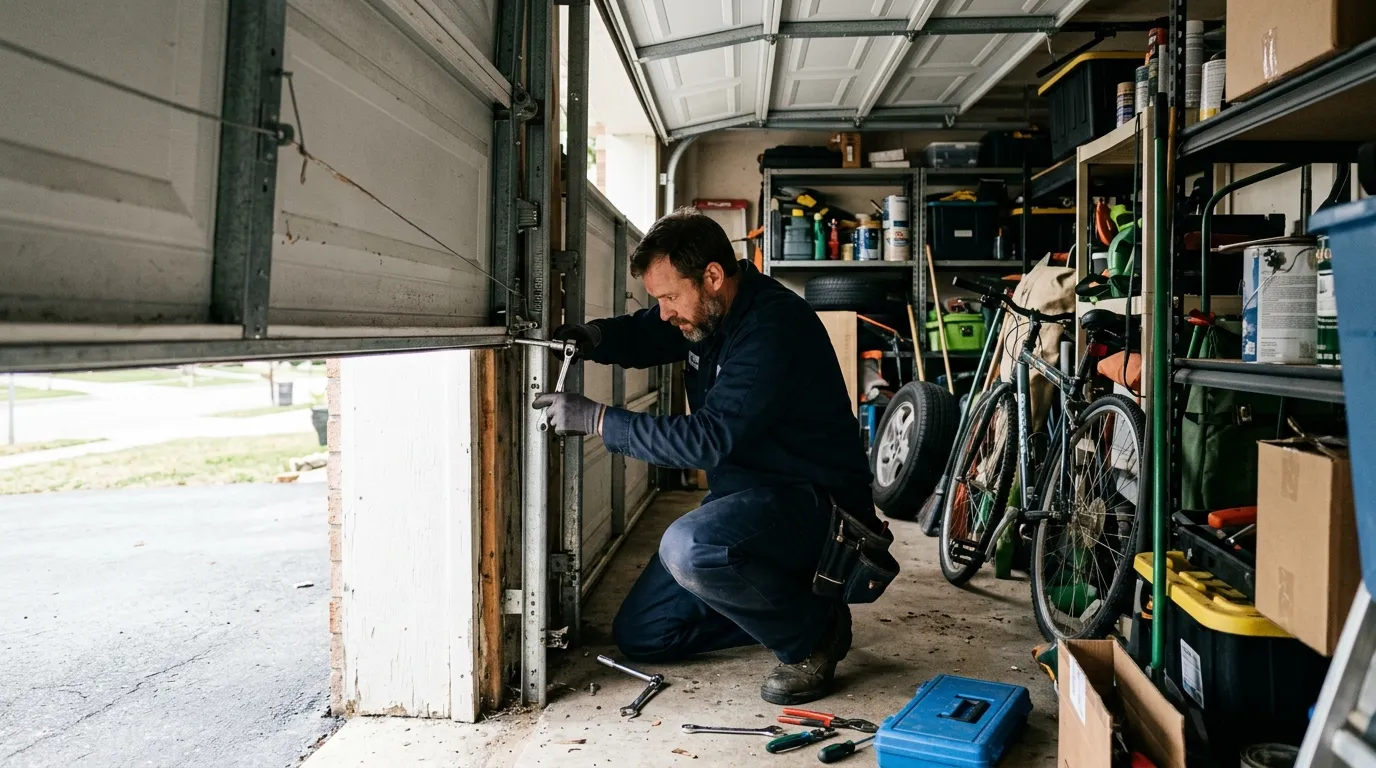
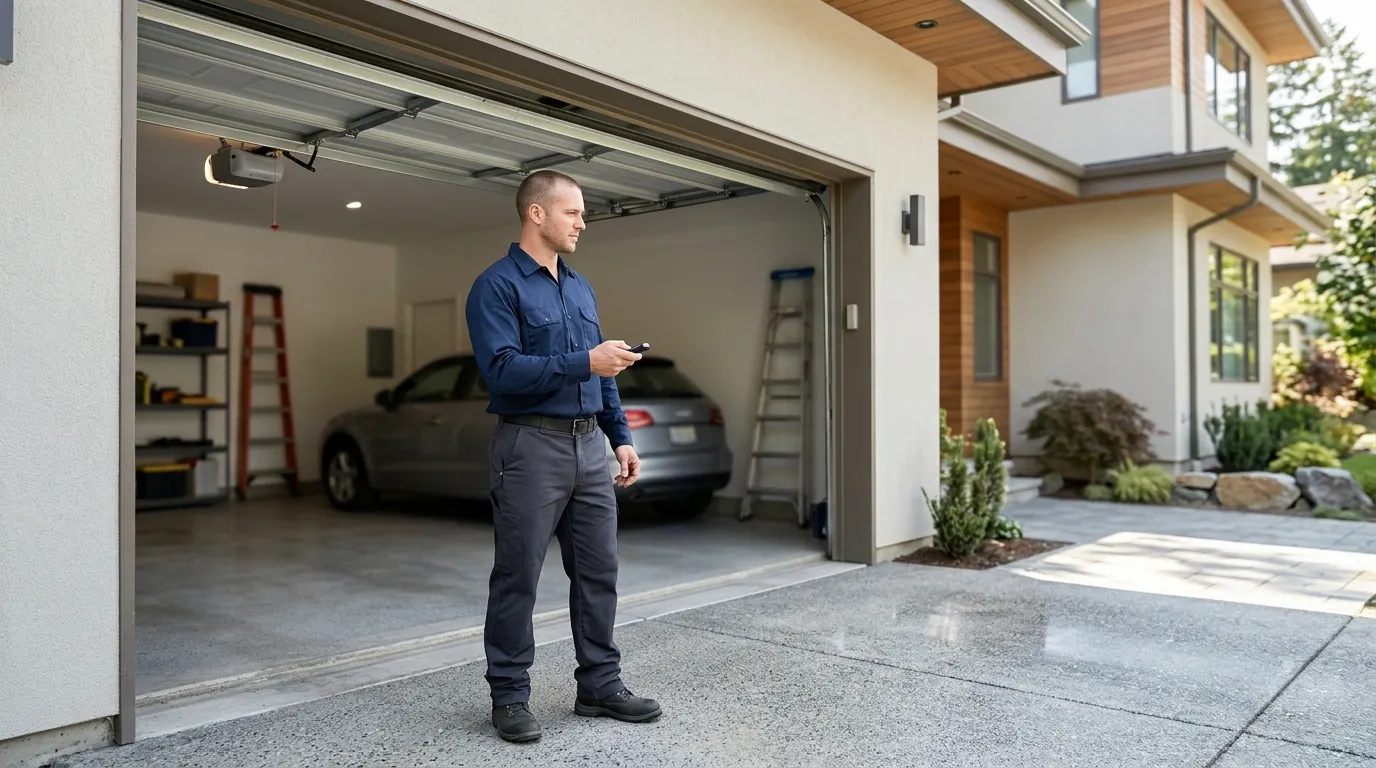
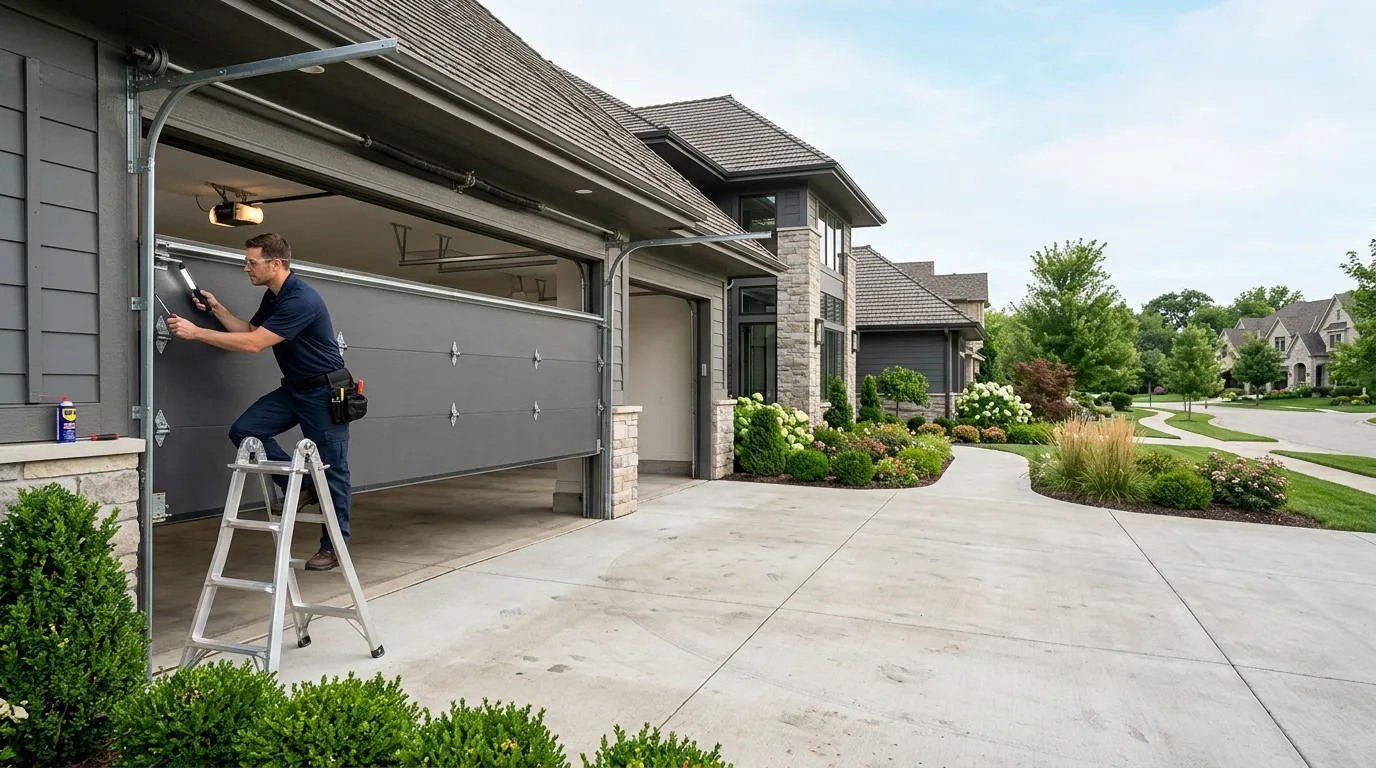
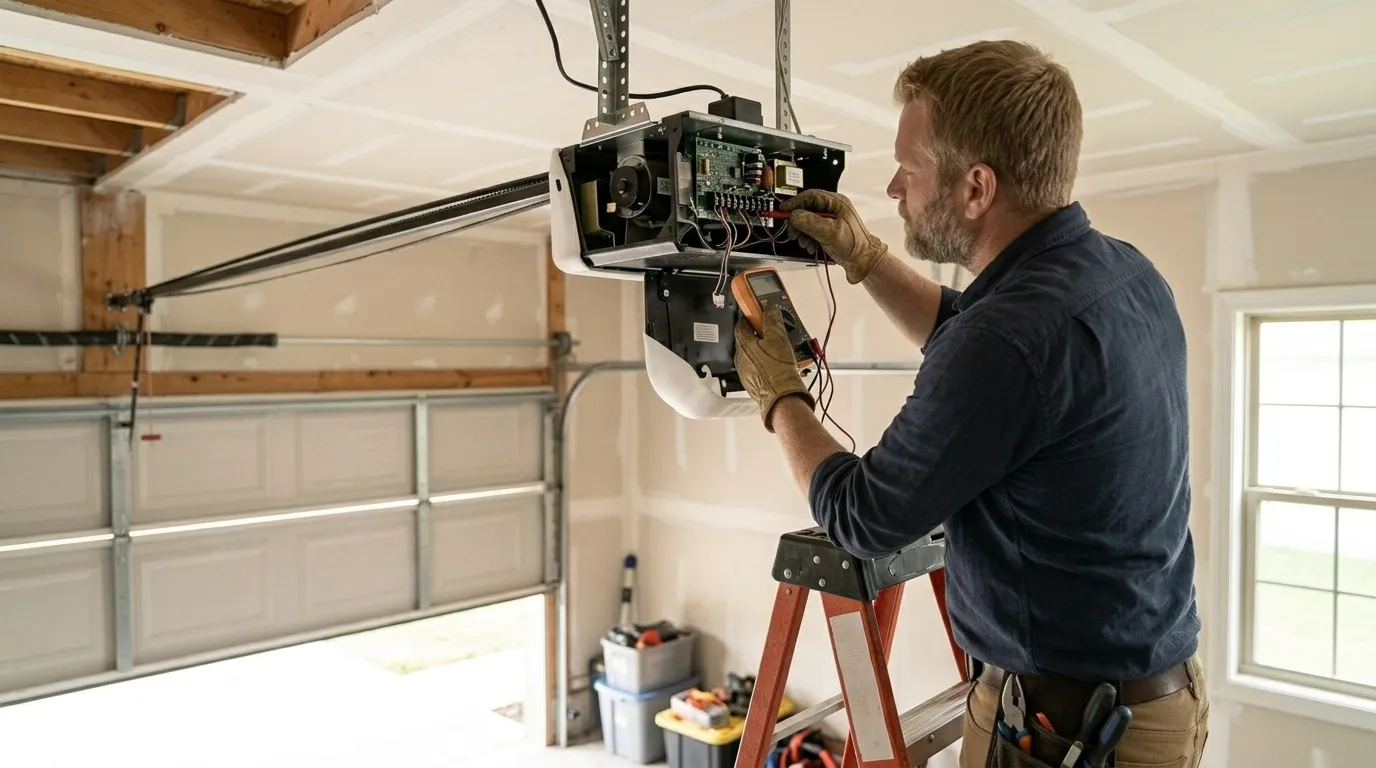
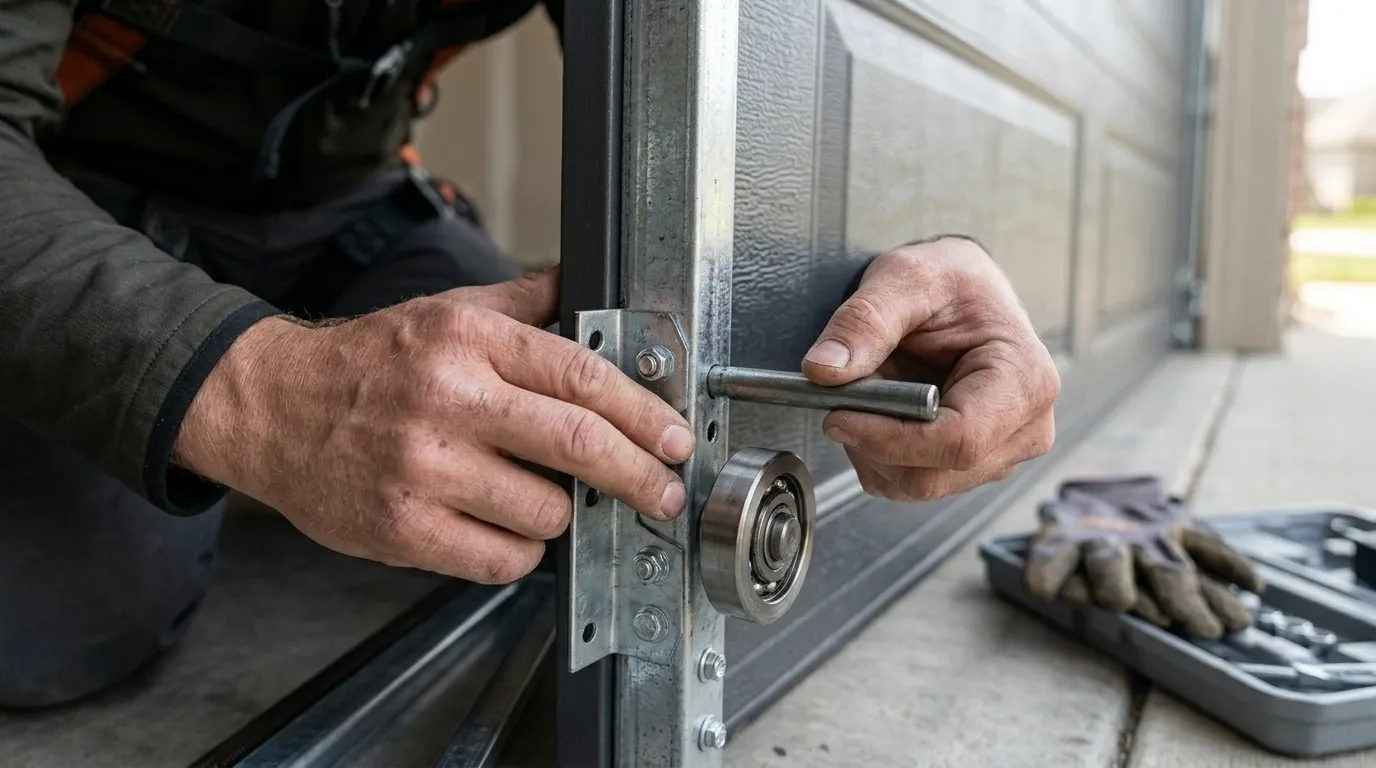
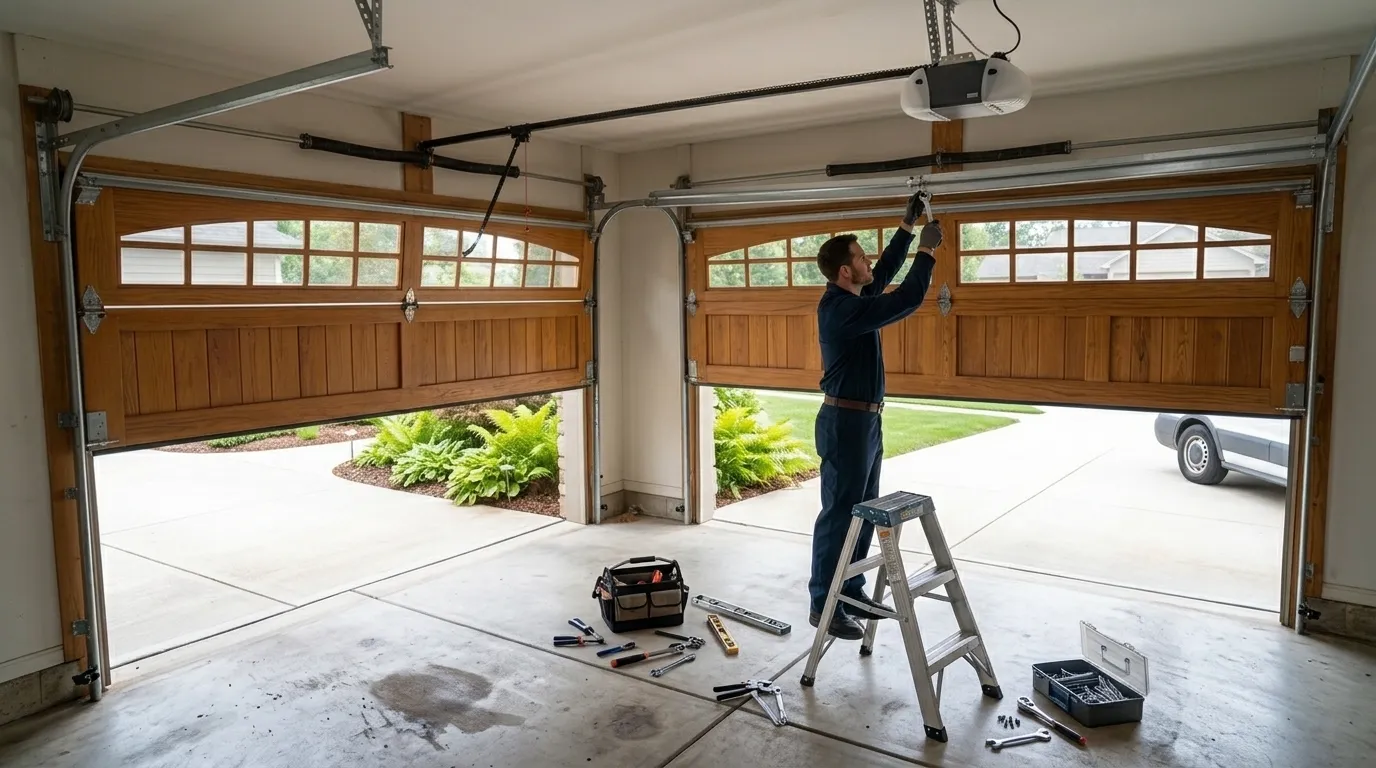
Oak Hills homes run newer than a lot of what we see closer into Hesperia. The median build year out here is 1996, a full decade past the 1986 median for the wider service area, so the door stock skews toward steel sectional panels on extension or torsion springs rather than the older one-piece slab doors. That means fewer of the odd side-mount torsion jobs and more of the standard failures: broken torsion springs on double-car doors, worn rollers that have finally seized in the track, and openers from the 90s and 2000s that are on their second or third logic board. With 2,730 households in Oak Hills and a median income of $98,424, we also see more owners opting to replace a marginal opener outright instead of nursing it along, which changes the mix of repair calls versus install calls compared to older tracts.
What Was Built Here
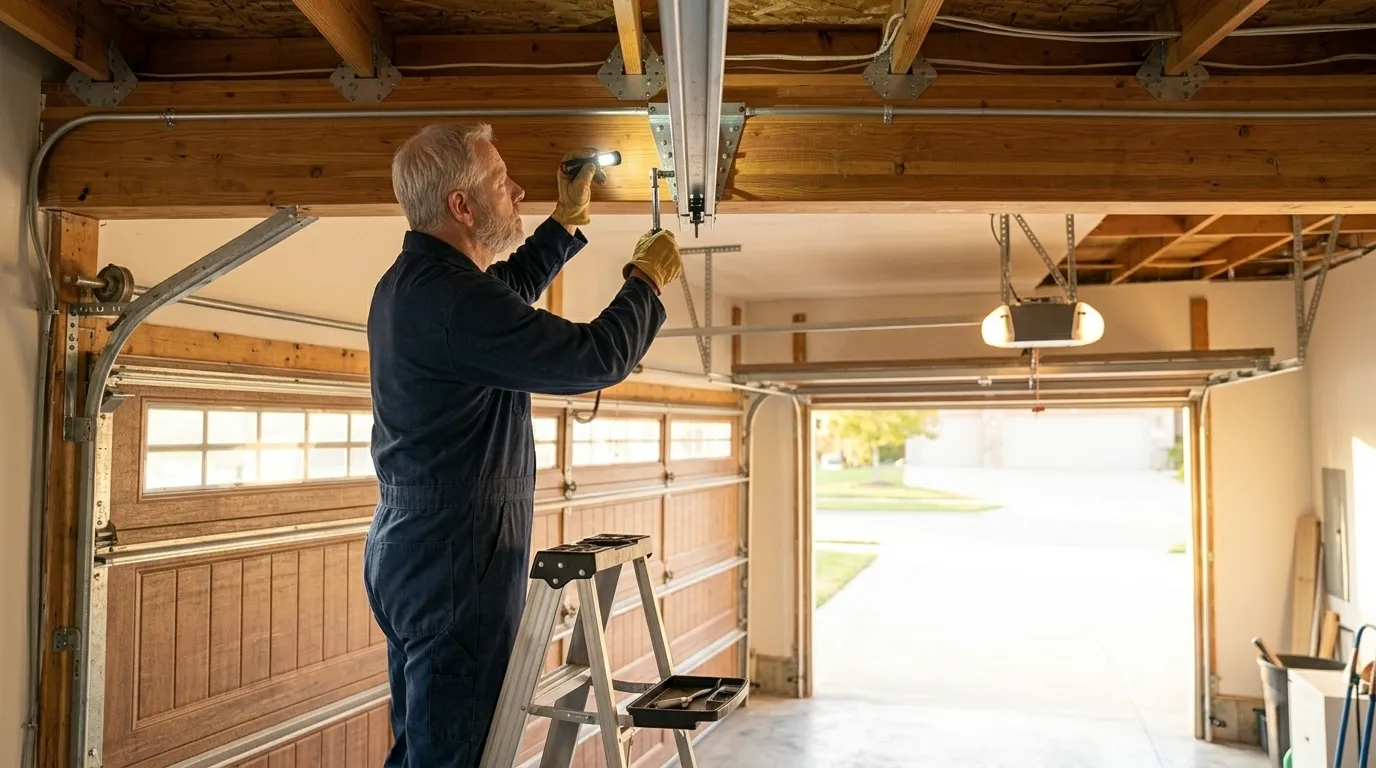
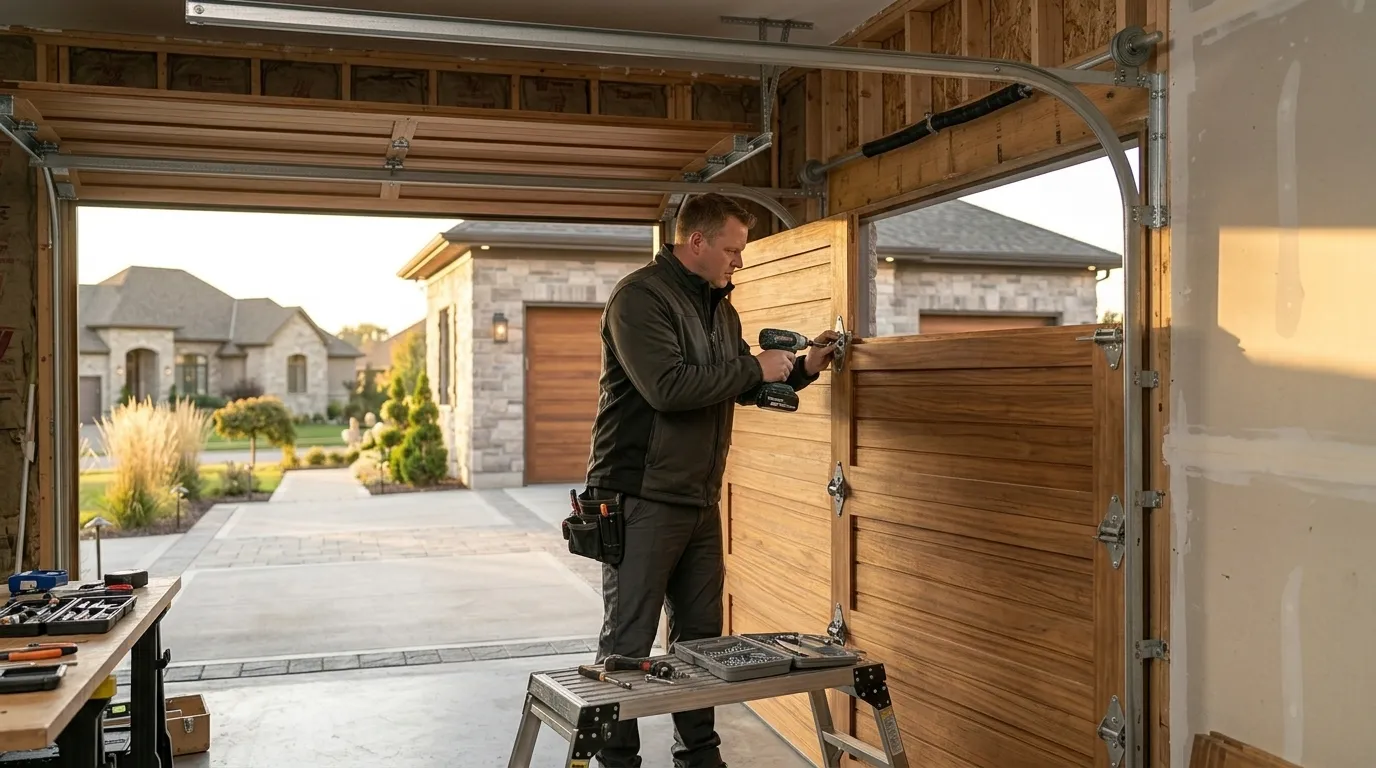
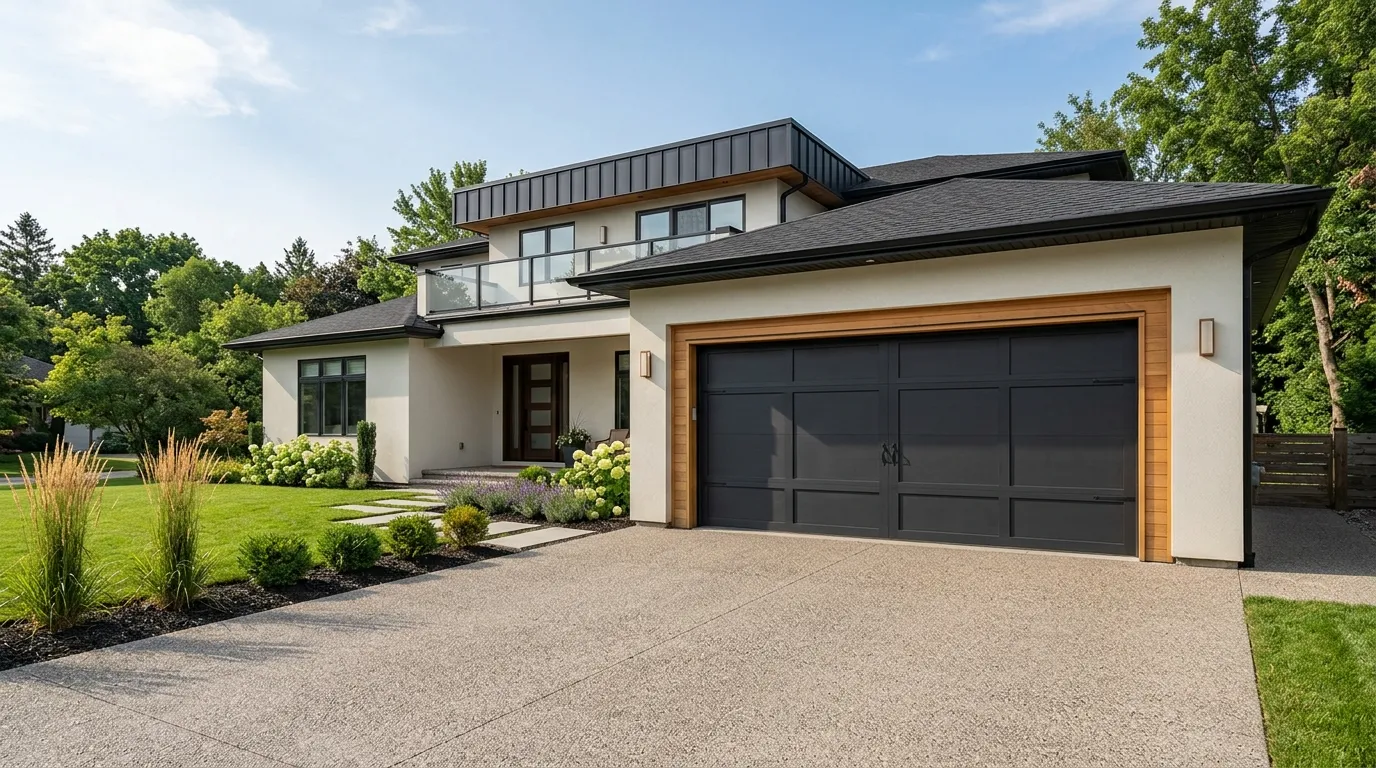
A 1996 median build year puts most Oak Hills garages into an era of pre-hung steel doors on galvanized track, usually with a chain-drive or early screw-drive opener bolted to ceiling joists that were framed for exactly that hardware. That's a different animal than the 1960s and 70s stock you'll find closer to central Hesperia, where doors are older one-piece designs on hardware nobody stocks new anymore. Out here the parts are more standard, which usually means a faster fix, but 25-plus-year-old openers are also reaching the point where a control board repair costs close to what a new opener runs.
What That Means for Doors
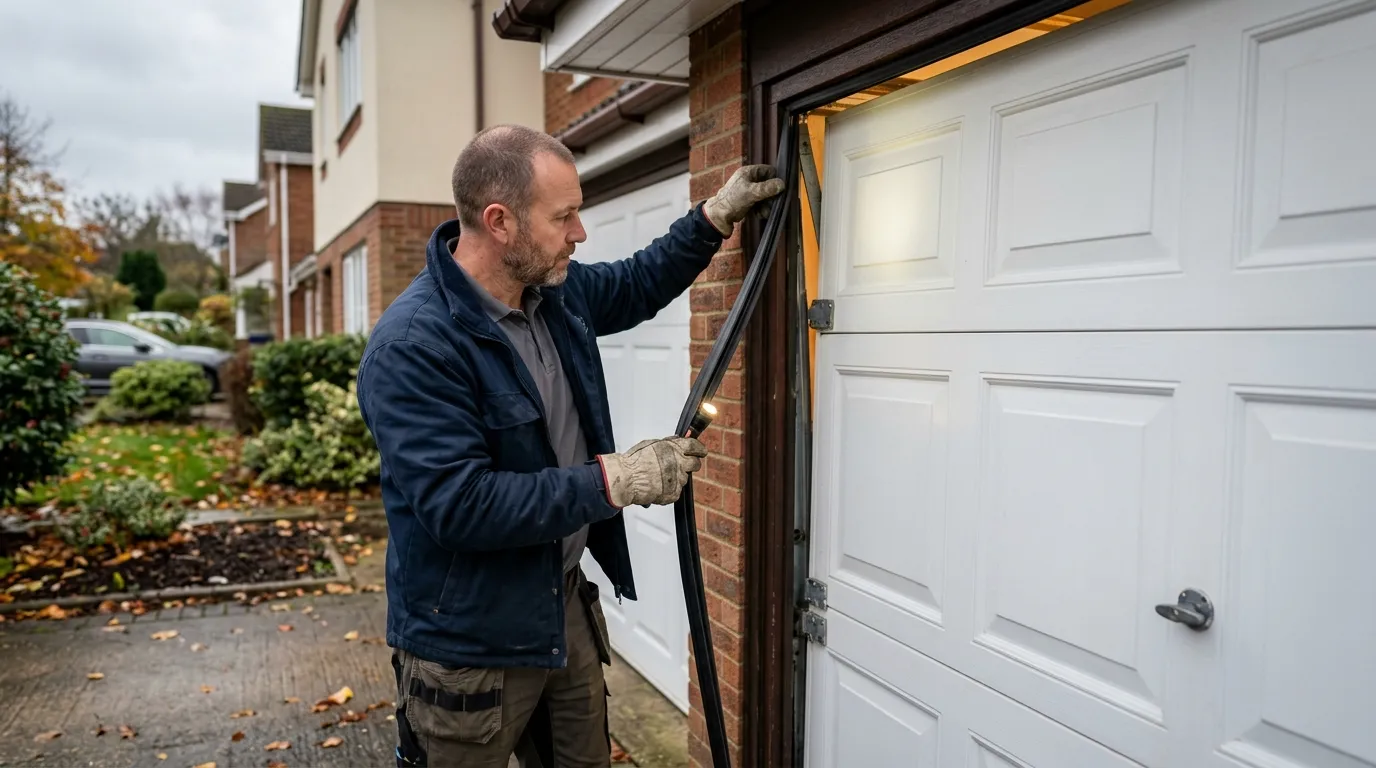
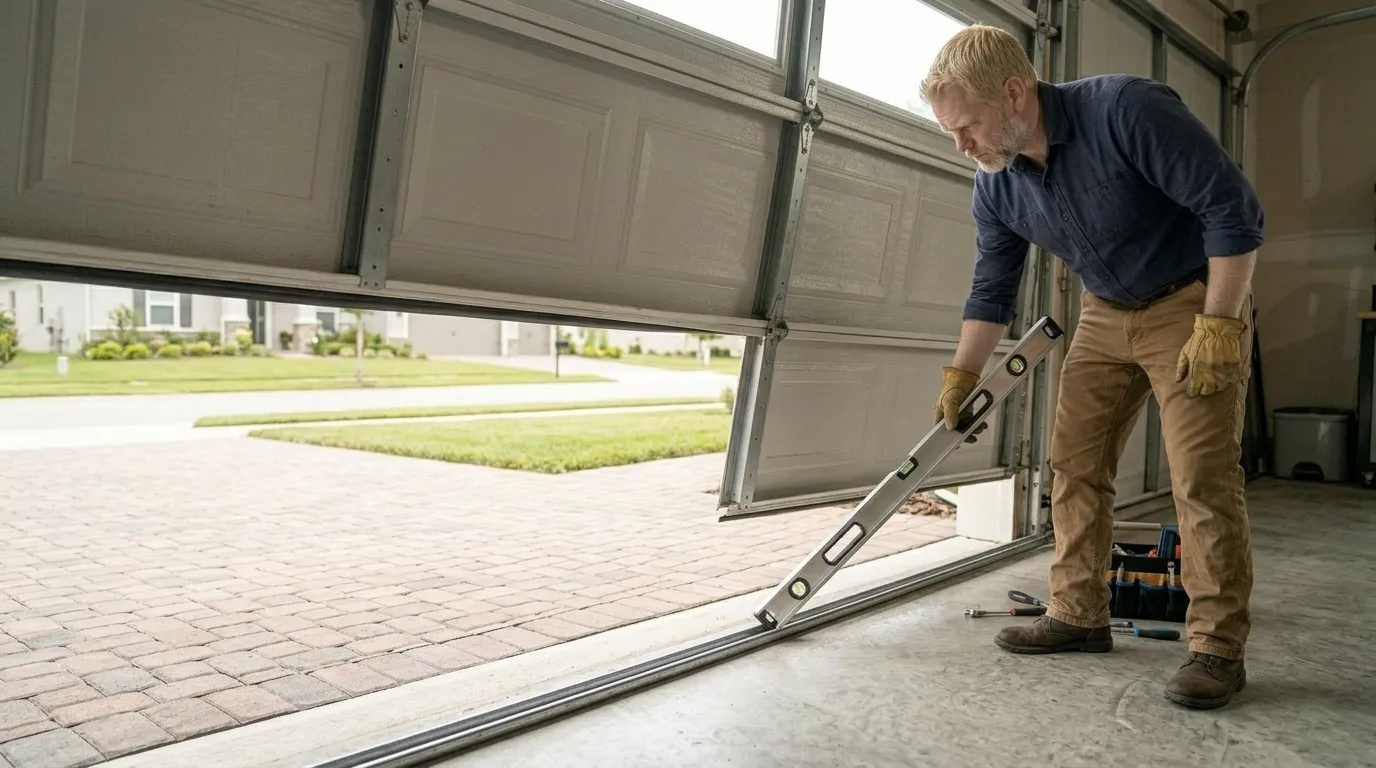
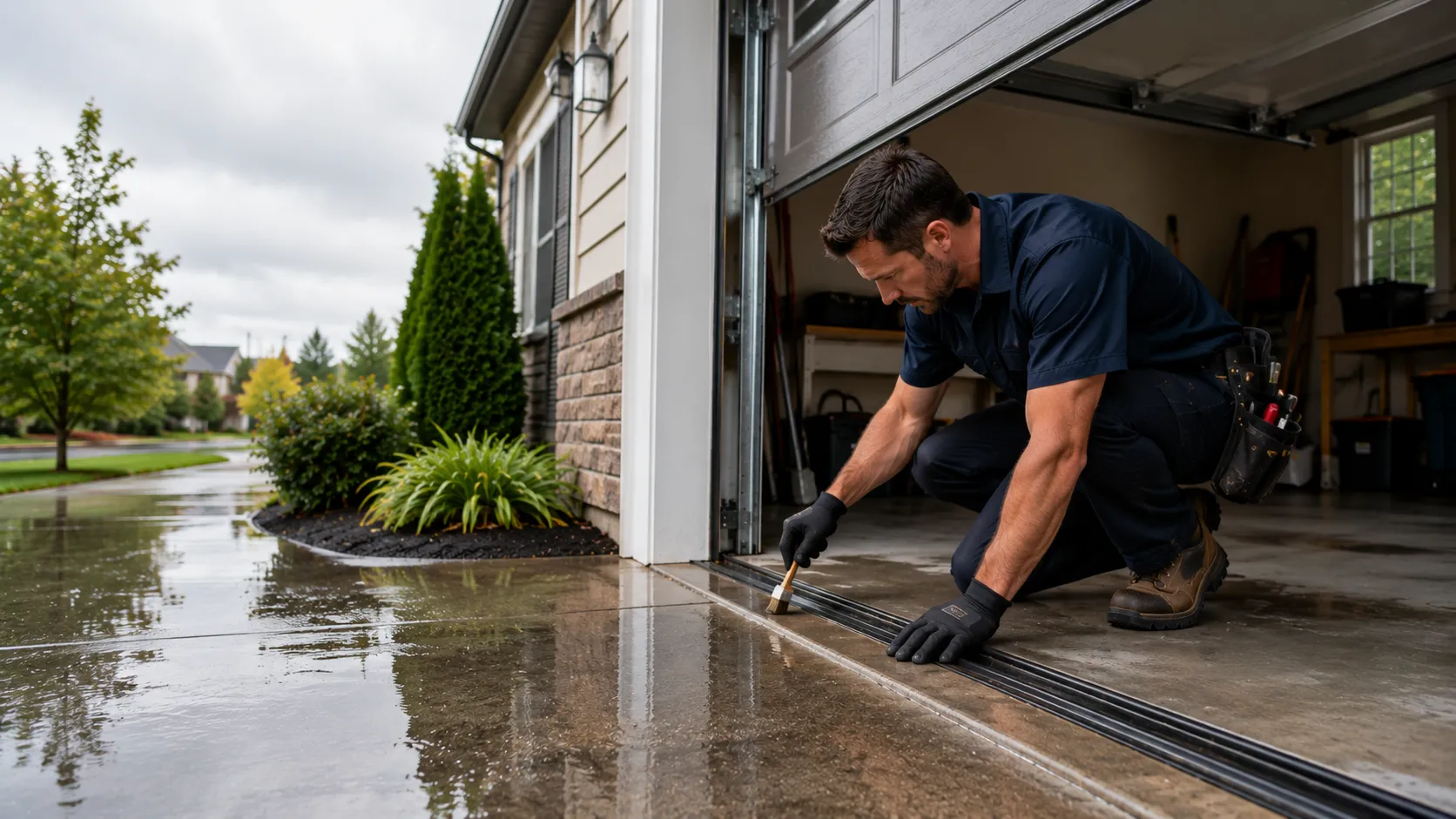
With a climate here classed as moderate heat rather than extreme, the failures we see in Oak Hills lean mechanical - worn rollers, fatigued torsion springs, opener boards giving out - more than heat-warped panels or sun-cooked seals, which is more of an issue on doors with heavier all-day sun exposure. Given the newer housing stock, most doors are standard sizes on standard track, so parts availability generally isn't the holdup. One honest limitation: if a spring or opener part is a discontinued model from a builder-grade install, we may need to order it, which can push a repair out a day or two rather than same-visit.