Common Jobs Here
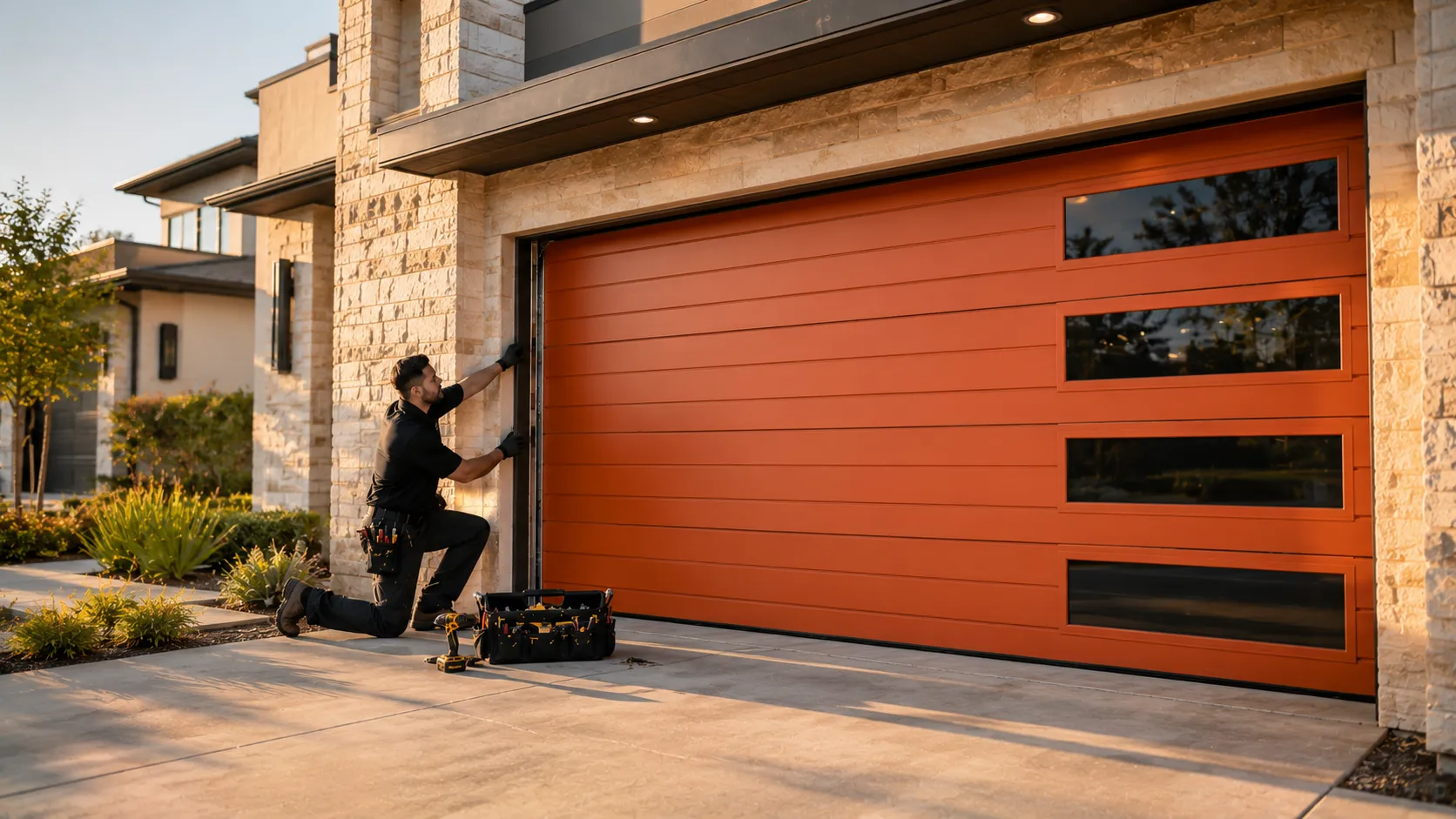
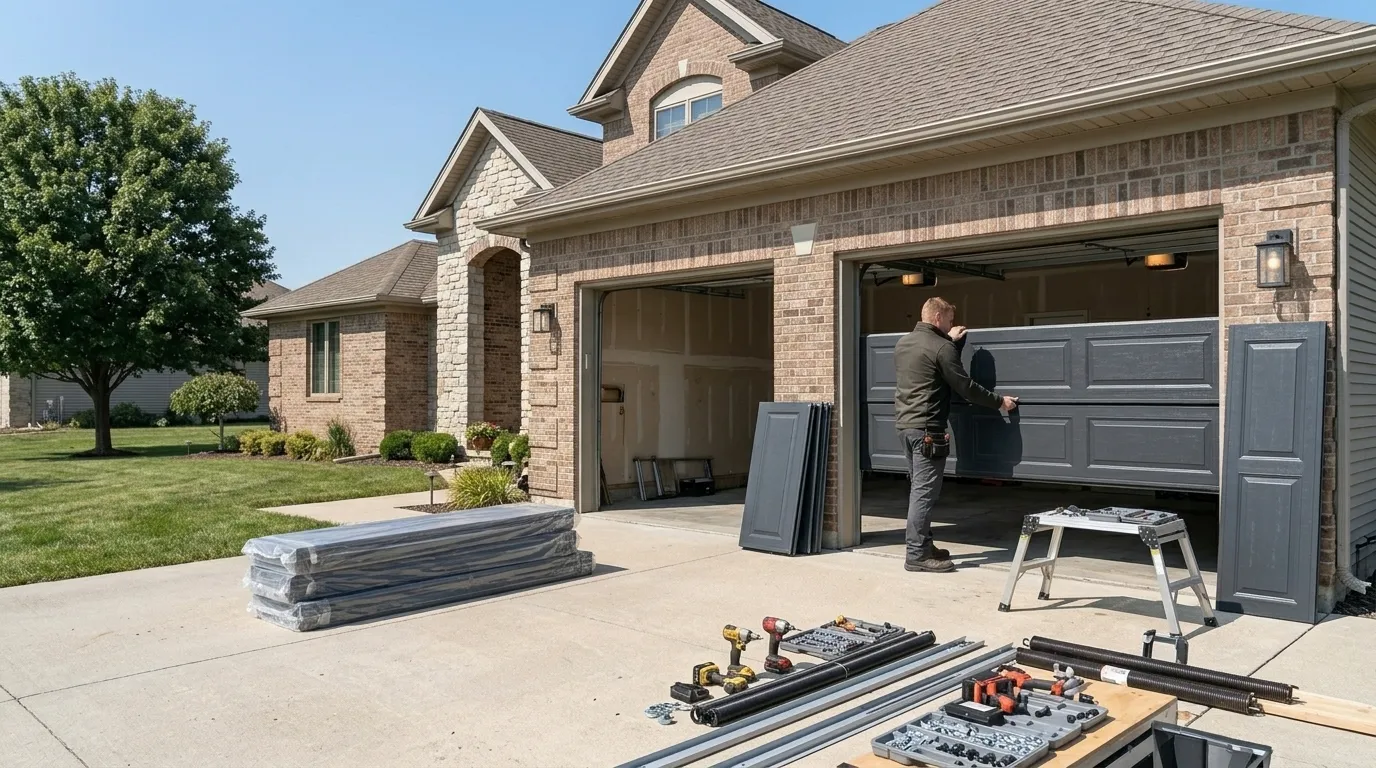
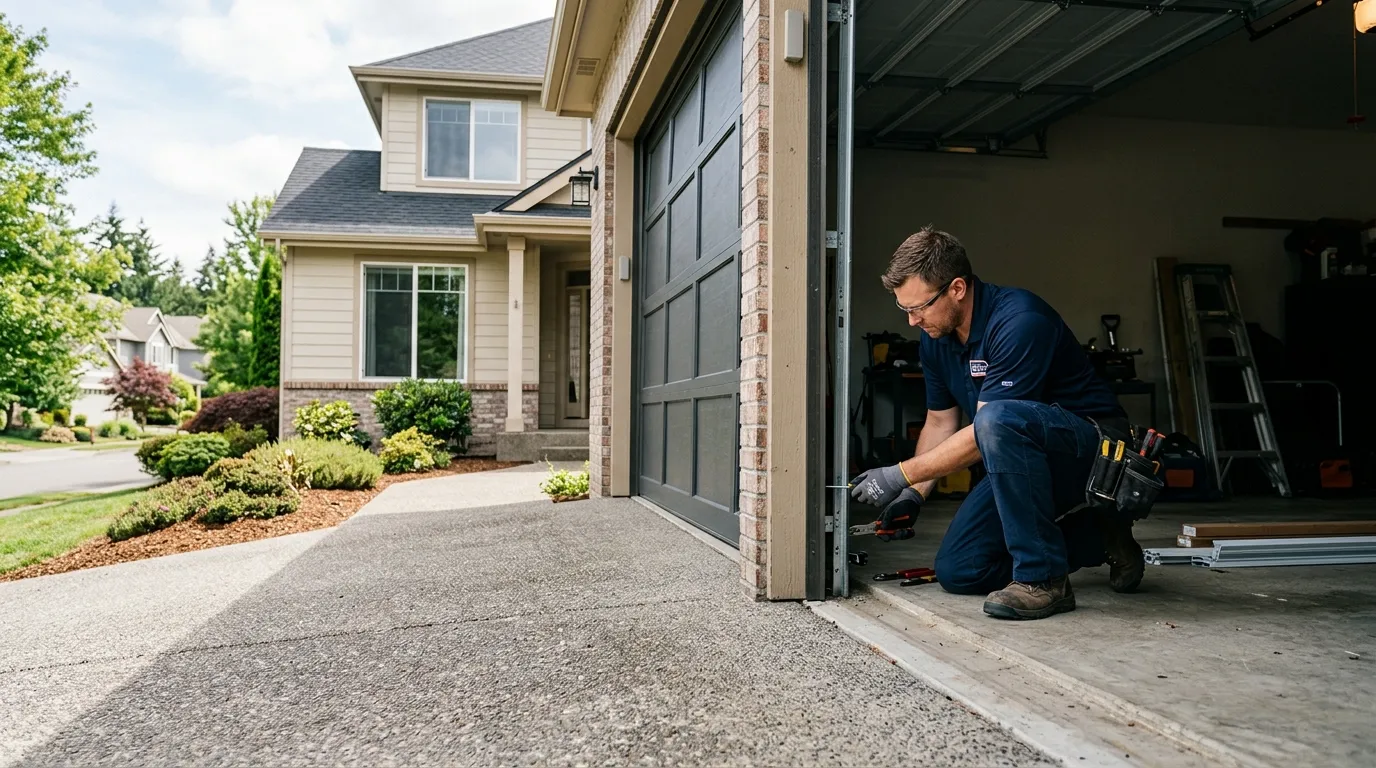
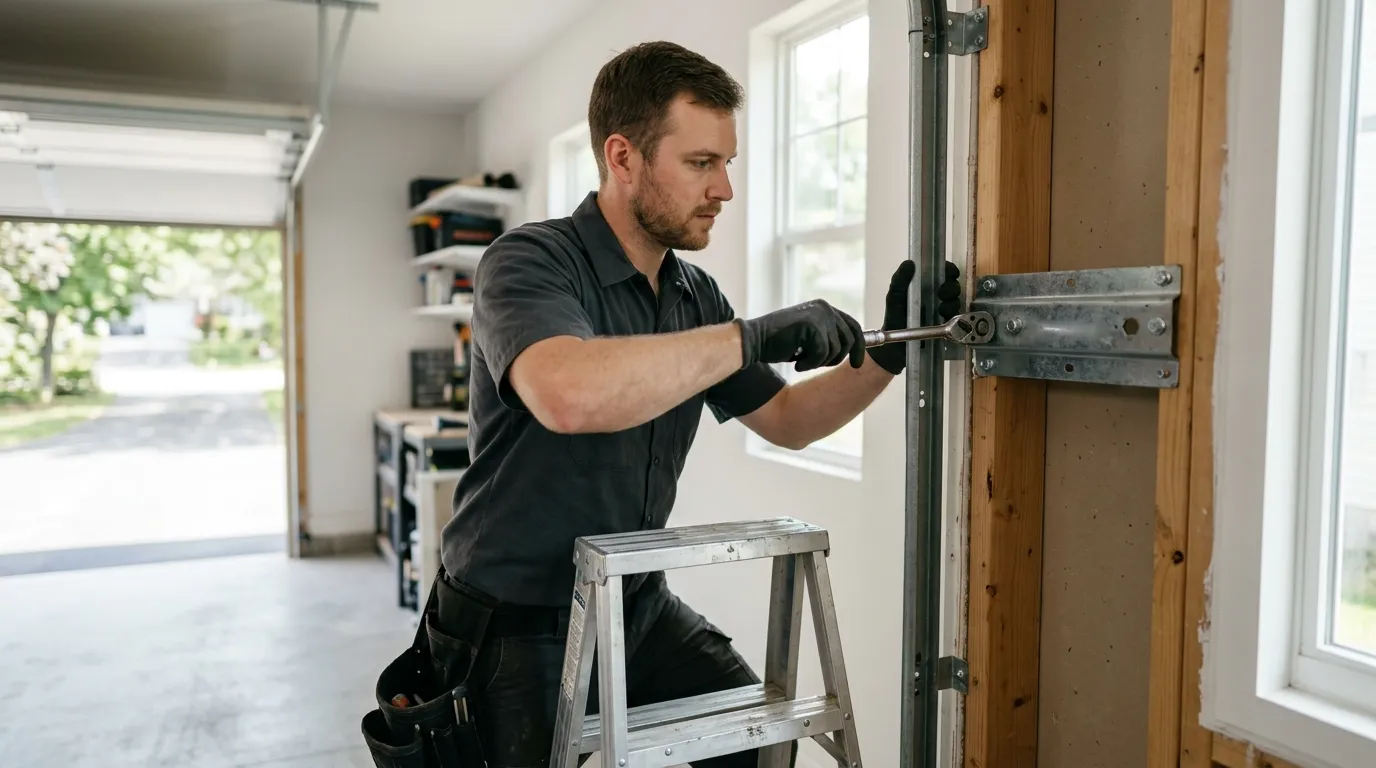
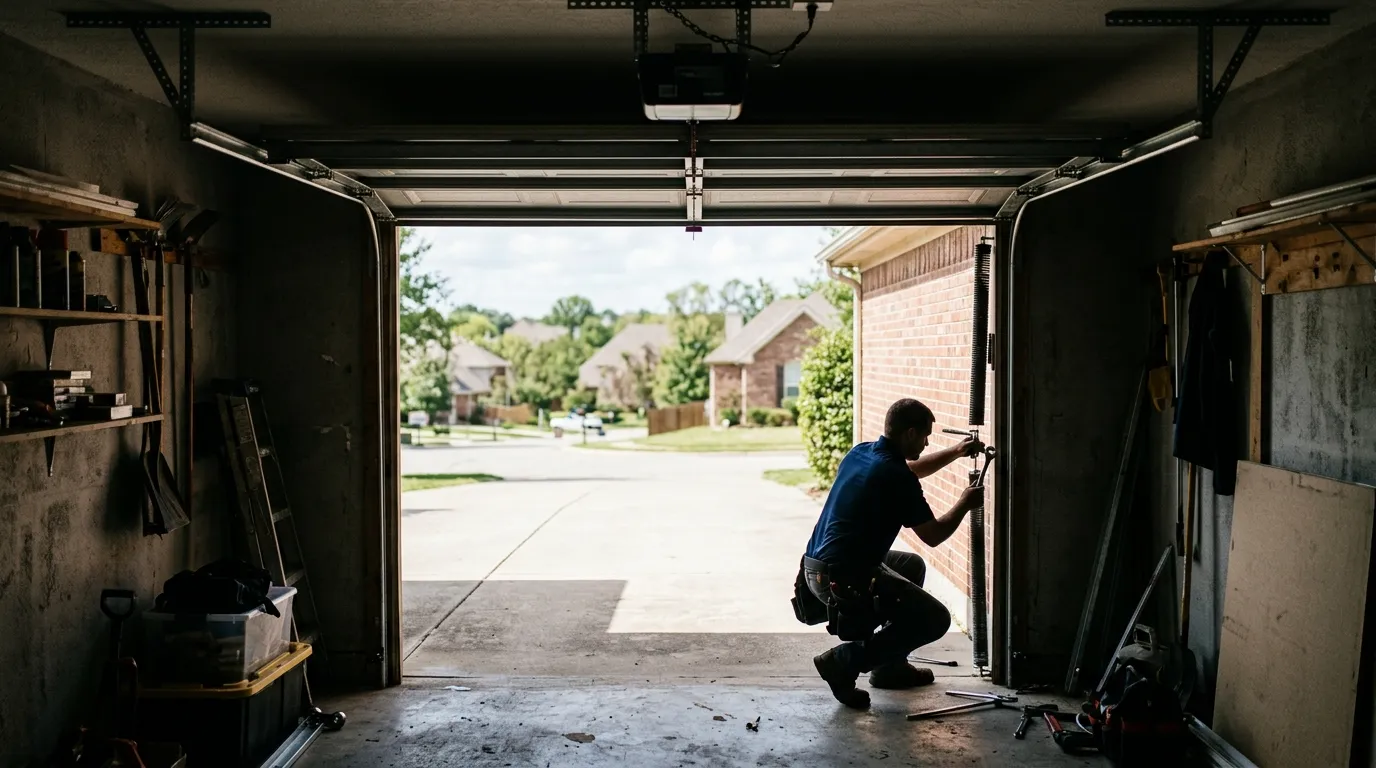
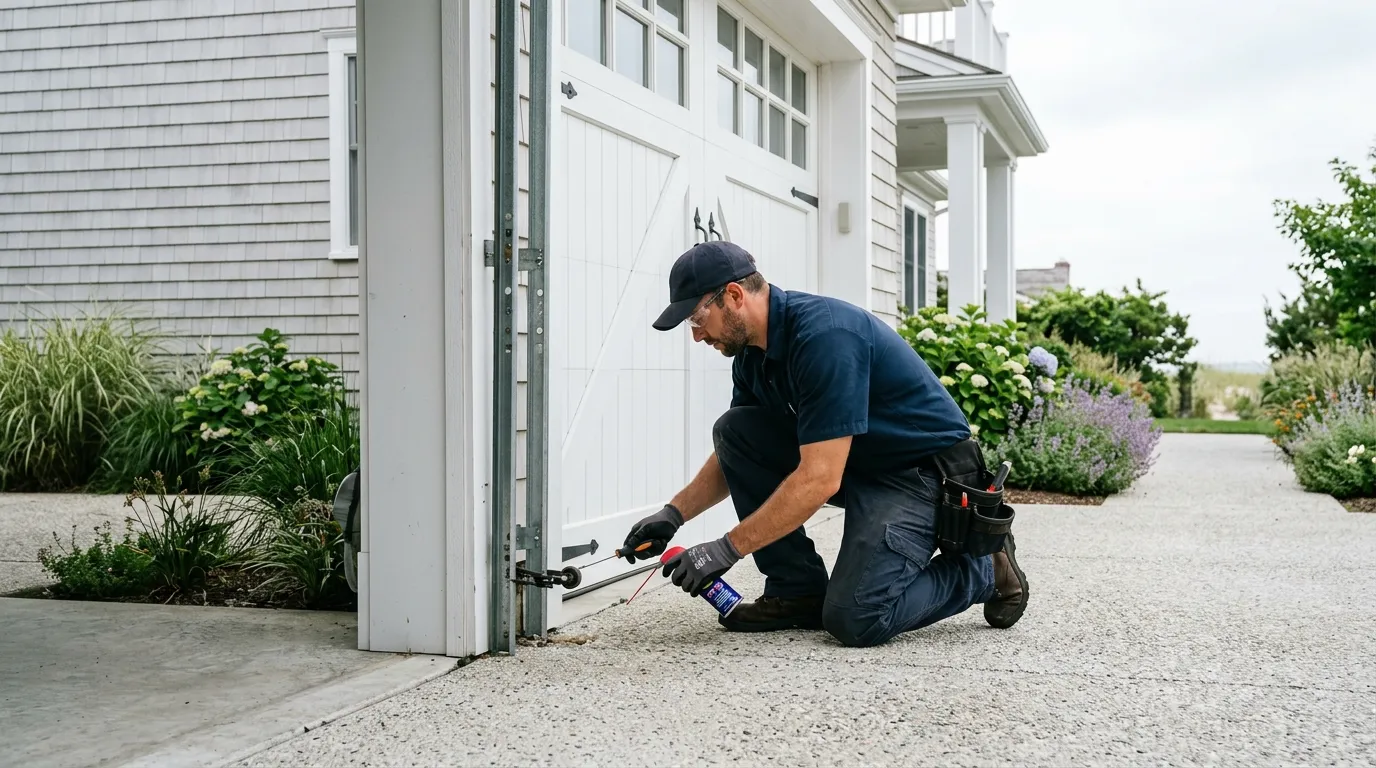
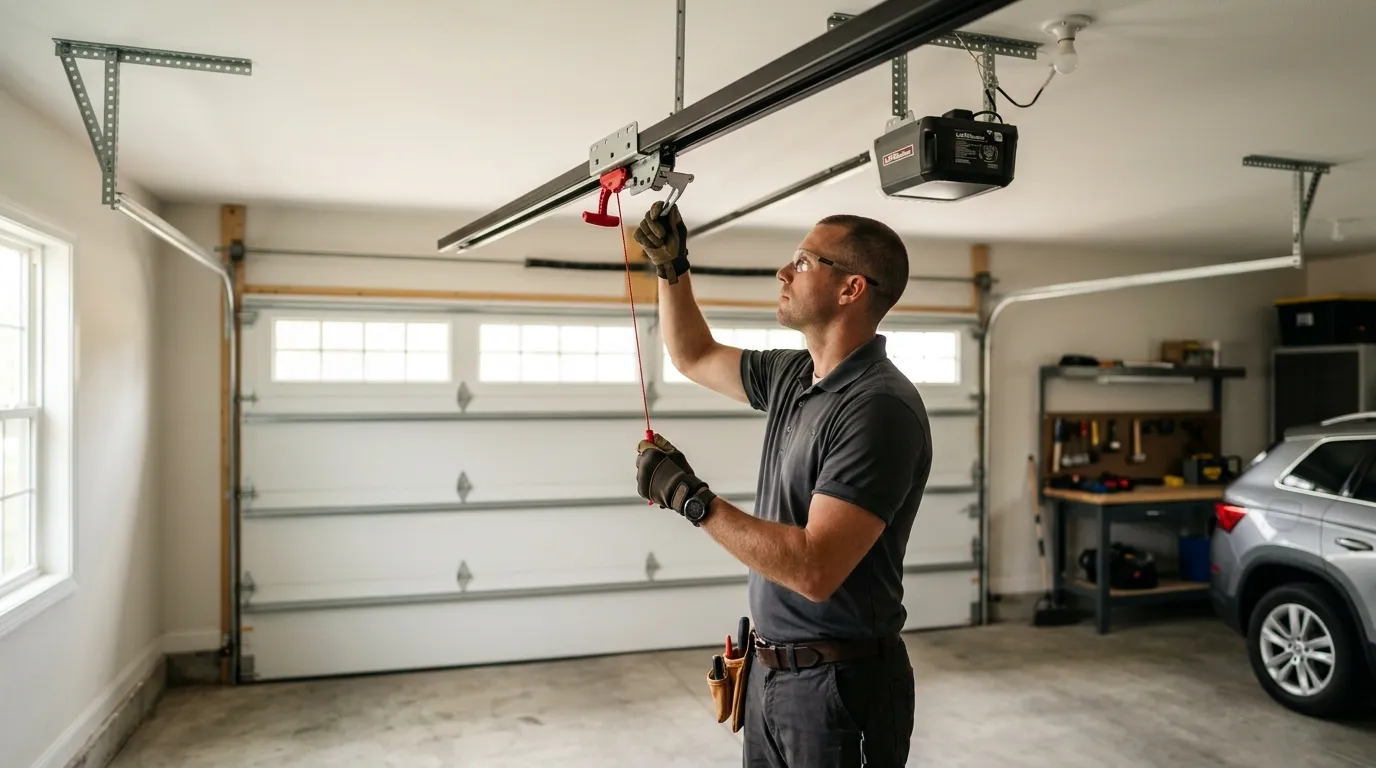
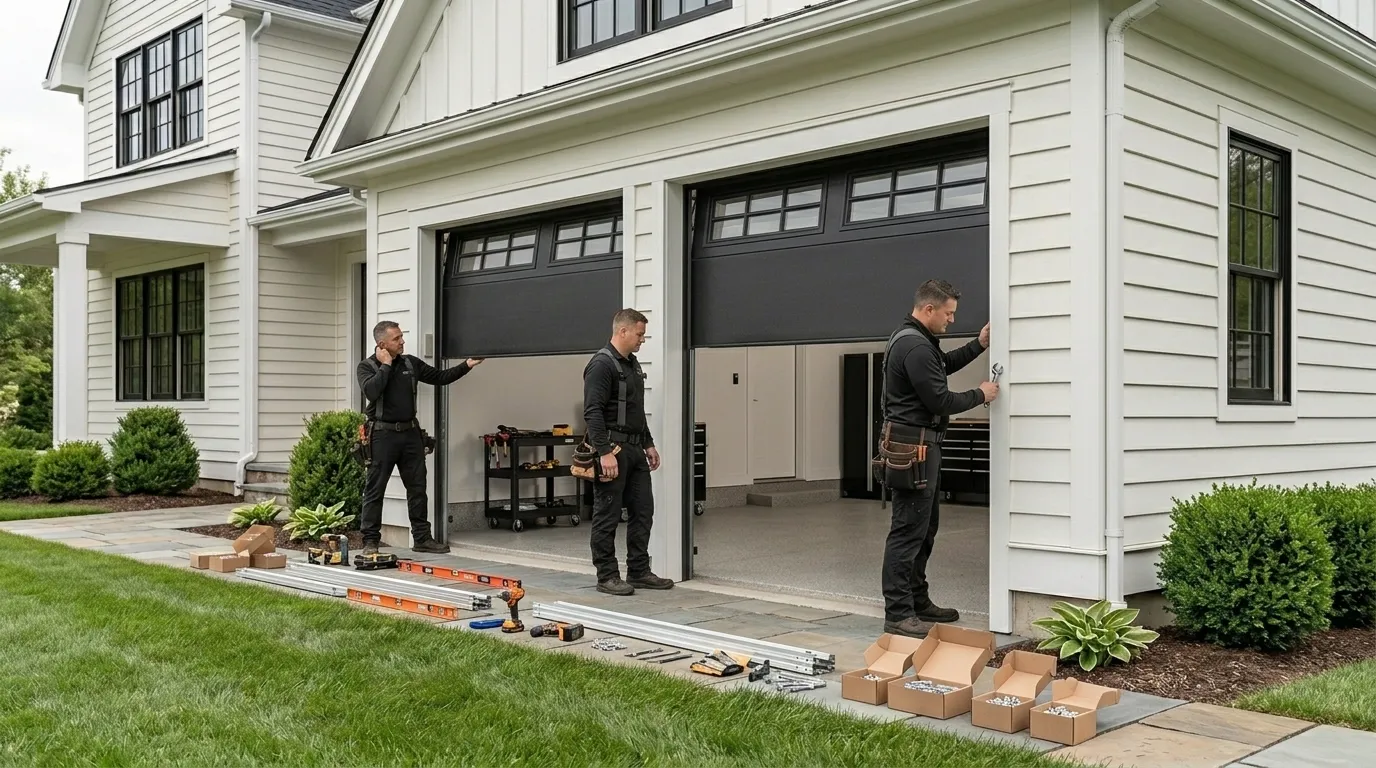
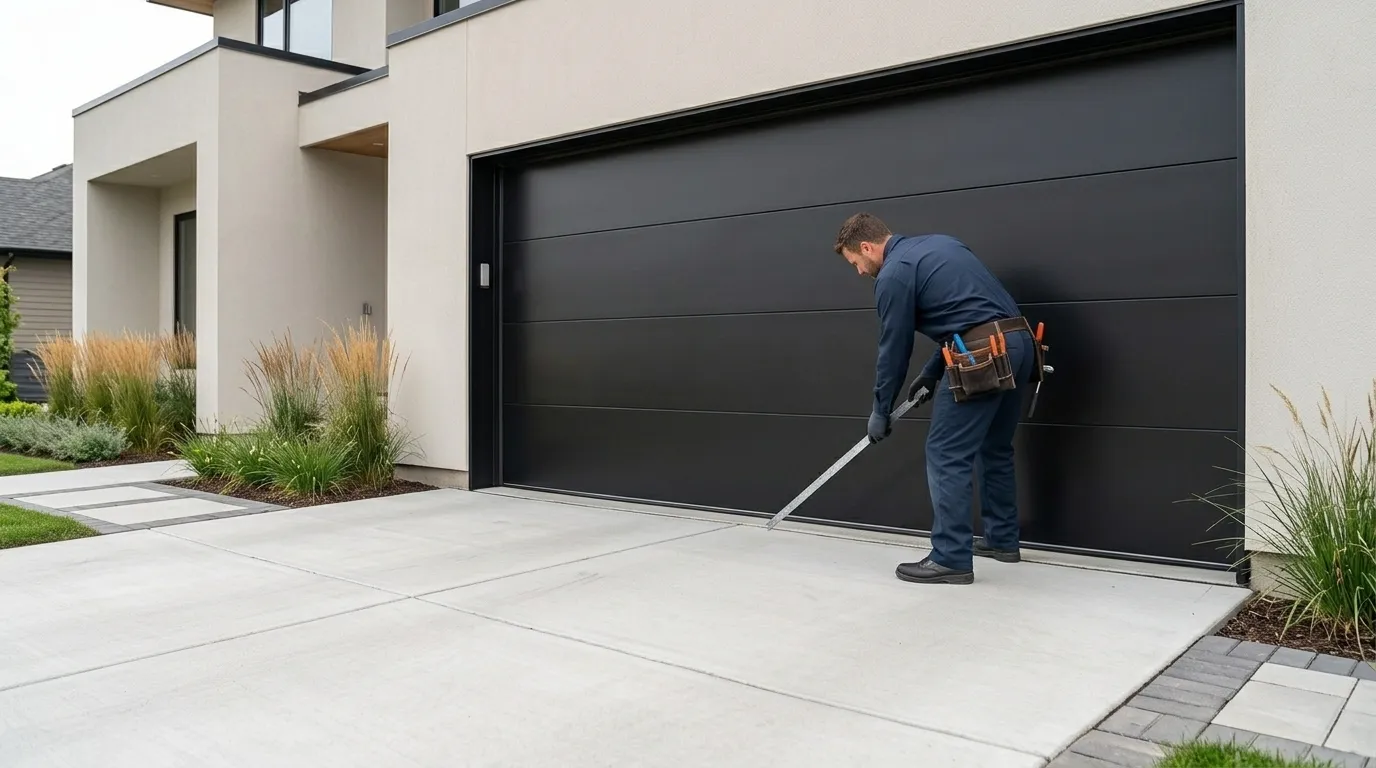
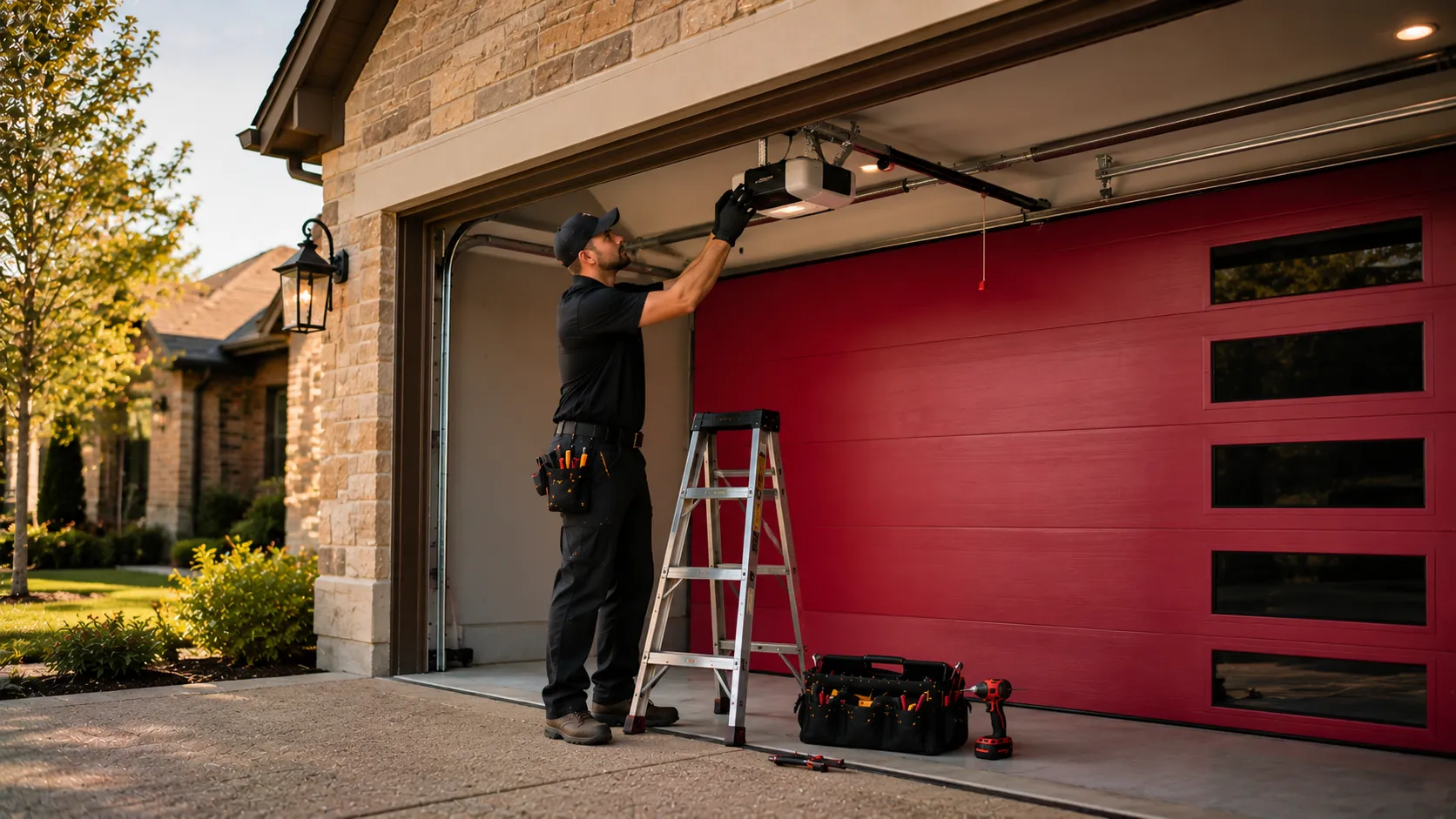
Spring Valley Lake homes mostly went up around 1987, right in the middle of the region's big building wave. That means most doors we open here are steel sectional panels on torsion springs, not the older side-mounted extension setups you find in older pockets of the high desert. The jobs we run most in this pocket are torsion spring swaps, opener circuit board failures on units original to the house, and roller replacement on tracks that have never been serviced. With a median household income of $93,040 here, well above the wider service area's $79,378, we also see more requests for insulated steel and full-view glass upgrades rather than bare economy panels - people here are replacing rather than patching once a door starts giving trouble twice in a year. We don't push a full door replacement when a spring and a set of rollers will get another decade out of the existing hardware, but we'll tell you straight when the opener motor is the weak link, not the springs.
What Was Built Here
1987 is the number that matters for this neighborhood - it puts almost every garage door and opener here squarely in the steel-sectional, torsion-spring era, a step newer than the 1958 start date for the broader service area's oldest stock. That one-year difference from the area median of 1986 sounds small, but it means Spring Valley Lake skews toward the later end of the build wave, closer to double-door garages with center-mounted torsion springs rather than the single-spring, single-panel setups common on older streets nearby. Openers from this era are chain-drive units that have usually been replaced once already, sometimes twice, and the circuit boards on the original units are long past reliable. With 3,248 households in this pocket, most sharing that same build window, the failure pattern is consistent: worn rollers, a spring past its cycle count, and safety sensors that were bolted on as an afterthought rather than built in from the start.
What That Means for Doors
Because the hardware here is consistently late-1980s, we don't have to guess when we take a call from this area. A torsion spring on a double door built in 1987 has a predictable cycle life, and most of the springs original to these houses are well past it by now - if yours has never been swapped, it's overdue rather than borderline. Openers from that period are also reaching the end of their realistic service life even after a motherboard swap or two, and matching a modern opener to an original 1980s track and drum setup is usually straightforward since the sizing across this build era is consistent. What we watch for here isn't the climate-driven wood rot or rust you'd see with older single-panel doors elsewhere - the moderate heat band means steel panels and torsion hardware hold up fine mechanically. It's cycle count and age of the opener electronics that decide most calls in Spring Valley Lake.