Time on the Job
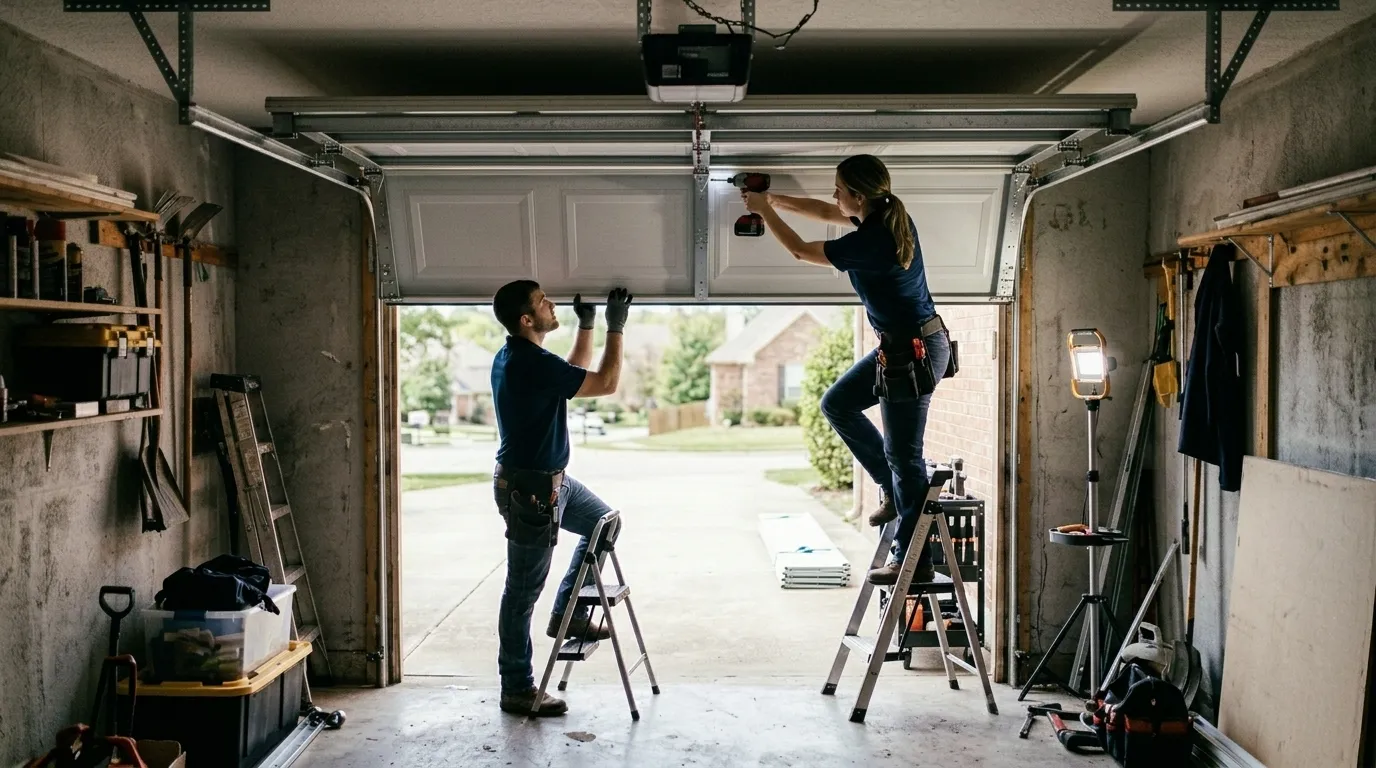
A straight torsion spring swap on a double door usually runs under an hour once we're on site with the right size spring for the drum. Cable replacement is similar. Track alignment and roller jobs run a little longer if the door has been dragging on a bent rail for a while, because we have to true up the whole run, not just the bent section. Opener repairs vary more - a bad gear or capacitor is quick, a full unit swap takes most of a morning.
What we can't shortcut is diagnosis on a door that's been limping for months. If a homeowner has been living with a slow-closing door or an opener that reverses for no reason, there's often more than one thing wrong, and we're not going to guess and charge twice.
Worth knowing: with housing across this area built mostly between 1958 and 1997 and a median build year of 1986, a lot of these doors are hitting the same failure window within a year or two of each other. That's not a coincidence - springs, openers, and hardware from that era are simply reaching the end of their working life at the same time, house after house.
What the Fix Involves
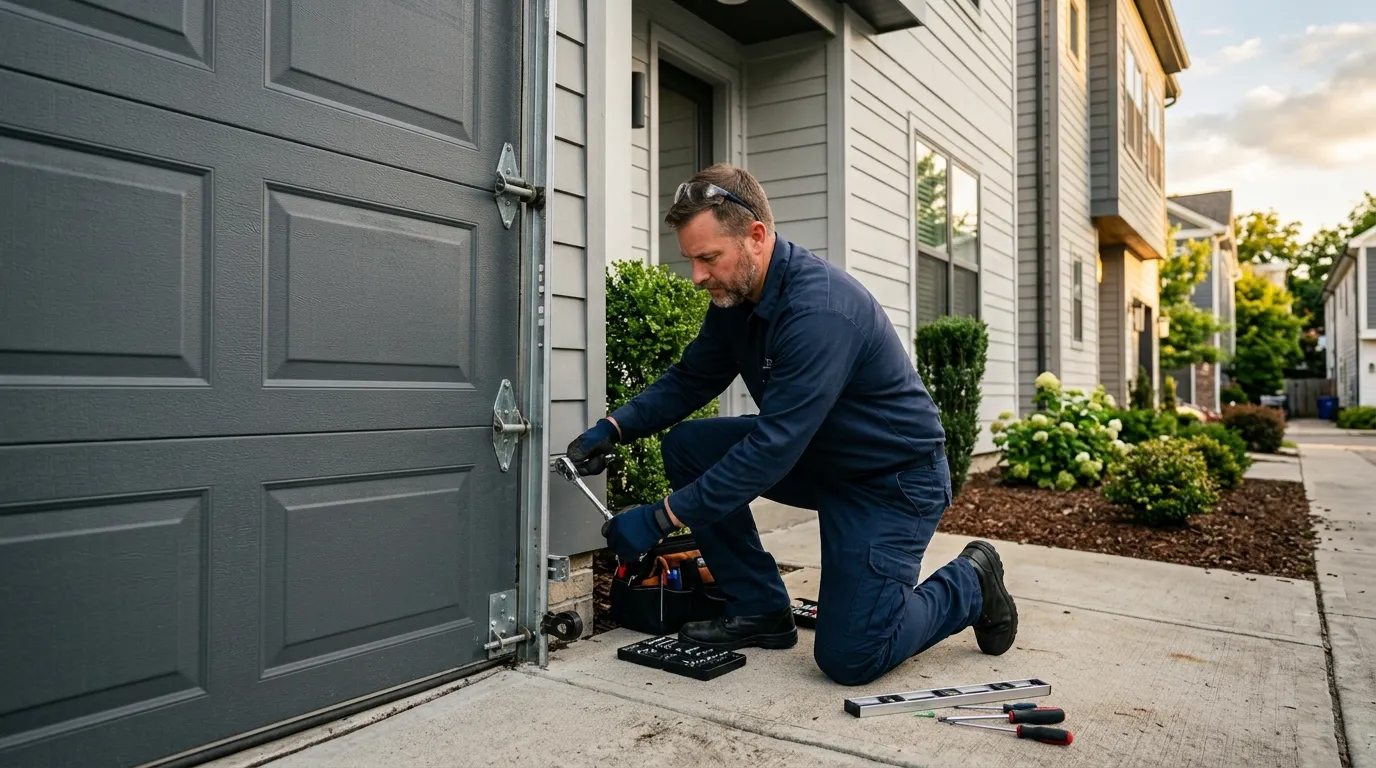
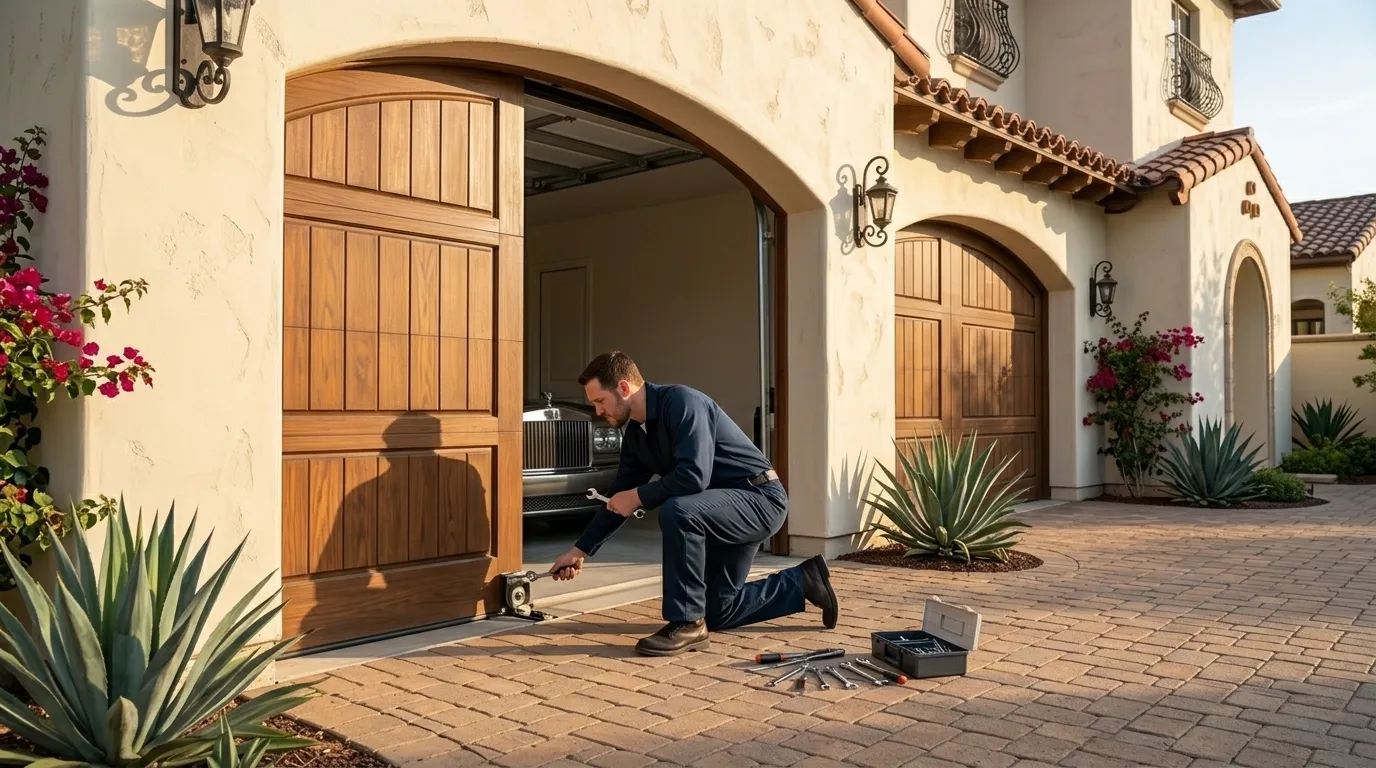
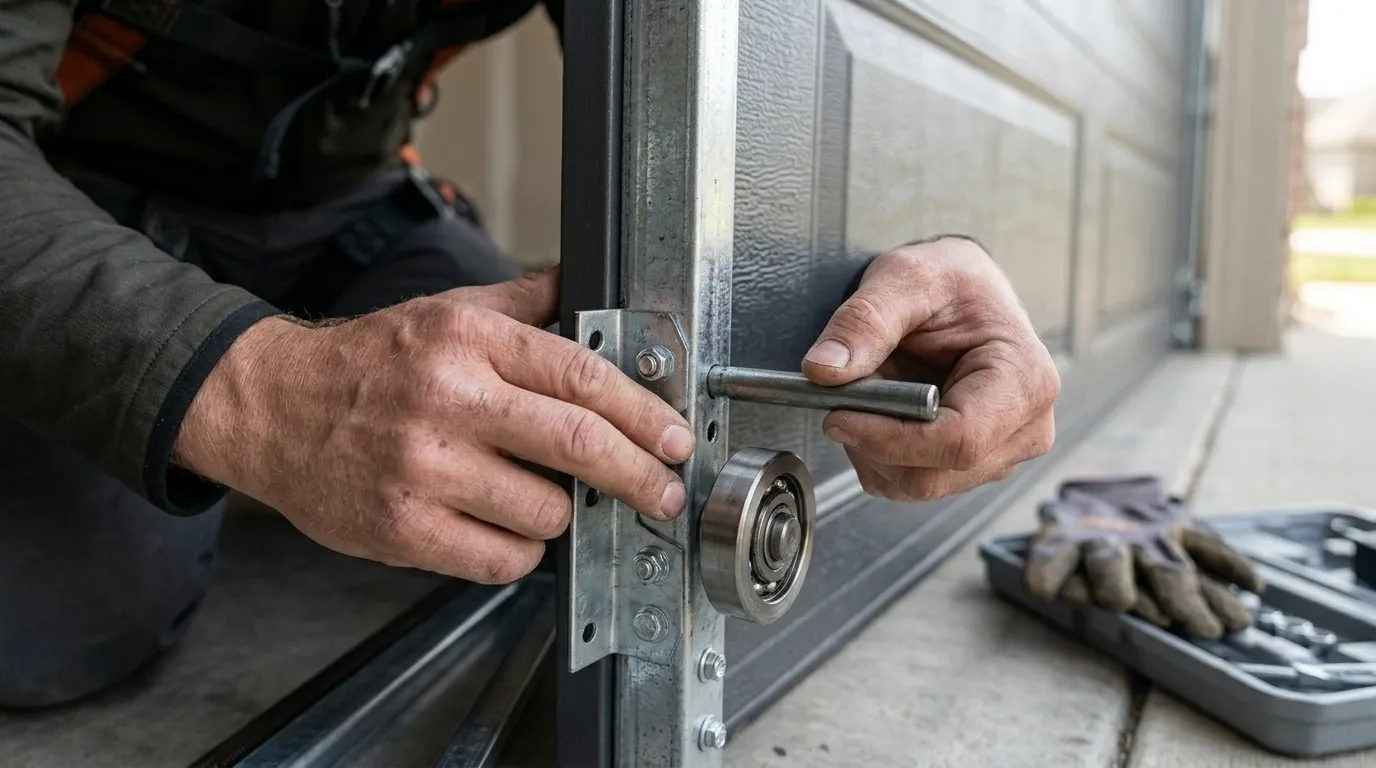
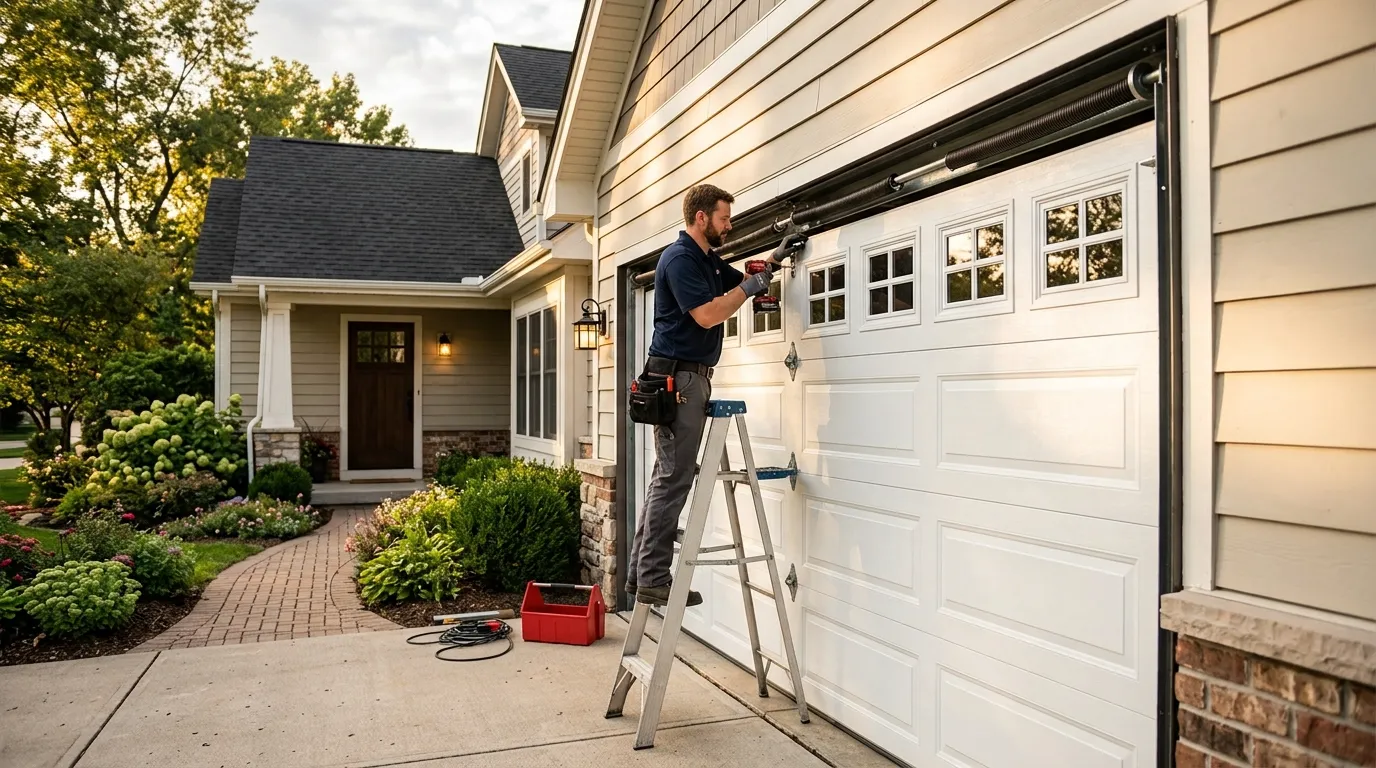
Most calls come down to one of four things: a broken torsion spring, a frayed or snapped lift cable, a bent track, or an opener that's stripped its gear or lost its capacitor. We pull the old spring off the shaft, size the replacement to the door's weight and drum, and set the tension by hand - this is not a part you want undersized on a heavier steel door.
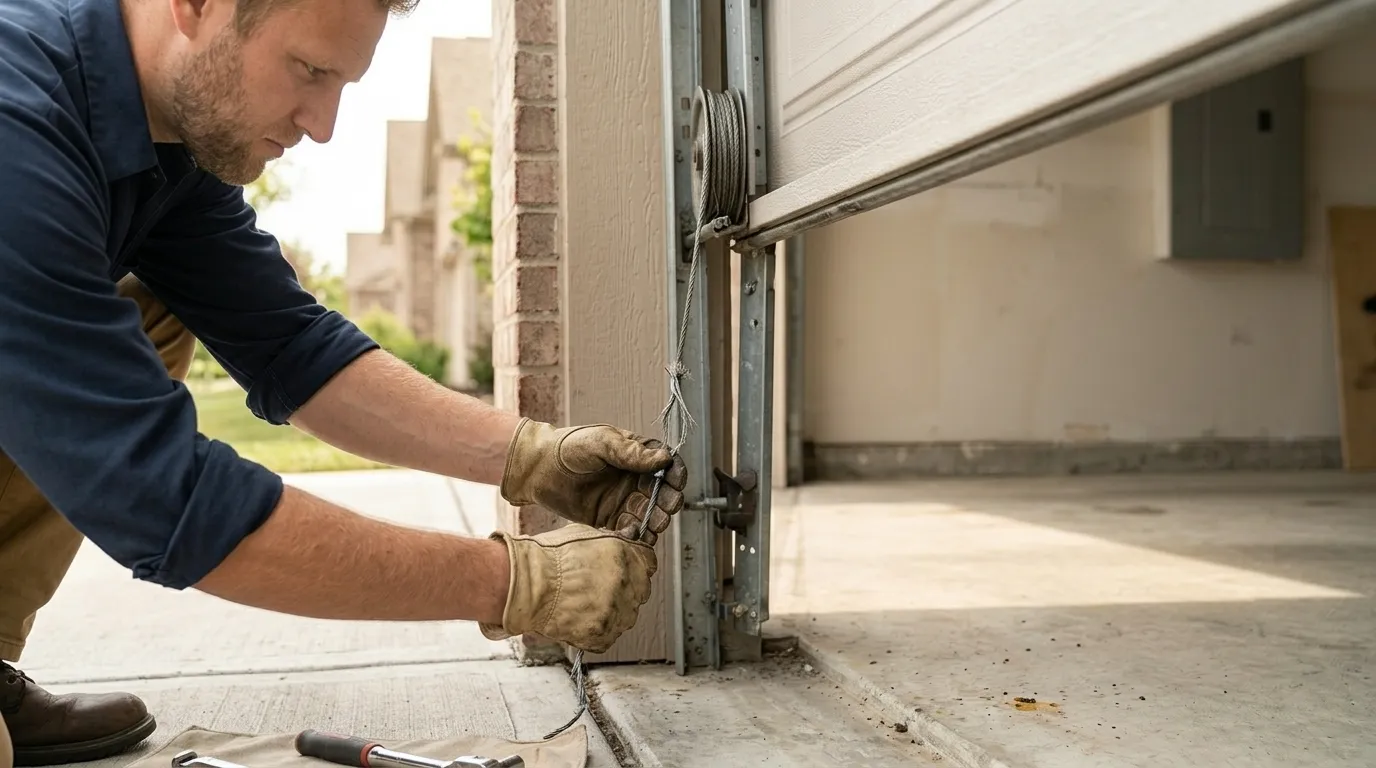
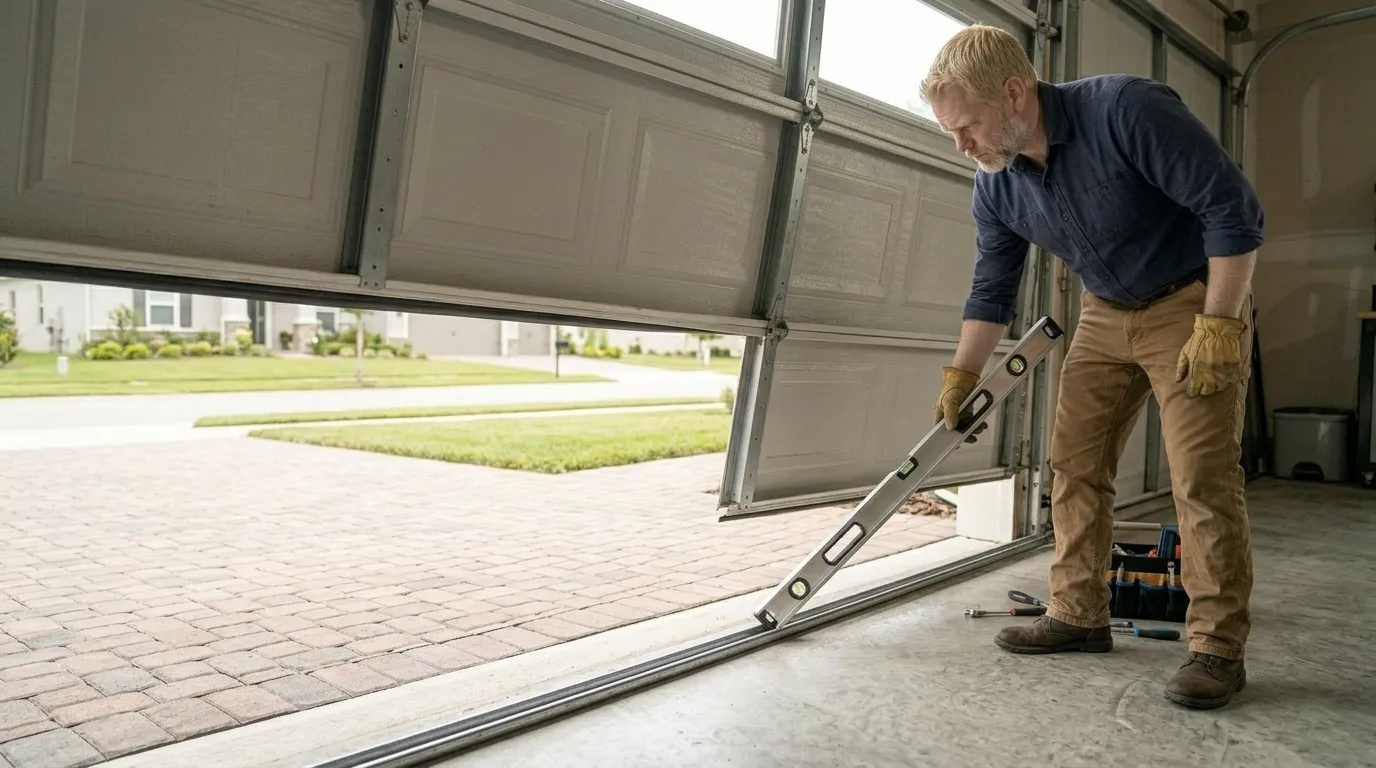
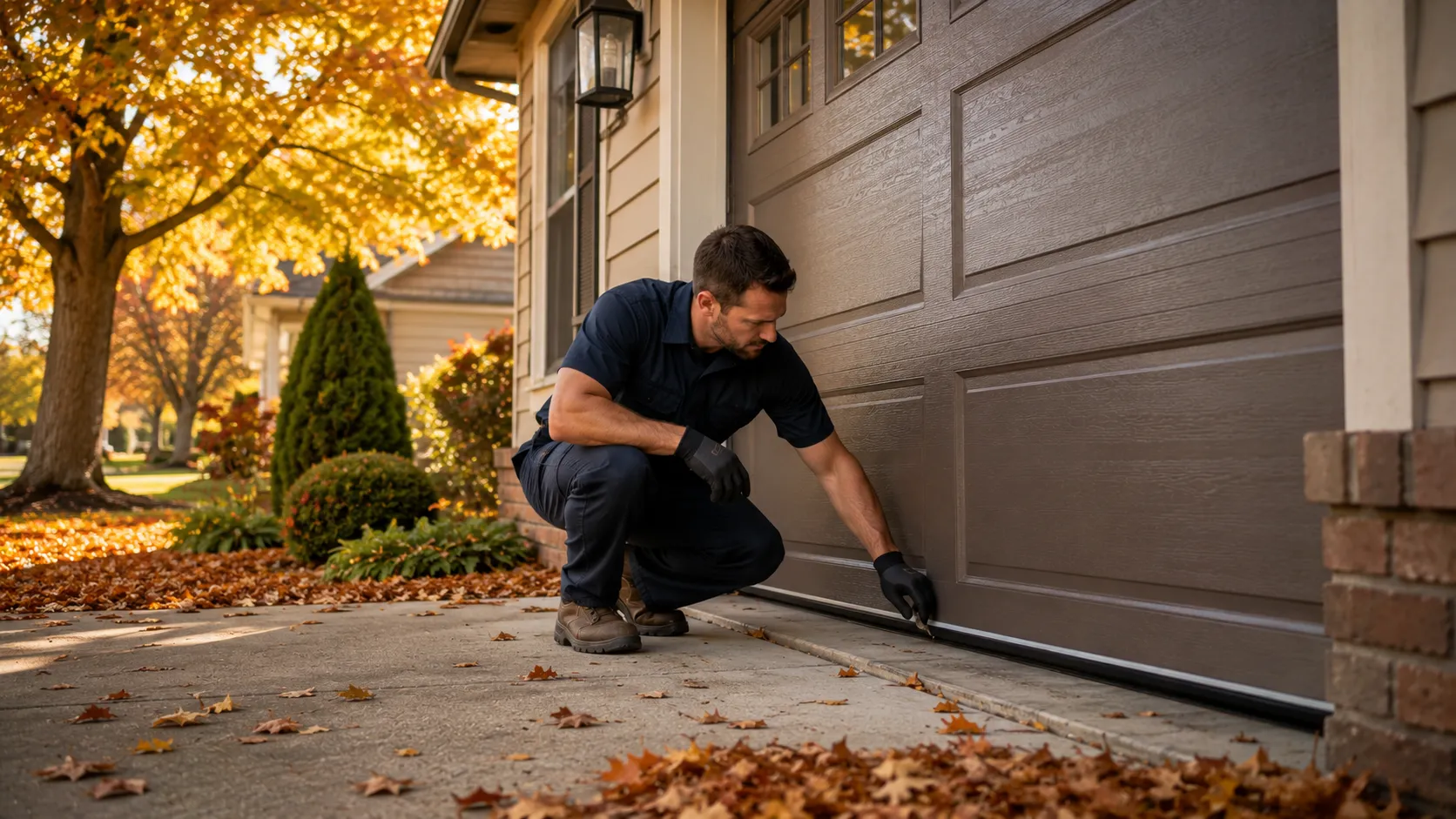
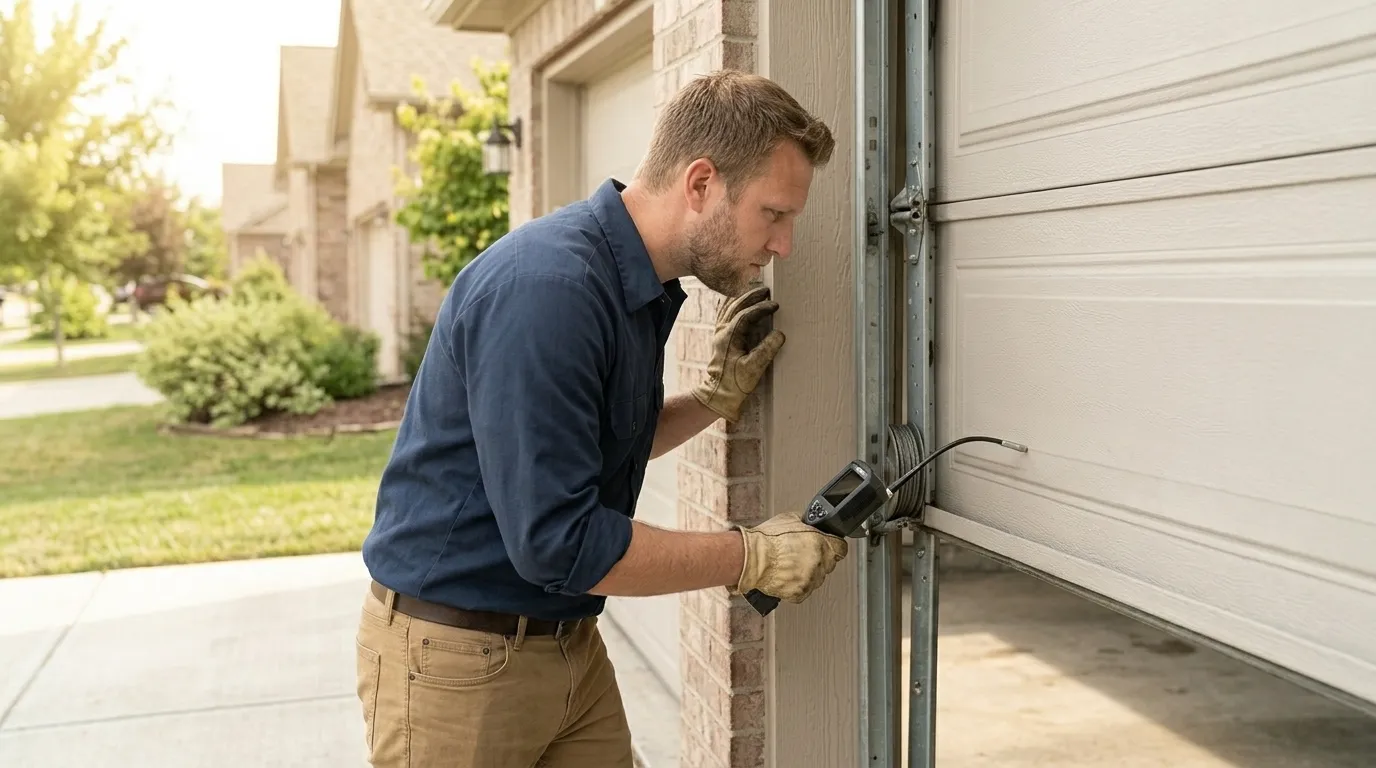
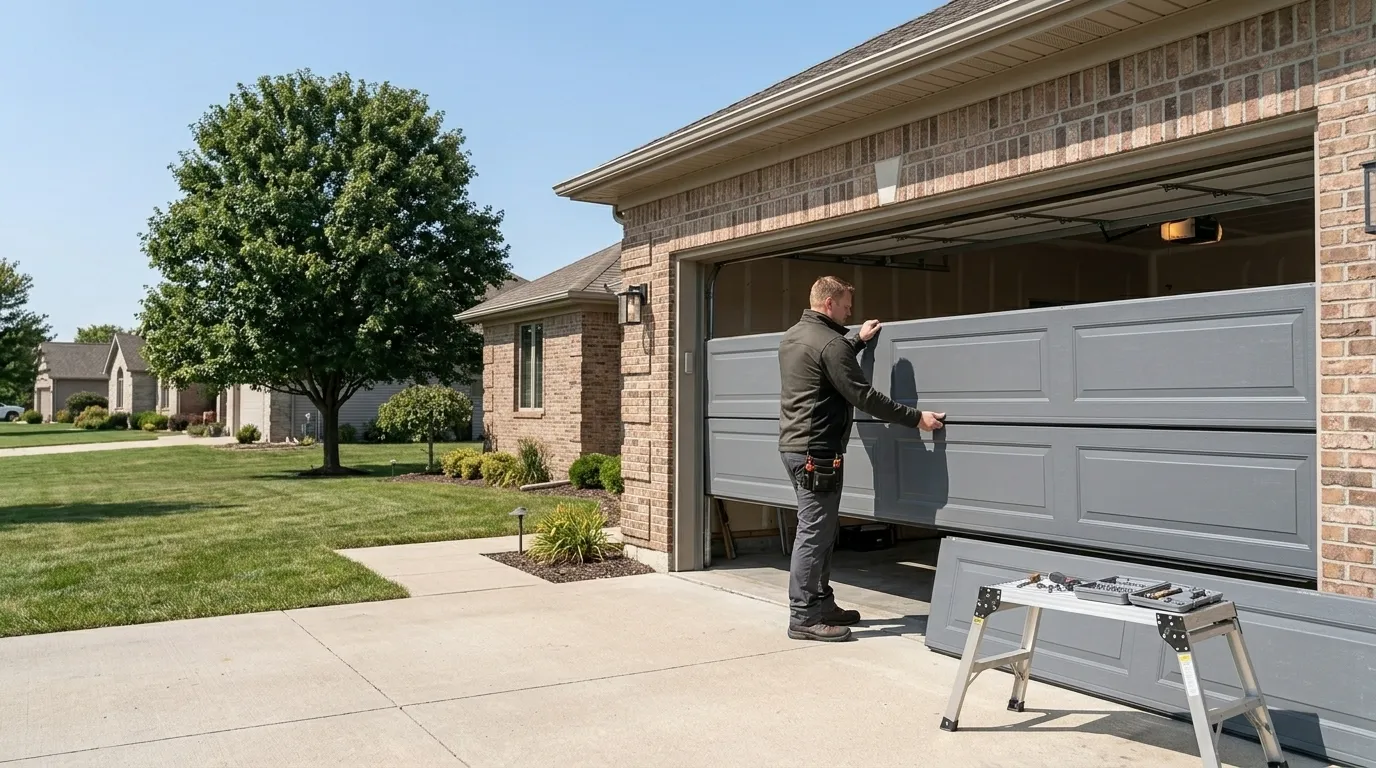
Cable work means checking the drum and the other cable too, since one snapped cable under load usually means the second one isn't far behind. Bent track gets straightened or replaced section by section rather than the whole run, if the rest of the rail is still true.
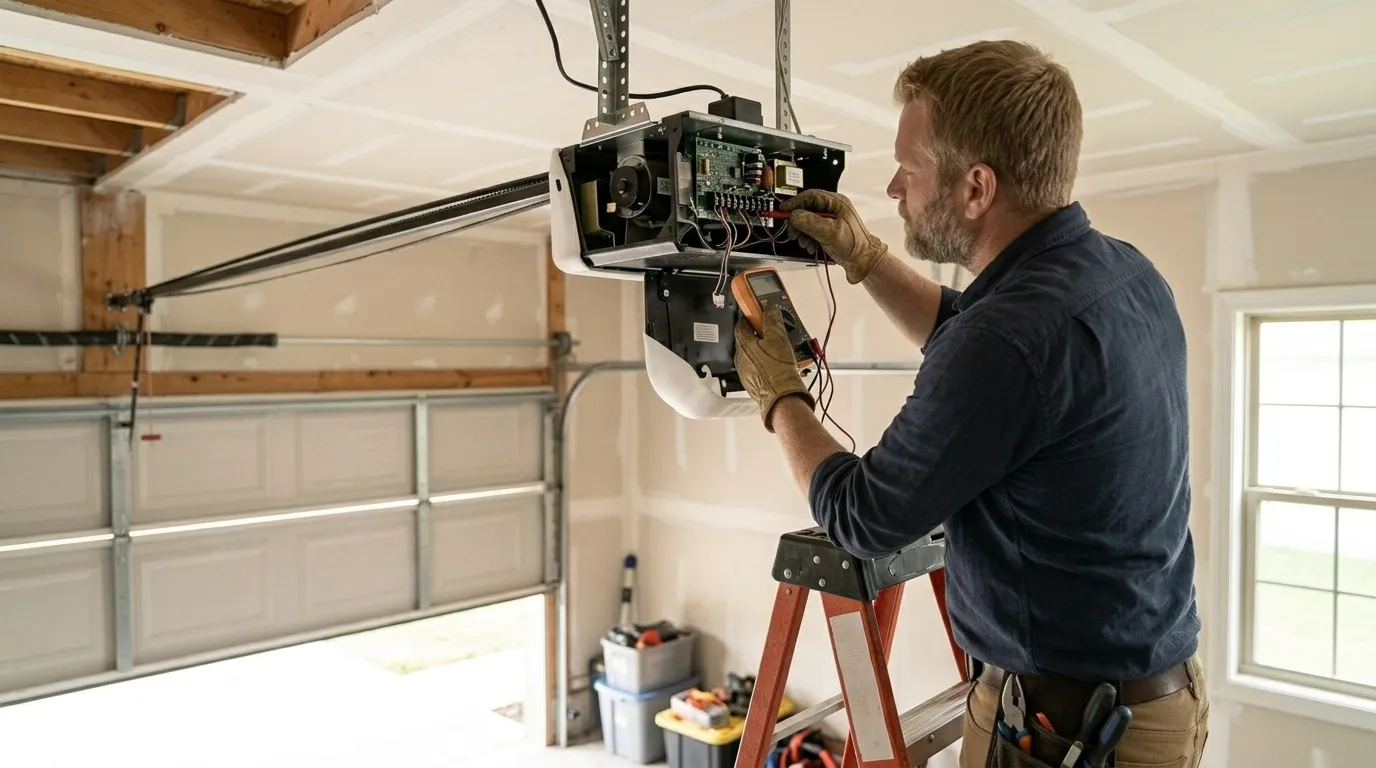
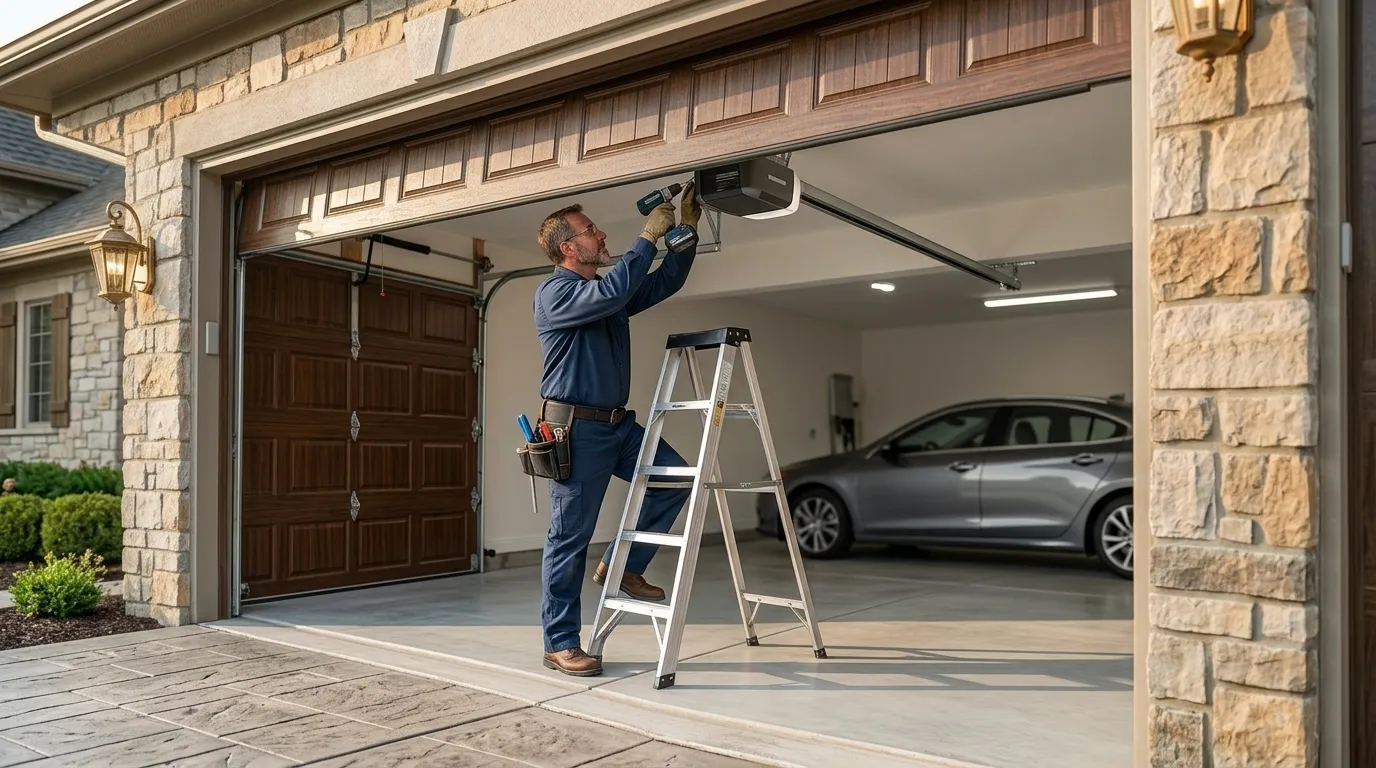
On openers, we're often replacing a drive gear or a logic board rather than the whole unit, if the motor itself is still sound. If the motor's gone or the unit predates the safety-reversal features that are now standard, replacement is the honest answer, not a patch. We'll say so rather than sell a repair that won't hold.
What Causes It Around Here
Hesperia's housing stock is mostly 1980s and 90s construction across the named neighborhoods in this area, with the overall range running from 1958 to 1997. That means a large share of doors, springs, and openers were installed on the same rough timeline, and torsion springs have a working life measured in cycles, not years - a door used daily for three decades is simply due.
The local climate band runs moderate on heat, and that daily swing between hot afternoons and cooler nights does two things: it dries out spring lubricant faster than a milder climate would, and it makes steel expand and contract enough to loosen bolts and brackets over time. Combine that with original hardware from the Reagan-era housing boom and you get the pattern we see on repeat - spring failure and opener gear wear clustering by decade of construction, not by random bad luck.
We see it from Hesperia proper out toward Oak Hills and Apple Valley just the same, since the building stock and the climate exposure don't change much across that stretch.