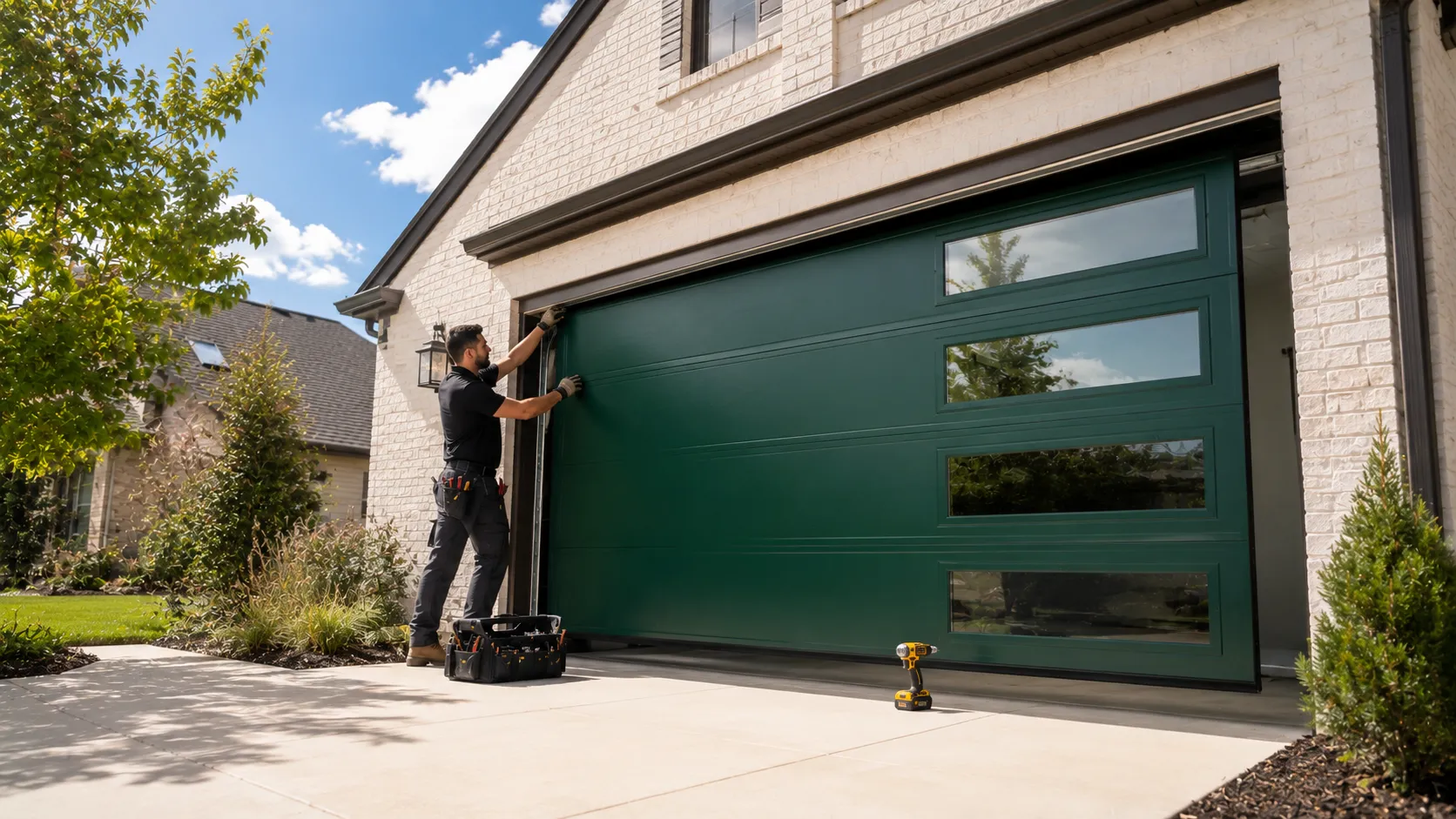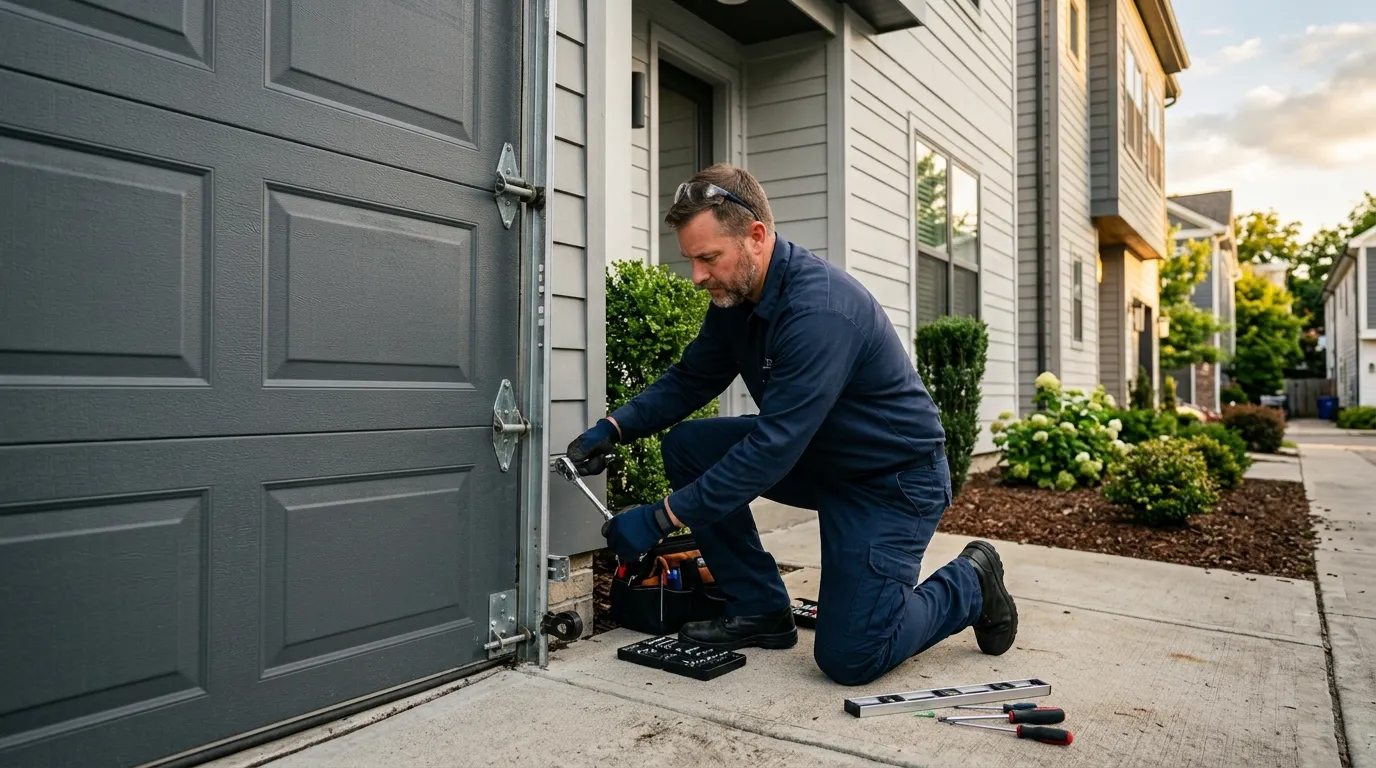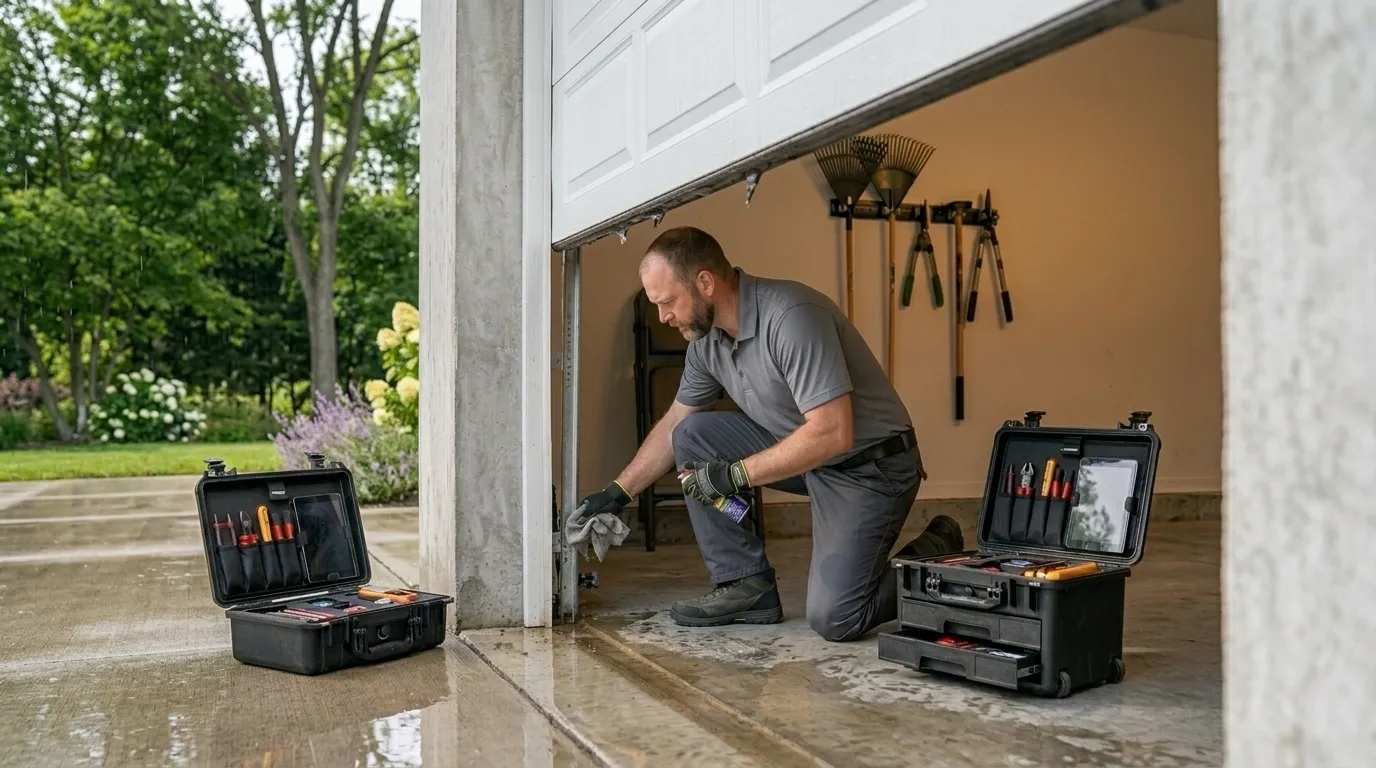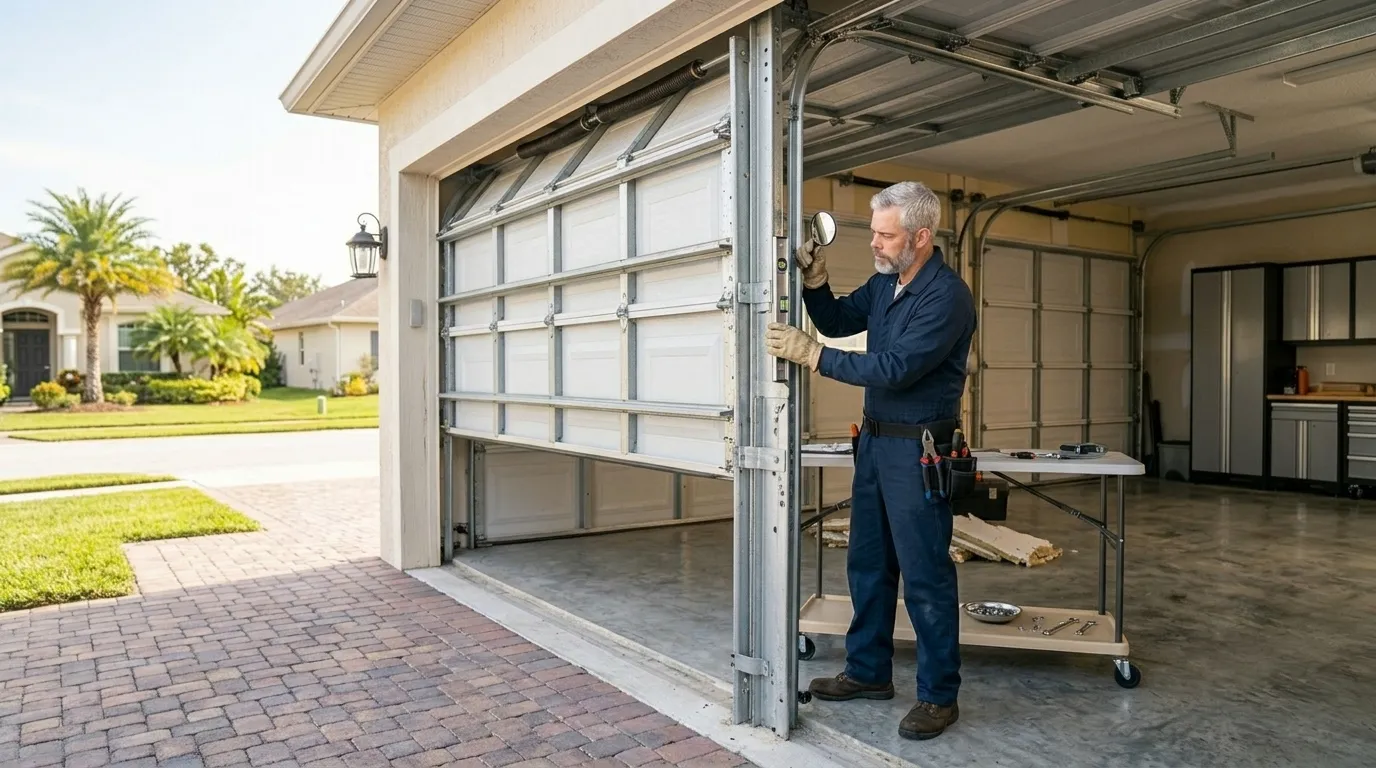
Common Jobs Here
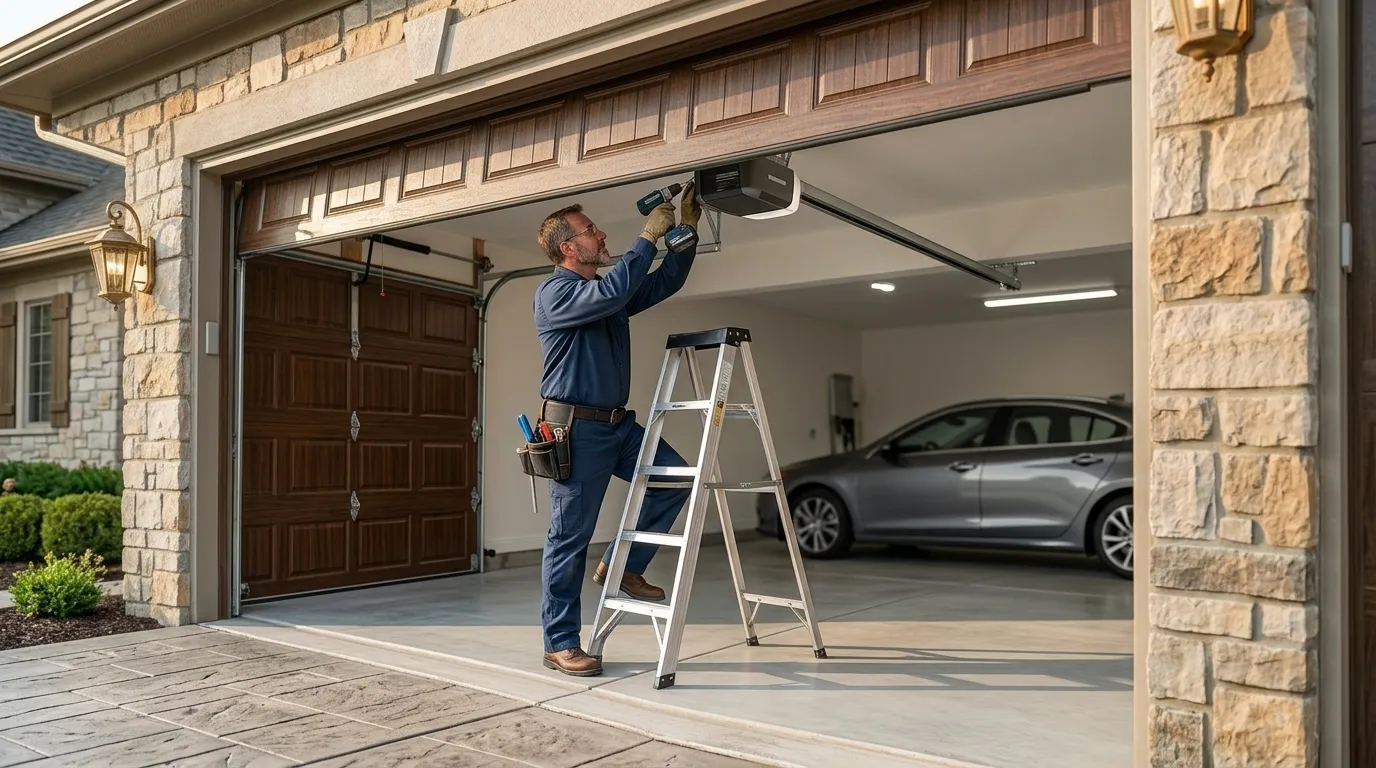
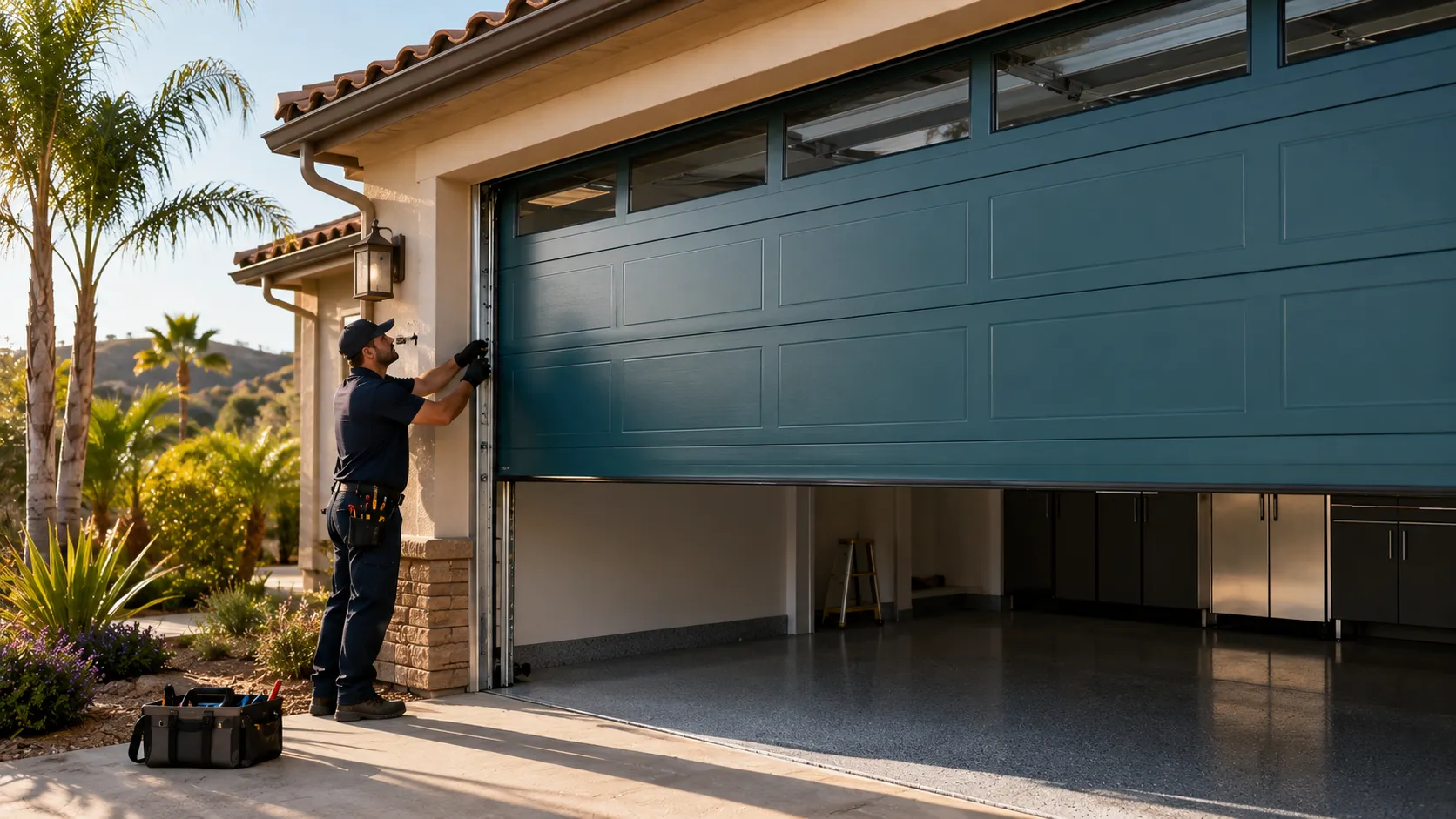
The calls we get from Muscoy skew toward older hardware than what we see closer to Hesperia. With a median build year around 1958, a lot of these garages still have their original torsion setups, or a replacement from decades back that was never upgraded to modern safety cable standards. We see worn extension springs without containment cables, single-panel doors that have been patched instead of replaced, and openers that predate the photo-eye sensor requirement. Rollers on these older tracks tend to be steel rather than nylon, which means more noise and more wear on the track itself over the years.
Compare that to the wider service area, where the median build year runs closer to 1986 - almost thirty years newer. That gap matters. A 1986 door is likely on a lighter steel torsion system with standard spring sizing that most trucks stock parts for. A 1958 door might need a spring or drum that isn't a common size anymore, which can mean a second trip once we've confirmed what's actually on the wall. We tell people this upfront rather than pretend every job wraps in one visit.
What Was Built Here
Muscoy's housing is genuinely older than most of what this company covers. A median year of 1958 puts a large share of the neighborhood's garages at over sixty years old, built well before current door safety standards existed. That's a meaningfully different starting point than the 1958-1997 range and 1986 median across the broader 13-area territory we work in.
Older construction also tends to mean narrower garage openings and lower headroom clearances than what's standard in newer builds, which limits which replacement door and opener combinations actually fit without modification. We don't guess at this over the phone - it's a look-and-measure job once we're there.
What That Means for Doors
Put the build year and the distance together and you get a specific kind of job: an older door, likely without modern safety features, serviced by a crew that's driving in rather than already local. That means we try to diagnose as much as possible before we leave the shop - spring type, door weight, opener age - so the truck is stocked for what's actually on your garage instead of a generic assumption.
The area's median household income, at $57,726, also runs lower than the broader service area's $79,378. We mention that because it factors into how we talk about repair versus replacement - a 1958-era door with a cracked panel and a dying opener is often a case where patching one part just delays the next call. We'll say so instead of running up a bill on a door that's better off replaced outright. That's not true of every job here, but on the oldest doors it comes up more than people expect.